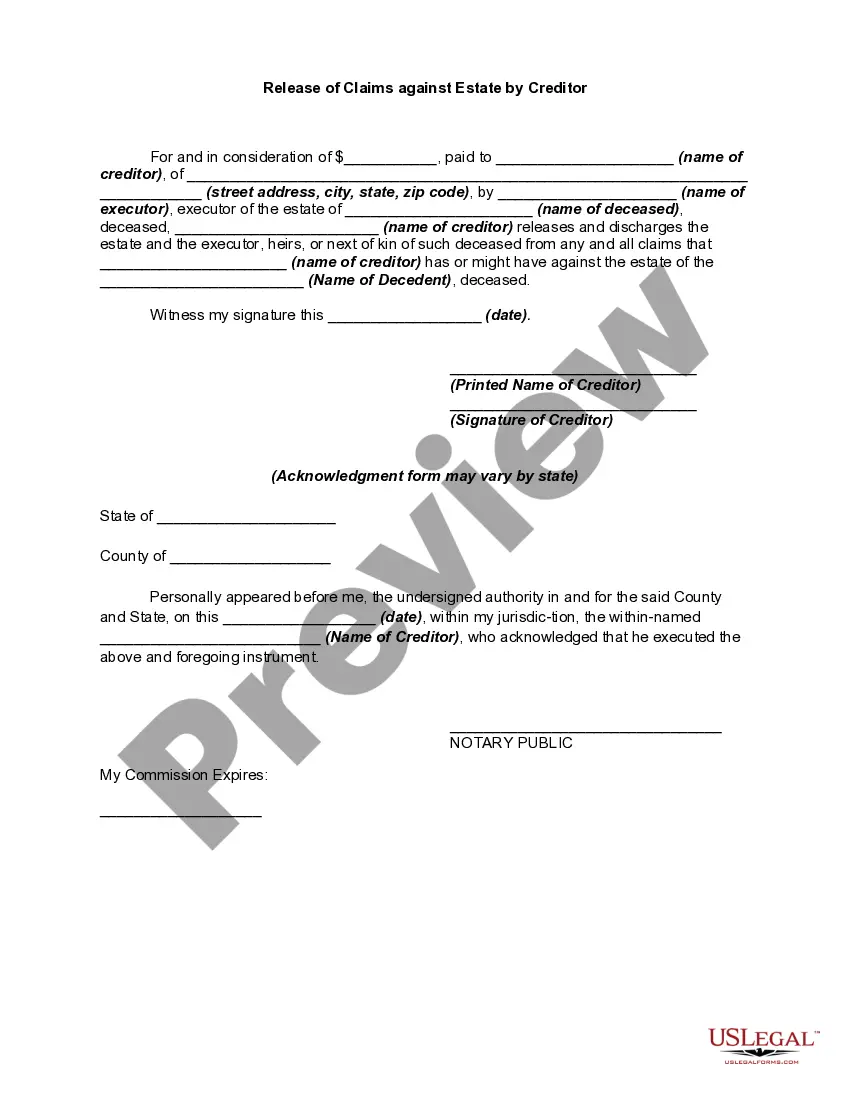
Claims On Estate Of Deceased Form Canada
Description
Get your form ready online
Our built-in tools help you complete, sign, share, and store your documents in one place.
Make edits, fill in missing information, and update formatting in US Legal Forms—just like you would in MS Word.
Download a copy, print it, send it by email, or mail it via USPS—whatever works best for your next step.
Sign and collect signatures with our SignNow integration. Send to multiple recipients, set reminders, and more. Go Premium to unlock E-Sign.
If this form requires notarization, complete it online through a secure video call—no need to meet a notary in person or wait for an appointment.
We protect your documents and personal data by following strict security and privacy standards.

Make edits, fill in missing information, and update formatting in US Legal Forms—just like you would in MS Word.

Download a copy, print it, send it by email, or mail it via USPS—whatever works best for your next step.

Sign and collect signatures with our SignNow integration. Send to multiple recipients, set reminders, and more. Go Premium to unlock E-Sign.

If this form requires notarization, complete it online through a secure video call—no need to meet a notary in person or wait for an appointment.

We protect your documents and personal data by following strict security and privacy standards.
Looking for another form?
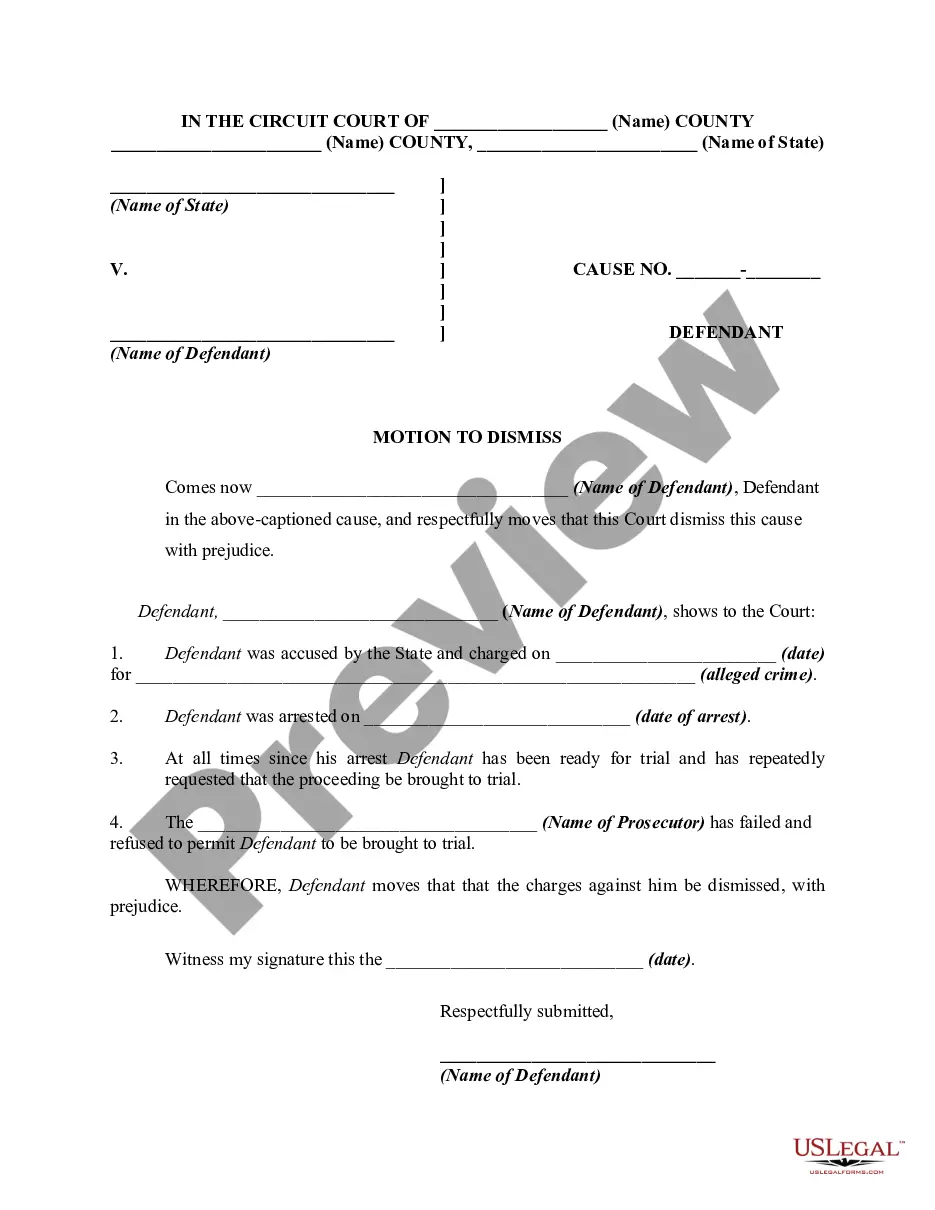
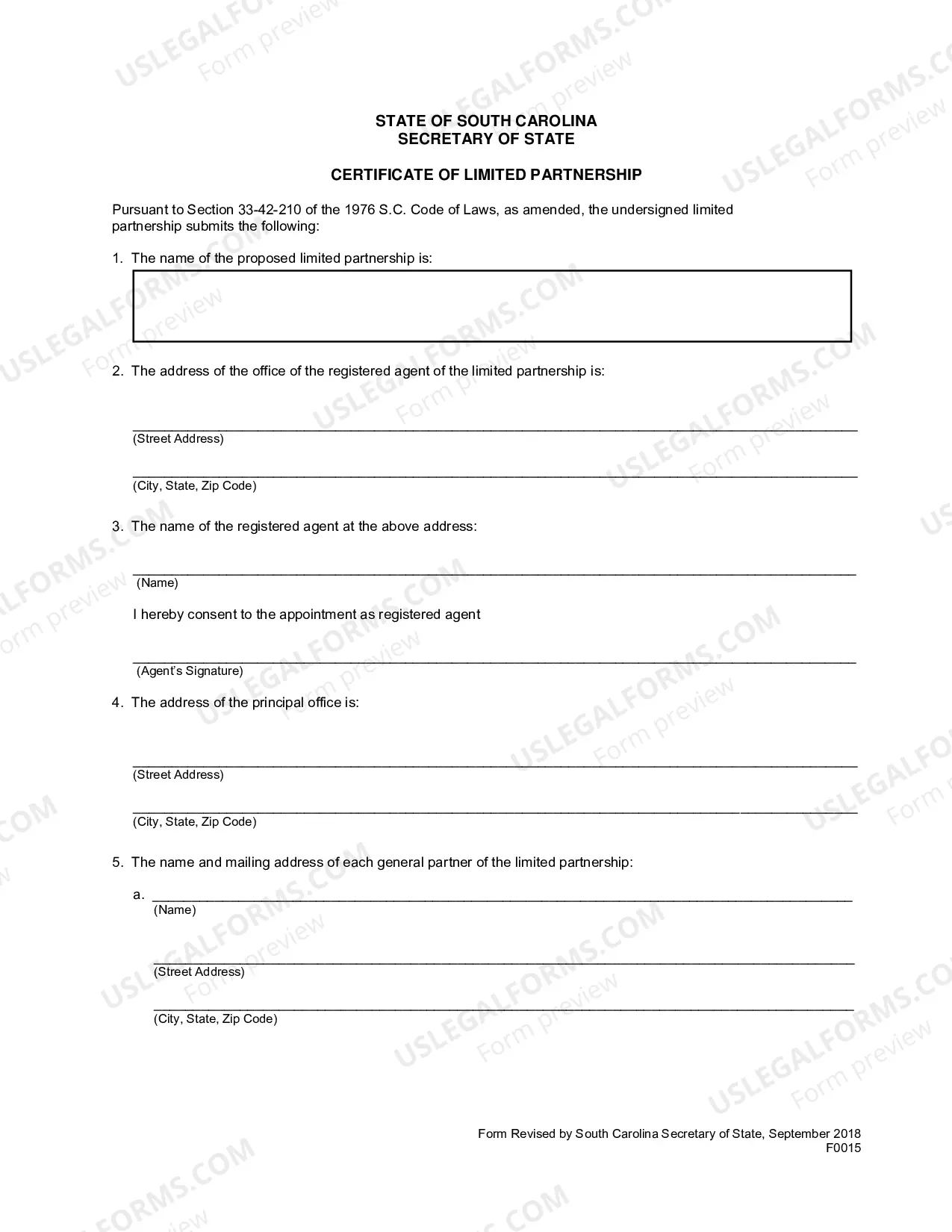
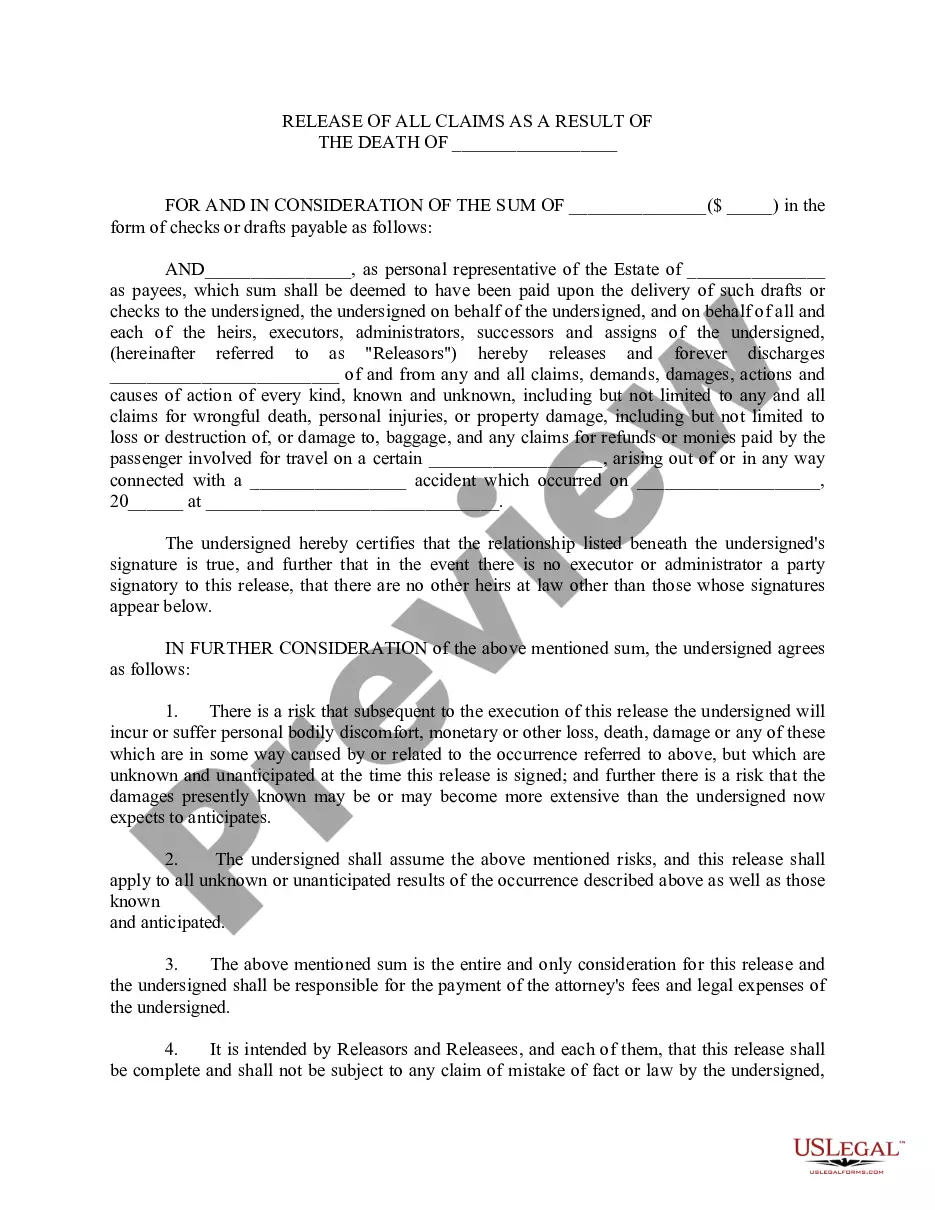
How to fill out Release Of Claims Against Estate By Creditor?
Securing a reliable source for obtaining the most recent and suitable legal templates is a significant part of navigating bureaucracy.
Selecting the correct legal documents requires accuracy and careful consideration, which is why it is crucial to obtain Claims On Estate Of Deceased Form Canada exclusively from trusted providers, such as US Legal Forms. An incorrect template can squander your time and delay your current situation. With US Legal Forms, you can rest easy. You can review and understand all the information regarding the document’s application and relevance for your particular circumstances and within your state or locality.
Once you have the form on your device, you can modify it using the editor or print it out and fill it in manually. Alleviate the stress associated with your legal paperwork. Explore the extensive US Legal Forms library to discover legal templates, assess their relevance to your situation, and download them immediately.
- Utilize the catalog navigation or search bar to find your template.
- Access the form’s details to verify if it meets the criteria of your state and county.
- View the form preview, if available, to ensure the form aligns with your interests.
- Return to the search and locate the suitable template if the Claims On Estate Of Deceased Form Canada does not fulfill your requirements.
- If you are confident about the form’s applicability, download it.
- As an authorized user, click Log in to verify and access your selected templates in My documents.
- If you have yet to create an account, click Buy now to acquire the template.
- Choose the pricing option that fits your needs.
- Proceed to the registration to finalize your purchase.
- Complete your transaction by selecting a payment method (credit card or PayPal).
- Select the document format for downloading Claims On Estate Of Deceased Form Canada.
Form popularity
FAQ
Yes, you generally have to file an estate return in Canada if the deceased's estate exceeds the basic exemption limits. This return often requires you to report the value of the estate and any claims, including Claims on estate of deceased form Canada. Filing accurately is crucial to ensure compliance with tax regulations and to facilitate the distribution of assets. Using platforms like uslegalforms can simplify this process and ensure you have the correct documentation.
To sue an estate after death, you must first file a claim against the estate with the probate court. This process typically involves submitting a Claims on estate of deceased form Canada, which details your claim and the reasons for it. It is important to gather supporting documents and evidence to strengthen your case. Consulting a legal expert can help you navigate the complexities of this process effectively.
The time limit to make a claim on a deceased estate varies by province, but generally, it ranges from six months to two years after the estate is probated. It is crucial to act promptly to ensure your rights are protected. By using the 'Claims on estate of deceased form Canada', you can quickly prepare your claim and avoid missing any deadlines.
Finding assets of a deceased person in Canada involves checking various records, including bank statements, property titles, and insurance policies. You can also contact their financial institutions and search provincial registries for any registered assets. Utilizing the 'Claims on estate of deceased form Canada' may help you compile this information systematically.
To claim your estate, begin by ensuring that all debts and taxes are settled. You will then distribute the remaining assets according to the will or, if there is no will, according to local laws. The 'Claims on estate of deceased form Canada' can guide you through the necessary steps to make your claim clear and effective.
The $2500 death benefit in Canada can be claimed by the deceased's estate or directly by the beneficiaries named in the will. If there is no will, the benefits may go to the closest relatives according to provincial laws. To ensure a smooth process, consider using the 'Claims on estate of deceased form Canada' to clarify roles and responsibilities.
To claim against a deceased estate, first identify your relationship with the deceased and gather relevant documents, such as the will and any evidence of your claim. You will need to submit a claim to the estate's executor or administrator. The 'Claims on estate of deceased form Canada' is designed to assist you in providing the necessary information efficiently.
To claim an estate of a deceased person, start by obtaining a copy of the death certificate and reviewing the will, if it exists. You will likely need to file a probate application, which officially recognizes the will and appoints an executor. Utilizing the 'Claims on estate of deceased form Canada' can streamline this process, ensuring you submit the correct documentation.