Parent Child Accident Within
Description
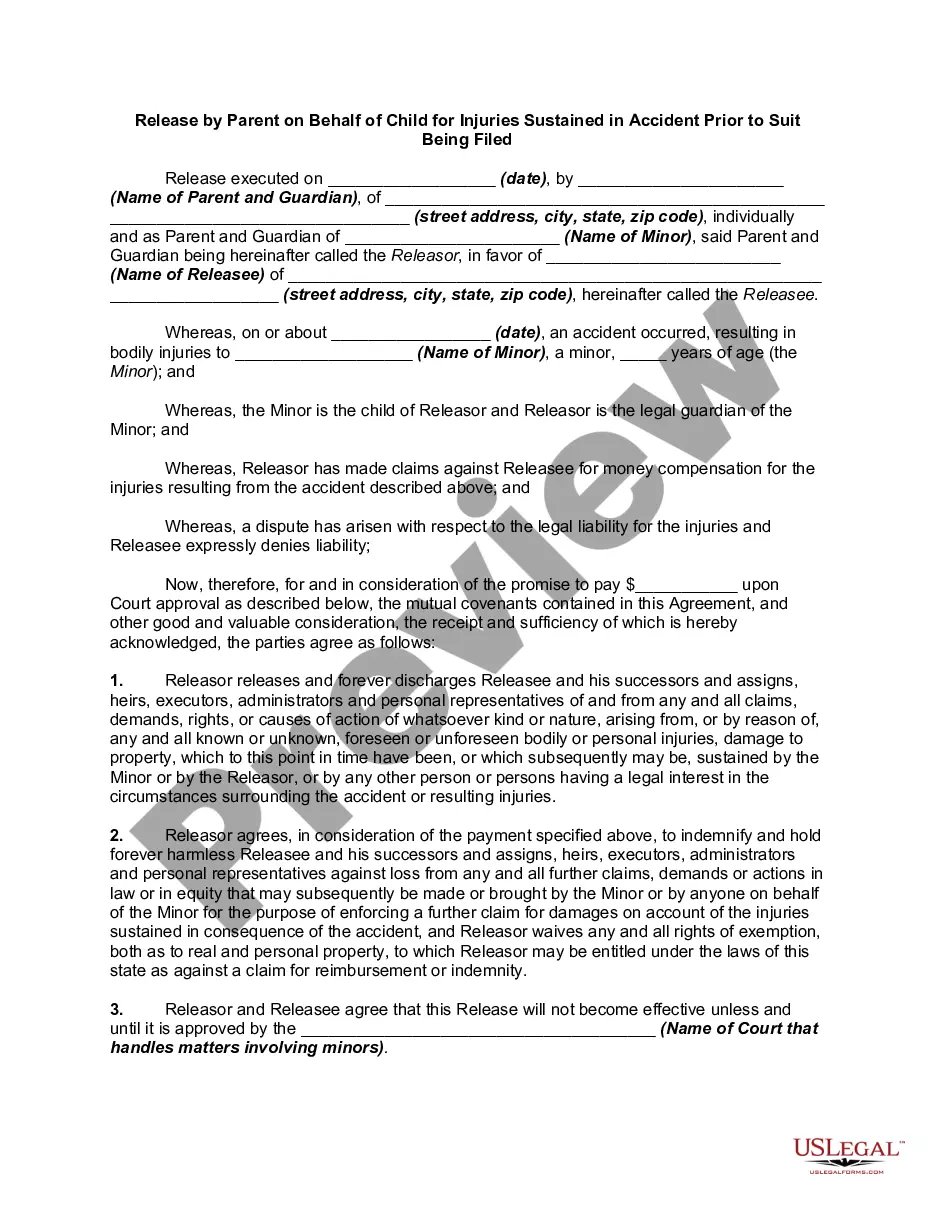
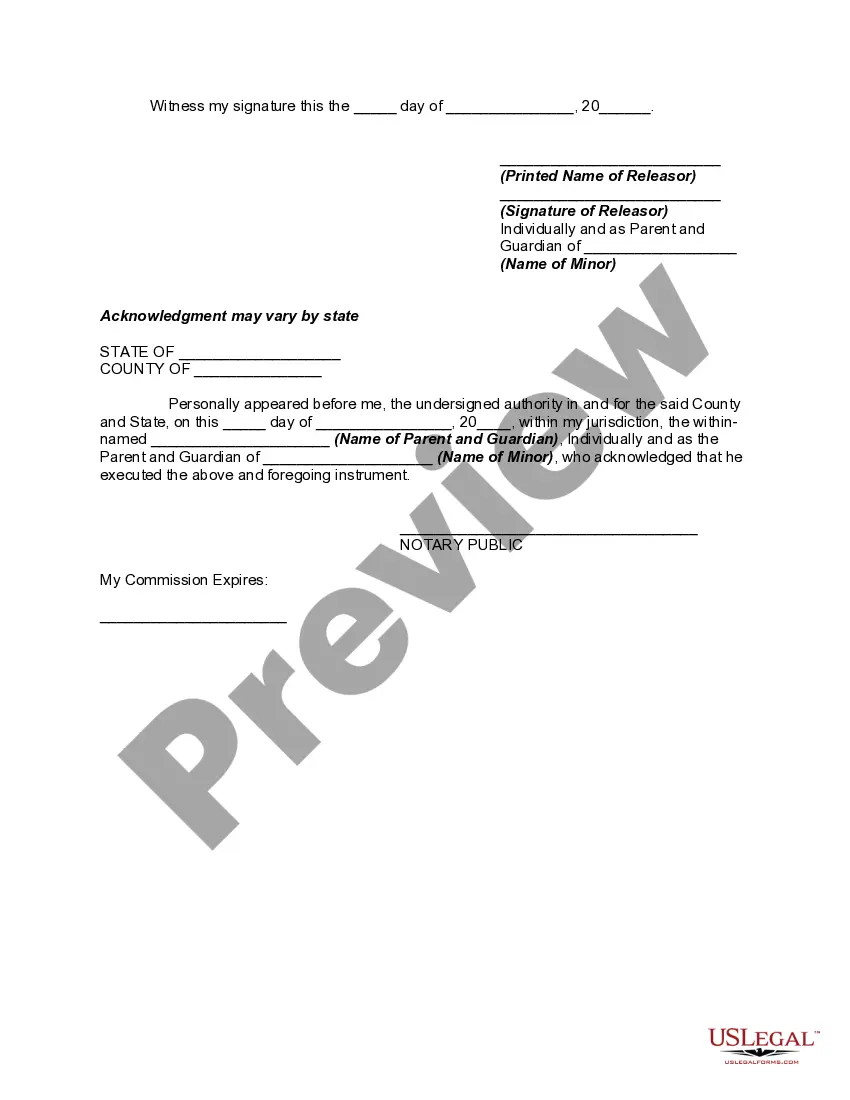
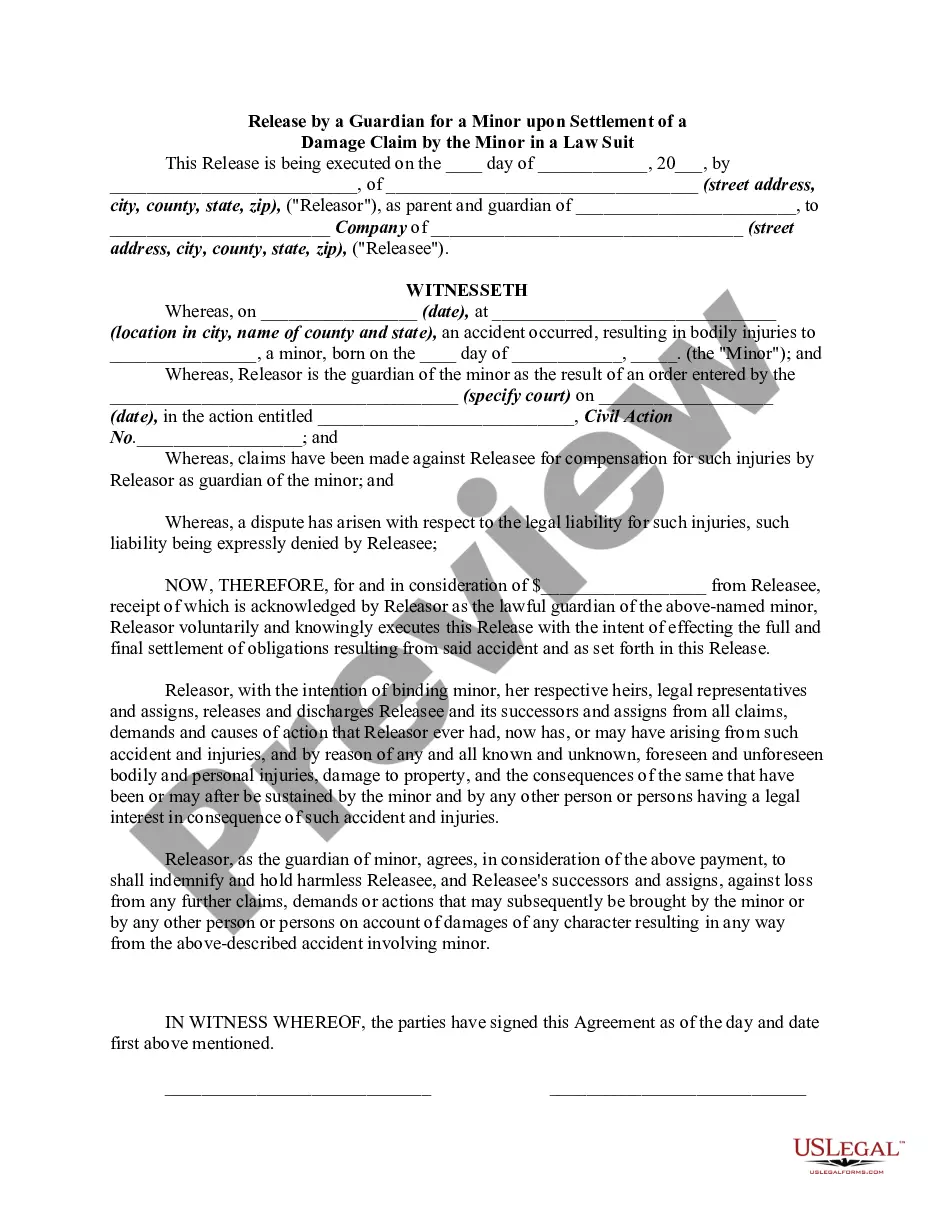
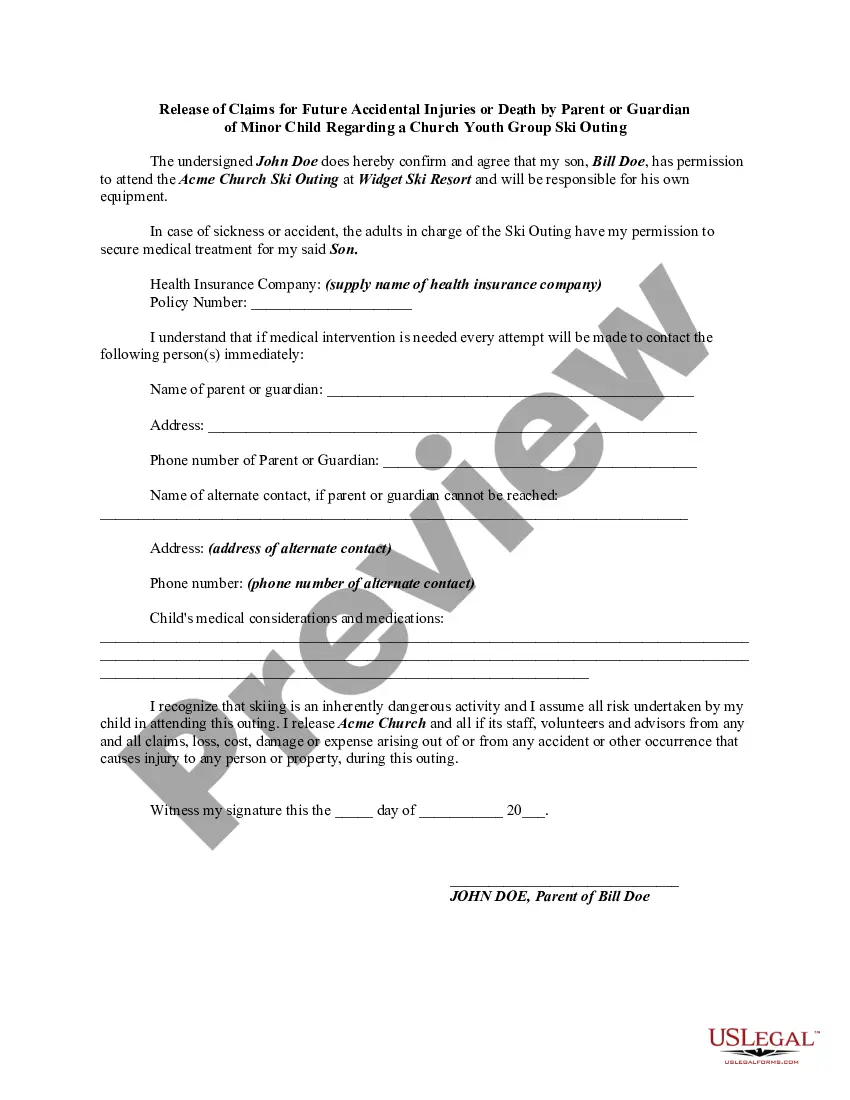
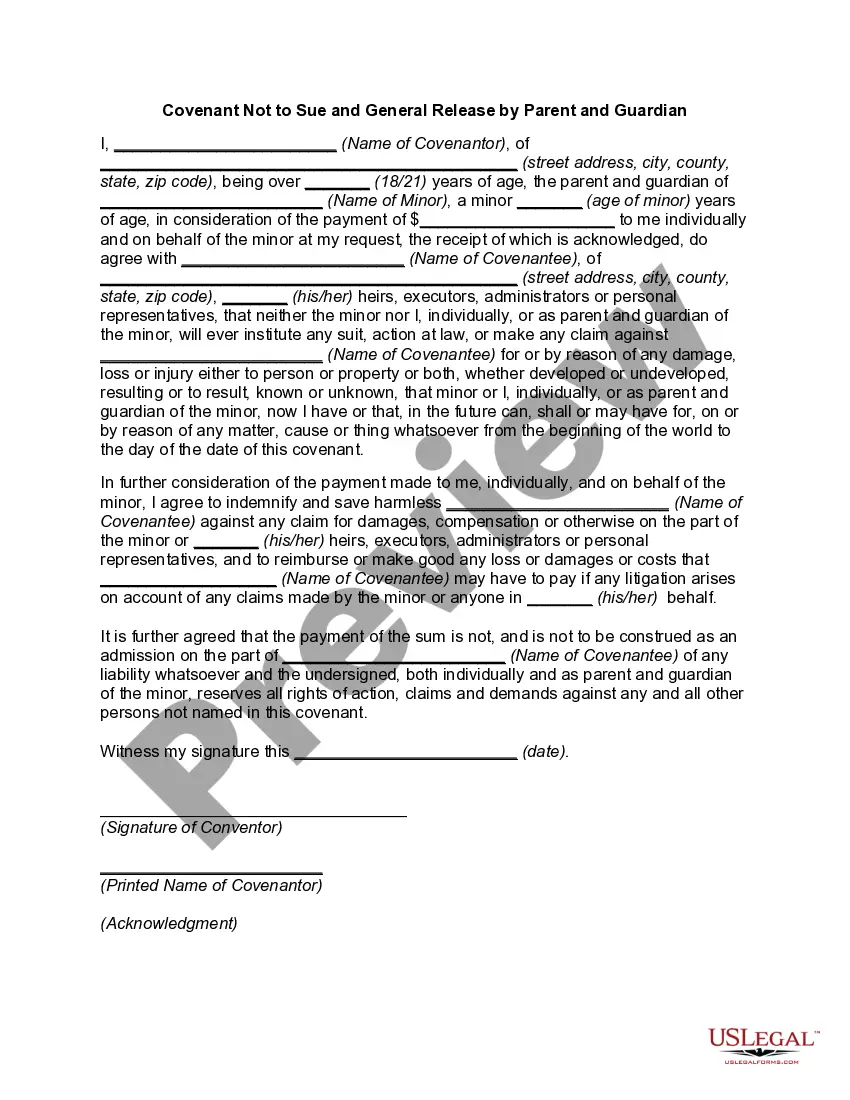
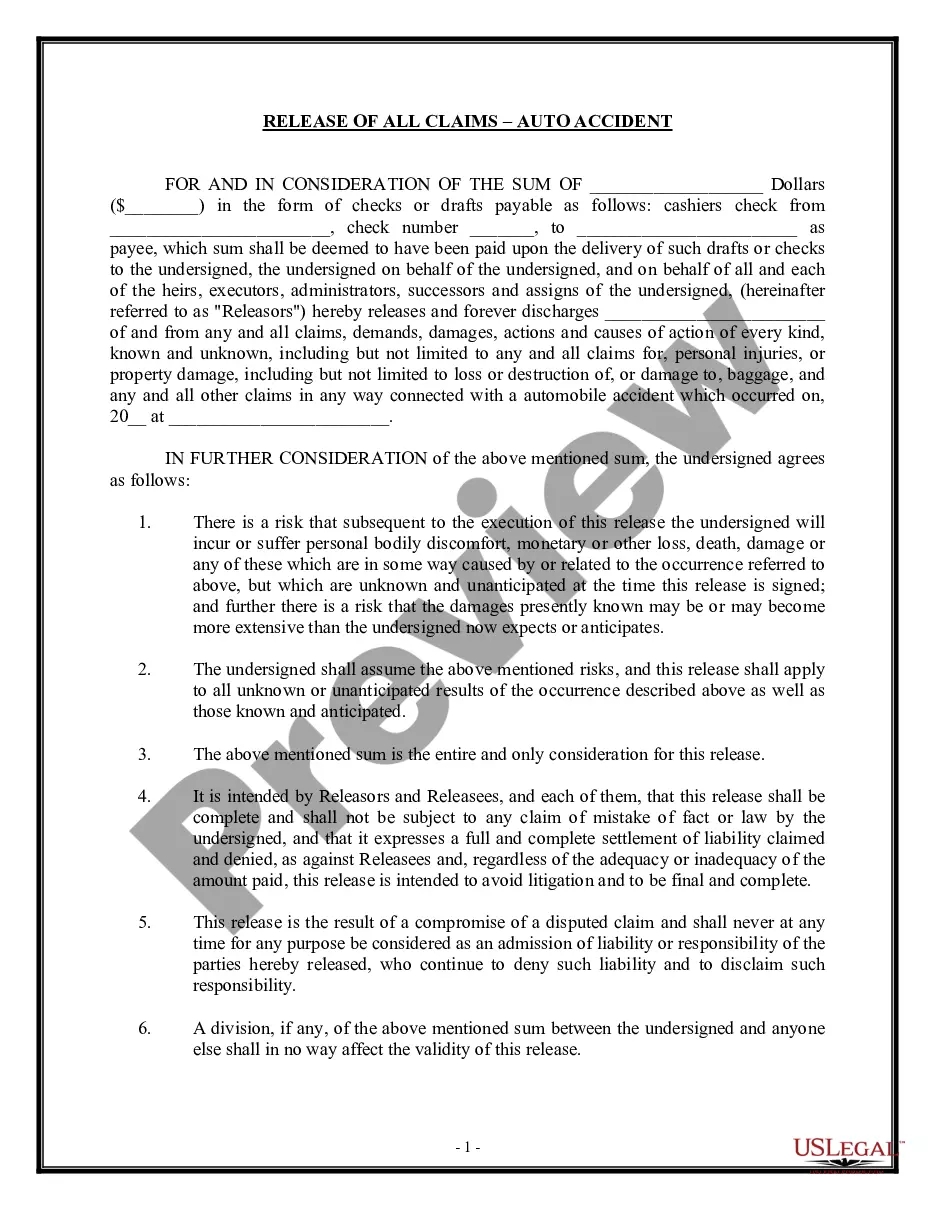
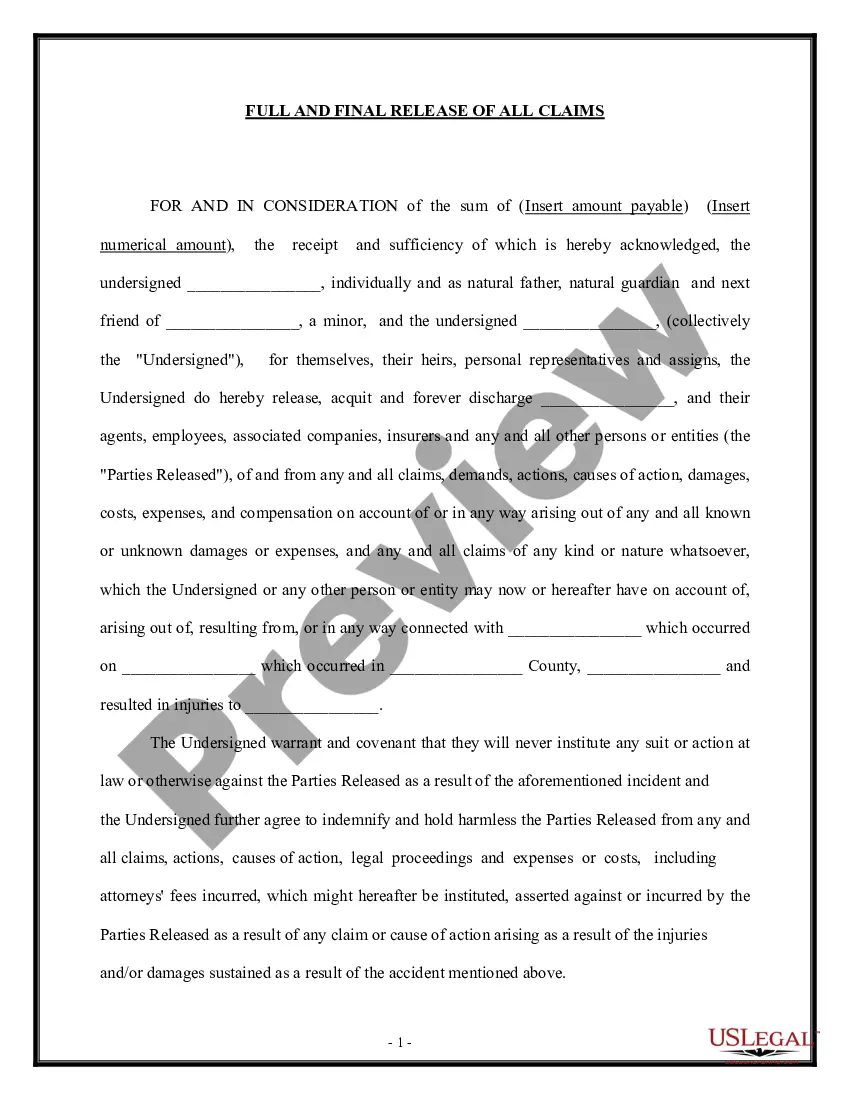
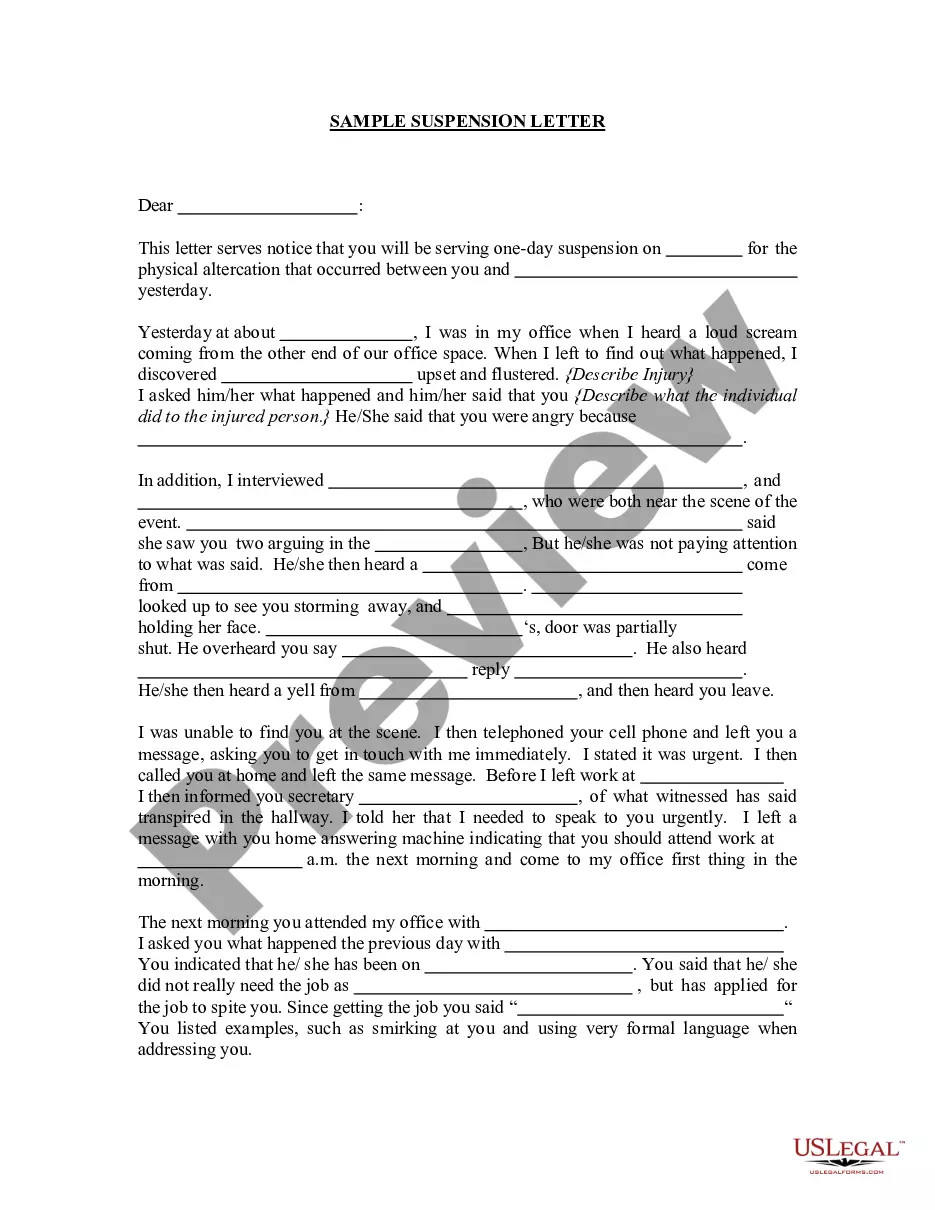
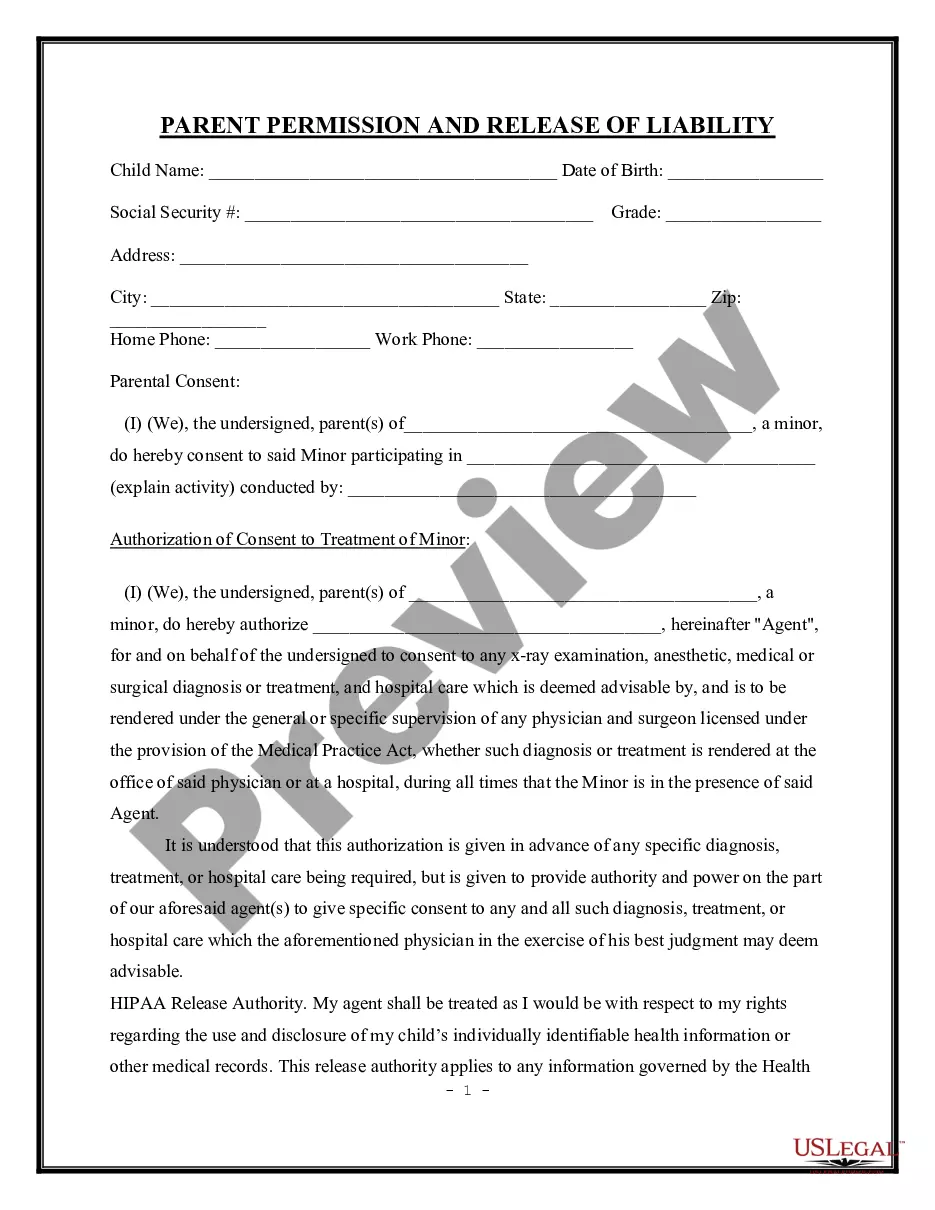
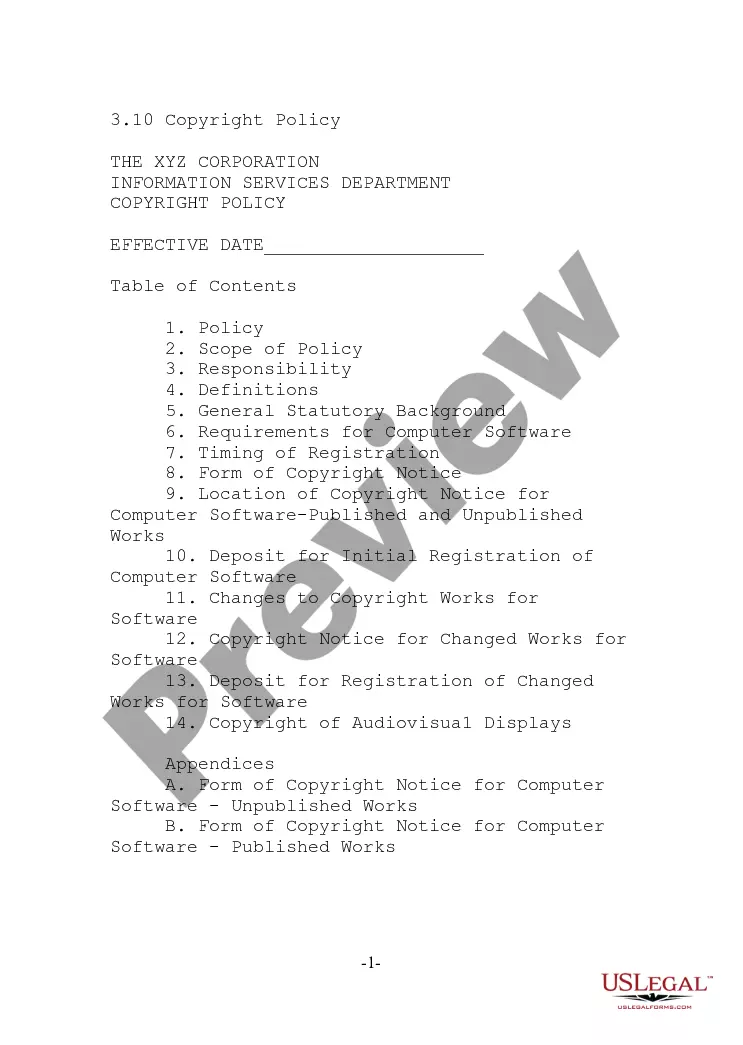
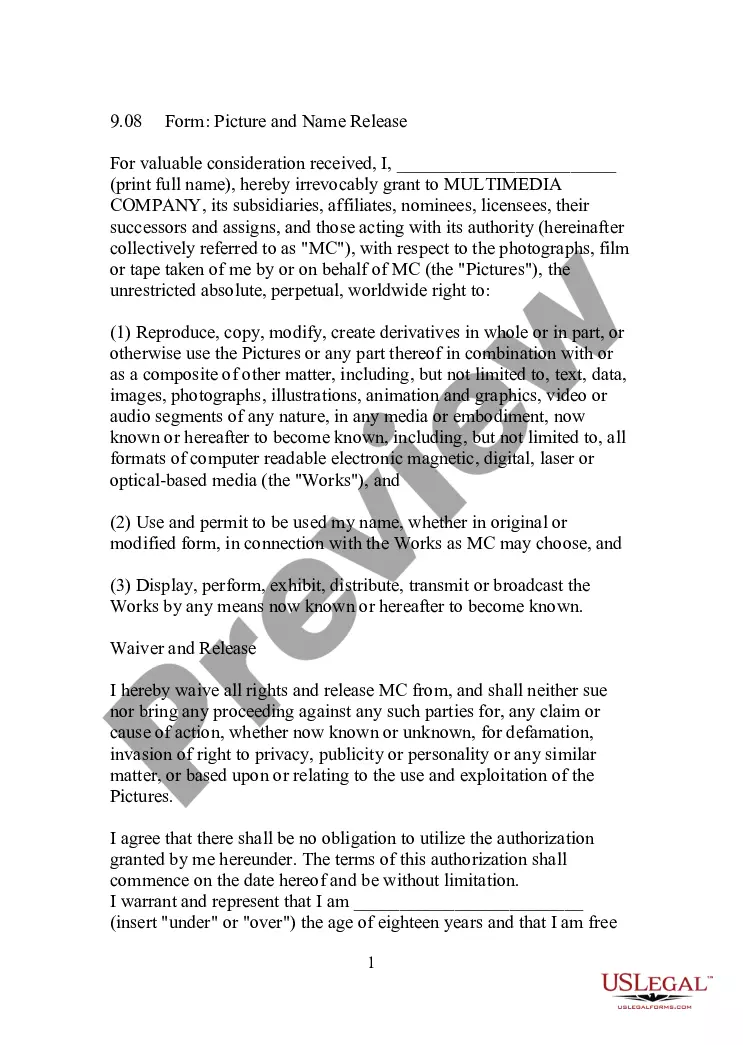
How to fill out Release By Parent On Behalf Of Child For Injuries Sustained In Accident?
Legal administration can be overwhelming, even for experienced professionals.
When you are looking for a Parent Child Collision Within and don't have the time to invest in finding the right and current version, the processes can be stressful.
Tap into a valuable resource repository of articles, guides, and materials pertinent to your situation and requirements.
Save time and effort in seeking the documents you need, and utilize US Legal Forms’ sophisticated search and Preview feature to uncover Parent Child Collision Within and obtain it.
Make sure that the sample is accepted in your state or county. Select Buy Now when you're ready. Choose a monthly subscription option. Locate the file format you need, and Download, fill out, sign, print, and dispatch your documents. Enjoy the US Legal Forms online library, backed by 25 years of experience and reliability. Convert your daily document management into a seamless and user-friendly process today.
- If you have a monthly subscription, Log In to your US Legal Forms account, find the form, and retrieve it.
- Check the My documents tab to see the forms you've previously downloaded and to manage your folders as desired.
- If it's your first experience with US Legal Forms, create an account and gain unlimited access to all the advantages of the platform.
- Here are the steps to follow after obtaining the form you require.
- Ensure that it's the correct form by reviewing it and validating its details.
- Access state- or county-specific legal and business forms.
- US Legal Forms fulfills any requirements you may have, from personal to business documentation, all in one location.
- Use advanced tools to complete and manage your Parent Child Collision Within.
Form popularity
FAQ
When you drive your parents' car, their insurance typically covers you, provided you have permission. However, it's crucial to understand the terms of their policy to know what is covered. If a parent child accident within occurs, being informed about the insurance details can help manage any claims or liabilities effectively.
If you get in an accident while driving someone else's car, their insurance may cover the damages if you have permission to drive. However, liability can become complicated, especially in a parent child accident within scenario. It's wise to consult uslegalforms for detailed guidance on how to handle your responsibilities in such situations.
Failing to report a car accident within 24 hours can lead to complications with your insurance claim. Insurance companies often require timely reporting to process claims efficiently. If you experience a parent child accident within, it’s best to report it promptly to avoid issues with coverage or liability.
If you get in an accident while driving your parents' car, their insurance usually covers the damages. However, you may still face higher premiums or potential liability depending on the circumstances. To navigate this situation effectively, consider using resources from uslegalforms, which can provide guidance on handling parent child accident within.
Generally, you are covered under your parents' insurance policy if you drive their car with permission. It’s essential to check the specifics of their policy, as coverage can vary. In the case of a parent child accident within, having the right insurance can significantly affect your financial responsibility.
Filling in an accident report form is straightforward. Begin by providing your personal details, including your name, address, and contact information. Next, include the specifics of the accident, such as the date, time, and location. Finally, describe what happened, noting any damages or injuries involved, especially in the context of a parent child accident within.
Yes, parents can be held liable for a child's car accident if they are found negligent in their duty to supervise or provide adequate safety measures. This includes ensuring that the child is using the correct safety restraints or is driving safely. If you're dealing with the aftermath of a parent child accident within, understanding your legal responsibilities is crucial, and platforms like US Legal Forms can provide essential resources to help you navigate these complexities.
Dealing with parental regret can be challenging, but it's essential to acknowledge your feelings and understand that parenting is a learning journey. Reflect on your experiences, and consider seeking support from friends, family, or professionals. Remember, if a parent child accident within occurs, taking proactive steps can help you navigate these emotions and move forward positively.
The 777 rule with kids is a safety guideline focused on child passenger safety. It emphasizes that children should be in appropriate car seats or booster seats until they meet specific age, weight, and height criteria. This rule helps minimize the risks involved in a parent child accident within, ensuring that children are safely secured in vehicles and reducing the chances of serious injuries.
The 777 rule for kids refers to a guideline that suggests a child should be at least seven years old, weigh at least seventy pounds, and be able to sit in a booster seat until they reach a height of four feet, nine inches. This rule aims to ensure the safety of children in vehicles and reduce the risk of injury during a parent child accident within. By adhering to these standards, parents can protect their children and comply with legal requirements.