Subdivision Bylaws With Membership
Description

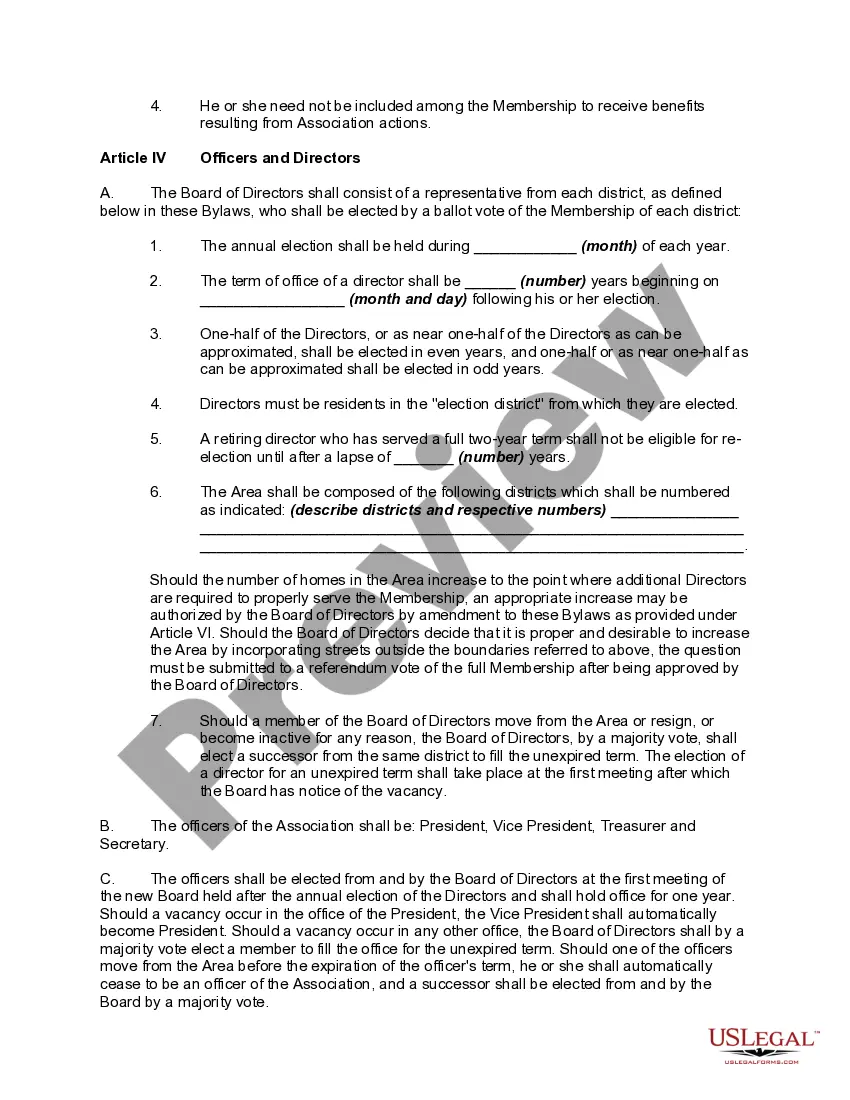
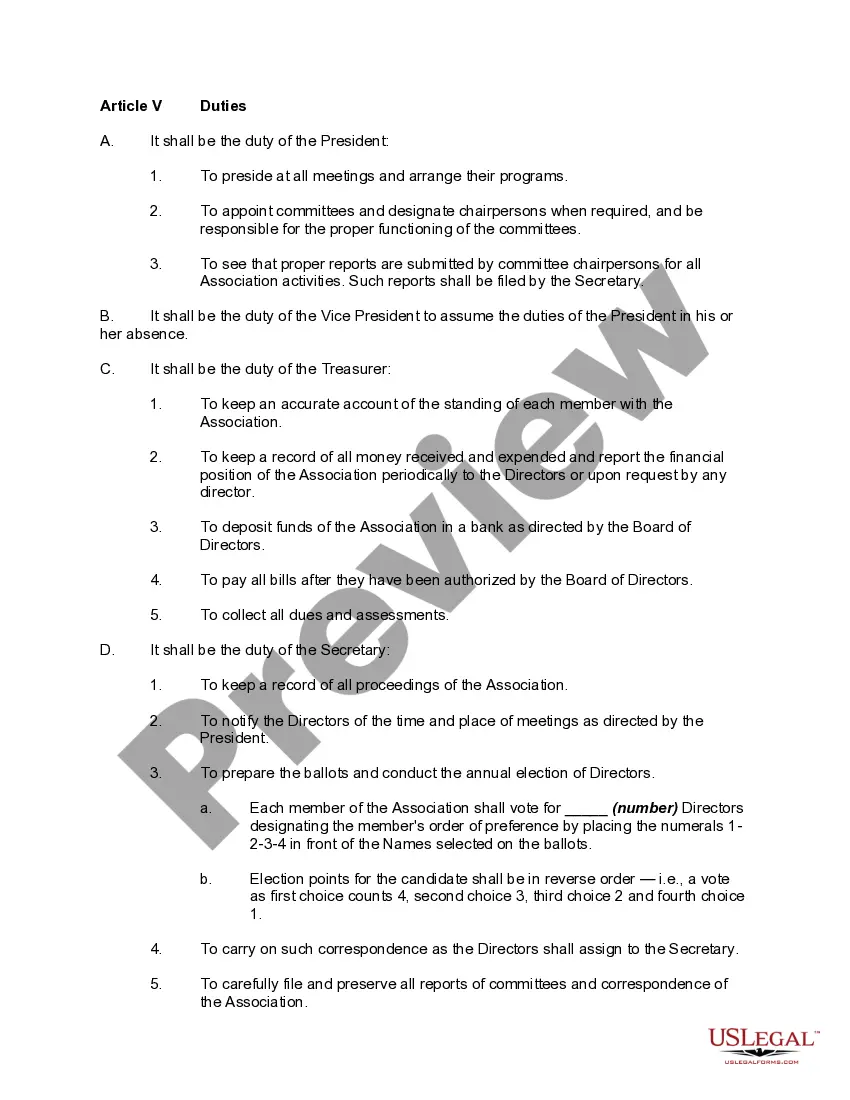
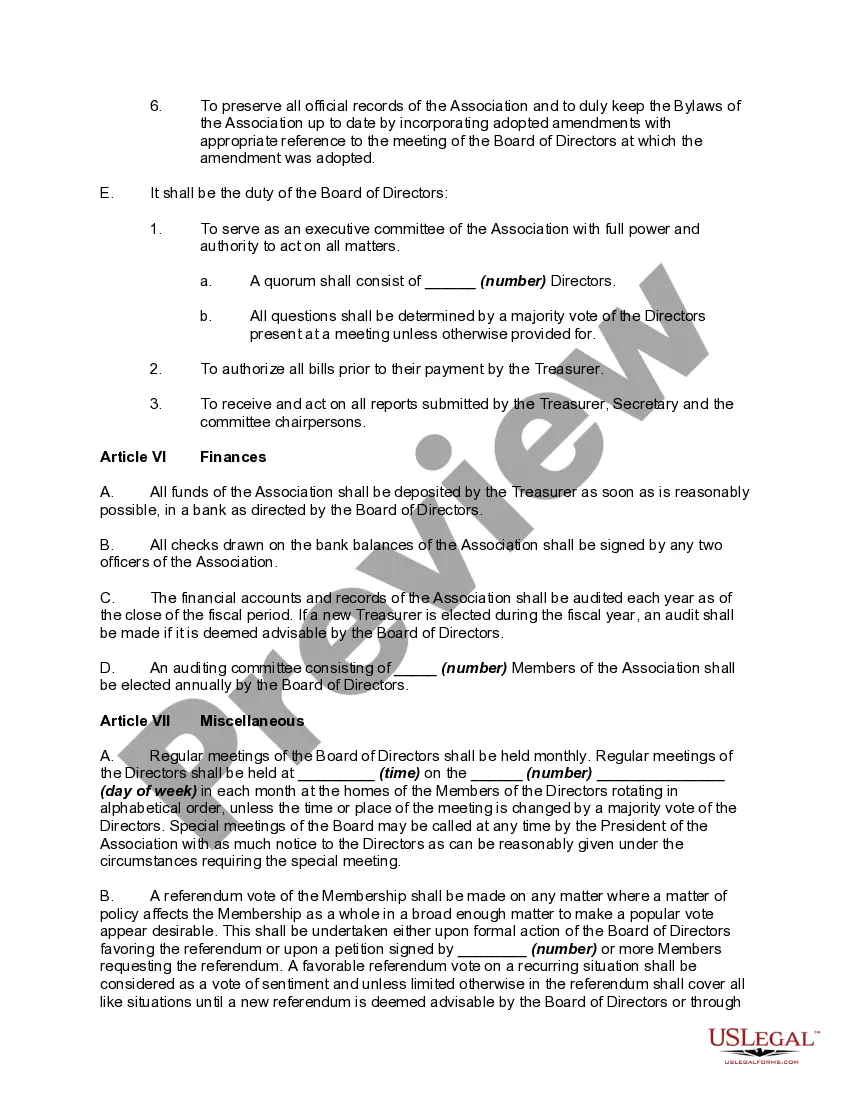
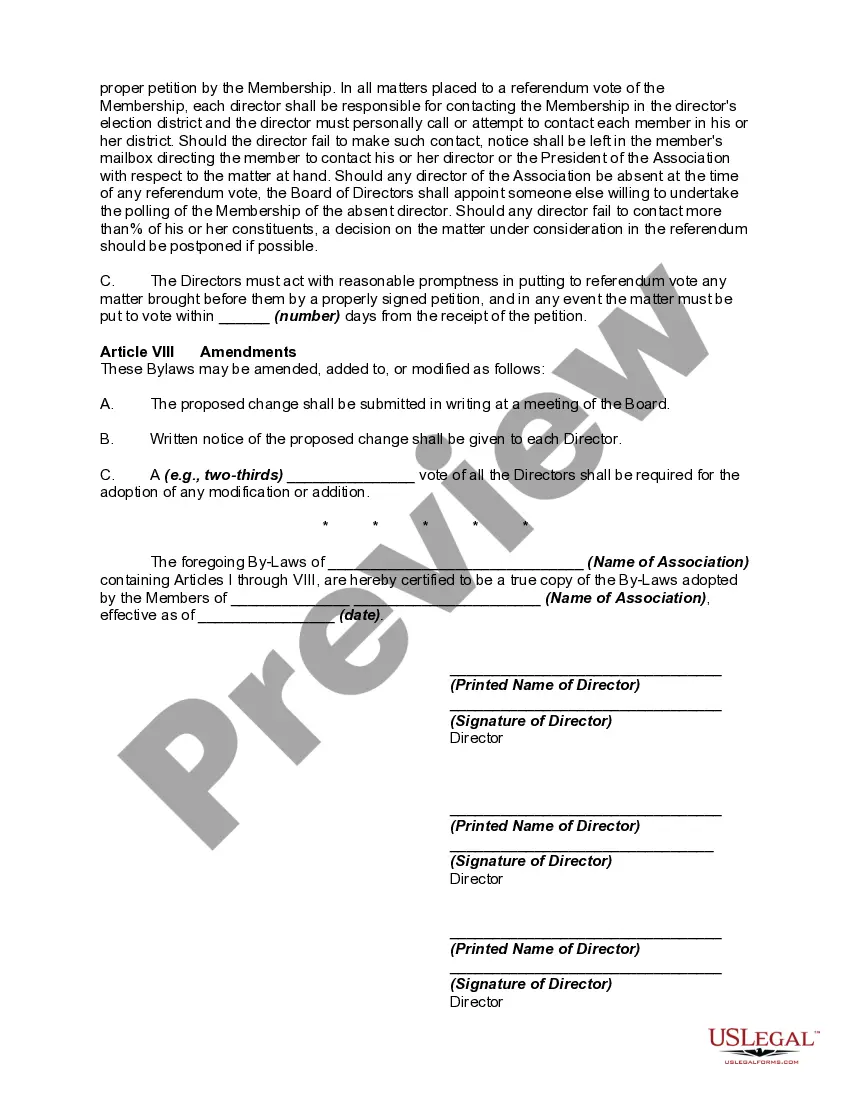

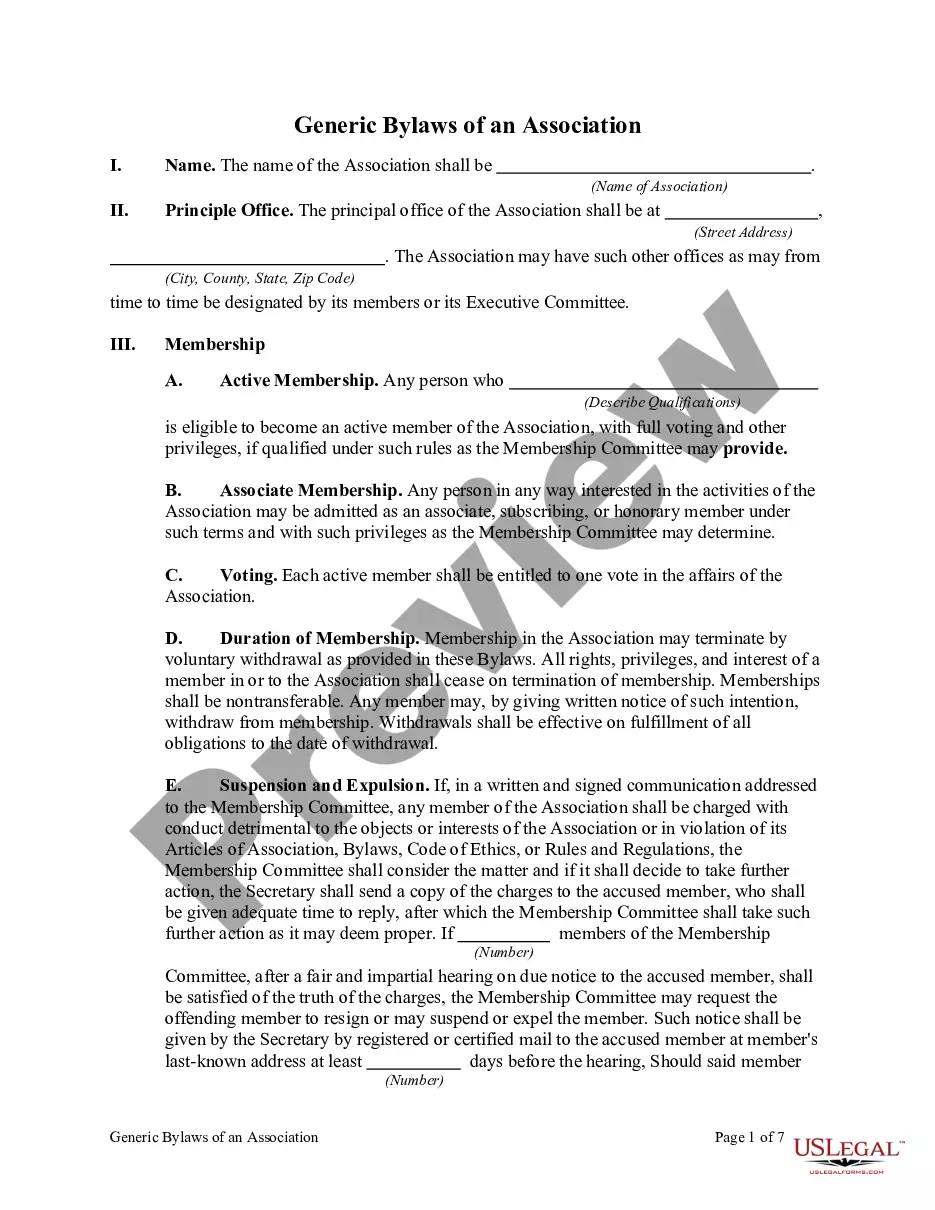
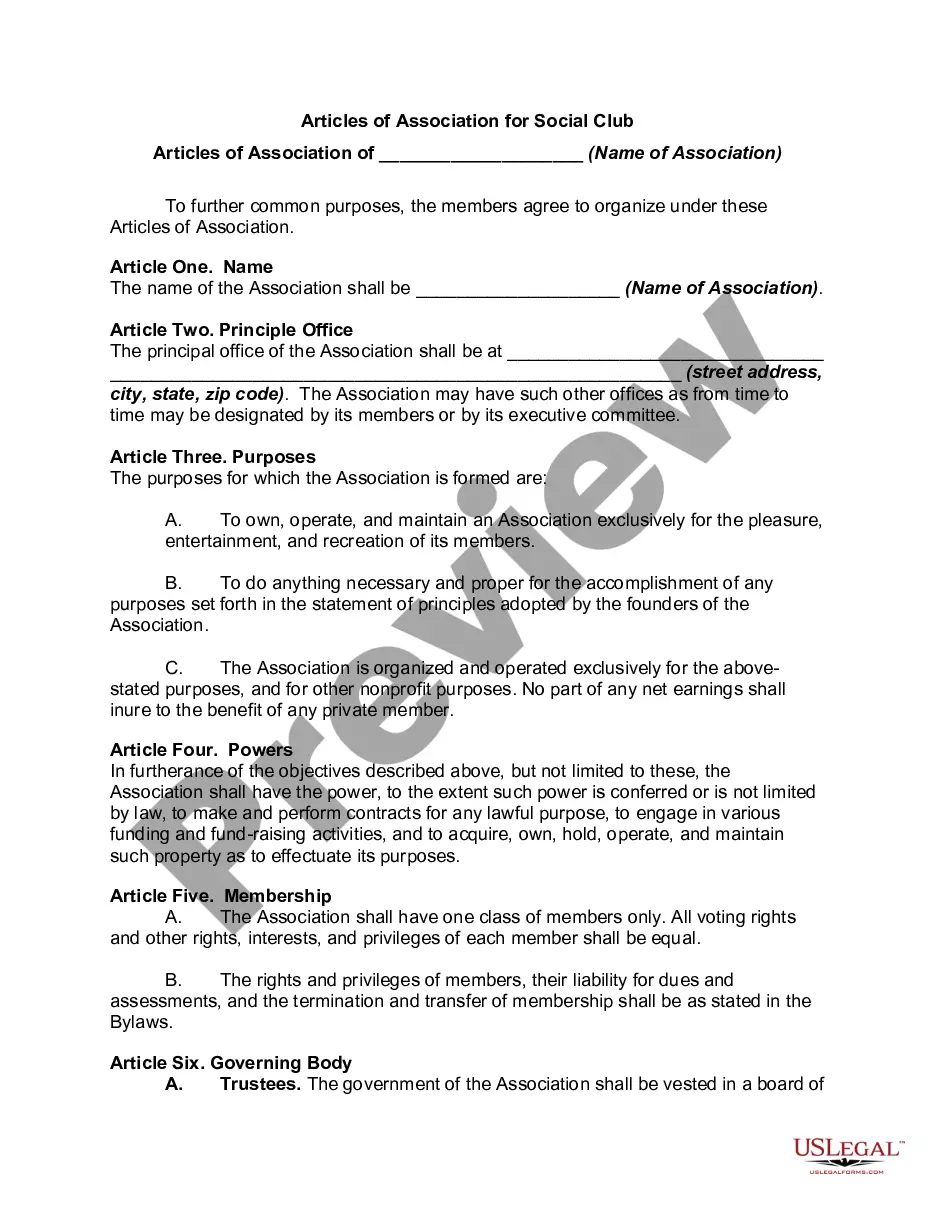
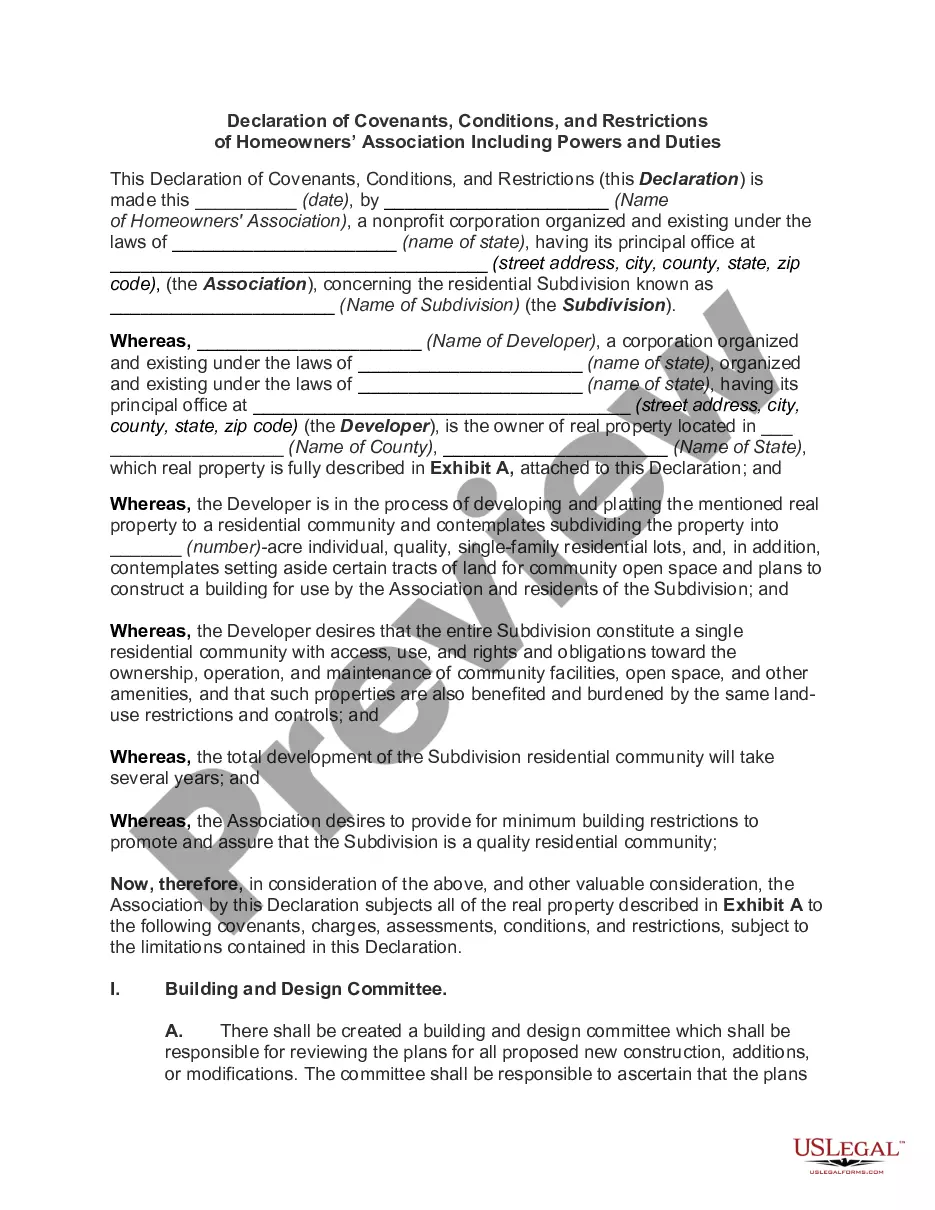

Get your form ready online
Our built-in tools help you complete, sign, share, and store your documents in one place.
Make edits, fill in missing information, and update formatting in US Legal Forms—just like you would in MS Word.
Download a copy, print it, send it by email, or mail it via USPS—whatever works best for your next step.
Sign and collect signatures with our SignNow integration. Send to multiple recipients, set reminders, and more. Go Premium to unlock E-Sign.
If this form requires notarization, complete it online through a secure video call—no need to meet a notary in person or wait for an appointment.
We protect your documents and personal data by following strict security and privacy standards.

Make edits, fill in missing information, and update formatting in US Legal Forms—just like you would in MS Word.

Download a copy, print it, send it by email, or mail it via USPS—whatever works best for your next step.

Sign and collect signatures with our SignNow integration. Send to multiple recipients, set reminders, and more. Go Premium to unlock E-Sign.

If this form requires notarization, complete it online through a secure video call—no need to meet a notary in person or wait for an appointment.

We protect your documents and personal data by following strict security and privacy standards.
Looking for another form?



How to fill out Bylaws Of Unincorporated Association Of Subdivision Residents?
It’s obvious that you can’t become a law expert overnight, nor can you grasp how to quickly prepare Subdivision Bylaws With Membership without the need of a specialized set of skills. Creating legal documents is a time-consuming process requiring a specific education and skills. So why not leave the creation of the Subdivision Bylaws With Membership to the pros?
With US Legal Forms, one of the most comprehensive legal document libraries, you can find anything from court papers to templates for internal corporate communication. We understand how important compliance and adherence to federal and local laws are. That’s why, on our website, all forms are location specific and up to date.
Here’s start off with our website and get the document you need in mere minutes:
- Discover the form you need with the search bar at the top of the page.
- Preview it (if this option provided) and check the supporting description to figure out whether Subdivision Bylaws With Membership is what you’re looking for.
- Start your search over if you need any other form.
- Register for a free account and choose a subscription plan to purchase the template.
- Choose Buy now. As soon as the payment is through, you can get the Subdivision Bylaws With Membership, fill it out, print it, and send or send it by post to the designated individuals or organizations.
You can re-gain access to your documents from the My Forms tab at any time. If you’re an existing customer, you can simply log in, and find and download the template from the same tab.
Regardless of the purpose of your documents-be it financial and legal, or personal-our website has you covered. Try US Legal Forms now!
Form popularity
FAQ
The constitution of an organization contains the fundamental principles which govern its operation. The bylaws establish the specific rules of guidance by which the group is to function. All but the most informal groups should have their basic structure and methods of operation in writing.
The main difference between a by-law and a law passed by a national/federal or regional/state body is that a by-law is made by a non-sovereign body, which derives its authority from another governing body, and can only be made on a limited range of matters.
10 steps for writing bylaws for an association Research. Form a committee. Create the structure. Outline your organization's key roles and responsibilities. Establish your meeting rules. Define your membership. Address finances. Outline the amendment process.
Bylaws generally define things like the group's official name, purpose, requirements for membership, officers' titles and responsibilities, how offices are to be assigned, how meetings should be conducted, and how often meetings will be held.
Most towns have bylaws to cover things like: Business licensing. Parking. Noise. Local utility fees. Animal control. Smoking in public. Construction. Heritage buildings.