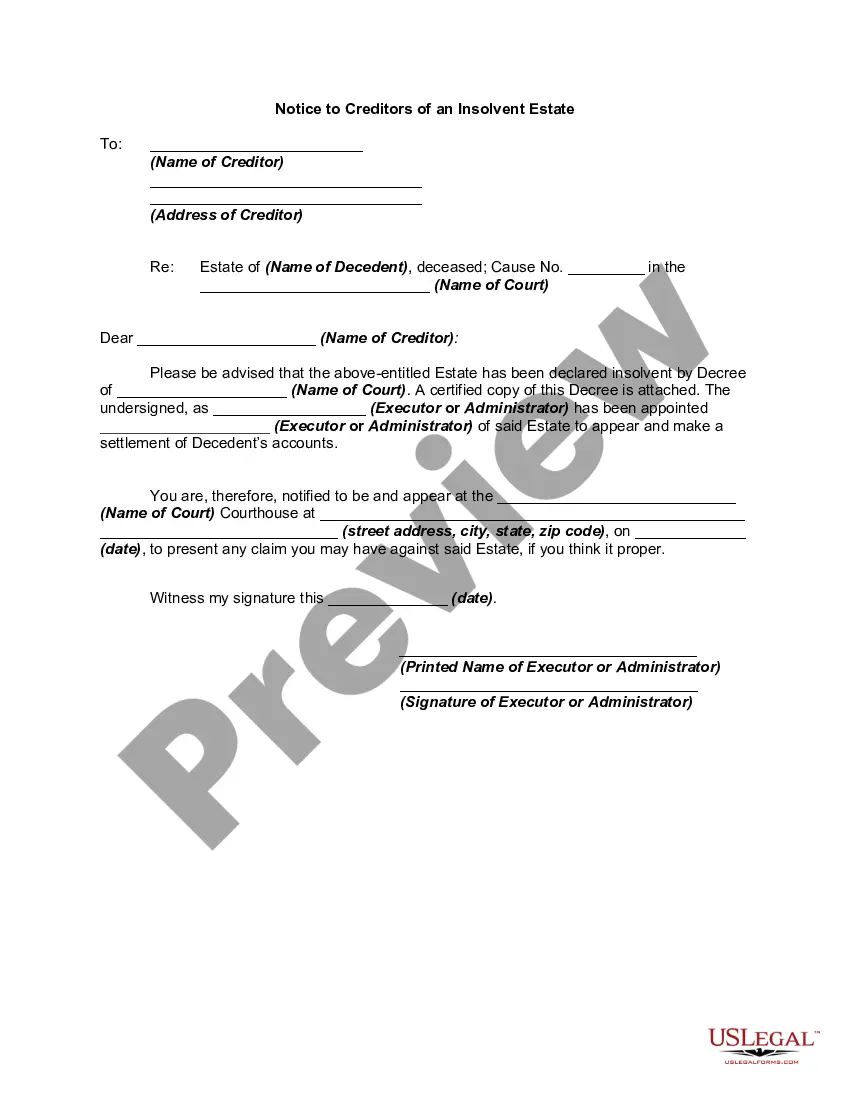
Letter To Creditors For Deceased
Description
Get your form ready online
Our built-in tools help you complete, sign, share, and store your documents in one place.
Make edits, fill in missing information, and update formatting in US Legal Forms—just like you would in MS Word.
Download a copy, print it, send it by email, or mail it via USPS—whatever works best for your next step.
Sign and collect signatures with our SignNow integration. Send to multiple recipients, set reminders, and more. Go Premium to unlock E-Sign.
If this form requires notarization, complete it online through a secure video call—no need to meet a notary in person or wait for an appointment.
We protect your documents and personal data by following strict security and privacy standards.

Make edits, fill in missing information, and update formatting in US Legal Forms—just like you would in MS Word.

Download a copy, print it, send it by email, or mail it via USPS—whatever works best for your next step.

Sign and collect signatures with our SignNow integration. Send to multiple recipients, set reminders, and more. Go Premium to unlock E-Sign.

If this form requires notarization, complete it online through a secure video call—no need to meet a notary in person or wait for an appointment.

We protect your documents and personal data by following strict security and privacy standards.
Looking for another form?
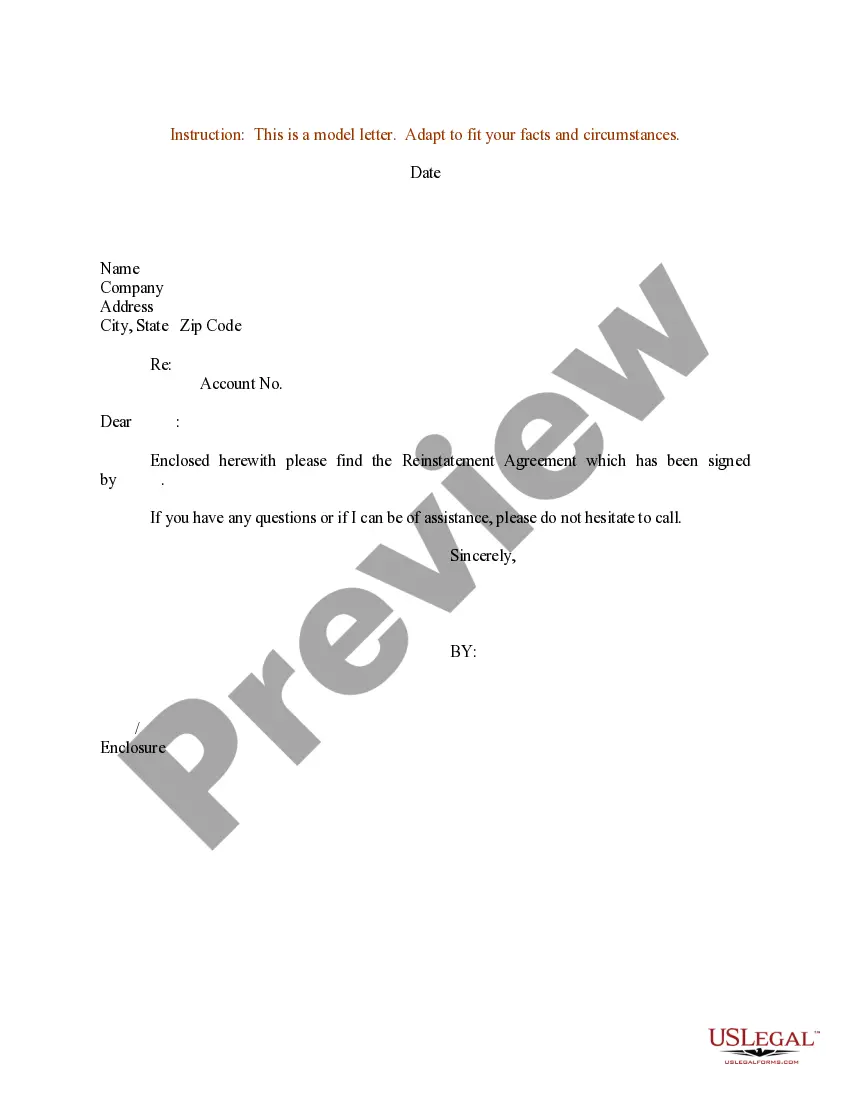
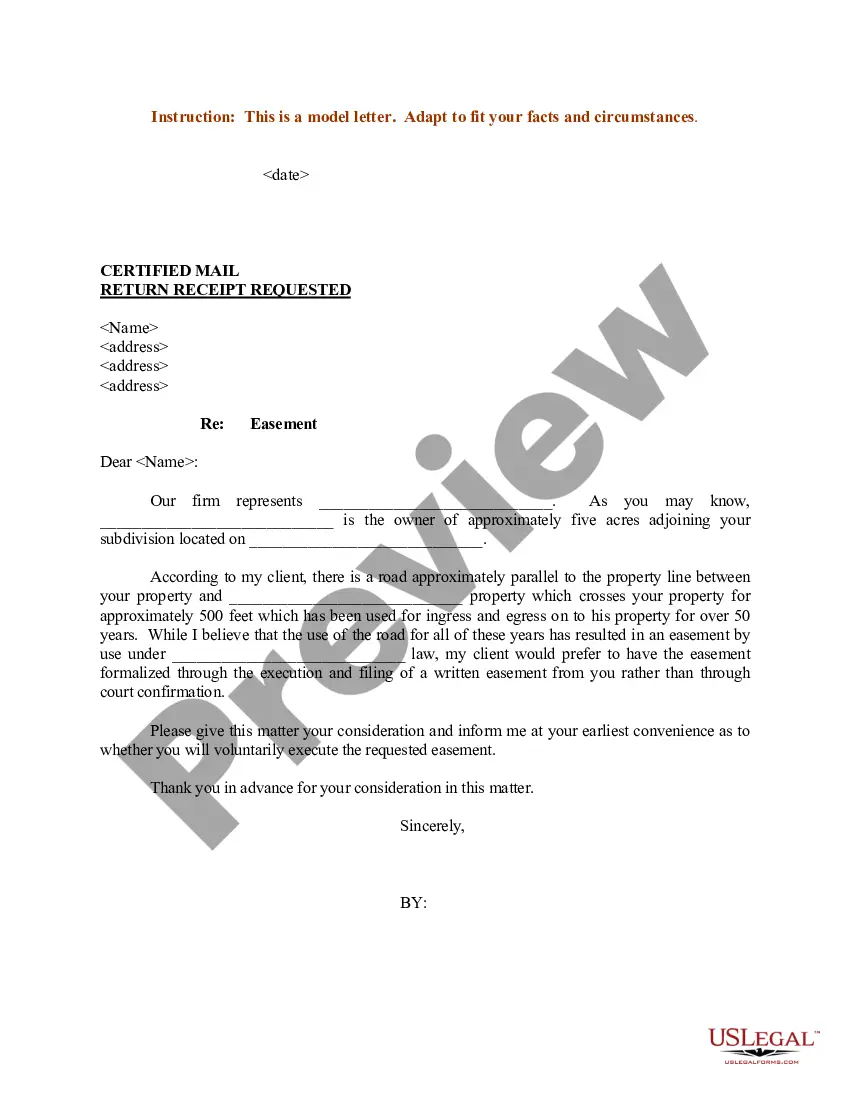
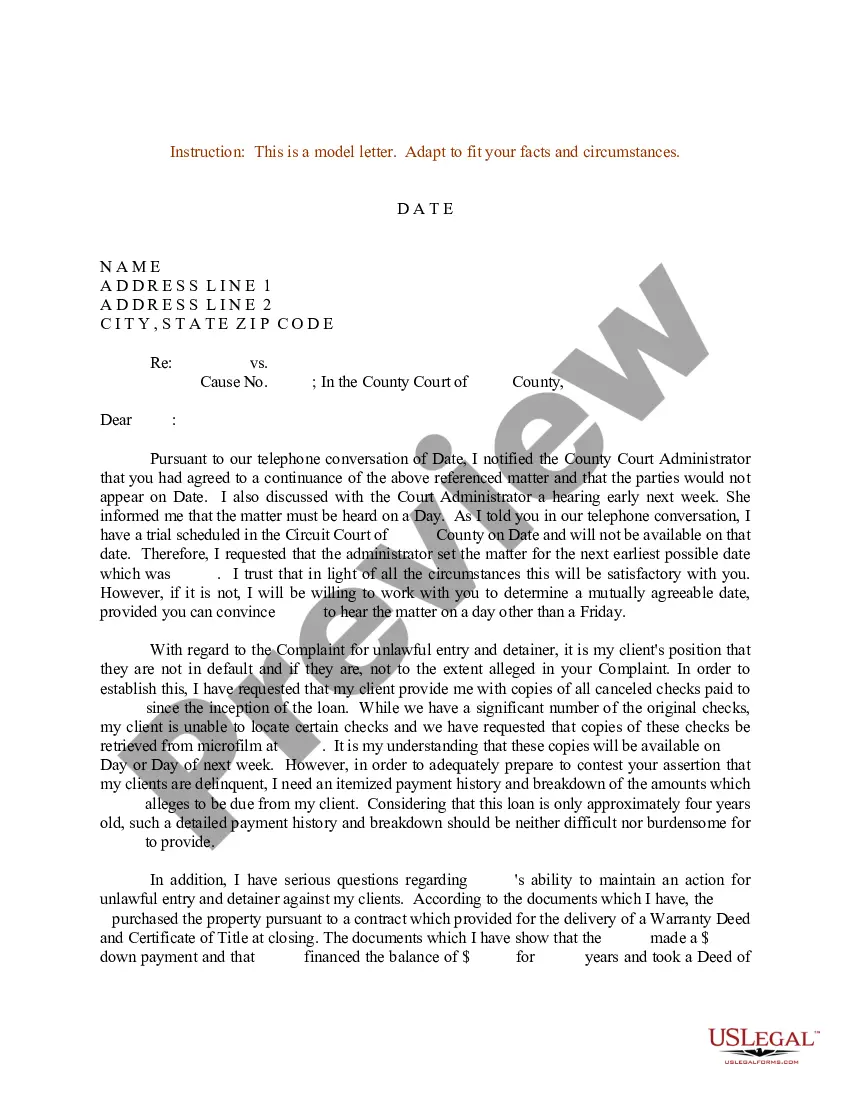
How to fill out Notice To Creditors Of An Insolvent Estate?
The Document For Creditors Regarding Deceased individuals that you observe on this page is a reusable legal template created by experienced attorneys in accordance with national and local laws.
For over 25 years, US Legal Forms has supplied individuals, companies, and lawyers with more than 85,000 validated, state-specific documents for any business and personal situation. It’s the fastest, most direct, and most trustworthy method to acquire the forms you require, as the service ensures the utmost level of data protection and anti-malware safeguards.
Subscribe to US Legal Forms to have authenticated legal templates for all of life's circumstances at your fingertips.
- Search for the document you require and examine it.
- Select the pricing plan that fits you and establish an account. Use PayPal or a credit card for a swift transaction. If you already possess an account, Log In and verify your subscription to proceed.
- Choose the format you desire for your Document For Creditors Regarding Deceased (PDF, DOCX, RTF) and download the template to your device.
- Print the template to fill it out by hand. Alternatively, employ an online multifunctional PDF editor to quickly and accurately complete and sign your document with an electronic signature.
- Utilize the same document again whenever necessary. Access the My documents tab in your profile to redownload any previously downloaded documents.
Form popularity
FAQ
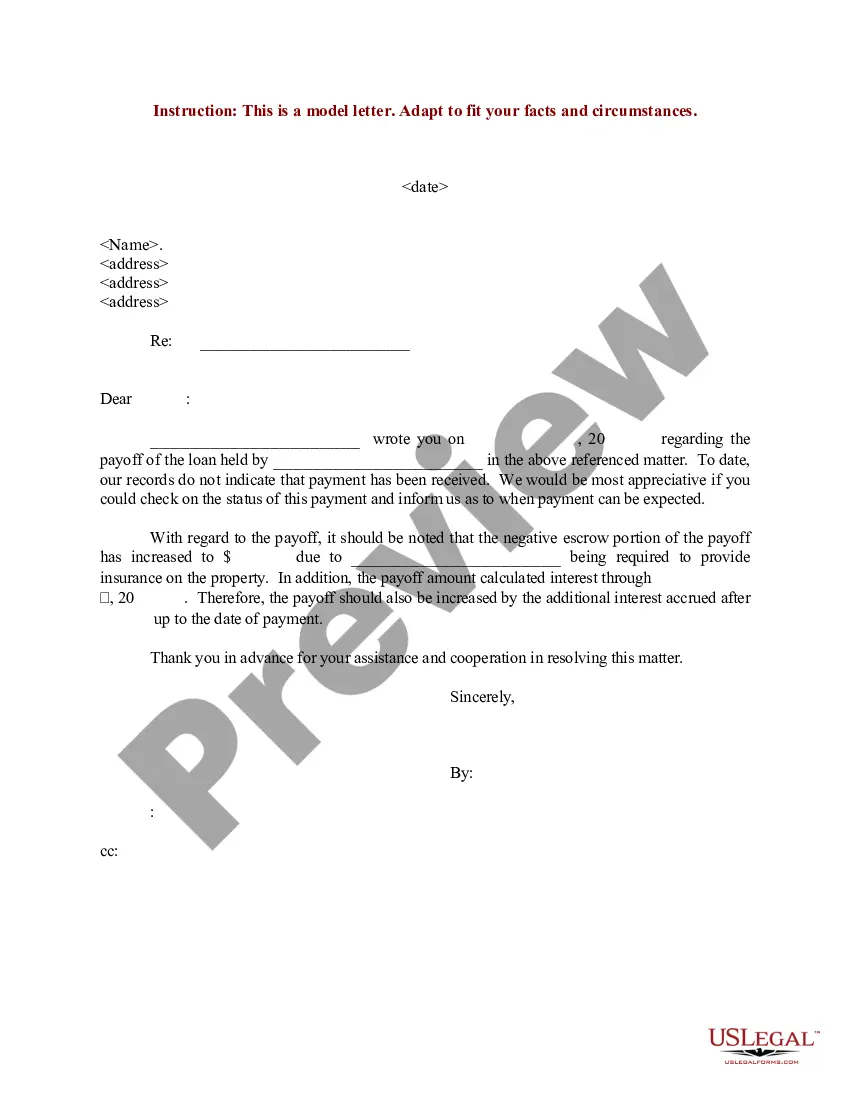
To write a letter to creditors of a deceased person, start by clearly stating the deceased's name and date of death. Include the details of the accounts in question and identify yourself as the executor or administrator of the estate. It is beneficial to request confirmation of the debt status and any necessary next steps. Using a professional service like US Legal Forms can provide you with a reliable template for a letter to creditors for deceased individuals, making the process smoother.
Yes, notifying creditors is an essential step after a family member's death. This communication helps prevent further collection efforts and allows creditors to process any claims against the deceased's estate. By sending a letter to creditors for deceased individuals, you can formally inform them of the situation. This step also protects the estate from unnecessary complications and ensures that debts are handled appropriately.
Writing a death notice to creditors involves clearly stating the deceased's name, date of death, and relevant account details. You should inform them that the individual has passed away and provide the executor's contact information. This letter can help pause any ongoing collection activities. Using a template for a letter to creditors for deceased individuals can simplify this process and ensure you include all necessary information.
Writing a letter to creditors for deceased individuals involves a few key steps. First, clearly state the deceased person's name, address, and date of death at the top of the letter. Next, inform the creditors of the person's passing and provide any necessary details about the estate. Finally, include your contact information and request that they cease all communication regarding debts, as the estate will handle these matters.
To notify a creditor of death, draft a formal letter that includes the deceased's full name, account number, and a copy of the death certificate. Clearly state your relationship to the deceased and your authority to handle their affairs. This letter acts as a formal notification and ensures creditors cease further communication. Utilizing a service like US Legal Forms can simplify this process by providing templates for letters to creditors for deceased individuals.
When writing a death notice for creditors in a newspaper, include the deceased's name, date of death, and details about the estate administrator. You may also mention that any outstanding debts should be directed to the estate administrator's contact information. This notice serves to inform creditors and ensures that they are aware of the situation. A clear and concise letter to creditors for deceased individuals can also accompany this notice for clarity.
Goodwill letters to creditors can be effective, depending on the creditor's policies and your payment history. These letters request the creditor to remove negative information from your credit report as a gesture of goodwill. If you have a positive relationship with the creditor, they may consider your request. Using a well-crafted letter to creditors for deceased individuals can help manage the estate and maintain goodwill.
To write a letter to notify the credit bureau of death, start by clearly stating the purpose of your letter. Include the deceased person's full name, their Social Security number, and the date of death. You should also attach a copy of the death certificate to validate your claim. This letter helps the credit bureau update their records and prevents identity theft.