Letter Intent Legal With Sue
Description
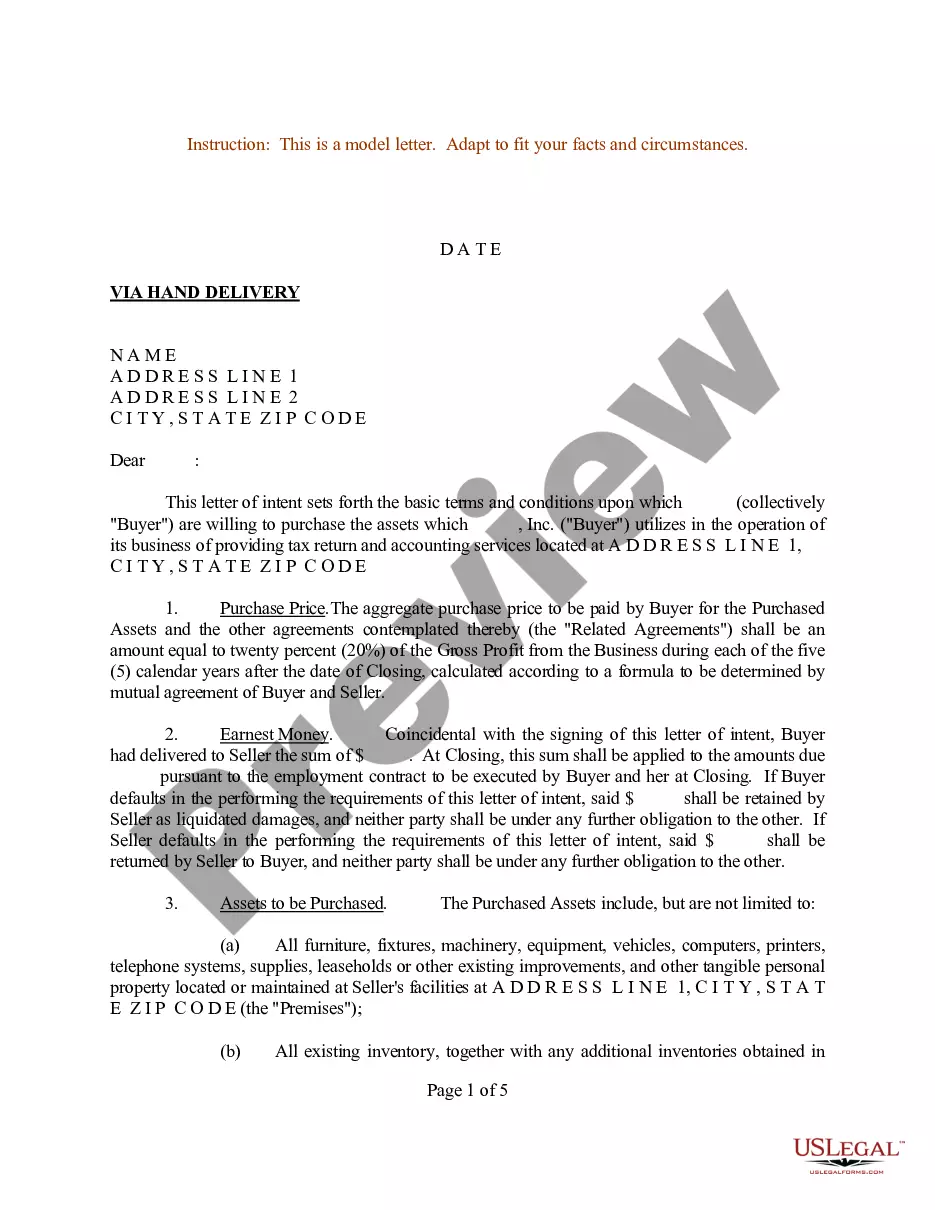
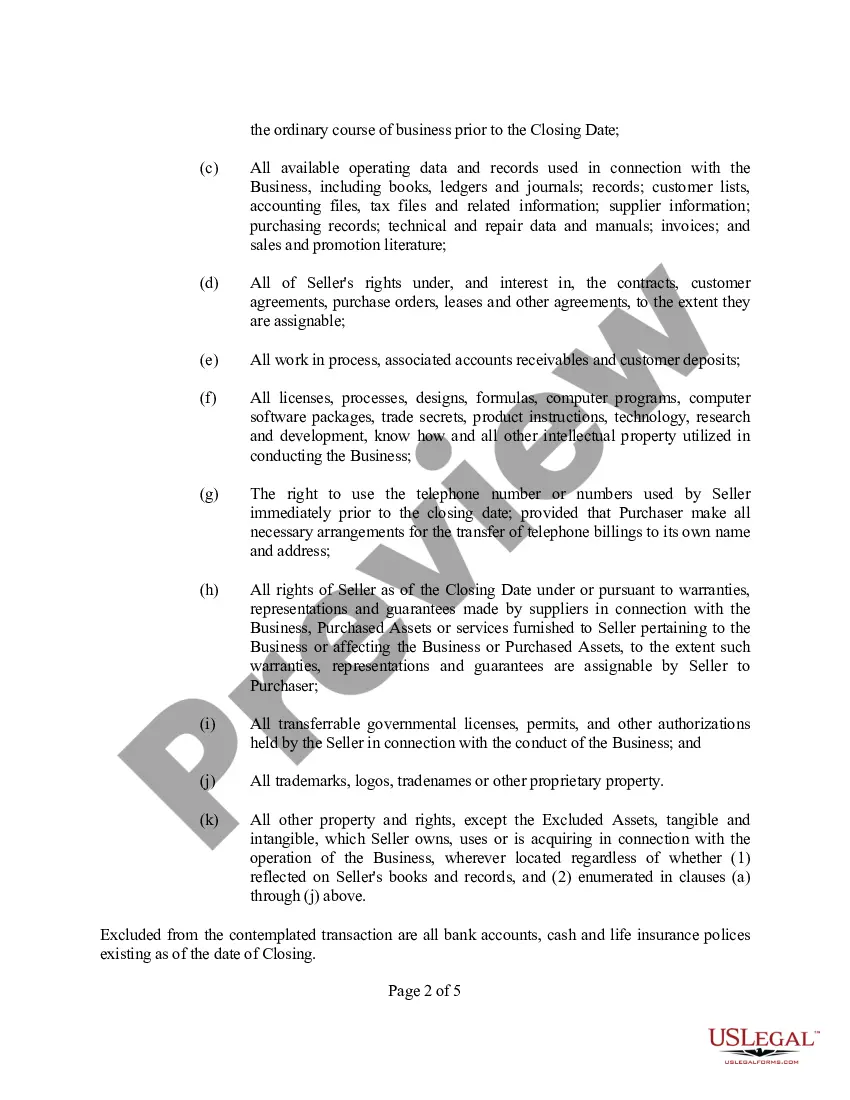
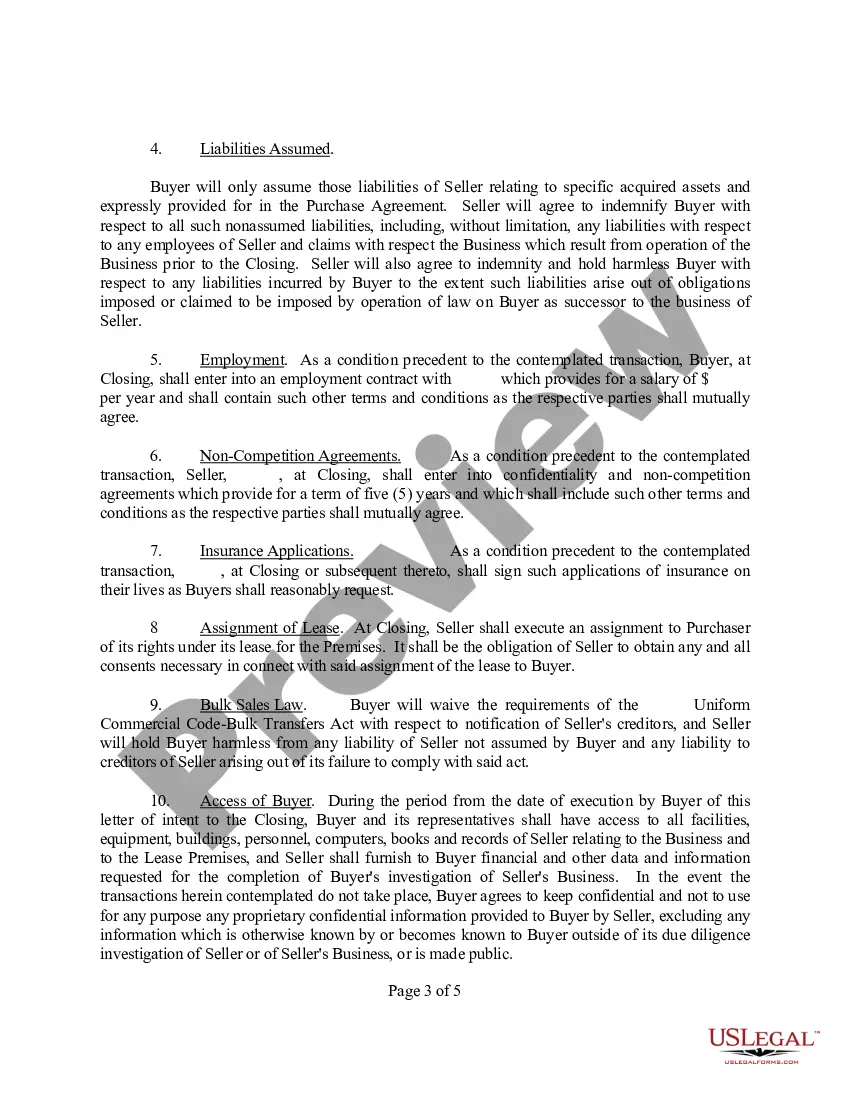
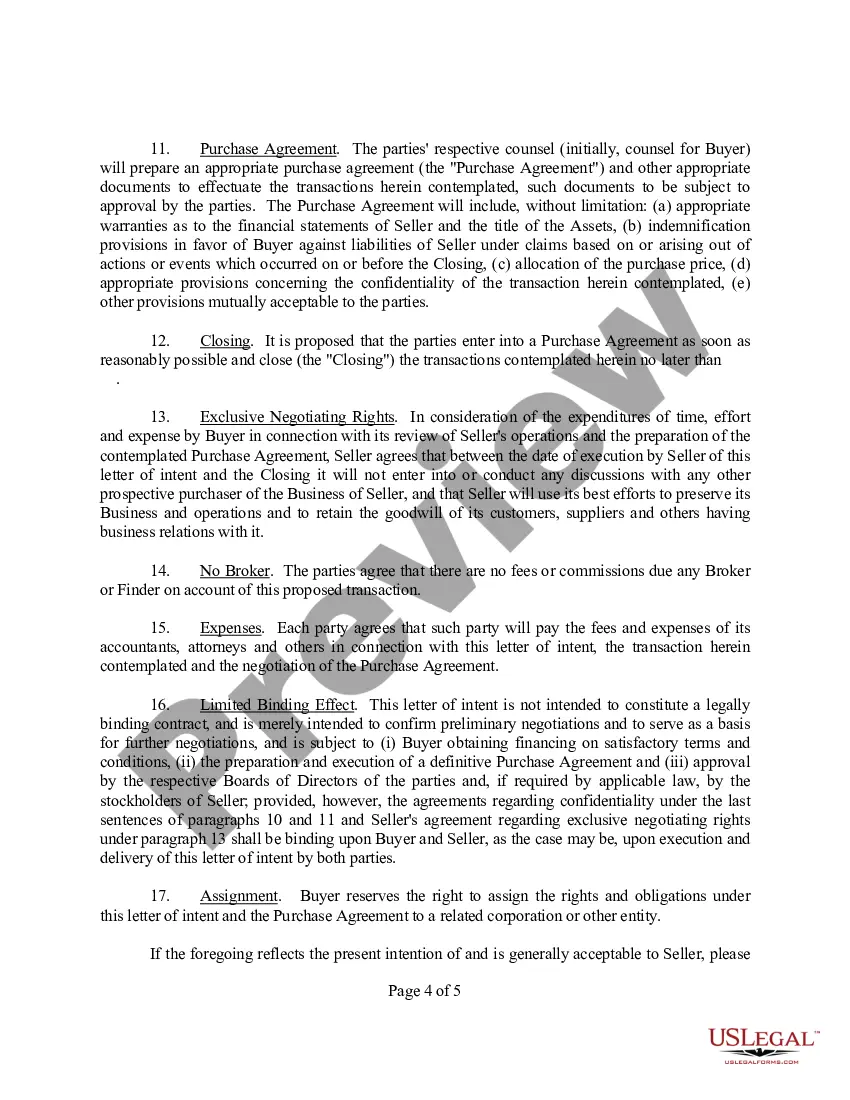
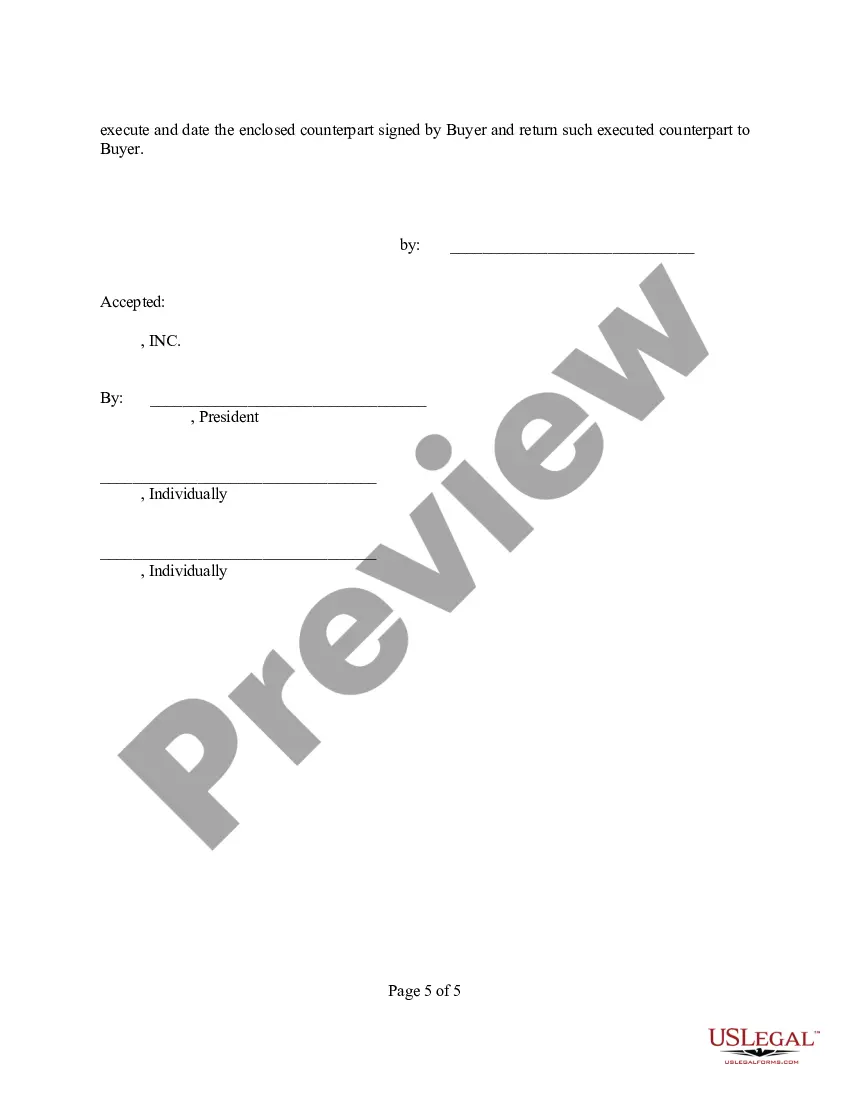
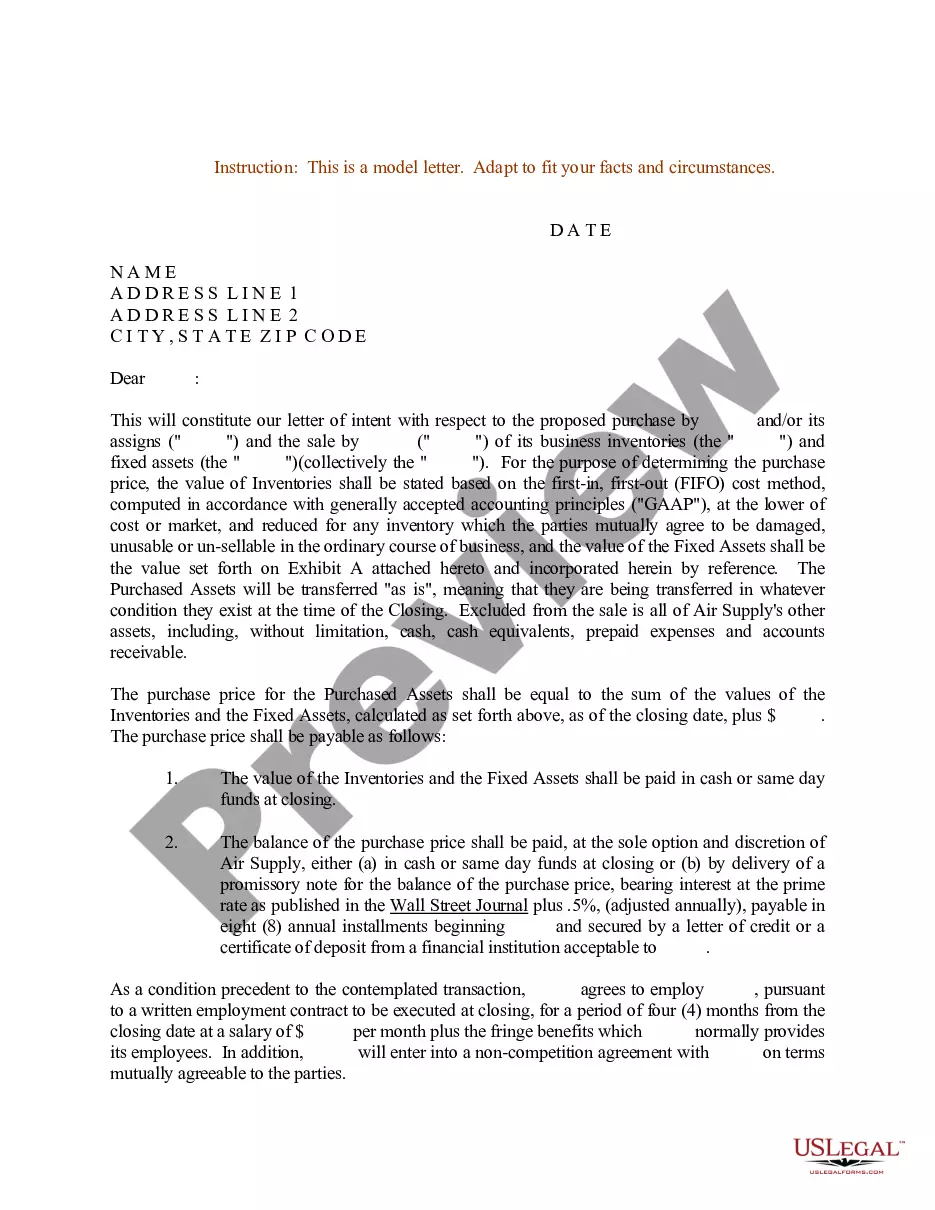
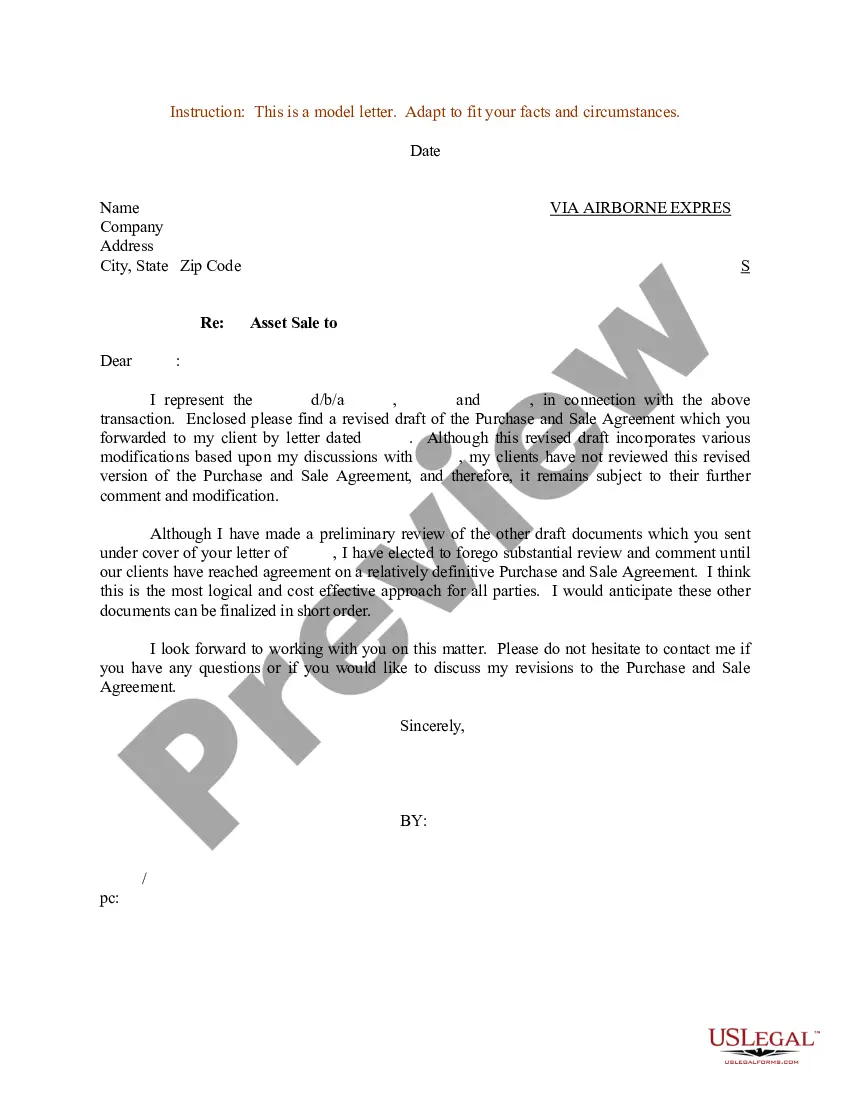
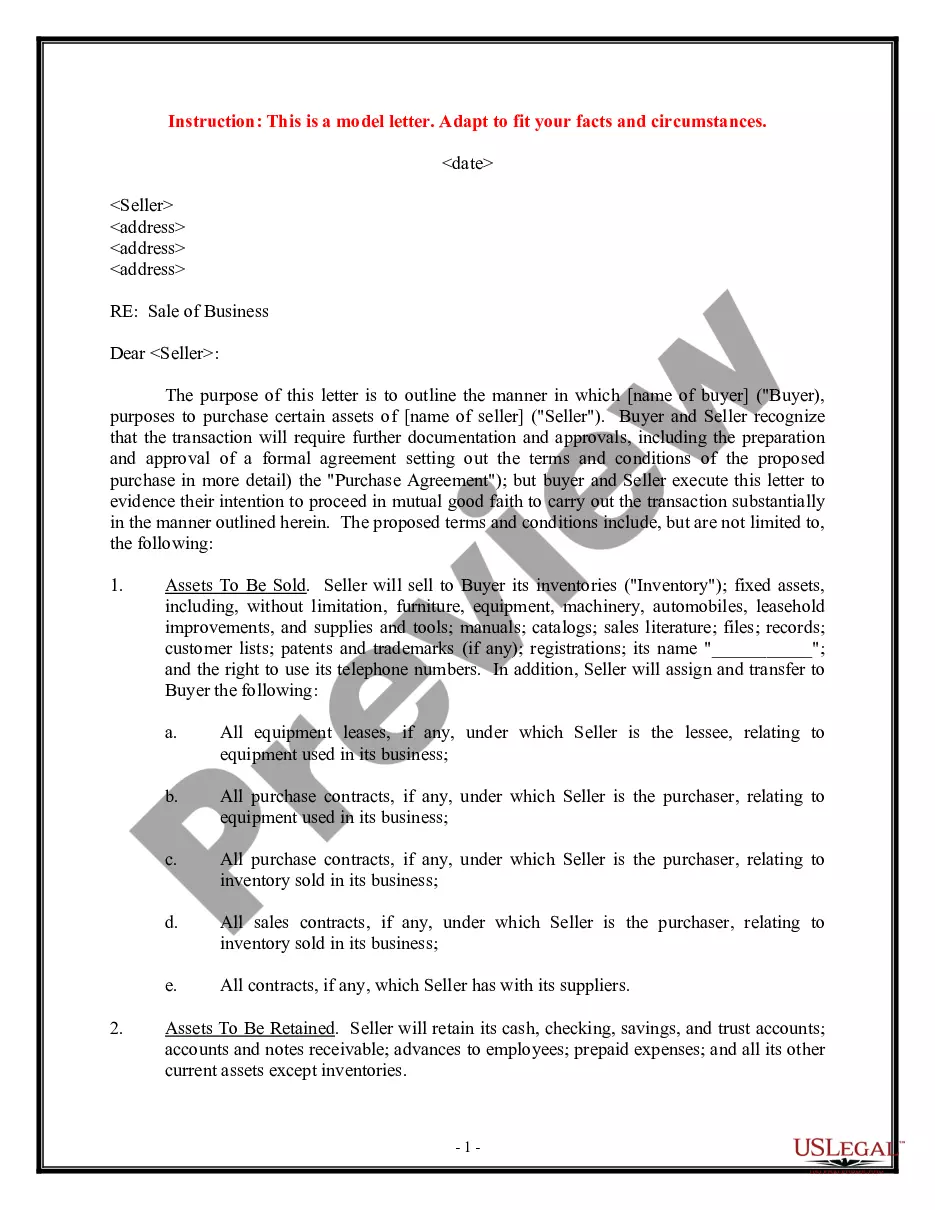
Get your form ready online
Our built-in tools help you complete, sign, share, and store your documents in one place.
Make edits, fill in missing information, and update formatting in US Legal Forms—just like you would in MS Word.
Download a copy, print it, send it by email, or mail it via USPS—whatever works best for your next step.
Sign and collect signatures with our SignNow integration. Send to multiple recipients, set reminders, and more. Go Premium to unlock E-Sign.
If this form requires notarization, complete it online through a secure video call—no need to meet a notary in person or wait for an appointment.
We protect your documents and personal data by following strict security and privacy standards.

Make edits, fill in missing information, and update formatting in US Legal Forms—just like you would in MS Word.

Download a copy, print it, send it by email, or mail it via USPS—whatever works best for your next step.

Sign and collect signatures with our SignNow integration. Send to multiple recipients, set reminders, and more. Go Premium to unlock E-Sign.

If this form requires notarization, complete it online through a secure video call—no need to meet a notary in person or wait for an appointment.

We protect your documents and personal data by following strict security and privacy standards.
Looking for another form?
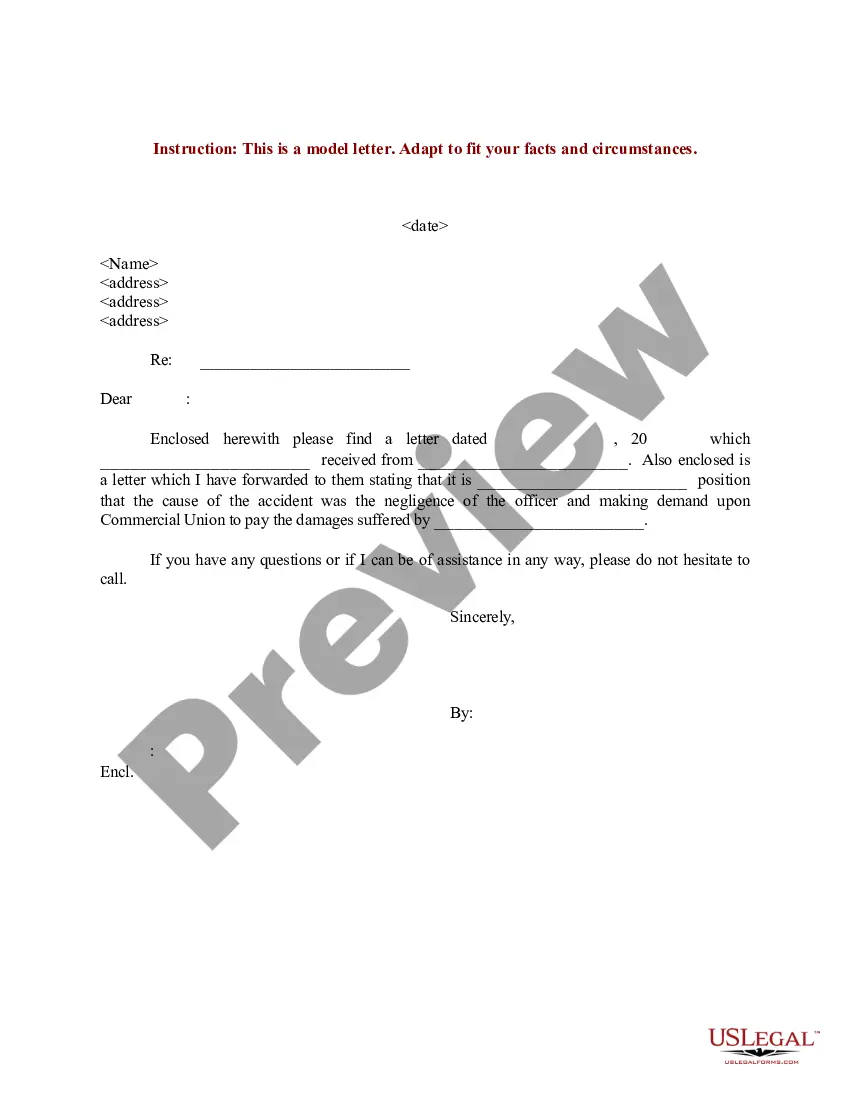
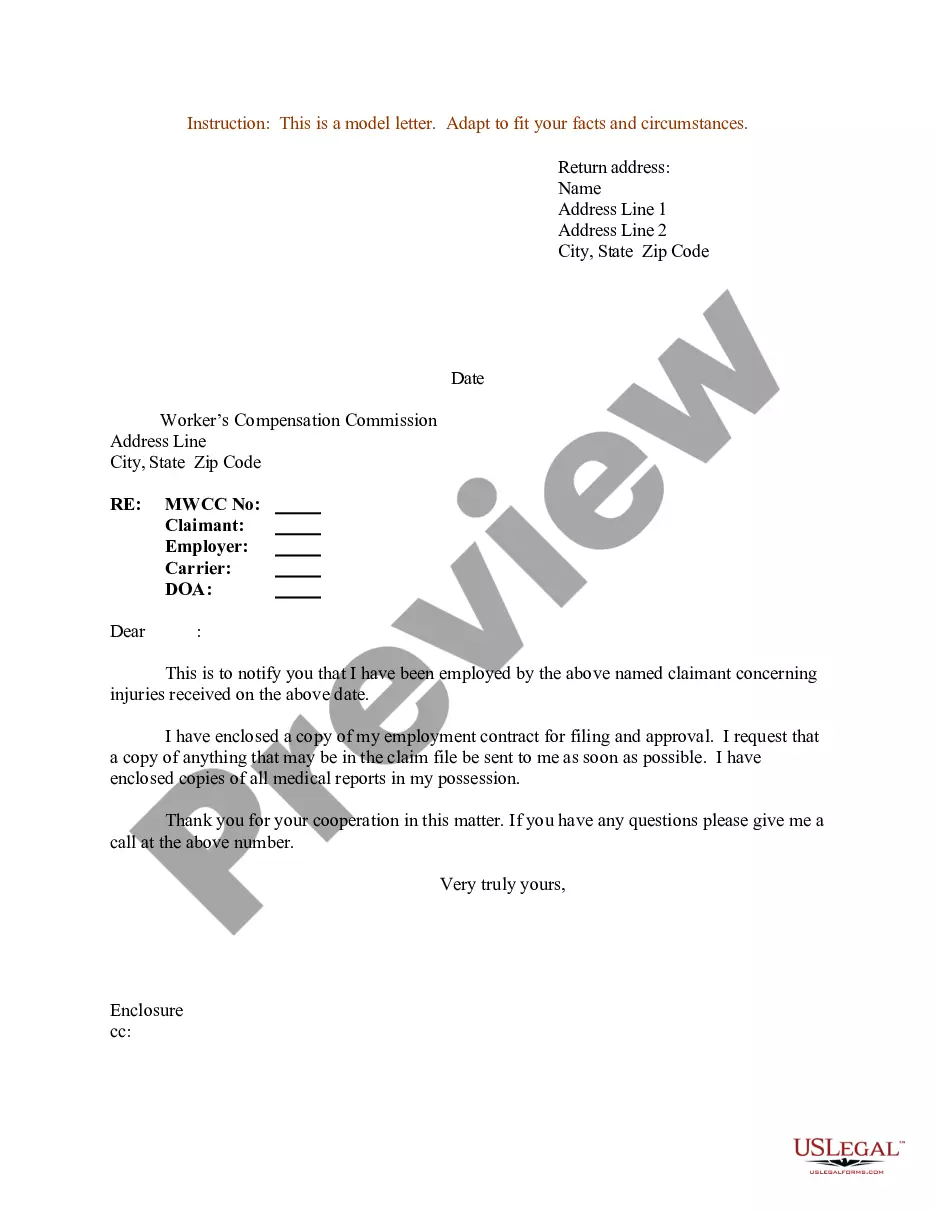
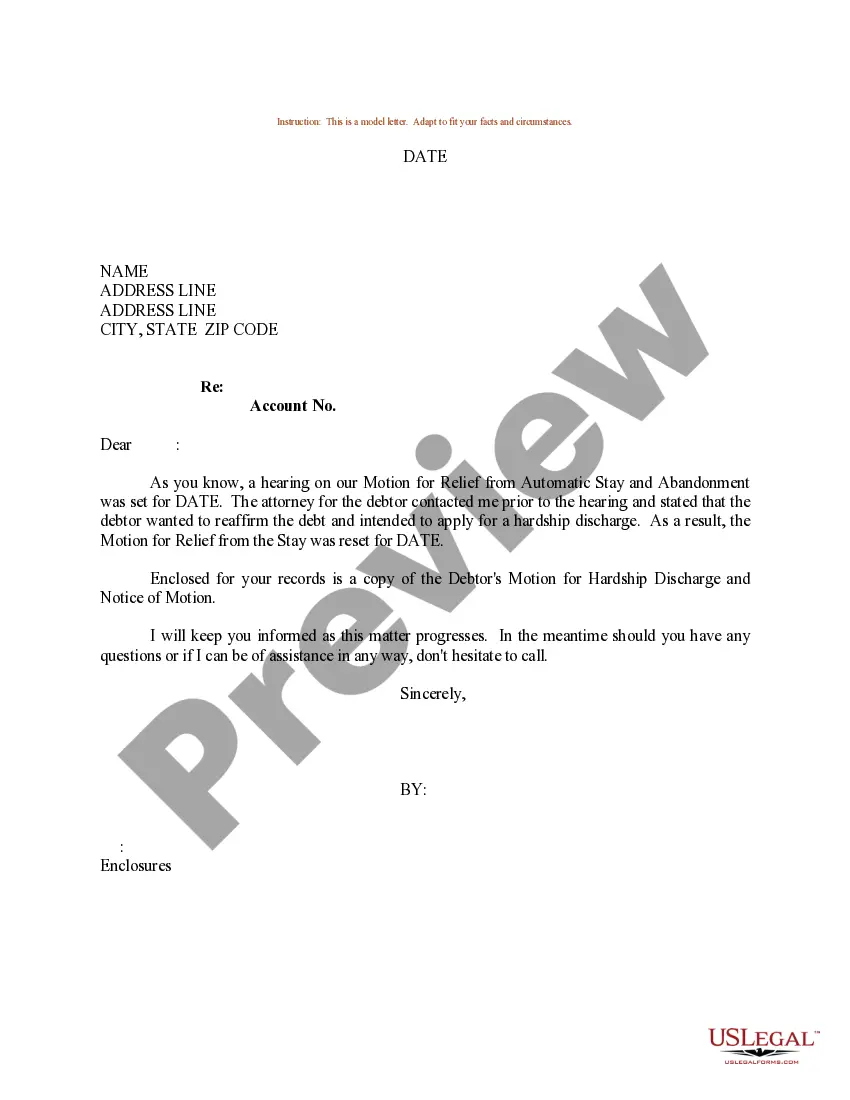
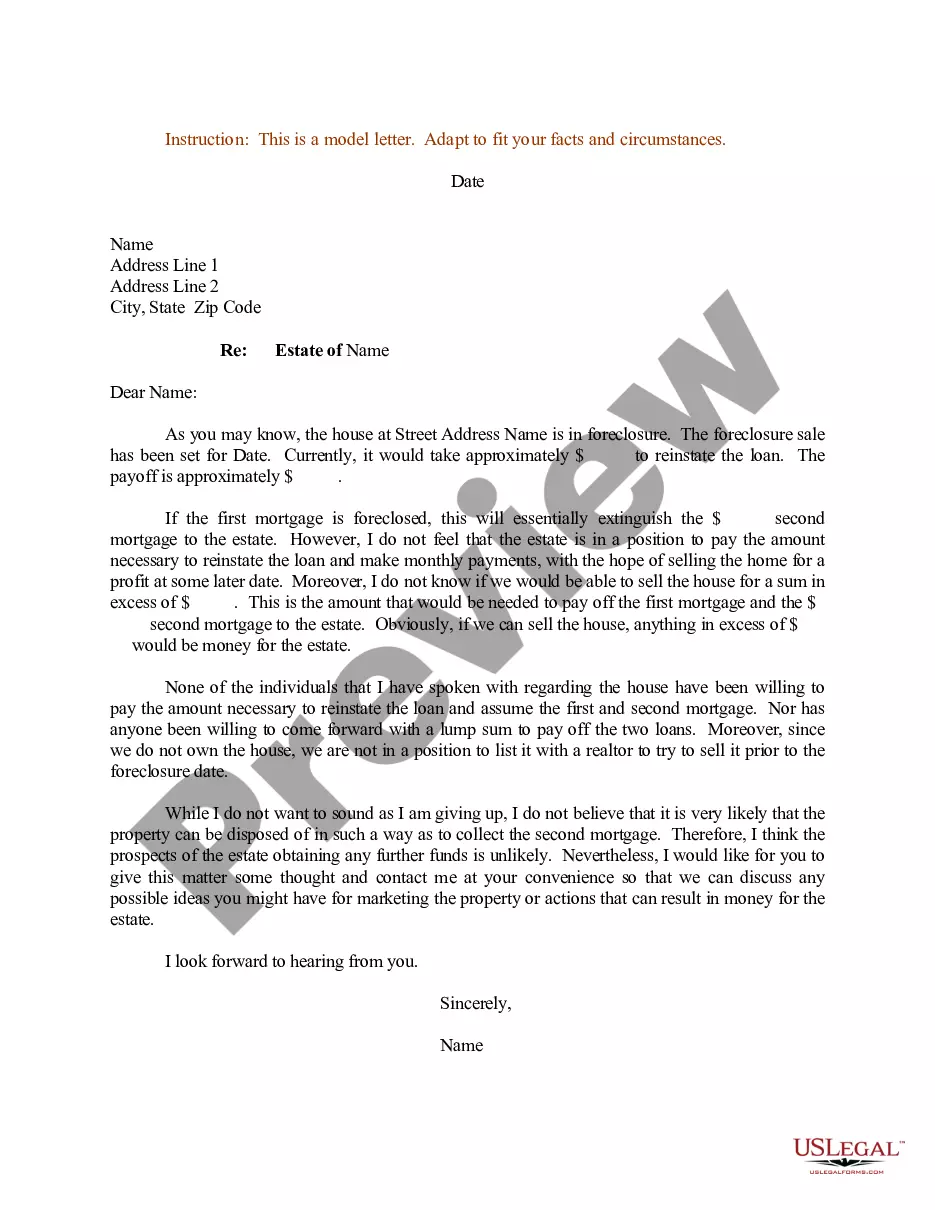
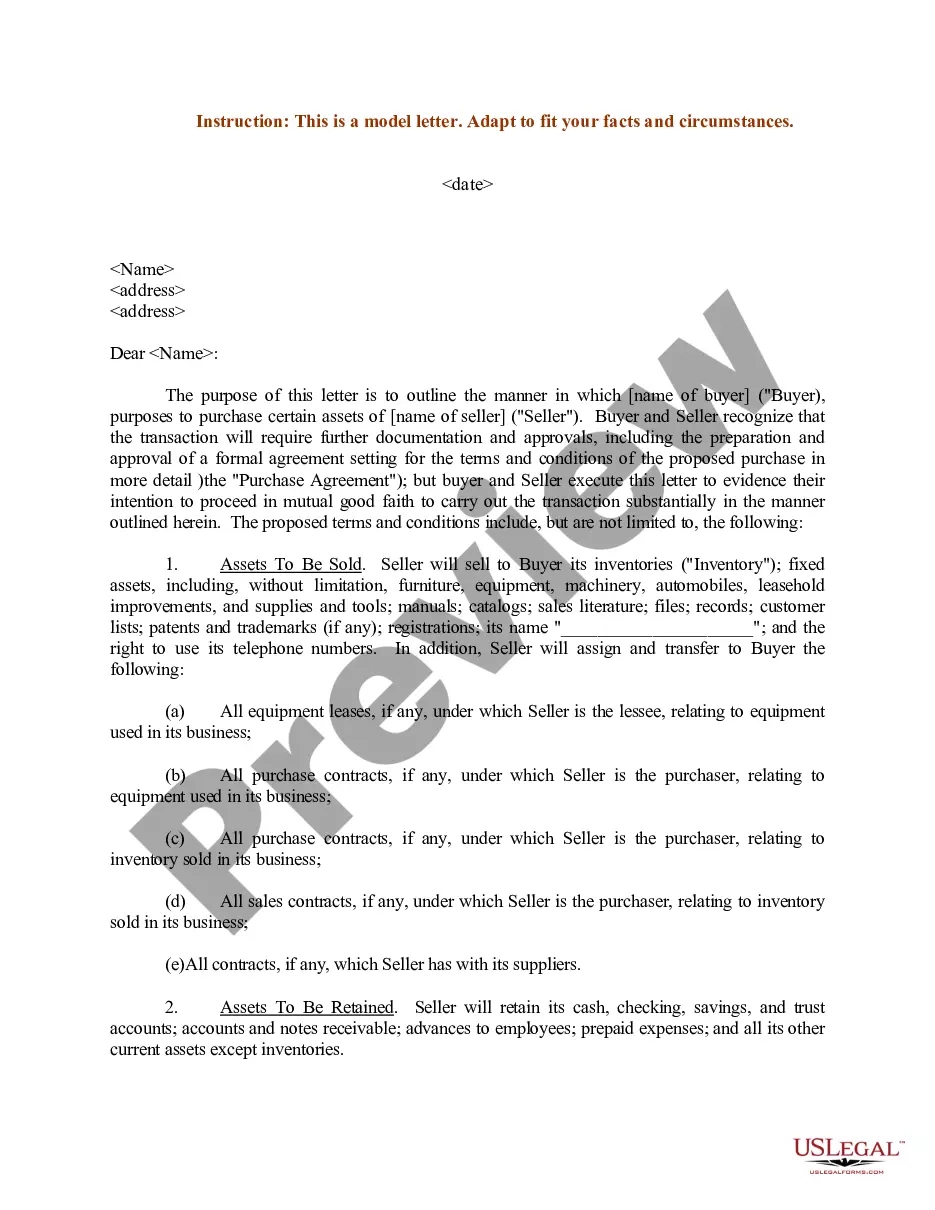
How to fill out Sample Letter For Letter Of Intent To Purchase Assets?
Managing legal documents can be overwhelming, even for the most seasoned professionals.
When you're in search of a Letter of Intent Legal With Sue but lack the time to find the suitable and current version, the procedures can be challenging.
Tap into a valuable resource repository of articles, manuals, and materials relevant to your situation and requirements.
Save time and effort searching for the documents you need, and leverage US Legal Forms’ sophisticated search and Preview feature to locate Letter of Intent Legal With Sue and obtain it.
Take advantage of the US Legal Forms online library, backed by 25 years of experience and trustworthiness. Streamline your everyday document management into a seamless and intuitive experience today.
- If you have a subscription, Log In to your US Legal Forms account, search for the form, and download it.
- Check your My documents section to review the documents you have previously saved and manage your folders as you see fit.
- If you are a first-time user of US Legal Forms, create a free account for unlimited access to all the library's benefits.
- Once you have downloaded the form you desire, follow these steps.
- Verify the form is correct by previewing it and reviewing its details.
- Confirm that the template is authorized in your state or county.
- Click Buy Now when you are ready.
- Choose a monthly subscription plan.
- Select the format you prefer, and Download, complete, sign, print, and dispatch your document.
- Access state- or county-specific legal and business documentation.
- US Legal Forms meets any requirements you might possess, from personal to corporate documents, all in one location.
- Use advanced tools to complete and handle your Letter of Intent Legal With Sue.
Form popularity
FAQ
To write a legal letter of intent, start with a clear subject line that identifies the purpose. Include the date, your information, and the recipient’s details in the header. Clearly state your intentions, outline the issues, and define any goals you have. Finally, to ensure accuracy and professionalism, consider utilizing our resources for crafting a thorough letter intent legal with sue.
Writing a powerful letter of intent involves clarity, directness, and a clear outline of your objectives. Begin with a brief introduction stating your intention, followed by the facts and the reasons why you are pursuing legal action. Finish with a call to action that encourages the recipient to respond or settle the matter. Using a template from our platform can streamline this process and ensure your letter intent legal with sue is effective.
Generally, a letter of intent does not need to be notarized to be valid. However, notarization can lend added credibility and formality to the document, which may be beneficial. It's essential to follow any specific state requirements that might apply to your situation. Using a precise letter intent legal with sue can address your needs without necessarily requiring notarization.
Communicating your intent to sue can be both strategic and beneficial. By informing the other party, you may open doors for negotiation and resolve the issue amicably before escalating to court. However, ensure that your message is professional and non-confrontational. A carefully constructed letter intent legal with sue can effectively communicate your position while seeking a resolution.
Responding to a notice of intent to sue requires careful thought. Review the claims presented in the letter and gather your documentation. You can choose to negotiate a settlement or prepare a formal response denying the allegations. Taking the time to craft an appropriate response can make a crucial difference in the outcome, so consider utilizing our platform for drafting your letter intent legal with sue.
A letter of intent can hold weight in court, especially if it clearly outlines the parties involved and the issues at hand. However, it is crucial that the letter contains no ambiguous language and expresses genuine intent to pursue legal action. This clarity can aid in demonstrating your commitment to resolving the issue. Hence, choosing a clear letter intent legal with sue can play a pivotal role in your legal strategy.
An intent to sue letter serves as a formal notification that one party intends to initiate legal action against another. This document outlines the reasons for the intended lawsuit, often detailing the grievances or disputes involved. By sending this letter, you can encourage a resolution without further legal steps. Using a letter intent legal with sue can clarify your position and strengthen your case.
Yes, a letter of intent can be legally binding if it is written with clear intent and contains specific terms that demonstrate the parties' agreement to certain obligations. Factors like consideration, mutual agreement, and the intention to bind will influence its legal status. It is essential to carefully draft the document to ensure it reflects the necessary elements for enforceability. If you're looking to create a secure agreement, uslegalforms can assist you in drafting your letter intent legal with sue.
A notice of intent to sue is a formal communication that indicates one party's intention to take legal action against another. This notice typically outlines the basis of the potential lawsuit and provides an opportunity for the other party to respond or resolve the issue prior to formal litigation. By providing this notice, parties can sometimes reach an agreement without escalation. Understanding your rights related to a letter intent legal with sue can help in addressing this situation appropriately.
You may be legally bound to a letter of intent, depending on its specific terms and conditions. If the letter includes binding provisions, such as confidentiality or exclusivity agreements, you could be held responsible for following them. Conversely, many letters of intent are intended to be non-binding and serve merely as a framework for negotiations. For clarity, consider using a service like uslegalforms when drafting your letter intent legal with sue.