Real Property For Divorce
Description
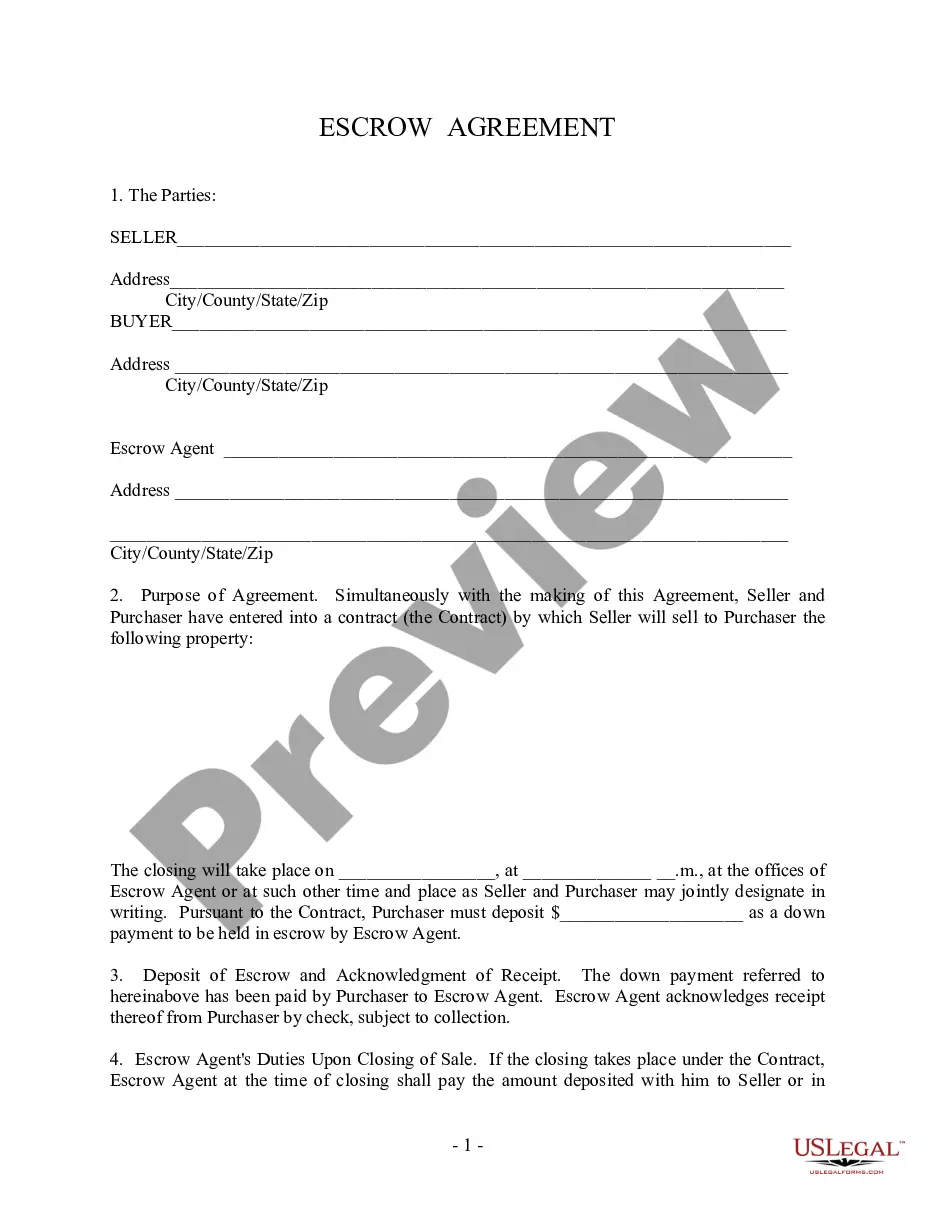
Get your form ready online
Our built-in tools help you complete, sign, share, and store your documents in one place.
Make edits, fill in missing information, and update formatting in US Legal Forms—just like you would in MS Word.
Download a copy, print it, send it by email, or mail it via USPS—whatever works best for your next step.
Sign and collect signatures with our SignNow integration. Send to multiple recipients, set reminders, and more. Go Premium to unlock E-Sign.
If this form requires notarization, complete it online through a secure video call—no need to meet a notary in person or wait for an appointment.
We protect your documents and personal data by following strict security and privacy standards.

Make edits, fill in missing information, and update formatting in US Legal Forms—just like you would in MS Word.

Download a copy, print it, send it by email, or mail it via USPS—whatever works best for your next step.

Sign and collect signatures with our SignNow integration. Send to multiple recipients, set reminders, and more. Go Premium to unlock E-Sign.

If this form requires notarization, complete it online through a secure video call—no need to meet a notary in person or wait for an appointment.

We protect your documents and personal data by following strict security and privacy standards.
Looking for another form?








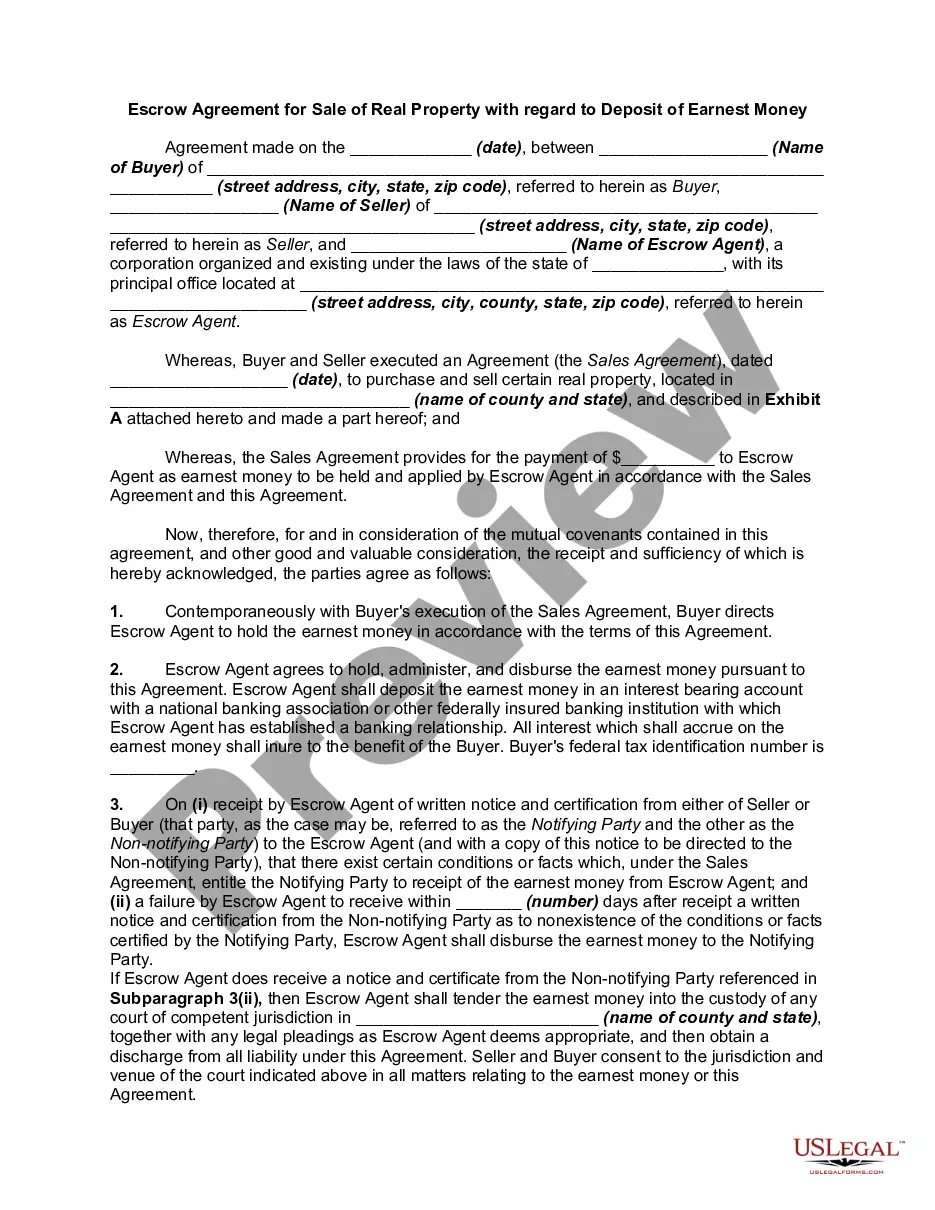
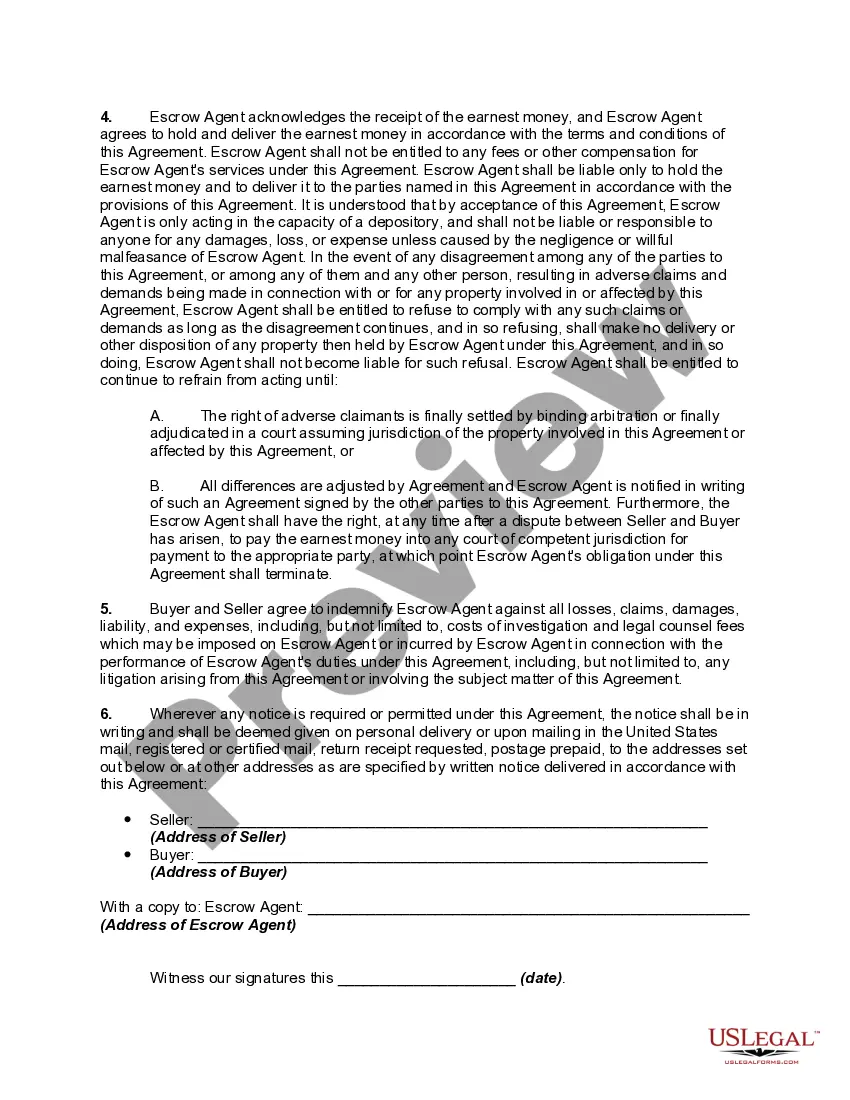
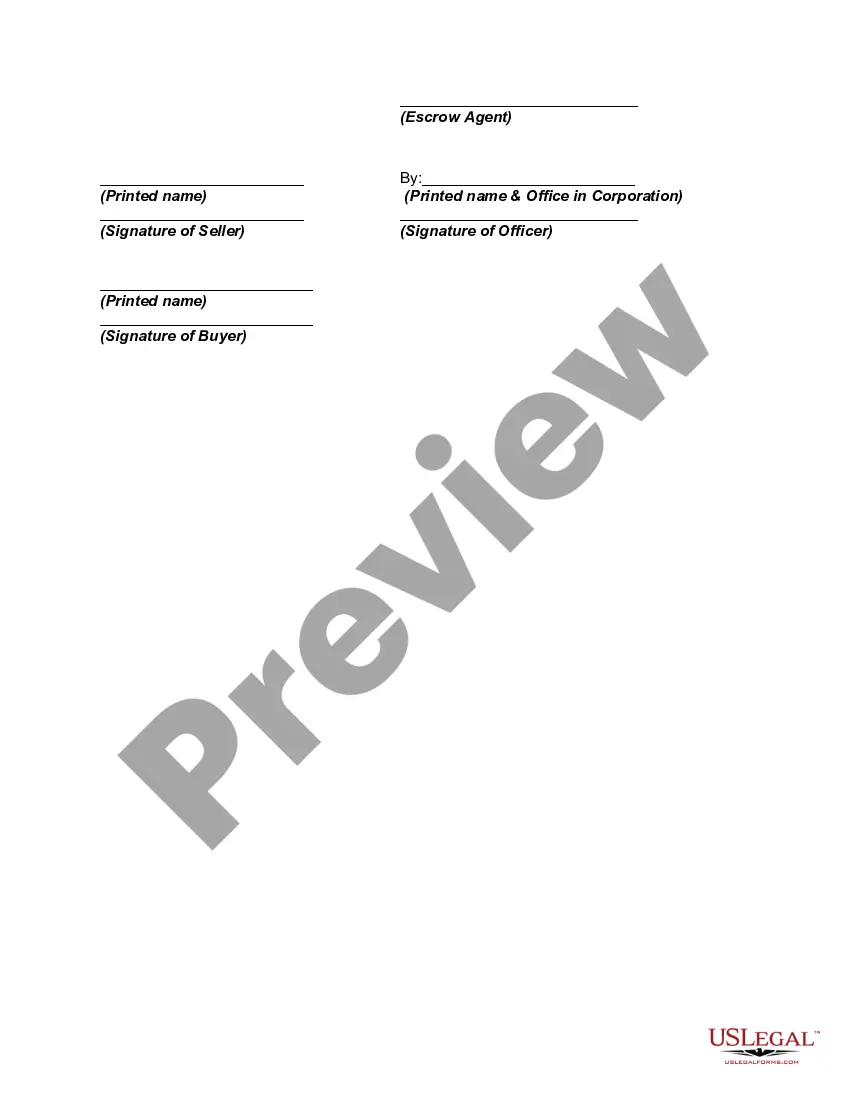
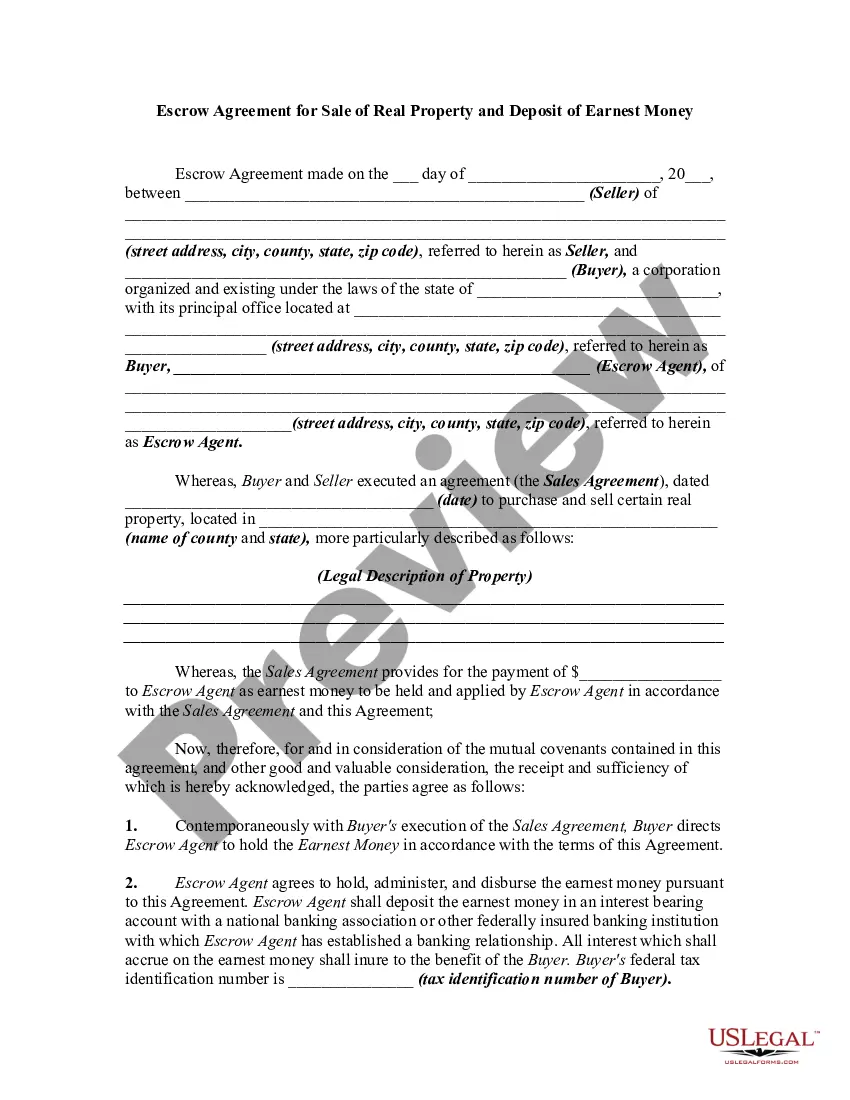
How to fill out Escrow Agreement For Sale Of Real Property With Regard To Deposit Of Earnest Money?
Creating legal documents from the ground up can frequently feel daunting.
Some situations may entail extensive research and substantial financial investment.
If you’re seeking a simpler and more cost-effective method of preparing Real Property For Divorce or any other documents without navigating obstacles, US Legal Forms is always available to assist you.
Our online collection of over 85,000 current legal documents covers nearly every facet of your financial, legal, and personal matters.
However, before diving straight into downloading Real Property For Divorce, adhere to these suggestions: Review the document preview and descriptions to ensure you’ve found the form you need. Ensure that the form you select meets your state's and county's requirements. Choose the most suitable subscription option to acquire the Real Property For Divorce. Download the file, then complete, sign, and print it. US Legal Forms maintains an impeccable reputation and boasts over 25 years of expertise. Join us today and make form execution a simple and efficient process!
- With just a few clicks, you can swiftly access state- and county-specific templates meticulously crafted by our legal experts.
- Utilize our website whenever you require dependable and trustworthy services to effortlessly find and download the Real Property For Divorce.
- If you're already familiar with our services and have set up an account with us previously, simply Log In to your account, locate the template, and download it immediately or retrieve it later in the My documents tab.
- Not registered yet? No problem. It requires minimal time to establish and explore the catalog.
Form popularity
FAQ
The first step you should take is to understand your situation regarding real property for divorce. Gather all relevant documents related to your assets, including deeds and mortgage information. It’s also advisable to consult with a legal expert who can guide you through the process and help you determine how real property may be divided. Utilizing platforms like UsLegalForms can simplify this process, providing the necessary resources and forms tailored to your specific needs.
The 10 10 10 rule for divorce is a framework for managing the emotional and financial aspects of separation. This rule suggests to take 10 minutes to evaluate your feelings, 10 days to contemplate major decisions, and 10 weeks to focus on rebuilding your life. By following this structure, individuals can make informed choices about real property for divorce and other significant issues, leading to healthier outcomes post-divorce.
In most cases, certain assets remain untouchable during a divorce. Typically, assets acquired before the marriage, as well as gifts and inheritances received by one spouse, are regarded as separate property. Additionally, retirement accounts and social security benefits are often protected unless they are jointly acquired during the marriage. When it comes to real property for divorce, understanding which assets fall under community or separate property is crucial.
In most cases, certain assets like inherited property or gifts given solely to one spouse may not be subject to division in a divorce. Additionally, assets acquired before marriage are generally excluded, along with assets placed in a trust. Knowing which real property for divorce falls into these categories can significantly affect your financial future. Consulting platforms like USLegalForms can provide guidance on protecting your assets and navigating divorce settlement.
To make your assets untouchable in a divorce, consider establishing a prenuptial agreement or a postnuptial agreement that clearly outlines asset division. You can also transfer certain assets into a trust, which provides legal protection. Additionally, working with a professional who specializes in divorce planning can help you safeguard real property for divorce and other critical assets. This proactive approach will bolster your security during a potentially challenging time.
Moving out can jeopardize your claim to real property for divorce. When you leave the marital home, you risk losing valuable rights to assets you may want to protect. Staying put helps maintain your position in negotiations and ensures you have a place to live during the process. This is crucial as real property often holds significant emotional and financial value.
You list all the assets, and debts (debts should be divided as well) acquired during the marriage. Then you figure out the net value of the asset or debt. Then you start dividing the assets or debts and watch the total at the bottom. One spouse can take 100% of the house, while the 401K is divided 60% / 40%.
Lenders usually have liens on houses. So if the spouse whose name is on the mortgage does not pay, the bank can foreclose to recover their money. Since your name is in the deed after the house owes you money, it will not matter if your name appears on the deed or not.
In conclusion, the financial responsibilities during divorce can vary depending on the unique circumstances of each case. Until the divorce is officially finalized, both spouses may still have shared financial obligations, but temporary agreements or court orders may determine the specific financial arrangements.
Family law courts in Canada can treat debt acquired during marriage as joint debt that should be shared equally upon divorce ? unless you made a previous legal agreement to divide your debt differently. So, if your spouse came into the marriage with debt, you won't be held responsible for that debt.