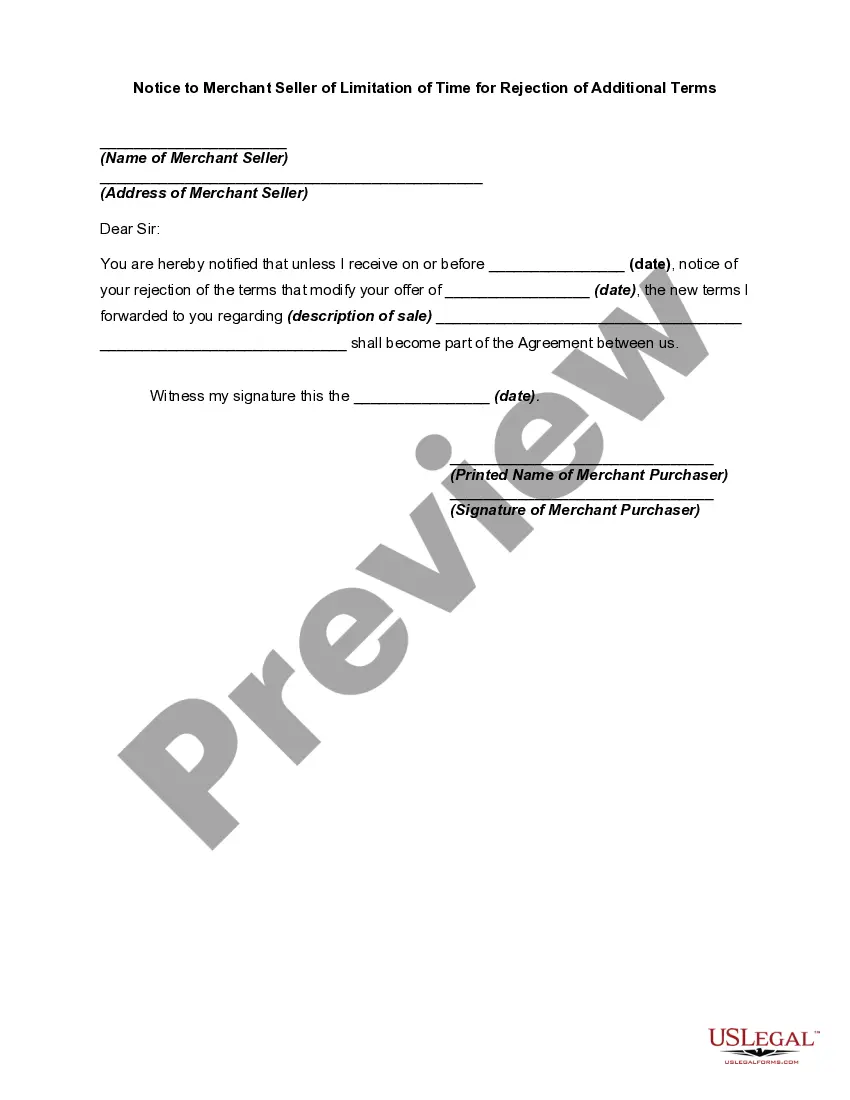
Seller Limit Order With Stop Loss
Description
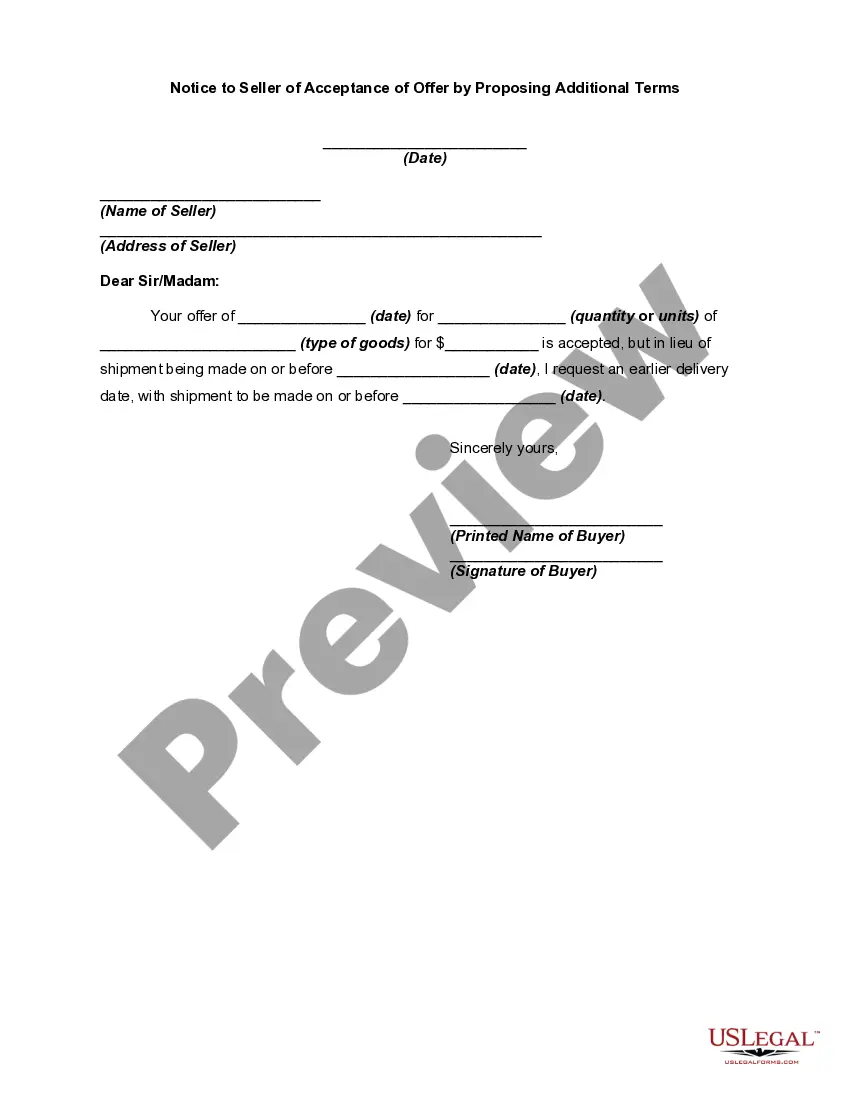
Get your form ready online
Our built-in tools help you complete, sign, share, and store your documents in one place.
Make edits, fill in missing information, and update formatting in US Legal Forms—just like you would in MS Word.
Download a copy, print it, send it by email, or mail it via USPS—whatever works best for your next step.
Sign and collect signatures with our SignNow integration. Send to multiple recipients, set reminders, and more. Go Premium to unlock E-Sign.
If this form requires notarization, complete it online through a secure video call—no need to meet a notary in person or wait for an appointment.
We protect your documents and personal data by following strict security and privacy standards.

Make edits, fill in missing information, and update formatting in US Legal Forms—just like you would in MS Word.

Download a copy, print it, send it by email, or mail it via USPS—whatever works best for your next step.

Sign and collect signatures with our SignNow integration. Send to multiple recipients, set reminders, and more. Go Premium to unlock E-Sign.

If this form requires notarization, complete it online through a secure video call—no need to meet a notary in person or wait for an appointment.

We protect your documents and personal data by following strict security and privacy standards.
Looking for another form?

How to fill out Notice To Merchant Seller Of Limitation Of Time For Rejection Of Additional Terms?
Managing legal paperwork can be daunting, even for the most experienced experts.
When you are looking for a Seller Limit Order With Stop Loss and lack the time to devote to finding the correct and current version, the process can be stressful.
US Legal Forms can meet any needs you may have, whether for personal or business paperwork, all in one place.
Use advanced tools to complete and manage your Seller Limit Order With Stop Loss.
After obtaining the form you need, follow these steps: Validate that this is the correct form by previewing it and reading its description; Ensure that the template is approved in your state or county; Click Buy Now when you are ready; Select a monthly subscription plan; Find the format you need, and Download, fill out, eSign, print, and send your document. Take advantage of the US Legal Forms online library, supported by 25 years of experience and reliability. Streamline your daily document management into a straightforward and user-friendly process today.
- Access a comprehensive resource library of articles, guides, manuals, and materials related to your situation and requirements.
- Save time and energy searching for the documents you need by using US Legal Forms’ sophisticated search and Preview tool to locate Seller Limit Order With Stop Loss and obtain it.
- If you have a subscription, sign in to your US Legal Forms account, search for the form, and download it.
- Check your My documents tab to review the documents you’ve previously downloaded and manage your folders as preferred.
- If this is your first time using US Legal Forms, create an account and gain unlimited access to all the platform's benefits.
- Utilize a powerful online form library that can revolutionize how you handle these situations.
- US Legal Forms is a leader in web legal documents, offering over 85,000 state-specific legal forms available at any time.
- With US Legal Forms, you can access state- or county-specific legal and business documents.
Form popularity
FAQ
stop order is a type of stoploss order that protects short positions; it is set above the current market price and is triggered if the price rises above that level. Stoplimit orders are a type of stoploss, but at the stop price, the order becomes a limit order?only executing at the limit price or better.
Yes, you can set a stop loss and limit sell at the same time at different prices. The limit order price is higher than the current price while stop loss is below the current price. So, you can easily set them side by side.
For example, if a trader buys a stock at $30 but wants to limit potential losses by exiting at a price of $25, they would enter a stop order to sell at $25. The stop-loss triggers if the stock falls to $25, at which point the trader's order becomes a market order and is executed at the next available bid.
For instance, a trigger price of ?95 and a price of ?94.90 can be set. When the trigger price of ?95 is reached, a sell limit order is sent to the exchange, and the order is squared off at the next available bid above ?94.90. Thus, the SL order may be executed at ?95 (or higher) or ?94.95 but not below ?94.90.
Stop-loss orders execute a market order when triggered, and execution of the contract is guaranteed when the stop-loss price is met. Stop-limit orders execute a limit order when the initial stop-loss order is triggered, providing investors more control over execution price.