Promissory Note Loan To Shareholder
Description
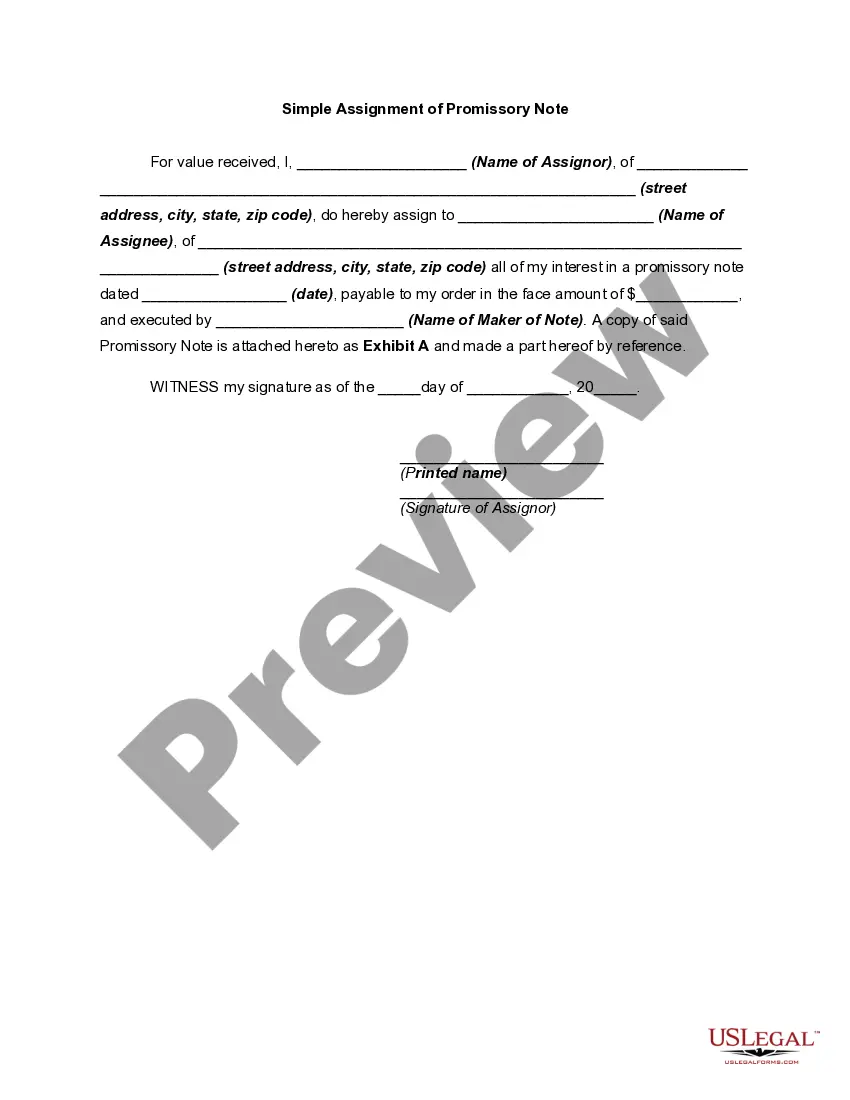
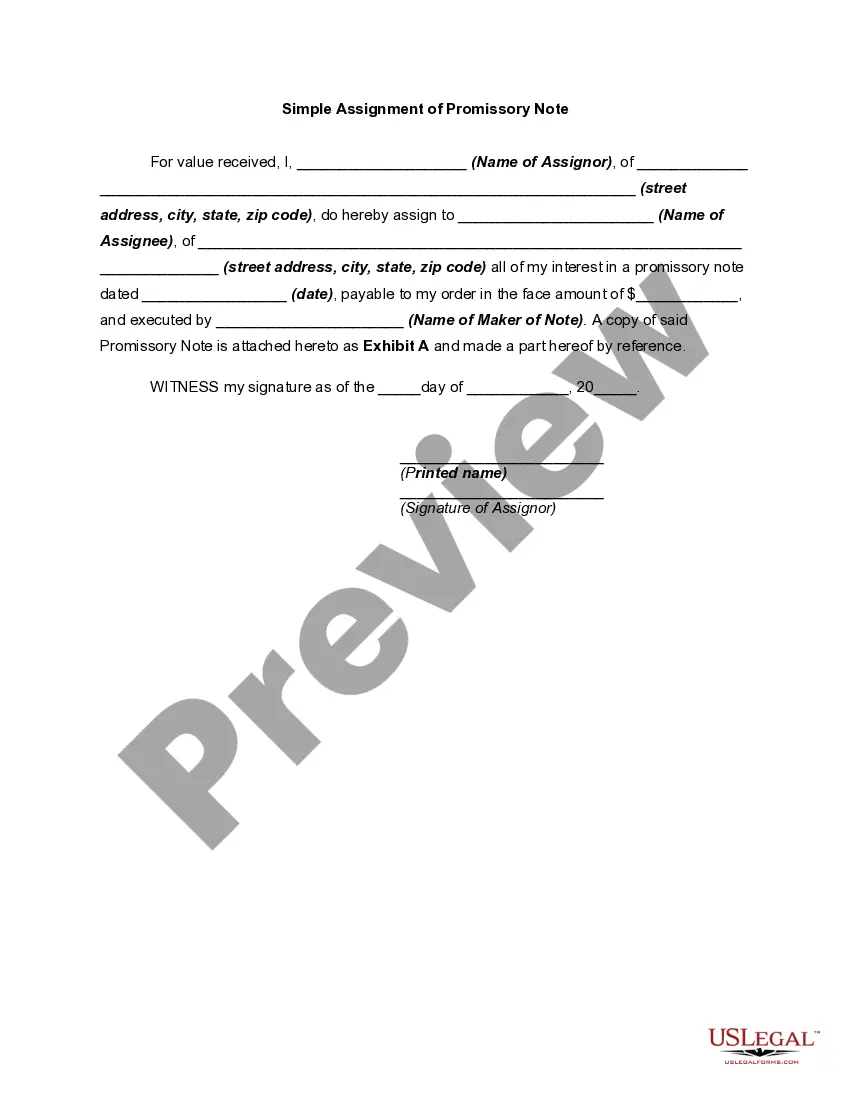
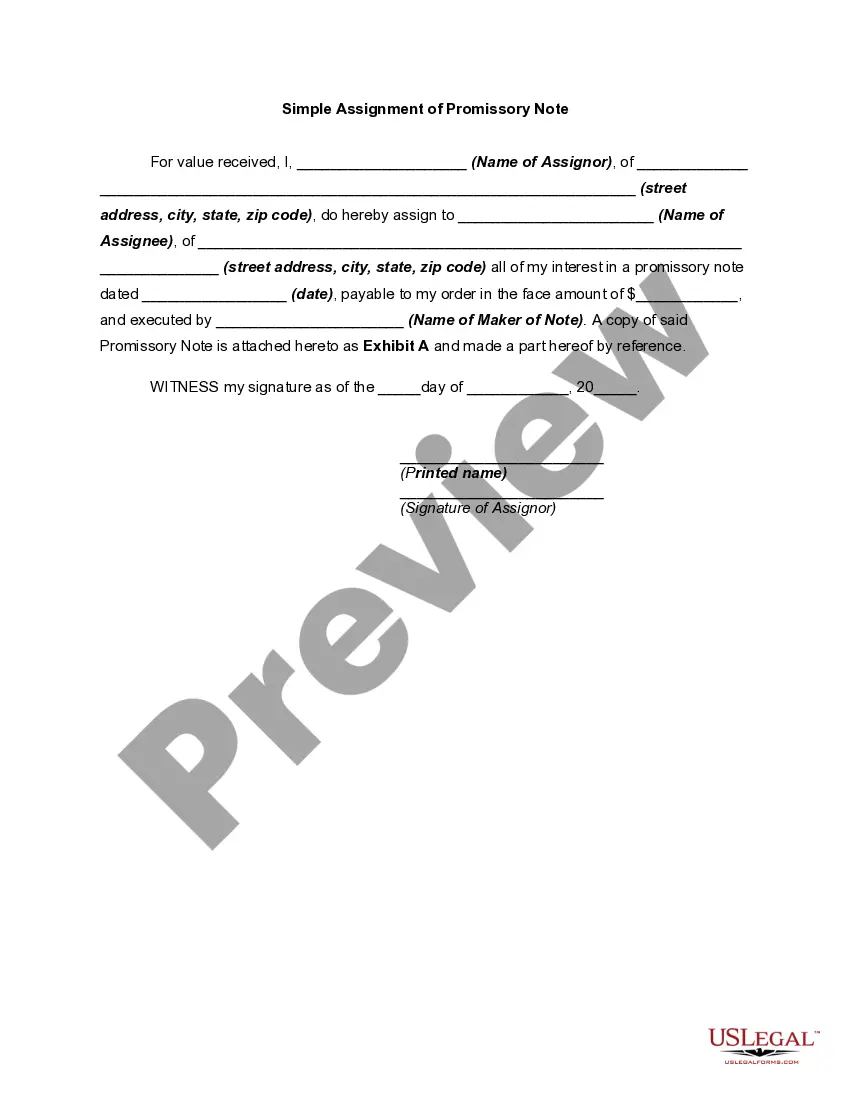
Get your form ready online
Our built-in tools help you complete, sign, share, and store your documents in one place.
Make edits, fill in missing information, and update formatting in US Legal Forms—just like you would in MS Word.
Download a copy, print it, send it by email, or mail it via USPS—whatever works best for your next step.
Sign and collect signatures with our SignNow integration. Send to multiple recipients, set reminders, and more. Go Premium to unlock E-Sign.
If this form requires notarization, complete it online through a secure video call—no need to meet a notary in person or wait for an appointment.
We protect your documents and personal data by following strict security and privacy standards.

Make edits, fill in missing information, and update formatting in US Legal Forms—just like you would in MS Word.

Download a copy, print it, send it by email, or mail it via USPS—whatever works best for your next step.

Sign and collect signatures with our SignNow integration. Send to multiple recipients, set reminders, and more. Go Premium to unlock E-Sign.

If this form requires notarization, complete it online through a secure video call—no need to meet a notary in person or wait for an appointment.

We protect your documents and personal data by following strict security and privacy standards.
Looking for another form?
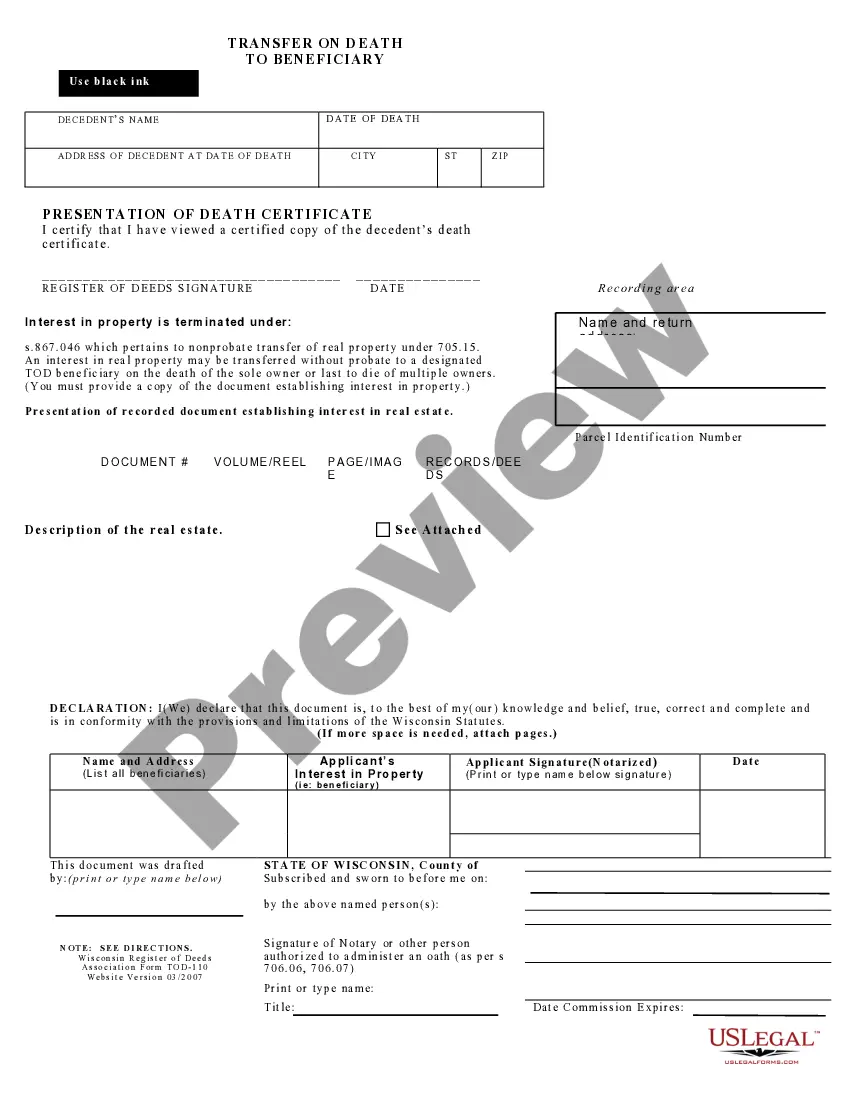



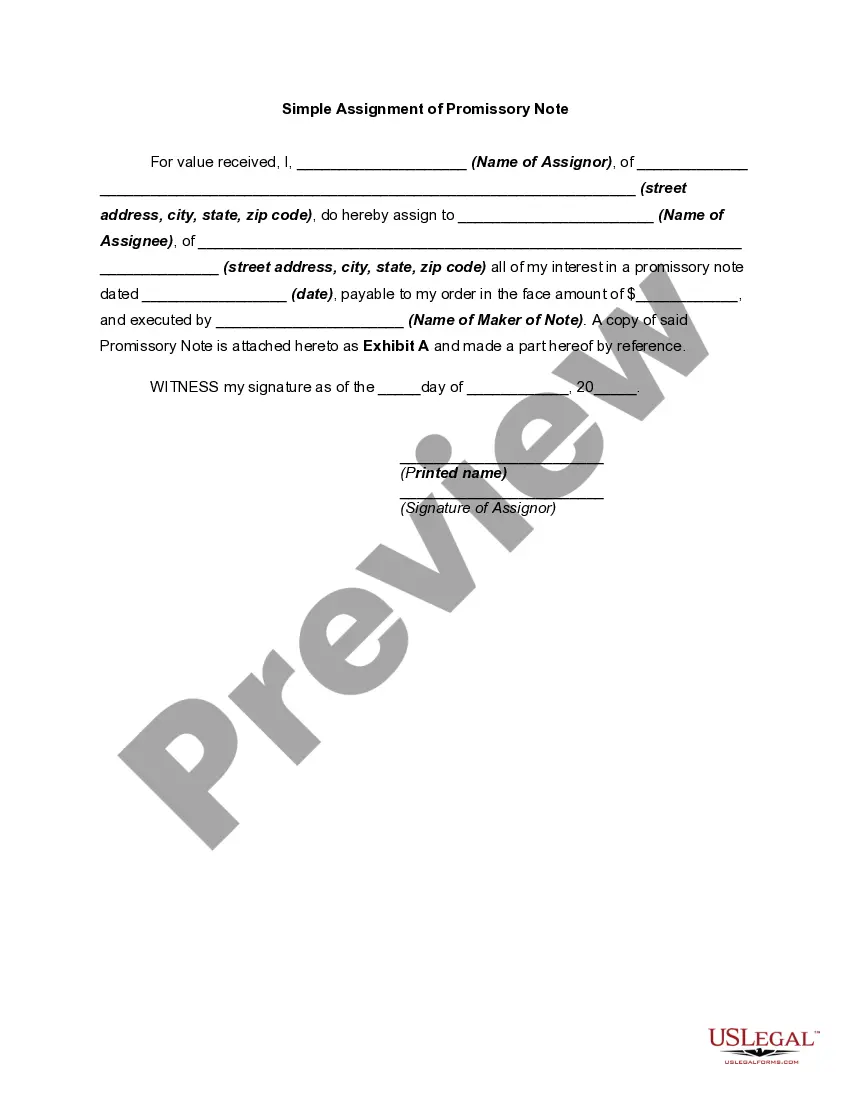
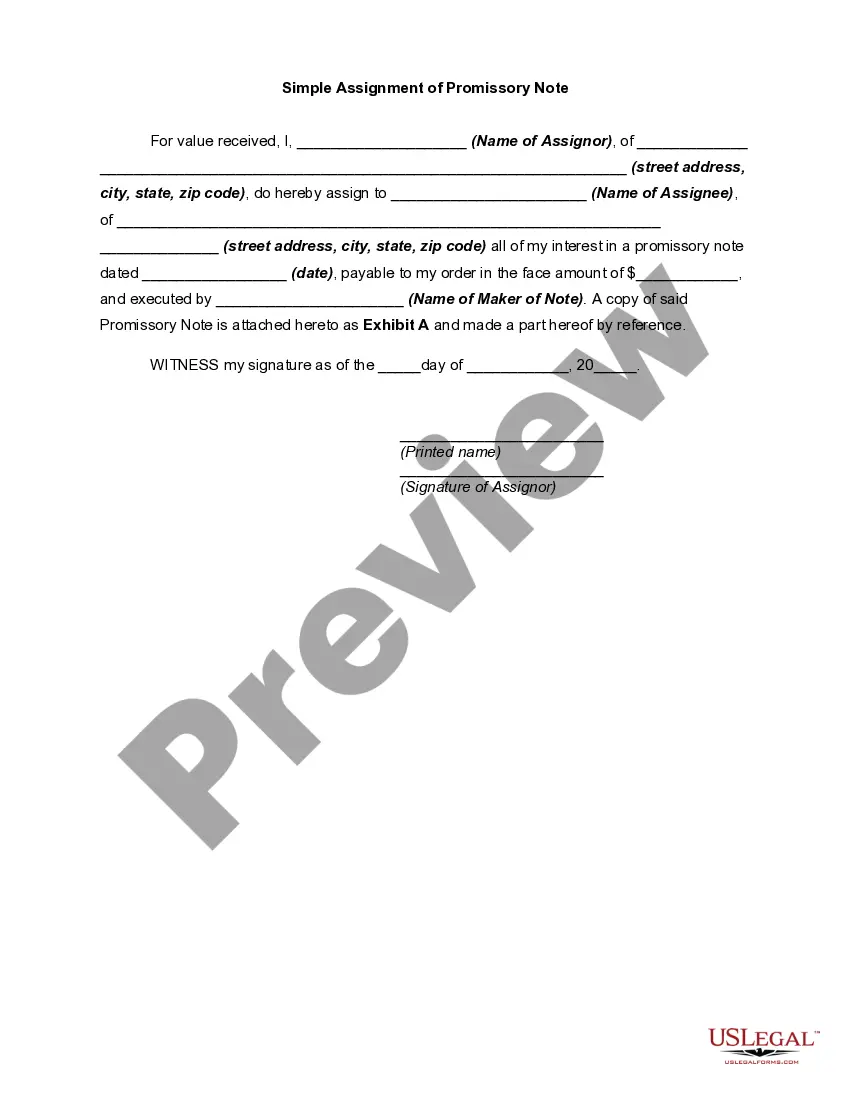
How to fill out Simple Promissory Note For Personal Loan?
Individuals often connect legal documentation with something intricate that only an expert can handle.
In a certain sense, this holds true, as creating a Promissory Note Loan To Shareholder necessitates a deep understanding of relevant criteria, which includes state and local laws.
However, with US Legal Forms, the process has become simpler: ready-to-use legal templates for any personal and business circumstance tailored to state laws are compiled in a single online directory and are now accessible to everyone.
All templates in our collection are reusable: once purchased, they remain saved in your profile. You can access them anytime needed through the My documents tab. Discover all the benefits of utilizing the US Legal Forms platform. Subscribe today!
- US Legal Forms provides over 85,000 current documents organized by state and usage area, so searching for a Promissory Note Loan To Shareholder or any other specific template only takes a few minutes.
- Previously registered users with a valid membership must Log In to their account and click Download to retrieve the form.
- New users on the platform must first register for an account and subscribe before they can save any documents.
- Here is a step-by-step guide on how to acquire the Promissory Note Loan To Shareholder.
- Review the content of the page carefully to confirm it meets your requirements.
- Read the form description or view it through the Preview option.
- Search for another example via the Search bar in the header if the previous one doesn’t meet your needs.
- Click Buy Now once you locate the appropriate Promissory Note Loan To Shareholder.
- Select a pricing plan that aligns with your needs and budget.
- Create an account or Log In to continue to the payment page.
- Pay for your subscription through PayPal or with your credit card.
- Choose the format for your sample and click Download.
- Print your document or import it to an online editor for a faster fill-out.
Form popularity
FAQ
Lending corporate cash to shareholders can be an effective way to give the shareholders use of the funds without the double-tax consequences of dividends. However, an advance or loan to a shareholder must be a bona fide loan to avoid a constructive dividend.
To record a loan from the officer or owner of the company, you must set up a liability account for the loan and create a journal entry to record the loan, and then record all payments for the loan.
You have one year from your fiscal year-end date to pay it back. This can be repaid as a direct repayment, salary, or dividend. Be careful doing so since your shareholder loan will be reported to CRA as an asset on your balance sheet at fiscal year-end.
If the shareholder made a loan with no debt agreement in place, the $2,000 must be reported as income, which means the lender must pay income tax on the repayment. If the loan was made with a debt agreement in place, the $2,000 repayment can be considered capital gains, which is taxed at a lower rate than income tax.
If the shareholder made a loan with no debt agreement in place, the $2,000 must be reported as income, which means the lender must pay income tax on the repayment. If the loan was made with a debt agreement in place, the $2,000 repayment can be considered capital gains, which is taxed at a lower rate than income tax.