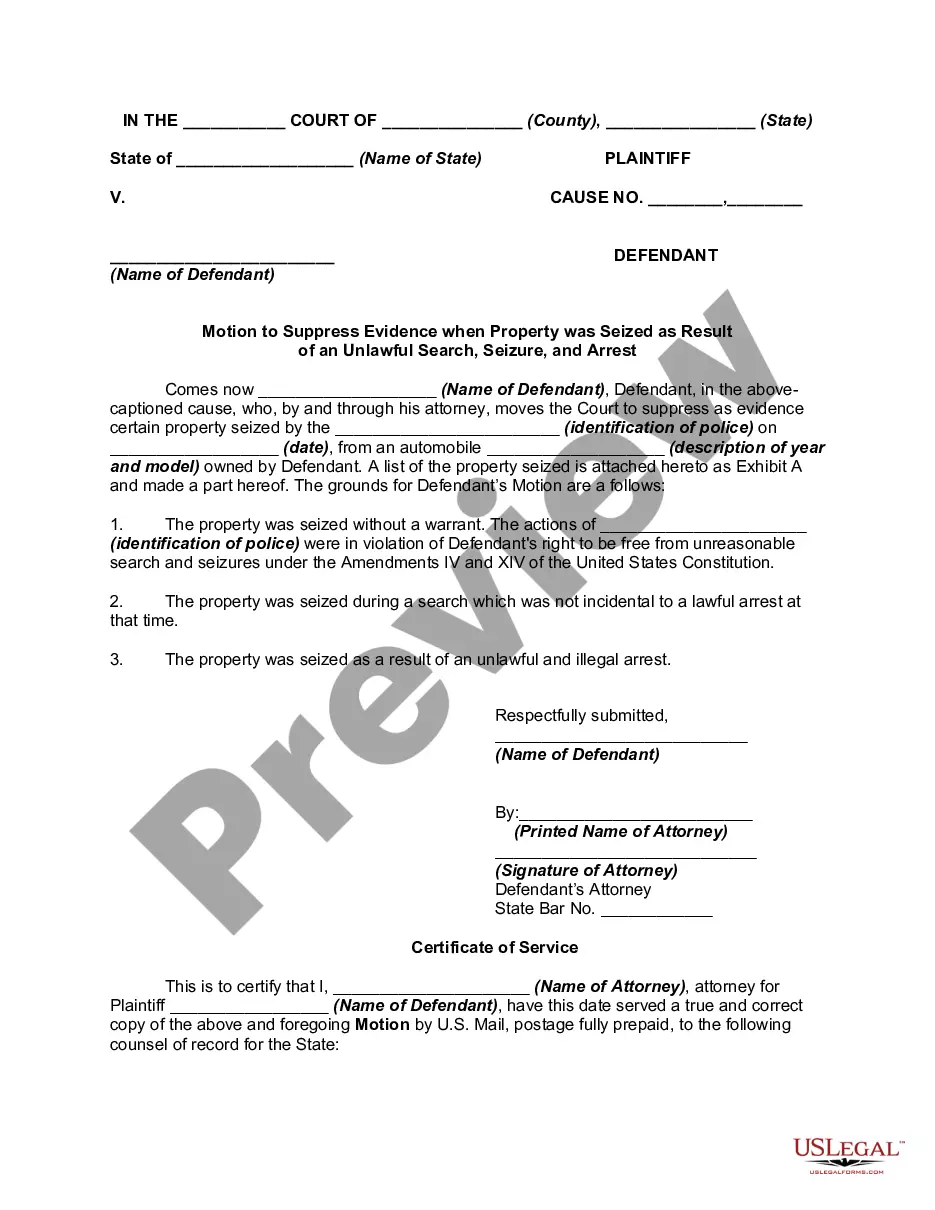
Motion To Suppress Evidence Form Texas
Description

Get your form ready online
Our built-in tools help you complete, sign, share, and store your documents in one place.
Make edits, fill in missing information, and update formatting in US Legal Forms—just like you would in MS Word.
Download a copy, print it, send it by email, or mail it via USPS—whatever works best for your next step.
Sign and collect signatures with our SignNow integration. Send to multiple recipients, set reminders, and more. Go Premium to unlock E-Sign.
If this form requires notarization, complete it online through a secure video call—no need to meet a notary in person or wait for an appointment.
We protect your documents and personal data by following strict security and privacy standards.

Make edits, fill in missing information, and update formatting in US Legal Forms—just like you would in MS Word.

Download a copy, print it, send it by email, or mail it via USPS—whatever works best for your next step.

Sign and collect signatures with our SignNow integration. Send to multiple recipients, set reminders, and more. Go Premium to unlock E-Sign.

If this form requires notarization, complete it online through a secure video call—no need to meet a notary in person or wait for an appointment.

We protect your documents and personal data by following strict security and privacy standards.
Looking for another form?

How to fill out Motion To Suppress Evidence When Property Was Seized As Result Of An Unlawful Search, Seizure, And Arrest?
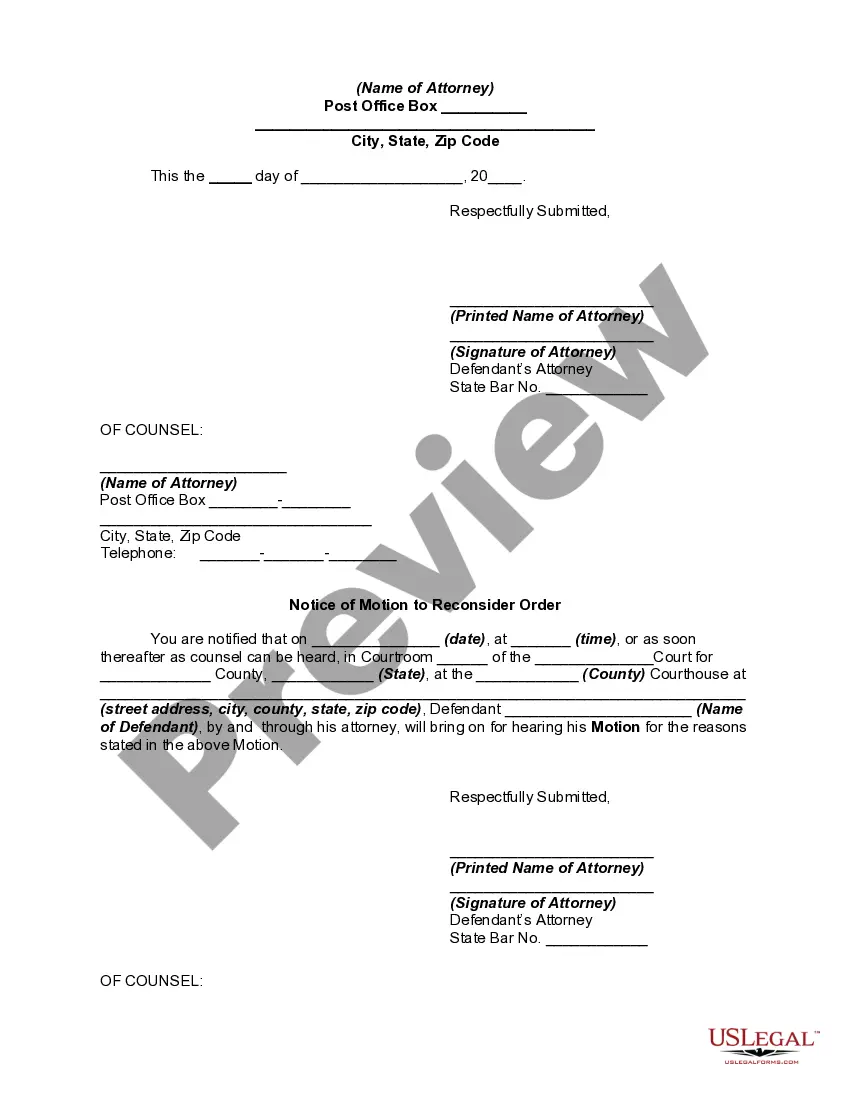
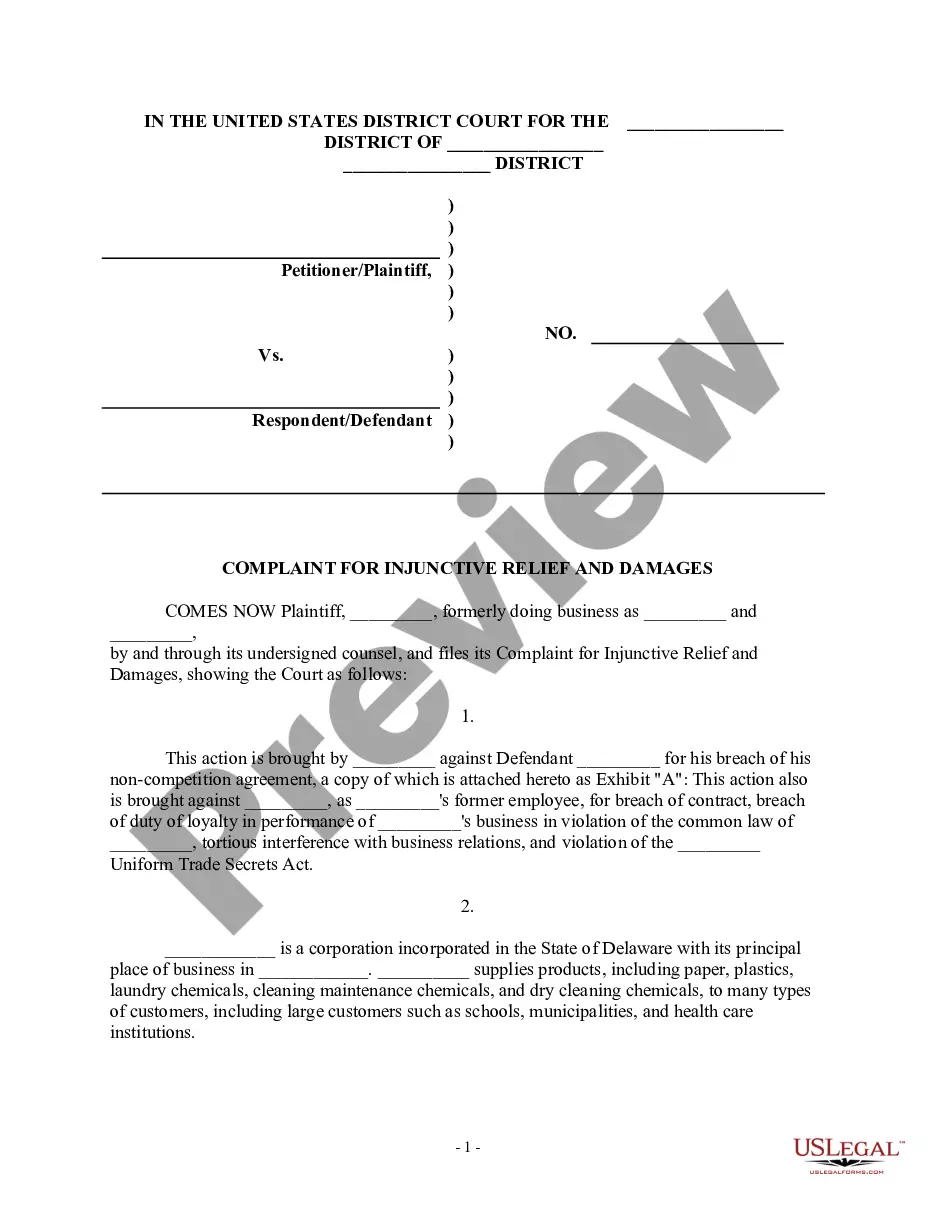
The Motion To Suppress Evidence Template Texas available on this site is a versatile legal format created by experienced attorneys in accordance with federal and local statutes.
For over 25 years, US Legal Forms has supplied individuals, businesses, and legal practitioners with more than 85,000 authenticated, state-specific documents for any personal or professional need. It’s the quickest, most straightforward, and most reliable method to acquire the forms you require, backed by bank-level data protection and anti-malware safeguards.
Register for US Legal Forms to access verified legal templates for all of life's circumstances when needed.
- Search for the document you require and review it.
- Choose the pricing plan that best fits you and create an account.
- Select the format you prefer for your Motion To Suppress Evidence Template Texas (PDF, Word, RTF) and store the document on your device.
- Print the template to complete it by hand. Alternatively, use an online multi-functional PDF editor to quickly and accurately fill out and sign your form with a legally-binding electronic signature.
- Redownload the document anytime you require it through the My documents section in your account.
Form popularity
FAQ
An example of suppressed evidence could involve a confession obtained after a suspect requested a lawyer, but was still interrogated. If the court finds that this confession was improperly obtained, it may decide to suppress that evidence during the trial. Such decisions significantly impact the prosecution's case and can lead to favorable outcomes for the defendant. Thus, correctly filling out a motion to suppress evidence form Texas is essential for those contesting such situations.
Suppression of evidence occurs when a court determines that specific pieces of evidence cannot be used at trial. This typically arises when the evidence was obtained in violation of the defendant's rights, such as through illegal searches or coerced confessions. Filing a motion to suppress evidence form Texas is a legal avenue taken to contest the admissibility of this evidence. Understanding what constitutes suppression is key in defending against unwanted legal repercussions.
Another scenario that illustrates a motion to suppress evidence might involve statements made by a defendant during an interrogation. If law enforcement did not properly inform the defendant of their rights, those statements may be considered inadmissible. In such cases, utilizing a motion to suppress evidence form Texas helps to challenge the admissibility of those statements in court. This process serves to uphold the rights of the defendant and maintain the integrity of the legal system.
In Texas, the burden of proof in a motion to suppress evidence rests primarily on the defendant. They must demonstrate that the evidence was obtained in violation of their rights. However, once the defendant presents evidence supporting their motion, the prosecution must then counter with evidence to uphold the legality of the obtained evidence. Understanding this dynamic is essential when utilizing a motion to suppress evidence form Texas.
A motion to suppress evidence form Texas can be filed for various reasons, often focusing on violations of constitutional rights. Common reasons include unlawful search and seizure, lack of probable cause, and issues with how the evidence was obtained. By addressing these factors, a defendant can challenge the admissibility of critical evidence. This process helps ensure fair trial standards are upheld.
Winning a motion to suppress involves careful preparation and strong legal arguments. You should gather all evidence and develop a clear narrative demonstrating how the evidence was unlawfully obtained. Accessing resources like uslegalforms can provide the necessary templates and guidance to strengthen your motion to suppress evidence form Texas.
The burden of proof for a motion to suppress evidence generally lies with the defendant. The individual must show that the evidence in question was obtained in violation of their rights. Utilizing a motion to suppress evidence form Texas effectively can help meet this burden.
Motions to suppress have varying rates of success, largely depending on the case details. Courts often consider the context in which evidence was gathered. By thoroughly preparing your motion to suppress evidence form Texas, you can aim for a favorable outcome based on sound legal principles.
In a motion to suppress, the burden of proof rests primarily on the defendant. The defendant must demonstrate that the evidence was obtained unlawfully or that a constitutional right was violated. Understanding this burden is crucial when filing a motion to suppress evidence form Texas.
The process of a motion to suppress involves several key steps. First, you must file the motion with the court, outlining the reasons for suppression. Next, a hearing is typically scheduled where both sides can present their arguments. By properly navigating this process, you can make the most of your motion to suppress evidence form Texas.