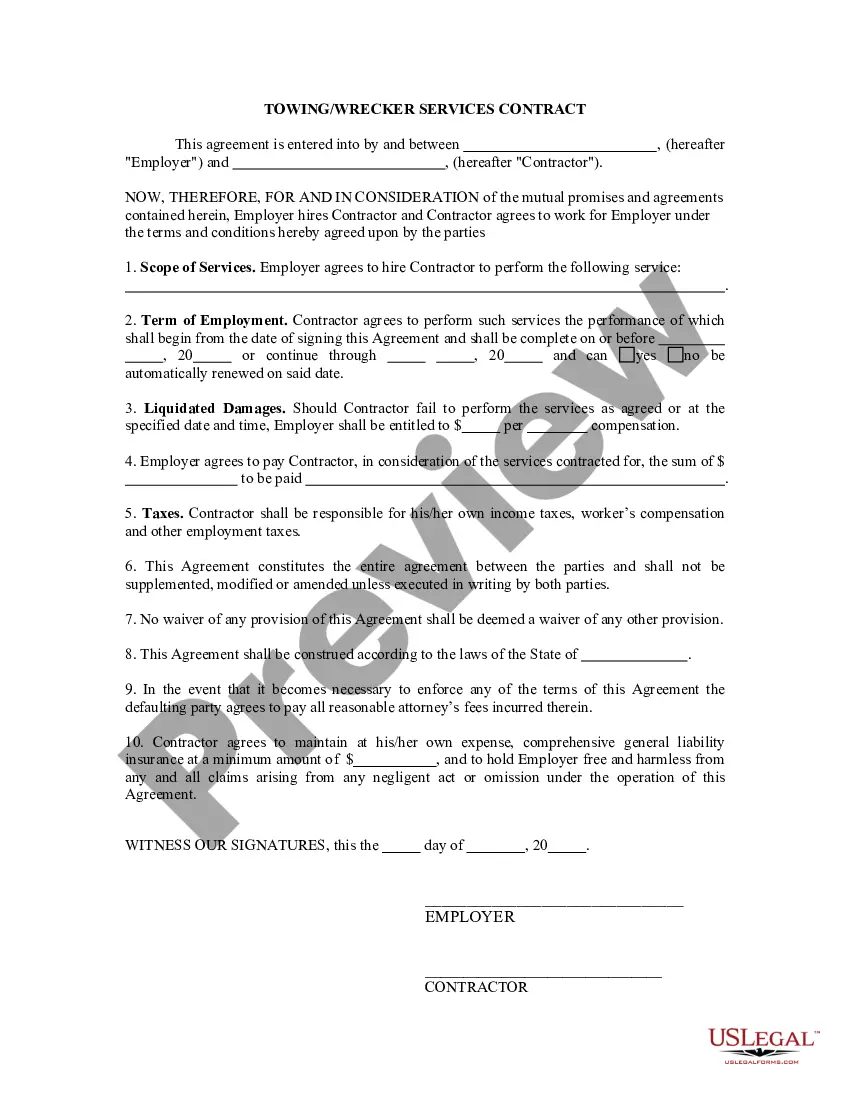
Towing Contracts For Bid
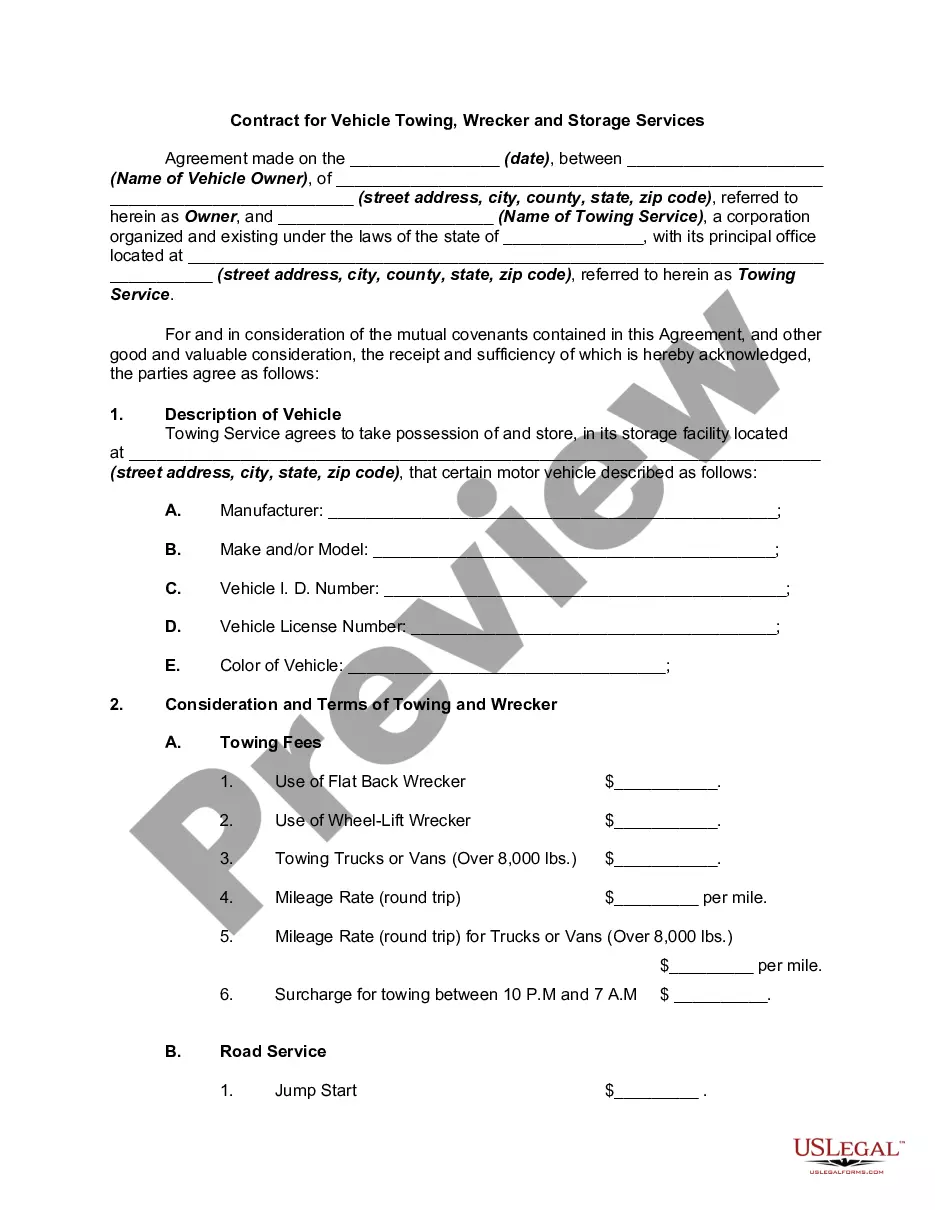
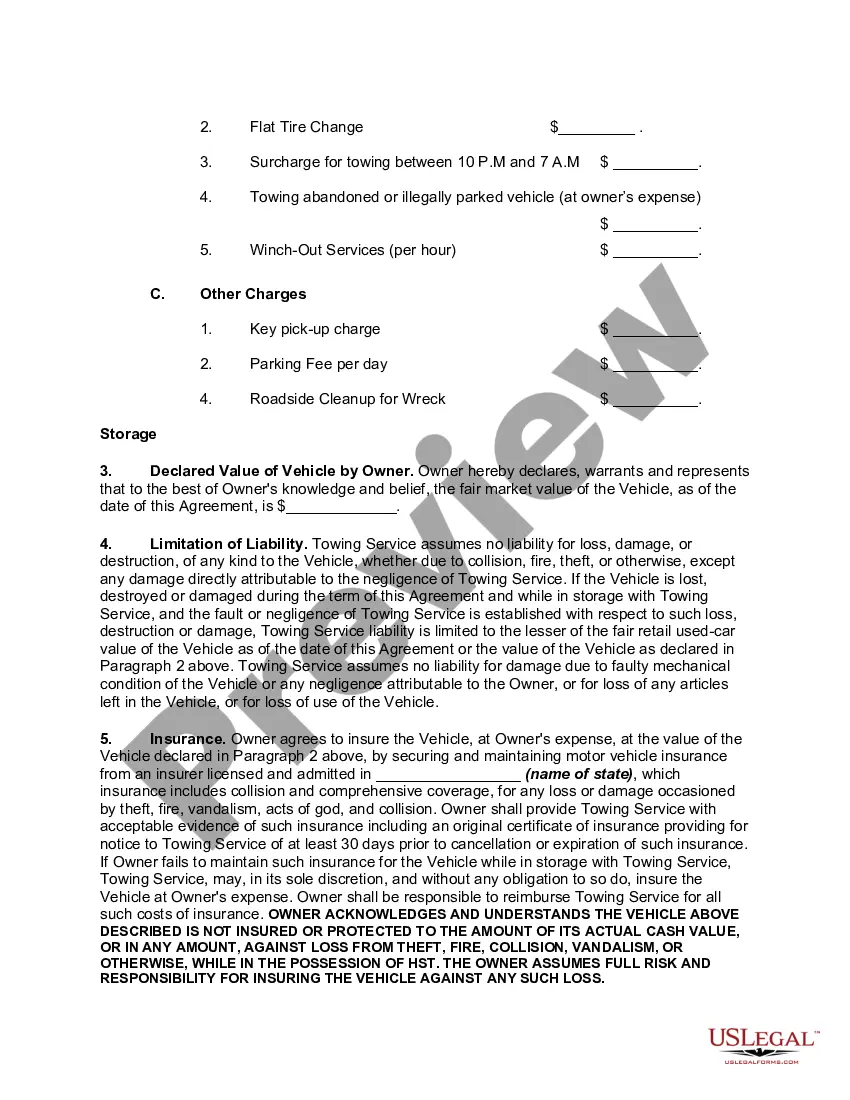
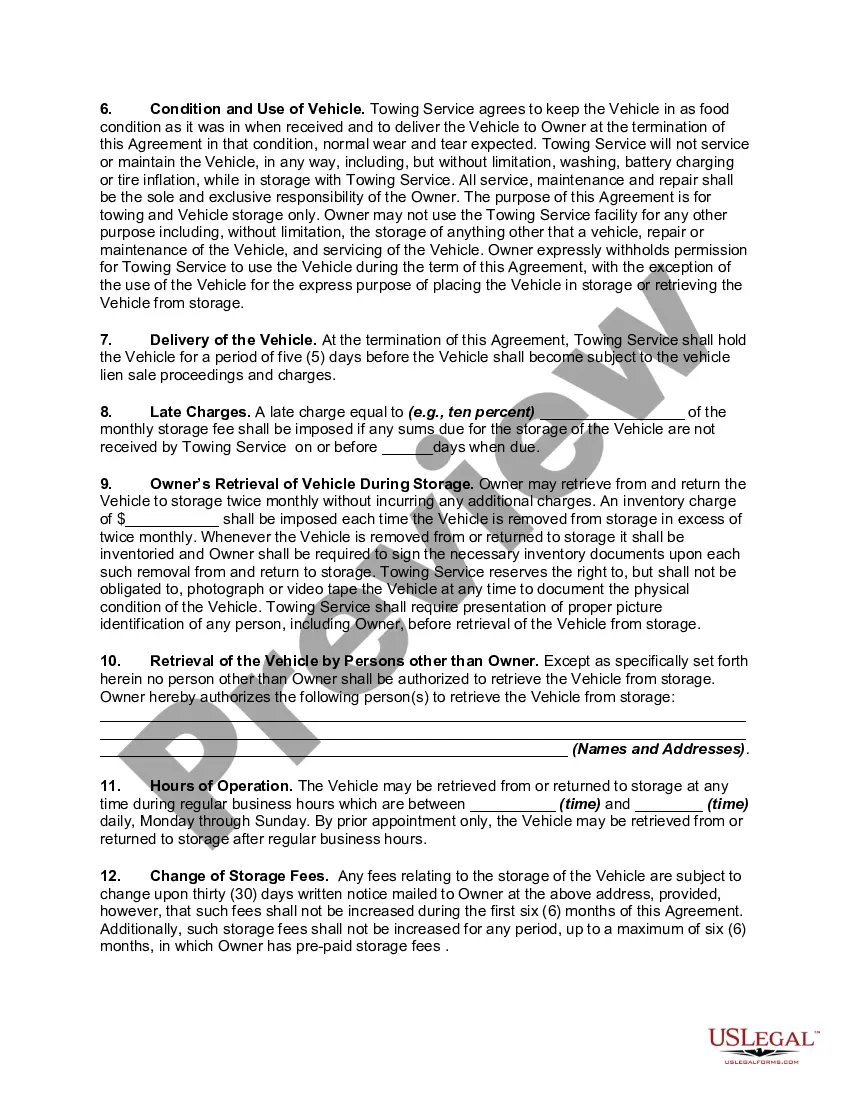
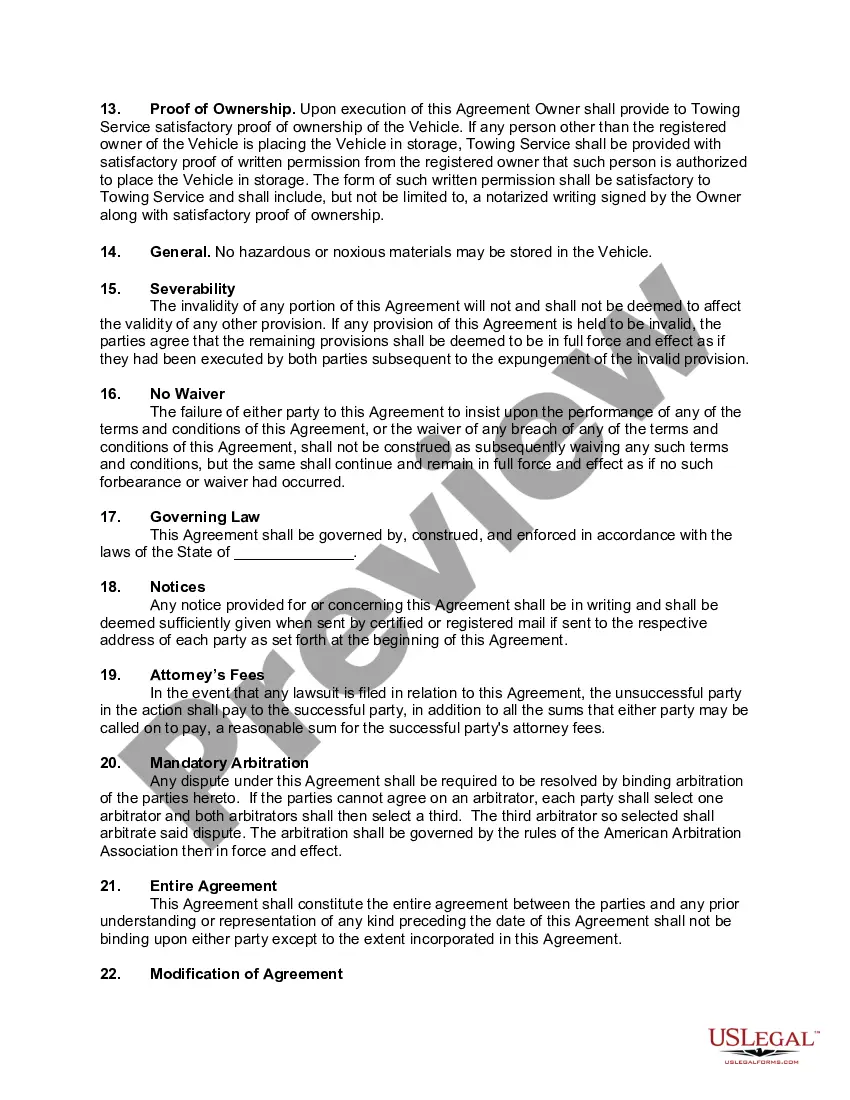
Description
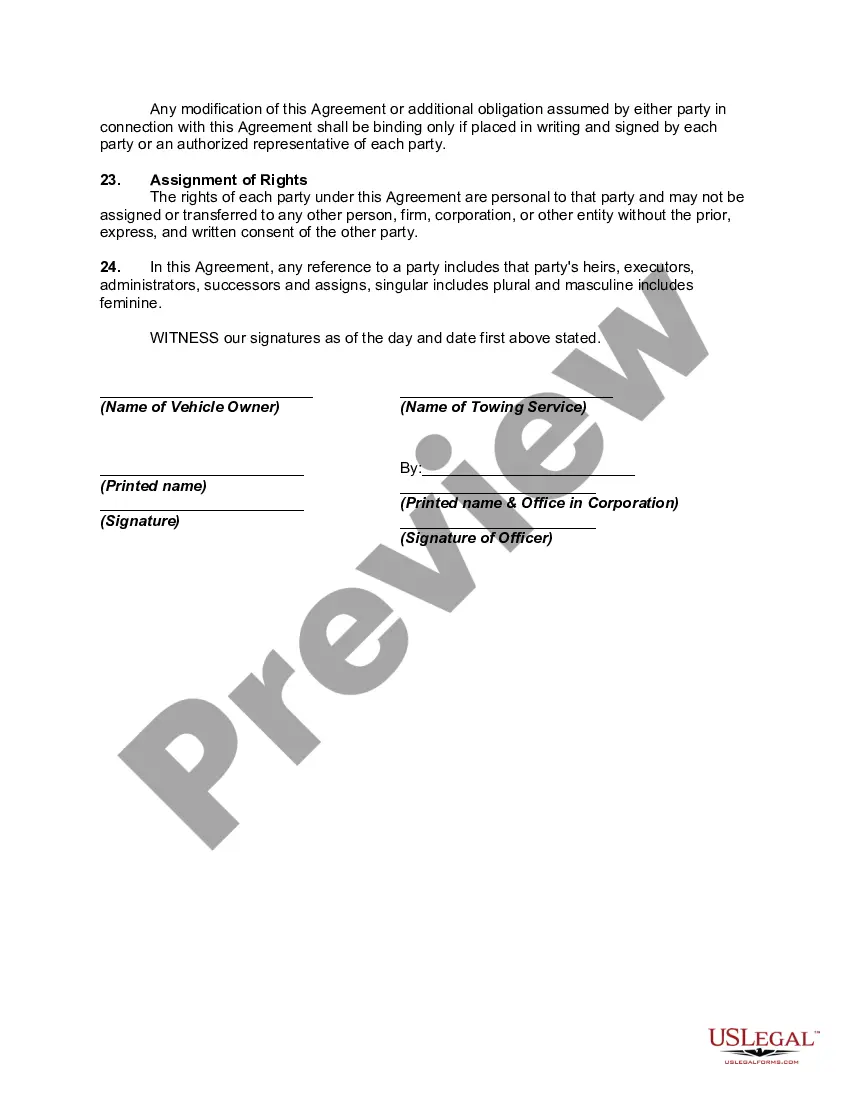
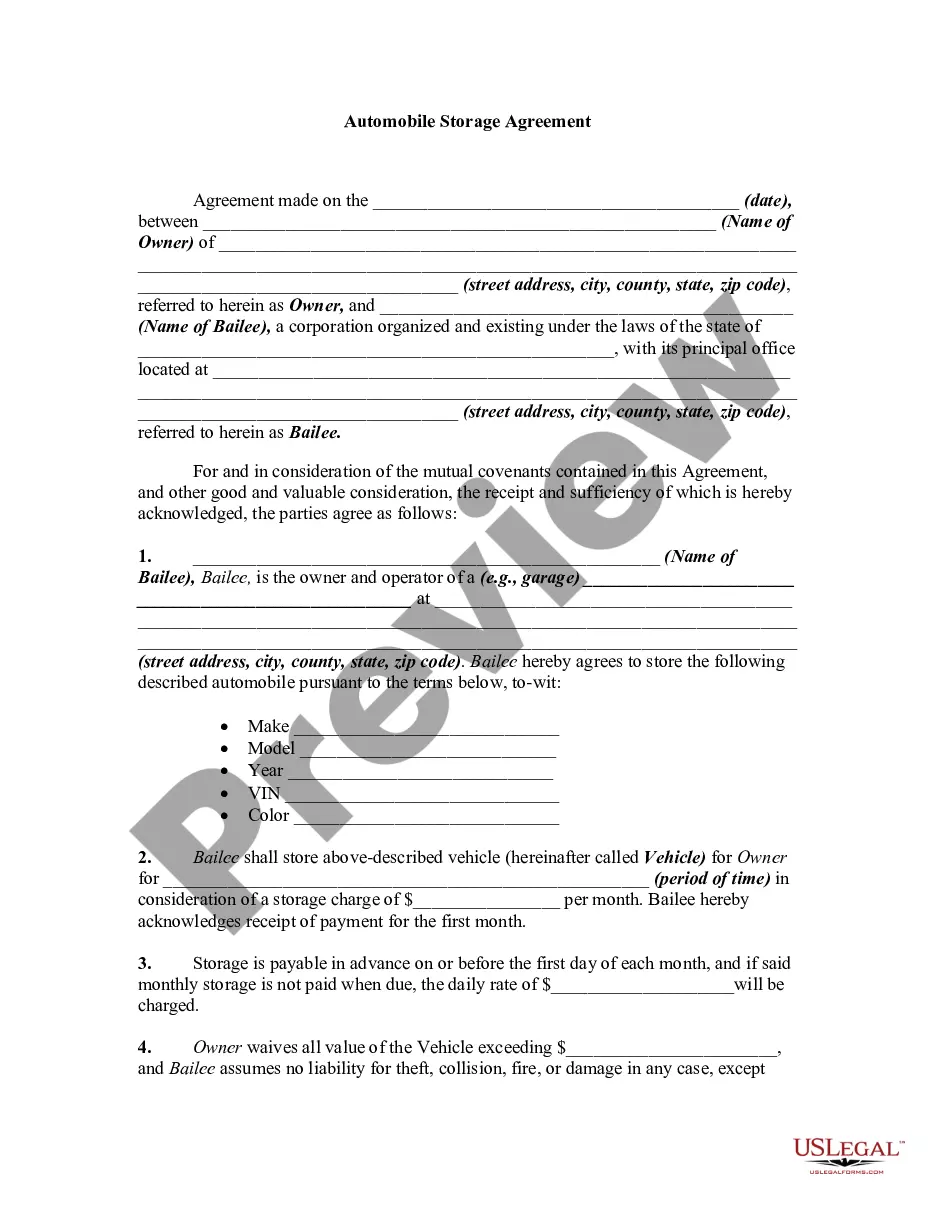
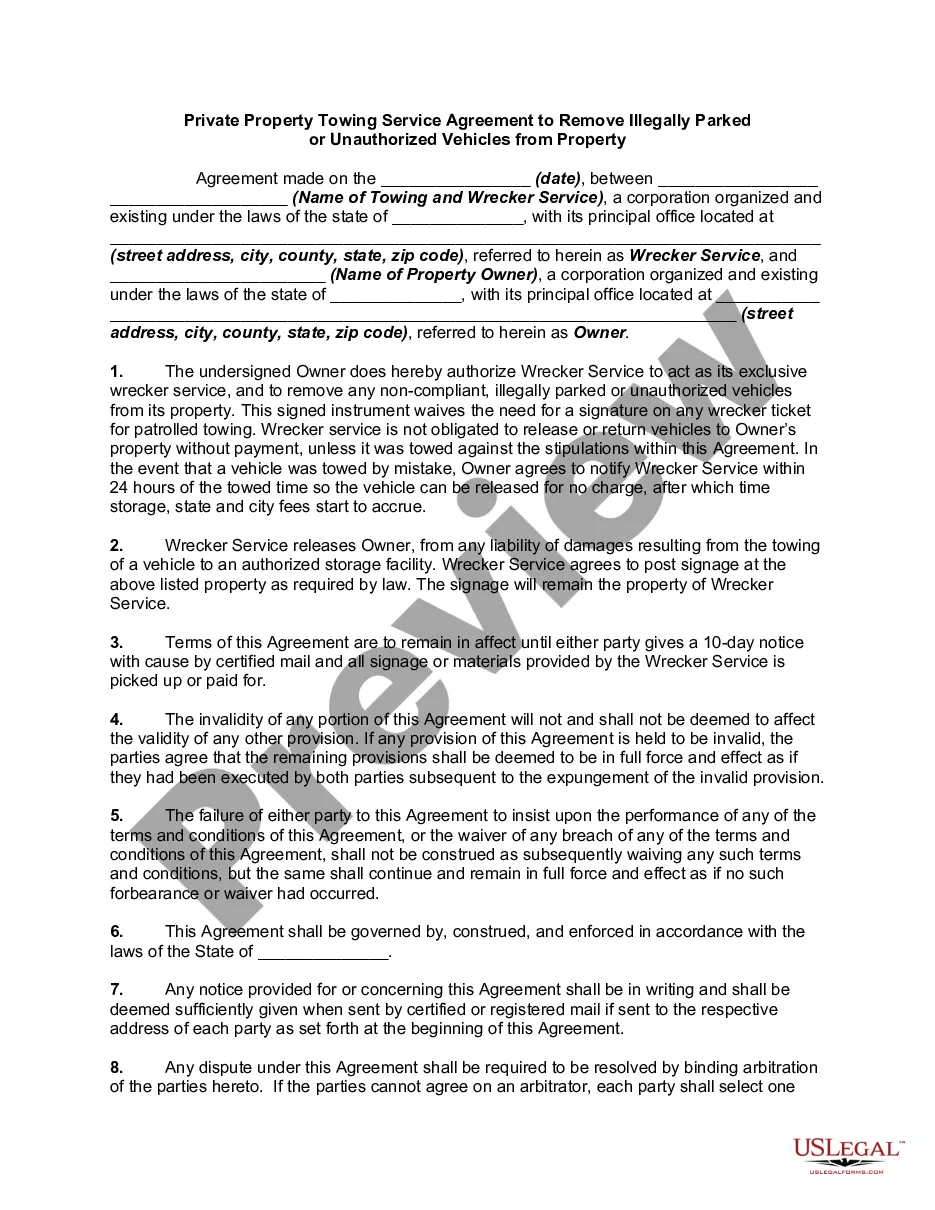
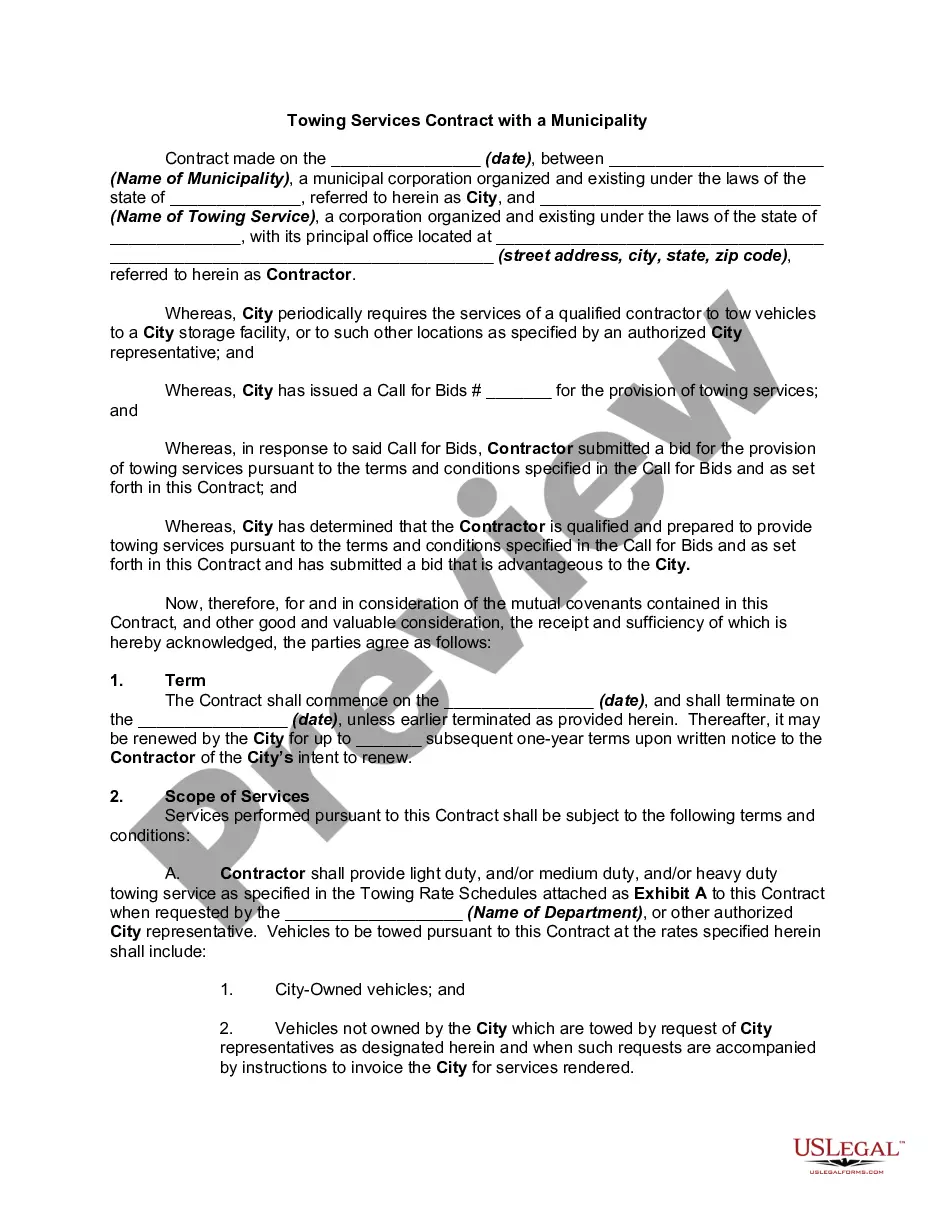
Get your form ready online
Our built-in tools help you complete, sign, share, and store your documents in one place.
Make edits, fill in missing information, and update formatting in US Legal Forms—just like you would in MS Word.
Download a copy, print it, send it by email, or mail it via USPS—whatever works best for your next step.
Sign and collect signatures with our SignNow integration. Send to multiple recipients, set reminders, and more. Go Premium to unlock E-Sign.
If this form requires notarization, complete it online through a secure video call—no need to meet a notary in person or wait for an appointment.
We protect your documents and personal data by following strict security and privacy standards.

Make edits, fill in missing information, and update formatting in US Legal Forms—just like you would in MS Word.

Download a copy, print it, send it by email, or mail it via USPS—whatever works best for your next step.

Sign and collect signatures with our SignNow integration. Send to multiple recipients, set reminders, and more. Go Premium to unlock E-Sign.

If this form requires notarization, complete it online through a secure video call—no need to meet a notary in person or wait for an appointment.

We protect your documents and personal data by following strict security and privacy standards.
Looking for another form?
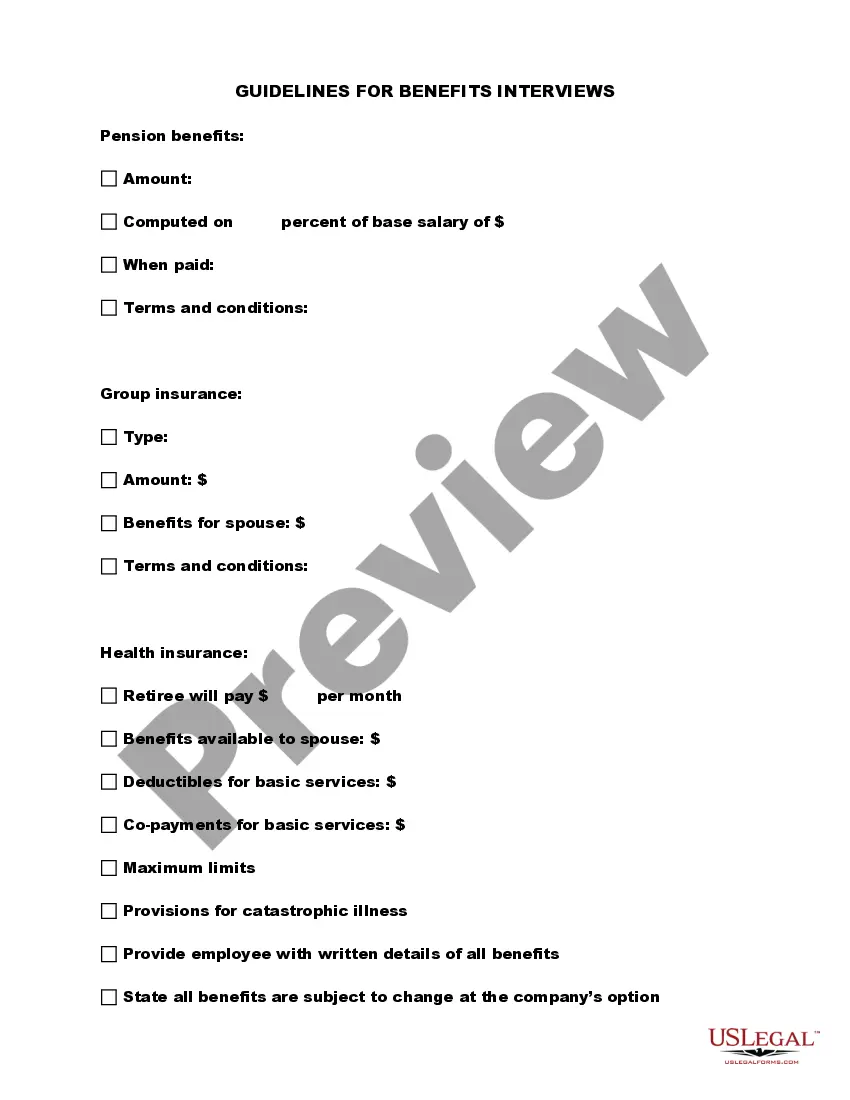
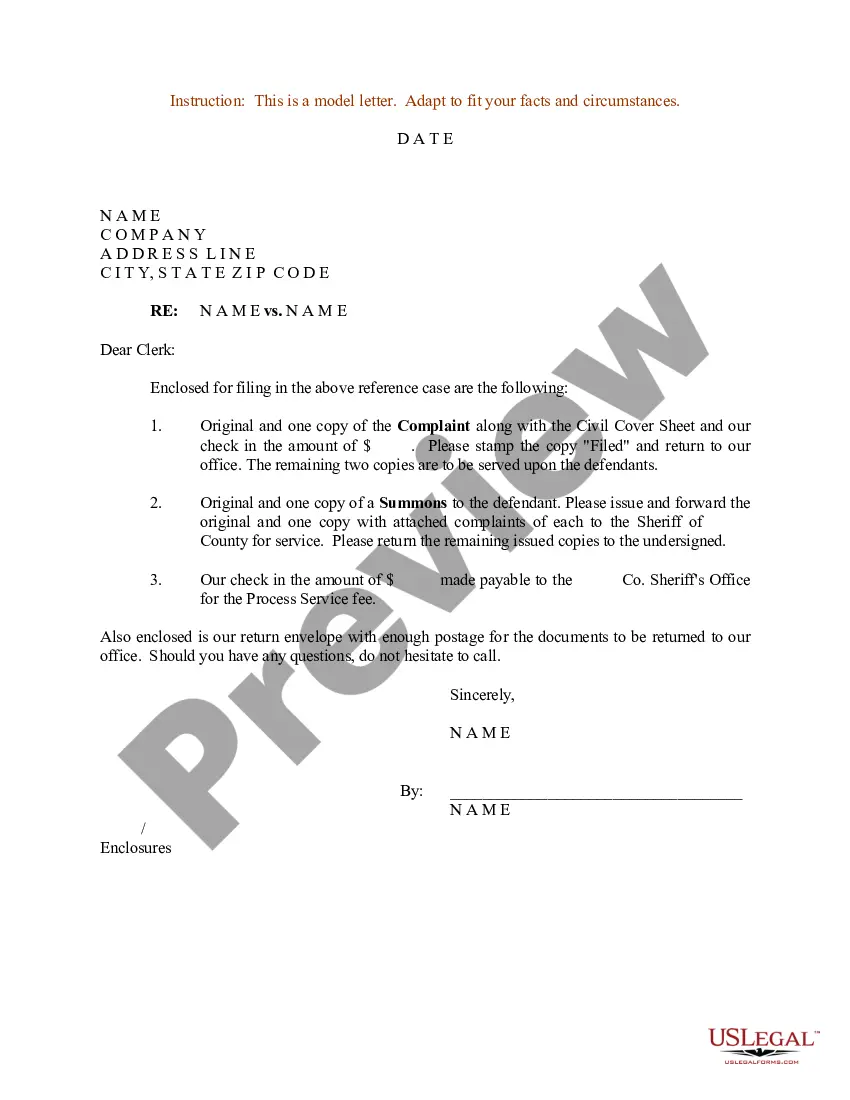
How to fill out Contract For Vehicle Or Truck Towing, Wrecker And Storage Services?
Creating legal documents from the beginning can occasionally feel a bit daunting.
Specific situations could entail numerous hours of investigation and significant financial expenditures.
If you seek a simpler and more economical approach to preparing Towing Contracts For Bid or any other documentation without unnecessary complications, US Legal Forms is perpetually accessible to you.
Our online collection of over 85,000 current legal documents encompasses nearly every facet of your financial, legal, and personal affairs. With just a few clicks, you can instantly obtain state- and county-specific templates carefully assembled for you by our legal professionals.
US Legal Forms has a solid reputation and over 25 years of experience. Join us today and make form completion a simple and efficient process!
- Utilize our website whenever you require trusted and dependable services through which you can effortlessly find and download the Towing Contracts For Bid.
- If you’re a returning user and have previously set up an account with us, simply Log In to your account, find the form, and download it or re-download it at any time in the My documents section.
- Not registered yet? No worries. It takes just a few minutes to sign up and explore the library.
- However, before you dive directly into downloading Towing Contracts For Bid, adhere to these tips.
- Review the document preview and descriptions to confirm that you have located the document you need.
Form popularity
FAQ
To make a living trust in New Jersey, you: Choose whether to make an individual or shared trust. Decide what property to include in the trust. Choose a successor trustee. Decide who will be the trust's beneficiaries?that is, who will get the trust property. Create the trust document.
In New Jersey, the cost of setting up a basic Revocable Living Trust generally ranges from $1,000 to $3,000. More complex trusts may cost even more. Online platforms like Snug provide more affordable options for creating wills and trusts, offering transparent pricing and quality estate planning services.
A revocable trust and living trust are separate terms that describe the same thing: a trust in which the terms can be changed at any time. An irrevocable trust describes a trust that cannot be modified after it is created without the beneficiaries' consent.
Limitations: Requires adherence to trust document's instructions on asset assignments. Joint assets, including certain IRAs and retirement plans, cannot be placed into a one-person trust. No complete tax avoidance: Total avoidance of taxes is rarely possible with living trusts, though there may be ways to reduce them.
To create a living trust in New Jersey, the trust document is signed by the trust-maker in front of a notary public, and then ownership of assets must be transferred into the name of the trust to make it effective.
A trust is created only if: (1) the settlor has capacity to create a trust; (2) the settlor indicates an intention to create the trust; (3) the trust has a definite beneficiary or is: (a) a charitable trust; (b) a trust for the care of an animal, as provided in N.J.S.