Trust For Minor Beneficiaries
Description





Get your form ready online
Our built-in tools help you complete, sign, share, and store your documents in one place.
Make edits, fill in missing information, and update formatting in US Legal Forms—just like you would in MS Word.
Download a copy, print it, send it by email, or mail it via USPS—whatever works best for your next step.
Sign and collect signatures with our SignNow integration. Send to multiple recipients, set reminders, and more. Go Premium to unlock E-Sign.
If this form requires notarization, complete it online through a secure video call—no need to meet a notary in person or wait for an appointment.
We protect your documents and personal data by following strict security and privacy standards.

Make edits, fill in missing information, and update formatting in US Legal Forms—just like you would in MS Word.

Download a copy, print it, send it by email, or mail it via USPS—whatever works best for your next step.

Sign and collect signatures with our SignNow integration. Send to multiple recipients, set reminders, and more. Go Premium to unlock E-Sign.

If this form requires notarization, complete it online through a secure video call—no need to meet a notary in person or wait for an appointment.

We protect your documents and personal data by following strict security and privacy standards.
Looking for another form?
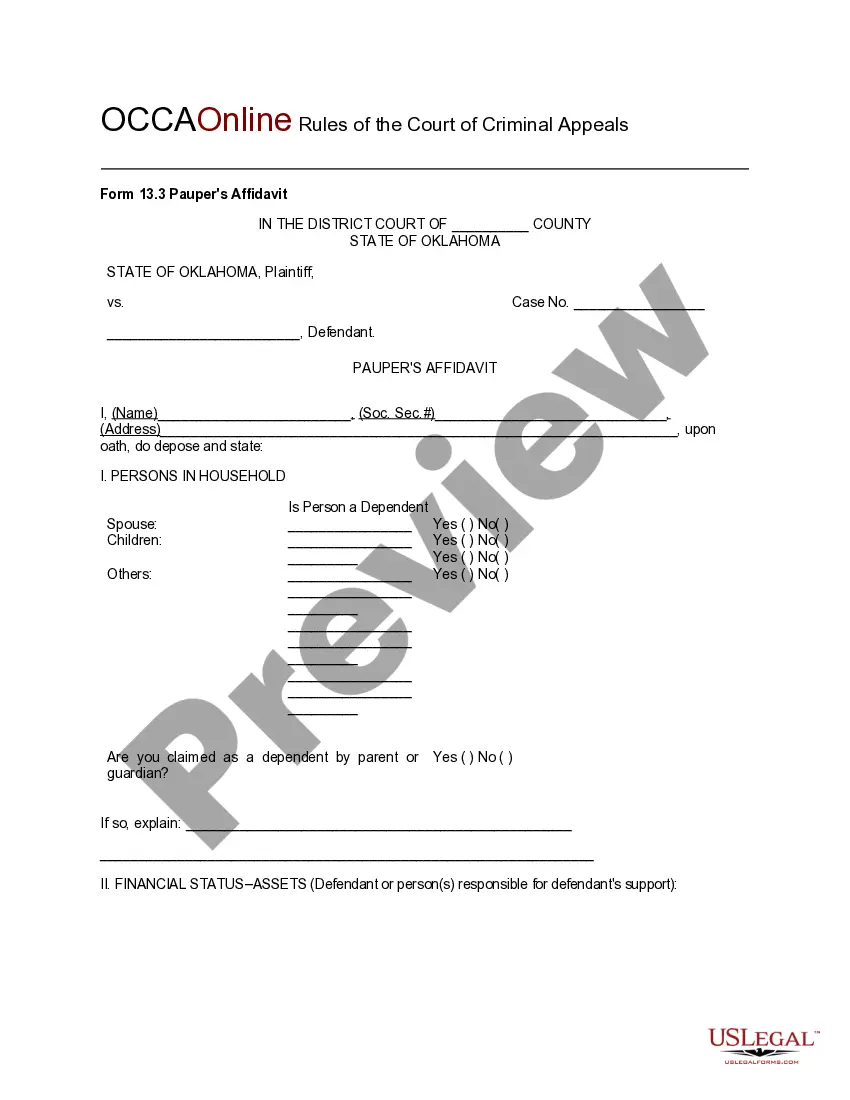




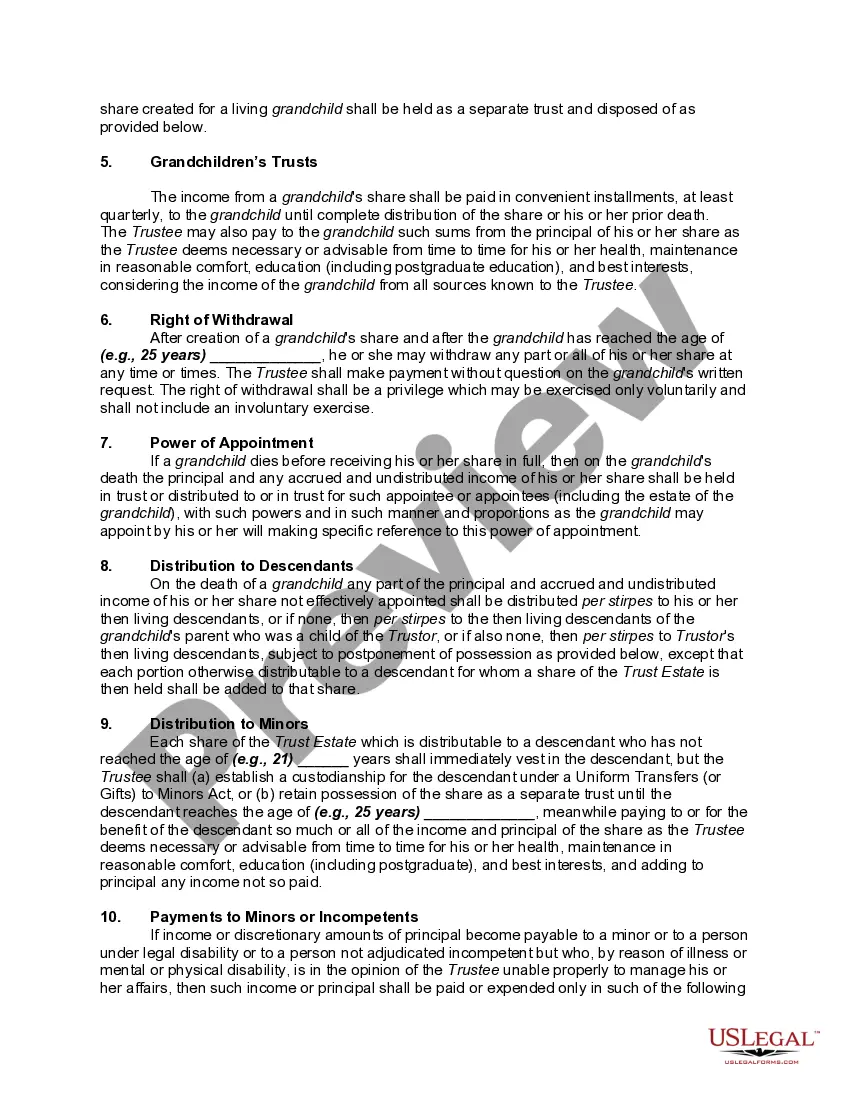
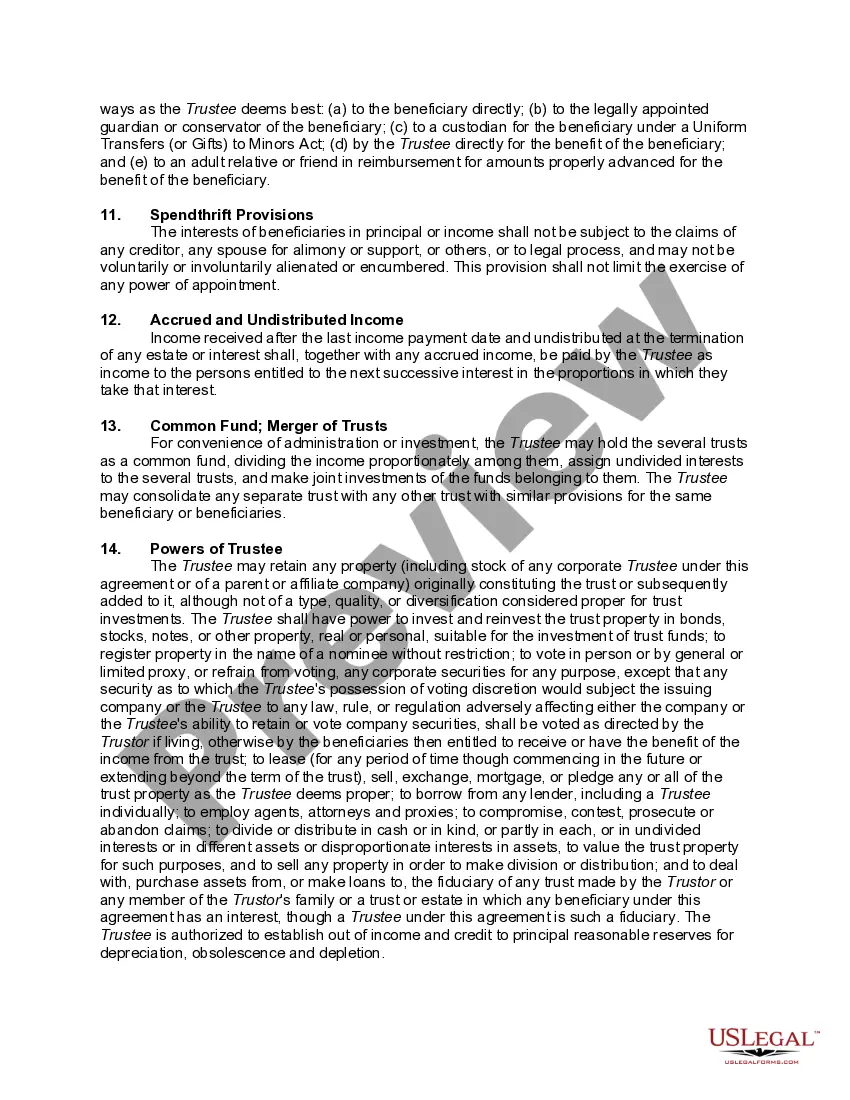
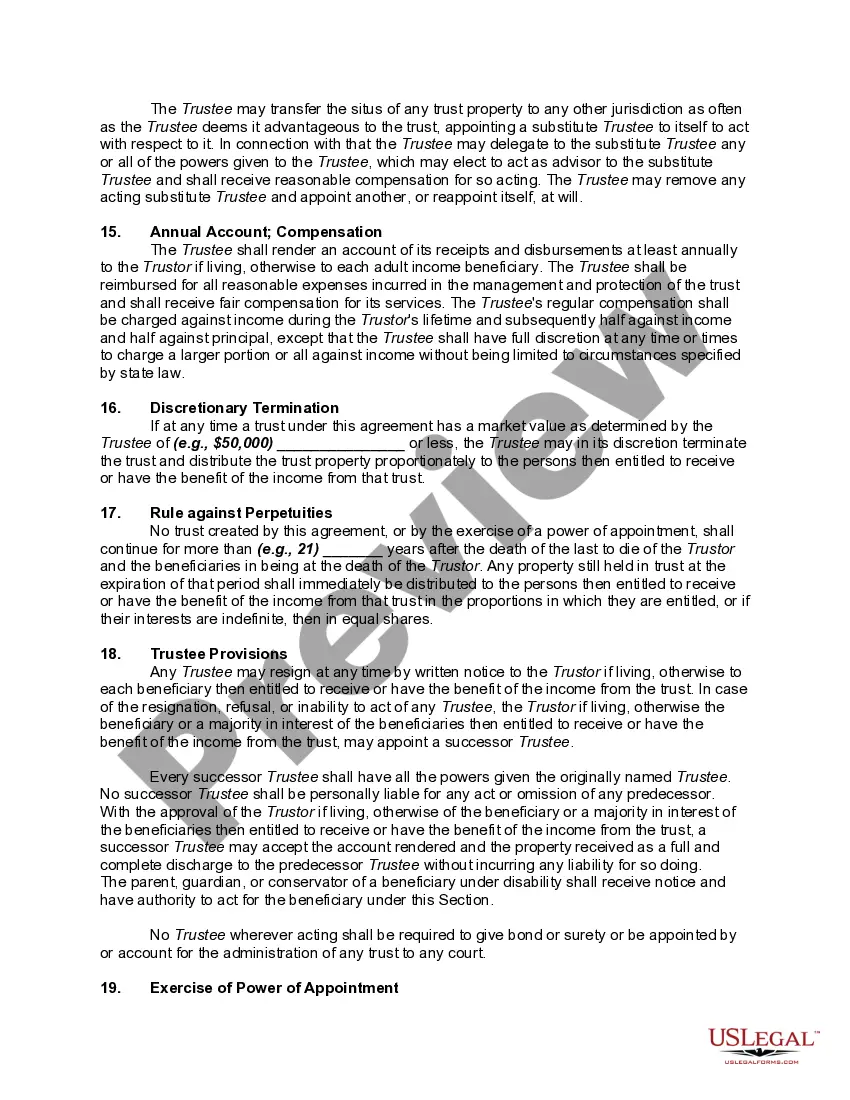
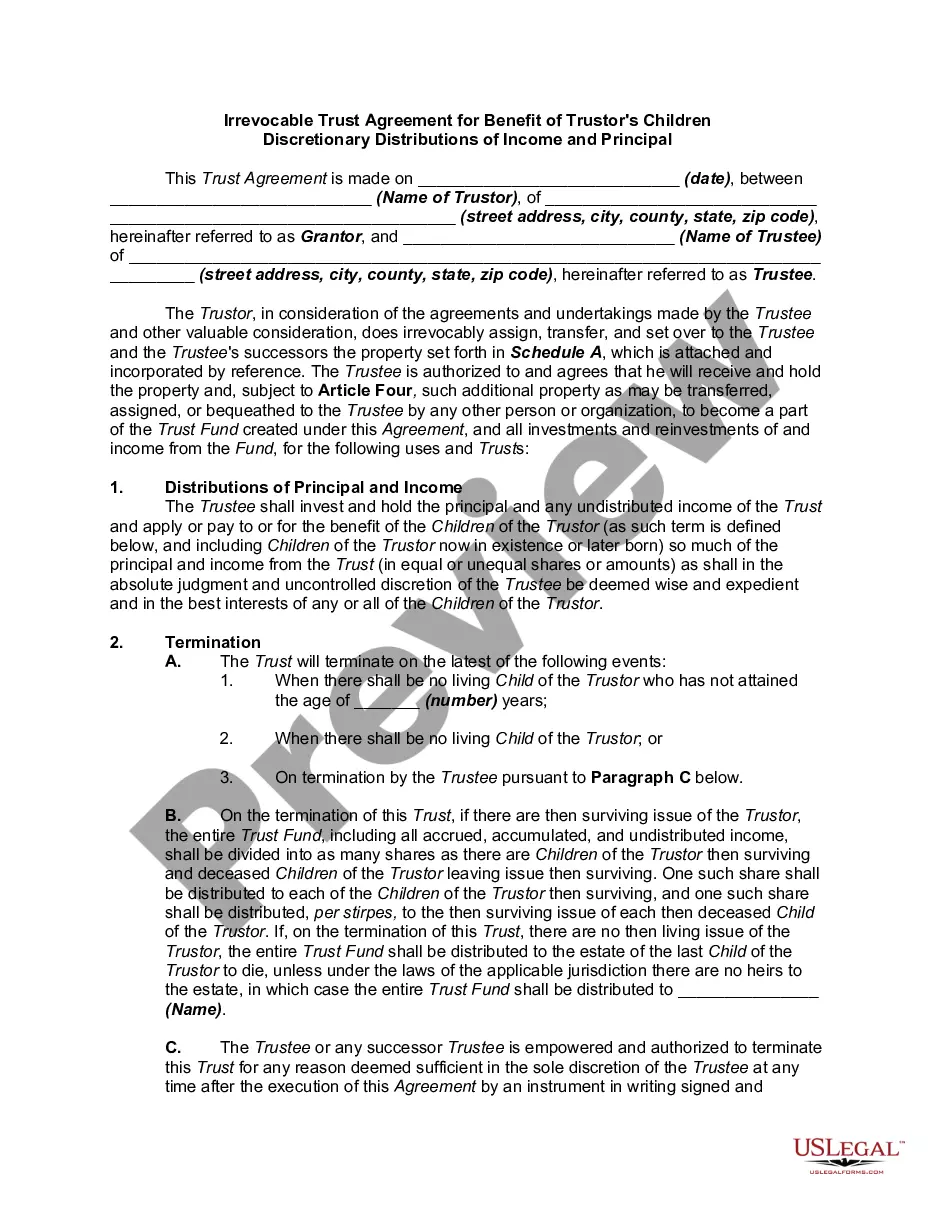
How to fill out Irrevocable Trust Agreement For Benefit Of Trustor's Children And Grandchildren With Spendthrift Trust Provisions?
- Log in to your US Legal Forms account or create a new one if you're a first-time user.
- Browse the extensive library and enter 'trust for minor beneficiaries' in the search bar.
- Review the available templates in Preview mode, ensuring compliance with your state’s legal requirements.
- Select the appropriate template, or if necessary, utilize the search function for alternatives.
- Purchase the document by clicking 'Buy Now' and choose your preferred subscription plan.
- Complete the payment process using a credit card or PayPal.
- Download the trust document to your device and access it anytime from the 'My Forms' menu in your profile.
Using US Legal Forms not only simplifies your legal documentation process but also provides the assurance that your forms are crafted by experts in compliance with legal standards.
Start securing your minor beneficiaries’ futures today by using US Legal Forms—your partner in legal document creation.
Form popularity
FAQ
Setting up a trust for your child can be a valuable investment in their future. It enables you to control how assets are distributed, ensuring they are used wisely. Additionally, trusts shield assets from potential creditors and provide tax benefits. Ultimately, utilizing a trust for minor beneficiaries cultivates financial stability and peace of mind.
A trust for minor children functions as a financial tool to manage assets on their behalf until they reach adulthood. A trustee, often a parent or guardian, oversees the assets, making decisions that align with the minor's best interests. These trusts can provide education funds, health care coverage, and general support. This arrangement promotes financial responsibility and security for your child's future.
Trust funds for children have specific tax implications. The income generated from these trusts can be subject to taxes, depending on how much the trust earns annually. Generally, if the trust’s income exceeds $600, it may need to file a return. Ensuring proper tax planning when establishing a trust for minor beneficiaries will minimize future surprises.
If you list a minor as a beneficiary of a trust, the assets will be managed by a designated trustee until the minor reaches legal age. This trustee ensures that the minor receives benefits when appropriate, safeguarding their financial future. The trust can outline specific terms for distributions, which helps to avoid legal complications. Using a trust for minor beneficiaries provides a structured way to manage their inheritance responsibly.
A trust for minor beneficiaries can earn up to $600 in taxable income before it must file a tax return. If the trust makes more than this amount, it may need to file IRS Form 1041. It’s essential to monitor income closely, as any income over $1,100 can be taxed at the minor's rate. Consulting an expert on trusts can help you navigate these thresholds.
If your beneficiaries are minors, the assets held in a trust must be managed by a trustee until they reach adulthood. This setup ensures that the child's financial needs are met during their formative years. Furthermore, a trust for minor beneficiaries can outline how and when the assets should be distributed, protecting them from potential financial mismanagement. Thus, having a trust in place is a proactive step in securing their inheritance.
To set up a trust for a minor child, you should first decide on the trust's structure and goals. You can choose a revocable trust or an irrevocable trust, depending on your needs. Next, select a responsible trustee who can manage the funds until your child is of age. Finally, consider using uslegalforms for detailed templates and guidance to ensure the trust creation is straightforward and legally sound.
A revocable living trust is often considered the best type of trust for minor beneficiaries. This trust allows you to maintain control over the assets while providing for your children’s needs. Once your children reach adulthood, you can establish terms for distribution, ensuring they receive the inheritance responsibly. Using a trust for minor beneficiaries provides peace of mind as you secure their financial future.
The best way to leave life insurance to a minor is by naming a trust for minor beneficiaries as the policy's beneficiary. This approach safeguards the insurance proceeds until the child reaches maturity, allowing for controlled distributions. Additionally, appointing a trusted adult or guardian as the trustee ensures the funds are used appropriately for the child's benefit. Using platforms like USLegalForms can assist you in setting up this structure effectively.
Absolutely, a minor can be a beneficiary of a trust. Establishing a trust for minor beneficiaries helps ensure that their inheritance is managed responsibly until they reach adulthood. It also allows you to set specific guidelines on how and when the minor will receive their assets. Consulting with a legal expert can help you create a trust that aligns with your goals for your child's future.