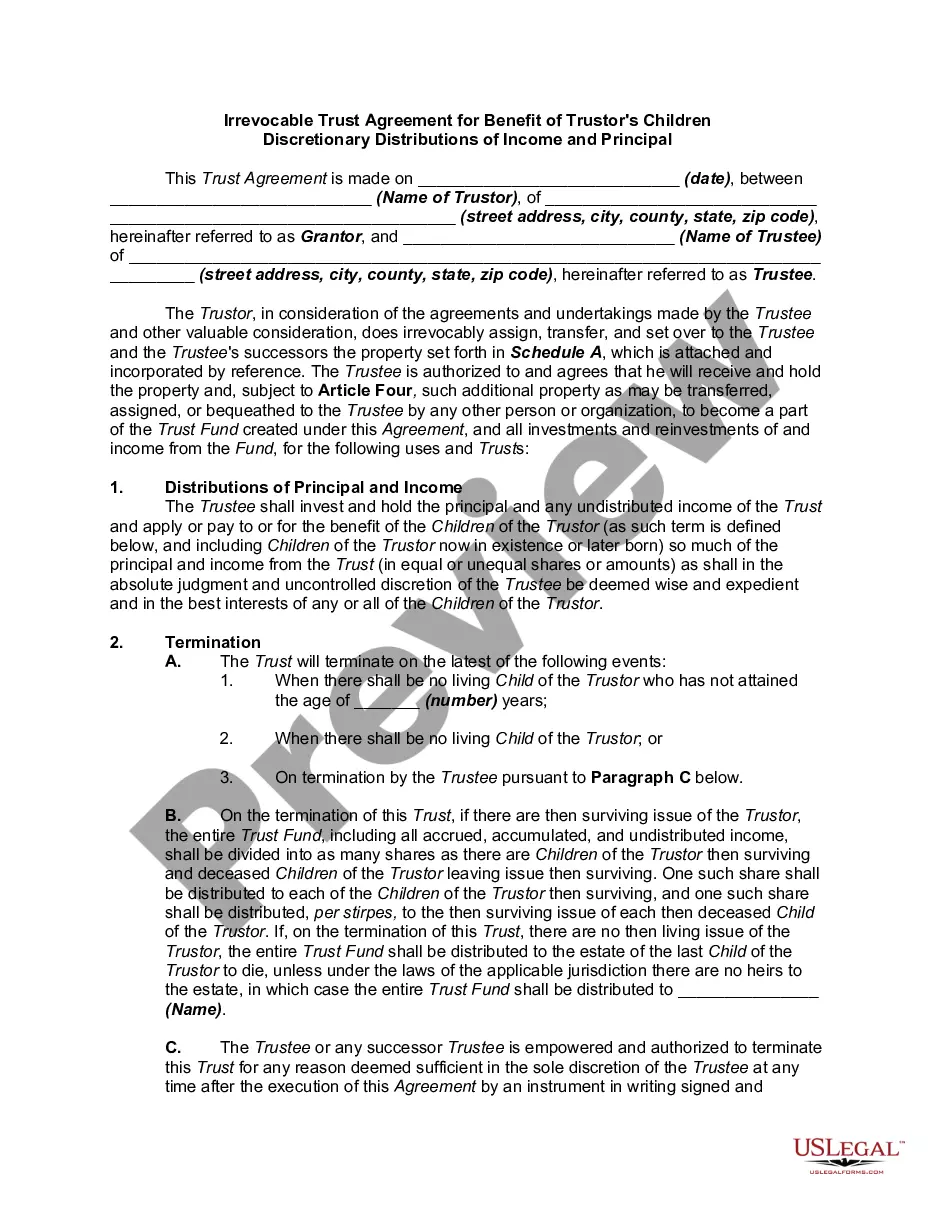
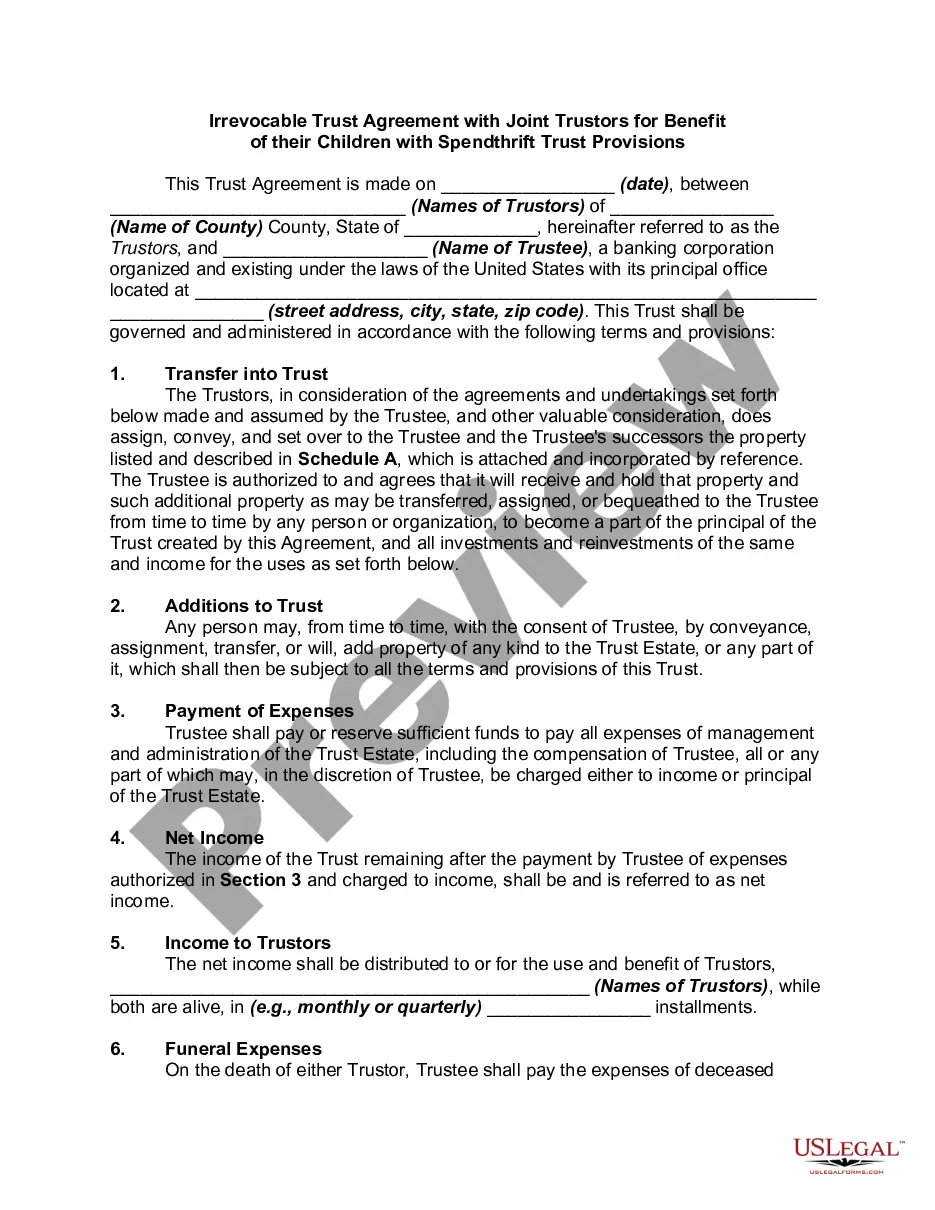
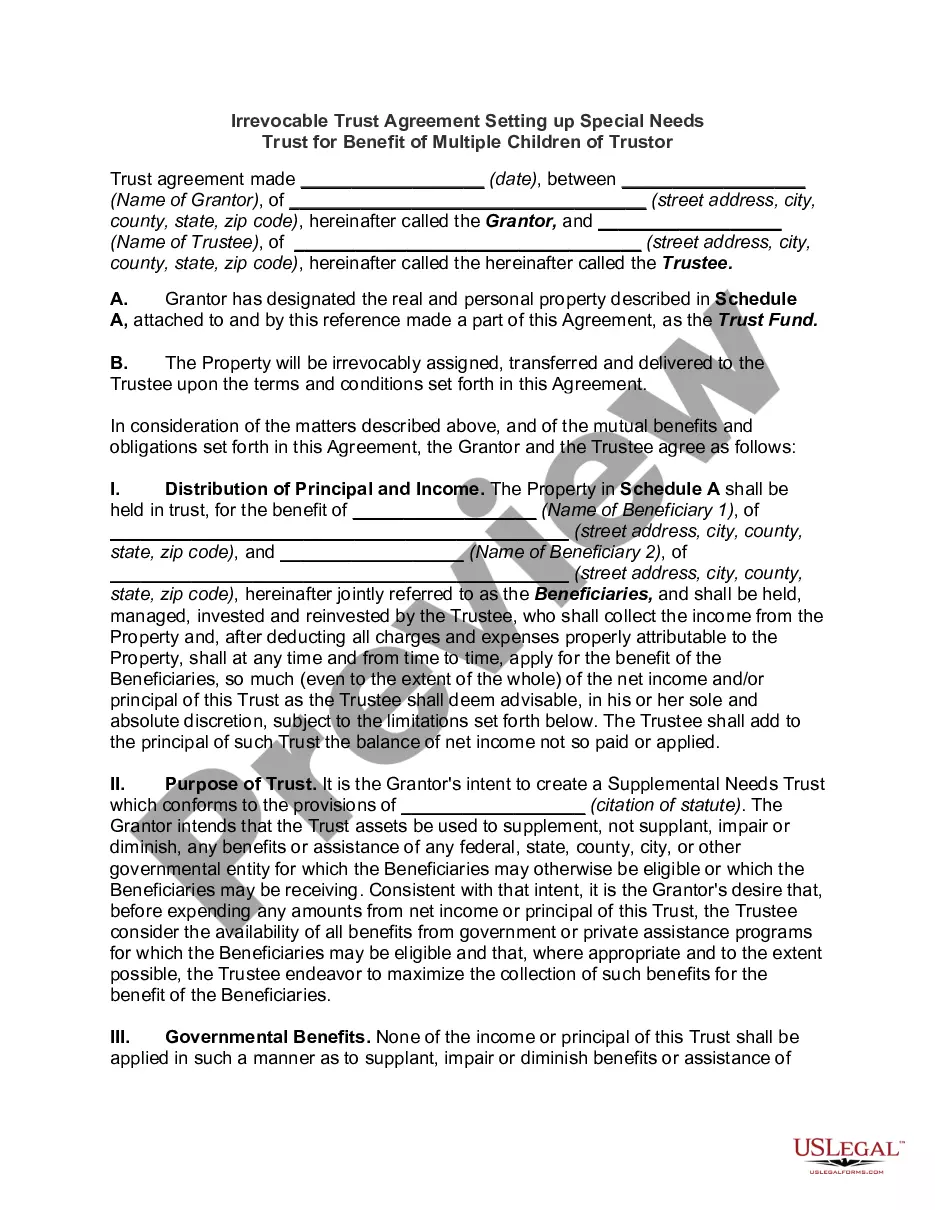
Texas Irrevocable Trust With Estate
Description

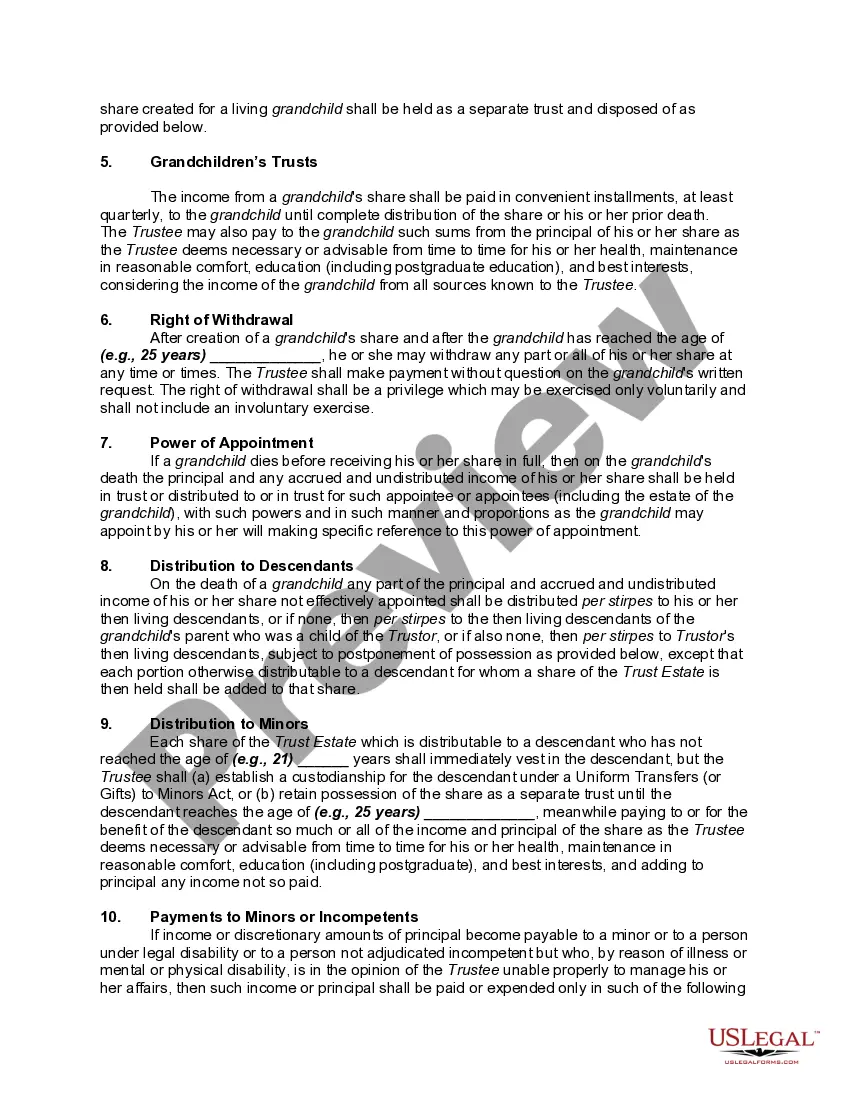
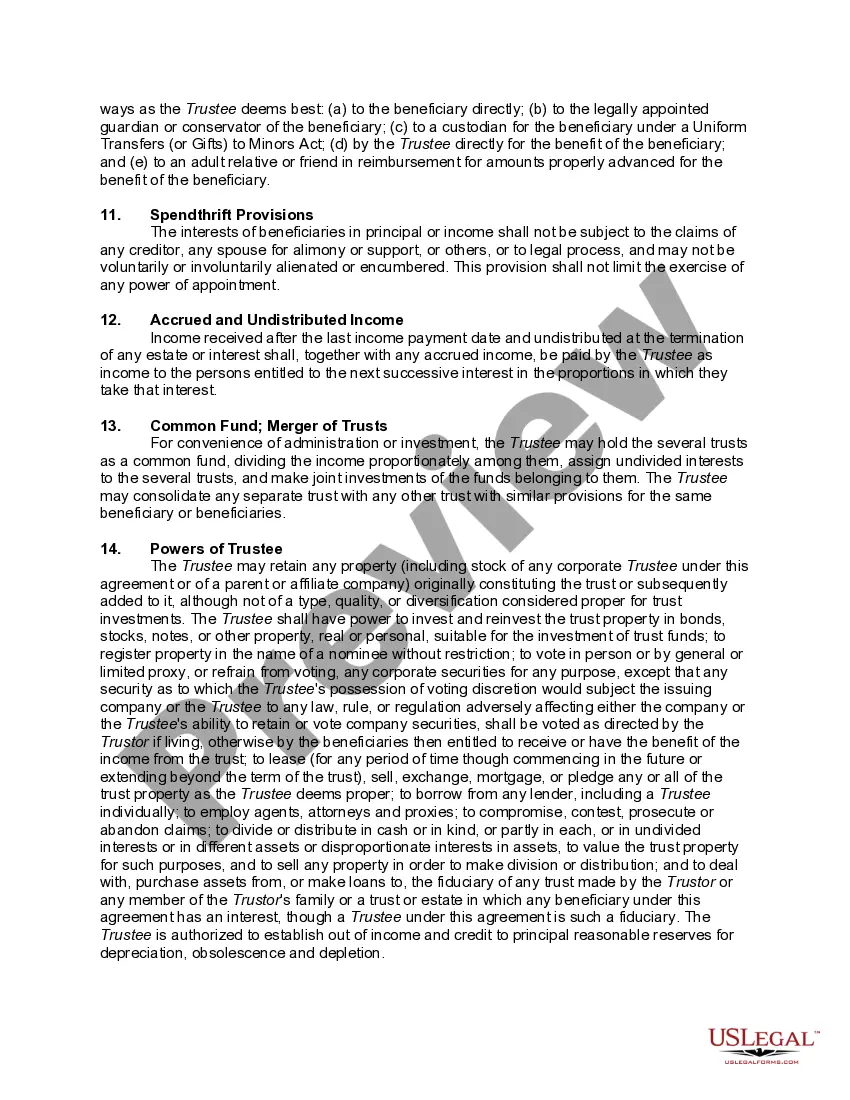
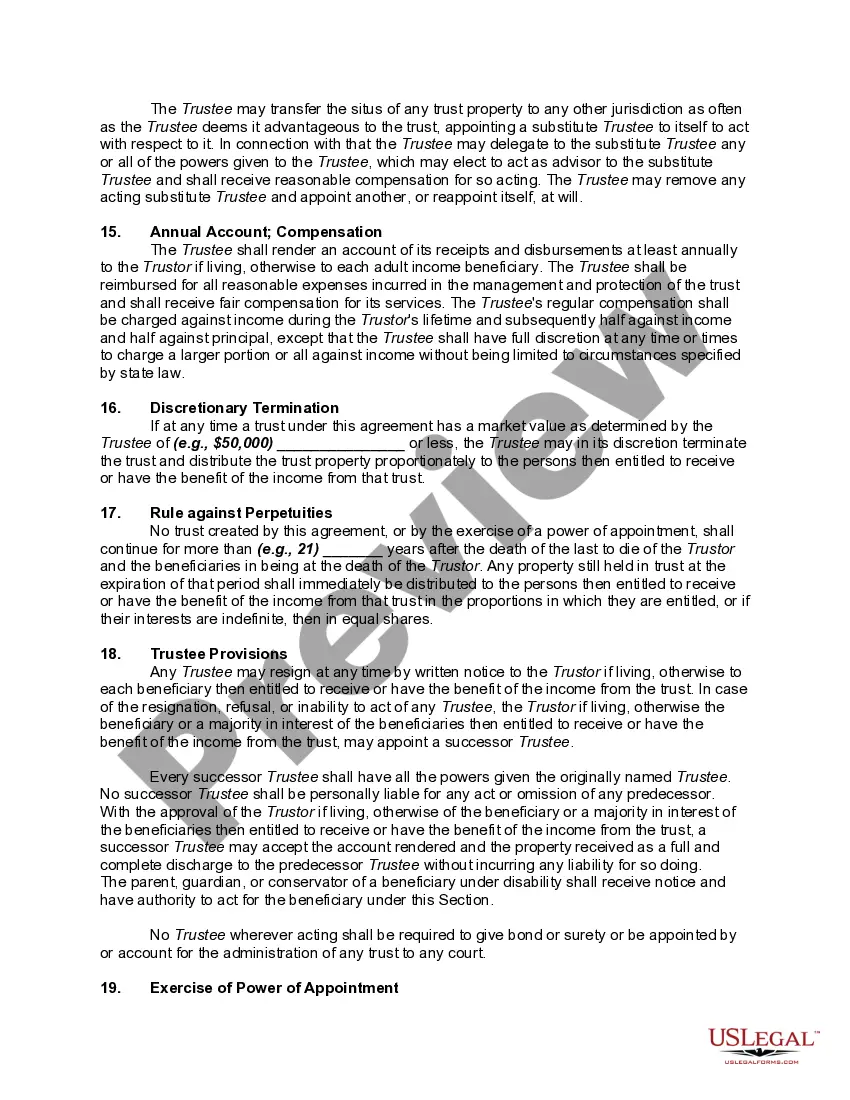
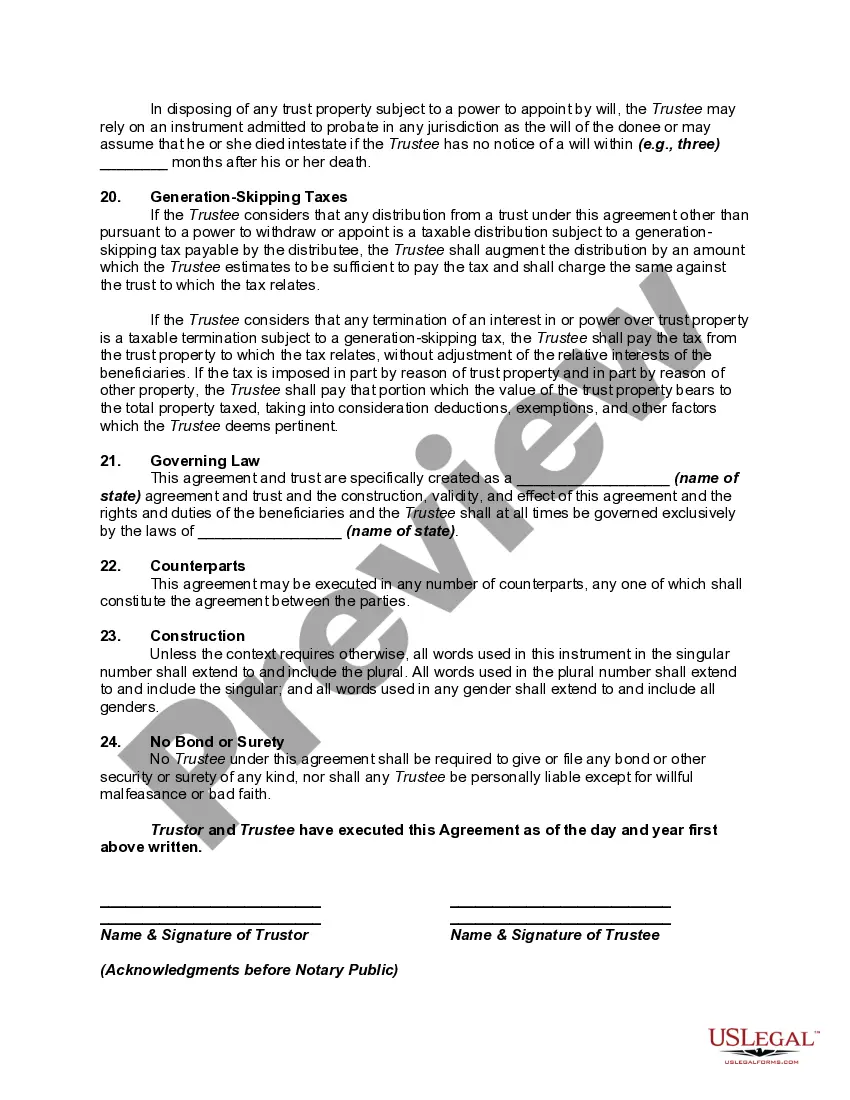


Get your form ready online
Our built-in tools help you complete, sign, share, and store your documents in one place.
Make edits, fill in missing information, and update formatting in US Legal Forms—just like you would in MS Word.
Download a copy, print it, send it by email, or mail it via USPS—whatever works best for your next step.
Sign and collect signatures with our SignNow integration. Send to multiple recipients, set reminders, and more. Go Premium to unlock E-Sign.
If this form requires notarization, complete it online through a secure video call—no need to meet a notary in person or wait for an appointment.
We protect your documents and personal data by following strict security and privacy standards.

Make edits, fill in missing information, and update formatting in US Legal Forms—just like you would in MS Word.

Download a copy, print it, send it by email, or mail it via USPS—whatever works best for your next step.

Sign and collect signatures with our SignNow integration. Send to multiple recipients, set reminders, and more. Go Premium to unlock E-Sign.

If this form requires notarization, complete it online through a secure video call—no need to meet a notary in person or wait for an appointment.

We protect your documents and personal data by following strict security and privacy standards.
Looking for another form?



How to fill out Irrevocable Trust Agreement For Benefit Of Trustor's Children And Grandchildren With Spendthrift Trust Provisions?
- Log in to your existing US Legal Forms account to access previously downloaded forms. Ensure your subscription is active; if it's expired, renew it according to your payment plan.
- In case you are new to the service, begin by checking the preview mode and form description of the Texas irrevocable trust. Make sure it meets legal requirements in your jurisdiction.
- Should you find discrepancies or need alternatives, utilize the search feature to find the correct document or the next suitable one.
- Once you have the right form, click the 'Buy Now' button and select your preferred subscription plan. You will need to create an account to access the full library.
- Enter your payment information to purchase the subscription using a credit card or PayPal.
- After the transaction is complete, download the Texas irrevocable trust form to your device for filling. You can always retrieve it later in the 'My Forms' section of your profile.
In conclusion, US Legal Forms makes the process of obtaining your Texas irrevocable trust with estate seamless and straightforward. With an extensive collection of legal documents and expert assistance available, you can ensure your paperwork is accurate and compliant.
Start your journey today and protect your legacy with US Legal Forms!
Form popularity
FAQ
The three common types of irrevocable trusts include the irrevocable life insurance trust, charitable remainder trust, and special needs trust. An irrevocable life insurance trust protects life insurance proceeds from estate taxes, while a charitable remainder trust supports charitable institutions while providing income to the grantor. Furthermore, a special needs trust ensures that beneficiaries with disabilities receive financial support without losing government benefits.
Yes, various types of irrevocable trusts exist, each designed to meet specific estate planning needs. A Texas irrevocable trust with estate is one option, but you may also encounter charitable trusts, special needs trusts, and life insurance trusts. Each type serves a different purpose in managing and protecting assets, so understanding them is essential for effective estate planning.
A Texas irrevocable trust with estate serves distinct purposes. First, it provides tax benefits and shelter assets from estate taxes. Second, it protects your assets from creditors, ensuring that your loved ones receive their rightful inheritance. Lastly, it can assist in Medicaid planning by helping to qualify for benefits without losing crucial assets.
When considering a Texas irrevocable trust with estate, you should avoid placing assets like retirement accounts, personal items, and certain business interests into the trust. These assets may have unique tax implications or ownership restrictions that complicate the effectiveness of the trust. It's crucial to consult a legal professional to determine which assets fit your estate plan best.
Filling out a Texas irrevocable trust with estate involves completing a trust form with detailed information about the trustor, trustee, and beneficiaries. You need to specify the assets being transferred and the terms governing those assets. Using a platform like uslegalforms can streamline this process, providing templates and guidance to help you accurately capture your intentions.
Creating a Texas irrevocable trust with estate offers several advantages. It can help protect your assets from creditors, reduce estate tax liabilities, and provide a structured way to distribute your wealth to beneficiaries. Additionally, it ensures that your wishes regarding asset distribution are honored even after your passing.
While it is possible to set up a Texas irrevocable trust with estate on your own, it is often advisable to seek professional assistance. A legal expert can guide you through the intricacies of trust law and ensure your document reflects your intentions clearly. This helps avoid common pitfalls and ensures compliance with Texas law.
When you create a Texas irrevocable trust with estate, the assets within the trust typically do not remain part of your estate for tax purposes. This means that they may be shielded from estate taxes, potentially benefiting your heirs. However, the terms of the trust dictate how assets are distributed upon your passing, which can impact your overall estate plan.
Setting up a Texas irrevocable trust with estate requires several steps. First, you should identify the assets you want to place in the trust. Next, draft a trust document that outlines your wishes and appoint a trustee to manage those assets. Finally, work with a legal professional to ensure everything complies with Texas laws, as this will safeguard your intentions.
Establishing a Texas irrevocable trust with estate can involve certain risks. One major concern is the loss of control over the assets once they are transferred into the trust. Moreover, unexpected financial situations, like needing access to those funds, can complicate your plans. It's crucial to evaluate potential impacts on your beneficiaries, as any changes in circumstances could affect their well-being.