Sample Spendthrift Trust With A Client
Description
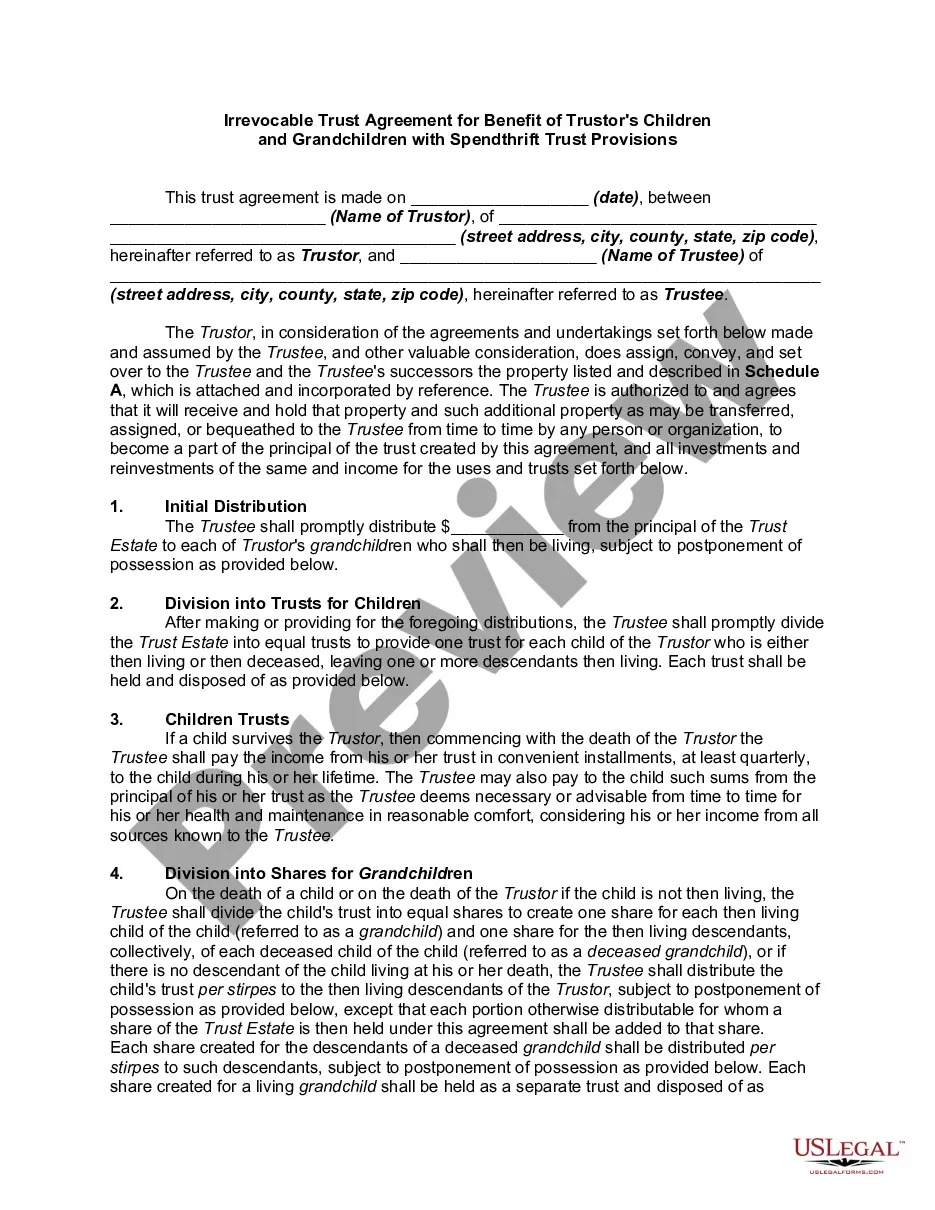
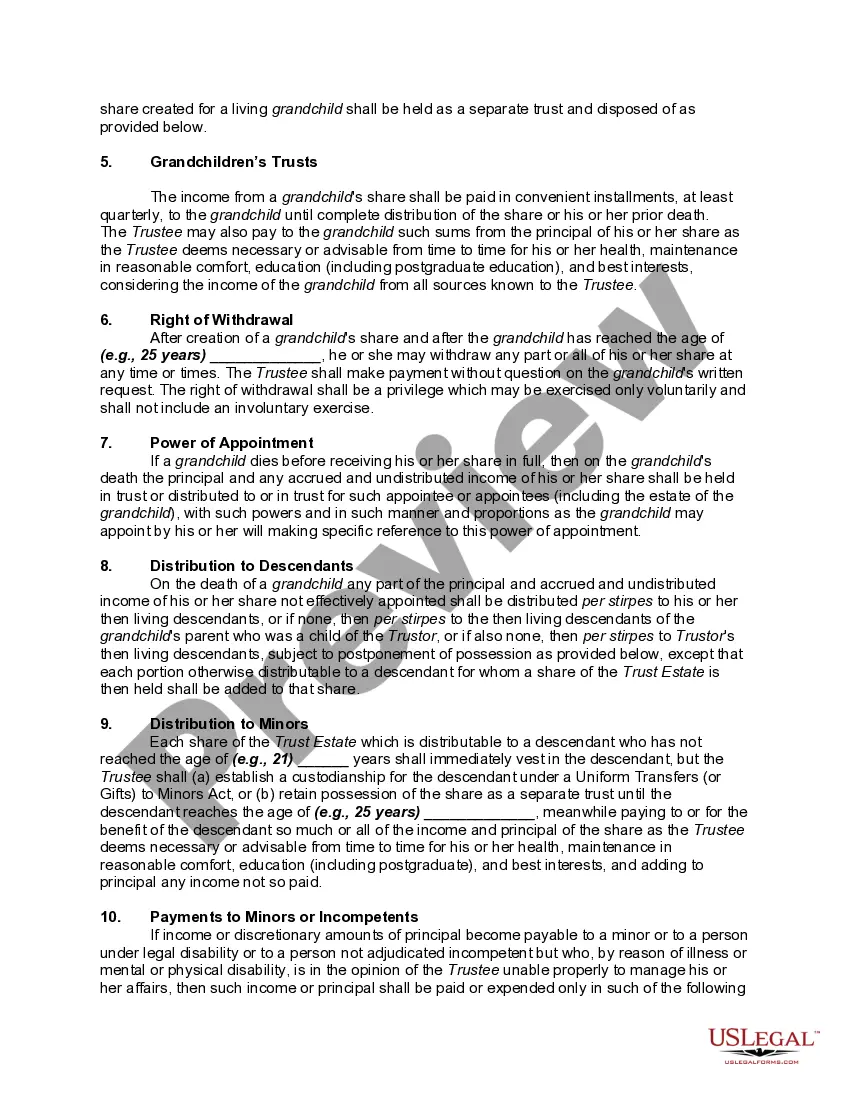
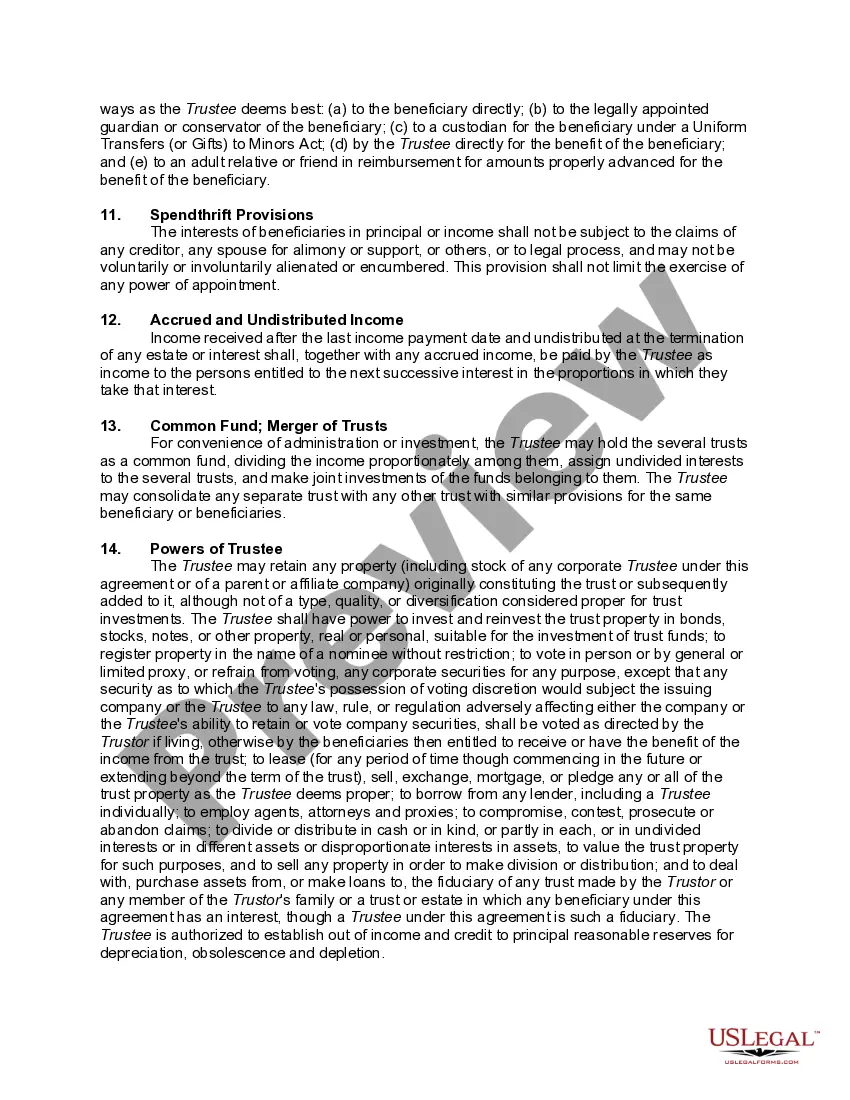
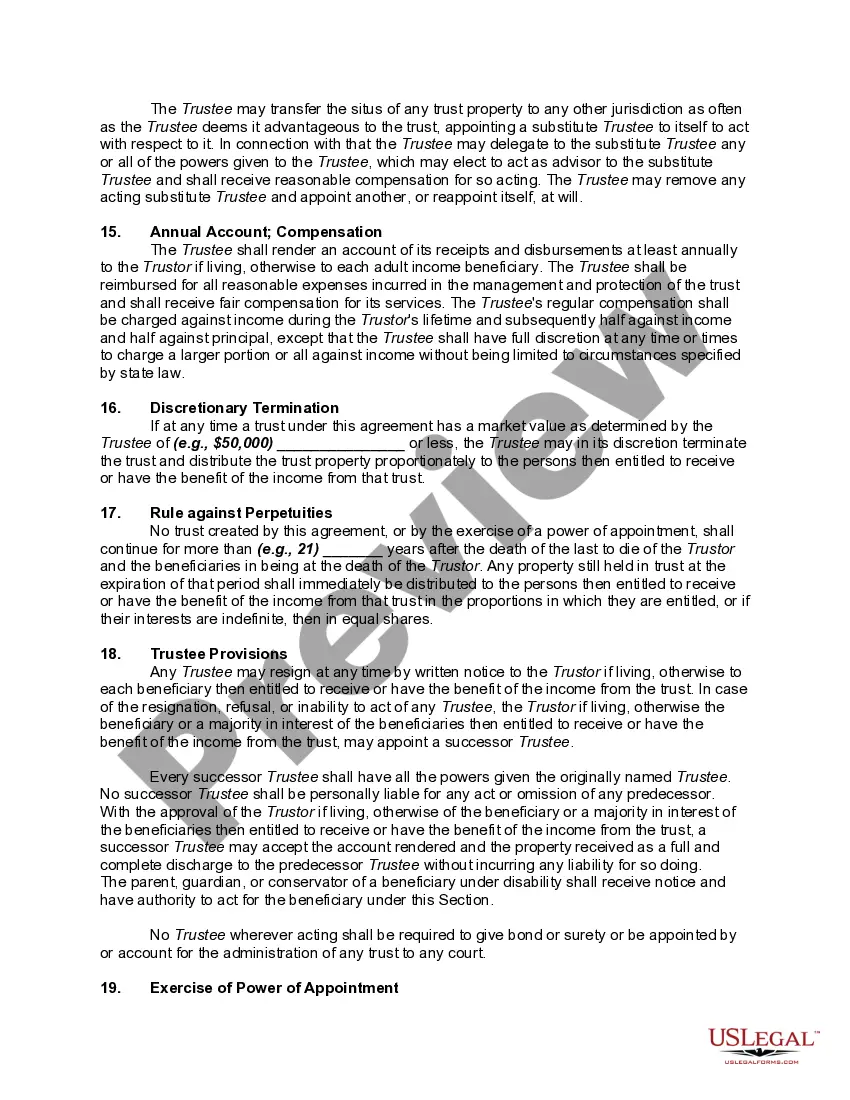



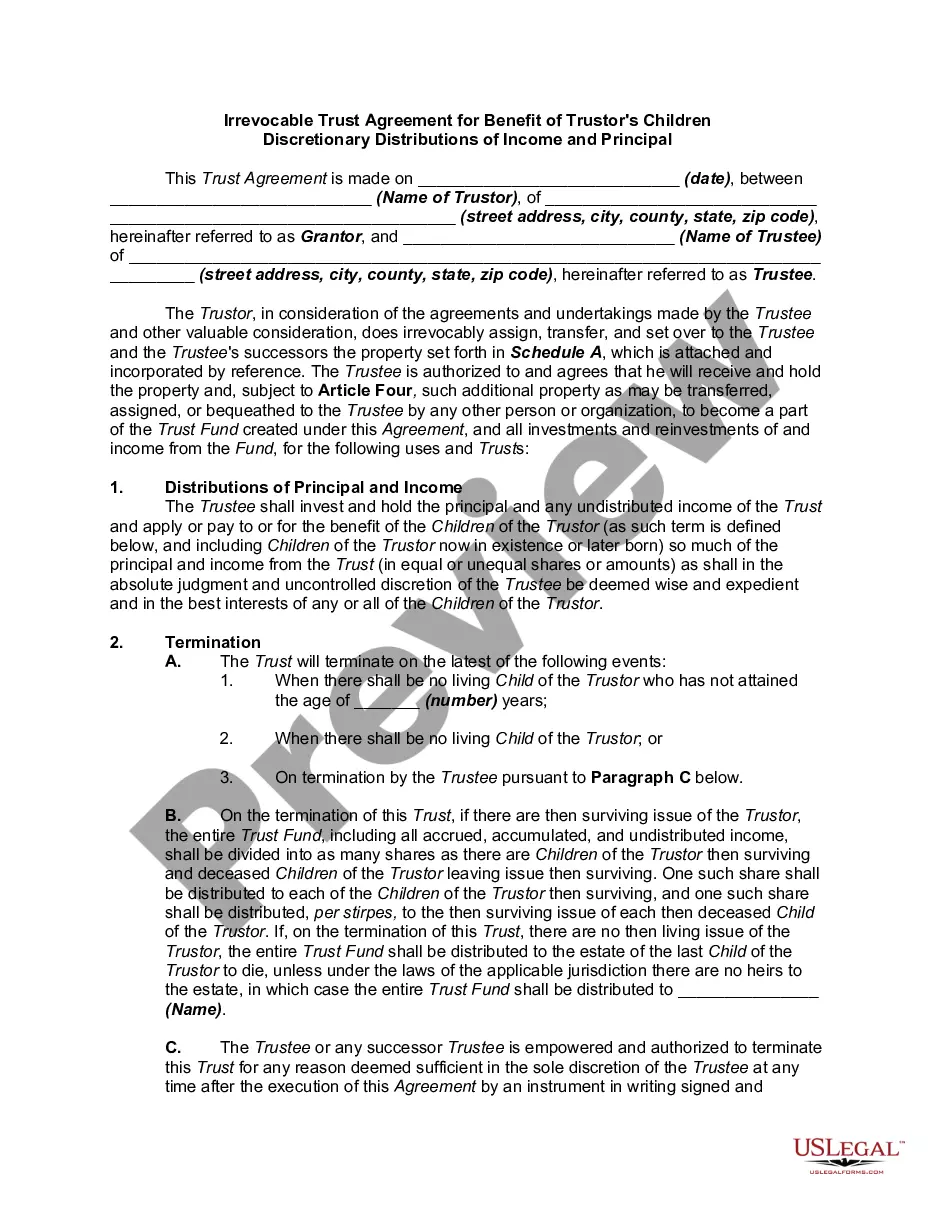
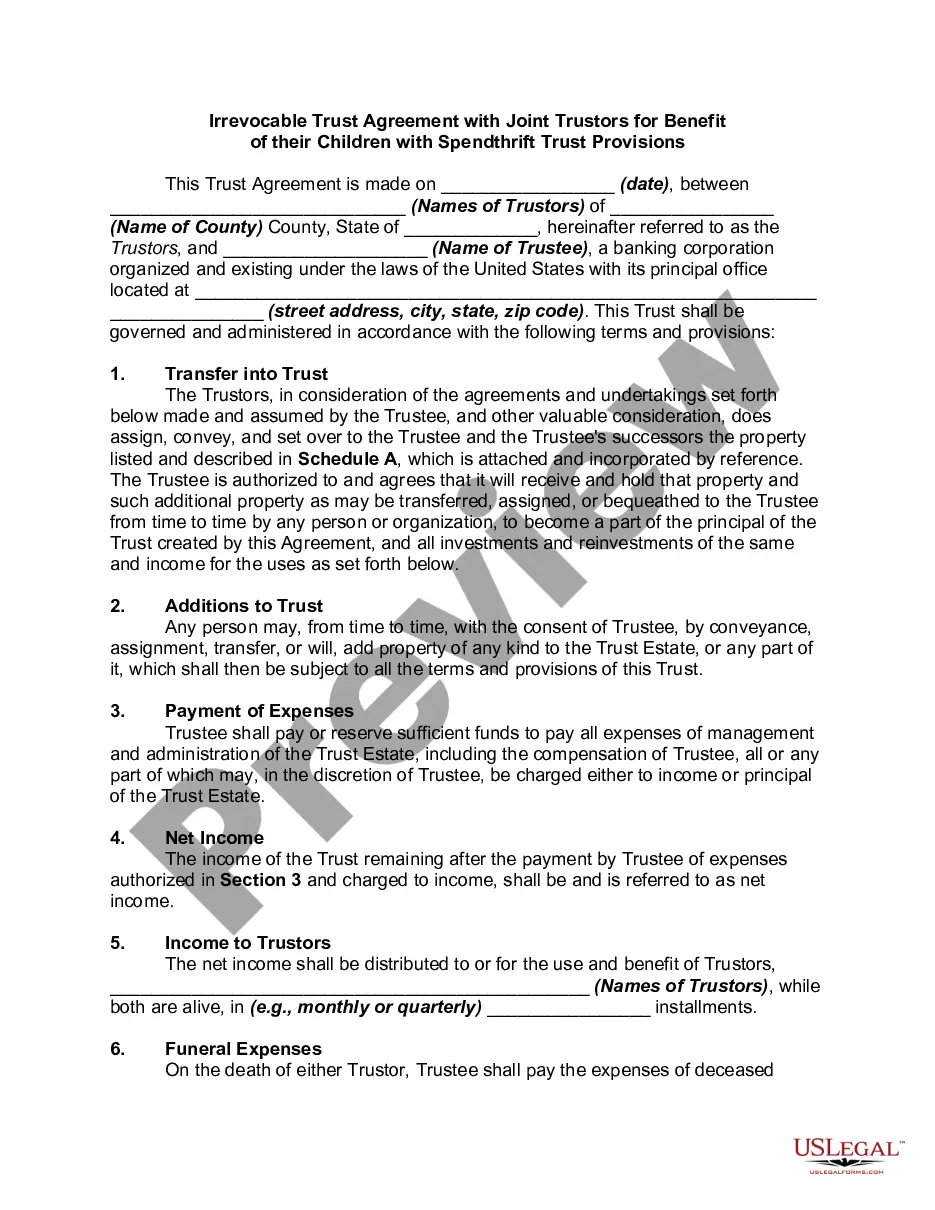

Get your form ready online
Our built-in tools help you complete, sign, share, and store your documents in one place.
Make edits, fill in missing information, and update formatting in US Legal Forms—just like you would in MS Word.
Download a copy, print it, send it by email, or mail it via USPS—whatever works best for your next step.
Sign and collect signatures with our SignNow integration. Send to multiple recipients, set reminders, and more. Go Premium to unlock E-Sign.
If this form requires notarization, complete it online through a secure video call—no need to meet a notary in person or wait for an appointment.
We protect your documents and personal data by following strict security and privacy standards.

Make edits, fill in missing information, and update formatting in US Legal Forms—just like you would in MS Word.

Download a copy, print it, send it by email, or mail it via USPS—whatever works best for your next step.

Sign and collect signatures with our SignNow integration. Send to multiple recipients, set reminders, and more. Go Premium to unlock E-Sign.

If this form requires notarization, complete it online through a secure video call—no need to meet a notary in person or wait for an appointment.

We protect your documents and personal data by following strict security and privacy standards.
Looking for another form?

How to fill out Irrevocable Trust Agreement For Benefit Of Trustor's Children And Grandchildren With Spendthrift Trust Provisions?
- Access your US Legal Forms account. If you're a returning user, log in and ensure your subscription is active to download the necessary template.
- Preview the form description. Check to ensure that the sample spendthrift trust aligns with both your specific requirements and local jurisdiction standards.
- Search for additional templates if needed. Utilize the search tool to explore more options until you find the ideal form that suits your situation.
- Complete your purchase. Click on the Buy Now button, select a preferred subscription plan, and register for an account to access all resources.
- Finalize payment. Enter your payment details through credit card or PayPal to activate your subscription.
- Download the document. Save the template directly to your device and access it anytime via the My Forms section of your profile.
US Legal Forms stands out with a robust collection of over 85,000 legal forms that are easily editable, ensuring users have access to the necessary resources without hassle. Additionally, users can reach out to premium experts for assistance, guaranteeing that each document is legally sound and tailored to their needs.
Make your legal process efficient and straightforward. Try US Legal Forms today for all your legal documentation needs!
Form popularity
FAQ
Yes, you can set up a spendthrift trust for yourself, but it is crucial to understand the implications. This type of trust can protect your assets from creditors and control how your beneficiaries use the funds. By consulting a Sample spendthrift trust with a client, you can learn how to structure the trust effectively and ensure it meets your needs while providing you with peace of mind.
Filling out a trust fund involves a few important steps. First, you need to identify the assets you want to place in the trust. Next, you will complete the trust document, which may include sections for trustee information and beneficiary details. To simplify the process, using a Sample spendthrift trust with a client can guide you in presenting your information clearly and accurately.
The trust, rather than the beneficiaries, often pays taxes on the income it generates. This means that the trustee must file a tax return for the trust and cover any related expenses. In the context of preparing a sample spendthrift trust with a client, it’s important to ensure they are aware of these tax responsibilities located within the trust framework.
An example of a spendthrift trust is a trust set up by a parent for a child who struggles with financial discipline. In this case, the trust can dictate that the child receives only a portion of the funds at specific intervals rather than a lump sum. If you use a sample spendthrift trust with a client, you can create similar structures to manage how beneficiaries access their assets responsibly.
Generally, the IRS cannot directly attach a spendthrift trust, as the trust's structure protects assets from creditors. However, if the beneficiary is liable for debts, and the trust allows distributions, the IRS may claim funds during those distributions. It's crucial to structure a sample spendthrift trust with a client carefully to ensure asset protection against potential seizure.
A spendthrift trust can limit beneficiaries' access to trust funds, which might cause financial strain in certain situations. Additionally, because the beneficiary cannot access principal amounts easily, it may not provide enough liquidity for immediate needs. When considering a sample spendthrift trust with a client, it's essential to weigh these disadvantages against the protections it offers.
In a revocable trust, the grantor typically pays taxes on the income generated by the trust assets. Since a revocable trust is treated as a part of the grantor’s estate for tax purposes, the income is reported on the grantor’s personal tax return. This means that, if you create a sample spendthrift trust with a client, the client remains responsible for tax liabilities during their lifetime.
To set up a trust fund for someone, start by identifying the beneficiaries and the purpose of the trust. Next, choose a trustee, who will manage the trust on behalf of the beneficiaries. It's vital to draft a trust document, outlining the terms and conditions, which can include a Sample spendthrift trust with a client to protect the assets from creditors. Using a platform like US Legal Forms can simplify this process, providing templates and guidance to ensure everything is legally binding.
In most cases, you cannot create a spendthrift trust solely for your benefit. The purpose of a spendthrift trust is to protect assets for the beneficiaries, making them inaccessible to creditors or personal financial mismanagement. However, if you wish to establish this type of trust, you can set it up to benefit your heirs, ensuring that a sample spendthrift trust with a client secures their financial future while you manage your own assets in other ways.
Creating a spendthrift trust can protect your assets from creditors, ensuring your beneficiaries receive their inheritance without risk of losing it to debts. This type of trust allows for controlled distributions, which helps manage how and when funds are accessed, especially when dealing with minor beneficiaries or those who may not be financially responsible. Ultimately, a sample spendthrift trust with a client offers an effective strategy for estate planning, safeguarding family wealth for future generations.