Living Trusts
Description

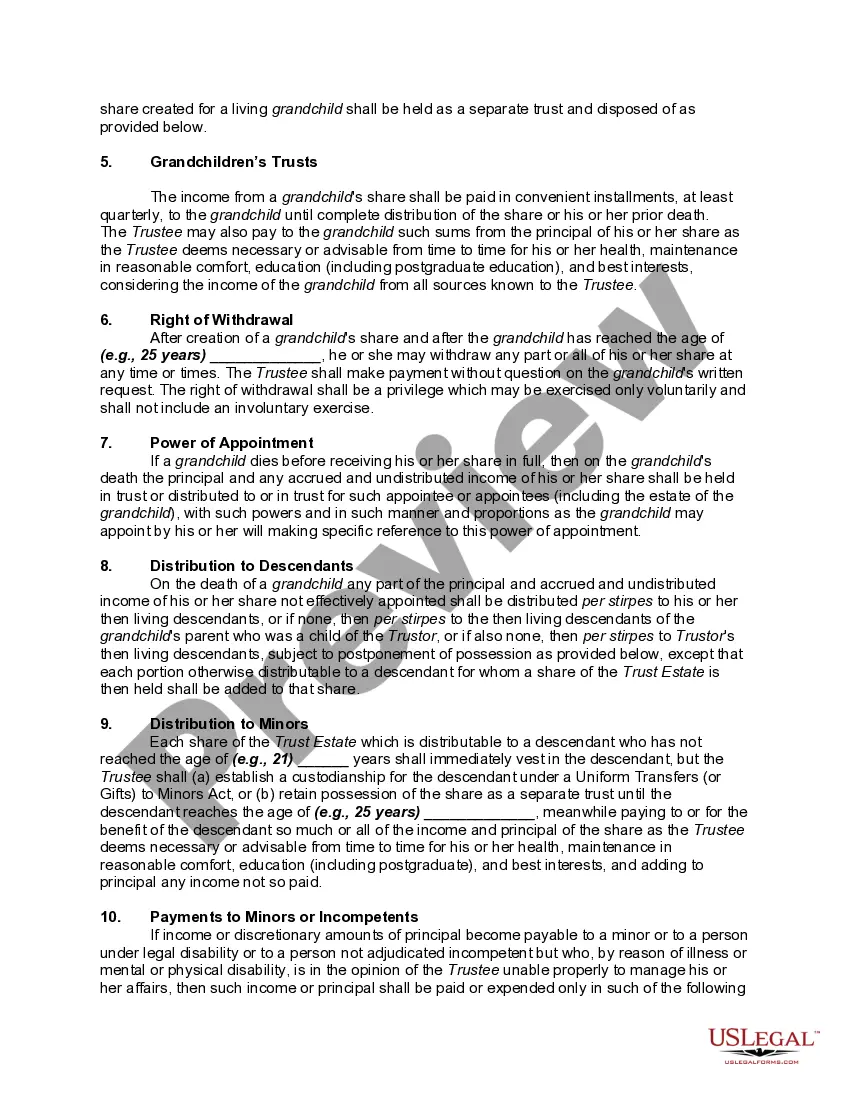
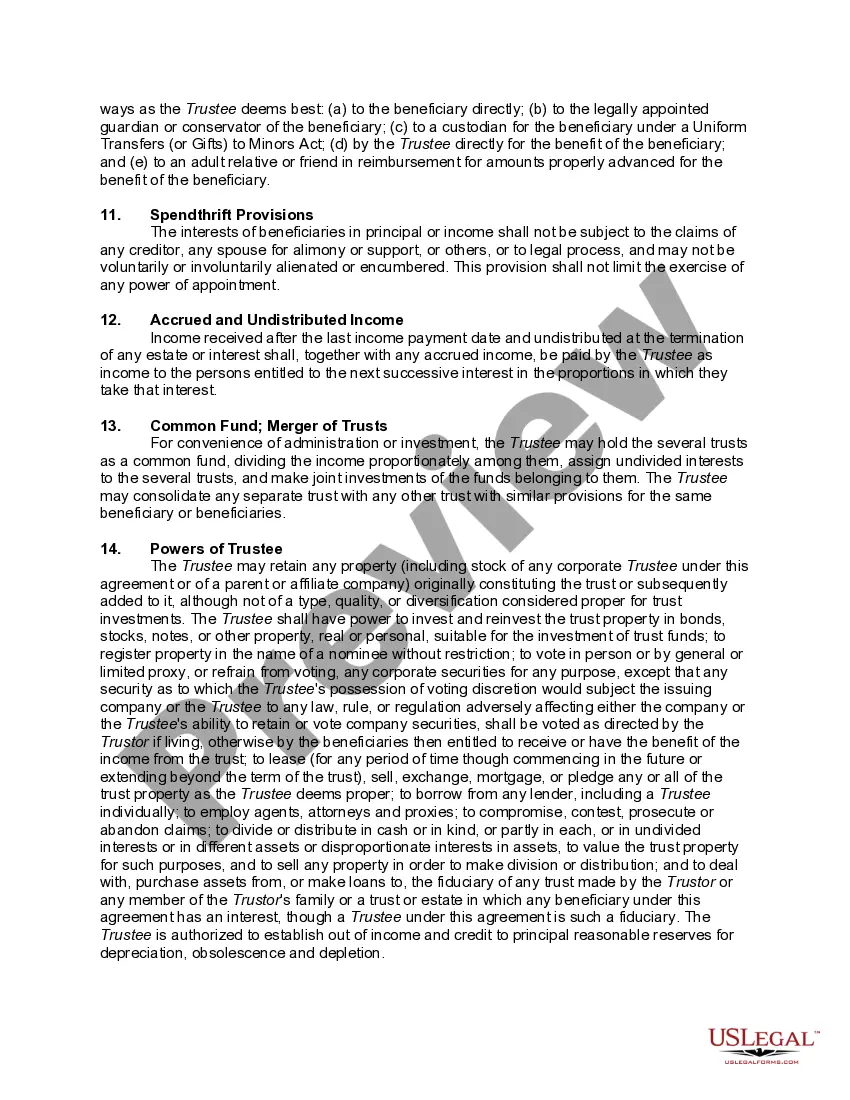
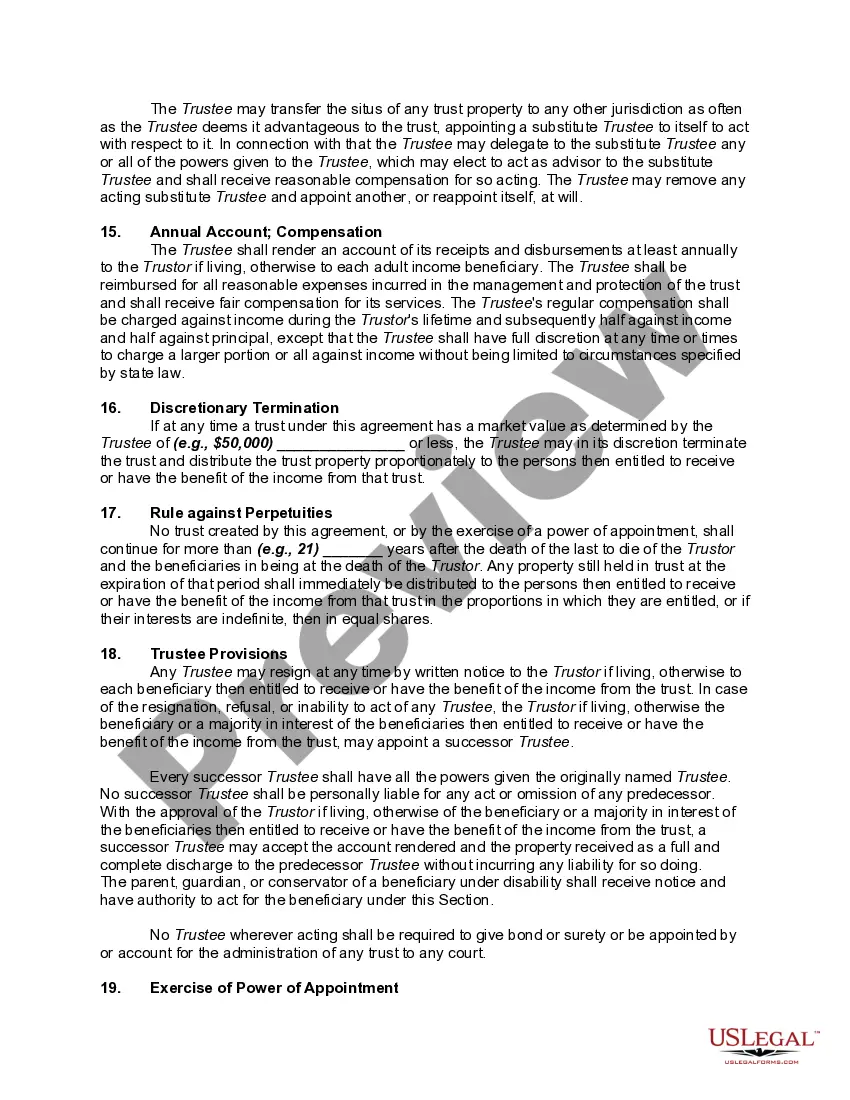
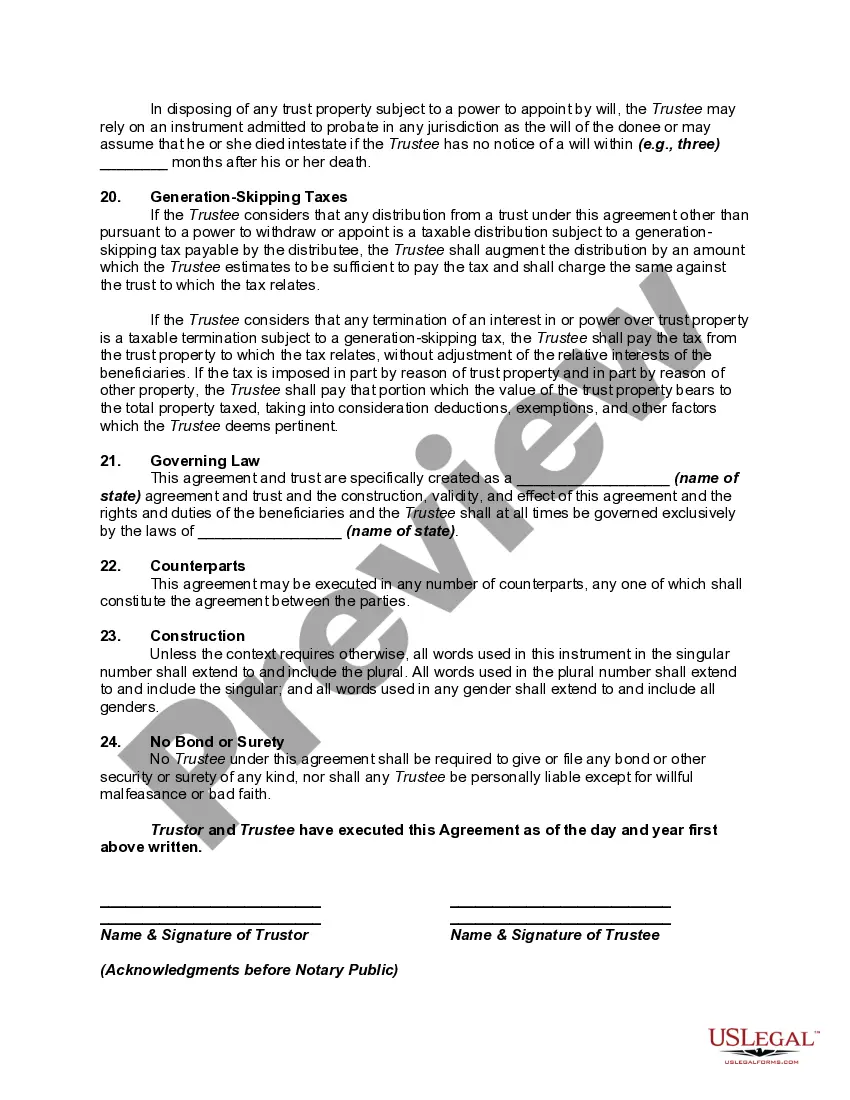


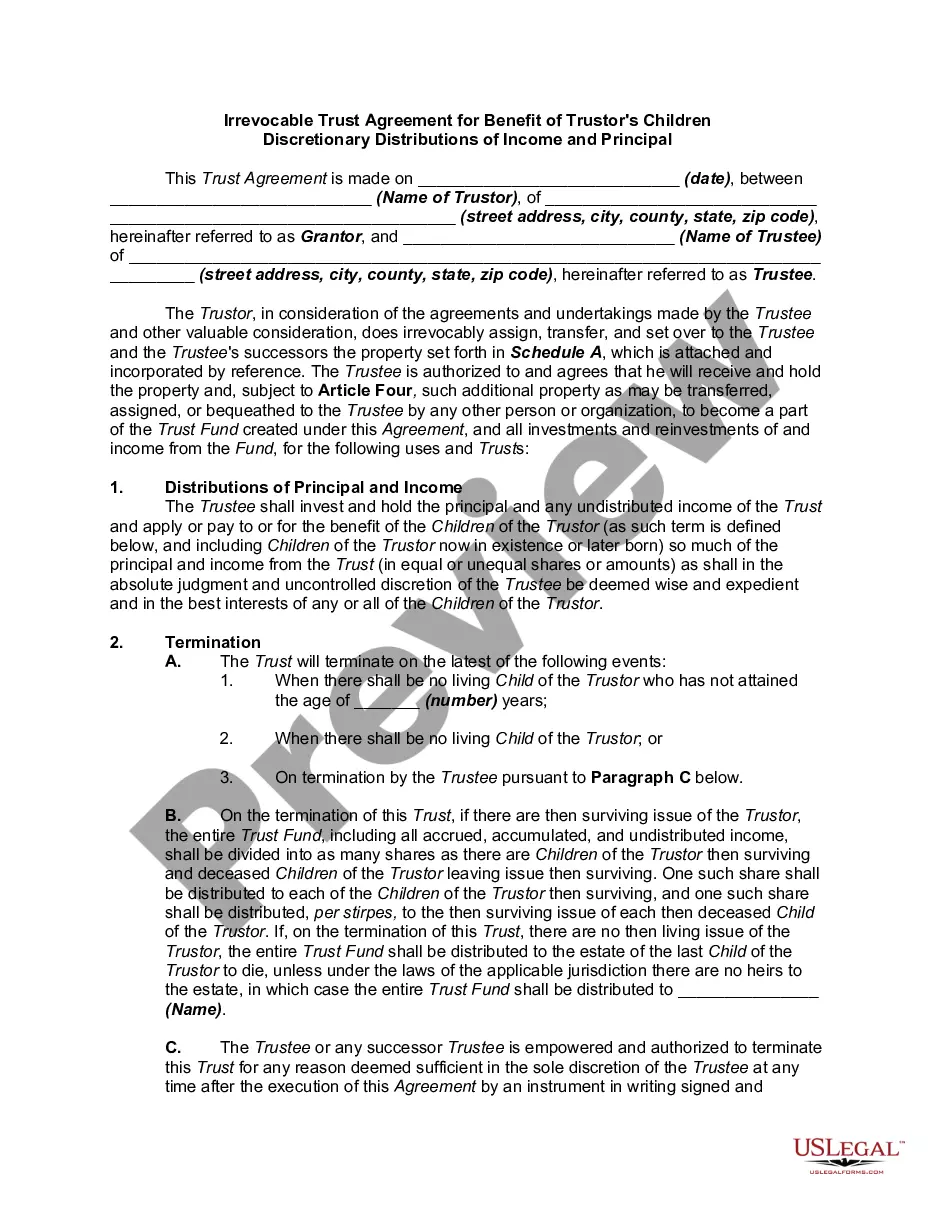
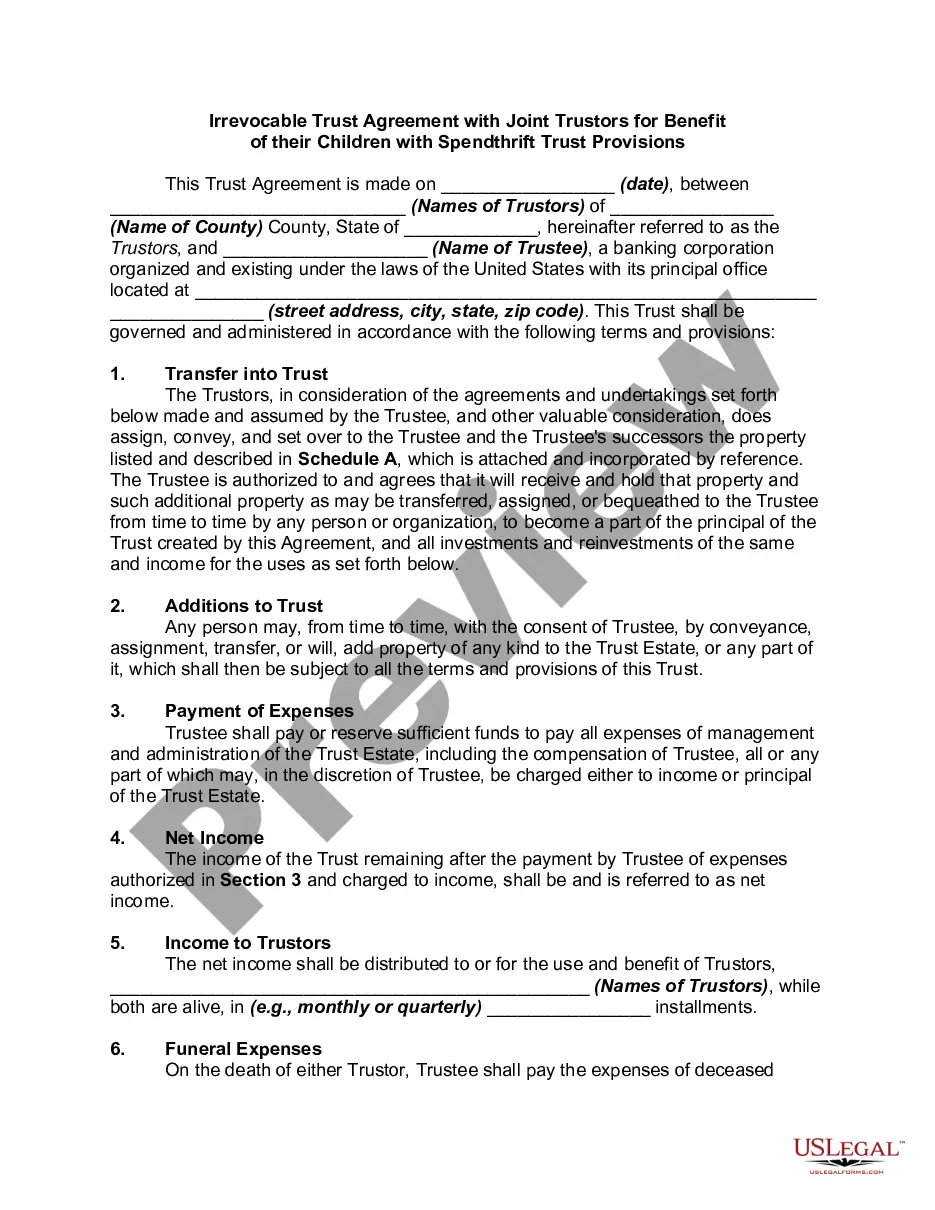
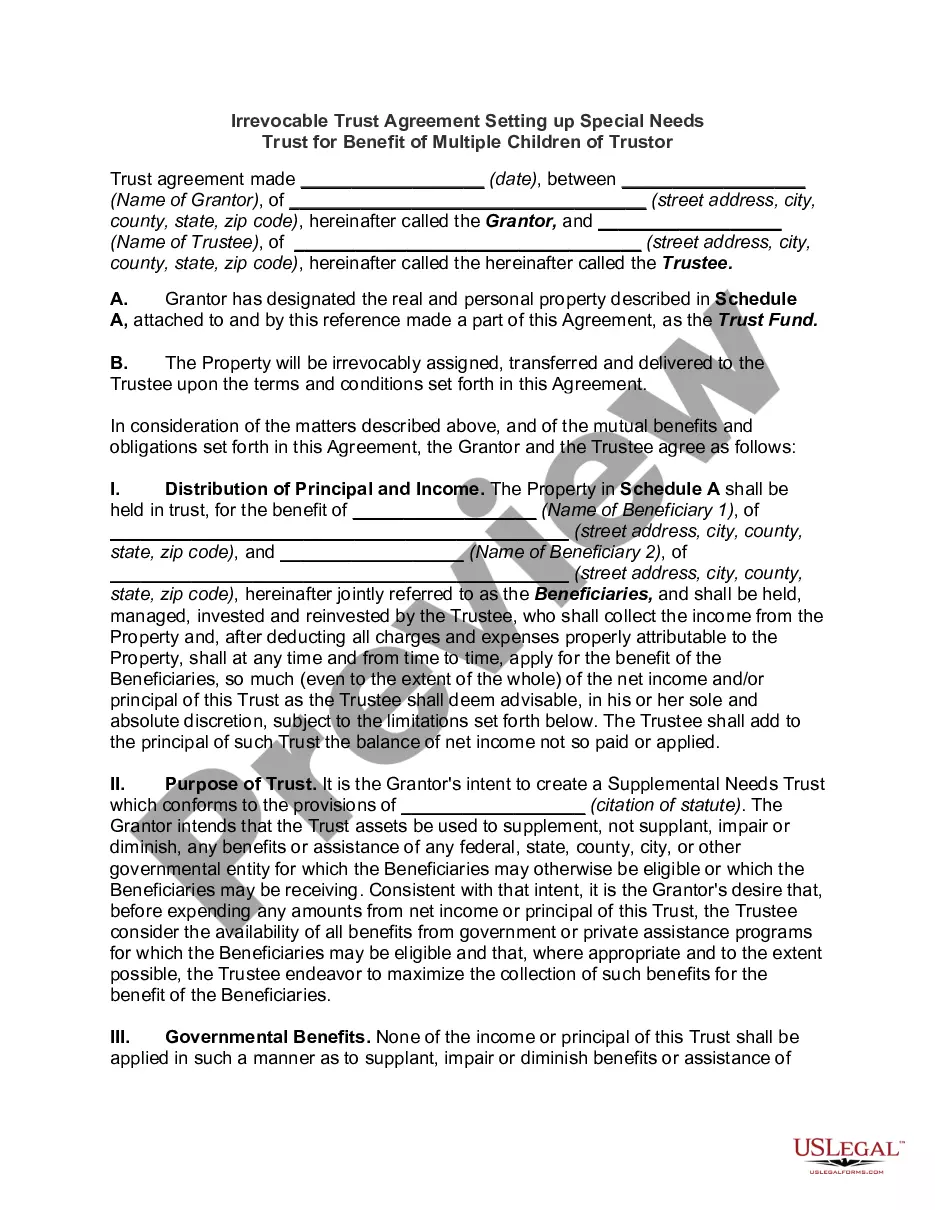
Get your form ready online
Our built-in tools help you complete, sign, share, and store your documents in one place.
Make edits, fill in missing information, and update formatting in US Legal Forms—just like you would in MS Word.
Download a copy, print it, send it by email, or mail it via USPS—whatever works best for your next step.
Sign and collect signatures with our SignNow integration. Send to multiple recipients, set reminders, and more. Go Premium to unlock E-Sign.
If this form requires notarization, complete it online through a secure video call—no need to meet a notary in person or wait for an appointment.
We protect your documents and personal data by following strict security and privacy standards.

Make edits, fill in missing information, and update formatting in US Legal Forms—just like you would in MS Word.

Download a copy, print it, send it by email, or mail it via USPS—whatever works best for your next step.

Sign and collect signatures with our SignNow integration. Send to multiple recipients, set reminders, and more. Go Premium to unlock E-Sign.

If this form requires notarization, complete it online through a secure video call—no need to meet a notary in person or wait for an appointment.

We protect your documents and personal data by following strict security and privacy standards.
Looking for another form?






How to fill out Irrevocable Trust Agreement For Benefit Of Trustor's Children And Grandchildren With Spendthrift Trust Provisions?
- Log into your US Legal Forms account if you’re an existing user, ensuring your subscription is current to access your templates.
- For first-time users, start by browsing the extensive library of over 85,000 fillable forms. Check the preview and description of living trusts to ensure it meets your requirements.
- If you find any discrepancies or need a different template, utilize the search feature to locate the appropriate form.
- Proceed to purchase the document by clicking the Buy Now button and selecting a subscription plan that fits your needs. Don't forget to create an account if you haven’t already.
- Complete your transaction using your credit card or PayPal for a secure payment.
- Download your living trust template and save it on your device. You can also find it later in the My Forms section of your profile.
In conclusion, US Legal Forms offers an extensive collection of legal documents, allowing individuals and attorneys to efficiently create legally sound living trusts. With easy access to expert assistance, you can ensure that your documents are completed accurately.
Start your journey to secure your assets today and create your living trust with US Legal Forms!
Form popularity
FAQ
Certain assets cannot be placed in a trust, such as life insurance policies and retirement accounts unless designated otherwise. It's also important to note that personal property, like vehicles and collectibles, can sometimes be tricky to fund into living trusts. Additionally, any assets that have beneficiaries already designated, like payable-on-death accounts, do not typically belong in living trusts. Consulting a resource like US Legal Forms can help clarify which assets are appropriate for your living trust.
Suze Orman often emphasizes the importance of living trusts for people who want control over their estate. She believes that living trusts are valuable tools for ensuring your wishes are honored and can help avoid unnecessary legal complications for your heirs. Orman notes that allocating assets through living trusts is a proactive way to protect your beneficiaries. By using living trusts, you provide clarity and peace of mind for your loved ones.
The point of a living trust is to manage your assets while you're alive and streamline the transfer of those assets after your death. With living trusts, you maintain control over your assets and designate who will inherit them without going through probate. This process can save time, preserve privacy, and can make things easier for your loved ones when the time comes. Using living trusts also can minimize estate taxes, which can be an added benefit.
One significant mistake parents often make when creating a trust fund is not clearly defining the rules for distributing the assets. Vague guidelines can lead to confusion and disputes among heirs. Additionally, they might overlook involving a knowledgeable professional to ensure the living trust meets legal requirements and family goals. To avoid these pitfalls, consider using trusted platforms like US Legal Forms for guidance.
Putting your house in a living trust can seem like a smart move, but there are some disadvantages to consider. First, transferring your home into a trust might involve additional paperwork and potential costs for the trust administration. Moreover, while living trusts help avoid probate, they do not protect against creditors. It's essential to evaluate these factors carefully.
A downside to a living trust is that it does not offer protection from creditors or lawsuits, unlike some other estate planning tools. Living trusts do not provide any tax benefits during your lifetime, which can be a downside for some individuals. Additionally, it is important to keep the trust updated, as failing to do so could lead to unintended consequences. Addressing these considerations can help you better understand living trusts.
One significant downfall of having a trust is the initial expense and effort required to establish it. Setting up a living trust may involve legal fees and the time needed to manage and fund the trust correctly. Furthermore, if not maintained properly, a trust can lead to complications down the line, potentially undermining its benefits. Therefore, careful planning is essential when creating living trusts.
It can be beneficial for your parents to place their assets in a trust, as this may help avoid probate and ensure a smoother transfer of assets. Living trusts provide flexibility and can be modified as needed, which is perfect for changing family dynamics. However, every situation is unique, and it’s wise for them to consult with a legal expert to determine what works best for their specific circumstances.
Filling out a living trust involves listing your assets and deciding how you want to distribute them after your passing. First, you should gather all relevant documentation about your assets. Then, use a trusted platform like US Legal Forms to create your living trust document, ensuring that all necessary information is included. Once completed, you should sign and notarize the trust to validate it.