Living Trust Schedule Of Assets Form For Probate
Description

Get your form ready online
Our built-in tools help you complete, sign, share, and store your documents in one place.
Make edits, fill in missing information, and update formatting in US Legal Forms—just like you would in MS Word.
Download a copy, print it, send it by email, or mail it via USPS—whatever works best for your next step.
Sign and collect signatures with our SignNow integration. Send to multiple recipients, set reminders, and more. Go Premium to unlock E-Sign.
If this form requires notarization, complete it online through a secure video call—no need to meet a notary in person or wait for an appointment.
We protect your documents and personal data by following strict security and privacy standards.

Make edits, fill in missing information, and update formatting in US Legal Forms—just like you would in MS Word.

Download a copy, print it, send it by email, or mail it via USPS—whatever works best for your next step.

Sign and collect signatures with our SignNow integration. Send to multiple recipients, set reminders, and more. Go Premium to unlock E-Sign.

If this form requires notarization, complete it online through a secure video call—no need to meet a notary in person or wait for an appointment.

We protect your documents and personal data by following strict security and privacy standards.
Looking for another form?
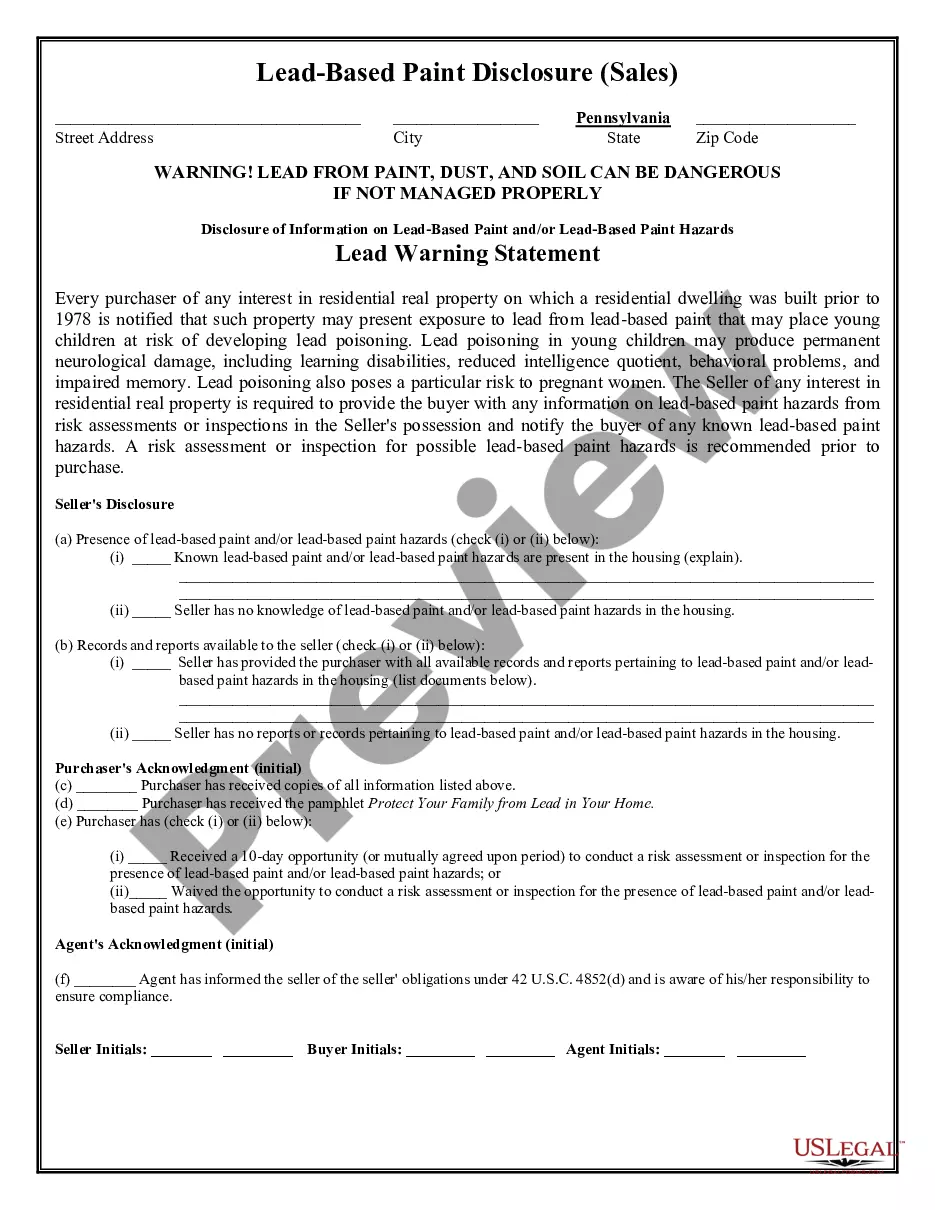
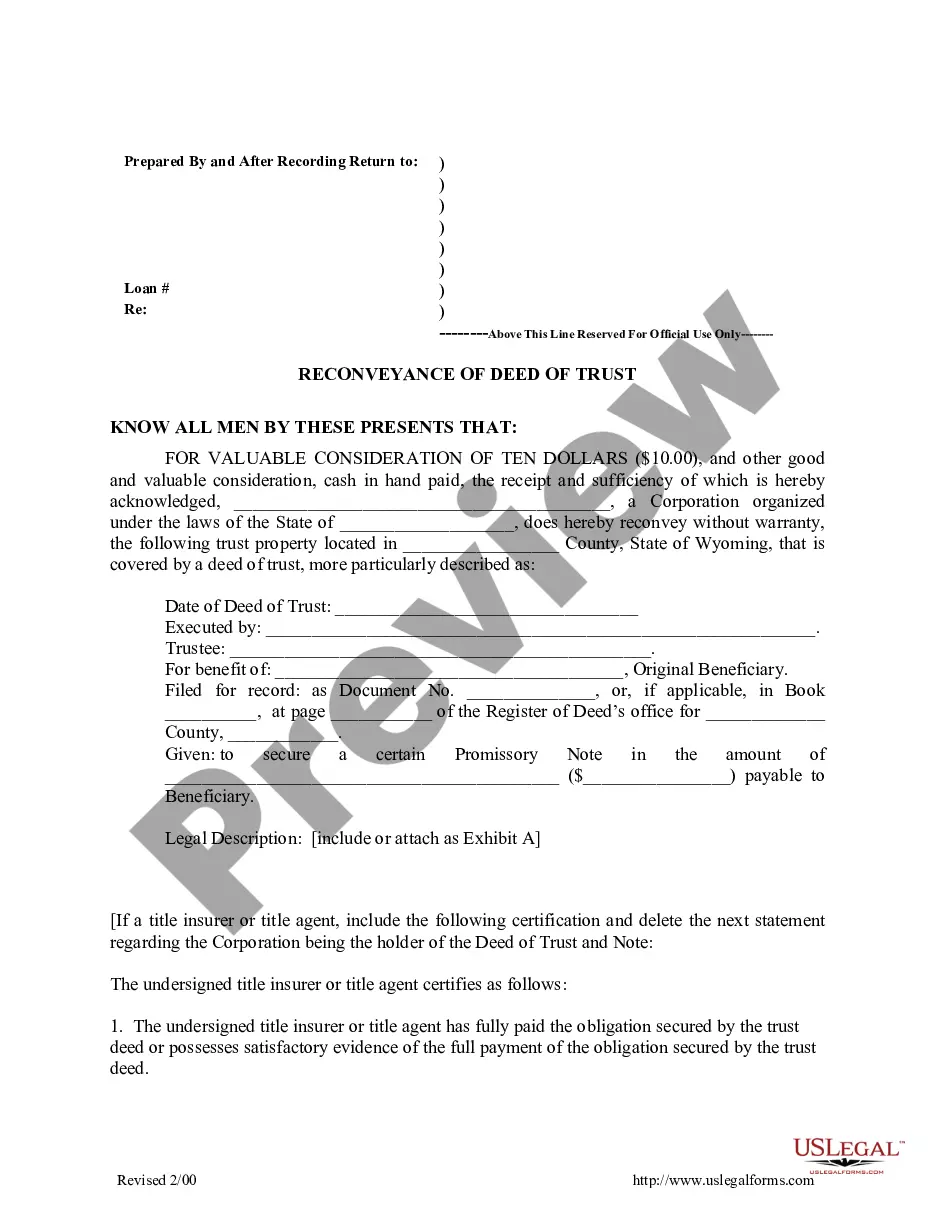
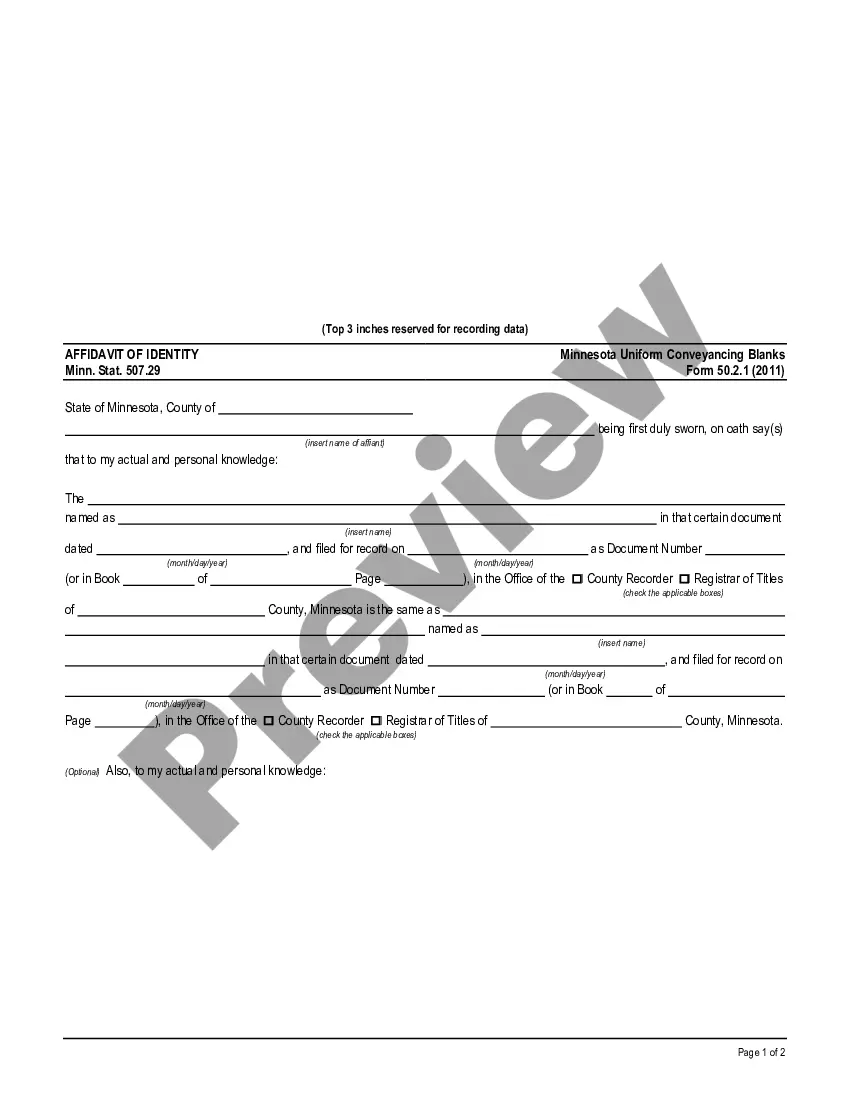
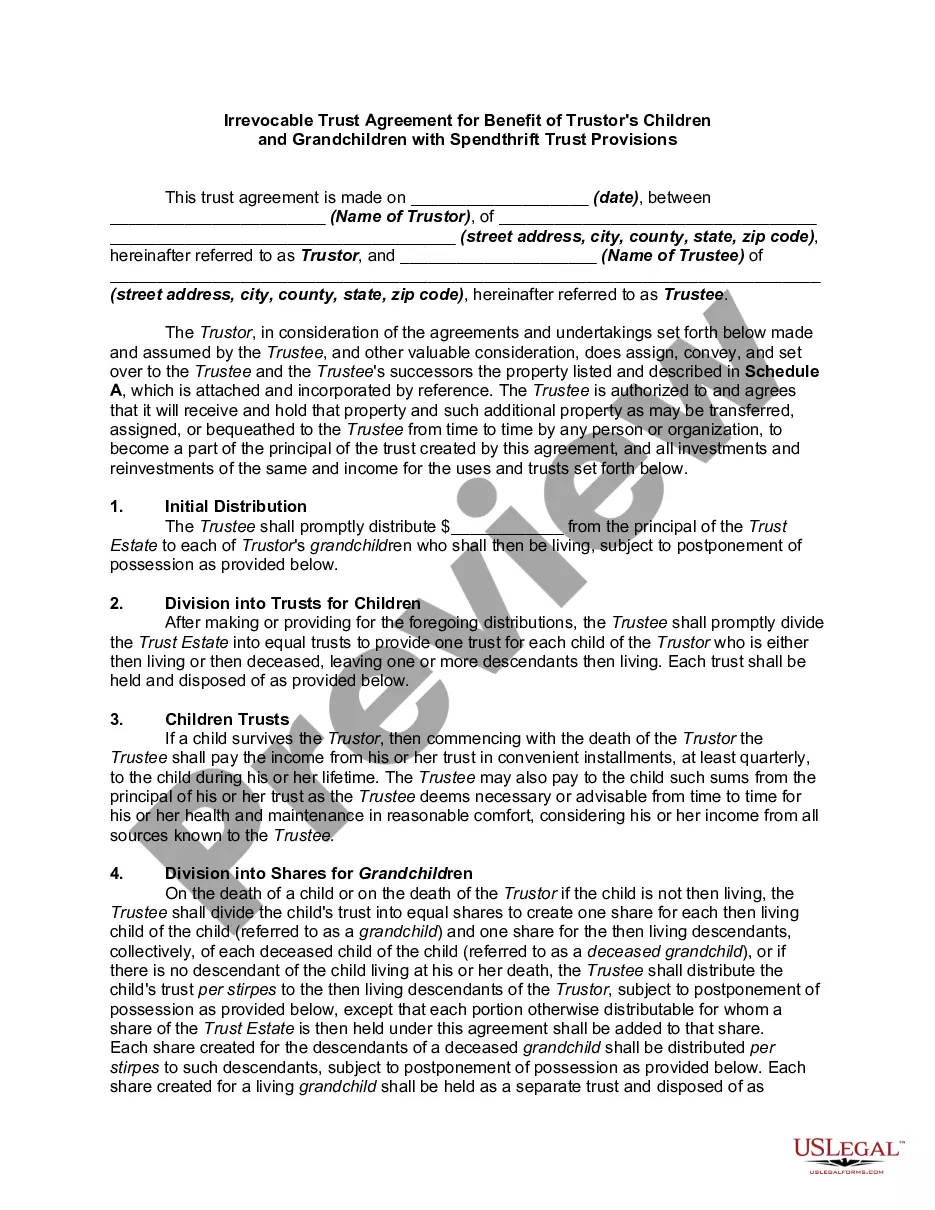
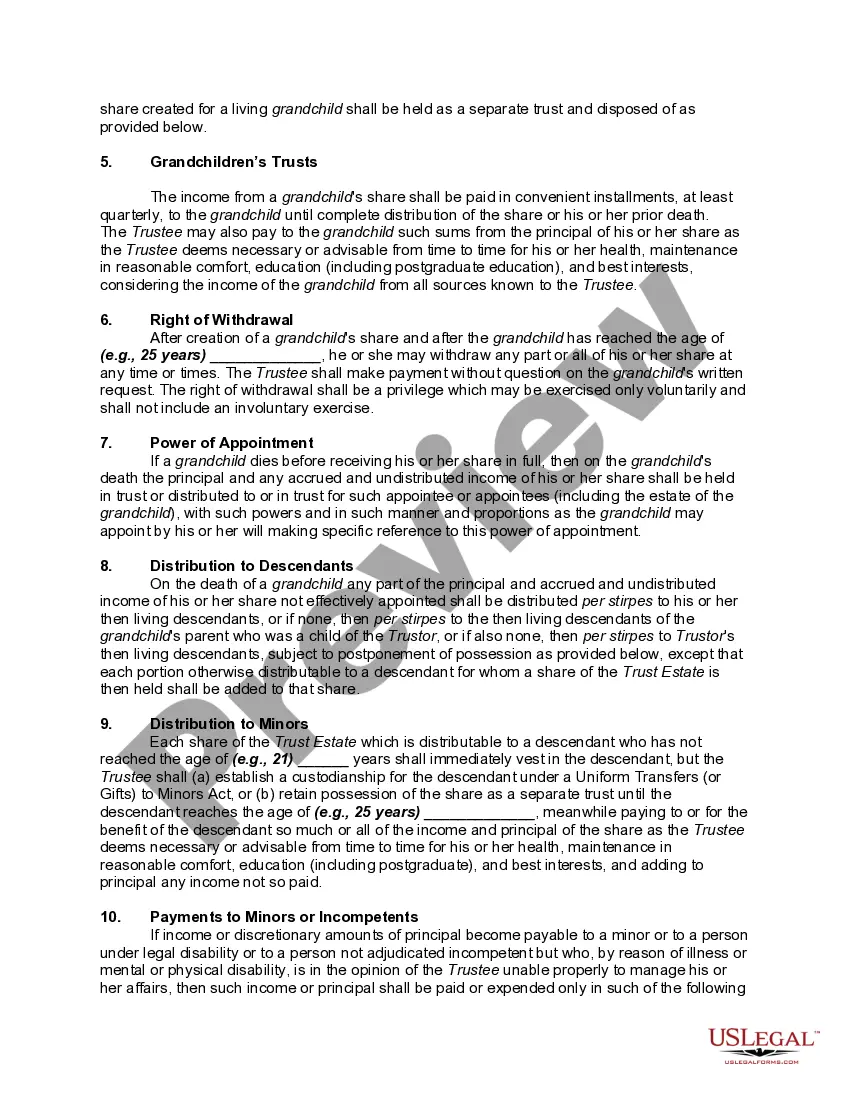
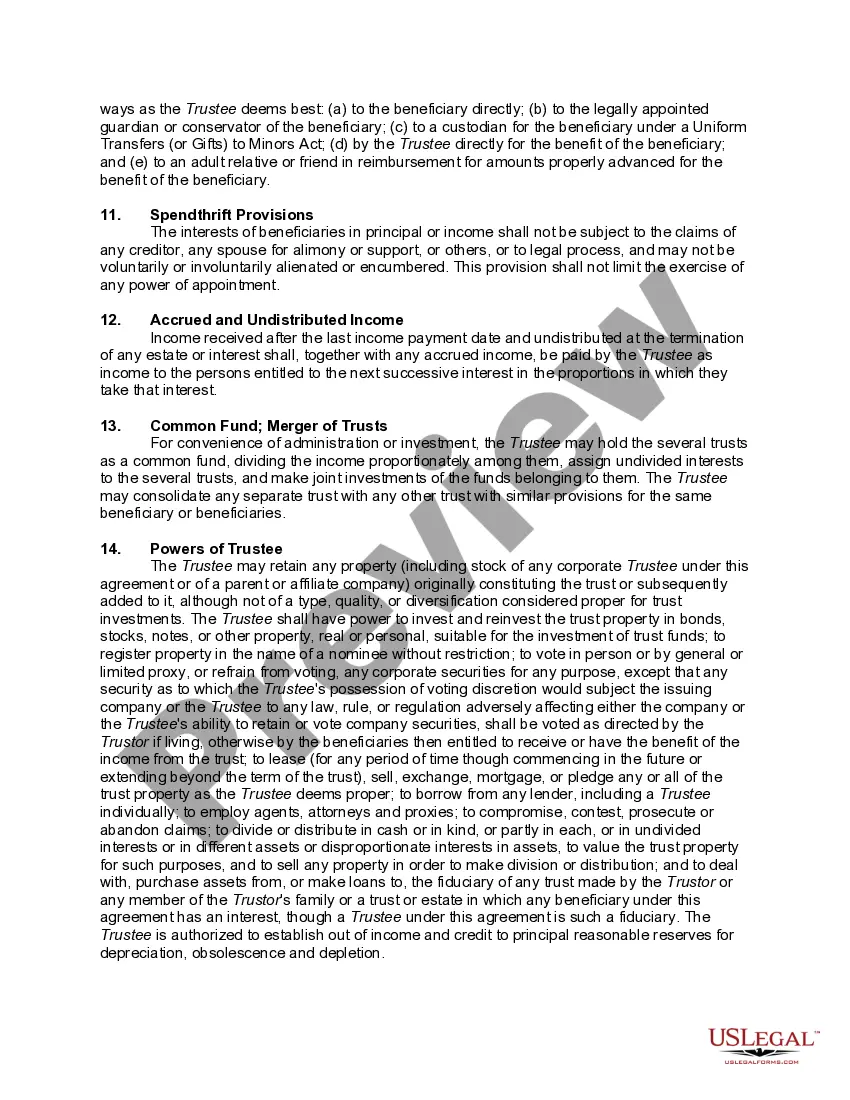
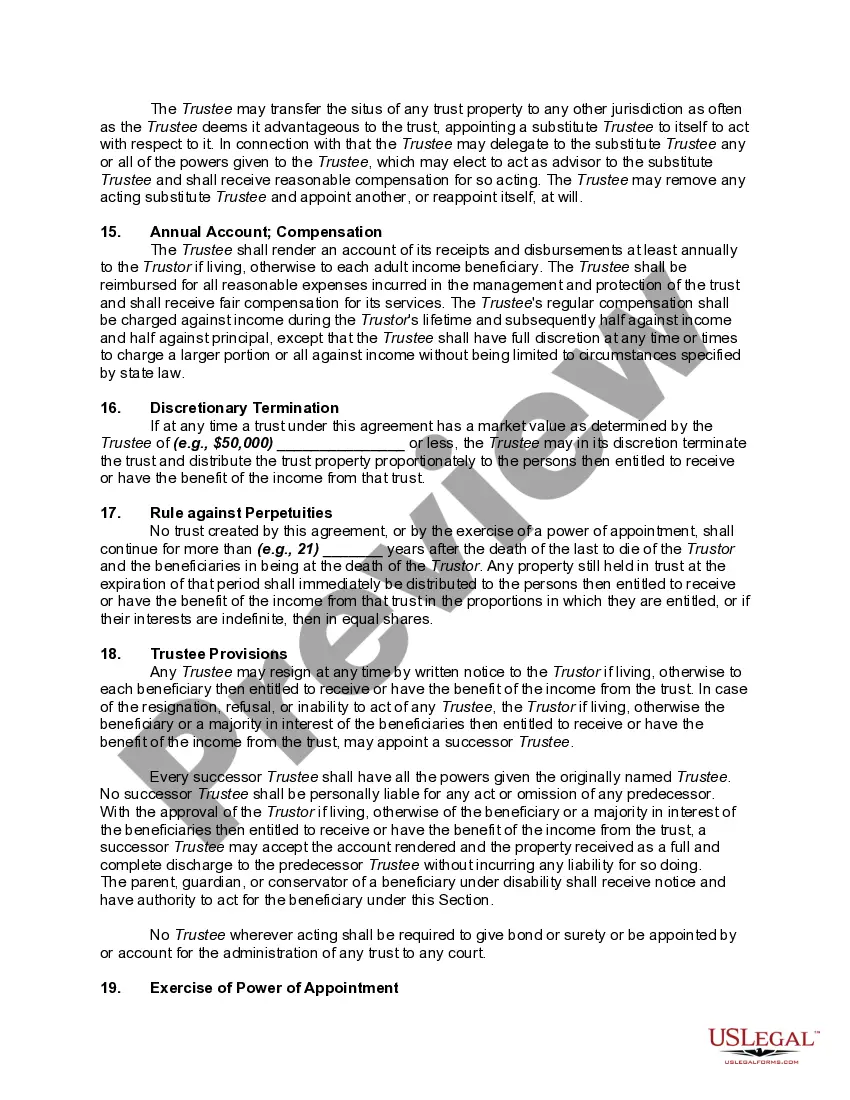
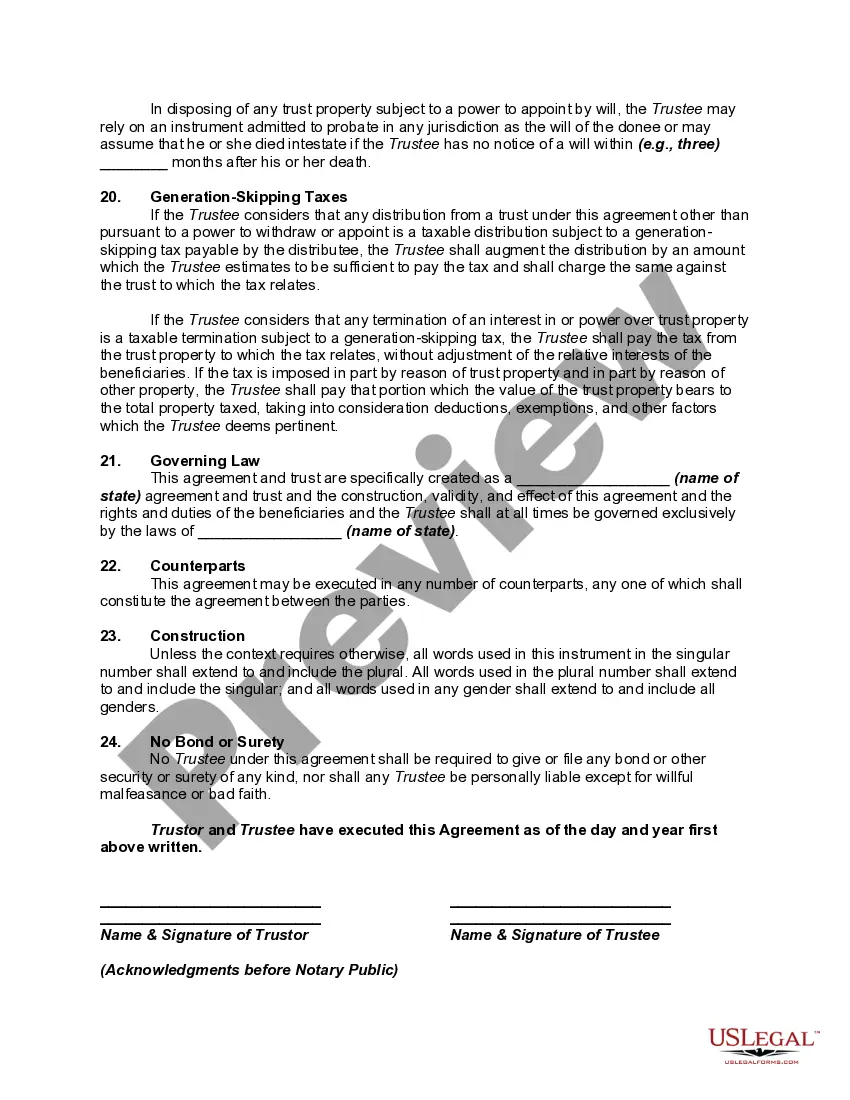
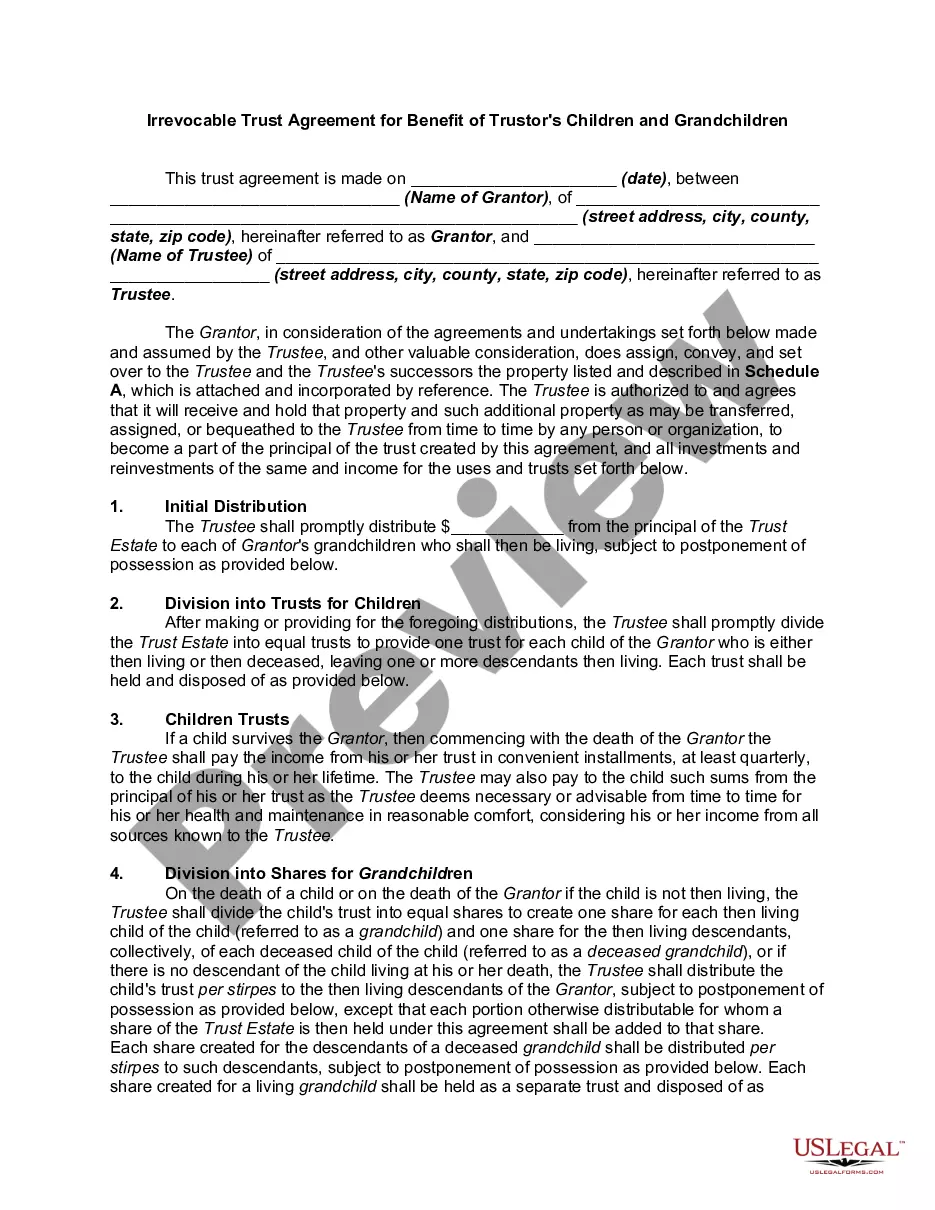
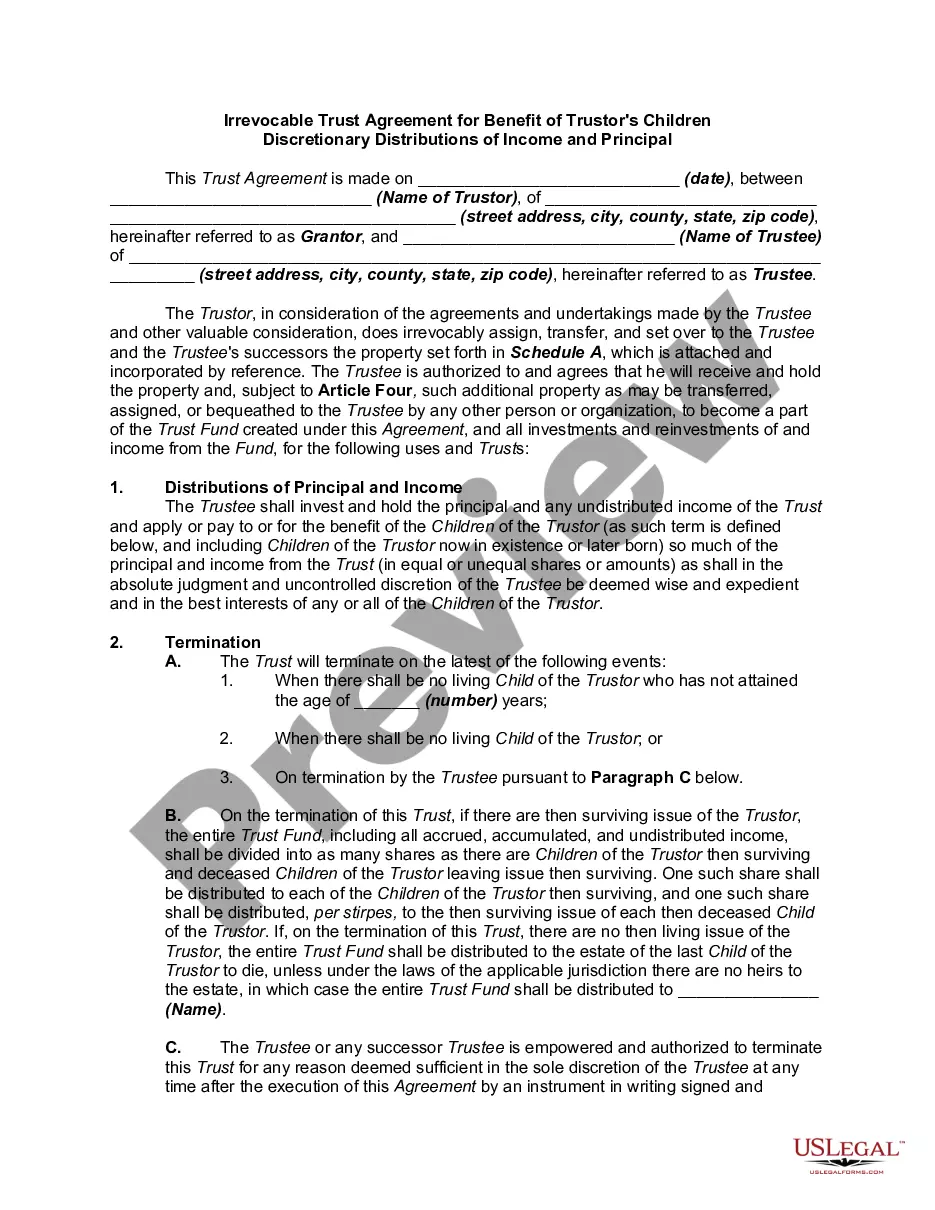
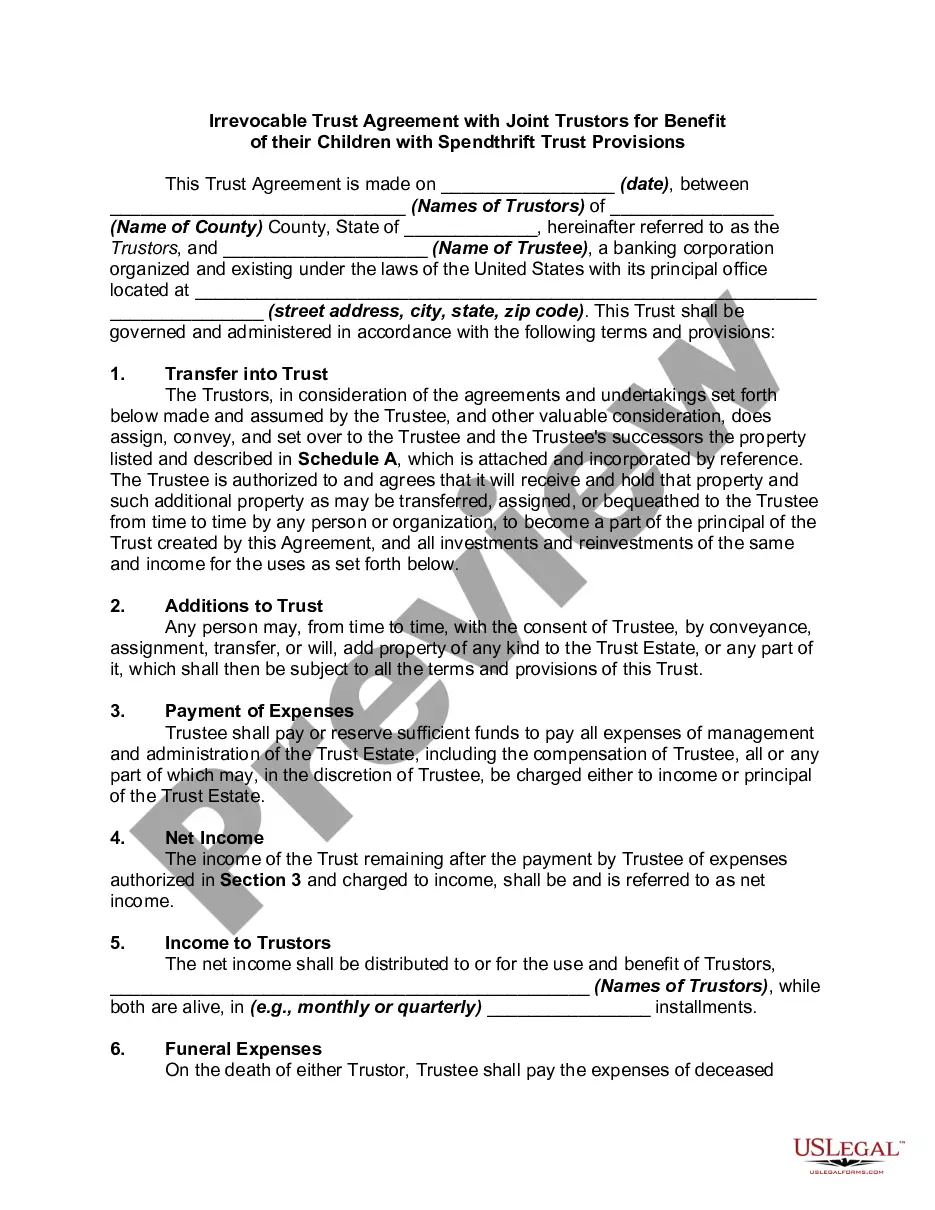
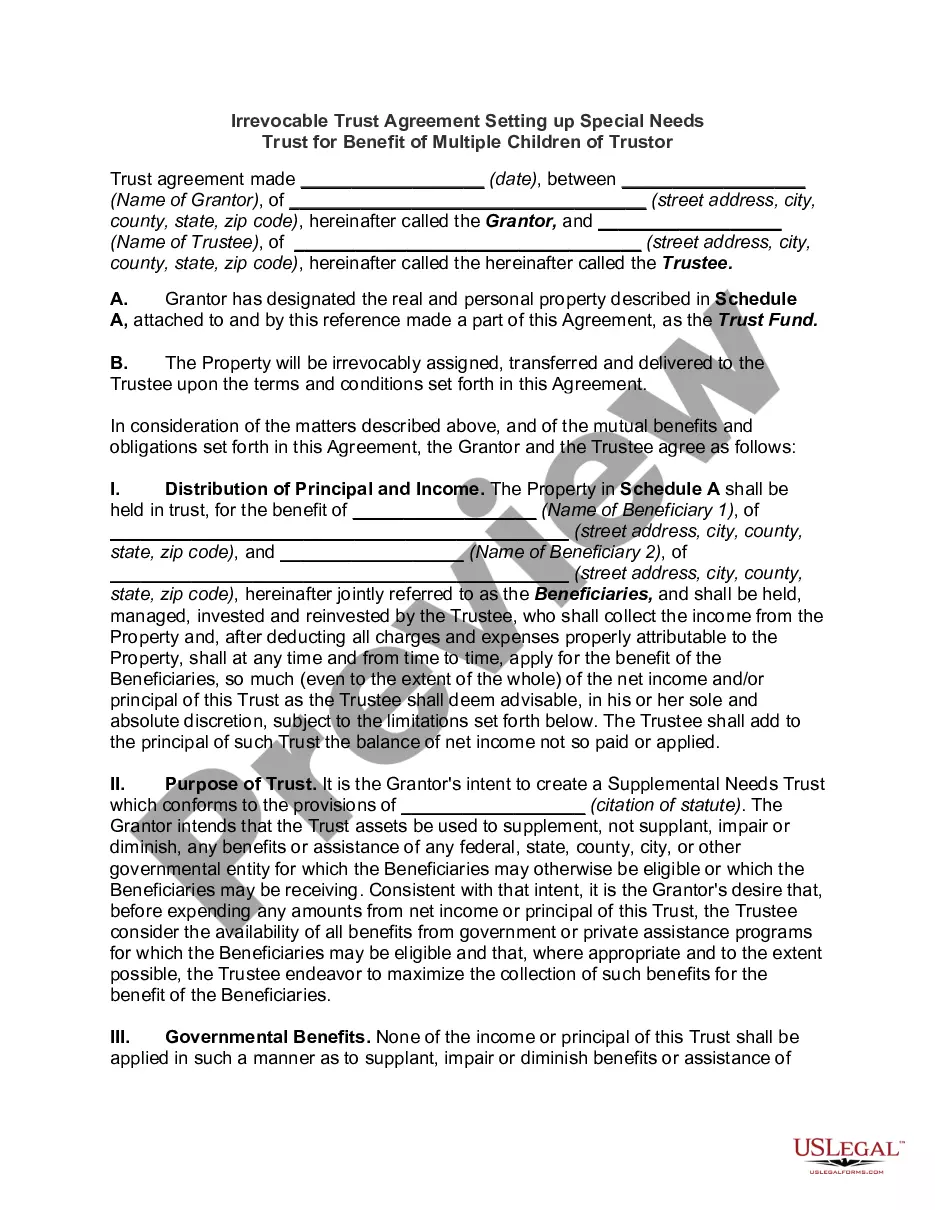
How to fill out Irrevocable Trust Agreement For Benefit Of Trustor's Children And Grandchildren With Spendthrift Trust Provisions?
It’s clear that you cannot transform into a legal expert in an instant, nor can you quickly master how to effectively compose a Living Trust Schedule Of Assets Form For Probate without possessing a specialized background.
Creating legal documents is a time-consuming endeavor that necessitates specific education and expertise.
So why not entrust the creation of the Living Trust Schedule Of Assets Form For Probate to the experts.
Click Buy now. Once the transaction is completed, you can download the Living Trust Schedule Of Assets Form For Probate, fill it out, print it, and send or mail it to the required individuals or organizations.
You can access your forms again from the My documents tab at any time. If you’re an existing client, you can simply Log In, and locate and download the template from the same tab.
- Begin with our website and acquire the document you require in just a few minutes.
- Locate the form you need using the search bar located at the top of the page.
- Preview it (if this option is available) and read the accompanying description to determine whether Living Trust Schedule Of Assets Form For Probate is what you are seeking.
- Restart your search if you need another template.
- Establish a free account and select a subscription option to buy the form.
Form popularity
FAQ
The grantor can opt to have the beneficiaries receive trust property directly without any restrictions. The trustee can write the beneficiary a check, give them cash, and transfer real estate by drawing up a new deed or selling the house and giving them the proceeds.
For a revocable living trust to take effect, it should be funded by transferring certain assets into the trust. Often people fund a living trust with real estate, financial accounts, life insurance, annuity certificates, personal property, business interests, and other assets.
Assets that should not be used to fund your living trust include: Qualified retirement accounts ? 401ks, IRAs, 403(b)s, qualified annuities. Health saving accounts (HSAs) Medical saving accounts (MSAs) Uniform Transfers to Minors (UTMAs) Uniform Gifts to Minors (UGMAs) Life insurance. Motor vehicles.
Whether or not the trustee can withhold funds from you depends on the terms of the trust itself. If the trust requires withholding distributions under certain circumstances, such as the beneficiary reaching a specific age, the trustee must follow those stipulations.
Typically attached to an individual Revocable Living Trust is Schedule A that lists all the Trust assets. This provides a roadmap for the Successor Trustee to find the Trustor's assets held in the Trust and to begin administering the assets correctly.