Irrevocable Life Insurance Trust Form For Beneficiary
Description
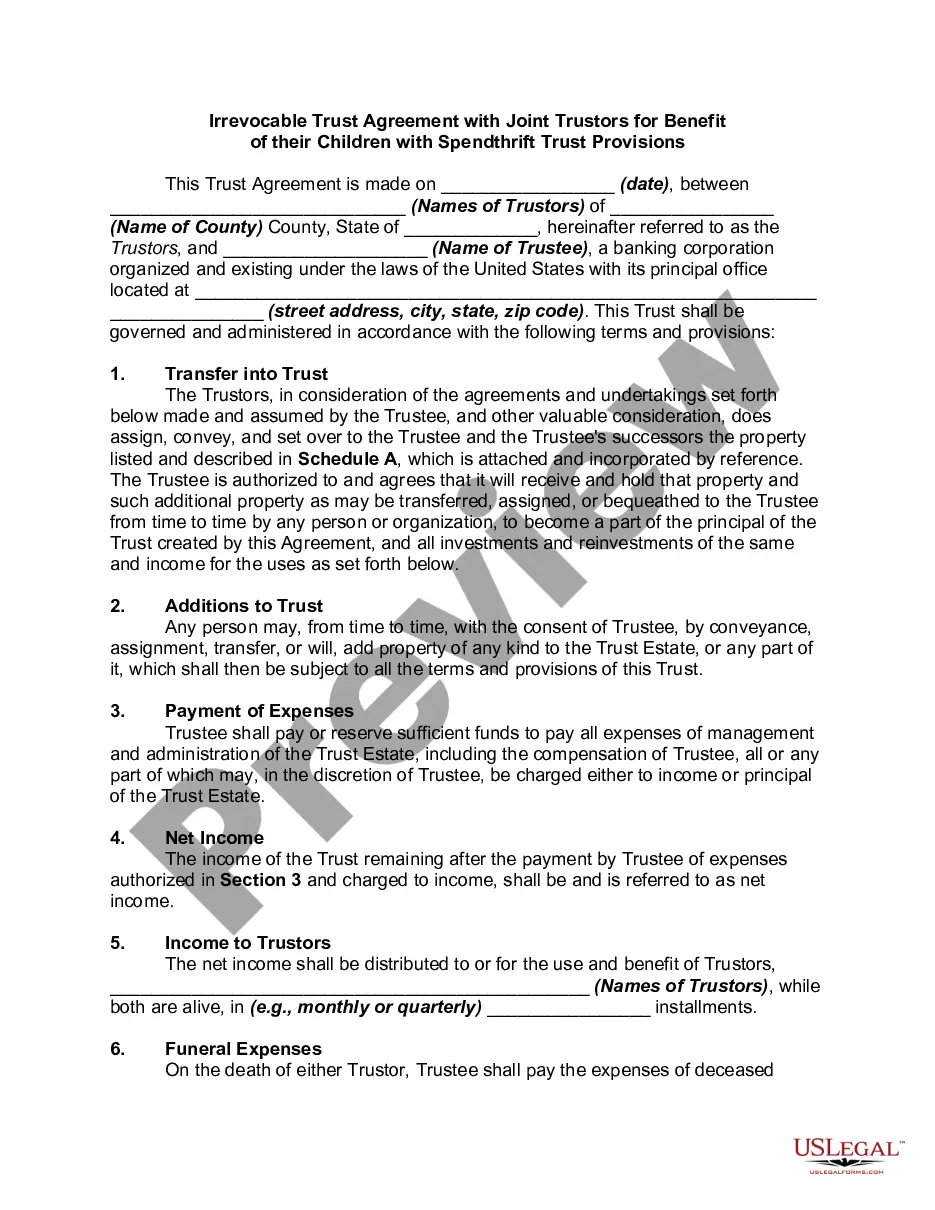
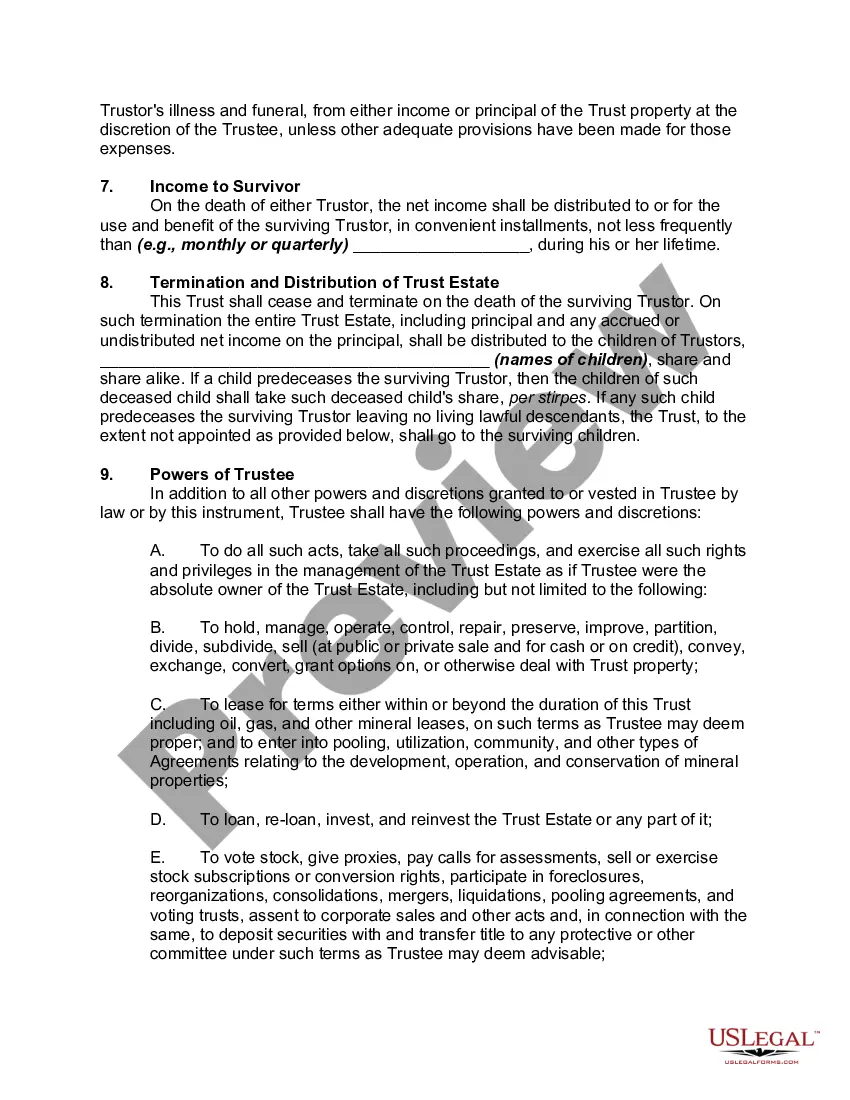

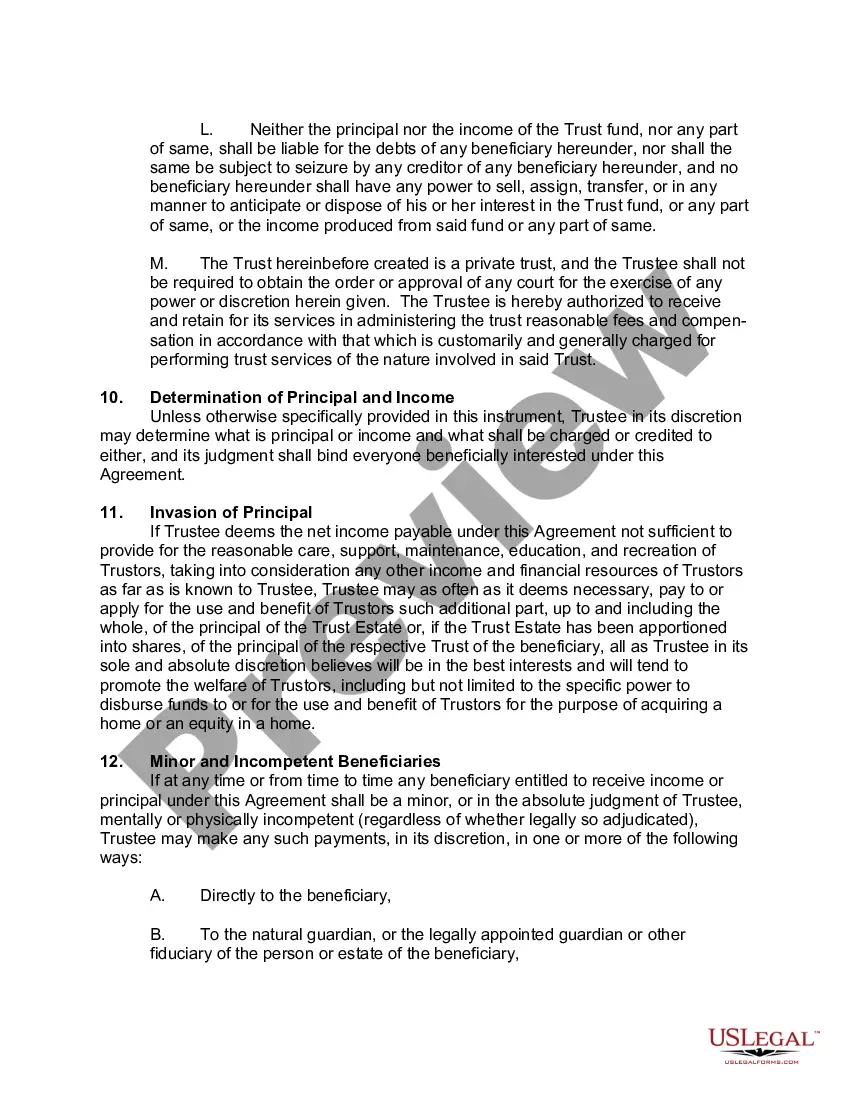
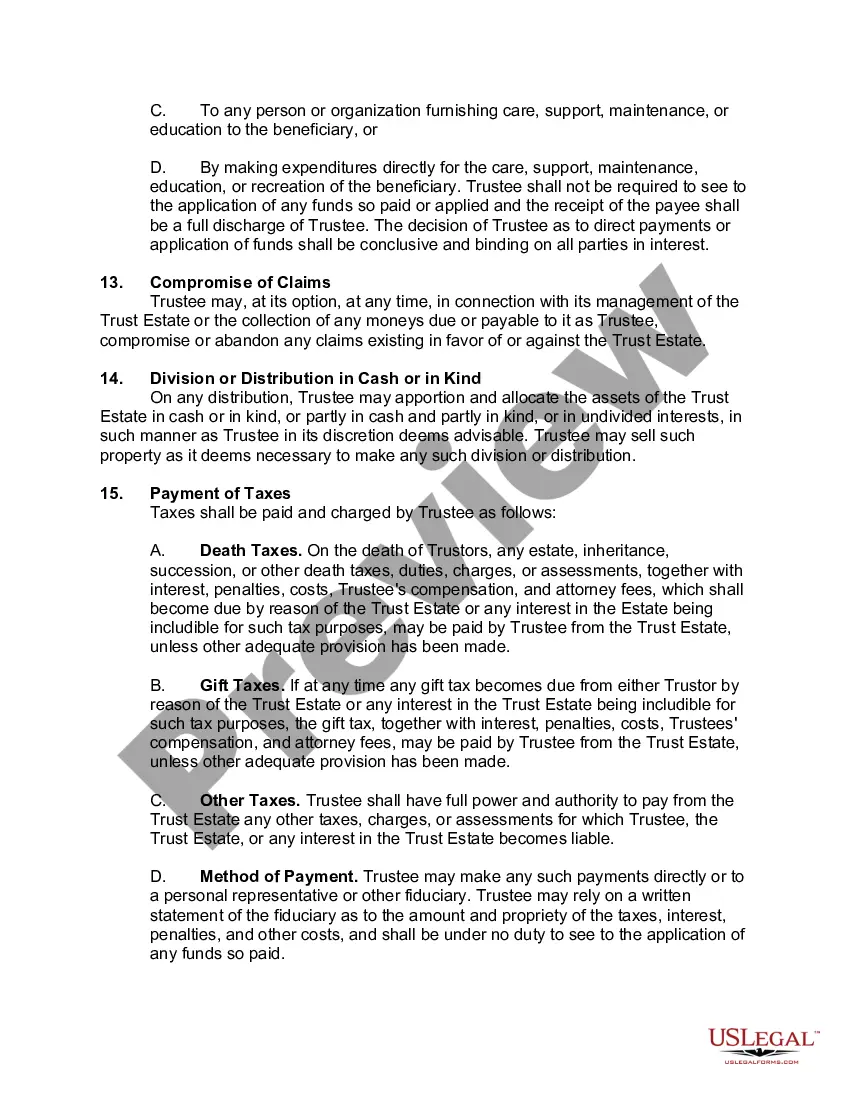
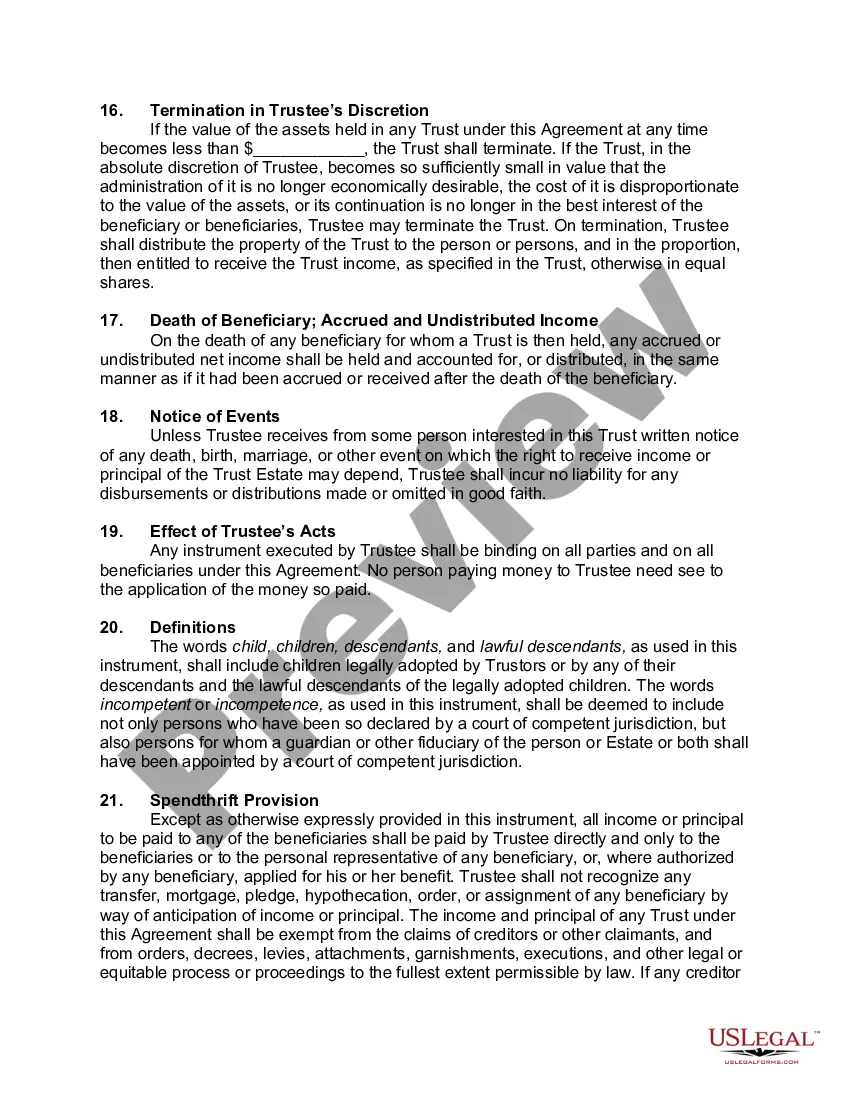
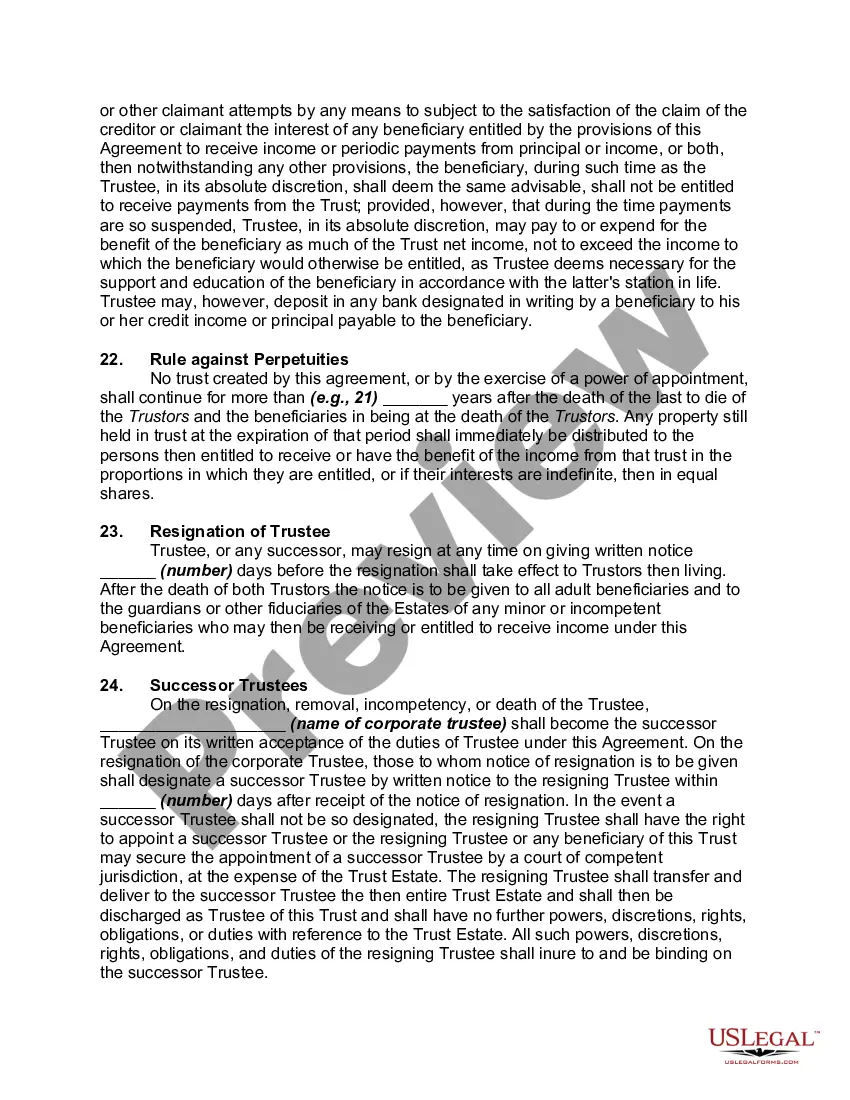
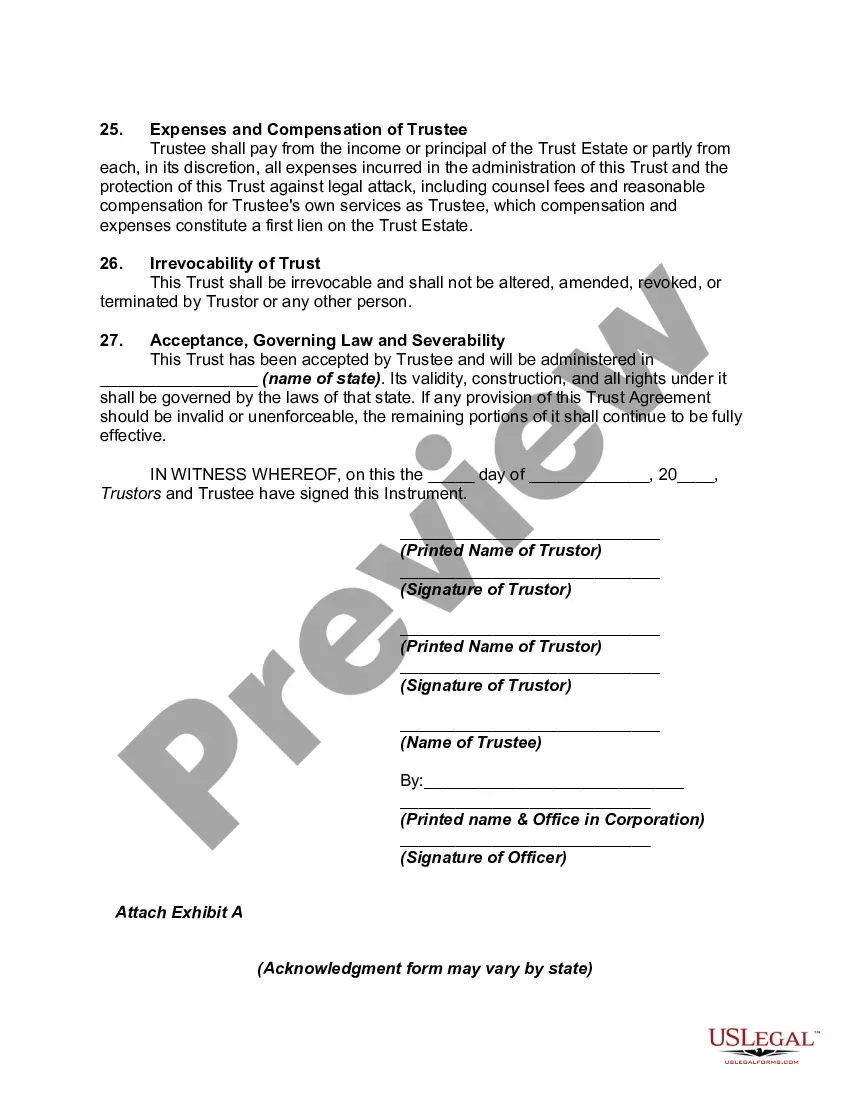
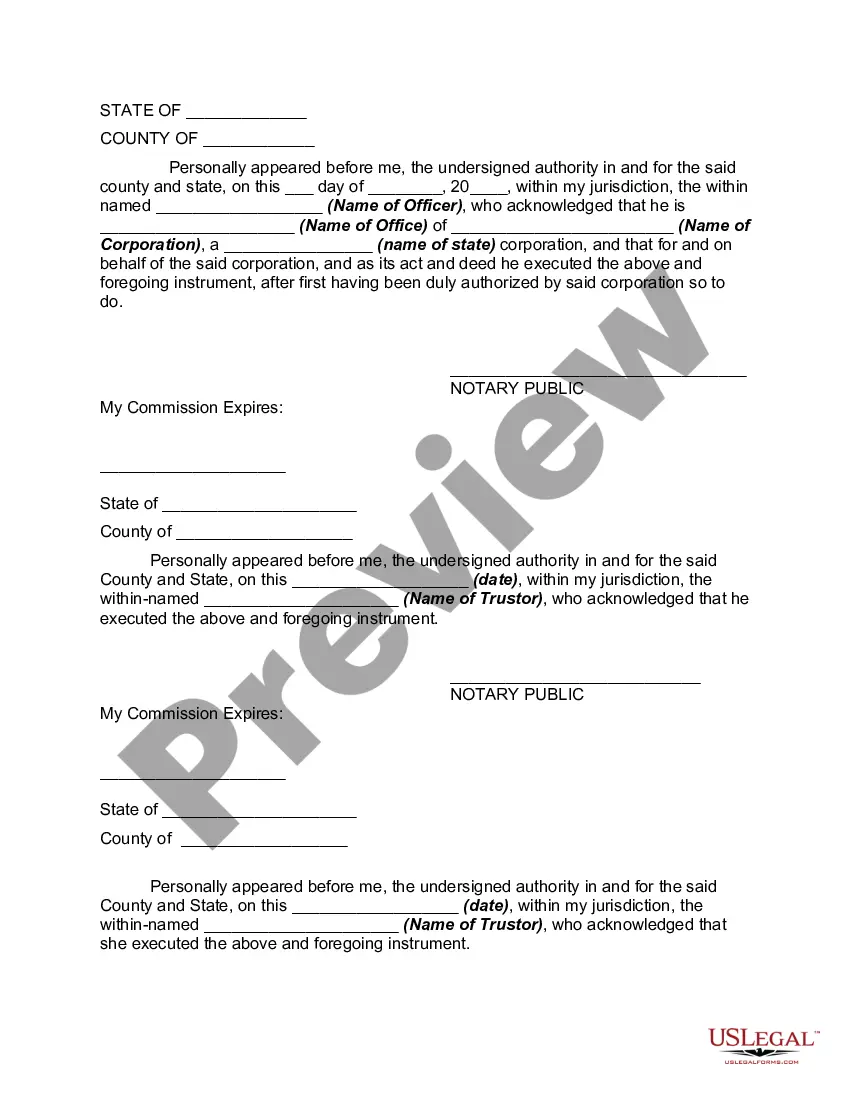

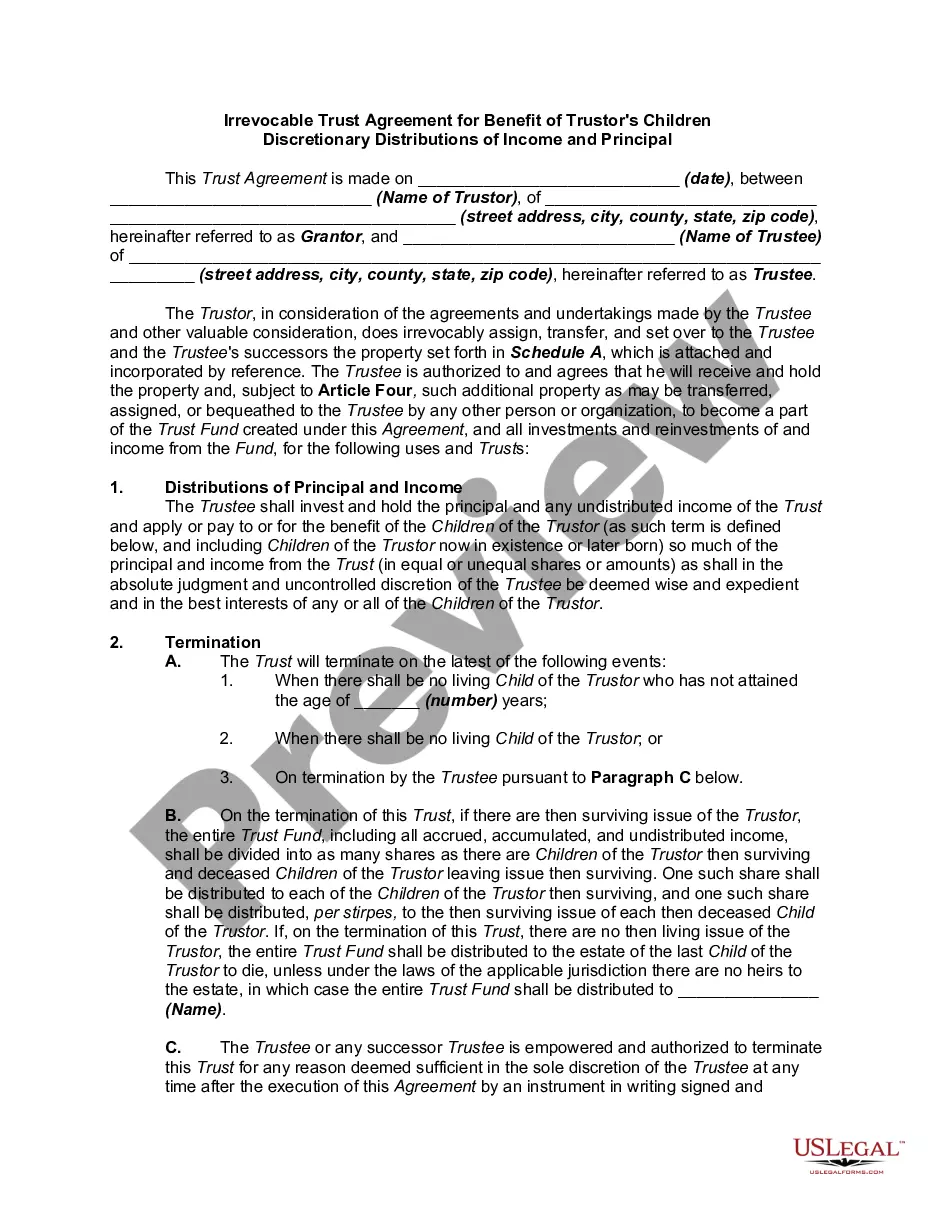
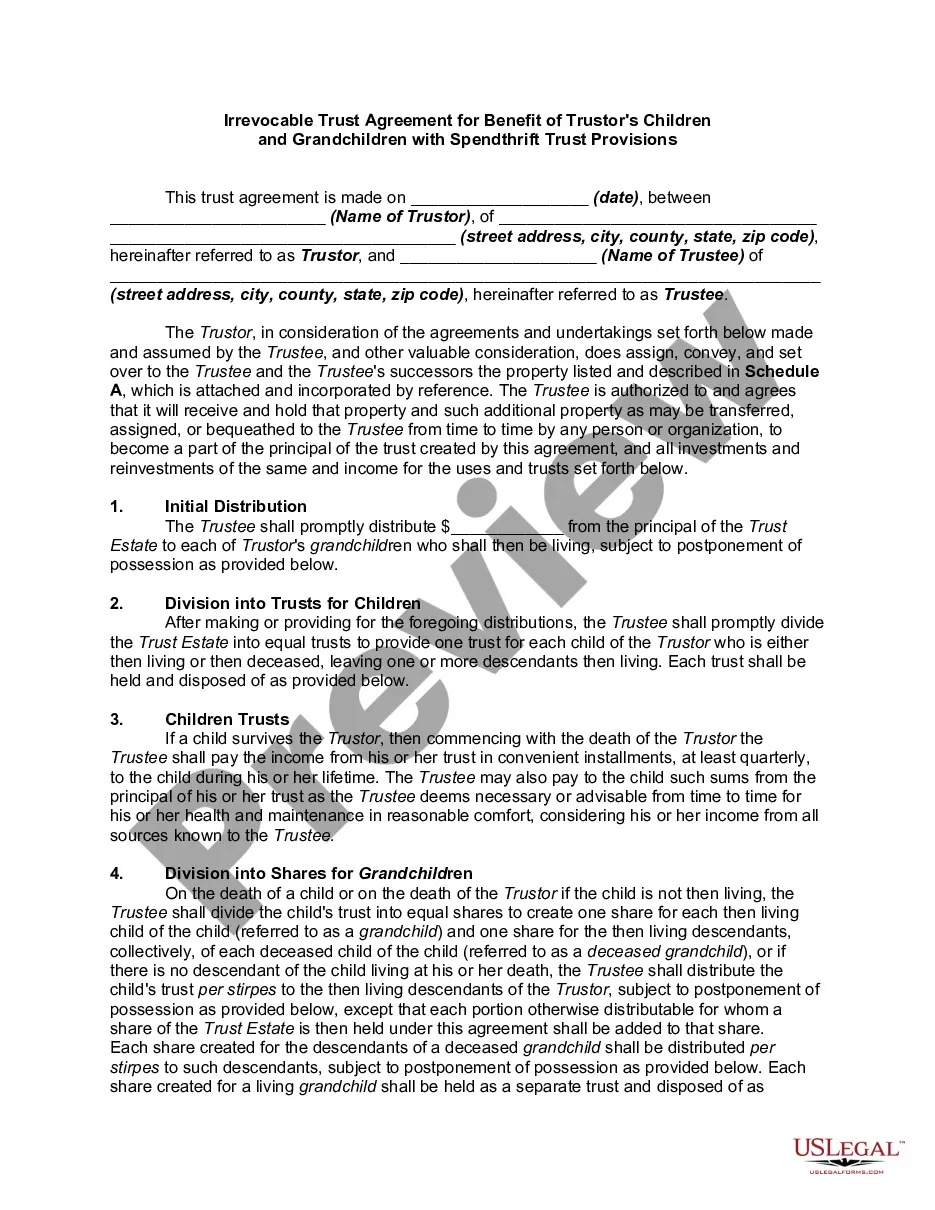

Get your form ready online
Our built-in tools help you complete, sign, share, and store your documents in one place.
Make edits, fill in missing information, and update formatting in US Legal Forms—just like you would in MS Word.
Download a copy, print it, send it by email, or mail it via USPS—whatever works best for your next step.
Sign and collect signatures with our SignNow integration. Send to multiple recipients, set reminders, and more. Go Premium to unlock E-Sign.
If this form requires notarization, complete it online through a secure video call—no need to meet a notary in person or wait for an appointment.
We protect your documents and personal data by following strict security and privacy standards.

Make edits, fill in missing information, and update formatting in US Legal Forms—just like you would in MS Word.

Download a copy, print it, send it by email, or mail it via USPS—whatever works best for your next step.

Sign and collect signatures with our SignNow integration. Send to multiple recipients, set reminders, and more. Go Premium to unlock E-Sign.

If this form requires notarization, complete it online through a secure video call—no need to meet a notary in person or wait for an appointment.

We protect your documents and personal data by following strict security and privacy standards.
Looking for another form?

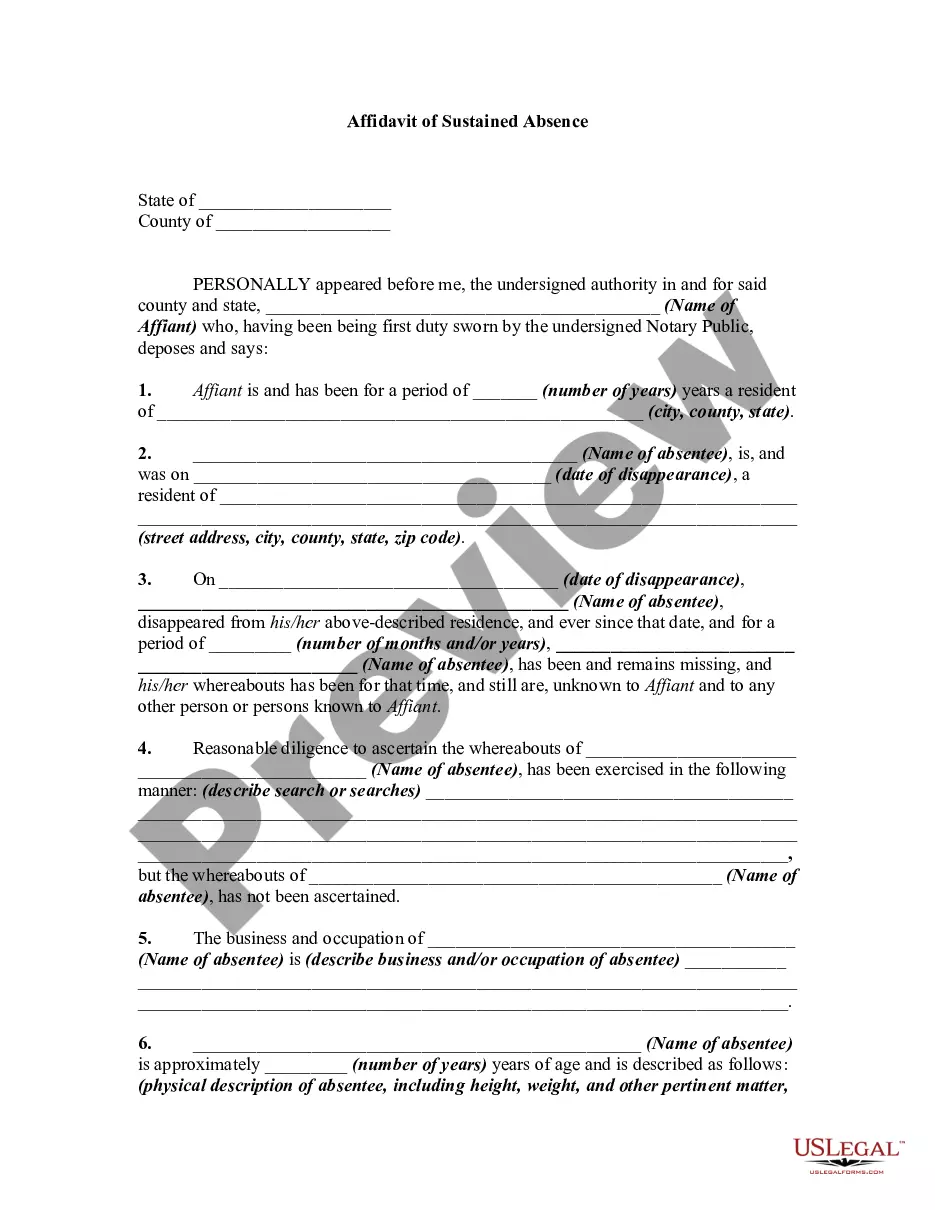




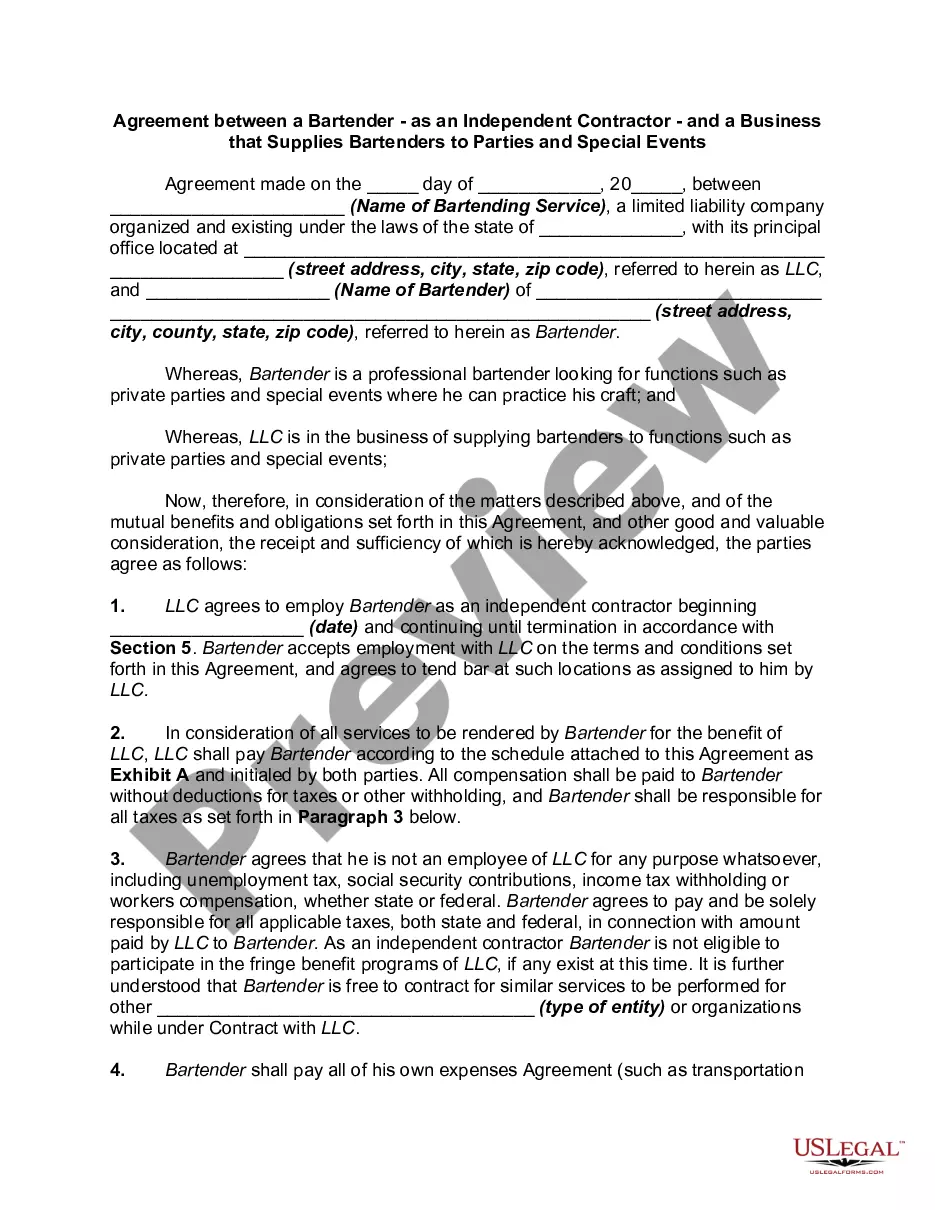
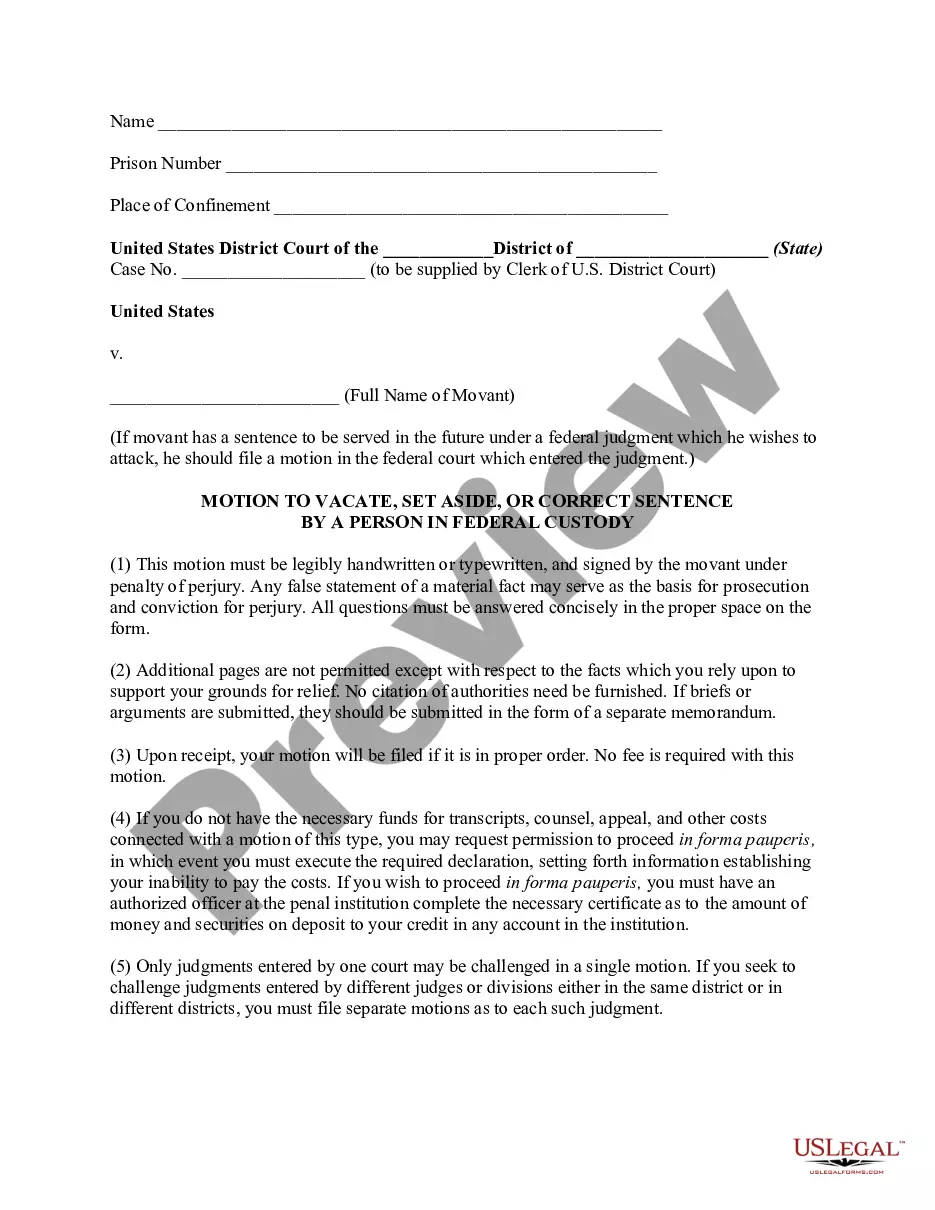
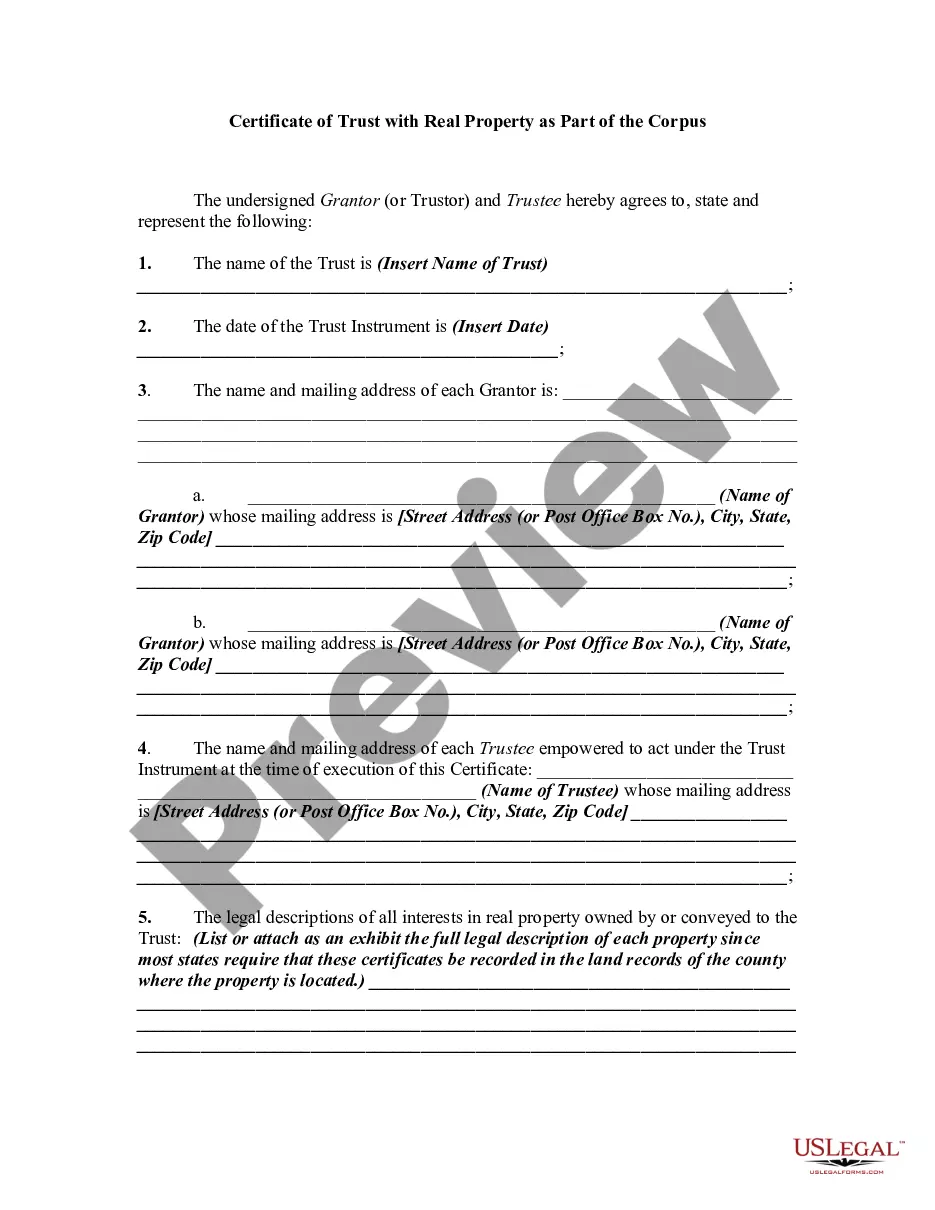

How to fill out Irrevocable Trust Agreement With Joint Trustors For Benefit Of Their Children With Spendthrift Trust Provisions?
Legal paperwork management can be exasperating, even for the most seasoned professionals.
When you are in search of an Irrevocable Life Insurance Trust Form For Beneficiary and lack the time to dedicate to finding the accurate and current version, the procedures can be taxing.
Access state- or county-specific legal and business documents. US Legal Forms addresses any requirements you may have, from personal to corporate paperwork, all in one place.
Employ advanced tools to fill out and oversee your Irrevocable Life Insurance Trust Form For Beneficiary.
Here are the steps to follow after downloading the form you need: Confirm it is the correct form by previewing it and checking its details.
- Access a valuable repository of articles, guides, and resources relevant to your situation and needs.
- Save time and effort searching for the forms you require, and utilize US Legal Forms’ enhanced search and Preview tool to locate the Irrevocable Life Insurance Trust Form For Beneficiary and obtain it.
- If you hold a subscription, Log In to your US Legal Forms account, search for the form, and acquire it.
- Check your My documents tab to review the documents you have previously downloaded and manage your folders as desired.
- If you are a first-time user of US Legal Forms, set up an account to gain unrestricted access to all the advantages of the library.
- A comprehensive online form directory could be transformative for anyone aiming to handle these matters proficiently.
- US Legal Forms stands as a frontrunner in online legal documents, offering over 85,000 state-specific legal forms accessible to you anytime.
- With US Legal Forms, you can.
Form popularity
FAQ
One significant disadvantage of an irrevocable insurance trust is the lack of flexibility; once established, you cannot easily change its terms or reclaim assets. Additionally, using the irrevocable life insurance trust form for beneficiary may result in relinquishing ownership and control over the policy. It's essential to weigh these drawbacks against potential tax benefits to make informed decisions about your estate planning.
The 3 year rule works by requiring that any asset transferred into an irrevocable trust is taxed if the grantor dies within three years post-transfer. The IRS looks closely at these transactions to prevent avoidance of estate taxes. By understanding this rule, you can create an effective strategy with the irrevocable life insurance trust form for beneficiary, ensuring that your loved ones receive the intended benefits.
The 3 year rule for irrevocable trusts generally indicates that assets transferred into such trusts count towards your estate if you die within three years of the transfer. This rule applies to various types of assets, not just life insurance. When using the irrevocable life insurance trust form for beneficiary, being aware of this rule is crucial in estate planning.
The 3 year rule for irrevocable life insurance trusts states that any life insurance policy transferred into the trust will be included in your gross estate if you pass away within three years of the transfer. Therefore, to effectively use the irrevocable life insurance trust form for beneficiary purposes, it is vital to plan for this timing. You want to establish the trust well in advance of your passing to ensure it works as intended.
The 3 year look back rule refers to a period during which the IRS can review your financial transactions related to life insurance. If you transferred ownership of a policy or created an irrevocable life insurance trust form for beneficiary purposes within this timeframe, it might affect your estate tax liability. Understanding this rule helps ensure that your planning maximizes benefits without unintended tax consequences.
An irrevocable life insurance trust can be a beneficial strategy for estate planning, especially if you aim to minimize estate taxes and protect your assets. This trust allows you to designate beneficiaries, ensuring they receive financial support without probate delays. By using the irrevocable life insurance trust form for beneficiary, you can secure peace of mind knowing your loved ones are taken care of.
To apply for an irrevocable trust, you’ll need to draft a trust agreement and submit the necessary documentation to your chosen trustee. You can also utilize resources like the irrevocable life insurance trust form for beneficiary available at US Legal Forms to streamline the creation process. Ensuring all legal requirements are met is essential for the trust to be recognized by the court.
Creating an irrevocable life insurance trust involves drafting a trust document, choosing a trustee, and transferring the life insurance policy into the trust. You will need to accurately fill out the irrevocable life insurance trust form for beneficiary to establish your wishes clearly. Consulting with a legal professional can facilitate the process and ensure your trust meets all legal requirements.
Yes, you can create an irrevocable trust yourself, but it can be complex. To ensure compliance with state laws and proper execution, it is often advisable to seek assistance from legal experts. Resources like the irrevocable life insurance trust form for beneficiary from US Legal Forms provide guidance, helping you navigate the intricacies of setting up an irrevocable trust.
The 3-year rule states that if you establish an irrevocable life insurance trust and transfer assets into it, those assets may be subject to estate taxes if you pass away within three years of the transfer. This rule emphasizes the importance of careful planning and timing. To secure benefits, it’s crucial to understand how the irrevocable life insurance trust form for beneficiary works in relation to the estate tax implications.