Living Trust
Description



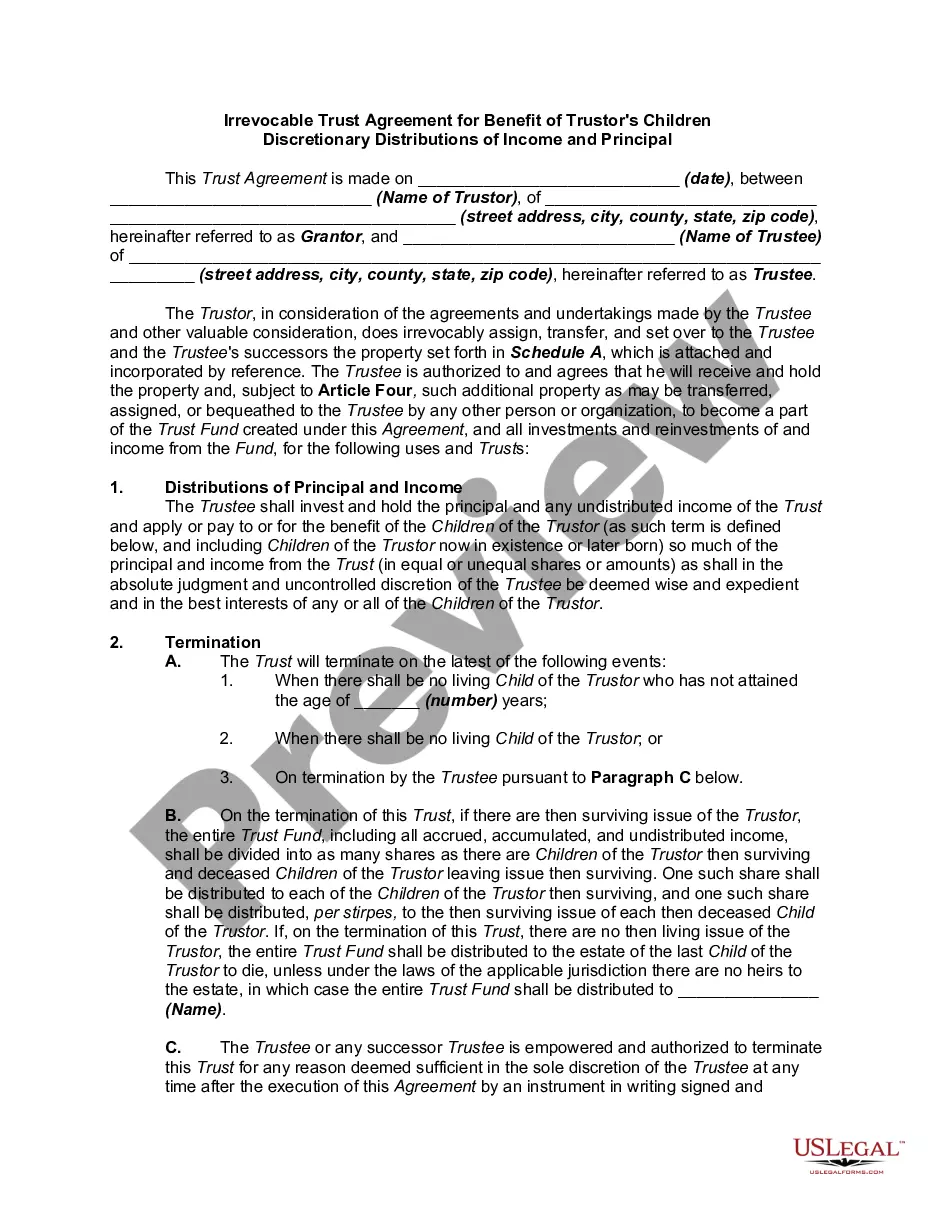
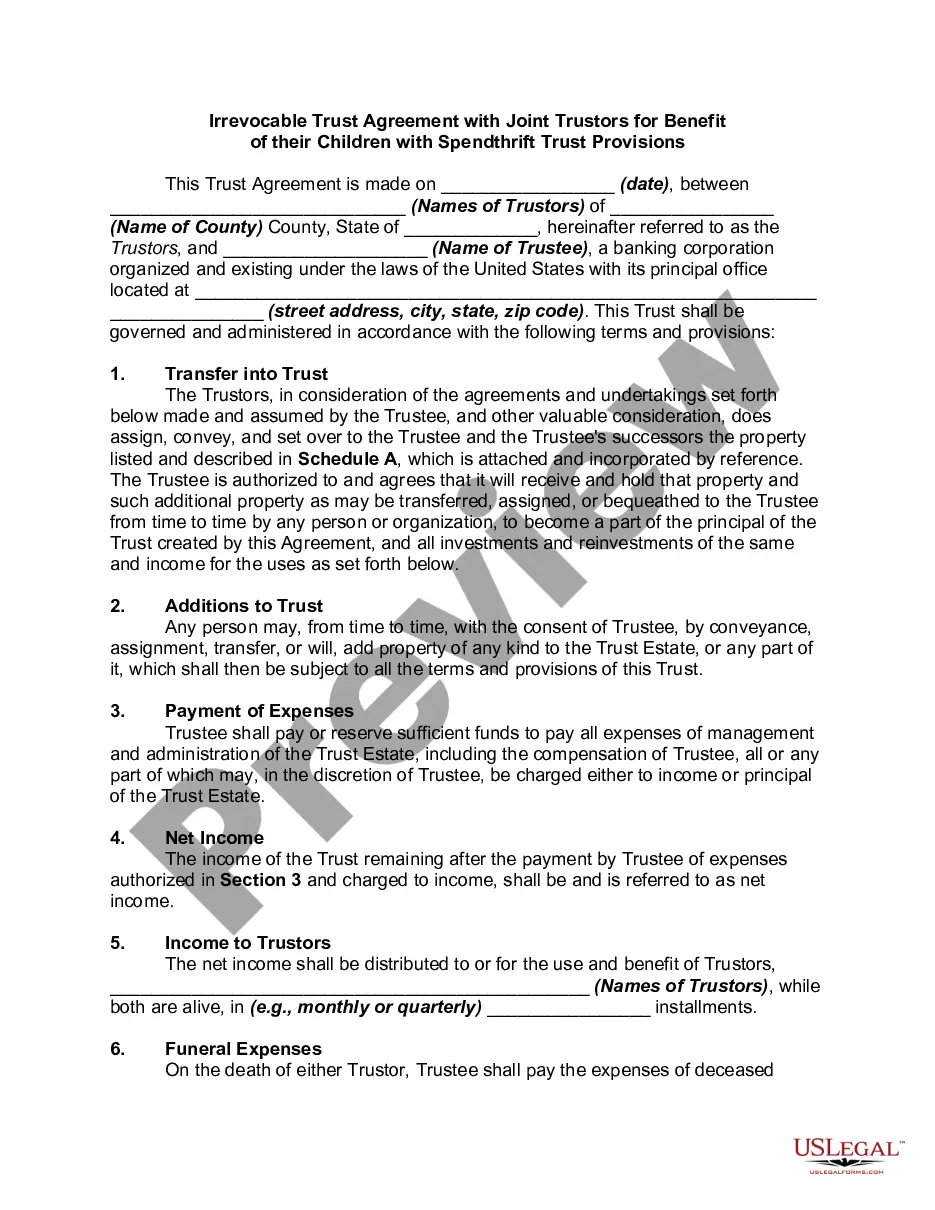
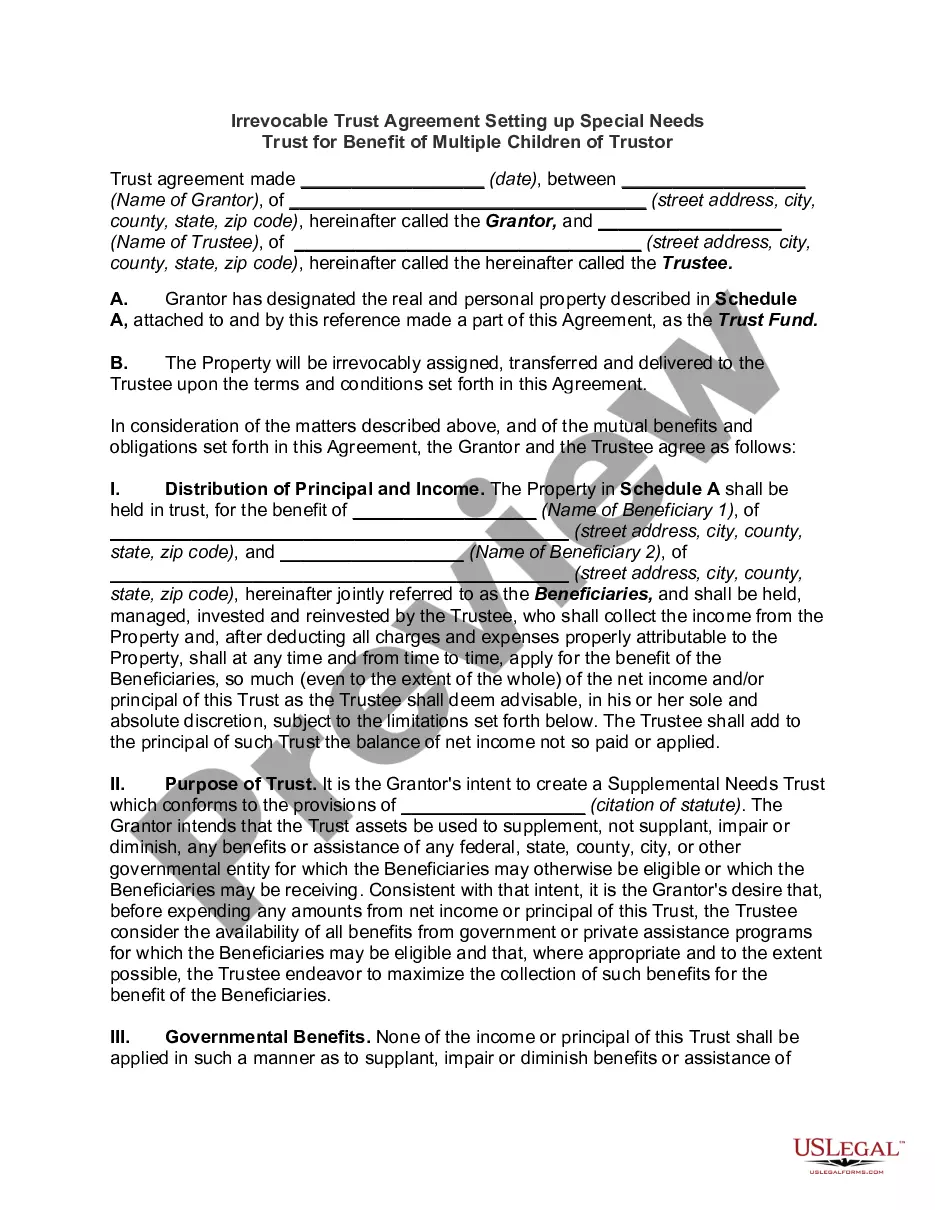
Get your form ready online
Our built-in tools help you complete, sign, share, and store your documents in one place.
Make edits, fill in missing information, and update formatting in US Legal Forms—just like you would in MS Word.
Download a copy, print it, send it by email, or mail it via USPS—whatever works best for your next step.
Sign and collect signatures with our SignNow integration. Send to multiple recipients, set reminders, and more. Go Premium to unlock E-Sign.
If this form requires notarization, complete it online through a secure video call—no need to meet a notary in person or wait for an appointment.
We protect your documents and personal data by following strict security and privacy standards.

Make edits, fill in missing information, and update formatting in US Legal Forms—just like you would in MS Word.

Download a copy, print it, send it by email, or mail it via USPS—whatever works best for your next step.

Sign and collect signatures with our SignNow integration. Send to multiple recipients, set reminders, and more. Go Premium to unlock E-Sign.

If this form requires notarization, complete it online through a secure video call—no need to meet a notary in person or wait for an appointment.

We protect your documents and personal data by following strict security and privacy standards.
Looking for another form?




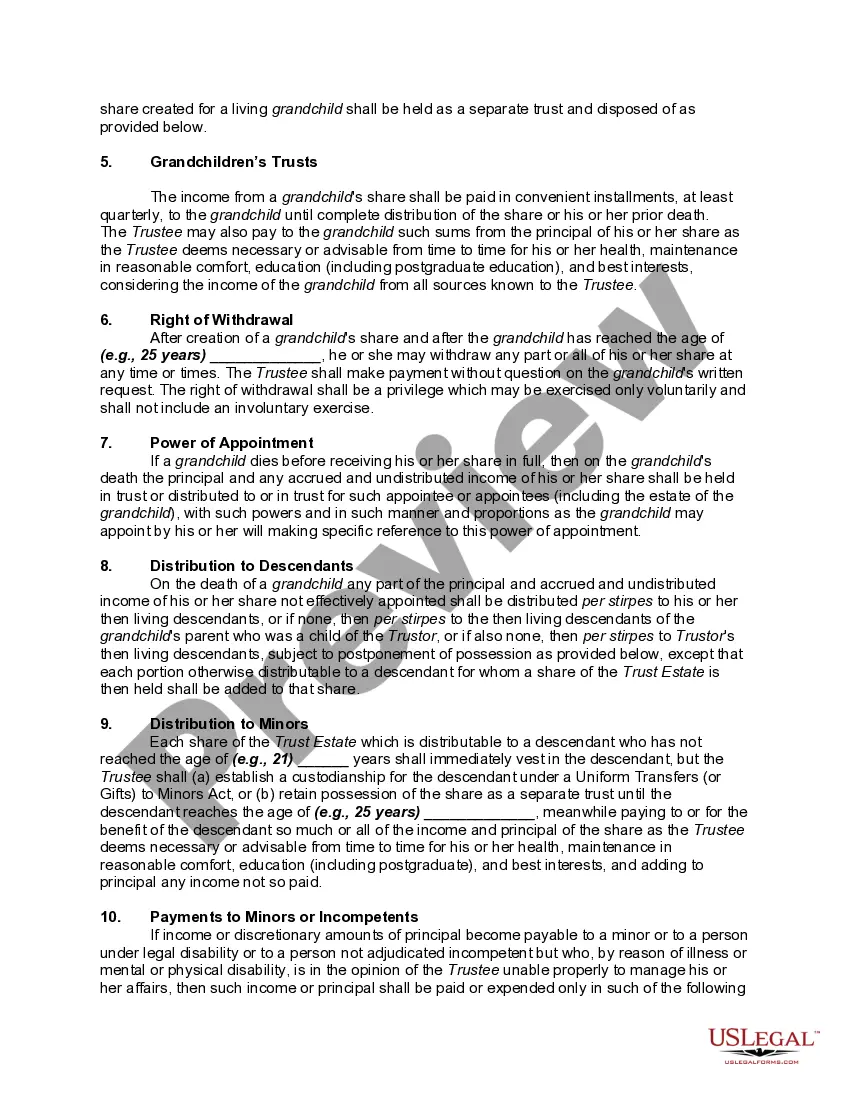
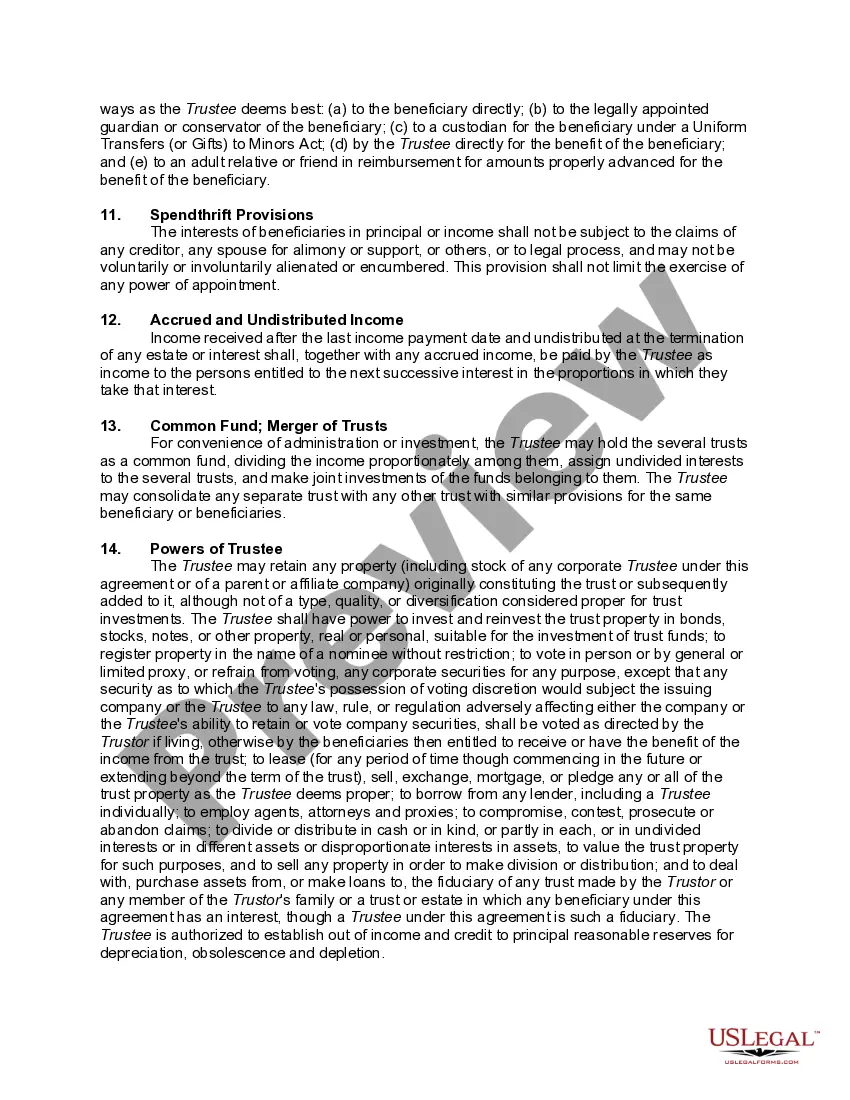
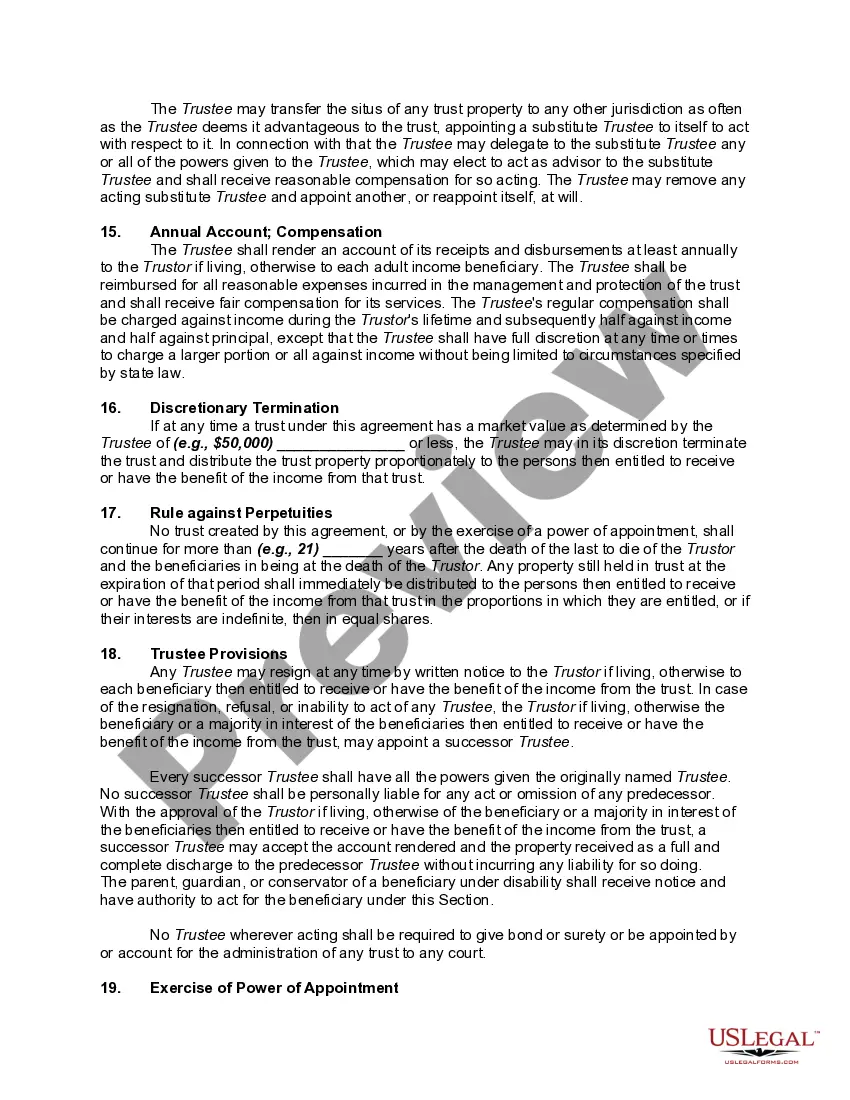
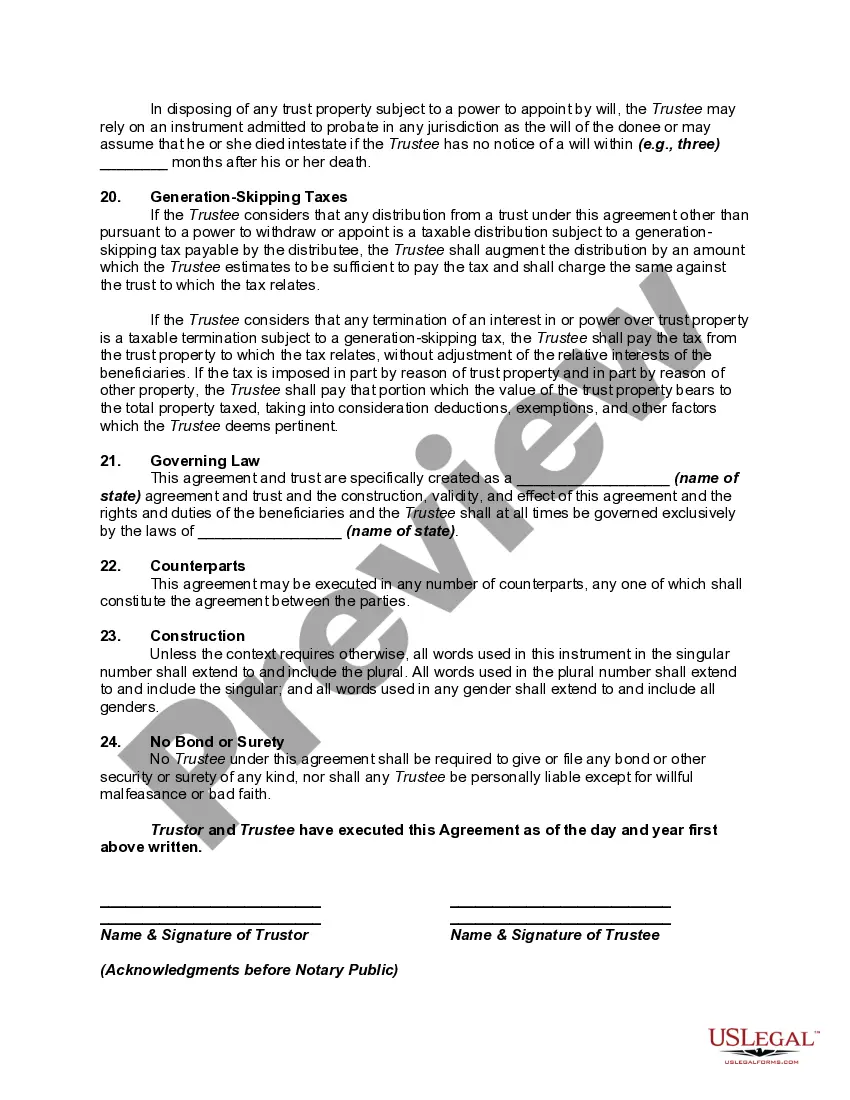
How to fill out Irrevocable Trust Agreement For Benefit Of Trustor's Children And Grandchildren With Spendthrift Trust Provisions?
- Log in to your US Legal Forms account if you're a returning user. Ensure your subscription is active for uninterrupted access.
- For first-time users, begin by reviewing the available living trust templates. Check the descriptions to find one that aligns with your specific needs and local requirements.
- If necessary, utilize the search feature to find an alternative template that better fits your situation.
- Select your desired document by clicking the 'Buy Now' button. Choose a subscription plan that works best for you and register your account.
- Complete your purchase securely by entering your payment information, either via credit card or PayPal.
- After your transaction, download the living trust form to your device. You can also revisit it anytime in the 'My Forms' section of your profile.
In conclusion, US Legal Forms makes it simple to create a legally sound living trust, thanks to its extensive collection of easily editable documents and expert assistance.
Start your estate planning journey today by visiting US Legal Forms and empowering your future!
Form popularity
FAQ
Several factors can render a living trust invalid, such as improper execution, lack of capacity, or failure to fund the trust correctly. Additionally, if the trust does not comply with state laws, it may be deemed invalid. Ensuring all legal requirements are met is essential for a valid living trust. You can use resources like USLegalForms to ensure your living trust is set up and maintained correctly.
Whether your trust needs to file a tax return depends on its activities. For a living trust, if it earns income, you may need to file a tax return for the trust itself once you pass away. It's important to differentiate between revocable and irrevocable trusts, as their filing requirements can vary significantly. Partnering with USLegalForms can provide clarity on tax obligations related to your living trust.
A living trust itself does not require a separate tax filing while you are alive, as it generally operates under your tax identification number. However, if the trust generates income, you must report that on your personal tax return. Be sure to keep good records, as this information could affect your taxes. Using platforms like USLegalForms can help you organize and understand your living trust more effectively.
If you don't file taxes on a trust, you may face penalties and interest from the IRS. A living trust, although it typically doesn't need a separate tax return during the grantor's lifetime, must follow tax rules correctly to ensure compliance. Ignoring your tax obligations could also create complications for your beneficiaries. It's always wise to consult with a tax professional to understand your responsibilities regarding your living trust.
There is no strict minimum amount required to establish a living trust; however, it's often recommended to have enough assets to make it worthwhile. A good rule of thumb is to have assets valued at least $100,000. Setting up a living trust incurs costs, so it makes sense to ensure that the benefits surpass the expenses. Using services like US Legal Forms can guide you through the process, making it easier to determine if a living trust makes sense for you.
In Texas, one disadvantage of a living trust is the complexity of the setup process. Unlike a will, which is straightforward, a living trust requires more detailed planning and asset transfers. There may also be ongoing costs and maintenance to keep the trust funded and updated. It's important to weigh these factors carefully before moving forward with a living trust.
The primary purpose of a living trust is to manage and protect your assets during your lifetime and to streamline their distribution after your death. By having a living trust, you can avoid the costly and lengthy probate process, allowing your beneficiaries to access their inheritance more quickly. This option also offers flexibility, as you can change the trust terms anytime while you are alive.
Yes, placing your house in a trust in Texas can provide multiple benefits. It helps avoid probate, making the transfer of property easier for your heirs. Additionally, a living trust can protect your home’s privacy, as it does not go through the public probate process. However, it’s essential to consult with a legal expert to ensure proper execution.
One of the most significant mistakes parents make when establishing a trust fund is not adequately communicating their intentions to their children. Some parents set up a living trust with detailed instructions but fail to discuss their goals with beneficiaries. This lack of communication can lead to confusion and conflict later on. Ensuring that all parties understand the purpose and stipulations of the trust will help avoid unnecessary complications.
Placing your house in a living trust can lead to potential disadvantages. One concern is that transferring property may trigger reassessment for property tax purposes, leading to increased taxes. Additionally, if a mortgage exists, you might need to seek lender approval to ensure a smooth transfer. It's essential to weigh these aspects and consult a professional or use platforms like US Legal Forms for guidance.