Grantor Trust Entity
Description

Get your form ready online
Our built-in tools help you complete, sign, share, and store your documents in one place.
Make edits, fill in missing information, and update formatting in US Legal Forms—just like you would in MS Word.
Download a copy, print it, send it by email, or mail it via USPS—whatever works best for your next step.
Sign and collect signatures with our SignNow integration. Send to multiple recipients, set reminders, and more. Go Premium to unlock E-Sign.
If this form requires notarization, complete it online through a secure video call—no need to meet a notary in person or wait for an appointment.
We protect your documents and personal data by following strict security and privacy standards.

Make edits, fill in missing information, and update formatting in US Legal Forms—just like you would in MS Word.

Download a copy, print it, send it by email, or mail it via USPS—whatever works best for your next step.

Sign and collect signatures with our SignNow integration. Send to multiple recipients, set reminders, and more. Go Premium to unlock E-Sign.

If this form requires notarization, complete it online through a secure video call—no need to meet a notary in person or wait for an appointment.

We protect your documents and personal data by following strict security and privacy standards.
Looking for another form?

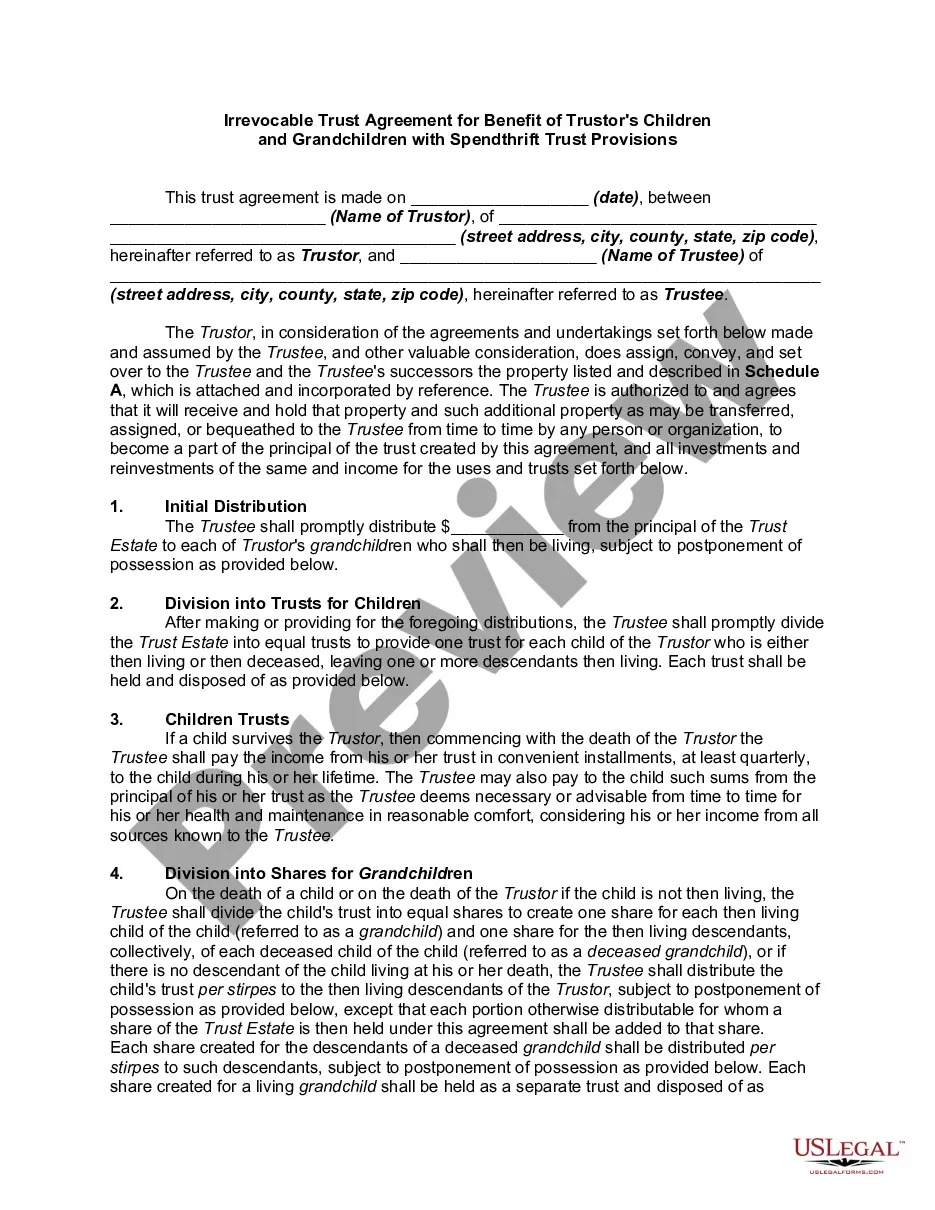
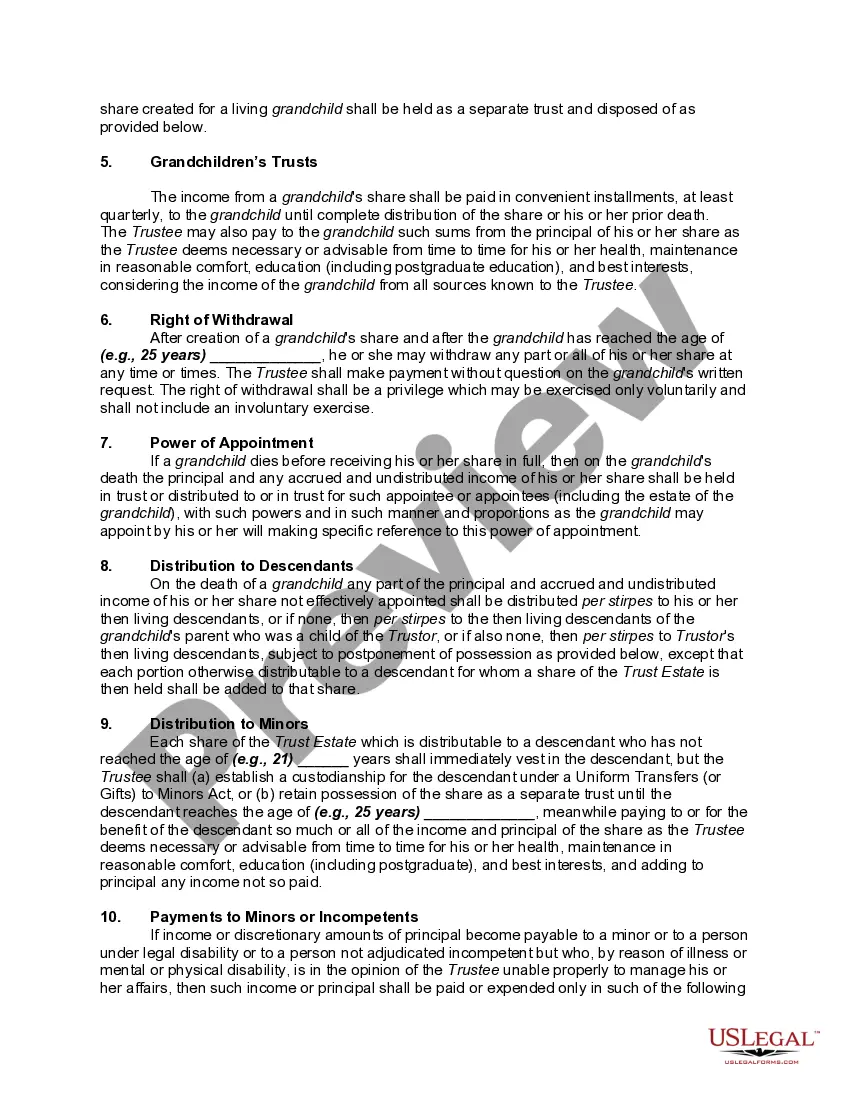
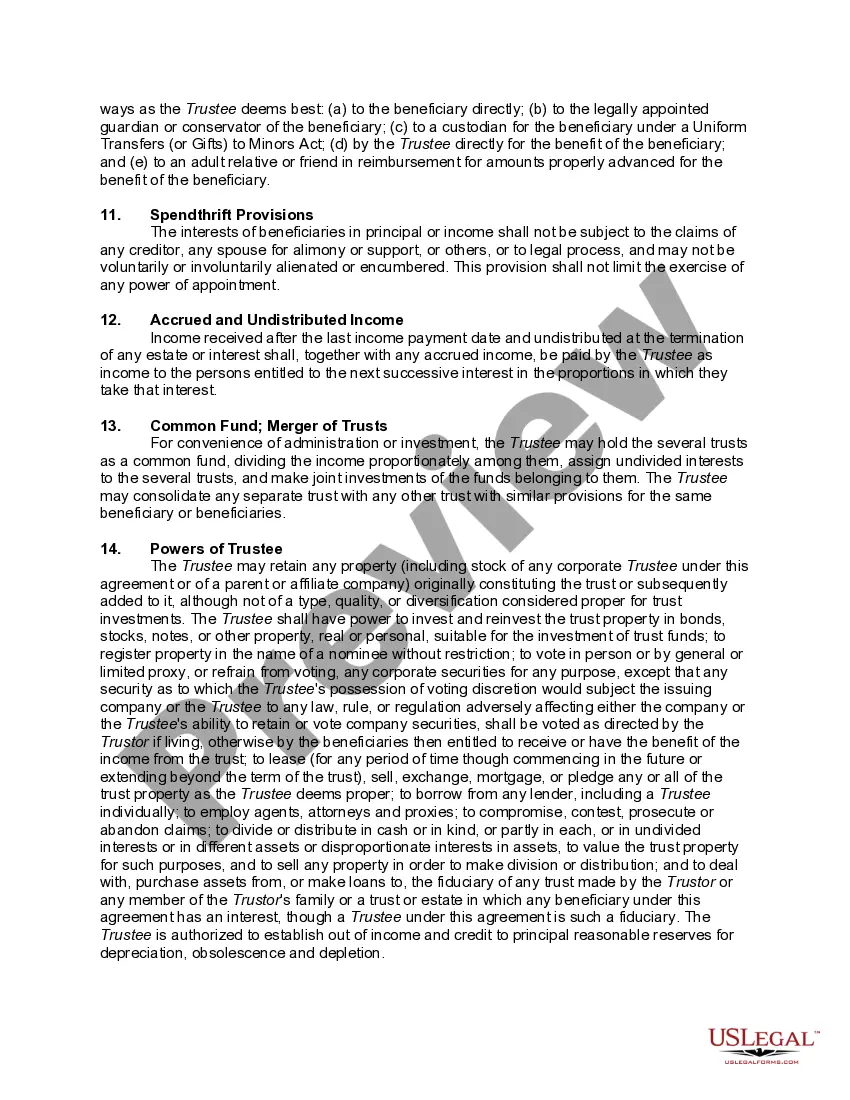
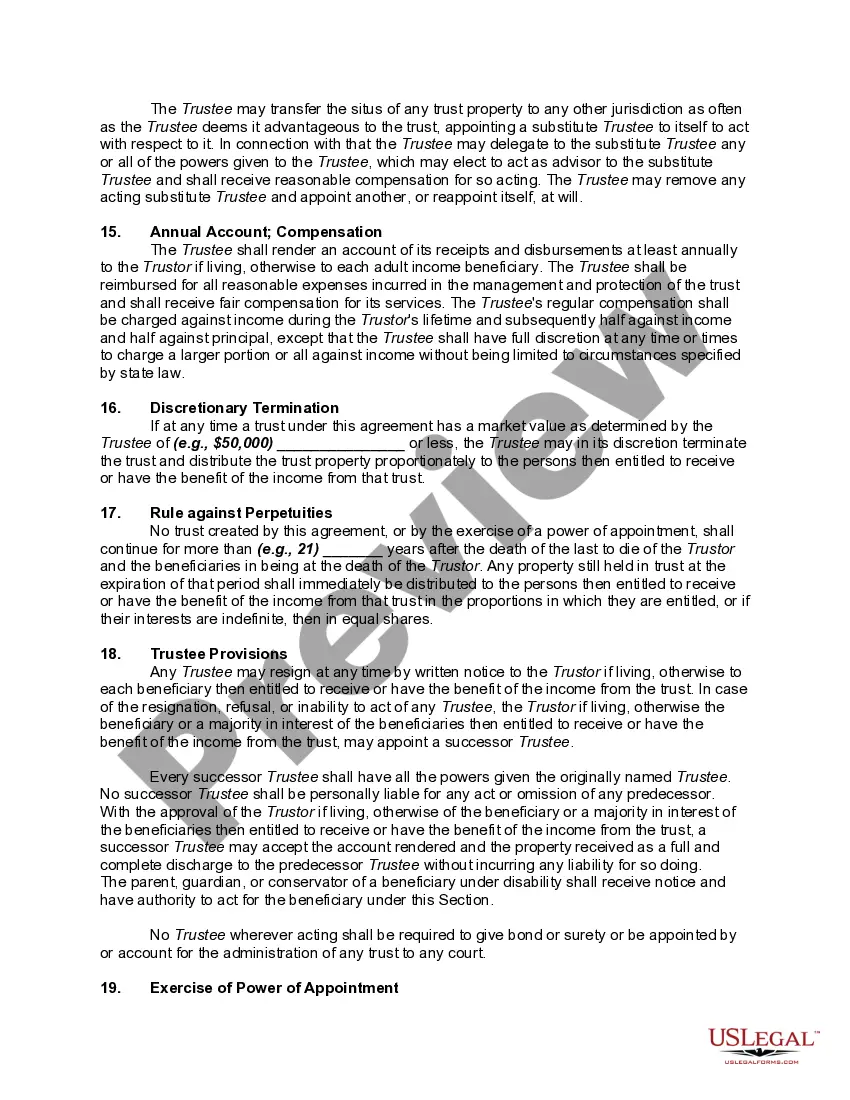
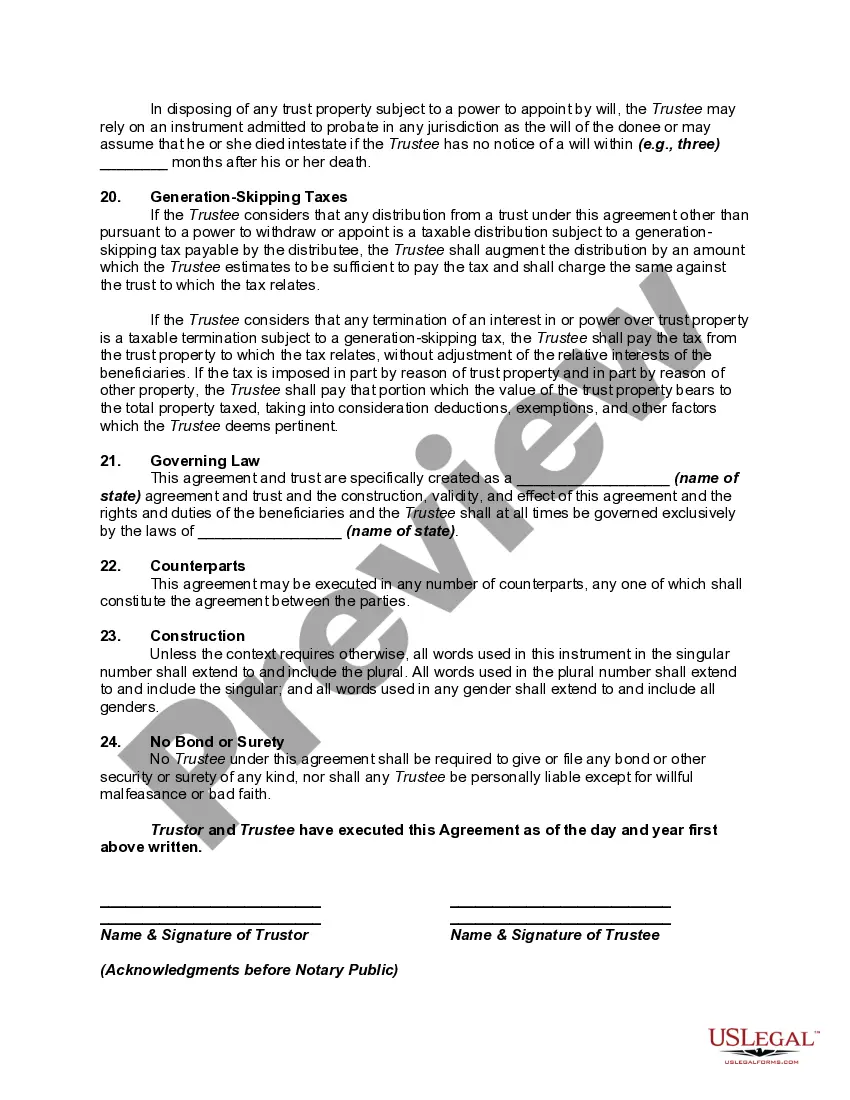
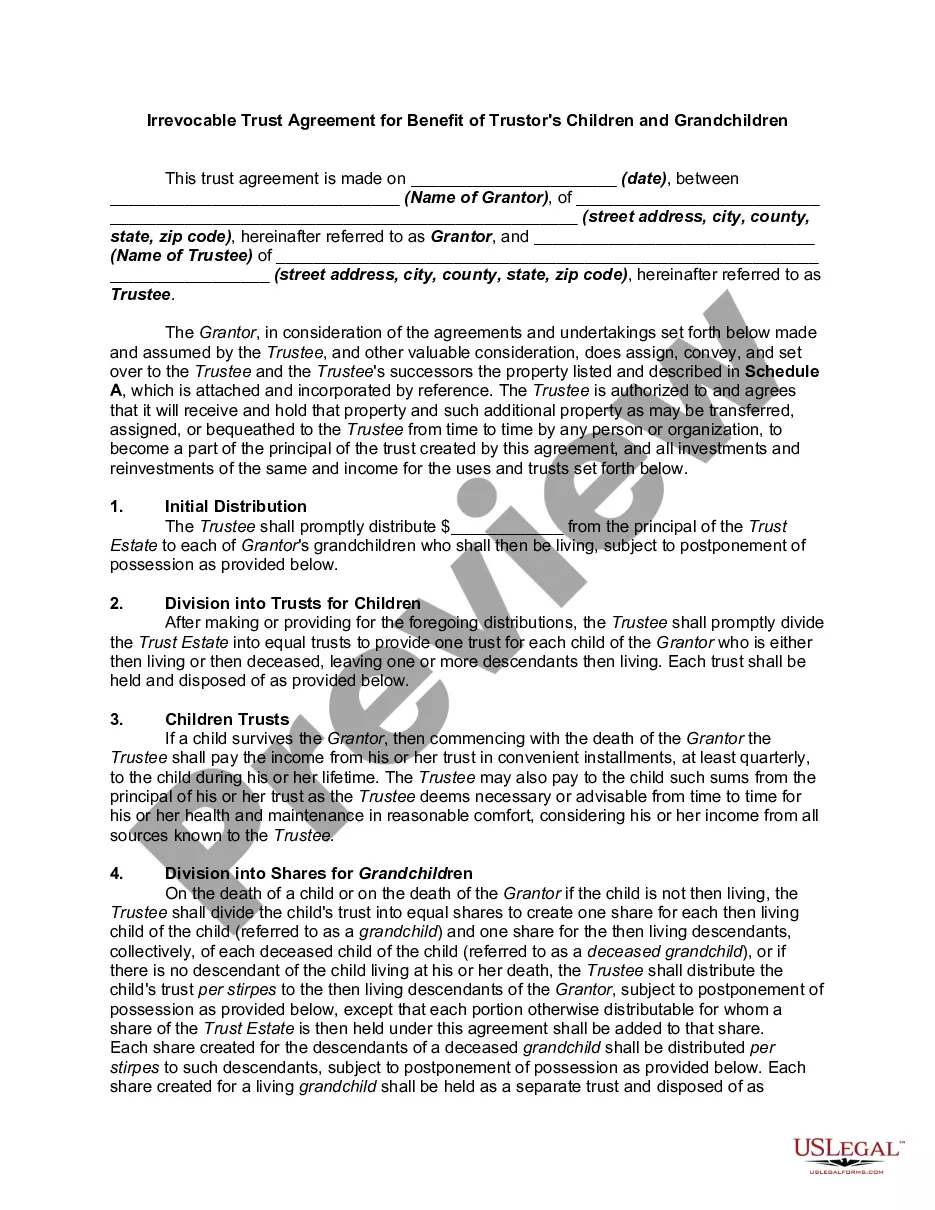
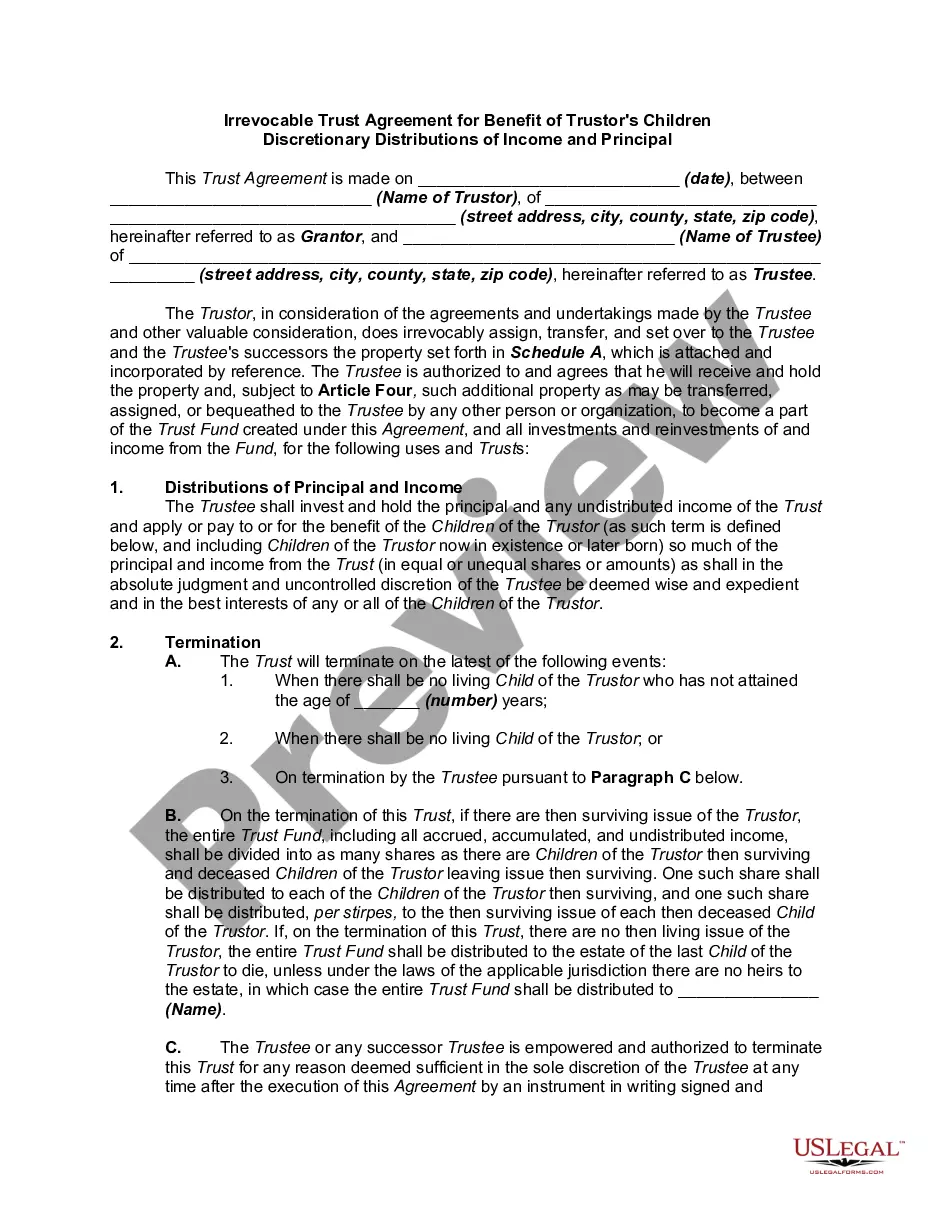
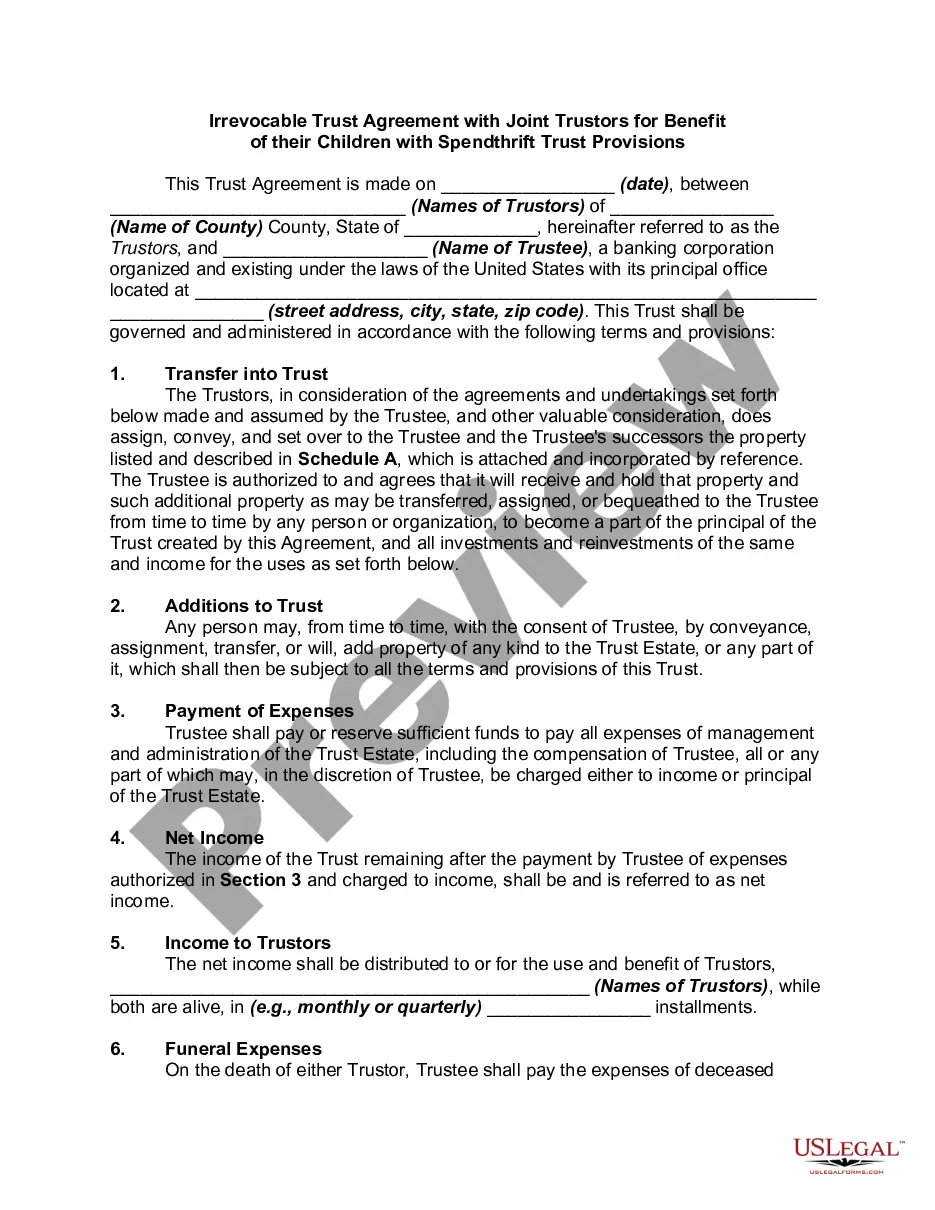
How to fill out Irrevocable Trust Agreement For Benefit Of Trustor's Children And Grandchildren With Spendthrift Trust Provisions?
- Log into your account on the US Legal Forms website and ensure your subscription is still active. If it's expired, renew it according to your chosen plan.
- Browse through the extensive library of forms. Use the Preview mode to check descriptions and confirm the form matches your state’s requirements.
- If necessary, utilize the Search functionality to locate the correct form that suits your needs.
- Select your template, then click the Buy Now button. Choose your preferred subscription plan, and register your account to access all resources.
- Complete your transaction by entering your payment details, either via credit card or PayPal.
- Download the completed form to your device. You will also find this template saved in the My Forms section of your profile for future access.
By following these steps, you can easily obtain the grantor trust entity document you need. US Legal Forms not only streamlines the process but also ensures that you have the most robust collection of forms at your fingertips.
Get started today and experience the convenience of US Legal Forms!
Form popularity
FAQ
Yes, it is possible to have a grantor trust entity without an EIN, especially during the grantor's lifetime. In this case, the income is reported directly on the grantor's personal tax return. However, this arrangement can change if the trust becomes irrevocable or if it becomes necessary to separate tax reporting. It's wise to explore your options with a qualified professional to ensure compliance with tax regulations.
When applying for an EIN for an irrevocable trust, the responsible party is typically the trustee of the trust. The trustee acts on behalf of the trust and its beneficiaries. This role includes handling all necessary tax matters, including obtaining an EIN if required. Utilizing platforms like US Legal Forms can provide clear guidance for trustees navigating this process.
Generally, a Form 1041, which is the U.S. Income Tax Return for Estates and Trusts, is not required for a grantor trust entity. Since the income is reported on the grantor's personal tax return, no separate trust return is necessary while the trust is revocable. However, if the trust becomes irrevocable, different filing requirements may come into play. It's advisable to consult with a tax professional to ensure compliance.
In a grantor trust entity, the income is reported by the grantor on their personal tax return. This arrangement ensures that the grantor retains control over the assets and income during their lifetime. It's important to recognize that this reporting method simplifies tax obligations for the grantor. Therefore, it streamlines the financial process significantly.
When the grantor of a revocable trust passes away, the trust generally does not need a new EIN immediately. The trust may require an EIN if it becomes irrevocable upon the grantor's death and starts filing separate tax returns. Transitioning the trust to an irrevocable grantor trust entity can involve additional administrative steps. Consulting a legal expert can offer clarity in these situations.
A grantor trust entity typically does not require a separate Employer Identification Number (EIN). Instead, the income and expenses of the grantor trust are reported on the grantor's personal tax return. This simplifies tax reporting and keeps the process straightforward. However, if the trust later becomes irrevocable, obtaining an EIN may be necessary.
A grantor trust is a specific type of trust where the grantor retains certain rights, making it a pass-through entity for tax purposes. It allows the income generated by the trust to be reported on the grantor's individual tax return. As such, the grantor trust entity provides both flexibility in asset management and potentially favorable tax treatment, which can be beneficial for estate planning strategies.
Another common example of a grantor trust is an irrevocable life insurance trust (ILIT). Here, the grantor funds the trust with life insurance policies, ensuring that the death benefit passes to beneficiaries without incurring estate taxes. This showcases the strategic benefits of the grantor trust entity, allowing for tax-efficient wealth transfer while providing peace of mind for the grantor.
An example of a grantor trust is a revocable living trust, where the grantor maintains control over the assets during their lifetime. In such trusts, the grantor can modify the terms or revoke the trust at any time. This type of trust exemplifies the grantor trust entity's flexibility, allowing individuals to manage how their assets are distributed after death while retaining control during their lifetime.
To determine if a trust is a grantor trust, review the trust agreement and look for clauses that indicate the grantor retains certain powers. If the grantor has control over trust assets, can revoke the trust, or has the ability to change beneficiaries, it is likely a grantor trust. This classification is crucial as it affects tax obligations and asset management considerations of the grantor trust entity.