Express Trust Template For A Trust
Description
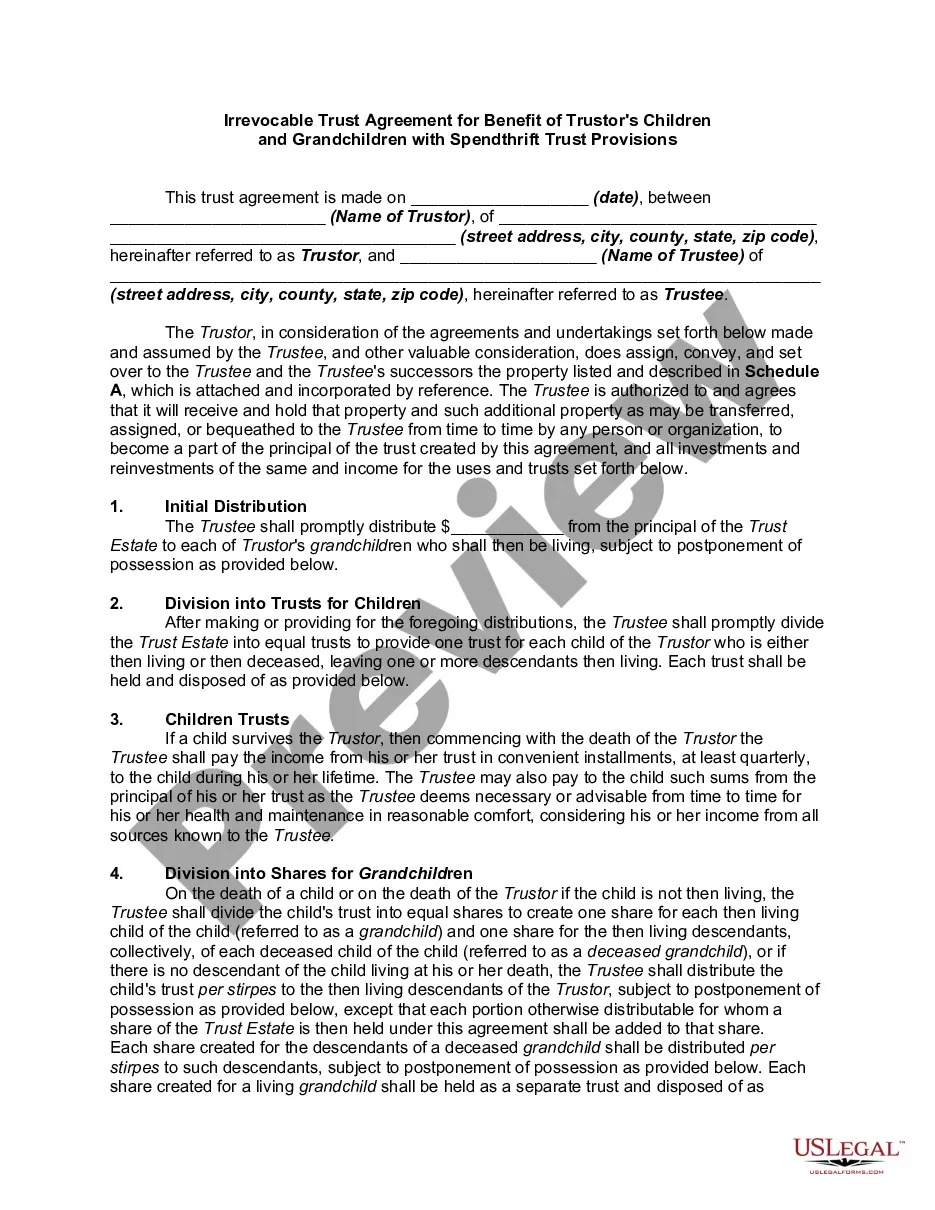
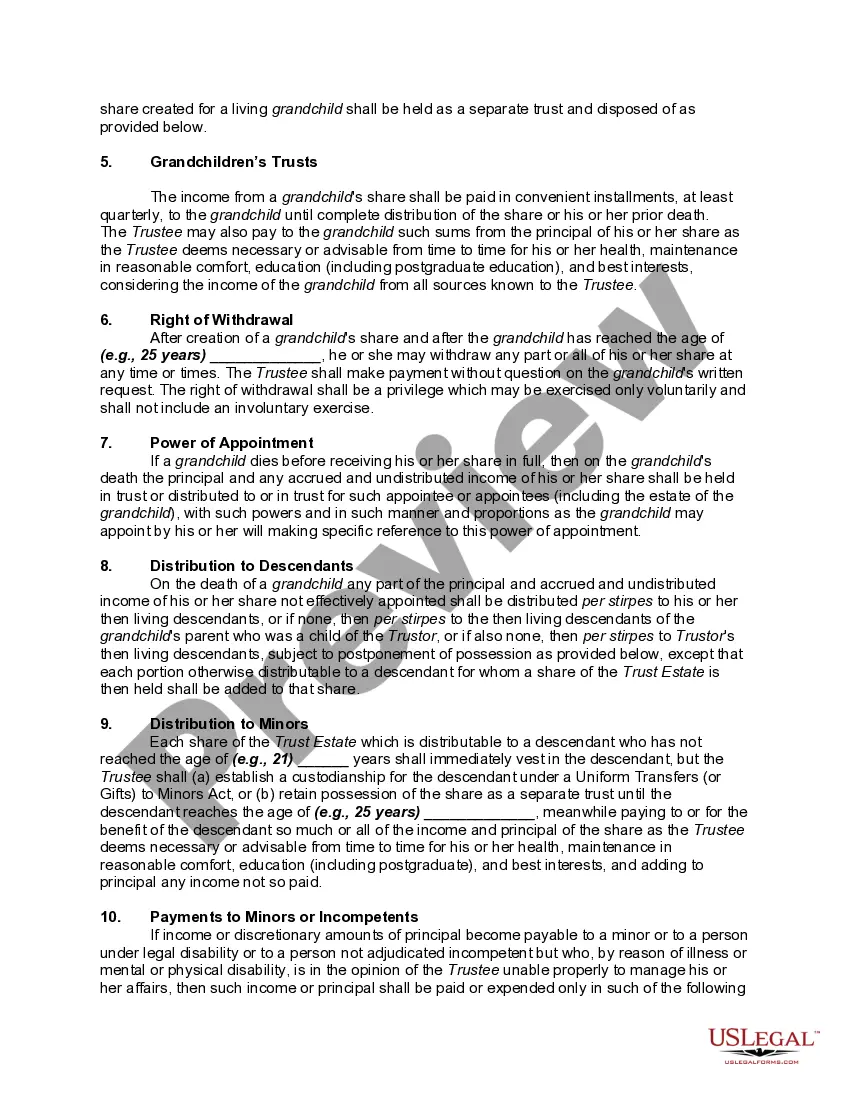
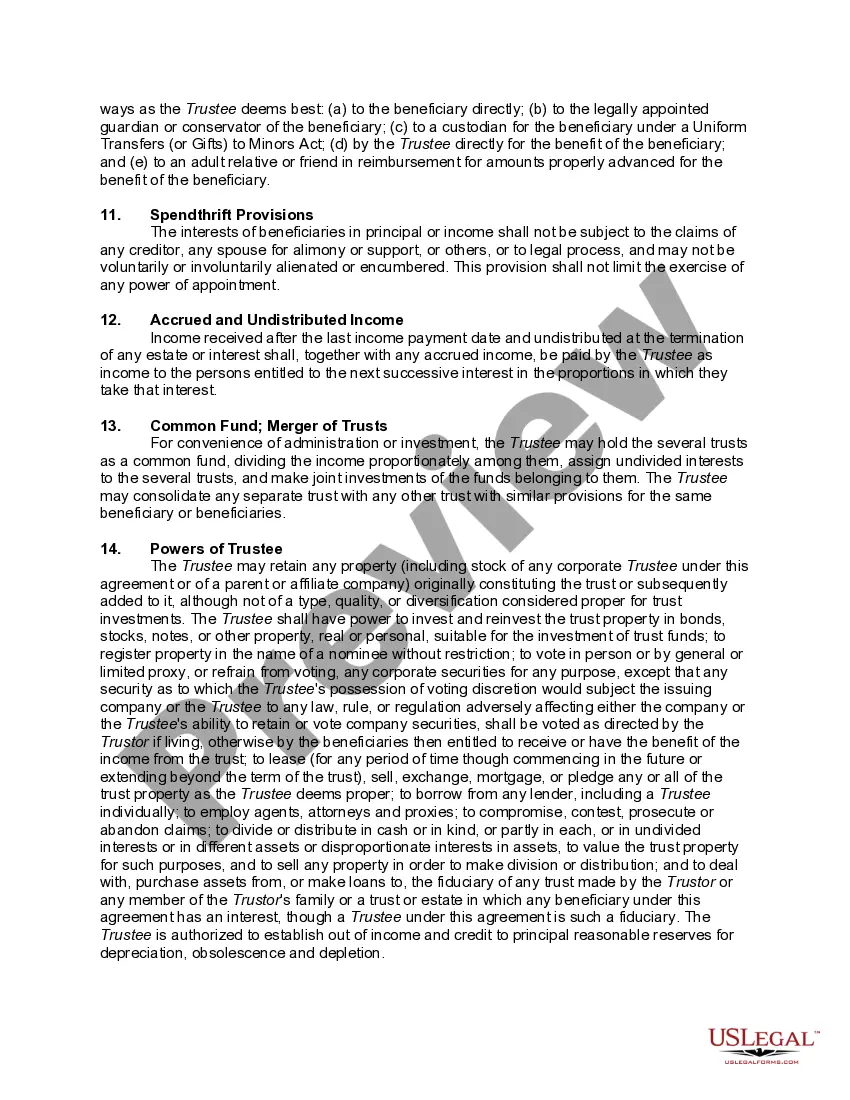
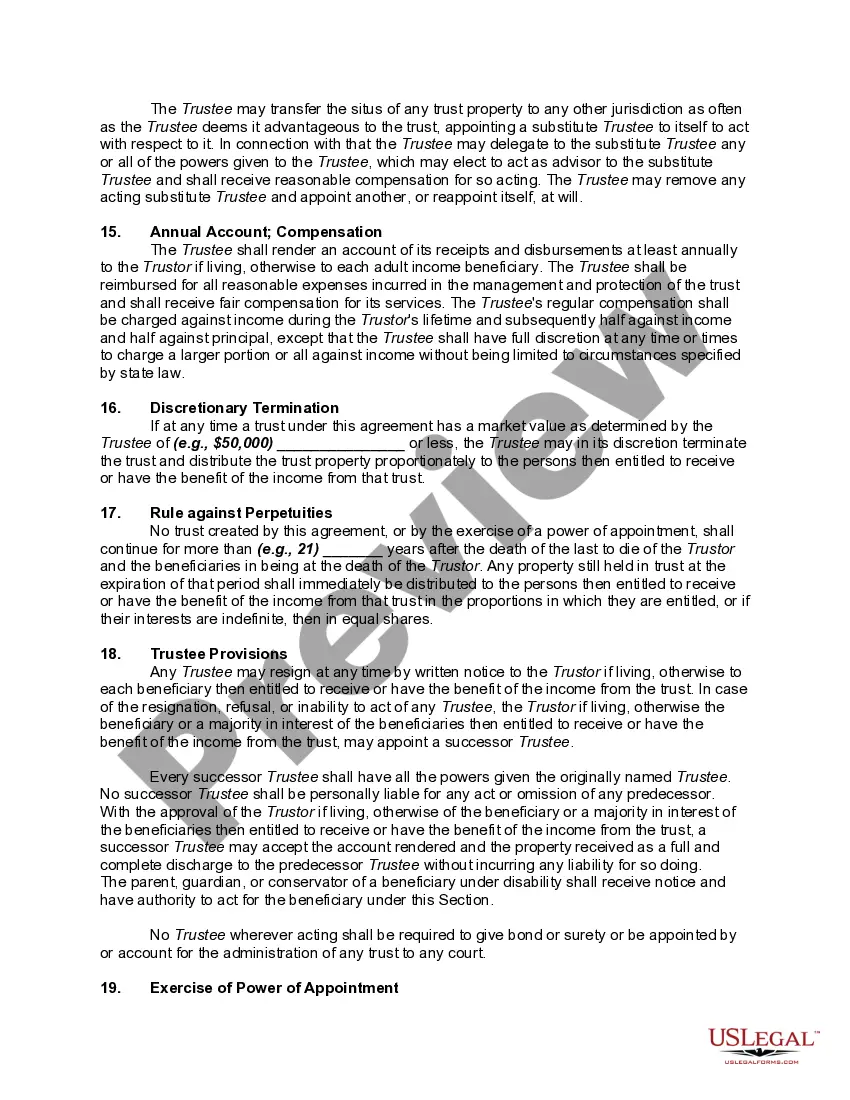

Get your form ready online
Our built-in tools help you complete, sign, share, and store your documents in one place.
Make edits, fill in missing information, and update formatting in US Legal Forms—just like you would in MS Word.
Download a copy, print it, send it by email, or mail it via USPS—whatever works best for your next step.
Sign and collect signatures with our SignNow integration. Send to multiple recipients, set reminders, and more. Go Premium to unlock E-Sign.
If this form requires notarization, complete it online through a secure video call—no need to meet a notary in person or wait for an appointment.
We protect your documents and personal data by following strict security and privacy standards.

Make edits, fill in missing information, and update formatting in US Legal Forms—just like you would in MS Word.

Download a copy, print it, send it by email, or mail it via USPS—whatever works best for your next step.

Sign and collect signatures with our SignNow integration. Send to multiple recipients, set reminders, and more. Go Premium to unlock E-Sign.

If this form requires notarization, complete it online through a secure video call—no need to meet a notary in person or wait for an appointment.

We protect your documents and personal data by following strict security and privacy standards.
Looking for another form?

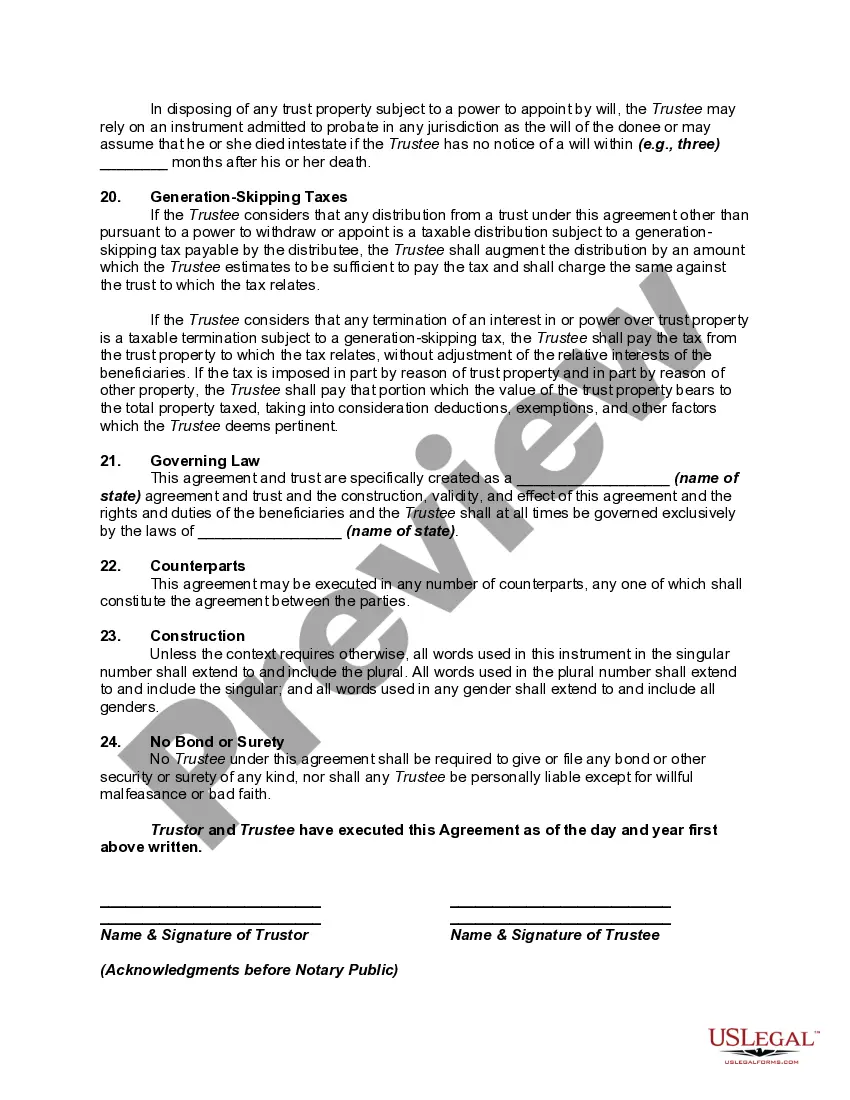
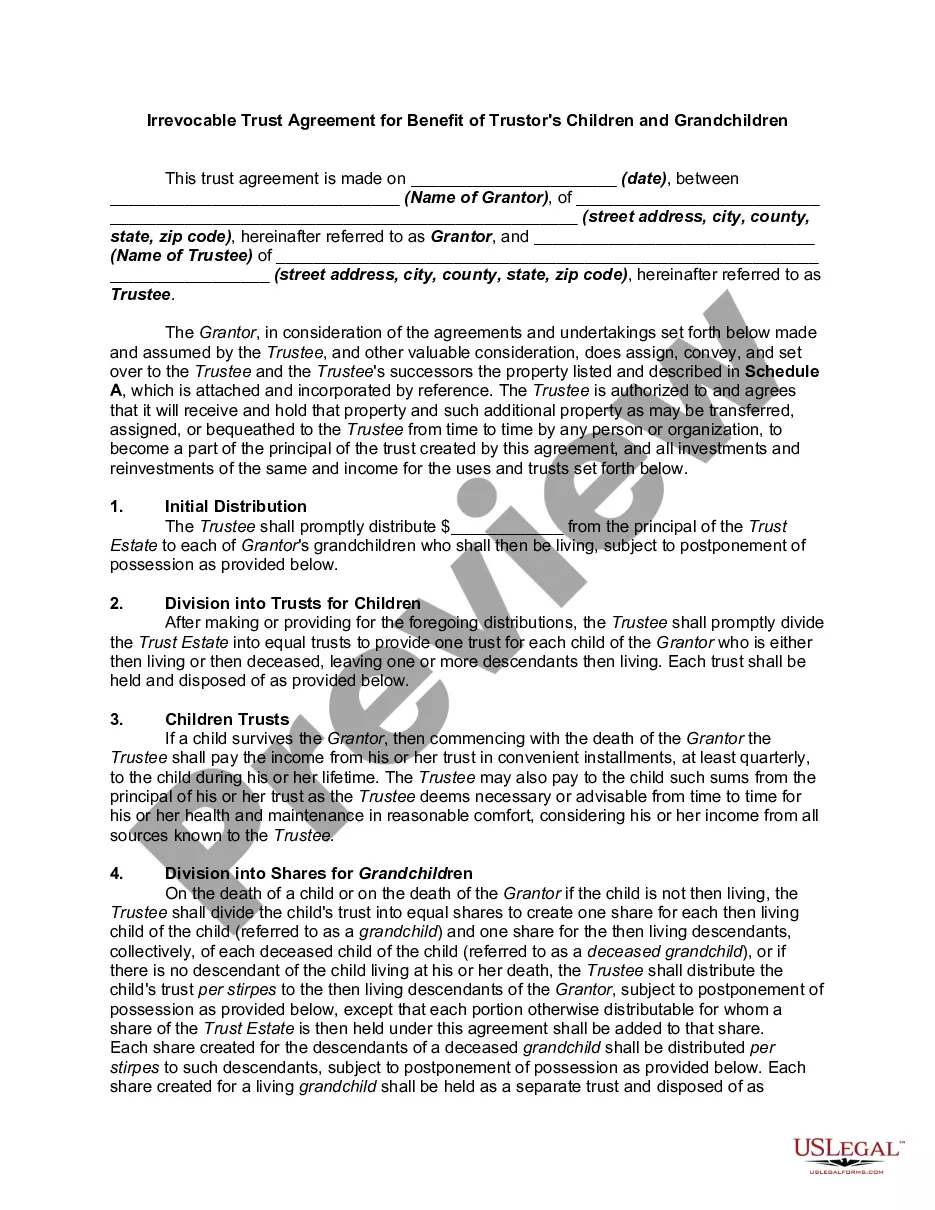
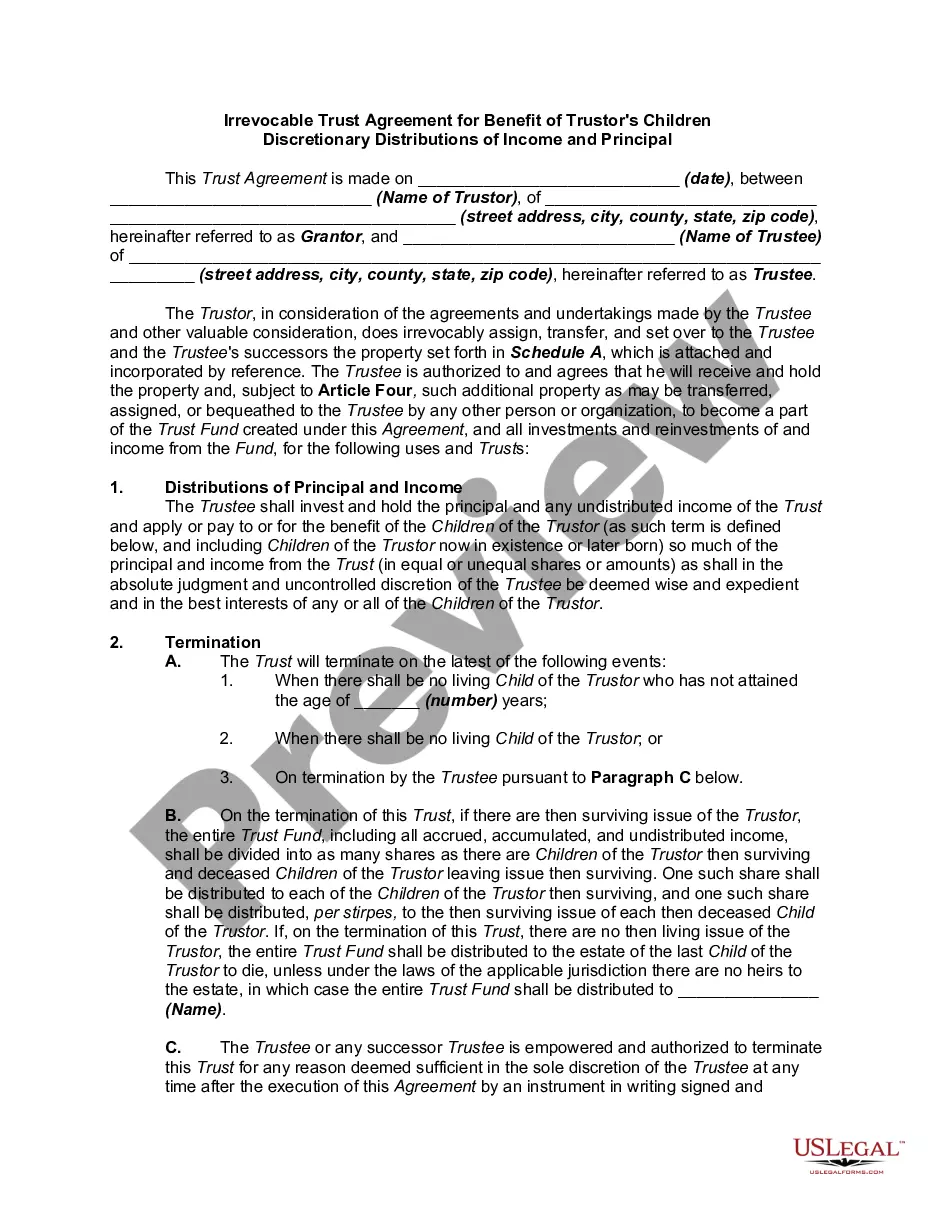
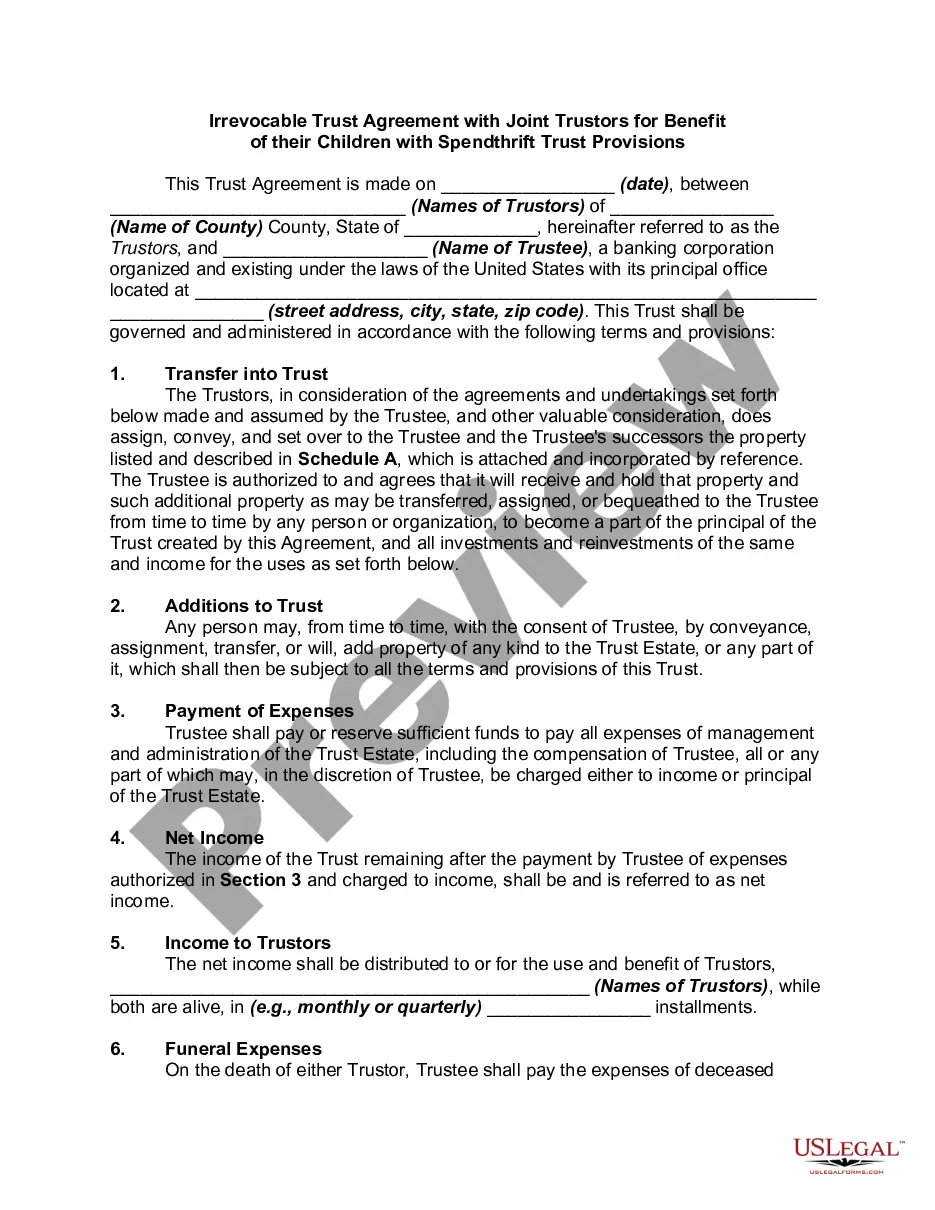
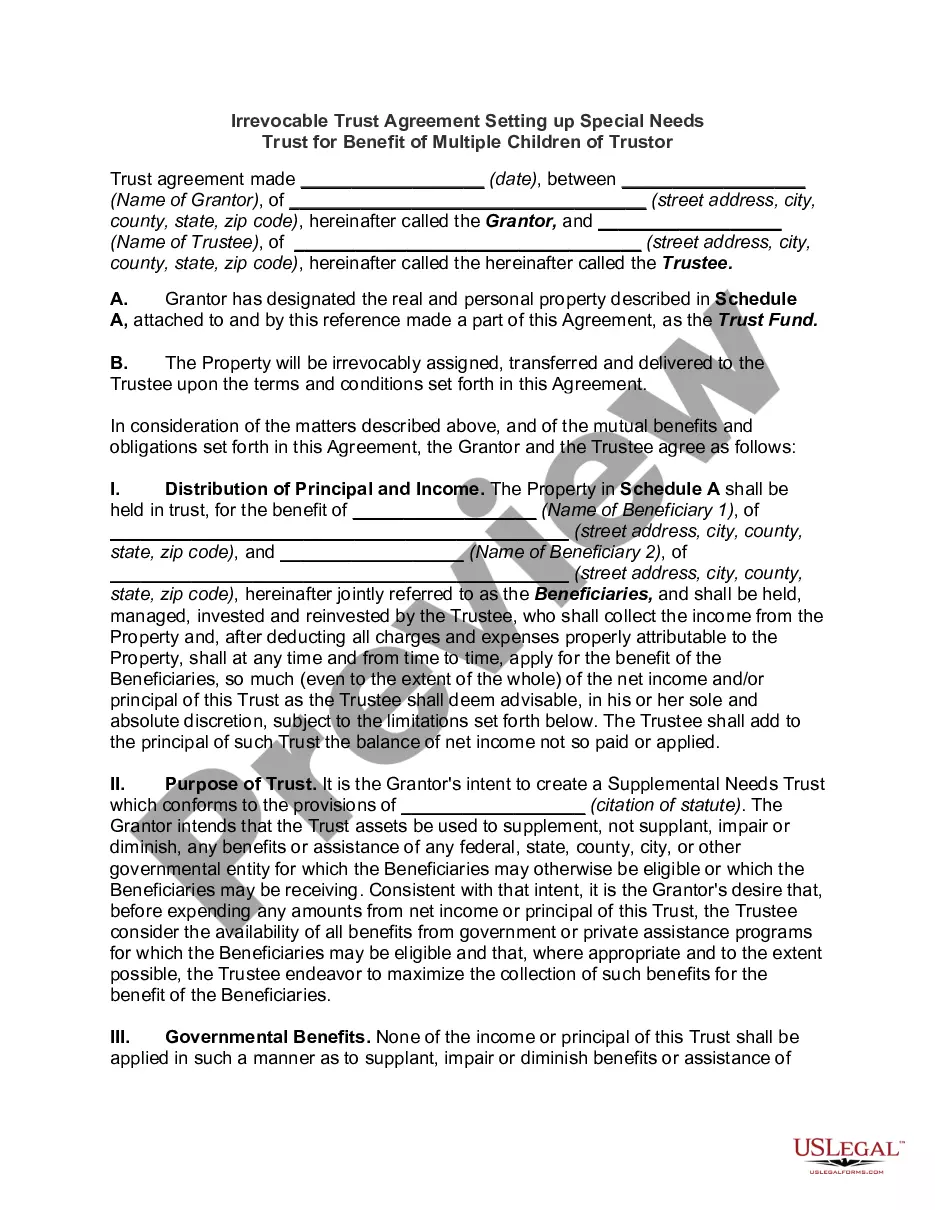
How to fill out Irrevocable Trust Agreement For Benefit Of Trustor's Children And Grandchildren With Spendthrift Trust Provisions?
- If you're an existing user, start by logging into your account at US Legal Forms. Make sure your subscription is active to access the documents.
- For first-time users, browse the collection and preview the express trust template that fits your local jurisdiction. Ensure it meets your specific needs.
- If necessary, utilize the search function to find alternative templates that may be better suited to your requirements.
- Proceed to purchase the template by clicking the Buy Now button. Choose a subscription plan that works for you and create an account if you’re new to the service.
- Complete the transaction using your preferred payment method like credit card or PayPal.
- After your purchase, download the express trust template directly to your device. You can always find your document later in the My Forms section of your profile.
By following these steps, you can effortlessly access the legal forms you need for creating a valid express trust. US Legal Forms supports you with a robust collection of legally vetted templates, helping you to simplify your document preparation.
Don't wait! Start your journey towards efficient legal document creation today with US Legal Forms.
Form popularity
FAQ
Creating an express trust requires careful planning and specific steps. First, you need to identify the property and the beneficiaries of the trust. Next, you can use an express trust template for a trust to draft the necessary legal documents. Finally, sign the documents in front of a notary public to ensure they are legally binding.
To create an express trust, you should start by defining your intentions regarding the trust assets and beneficiaries. Next, draft a trust document that specifies these details, appoints a trustee, and outlines the management and distribution of the trust assets. Using an express trust template for a trust can assist in this process, providing a clear framework that captures all necessary information, making it easier for you to establish a trustworthy legal agreement.
An express trust is a legal arrangement created by a person (grantor) to transfer assets to a trustee for the benefit of designated beneficiaries. This type of trust is explicitly outlined in a trust document, detailing the roles of each party involved and the management of the trust assets. By using an express trust template for a trust, you can simplify the process of defining its terms and ensuring that your goals are met effectively.
The primary difference between a living trust and an express trust lies in their creation and purpose. A living trust is established during a person's lifetime and allows for asset management while they are alive, whereas an express trust is specifically designed to fulfill the grantor's intentions as laid out in a legal document. Utilizing an express trust template for a trust can provide clarity on your specific wishes and objectives, streamlining the process significantly.
One of the biggest mistakes parents often make when setting up a trust fund is failing to communicate their intentions clearly with their beneficiaries. Without proper guidance and understanding, beneficiaries may misinterpret the purpose of the trust or misuse the assets. To avoid this, consider using an express trust template for a trust, as it helps ensure your wishes are documented clearly, reducing confusion and potential conflicts down the line.
An express trust example includes a parent establishing a trust for their minor children’s education. In this scenario, the parent would use an express trust template for a trust to outline the allocation of funds for schooling and set guidelines for distribution. This ensures that the assets are used for specified needs, protecting the children’s interests until they reach maturity.
Creating an express private trust involves defining your personal objectives for the trust structure. Use an express trust template for a trust to delineate the specific purposes of your trust and identify the beneficiaries. Also, appoint a trustee who understands your vision and will manage the trust accordingly. It’s important to have the document executed properly to ensure its legal validity.
Setting up an express trust requires careful planning. You can start with an express trust template for a trust to define the terms of your trust, including the trustees and beneficiaries. It is crucial to ensure all details are accurate and clear. Once completed, the document must be signed and often registered to be enforceable.
To set up an express trust, you need to outline your intentions clearly. Begin by drafting an express trust template for a trust, specifying the assets you want to include and the beneficiaries. Next, appoint a trustee who will manage the trust according to your wishes. Finally, sign and notarize the document to make it legally binding.
To form an express trust, you need a clear intention to establish the trust, identifiable beneficiaries, and specific property designated for the trust. Additionally, a trustee must be named to manage the trust assets. Incorporating an express trust template for a trust can streamline the process, ensuring that all essential elements are articulated properly.