Commercial Uses For Plants
Description
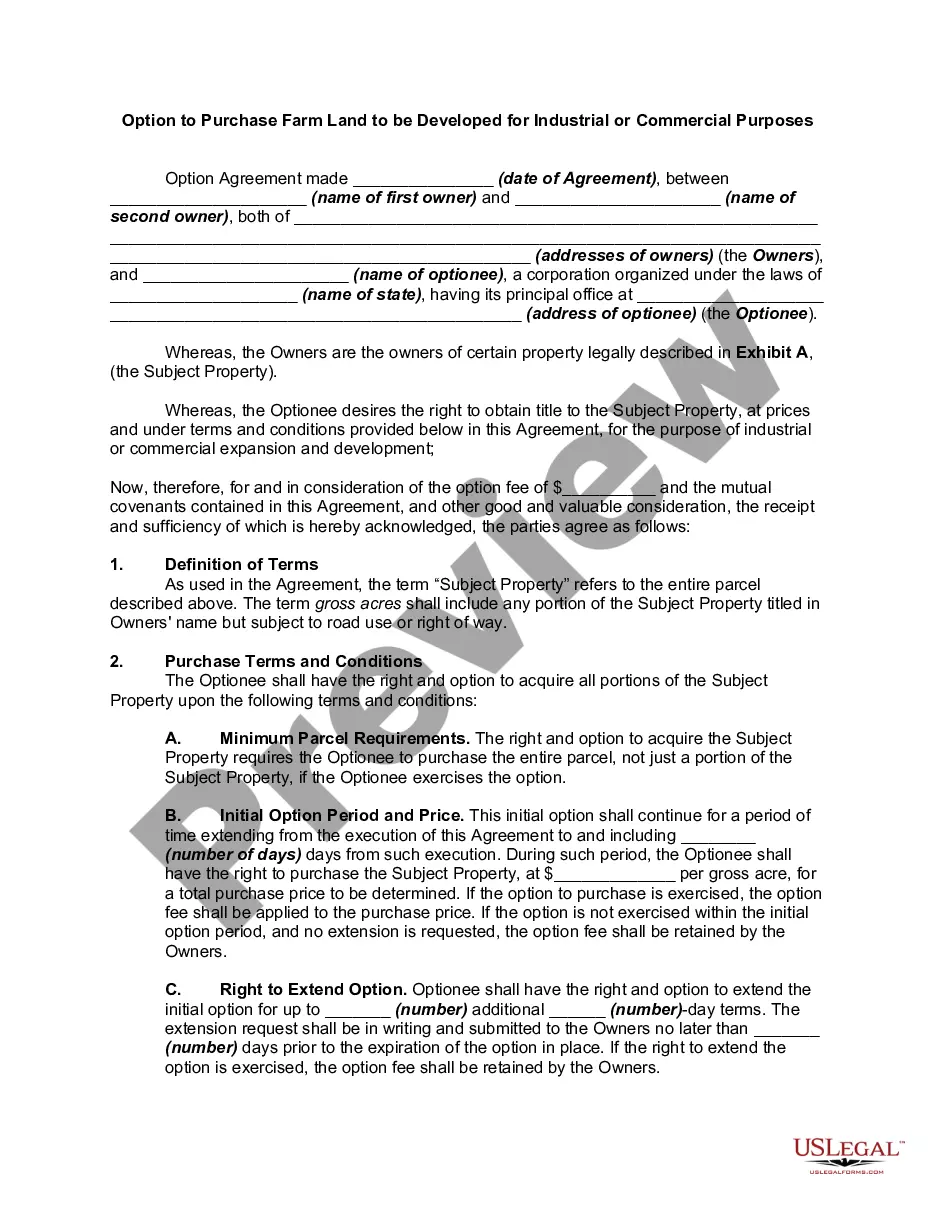
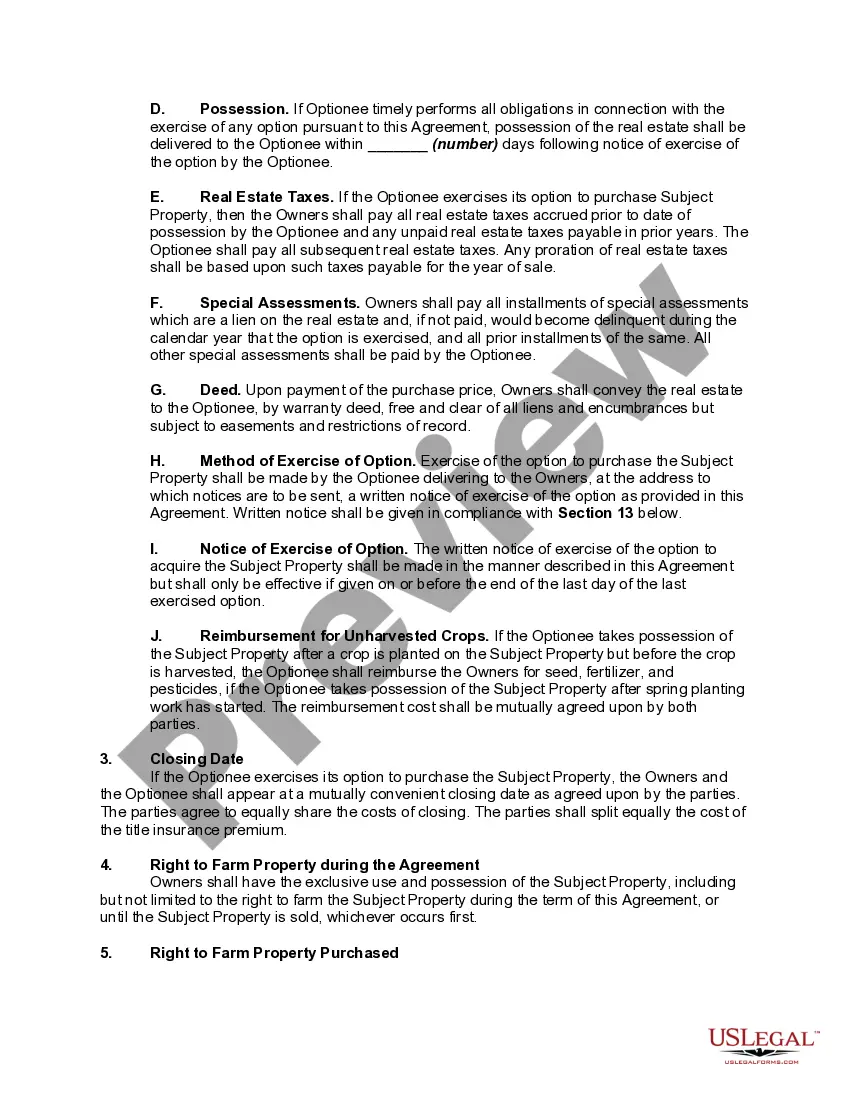

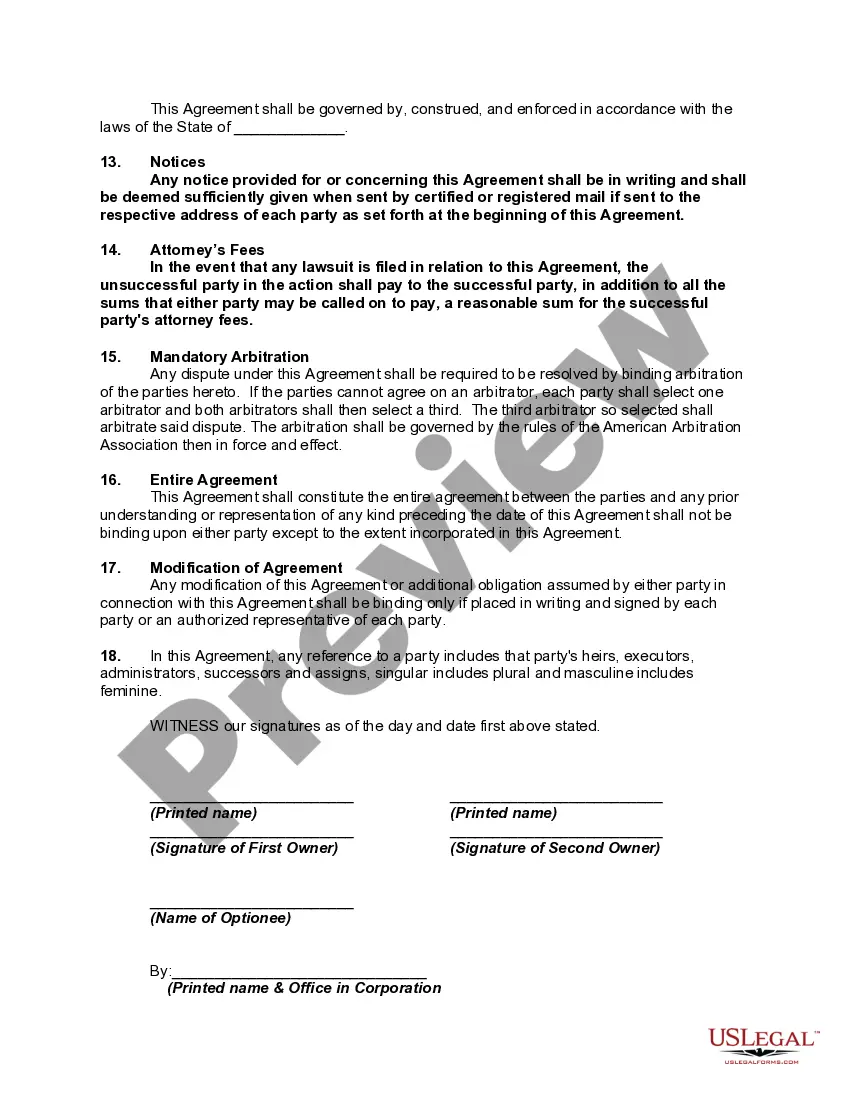

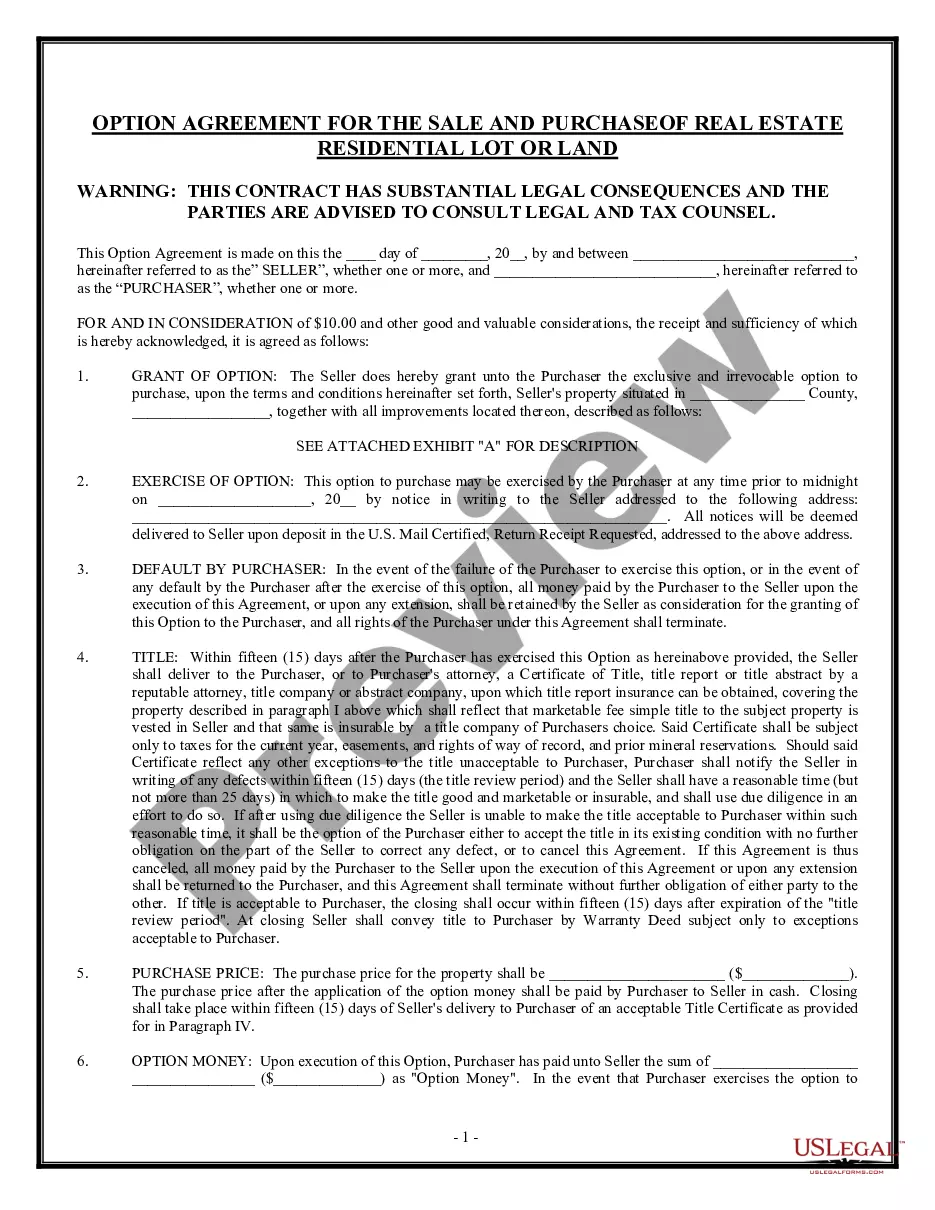
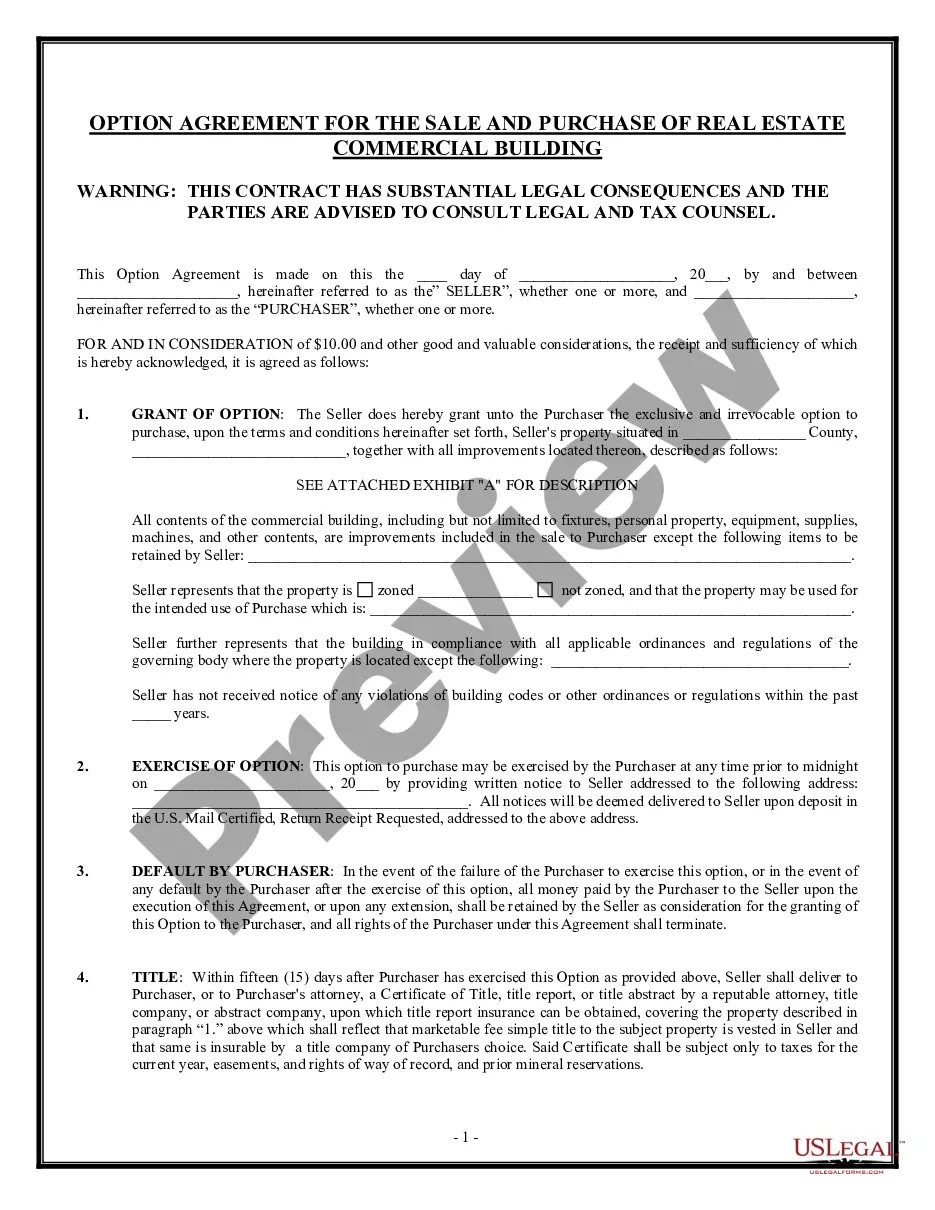
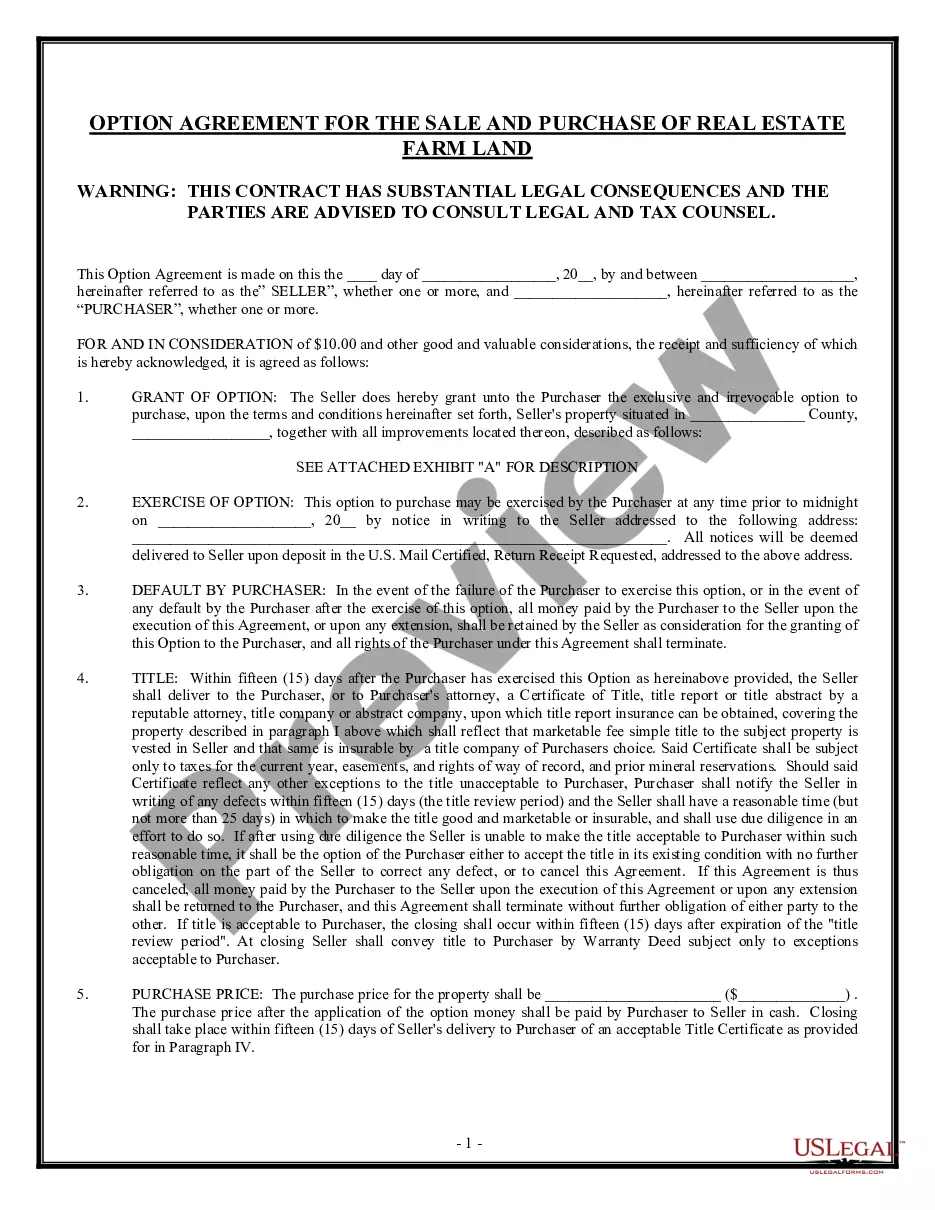








How to fill out Option To Purchase Farm Land To Be Developed For Industrial Or Commercial Purposes?
Obtaining legal templates that comply with federal and state laws is crucial, and the internet offers a lot of options to pick from. But what’s the point in wasting time searching for the right Commercial Uses For Plants sample on the web if the US Legal Forms online library already has such templates gathered in one place?
US Legal Forms is the most extensive online legal library with over 85,000 fillable templates drafted by attorneys for any business and personal scenario. They are easy to browse with all papers organized by state and purpose of use. Our specialists stay up with legislative changes, so you can always be sure your form is up to date and compliant when acquiring a Commercial Uses For Plants from our website.
Obtaining a Commercial Uses For Plants is simple and fast for both current and new users. If you already have an account with a valid subscription, log in and save the document sample you require in the right format. If you are new to our website, follow the instructions below:
- Take a look at the template using the Preview option or through the text outline to ensure it fits your needs.
- Locate another sample using the search function at the top of the page if needed.
- Click Buy Now when you’ve found the correct form and choose a subscription plan.
- Create an account or log in and make a payment with PayPal or a credit card.
- Select the best format for your Commercial Uses For Plants and download it.
All templates you find through US Legal Forms are reusable. To re-download and fill out earlier purchased forms, open the My Forms tab in your profile. Take advantage of the most extensive and easy-to-use legal paperwork service!
Form popularity
FAQ
Products derived from plants include soaps, shampoos, perfumes, cosmetics, paint, varnish, turpentine, rubber, latex, lubricants, linoleum, plastics, inks, and gums. Renewable fuels from plants include firewood, peat and other biofuels.
Raw materials such as starches, cellulose, and oil can already be extracted from plants for the production of biomaterials, chemicals, and fuels.
Plants are a good source of wood and timber. Plants also provide oil, spices, perfumes, etc. Plants give oxygen during the day time (which helps us to breathe). Plants provide fibres like cotton, jute, etc.
Humans use plants in many ways: raw material close raw materialBasic material that goods are made from such as crops, metals, wood and animal products such as wool and leather., eg timber for building. food, eg wheat for making bread.
In industry. Plants grown as industrial crops are the source of a wide range of products used in manufacturing, sometimes so intensively as to risk harm to the environment. Nonfood products include essential oils, natural dyes, pigments, waxes, resins, tannins, alkaloids, amber and cork.