Quash Motion Bring For The Future
Description
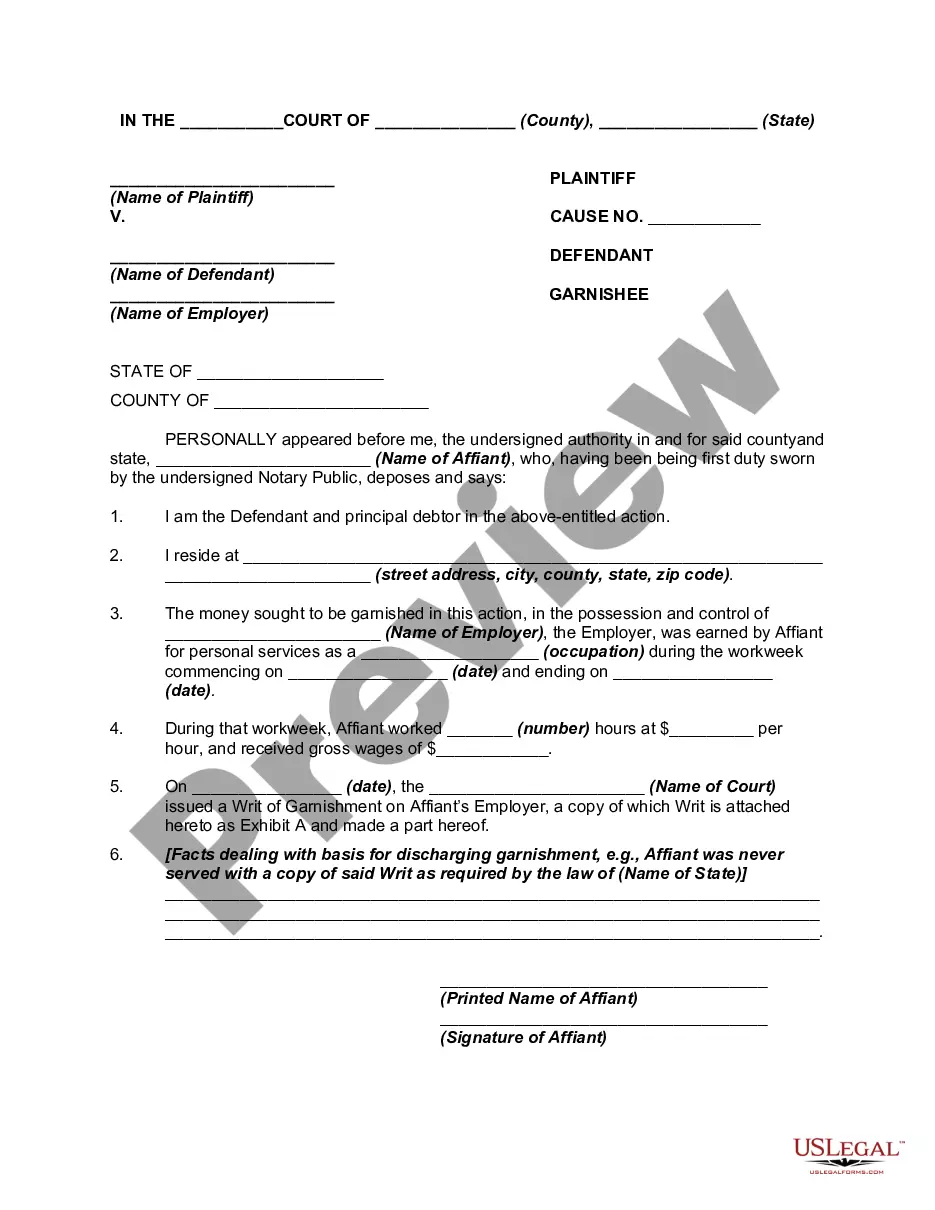
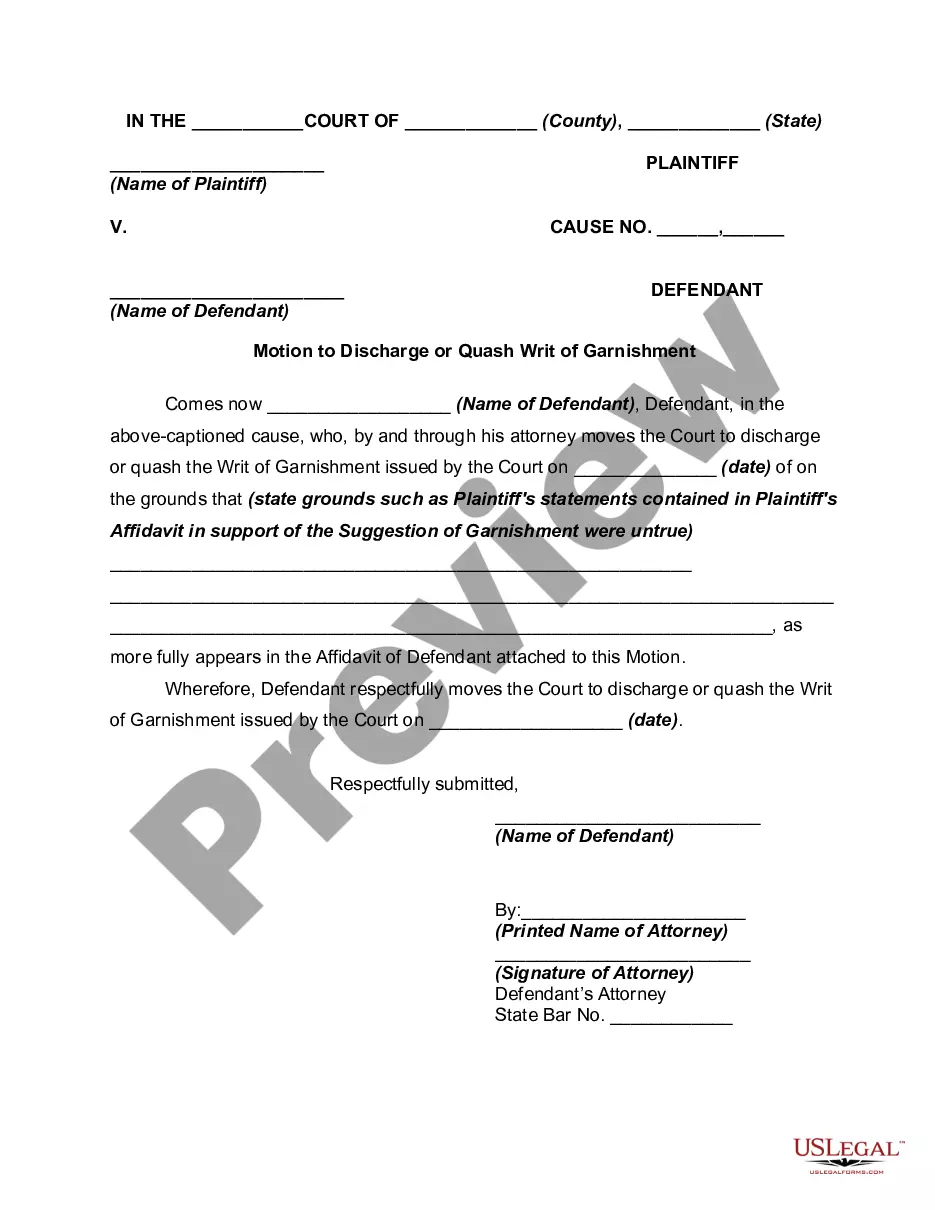
Get your form ready online
Our built-in tools help you complete, sign, share, and store your documents in one place.
Make edits, fill in missing information, and update formatting in US Legal Forms—just like you would in MS Word.
Download a copy, print it, send it by email, or mail it via USPS—whatever works best for your next step.
Sign and collect signatures with our SignNow integration. Send to multiple recipients, set reminders, and more. Go Premium to unlock E-Sign.
If this form requires notarization, complete it online through a secure video call—no need to meet a notary in person or wait for an appointment.
We protect your documents and personal data by following strict security and privacy standards.

Make edits, fill in missing information, and update formatting in US Legal Forms—just like you would in MS Word.

Download a copy, print it, send it by email, or mail it via USPS—whatever works best for your next step.

Sign and collect signatures with our SignNow integration. Send to multiple recipients, set reminders, and more. Go Premium to unlock E-Sign.

If this form requires notarization, complete it online through a secure video call—no need to meet a notary in person or wait for an appointment.

We protect your documents and personal data by following strict security and privacy standards.
Looking for another form?




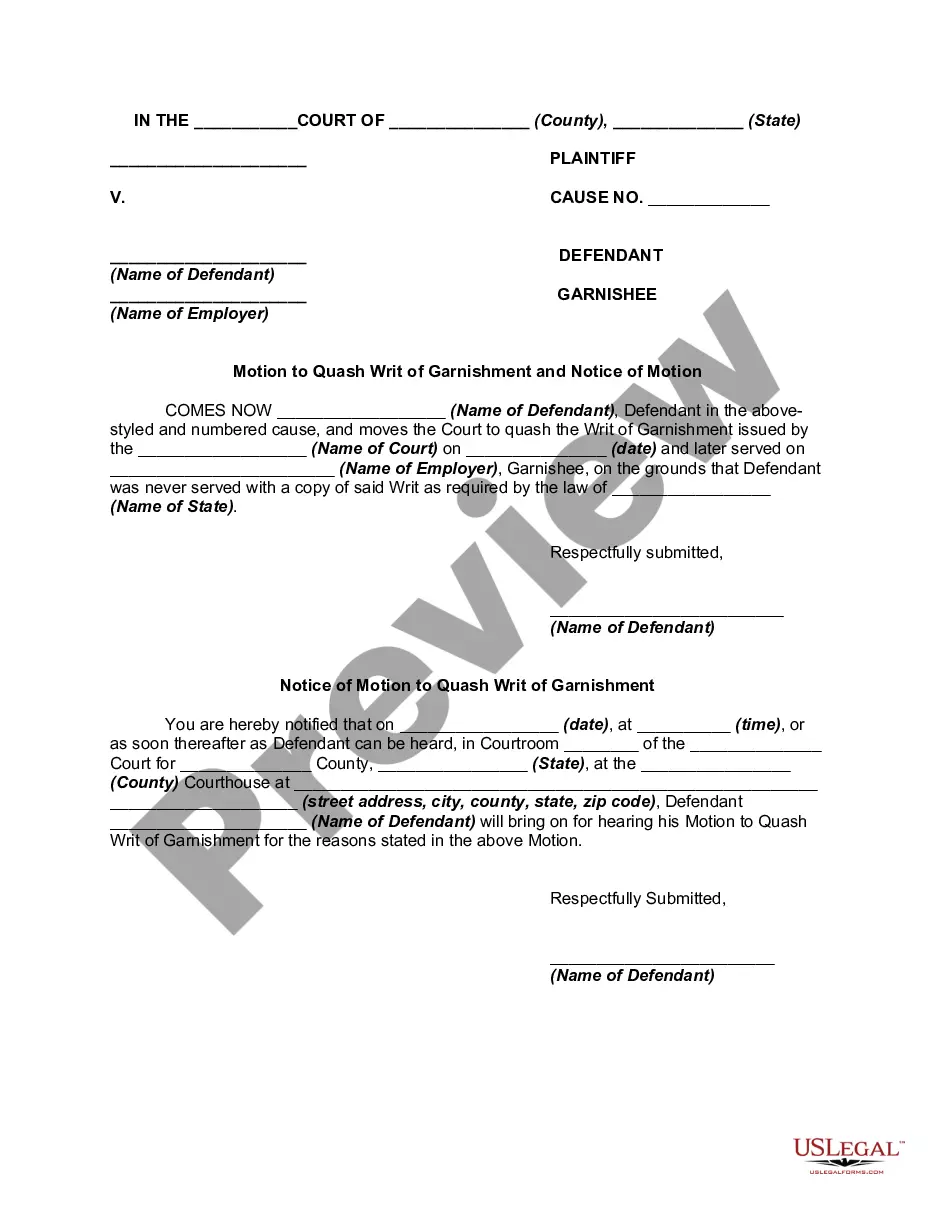
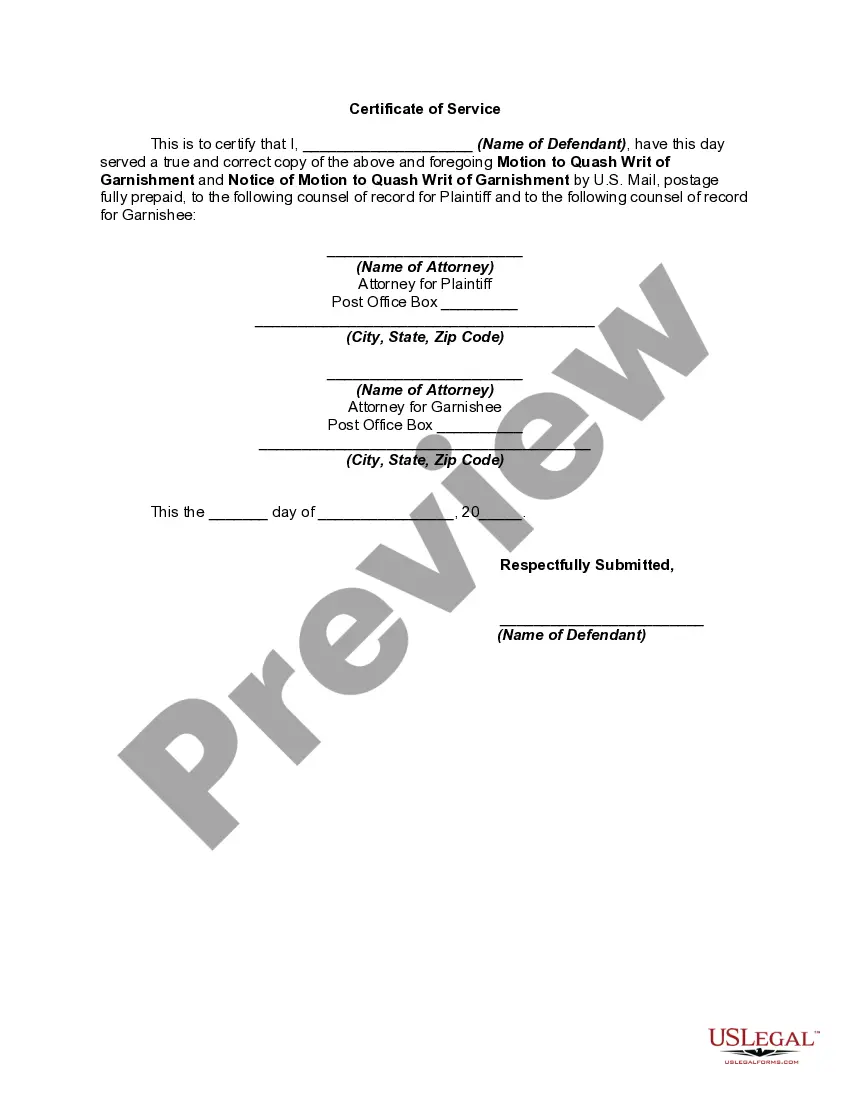
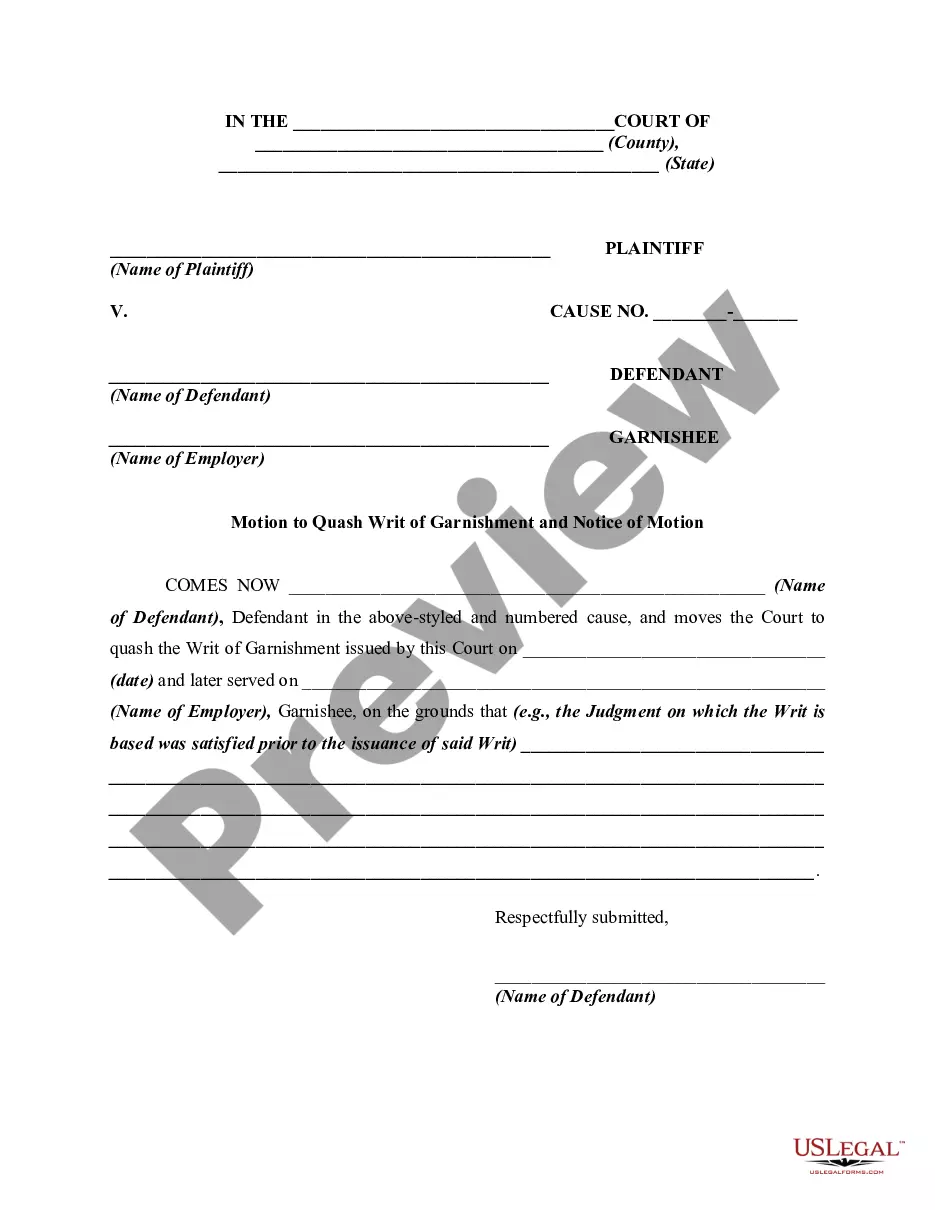
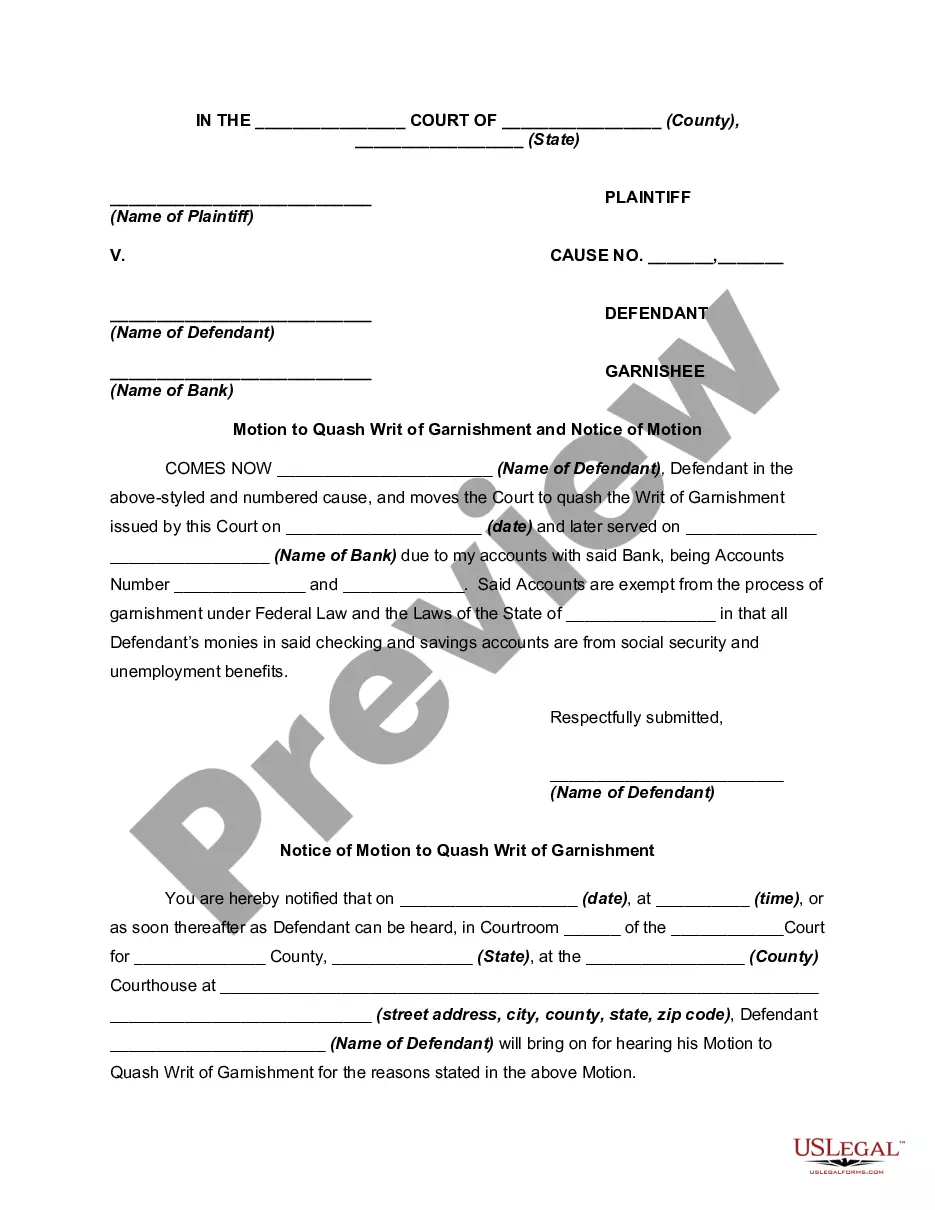
How to fill out Motion Of Defendant To Discharge Or Quash Writ Of Garnishment For Failure To Serve Copy Of Writ On Defendant And Notice Of Motion?
- If you're a returning user, log in to your account. Ensure your subscription is active; if not, renew it as per your payment plan.
- For first-time users, begin by exploring the Preview mode and form descriptions. Confirm that the document you select aligns with your requirements and local jurisdiction.
- If the first template isn’t suitable, utilize the Search option above to locate the appropriate one. Once you find a match, proceed to the next step.
- Click on the Buy Now button to purchase the document, selecting the subscription plan that fits your needs. Registration is necessary to access library resources.
- Complete your purchase by entering credit card information or using PayPal. After payment, download the form to your device.
- Access your downloaded documents via the My Forms section in your profile anytime you need them.
With more than 85,000 legal forms, US Legal Forms stands out by providing a robust collection that ensures you get the help you need. Premium experts are available to assist with form completion, resulting in documents that are both precise and compliant.
Don't hesitate! Start your journey with US Legal Forms today and simplify your legal document needs.
Form popularity
FAQ
A motion to dismiss serves to request the court to terminate a case before it goes to trial. This motion argues that even if all the claims presented by the other party are true, they still do not constitute a legal basis for the case to proceed. It is an essential legal tool for efficiency and can save time and resources for parties involved. Submitting a well-crafted quash motion bring for the future can help achieve a favorable outcome in related legal matters.
When a case is quashed, it means that a court has nullified, canceled, or rendered that case ineffective. Essentially, the court has decided that the legal proceedings cannot continue for specific reasons. This action can lead to an immediate halt in all legal actions related to that case. Understanding what it means to have a case quashed is crucial for anyone looking to quash motion bring for the future.
To write a motion to quash, start by clearly identifying the case and the specific grounds for your motion. You should include relevant legal citations and facts that support your argument. Additionally, make sure to format your motion according to court rules and provide a strong conclusion that emphasizes why the court should grant your request. A well-prepared quash motion brings a structured approach for the future of your case.
In federal court, you typically have 21 days to file a motion to dismiss after being served with the complaint. This timeline is crucial for maintaining your legal defense and ensuring you can quash motion bring for the future if necessary. Always check specific court rules, as they may impact your deadlines.
Filing a motion to quash involves several steps: drafting the motion, outlining your arguments, and citing relevant laws or precedents. You then need to file it with the court and schedule a hearing date. Platforms like uslegalforms simplify this process by providing templates and guidance, helping you quash motion bring for the future with confidence.
The timeline for a motion to quash usually begins from the date you receive the subpoena or legal document you wish to challenge. Most jurisdictions require you to file your motion within a specified time frame, often between 10 and 30 days. Knowing the timeline allows you to quash motion bring for the future seamlessly and ensure your legal strategy is on track.
In federal court, you generally have 28 days from the entry of the order to file a motion to reconsider. However, this can vary based on local rules or specific cases. Being aware of these deadlines helps you quash motion bring for the future effectively and avoid missing key opportunities.
A timely motion to quash refers to a request made to a court to invalidate a subpoena or other legal order. Typically, this motion must be filed within a specific period after receiving the order. For your situation, understanding how to quash motion bring for the future is crucial to protect your rights and maintain control over the legal process.
Writing a motion to quash includes outlining your argument clearly and concisely. Start with a title, followed by an introduction that states your request. In your body, explain the legal basis for your motion, ensuring to reference the facts related to your case. For assistance in crafting your document, consider using resources available on the US Legal Forms platform, which provides templates and guidance for your specific needs.
To make a motion to quash, you must prepare a formal written document to submit to the court. This document should clearly state the specific grounds on which you are challenging the action. Quash motion bring for the future involves citing relevant laws and including supporting documentation if applicable. Utilizing online resources like US Legal Forms can help guide you through the required process and format.