Sentence For Expunge
Description
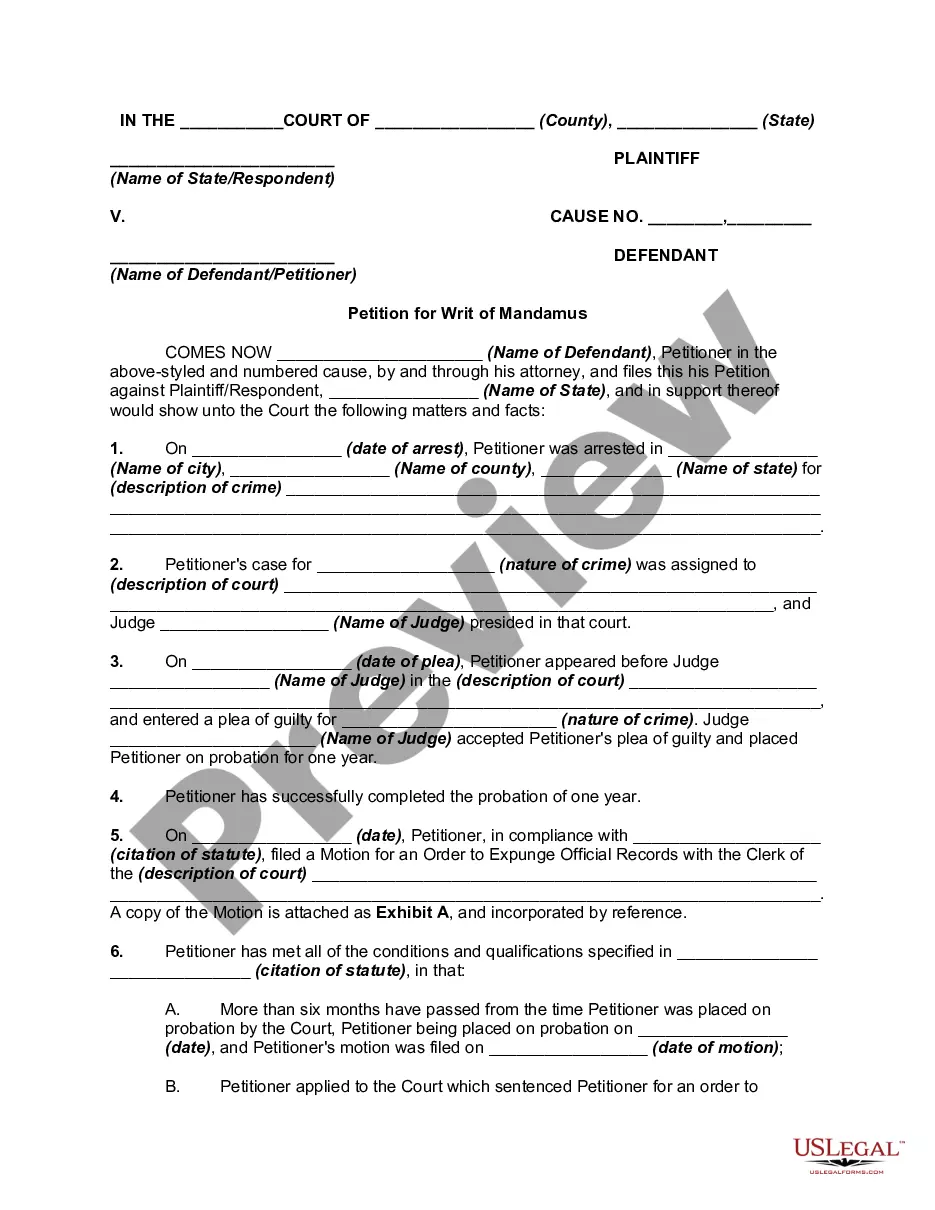
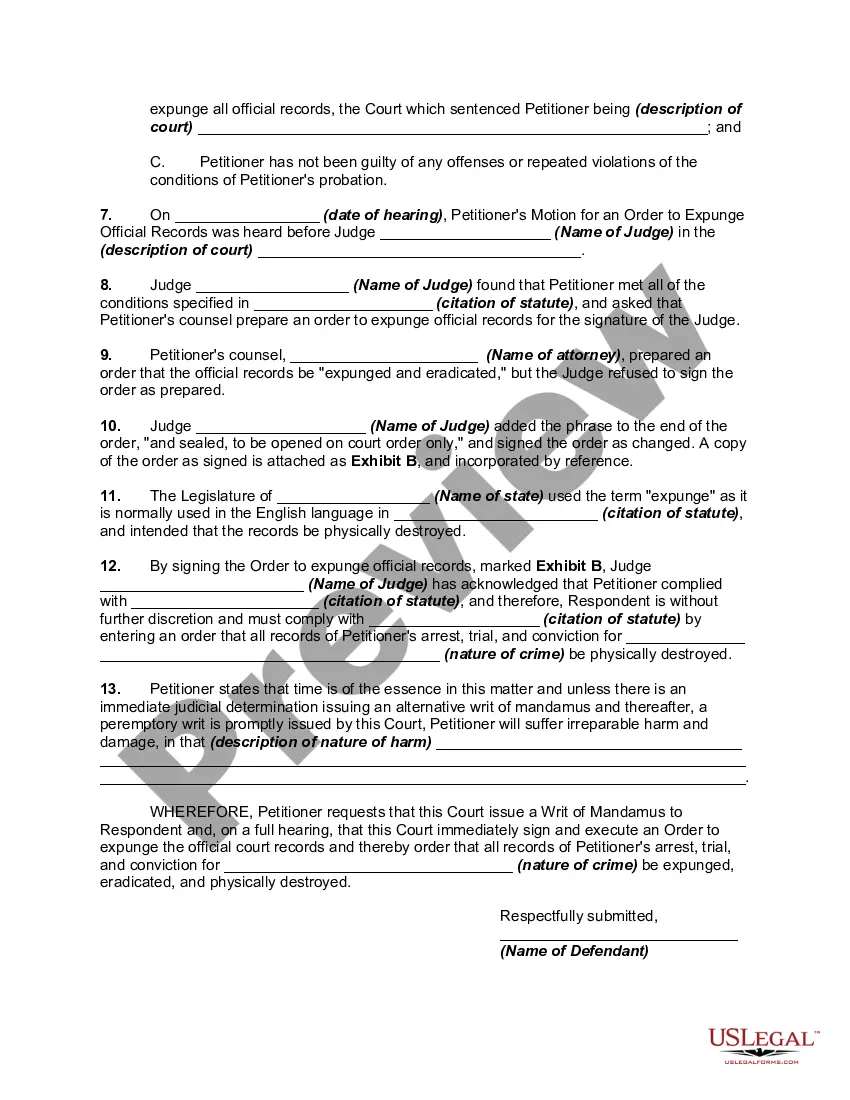
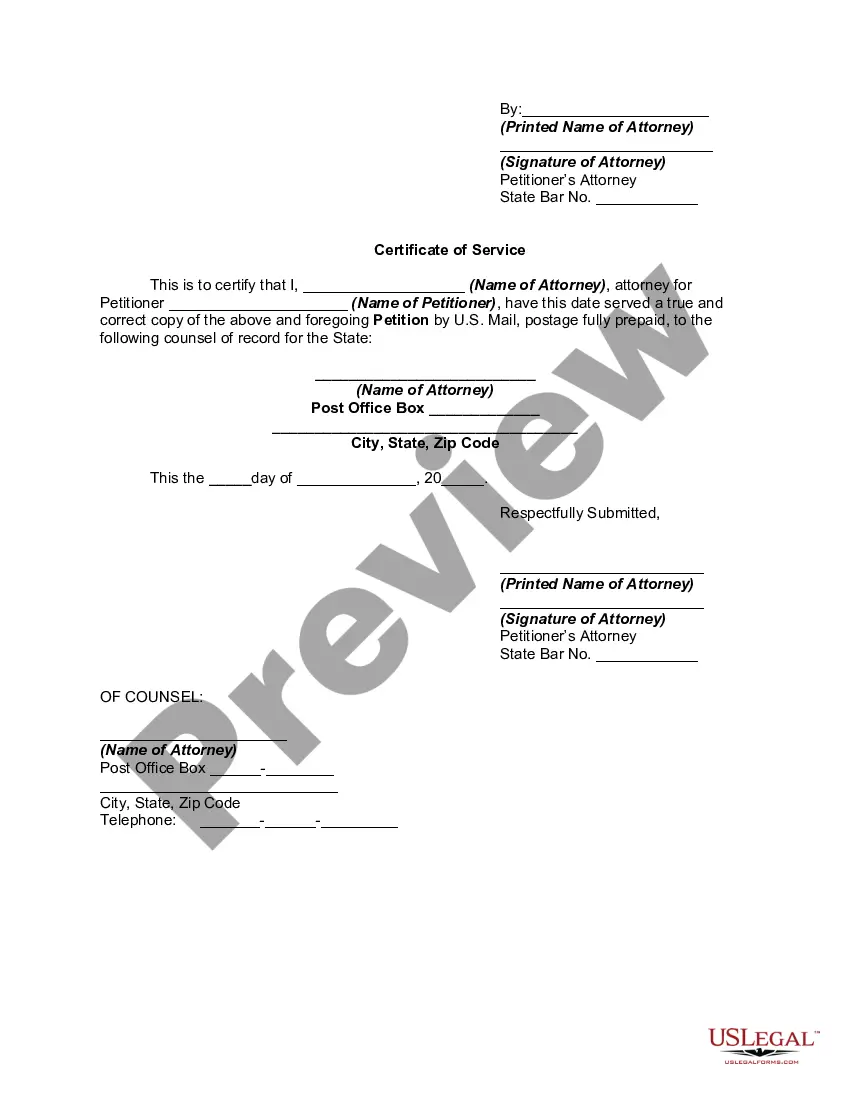
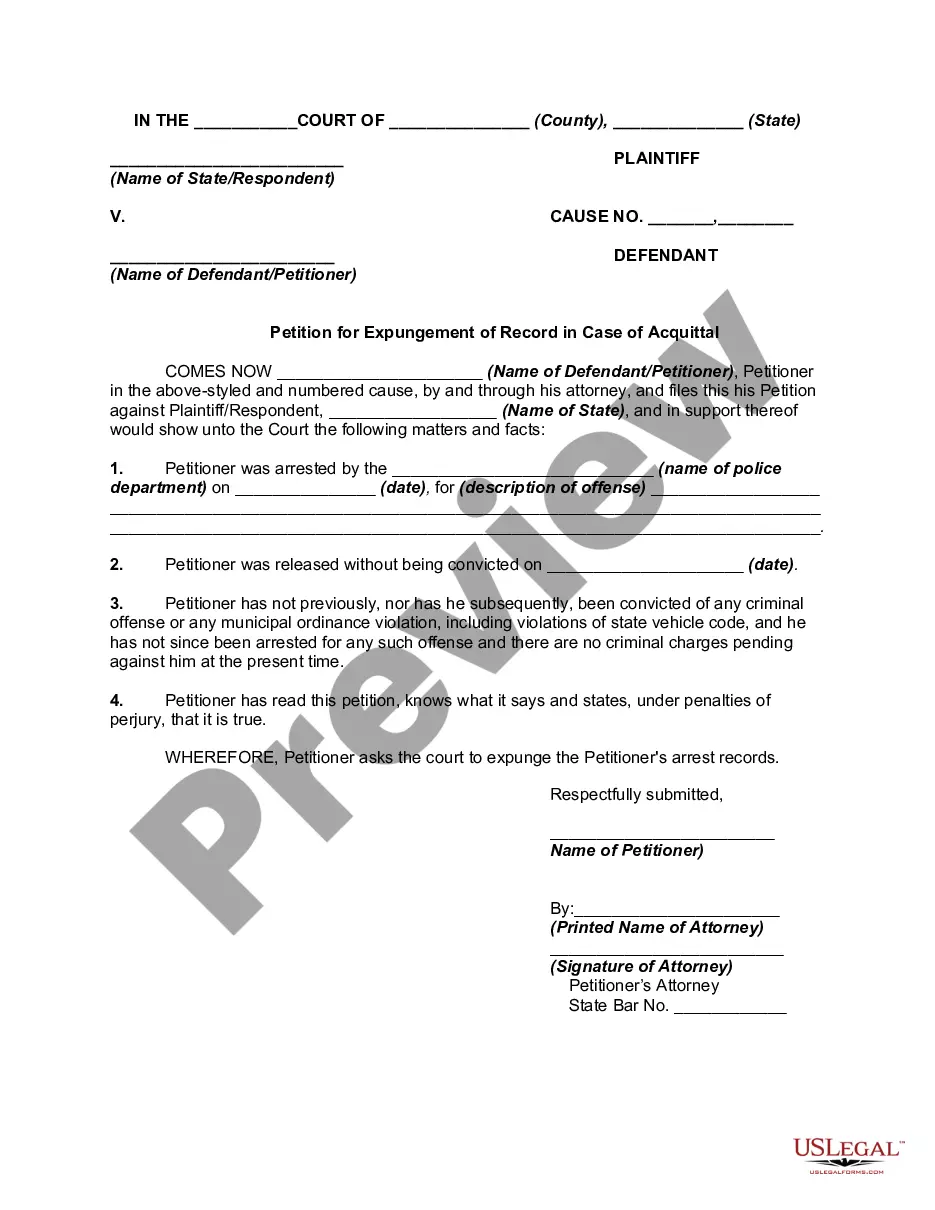
Get your form ready online
Our built-in tools help you complete, sign, share, and store your documents in one place.
Make edits, fill in missing information, and update formatting in US Legal Forms—just like you would in MS Word.
Download a copy, print it, send it by email, or mail it via USPS—whatever works best for your next step.
Sign and collect signatures with our SignNow integration. Send to multiple recipients, set reminders, and more. Go Premium to unlock E-Sign.
If this form requires notarization, complete it online through a secure video call—no need to meet a notary in person or wait for an appointment.
We protect your documents and personal data by following strict security and privacy standards.

Make edits, fill in missing information, and update formatting in US Legal Forms—just like you would in MS Word.

Download a copy, print it, send it by email, or mail it via USPS—whatever works best for your next step.

Sign and collect signatures with our SignNow integration. Send to multiple recipients, set reminders, and more. Go Premium to unlock E-Sign.

If this form requires notarization, complete it online through a secure video call—no need to meet a notary in person or wait for an appointment.

We protect your documents and personal data by following strict security and privacy standards.
Looking for another form?










How to fill out Petition For Writ Of Mandamus Or Mandate To Compel Court To Expunge Record Of Arrest, Trial, And Conviction - Expungement?
- Begin by logging into your US Legal Forms account if you're a returning user. Ensure your subscription is active to access all resources.
- For new users, start by browsing the extensive library. Click on the form that aligns with your expungement needs and check the description to confirm it meets local requirements.
- If you need a different template, use the search feature at the top to find your specific form. Once identified, proceed to the next step.
- Select the desired document by clicking the 'Buy Now' button and choose your subscription plan. You'll need to create an account to gain full access.
- Complete your purchase by entering your payment details, whether credit card information or PayPal.
- Finally, download your form to your device. You can also access it later in the 'My Forms' section of your account whenever needed.
By utilizing US Legal Forms, you gain access to an extensive library with over 85,000 legal forms—ensuring you find the right documentation for your specific needs.
Ready to take the next step? Start your journey towards expungement today by visiting US Legal Forms and accessing your necessary documents.
Form popularity
FAQ
When addressing a judge for expungement, it's essential to clearly express the reasons for your request. Highlight your rehabilitation, employment stability, and contributions to the community. A solid understanding of your circumstances can help you present a compelling case for a sentence for expunge.
In Minnesota, a felony conviction stays on your record indefinitely unless you successfully obtain an expungement. The timeline for seeking this relief varies based on the type of offense. A well-prepared approach can lead to a favorable decision, making a clear sentence for expunge advantageous.
The new expungement law in Minnesota expands eligibility for individuals seeking to clear their records. It allows for greater access to expungement for non-violent offenses, making it easier to move forward. Individuals interested in a sentence for expunge should familiarize themselves with these updates to understand their options.
In order to pursue expungement in California, you'll need to meet specific requirements. This includes successfully completing your sentence, not currently being charged with a felony, and ensuring that no new criminal issues arise. Meeting these requirements is crucial for a successful process, especially when determining the sentence for expunge.
Recently, California has implemented new laws aimed at streamlining the expungement process. These changes make it easier for individuals to have certain offenses cleared from their records, even if they have not completed probation in all cases. Staying informed of these laws can significantly affect your approach to managing your history, particularly when considering the sentence for expunge.
In California, eligibility for expungement generally includes certain misdemeanor convictions and felony convictions that have been reduced to misdemeanors. You must have completed your sentence, including probation and restitution, to qualify. Understanding these qualifications can help you take the right steps toward obtaining a favorable outcome, especially regarding the sentence for expunge.
When considering your options, it’s important to know the difference between a pardon and expungement. A pardon forgives a crime but does not erase it from your record, while an expungement effectively removes a criminal record under specific circumstances. The choice between the two can depend on your goals and the effects you want on your record, particularly when you consider the sentence for expunge.
Expungeable crimes typically include minor offenses and certain non-violent felonies, but this can vary by state. Common examples are misdemeanors like petty theft or drug possession, which can often be expunged after meeting eligibility requirements. A sentence for expunge can provide significant relief and a fresh start. Always research local laws or consult a legal professional for personalized advice.
In the USA, criminal records do not automatically clear after a set period like seven years. Each state has its own laws regarding the duration before one may apply for expungement. A sentence for expunge must be pursued through legal channels, ensuring you meet specific criteria. It's essential to check your state’s regulations for accurate information.
The primary use of expungement is to clear an individual’s criminal record, allowing them to reintegrate into society without the impact of past offenses. A sentence for expunge can enhance employment opportunities, housing prospects, and personal relationships. This legal process aims to promote second chances and reduce the stigma of a criminal past. By utilizing expungement, individuals can restore their reputation and open new doors.