Expungement Help
Description
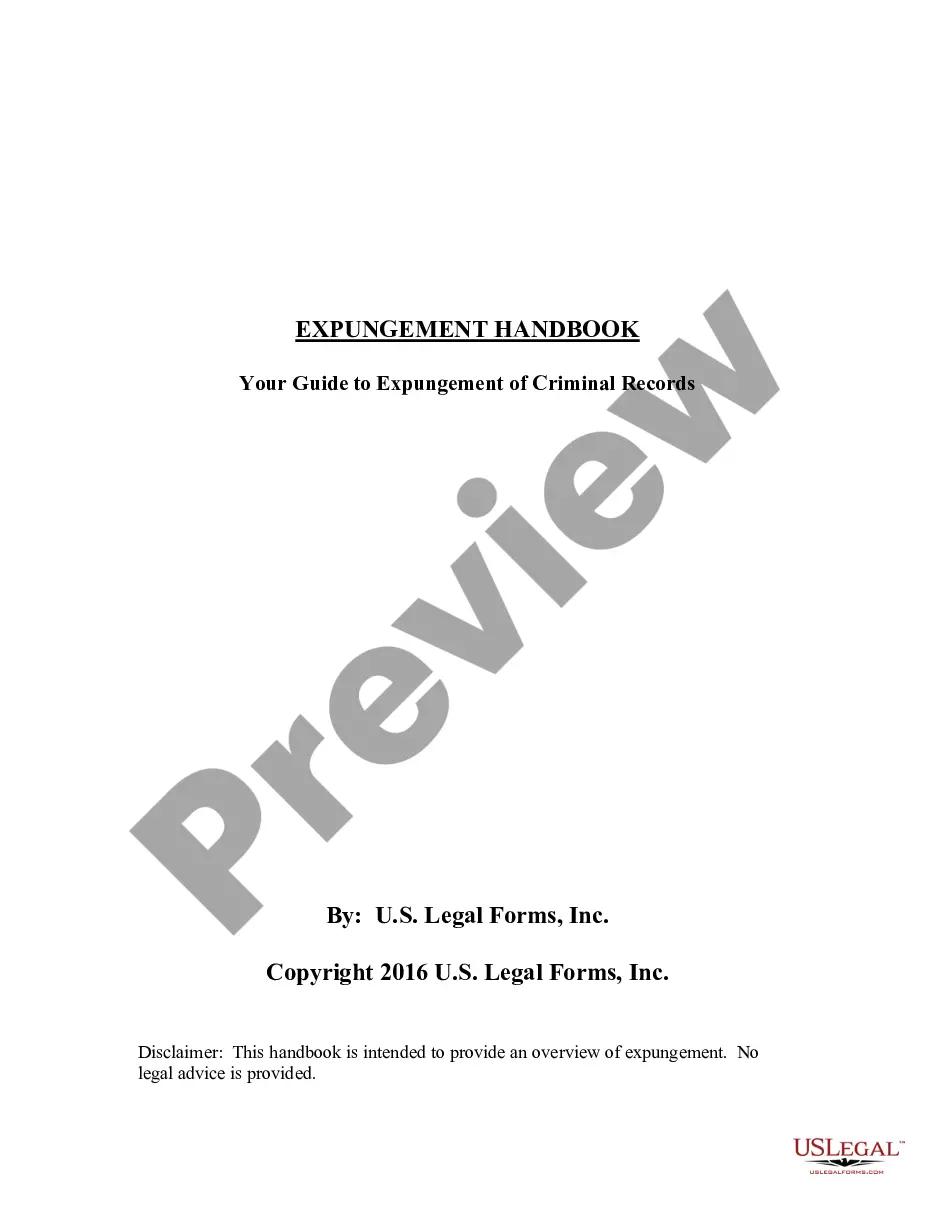
Get your form ready online
Our built-in tools help you complete, sign, share, and store your documents in one place.
Make edits, fill in missing information, and update formatting in US Legal Forms—just like you would in MS Word.
Download a copy, print it, send it by email, or mail it via USPS—whatever works best for your next step.
Sign and collect signatures with our SignNow integration. Send to multiple recipients, set reminders, and more. Go Premium to unlock E-Sign.
If this form requires notarization, complete it online through a secure video call—no need to meet a notary in person or wait for an appointment.
We protect your documents and personal data by following strict security and privacy standards.

Make edits, fill in missing information, and update formatting in US Legal Forms—just like you would in MS Word.

Download a copy, print it, send it by email, or mail it via USPS—whatever works best for your next step.

Sign and collect signatures with our SignNow integration. Send to multiple recipients, set reminders, and more. Go Premium to unlock E-Sign.

If this form requires notarization, complete it online through a secure video call—no need to meet a notary in person or wait for an appointment.

We protect your documents and personal data by following strict security and privacy standards.
Looking for another form?


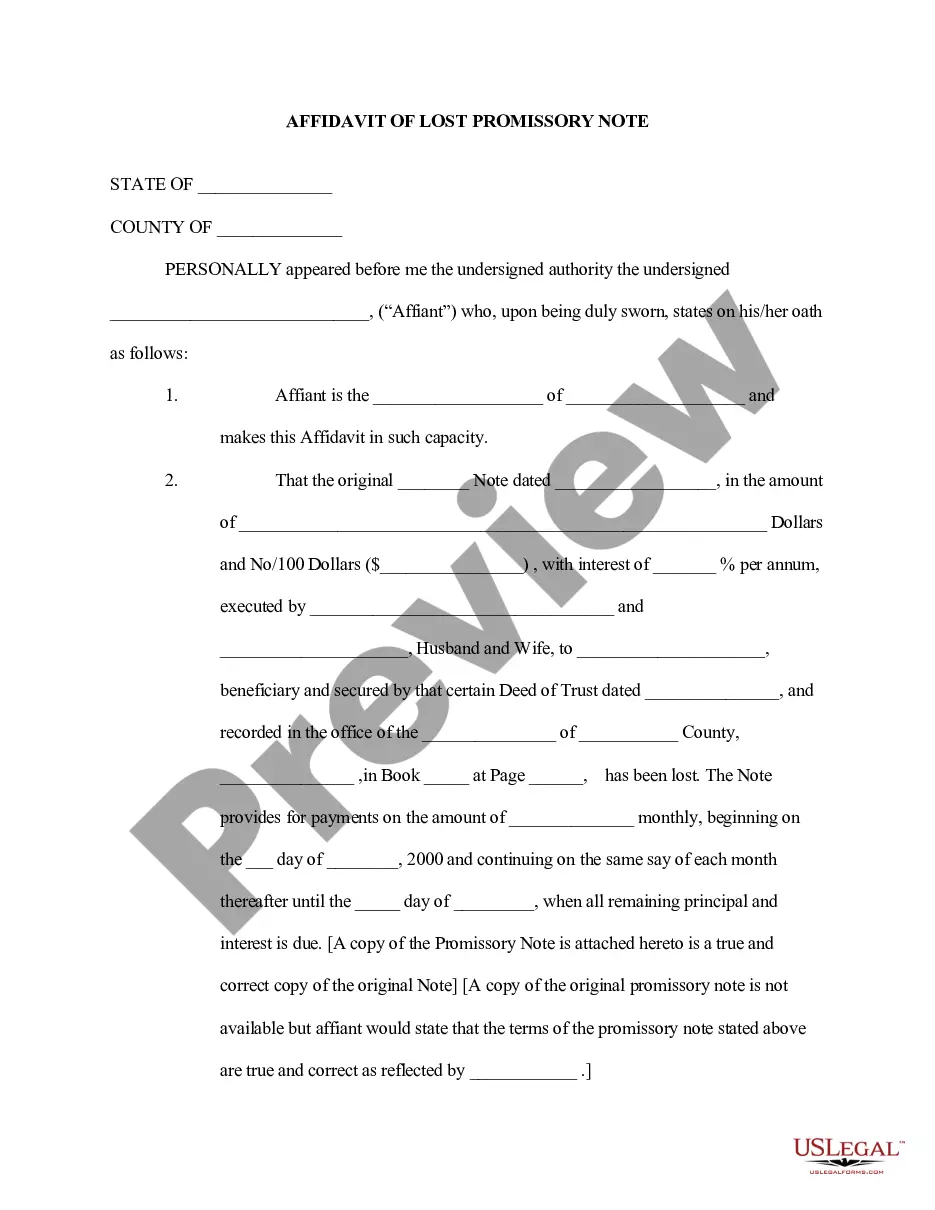


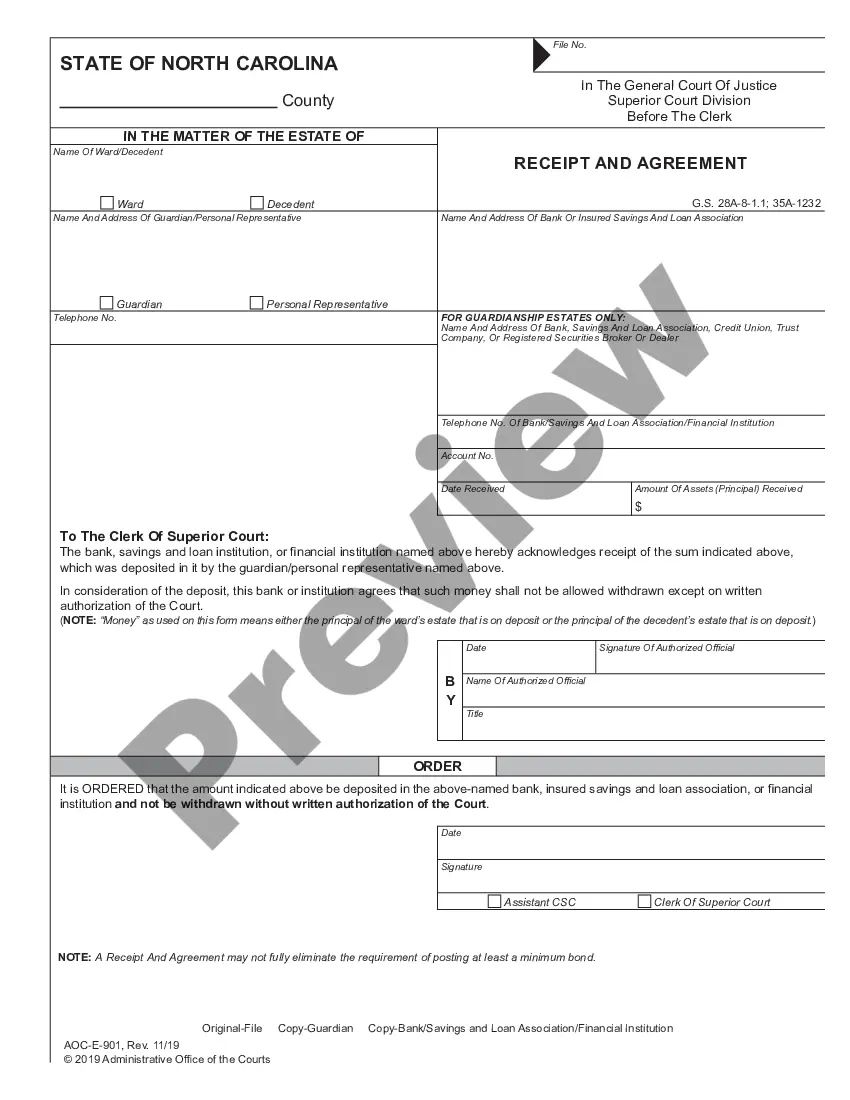

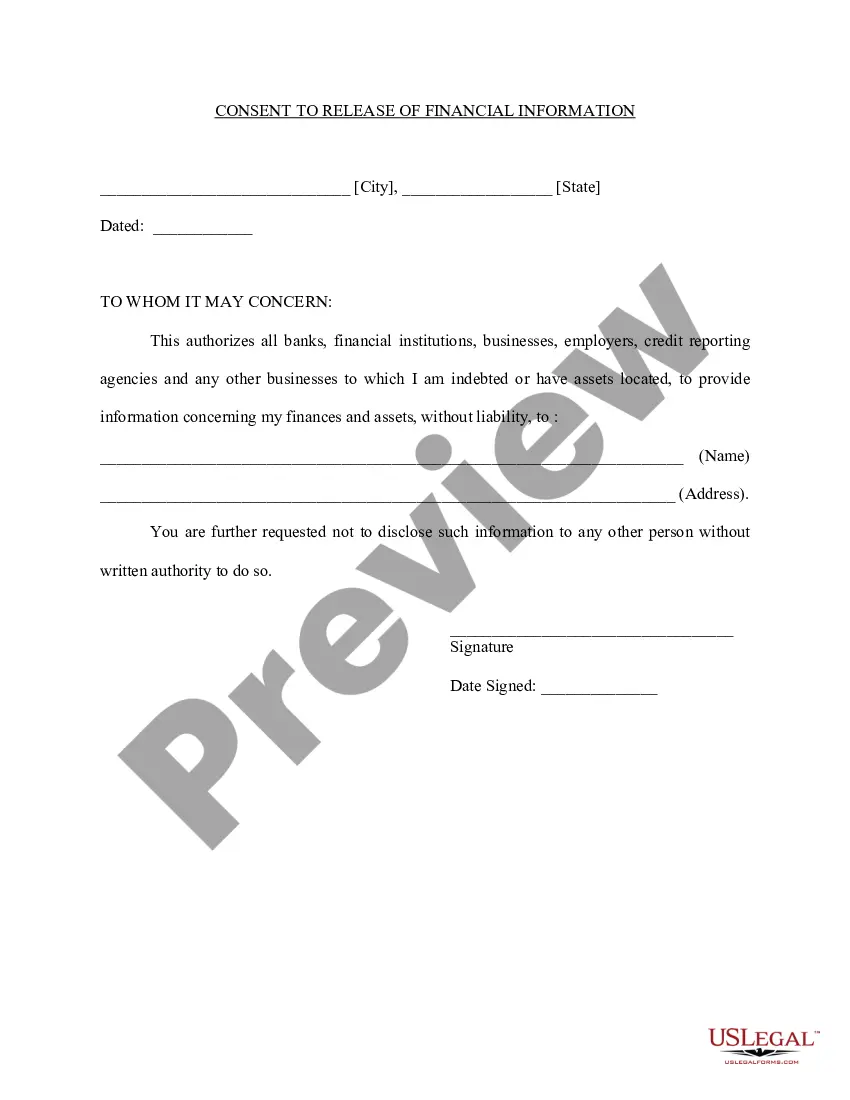

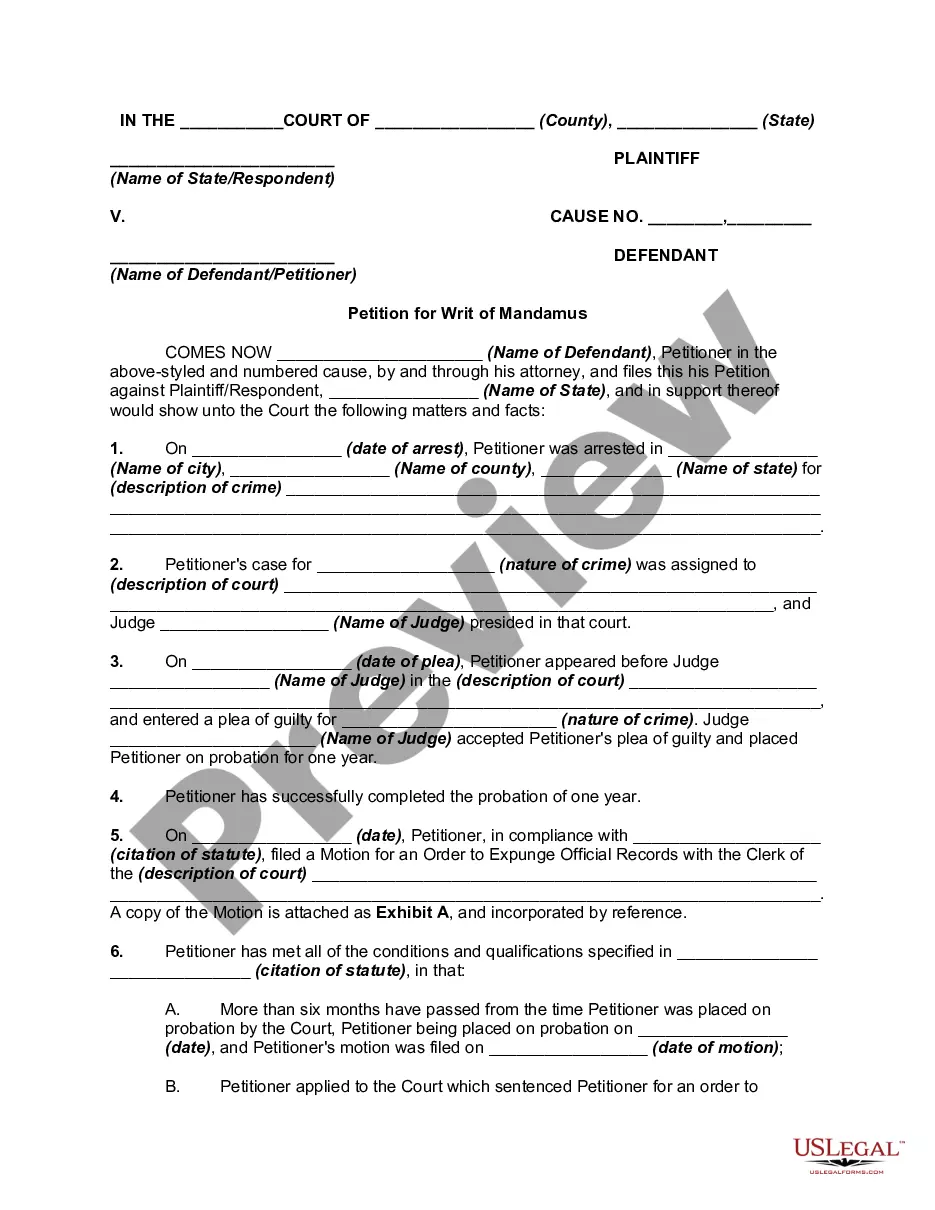
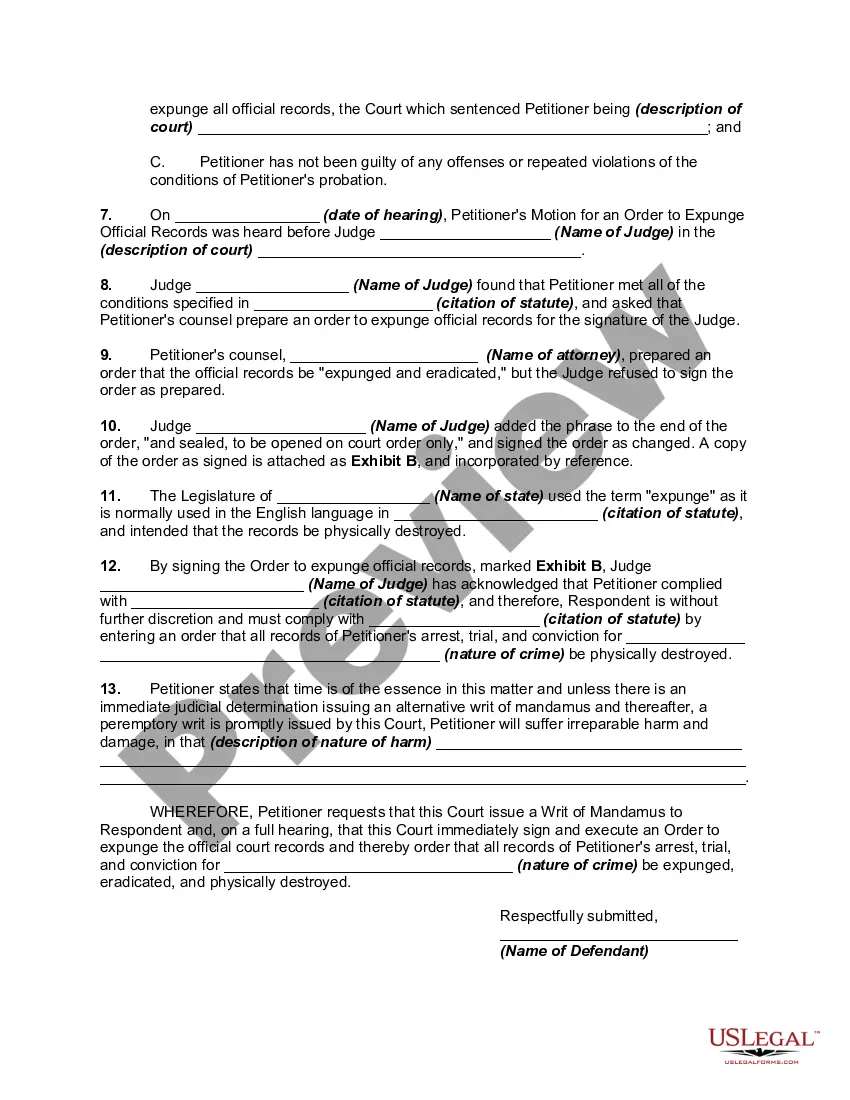
How to fill out Petition For Writ Of Mandamus Or Mandate To Compel Court To Expunge Record Of Arrest, Trial, And Conviction - Expungement?
- Log in to your US Legal Forms account if you are a returning user. Check your subscription status to ensure it is active.
- If you're a new user, start by browsing the online library. Use the Preview mode to assess format descriptions and ensure you select the right form that complies with your local laws.
- In case the template doesn’t meet your needs, utilize the Search feature to find a suitable alternative.
- Once you've identified the necessary document, click on the Buy Now button and select the subscription plan that best suits your requirements. Creating an account is essential to access the full library.
- Complete the payment using your credit card or PayPal. Ensure you finalize the purchase for immediate access.
- After your purchase, download the form directly to your device. You can access it anytime from the My Forms menu in your profile.
Using US Legal Forms empowers individuals and legal professionals to swiftly execute legal documents. Each form in their extensive library is designed for ease of use, guiding you through the nuances of form completion.
Take advantage of expert assistance if needed for flawless execution. Start your journey to expungement today with US Legal Forms!
Form popularity
FAQ
In Texas, certain cases cannot be expunged, including those involving felony convictions, certain misdemeanor convictions, or cases that resulted in a conviction or deferred adjudication. Expungement help is crucial in understanding these limitations, as making mistakes in the application can lead to denials. Familiarizing yourself with these rules can save you time and effort, and USLegalForms can offer detailed information to assist you. It’s essential to explore all possible options to clear your record effectively.
You can attempt to expunge your record yourself in Texas, but it is often best to seek professional expungement help. The process involves multiple steps and requires a solid understanding of the law. While some individuals succeed, many find that the guidance of experts increases the chances of success. USLegalForms provides resources that simplify this process and help you navigate the intricacies of expungement effectively.
To achieve expungement in Oklahoma, individuals must meet certain conditions based on the type of offense. Generally, applicants need to have completed their sentences, including any probation, and must have a clean record following their conviction. If you're unsure about your eligibility, utilizing platforms like USLegalForms can provide valuable expungement help and assist you in navigating local regulations.
The clean slate law in Oklahoma allows eligible individuals to have their criminal records expunged automatically after a designated period. This law aims to reduce barriers to employment and housing for individuals who have demonstrated rehabilitation. Understanding how this law works can simplify your journey towards obtaining expungement help, making the process more accessible.
In Oklahoma, not all offenses qualify for expungement. Generally, misdemeanors and certain non-violent felonies may be eligible, provided you meet specific criteria. It's essential to confirm eligibility based on the nature of your conviction, as some disqualifying factors exist. Seeking expungement help can guide you through identifying your qualifying offenses.
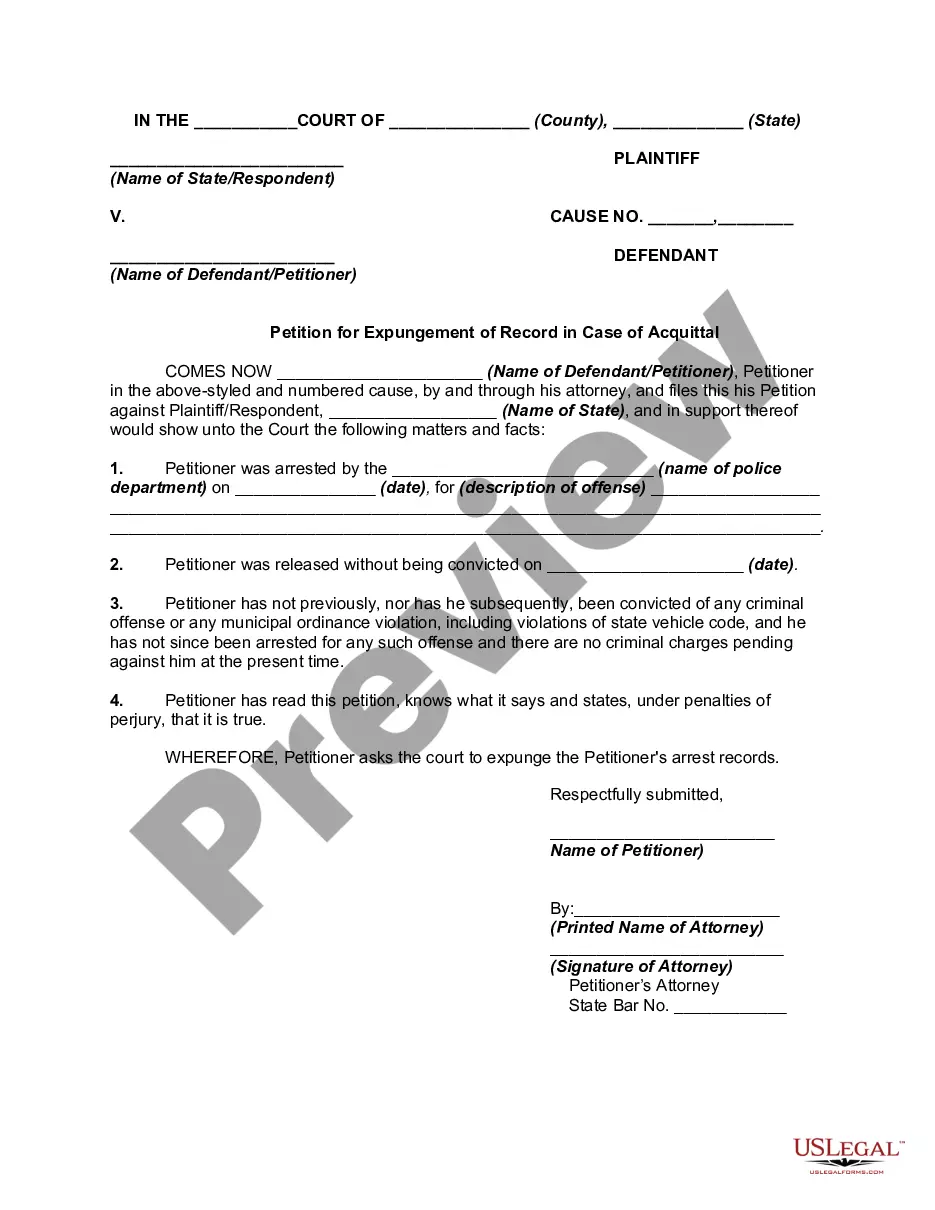
When writing an expungement letter, clarity and conciseness are key. Begin by stating your intent to seek expungement, then outline your qualifications for eligibility. Include any supporting details, such as your rehabilitation efforts and the time elapsed since your offense. This structured approach can enhance your request and improve your chances of receiving expungement help.
The second chance law in Oklahoma provides opportunities for individuals to clear their criminal records, facilitating better chances for employment and housing. This law allows eligible offenses to be expunged under certain conditions, offering a fresh start to those who have made positive changes. If you're seeking expungement help, understanding this law is vital to navigate the process effectively.
To qualify for expungement help in Ohio, you must fulfill specific criteria. Generally, you need to have completed your sentence, including any probation or parole. Additionally, you should not have any pending charges or convictions, ensuring a clean record moving forward. It's important to check with local laws as requirements may vary.
In Alabama, certain crimes are not eligible for expungement help, including violent felonies, certain sexual offenses, and habitual offenses. Understanding the limitations is crucial for anyone considering expungement. Each case varies, and it is important to review your specific circumstances. Seeking guidance from knowledgeable professionals can clarify your options and provide the best course of action for your unique situation.
When speaking to a judge for expungement, it is important to express your remorse and highlight your commitment to making positive changes. Present any steps you have taken to improve your life, such as education or employment efforts. This demonstrates your genuine desire for a fresh start and can greatly influence the judge’s decision. Having a strong plan and seeking expungement help beforehand can also lend credibility to your case.