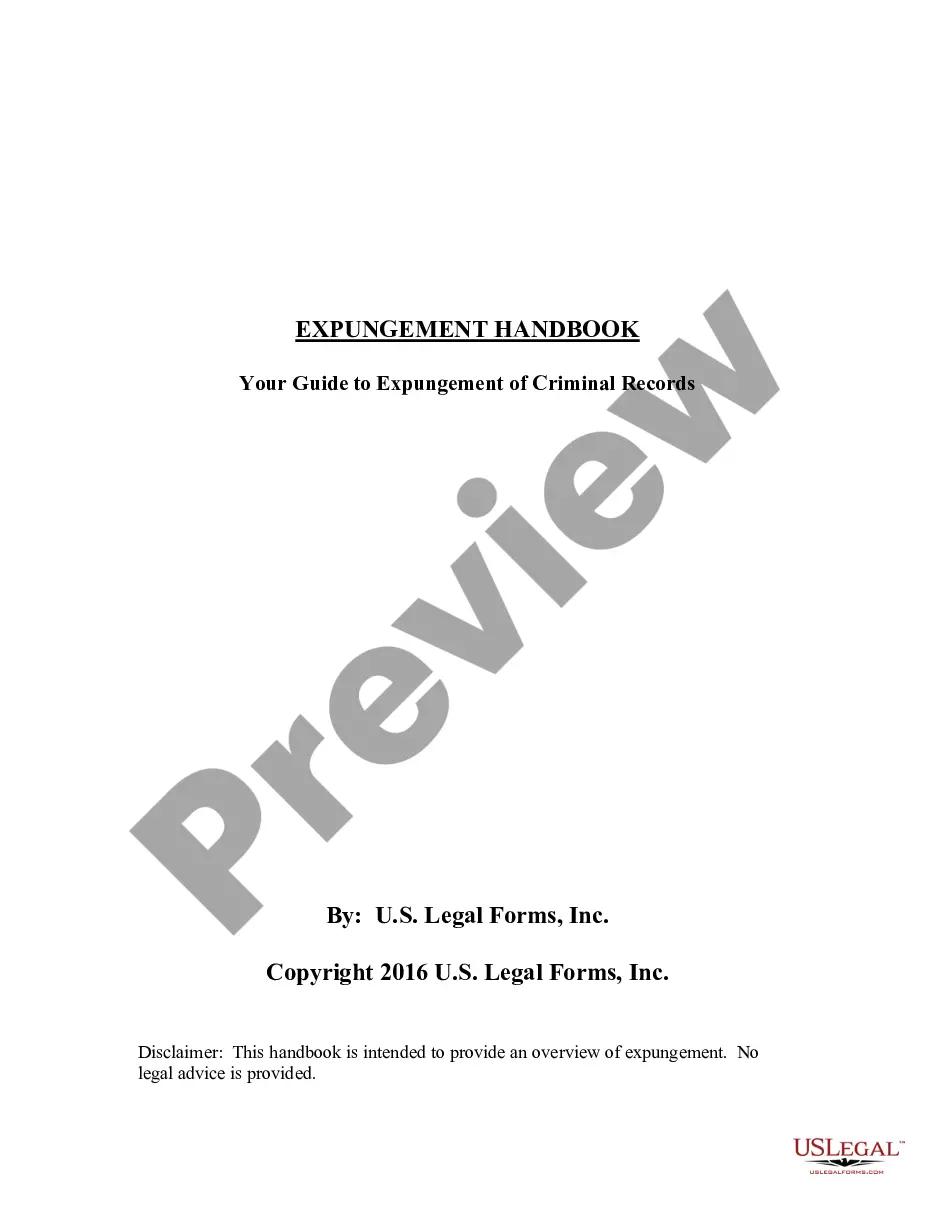
Expunged
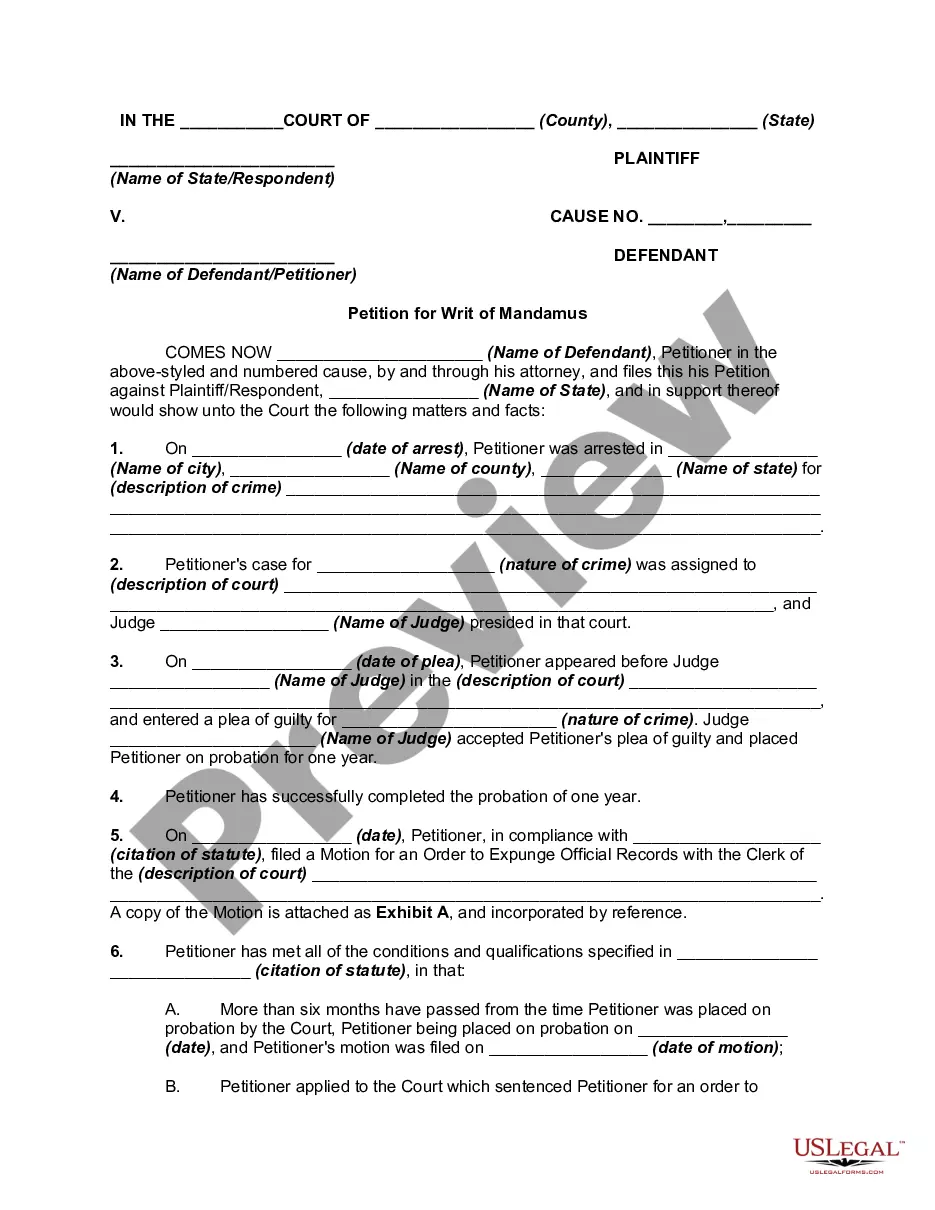
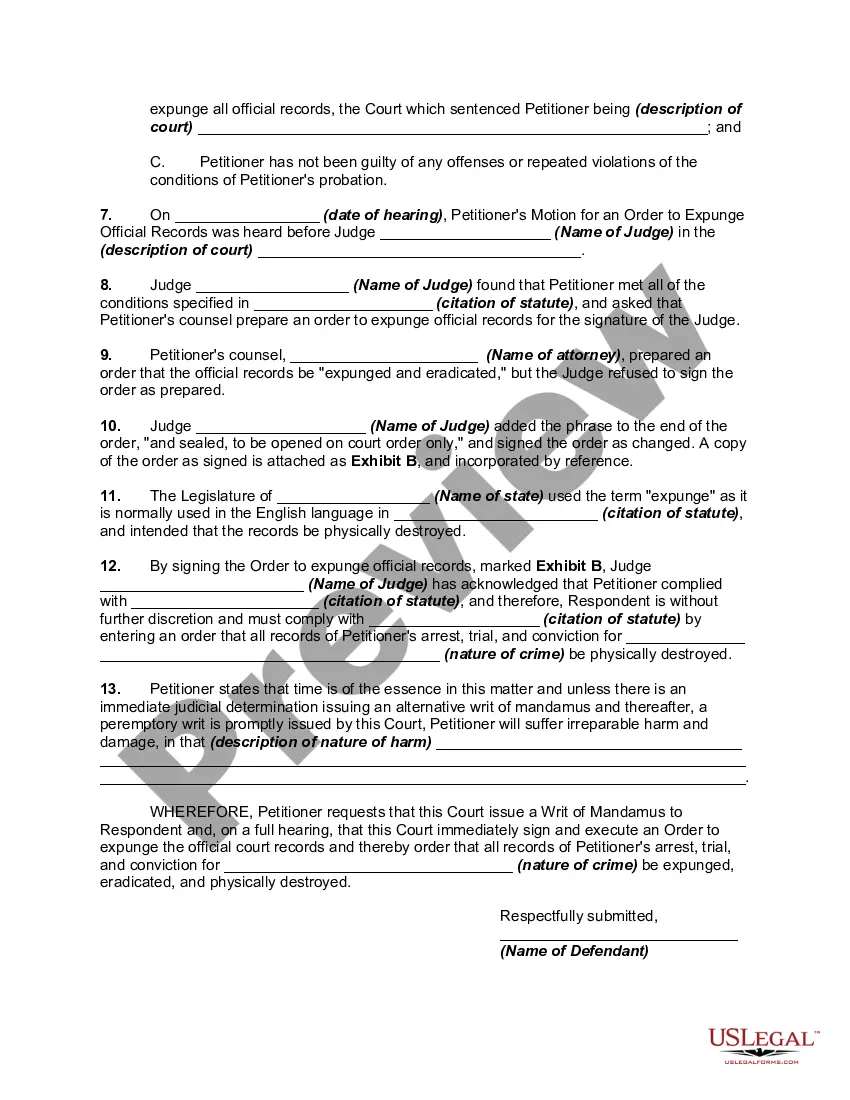
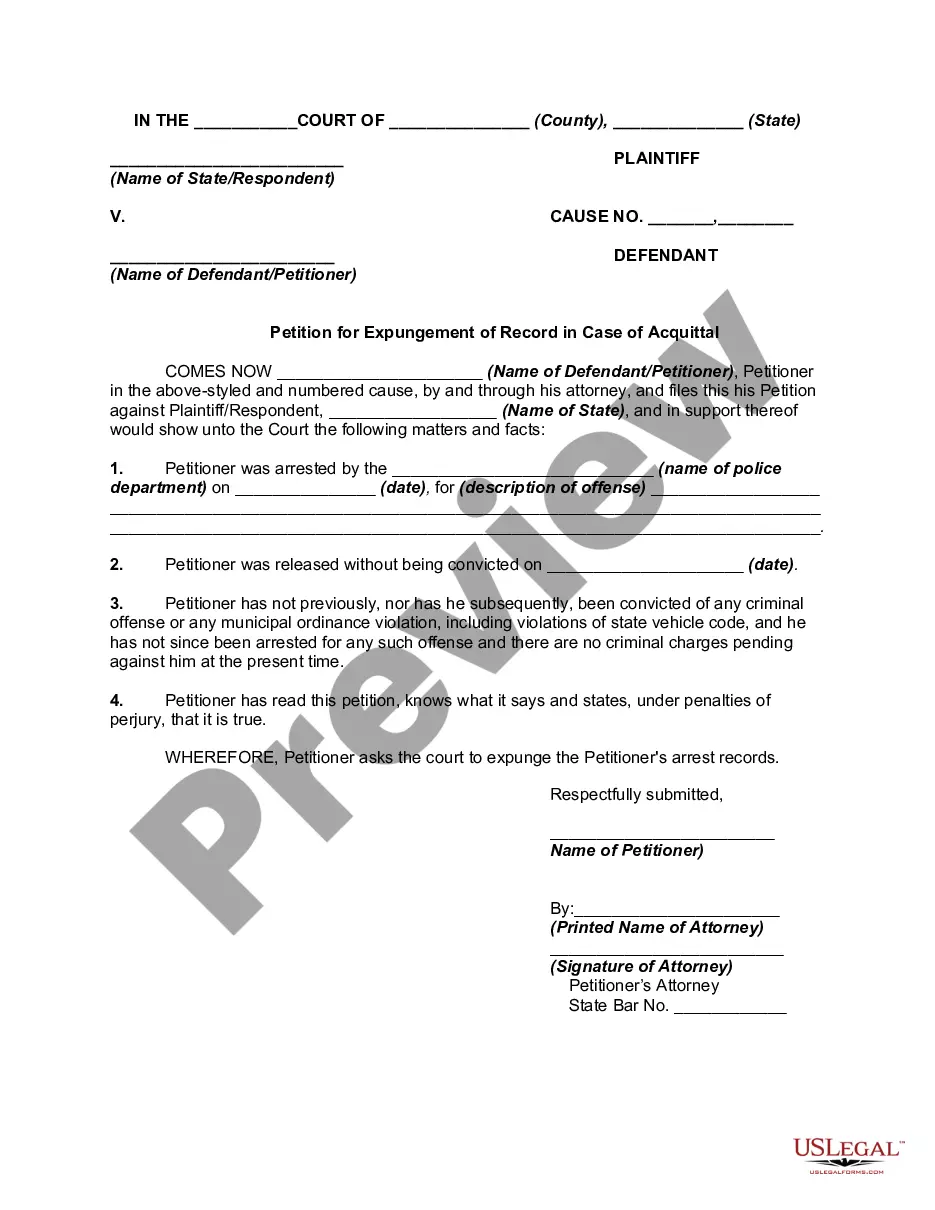
Description
Get your form ready online
Our built-in tools help you complete, sign, share, and store your documents in one place.
Make edits, fill in missing information, and update formatting in US Legal Forms—just like you would in MS Word.
Download a copy, print it, send it by email, or mail it via USPS—whatever works best for your next step.
Sign and collect signatures with our SignNow integration. Send to multiple recipients, set reminders, and more. Go Premium to unlock E-Sign.
If this form requires notarization, complete it online through a secure video call—no need to meet a notary in person or wait for an appointment.
We protect your documents and personal data by following strict security and privacy standards.

Make edits, fill in missing information, and update formatting in US Legal Forms—just like you would in MS Word.

Download a copy, print it, send it by email, or mail it via USPS—whatever works best for your next step.

Sign and collect signatures with our SignNow integration. Send to multiple recipients, set reminders, and more. Go Premium to unlock E-Sign.

If this form requires notarization, complete it online through a secure video call—no need to meet a notary in person or wait for an appointment.

We protect your documents and personal data by following strict security and privacy standards.
Looking for another form?




How to fill out Petition For Writ Of Mandamus Or Mandate To Compel Court To Expunge Record Of Arrest, Trial, And Conviction - Expungement?
- Log in to your US Legal Forms account if you're an existing user and confirm your subscription is active. If not, renew it as needed.
- Review the form description and preview mode to ensure you select the right template for your local jurisdiction.
- If the form isn't suitable, use the Search tab to find a different template that meets your requirements.
- Click the Buy Now button and choose your preferred subscription plan to access the form library.
- Complete your purchase by entering your payment details through credit card or PayPal.
- Download the document directly to your device, and you can access it anytime through the My Forms section of your profile.
Utilizing US Legal Forms not only simplifies the process of obtaining necessary legal documents but also ensures you have the proper forms tailored to your needs.
Start your journey to a cleaner slate today with US Legal Forms and experience the benefits of a trustworthy legal resource!
Form popularity
FAQ
The clean slate law in Kentucky enables eligible individuals to have certain criminal records automatically expunged after a designated period. This initiative aims to help individuals reintegrate into society by removing barriers associated with prior convictions. Specifically, the law allows for the expungement of non-violent offenses, promoting second chances for those who qualify. To explore how this may apply to your case, USLegalForms offers informative resources and guidance.
In Kentucky, specific non-violent felonies, misdemeanors, and certain violations are eligible for expungement. For example, class D felonies can be expunged if all conditions of the sentence are satisfied. However, serious offenses like sexual crimes, homicide, or certain violent felonies cannot be expunged. To navigate the complexities of this process, consider utilizing the services at USLegalForms for assistance in clearing your record.
In Kentucky, individuals who have been convicted of certain crimes may be eligible to have their records expunged. Generally, those with non-violent felonies, misdemeanors, and violations may apply for expungement after completing their sentence, including probation and parole. Additionally, individuals must not have any pending criminal charges to qualify. If you’re unsure about your eligibility, consulting the legal resources at USLegalForms can provide clarity.
While you can technically file for an expungement on your own in Florida, having a lawyer can greatly improve your chances of success. An experienced legal professional understands the specific requirements and nuances of the expungement process. They can guide you through the paperwork, ensuring it is completed correctly and submitted on time, which helps you achieve the goal of having your record expunged effectively.
To write an expungement request, you begin by gathering relevant documents related to your case, such as your conviction record. Then, you draft a petition addressing the court, explaining why you believe your record should be expunged. It's important to include personal details, case numbers, and any supporting information that strengthens your position. You may utilize platforms like US Legal Forms to find templates that simplify this process.
An example of expunge involves the legal process of removing certain criminal records from public access. For instance, if someone was charged with a minor offense like shoplifting, they may seek to have that record expunged after completing their sentence. This allows them to move on without the weight of that record affecting their future opportunities, such as employment or housing.
While you can attempt to expunge your record yourself in Texas, the process can be complex. It involves filing specific legal documents and navigating court procedures, which may be challenging without legal experience. Using a platform like US Legal Forms can simplify the process, providing you with the necessary forms and guidance to ensure your expungement is handled correctly.
In Texas, certain cases cannot be expunged, including those involving felony convictions for murder, sexual assault, or family violence. Additionally, cases where you received a dismissal after probation are generally not eligible for expunction if you were convicted of a more serious offense in the past. Understanding these limitations can help you determine if your record qualifies for expungement.
The full meaning of expunge is to remove, erase, or completely obliterate a record. This legal process allows individuals to move forward without being hindered by past mistakes. When a record is expunged, it holds no bearing in the eyes of the law. Exploring the expungement options through US Legal Forms can provide clarity and support for those looking to expunge their records.
In Minnesota, several crimes can be expunged including certain misdemeanors, gross misdemeanors, and some felonies after specific waiting periods. However, serious offenses, such as violent crimes or sexual offenses, generally remain on an individual's record. Understanding the specific eligibility criteria is essential for the expungement process. You can find valuable resources on US Legal Forms to assist you with this.