Traffic Violation Forgiveness
Description
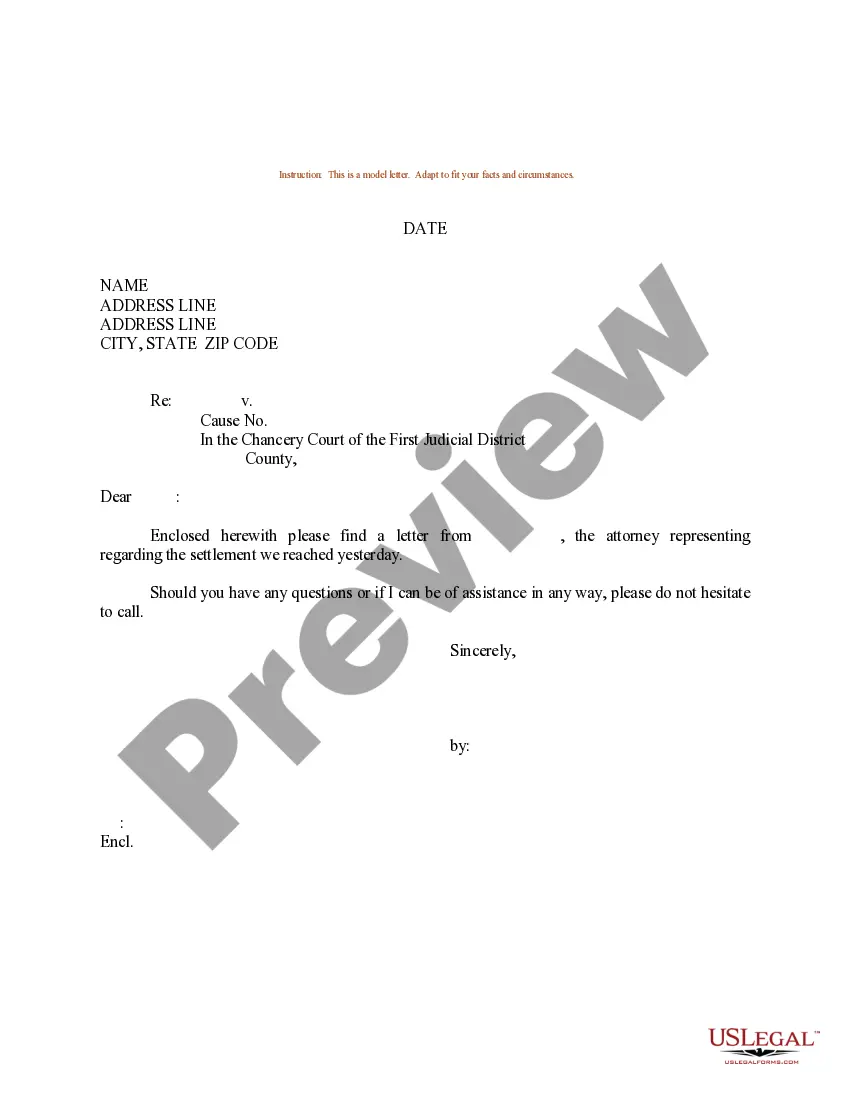
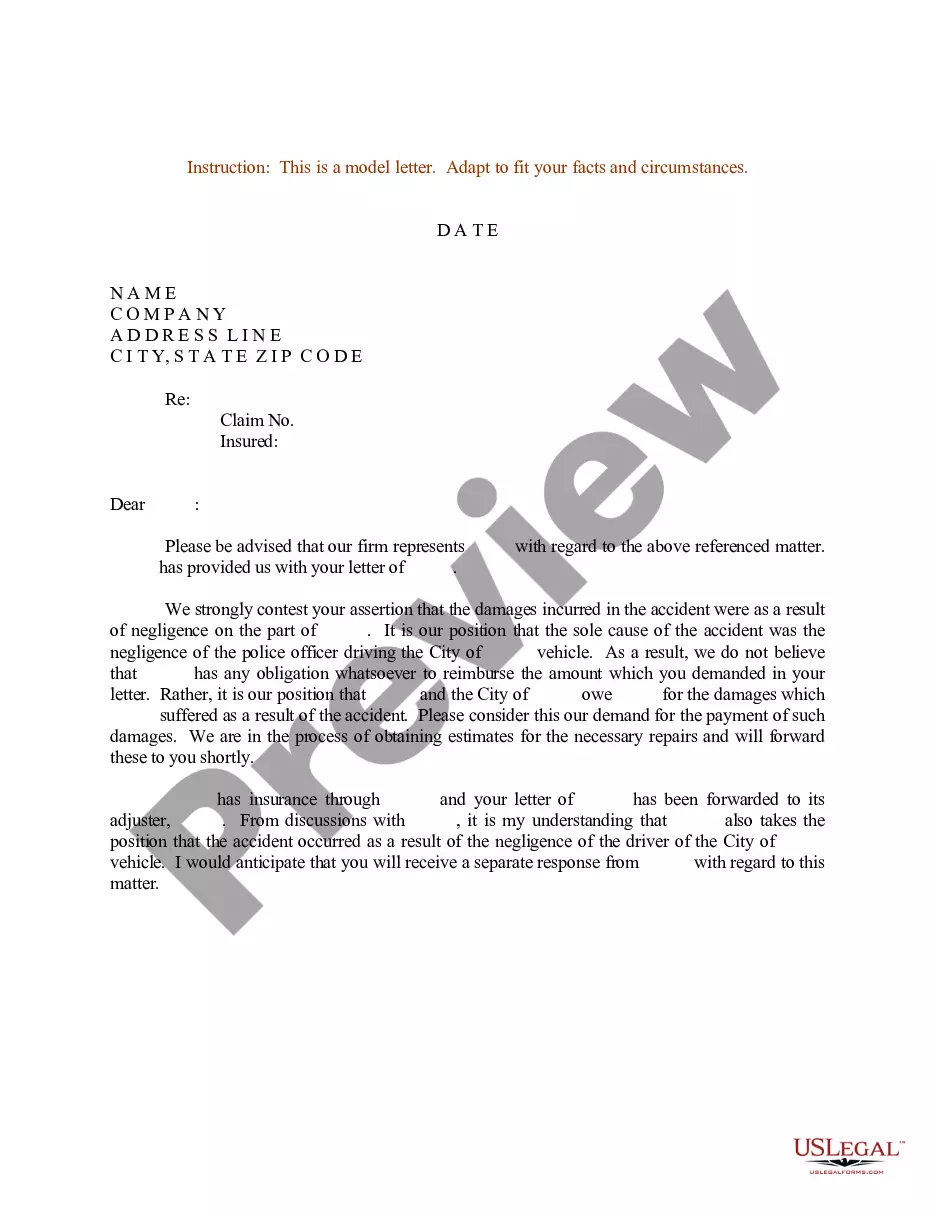
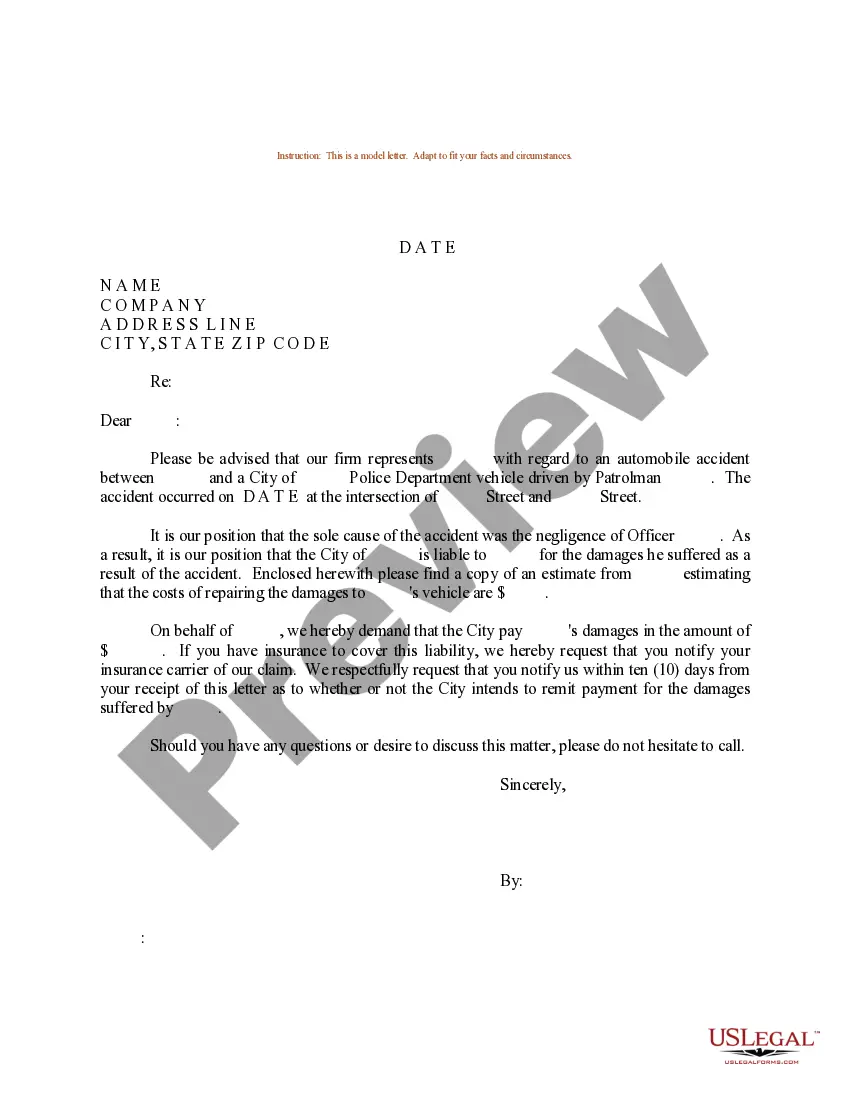
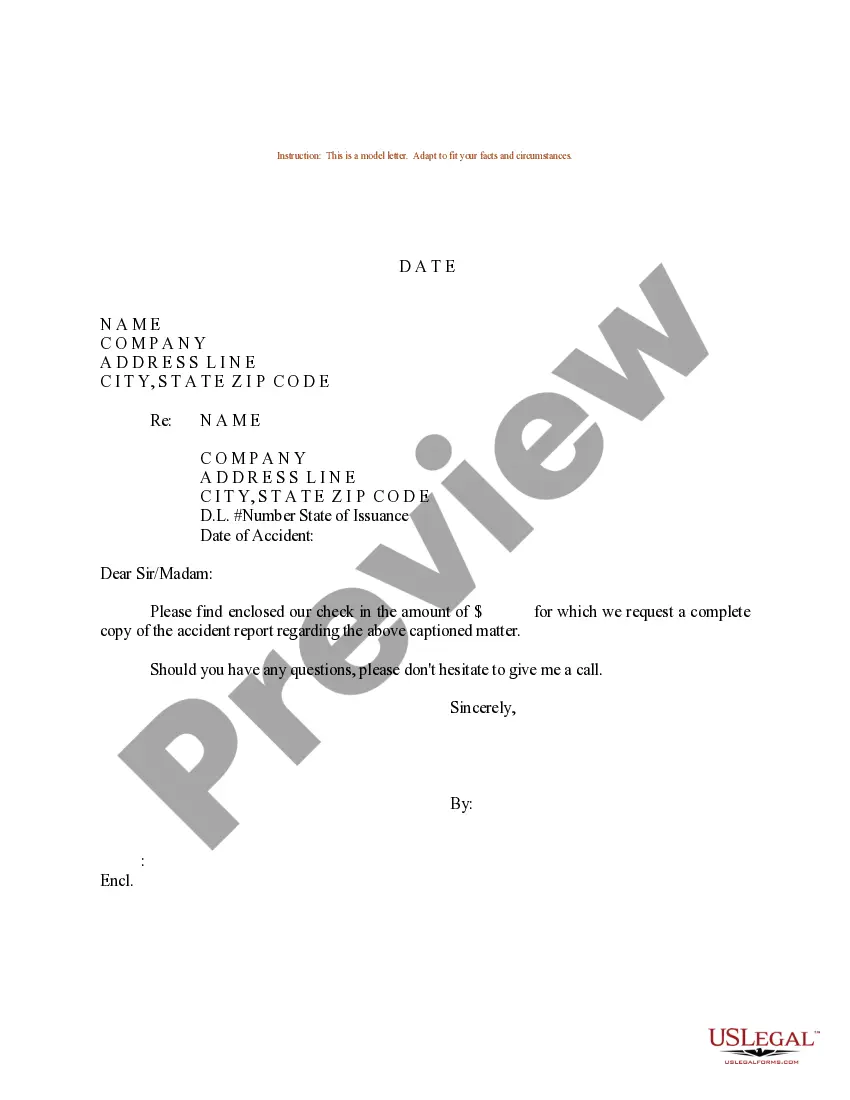
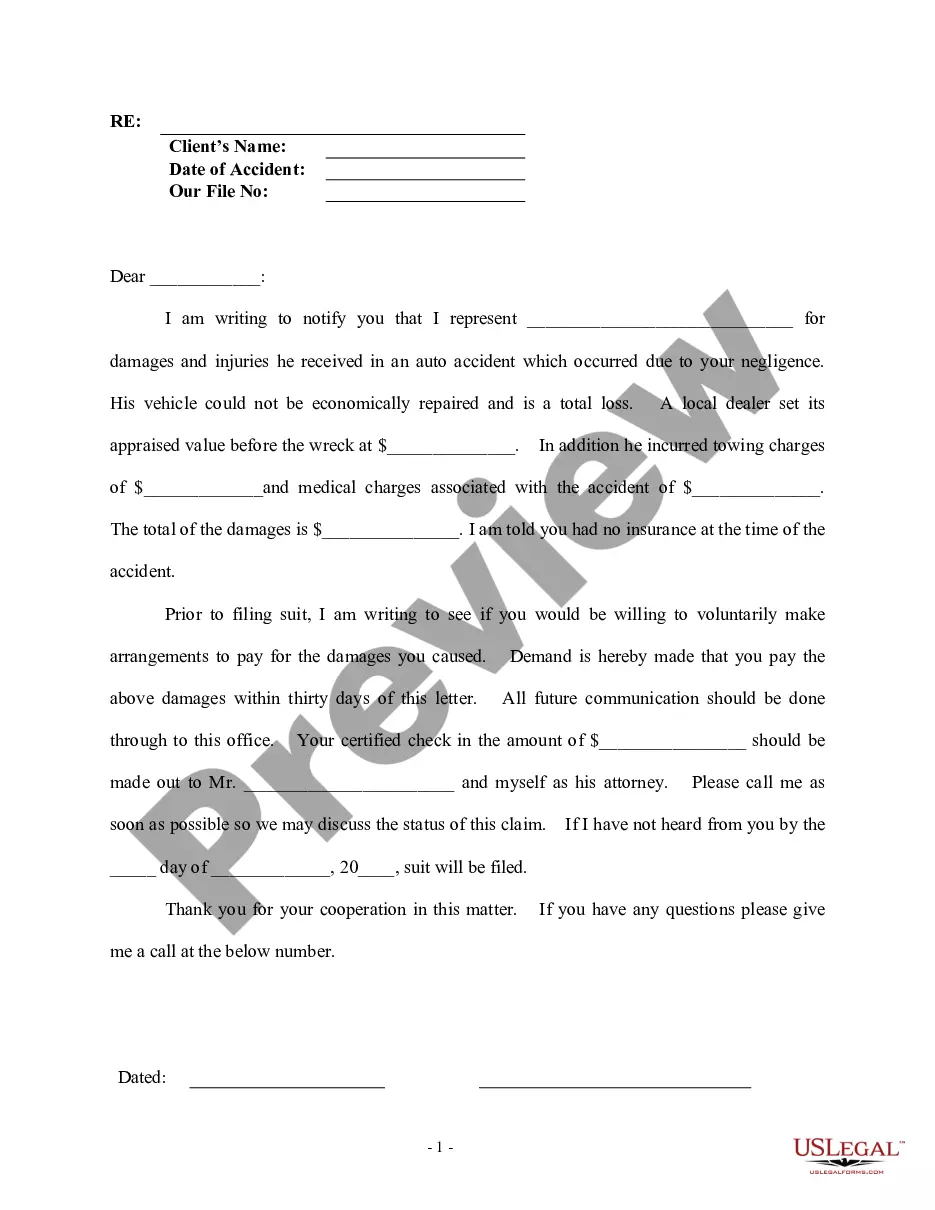

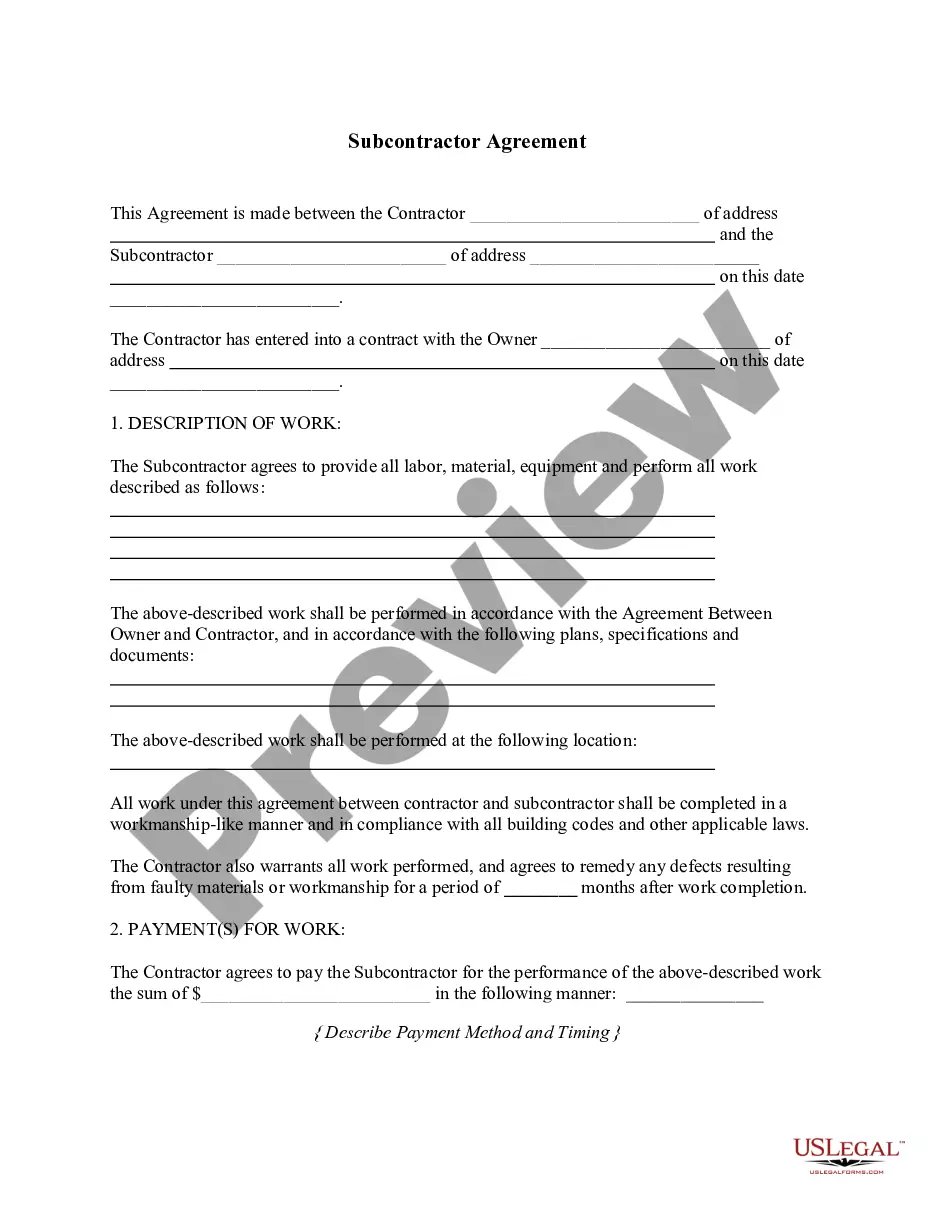

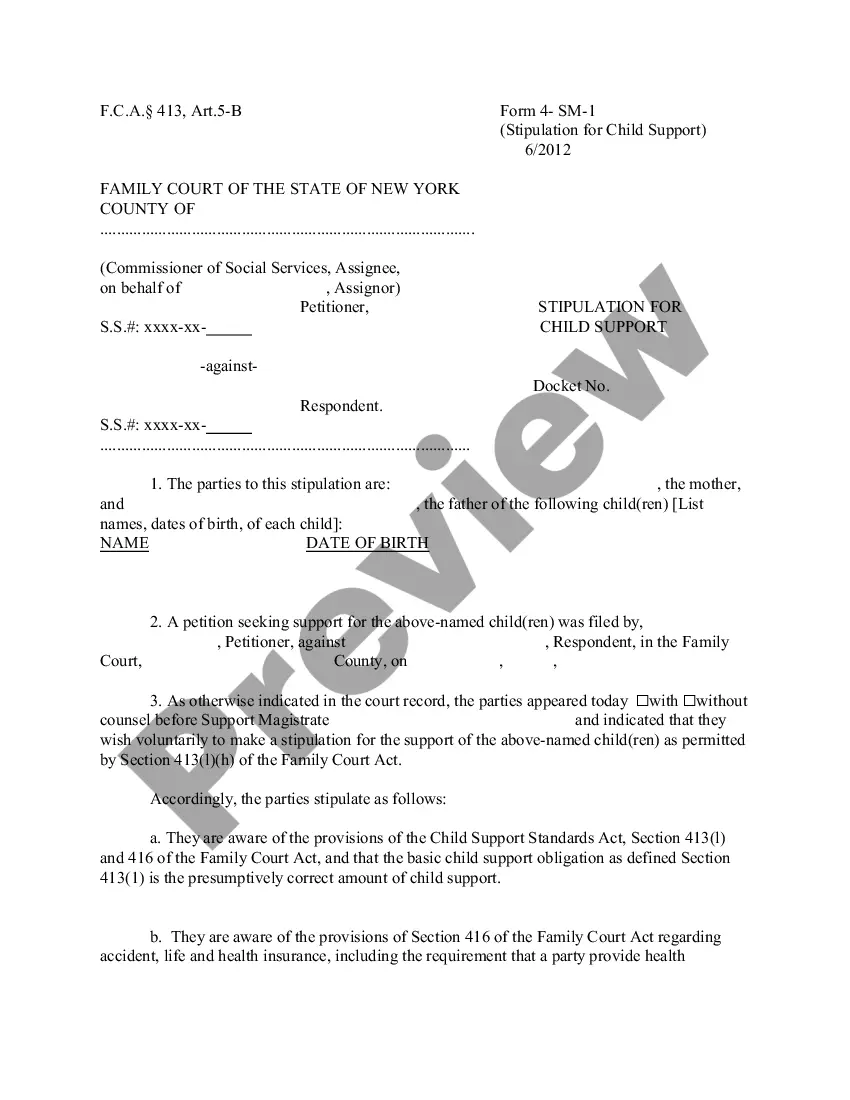
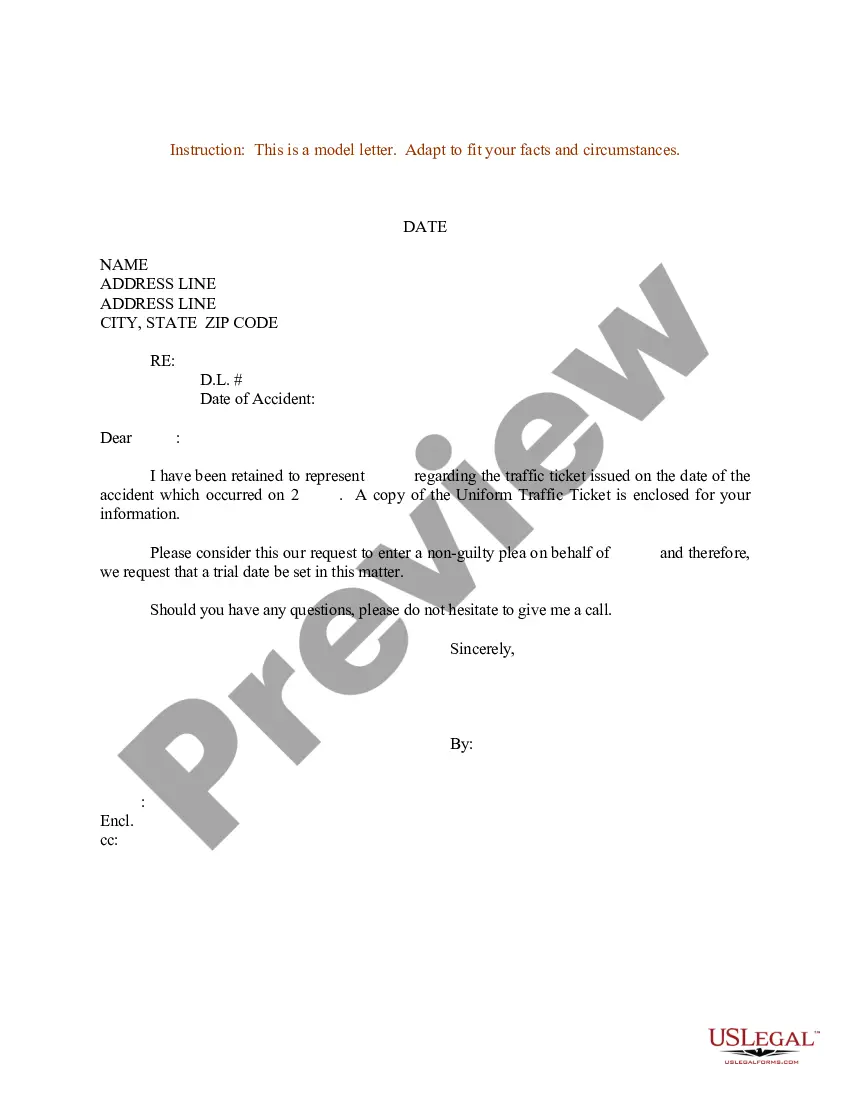
How to fill out Sample Letter Stating Lawyer's Representing Client For Traffic Violation?
Regardless of whether it's for corporate objectives or personal issues, everyone must handle legal circumstances at some time in their lives.
Completing legal documents requires meticulous focus, starting with choosing the correct form type.
Once it's downloaded, you can fill out the form using editing software or print it and complete it manually. With a vast collection of US Legal Forms available, you need not waste time searching for the correct template online. Utilize the library's intuitive navigation to discover the right template for any occasion.
- For example, if you select an incorrect version of the Traffic Violation Forgiveness, it will be rejected upon submission.
- Thus, it is crucial to have a trustworthy source of legal paperwork like US Legal Forms.
- If you need to acquire a Traffic Violation Forgiveness template, follow these simple instructions.
- Obtain the form you are looking for by utilizing the search bar or browsing the catalog.
- Review the description of the form to confirm it aligns with your circumstances, state, and jurisdiction.
- Click on the form's preview to inspect it.
- If it's the incorrect document, go back to the search feature to find the Traffic Violation Forgiveness template you need.
- Download the document when it meets your specifications.
- If you already possess a US Legal Forms account, simply click Log in to access previously stored documents in My documents.
- In case you don't yet have an account, you can obtain the form by clicking Buy now.
- Select the appropriate pricing option.
- Complete the registration form for your profile.
- Choose your payment method: either a credit card or PayPal account.
- Select the desired file format and download the Traffic Violation Forgiveness.
Form popularity
FAQ
To write a letter to a judge seeking traffic violation forgiveness for a ticket, start by clearly stating your request for dismissal. Include your name, contact information, ticket details, and a brief explanation of your situation. It is important to express your respect for the court and your commitment to safe driving. Use the letter as an opportunity to highlight any mitigating factors that contributed to the incident, and emphasize your understanding of the law.
When speaking to a judge, be respectful and clear about your situation. Express your understanding of the rules and explain any circumstances that led to the violation. Having a strong case for traffic violation forgiveness can increase your chances of receiving leniency, so prepare your points thoughtfully.
In Florida, you can potentially expunge or seal certain traffic violations, but this process is limited. Typically, more serious offenses are not eligible for expungement. If you aim for traffic violation forgiveness, consulting with an attorney or using resources from US Legal Forms can help you navigate this legal process effectively.
Generally, a traffic warning does not become part of your official driving record. Unlike tickets, warnings usually serve as informal notices. However, repeated warnings can lead to formal penalties, so it's wise to remain cautious and consider traffic violation forgiveness options to avoid escalating issues.
The duration that traffic violations stay on your record typically varies between states. Most violations remain for three to five years, while serious offenses may remain longer. If you seek traffic violation forgiveness, understanding how long these records last can greatly impact your insurance rates and driving privileges.
In New York, you can often get a ticket dismissed by contesting it in court or through a defensive driving course. If you demonstrate mitigating circumstances or use traffic violation forgiveness options successfully, this may lead to a positive outcome. Engaging with legal professionals can also improve your chances of dismissal.
Typically, traffic violations will fall off your record after three to five years, depending on your state laws. However, this timeline can vary based on the severity of the violation and local regulations. For those seeking traffic violation forgiveness sooner, consulting with legal experts or using platforms like US Legal Forms can help clarify your options.
Hiring a lawyer for a traffic ticket can be beneficial, especially when you seek traffic violation forgiveness. An experienced attorney can guide you through the legal process, help you understand your options, and potentially negotiate for a better outcome. This support can lead to reduced fines or even ticket dismissal, saving you time and stress.
To ask for forgiveness for a speeding ticket, you should approach the situation with honesty and humility. Whether addressing the court, a judge, or law enforcement, clearly explain your circumstances and request consideration for leniency. Sharing your understanding of the importance of road safety may lead to traffic violation forgiveness. Always express your commitment to becoming a safer driver in the future.
A good apology letter for court should acknowledge your actions and express genuine remorse. Clearly explain what you have learned from the experience and how you plan to avoid similar situations in the future. Highlighting your commitment to responsible driving can support your case for traffic violation forgiveness. Craft your letter carefully, keeping it sincere and straightforward.