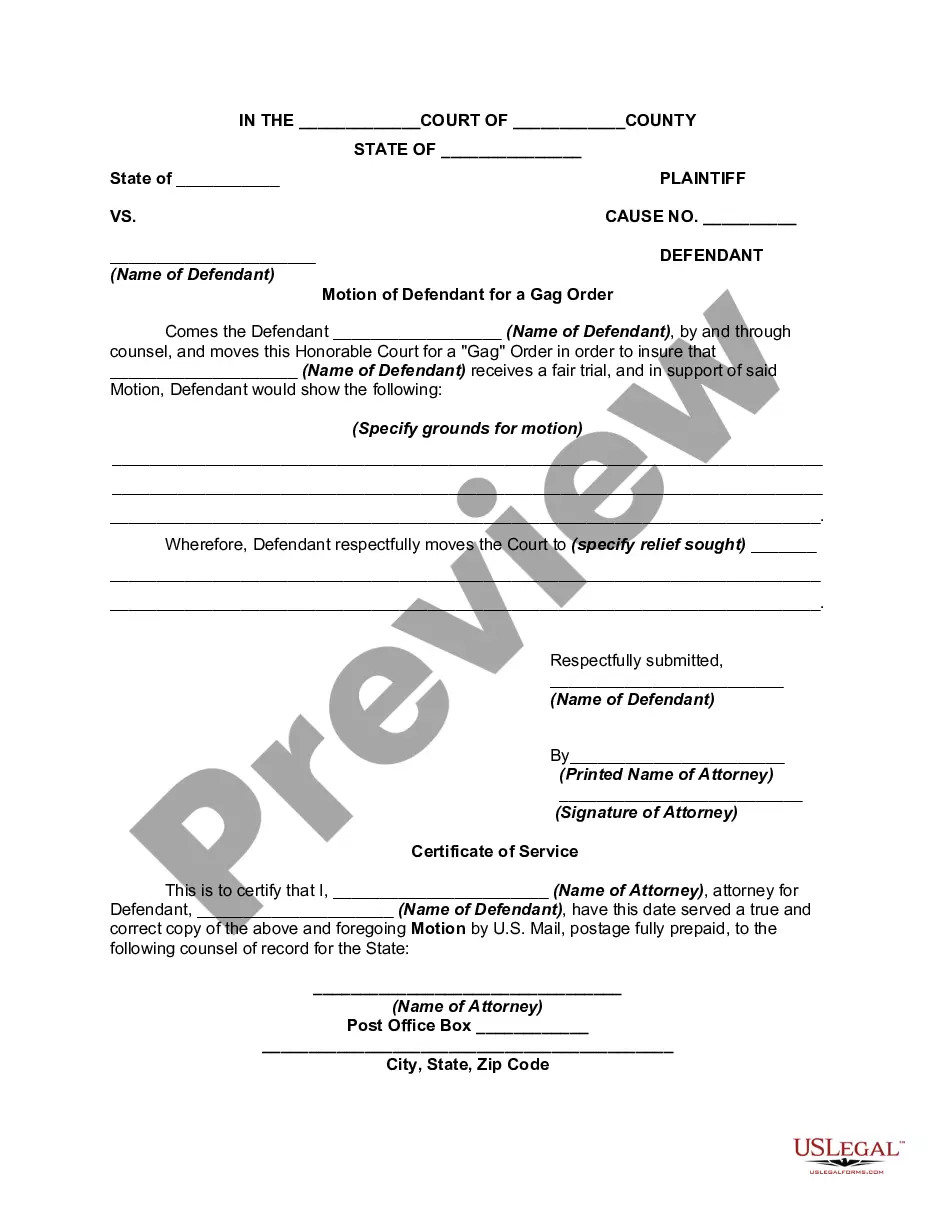
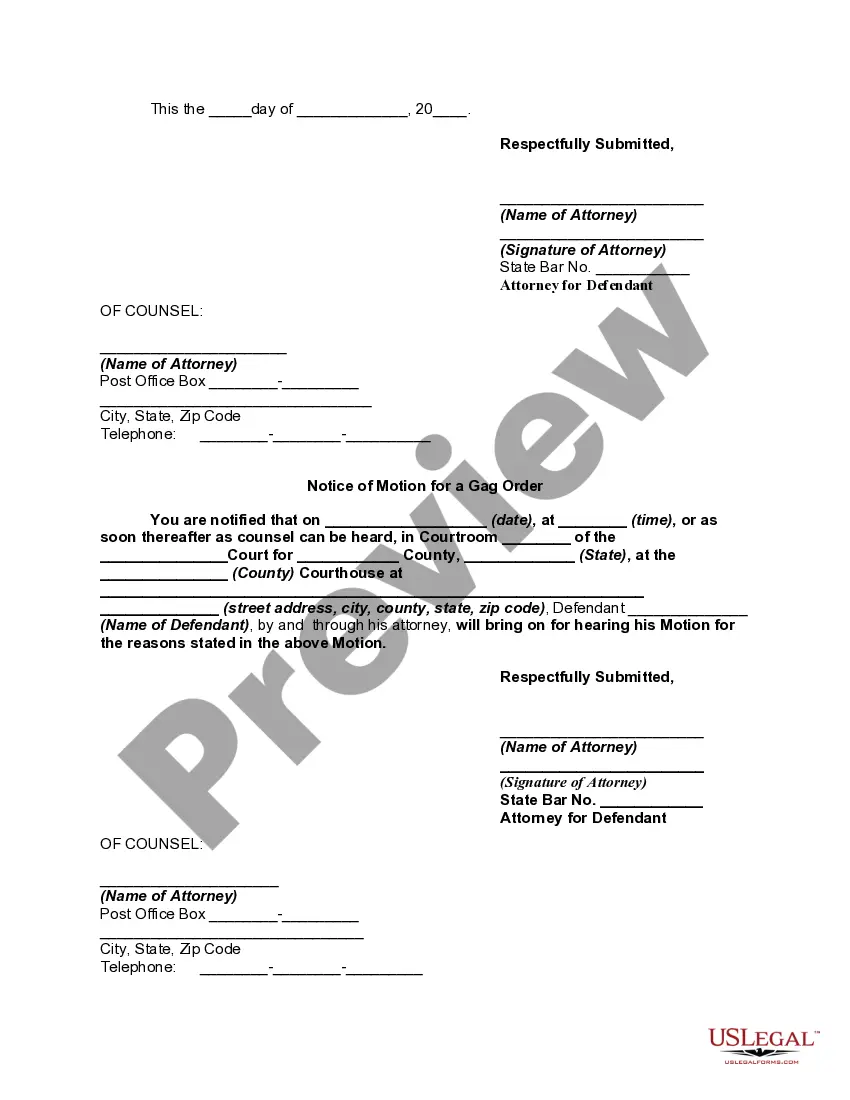
Gag Order In Court
Description
Get your form ready online
Our built-in tools help you complete, sign, share, and store your documents in one place.
Make edits, fill in missing information, and update formatting in US Legal Forms—just like you would in MS Word.
Download a copy, print it, send it by email, or mail it via USPS—whatever works best for your next step.
Sign and collect signatures with our SignNow integration. Send to multiple recipients, set reminders, and more. Go Premium to unlock E-Sign.
If this form requires notarization, complete it online through a secure video call—no need to meet a notary in person or wait for an appointment.
We protect your documents and personal data by following strict security and privacy standards.
Make edits, fill in missing information, and update formatting in US Legal Forms—just like you would in MS Word.
Download a copy, print it, send it by email, or mail it via USPS—whatever works best for your next step.
Sign and collect signatures with our SignNow integration. Send to multiple recipients, set reminders, and more. Go Premium to unlock E-Sign.
If this form requires notarization, complete it online through a secure video call—no need to meet a notary in person or wait for an appointment.
We protect your documents and personal data by following strict security and privacy standards.
Looking for another form?
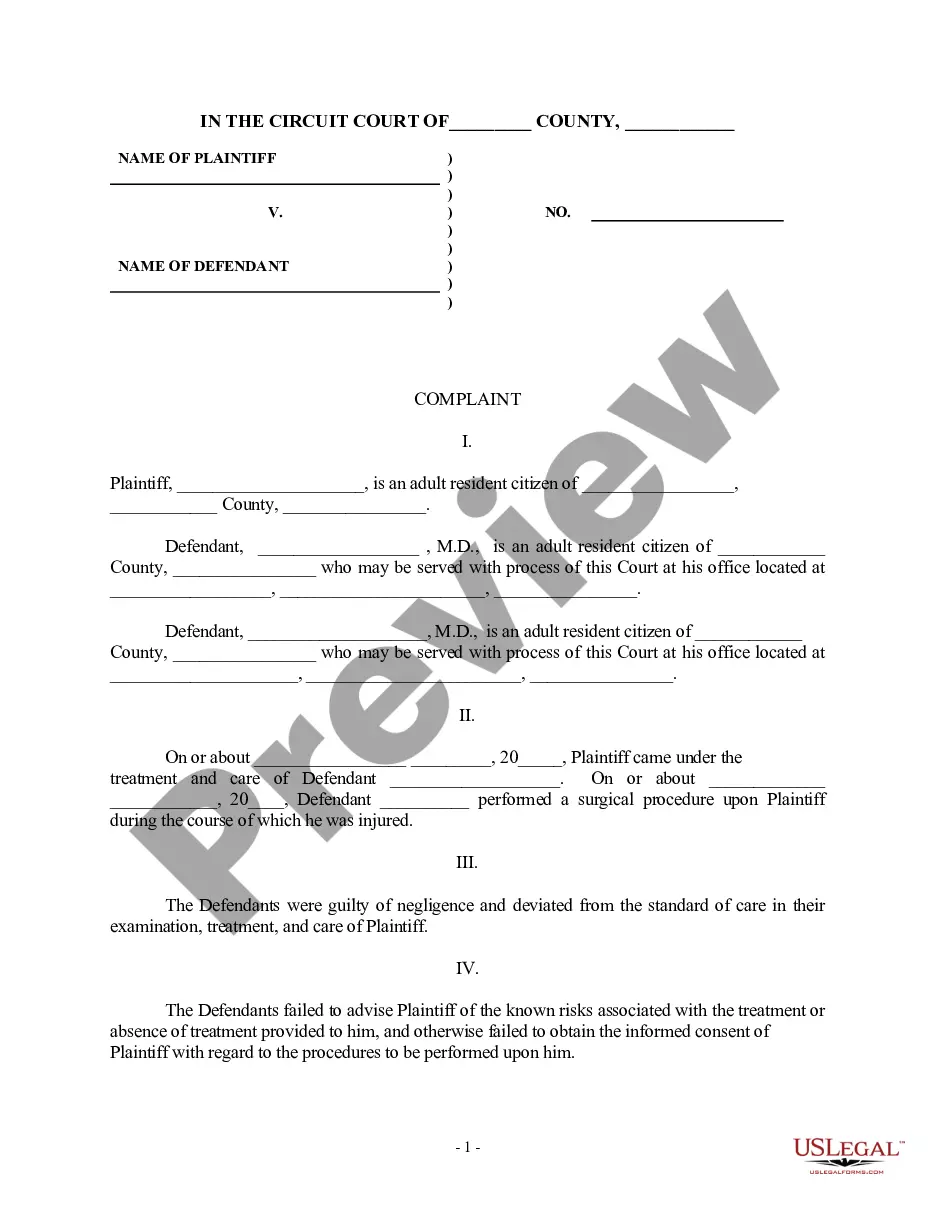
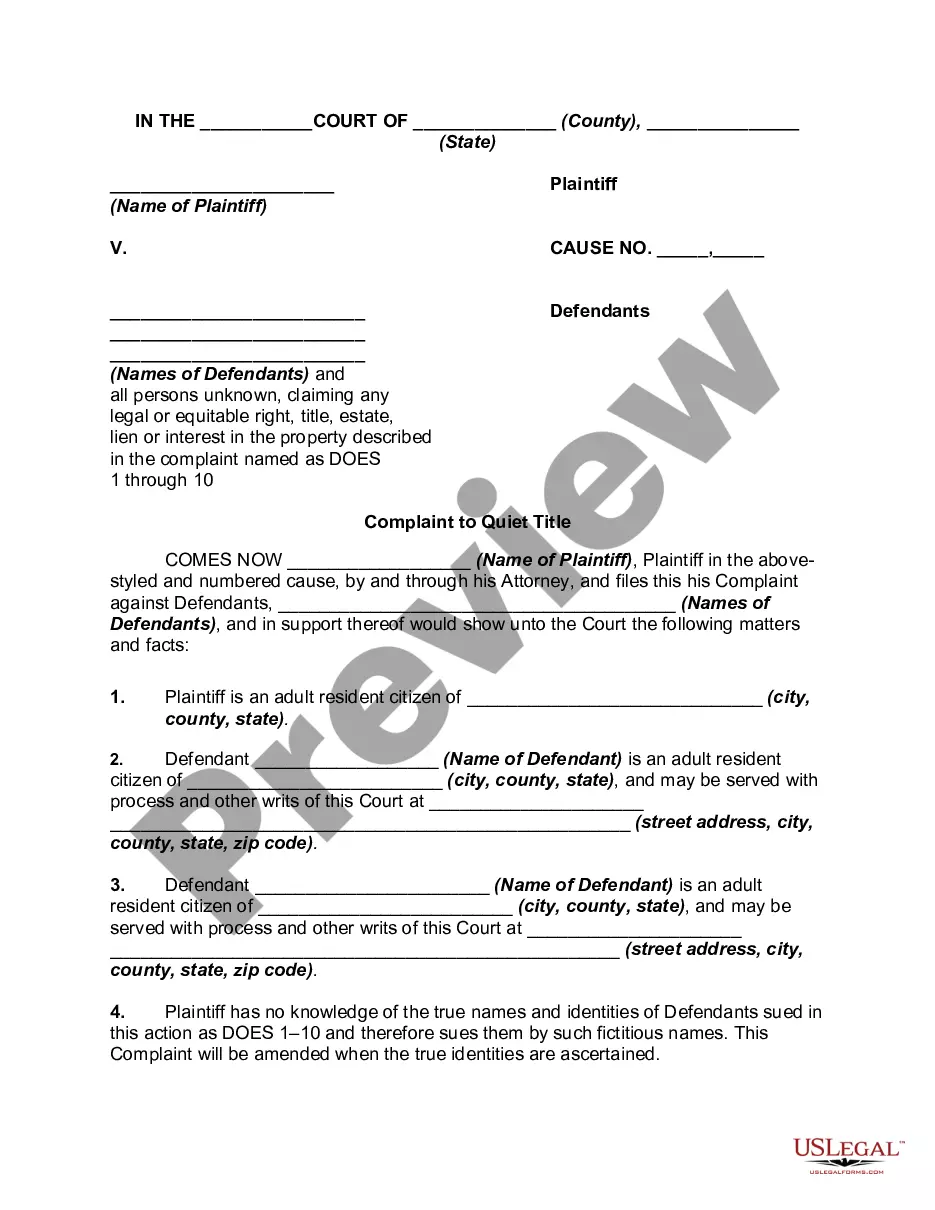
How to fill out Motion Of Defendant For A Gag Order?
Whether for professional reasons or personal matters, everyone must confront legal issues at some stage in their life.
Filling out legal documents requires meticulous attention, starting from selecting the appropriate form template.
With an extensive US Legal Forms collection available, you need not waste time looking for the correct template across the internet. Utilize the library’s straightforward navigation to find the suitable template for any occasion.
- Acquire the template you require by using the search bar or catalog browsing.
- Review the description of the form to confirm it fits your needs, state, and county.
- Click on the preview of the form to view it.
- If it is not the correct document, return to the search option to find the Gag Order In Court example you need.
- Download the file when it meets your specifications.
- If you already possess a US Legal Forms account, click Log in to access previously saved documents in My documents.
- If you do not yet have an account, you can obtain the form by clicking Buy now.
- Choose the appropriate pricing option.
- Complete the profile registration form.
- Select your payment method: use a credit card or PayPal account.
- Choose the document format you desire and download the Gag Order In Court.
- After it is downloaded, you can fill out the form using editing software or print it and complete it by hand.
Form popularity
FAQ
Categories of speech that are given lesser or no protection by the First Amendment (and therefore may be restricted) include obscenity, fraud, child ography, speech integral to illegal conduct, speech that incites imminent lawless action, speech that violates intellectual property law, true threats, false ...
A "gag order" is the term for when a judge prohibits the attorneys, parties, or witnesses in a pending lawsuit or criminal prosecution from talking about the case to the public.
Example: In the 2004 Michael Jackson child molestation trial, the California Supreme Court upheld a gag order prohibiting Jackson, his accusers, and the attorneys in the case from publicly commenting on the case, except through statements approved in advance by the trial judge.
Nebraska Press v Stuart considers the constitutionality of a restrictive ("gag") order entered against the press preventing them from publishing information concerning the defendant's confession or "other facts strongly implicative of the accused." The Supreme Court, ruling unanimously, found the gag order to violate ...
Whether there is a compelling interest in silencing trial participants. For example, a judge will consider if there is a credible fear that jurors could be swayed by statements in the media or online, if people involved in the case could be threatened or harassed, or if confidential information could become public.