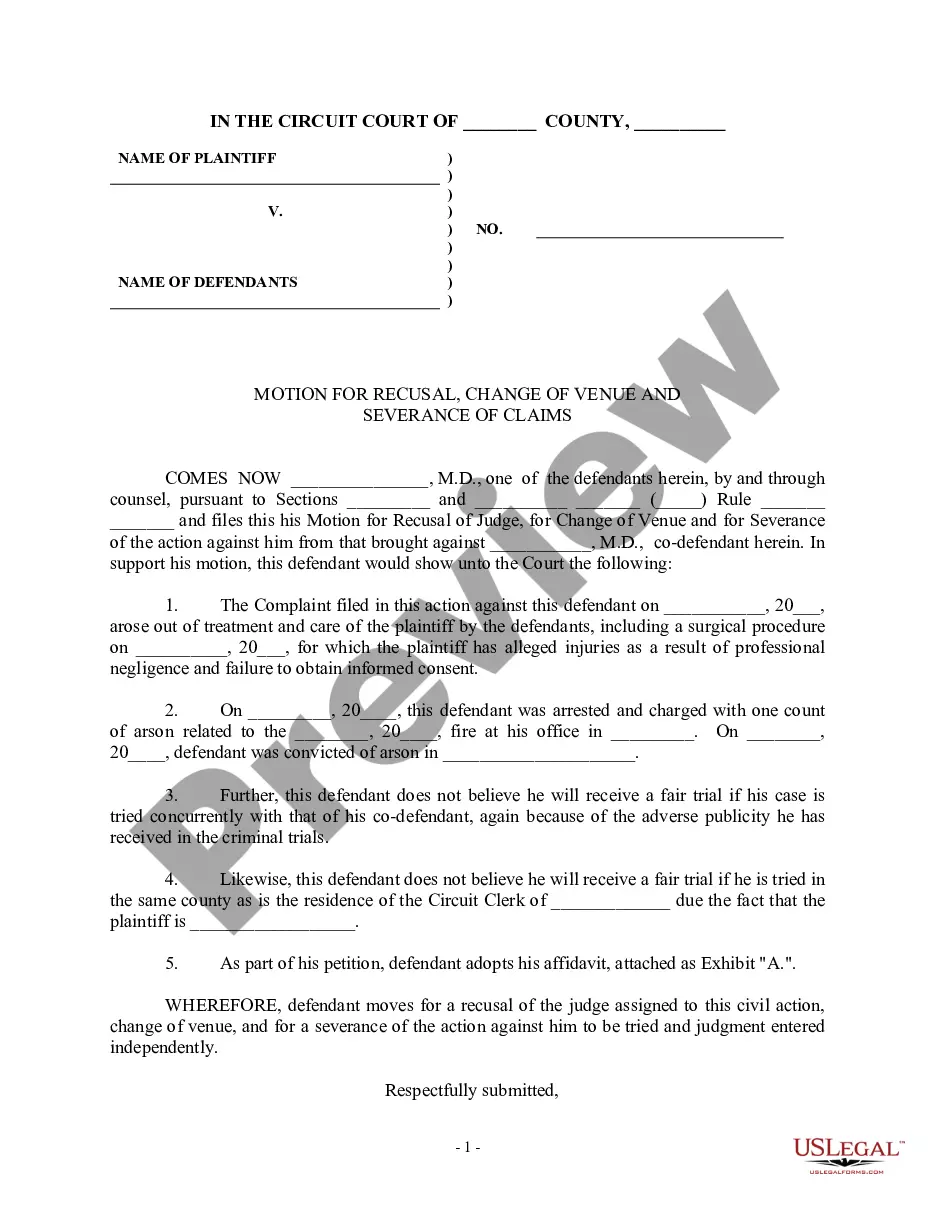
Plaintiff Motion Grounds With Defense
Description

Get your form ready online
Our built-in tools help you complete, sign, share, and store your documents in one place.
Make edits, fill in missing information, and update formatting in US Legal Forms—just like you would in MS Word.
Download a copy, print it, send it by email, or mail it via USPS—whatever works best for your next step.
Sign and collect signatures with our SignNow integration. Send to multiple recipients, set reminders, and more. Go Premium to unlock E-Sign.
If this form requires notarization, complete it online through a secure video call—no need to meet a notary in person or wait for an appointment.
We protect your documents and personal data by following strict security and privacy standards.

Make edits, fill in missing information, and update formatting in US Legal Forms—just like you would in MS Word.

Download a copy, print it, send it by email, or mail it via USPS—whatever works best for your next step.

Sign and collect signatures with our SignNow integration. Send to multiple recipients, set reminders, and more. Go Premium to unlock E-Sign.

If this form requires notarization, complete it online through a secure video call—no need to meet a notary in person or wait for an appointment.

We protect your documents and personal data by following strict security and privacy standards.
Looking for another form?



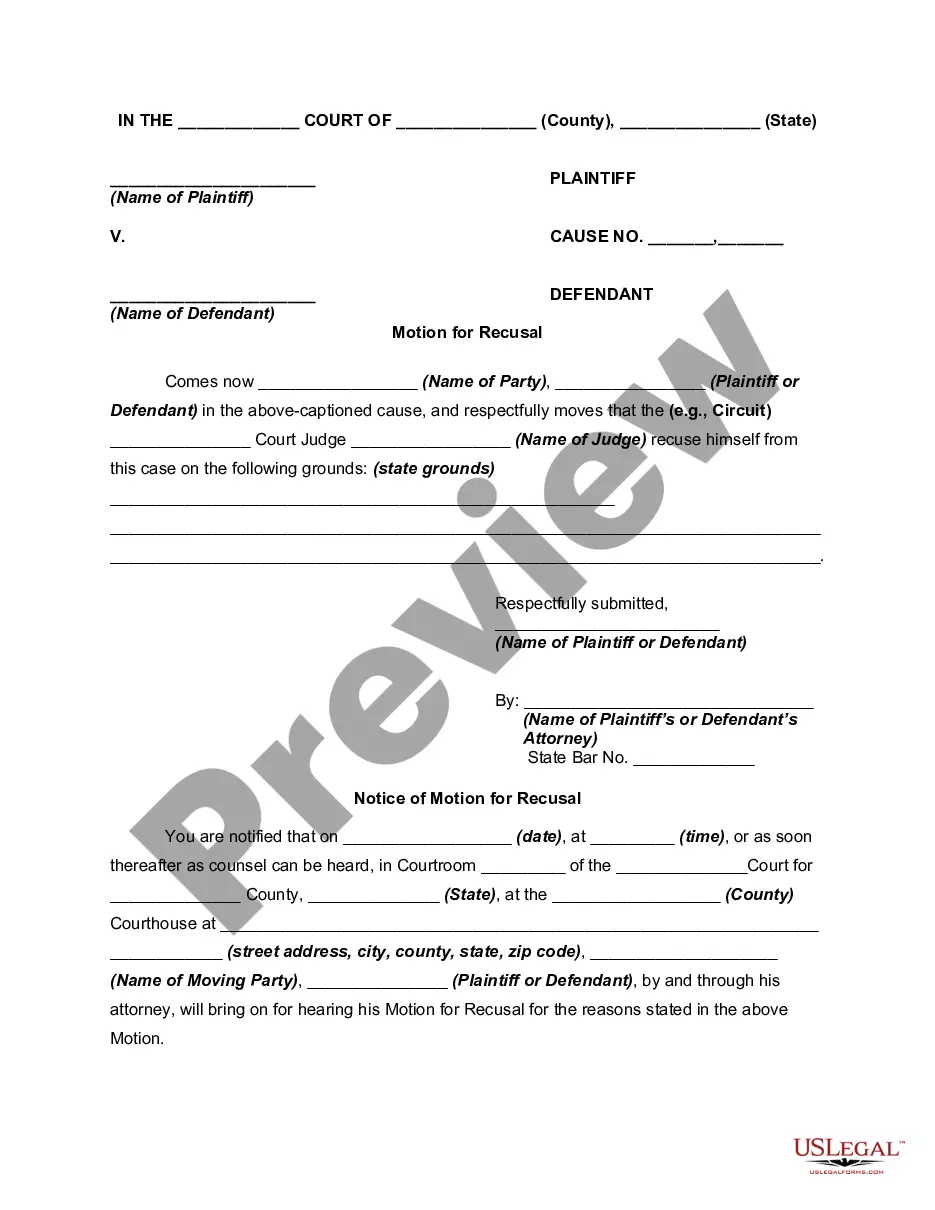
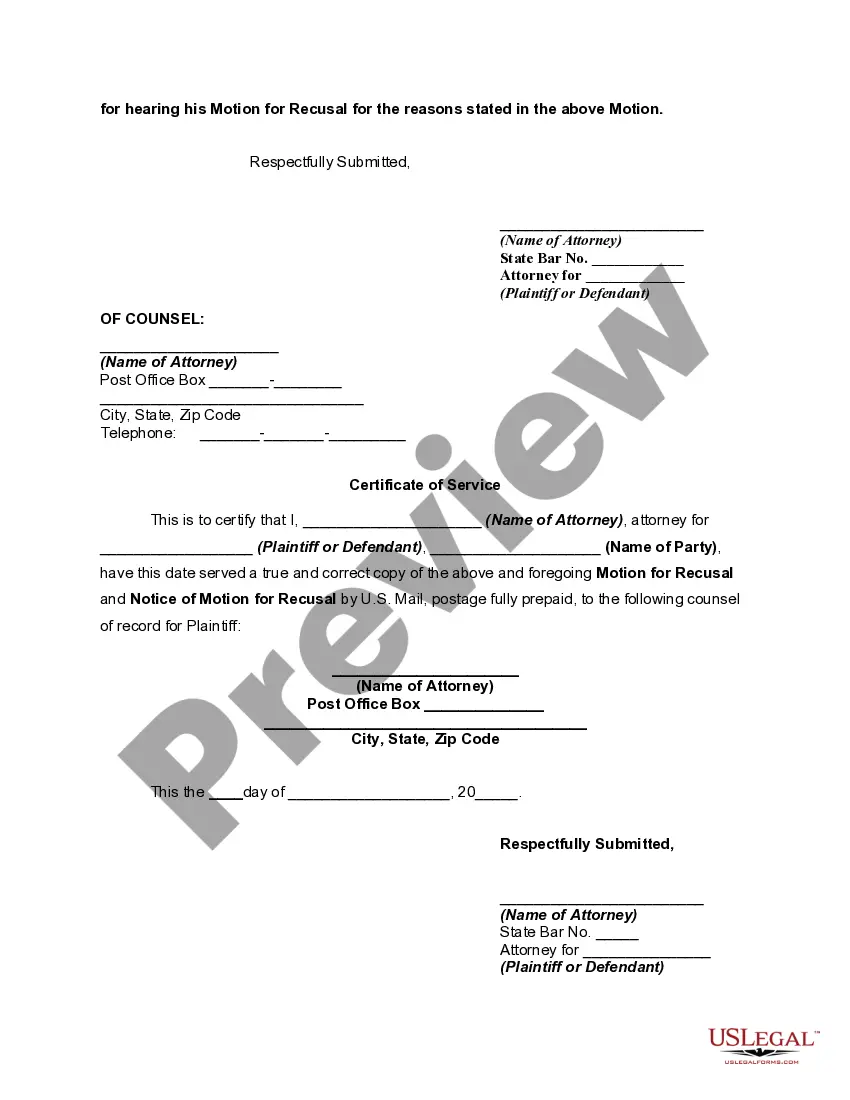
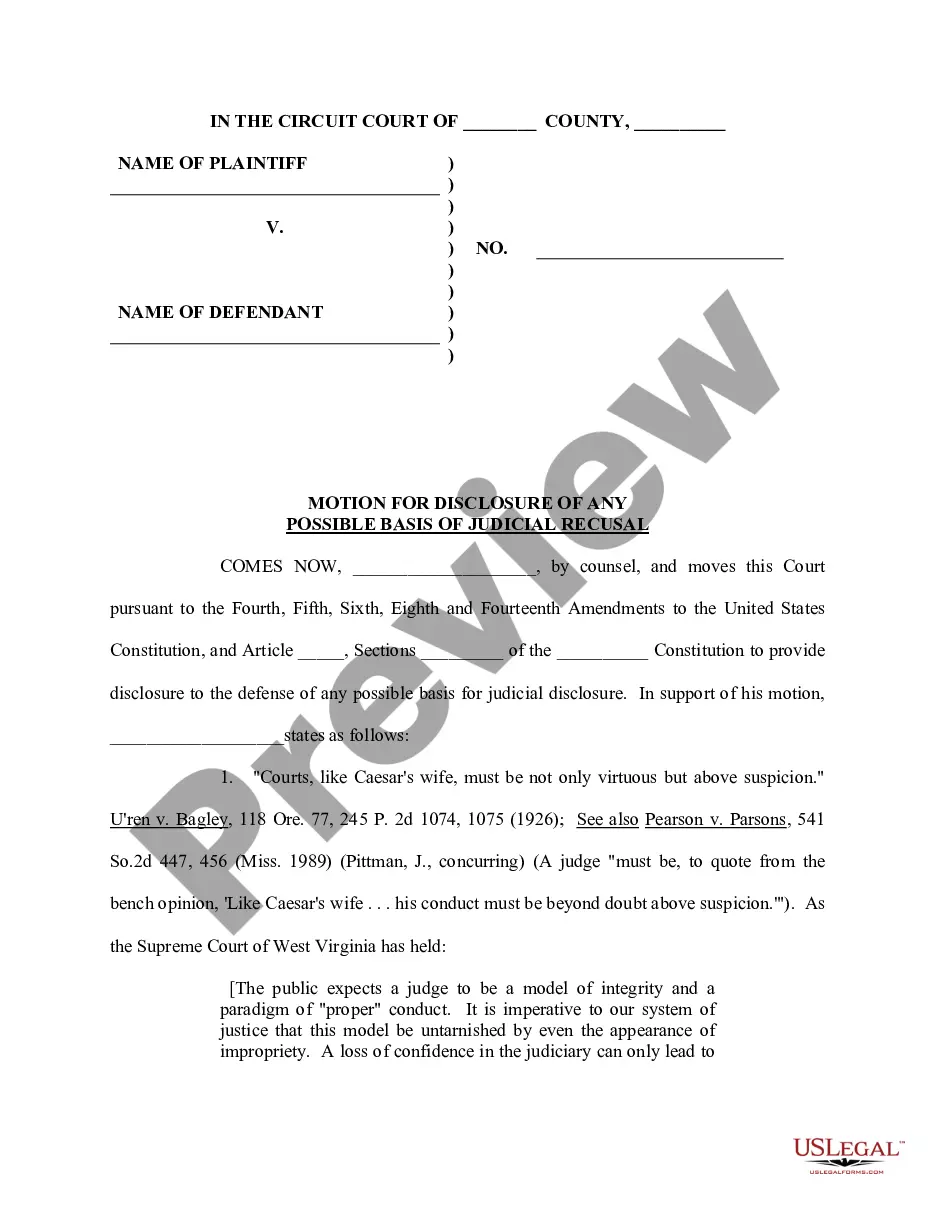
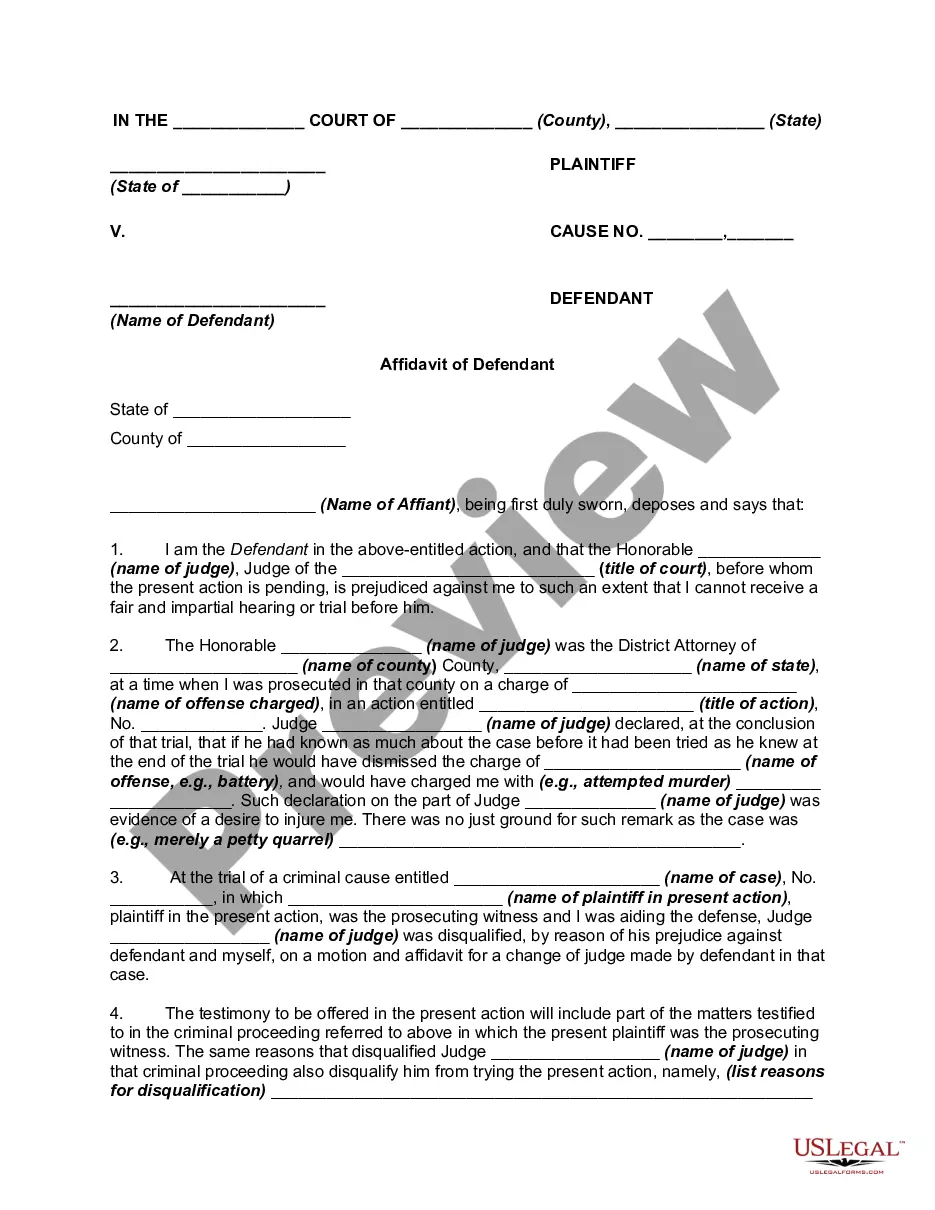
How to fill out Motion For Recusal Of Judge - Removal?
- Access your account by visiting US Legal Forms and logging in. Ensure your subscription is active or renew it if necessary.
- Review the Preview mode and form description to guarantee you’re selecting the appropriate document that aligns with your particular needs.
- If you’re not satisfied with the initial choice, utilize the Search tab to explore additional templates until you find the one that fits.
- Proceed to purchase the document by clicking the Buy Now button, selecting your desired subscription plan, and creating an account for full access.
- Complete your payment with your credit card or PayPal and finalize your subscription.
- Download the chosen form directly to your device for completion. You can also find it later in the My Forms section of your profile.
In conclusion, US Legal Forms simplifies the process of obtaining legal templates, making it an invaluable resource for anyone involved in legal proceedings. With over 85,000 forms and expert assistance at your fingertips, you can ensure your documents are accurate and valid.
Start navigating your legal journey with confidence—visit US Legal Forms today!
Form popularity
FAQ
In response to the plaintiff's allegations, the defendant will generally outline their stance on each claim. This can involve admitting certain facts, denying others, or challenging the allegations based on legal grounds. Crafting a thorough response is essential for a solid defense strategy. Utilizing the concept of plaintiff motion grounds with defense will further inform your approach.
A defendant's response to a plaintiff's action typically includes an answer or motion addressing the complaint. The response should admit, deny, or state insufficient knowledge of each claim presented. Additionally, the defendant may raise affirmative defenses or counterclaims. Understanding the plaintiff motion grounds with defense can greatly enhance this phase of litigation.
Filling out a motion for court requires careful attention to detail. Begin by identifying the correct form and jurisdiction. Clearly articulate your purpose and the grounds for the motion, and ensure that supporting documents are included. Using the plaintiff motion grounds with defense can help clarify your intentions and strengthen your motion.
The plaintiff's action refers to the legal steps taken to initiate a lawsuit. This often includes filing a complaint that outlines grievances and sought remedies. It is important to articulate your claims clearly, as this sets the tone for the entire case. Emphasizing the plaintiff motion grounds with defense is crucial for a strong foundation.
Writing a legal motion sample starts with a clear structure: title, introduction, factual background, legal grounds, and conclusion. Be precise in presenting arguments, and ensure that your motion complies with court rules. A well-crafted motion not only states your case but also conveys respect for the court. Use the concept of plaintiff motion grounds with defense to focus your legal reasoning.
The plaintiff must file a response to the defendant's counterclaim, addressing each point raised. This response typically requires timely submission to avoid default judgment. Clearly articulate your defenses against the allegations, and if necessary, include any counterclaims of your own. Knowing the plaintiff motion grounds with defense will help you craft an effective reply.
Defending a motion to dismiss involves presenting arguments that explain why the case should proceed. You should outline your reasons clearly, demonstrating that your claims have merit. Utilize relevant legal precedents and evidence that support your position. Remember, understanding the plaintiff motion grounds with defense can strengthen your argument.
To disagree with a motion, you must file a written response with the court, articulating your arguments against the motion's claims. This document should clearly state your reasons for contesting the motion, supported by relevant facts and legal precedents. Engaging with these processes effectively demonstrates your grasp of the legal landscape, particularly concerning plaintiff motion grounds with defense.
In Florida, you typically have 20 days from the date of the defendant's response to file a motion to strike affirmative defenses. This timeframe is crucial for maintaining your legal rights and ensuring that the defenses raised by the opposing party do not impede your case. Staying aware of deadlines and procedural rules related to plaintiff motion grounds with defense can make a significant difference in your case's outcome.
Cases may be dismissed for various reasons, including lack of jurisdiction, failure to state a claim, or procedural deficiencies. Each of these grounds provides the court with a valid argument for dismissing a lawsuit. Plaintiffs should be aware of these potential pitfalls when preparing their cases. Knowledge of plaintiff motion grounds with defense helps ensure a robust approach to avoiding dismissals.