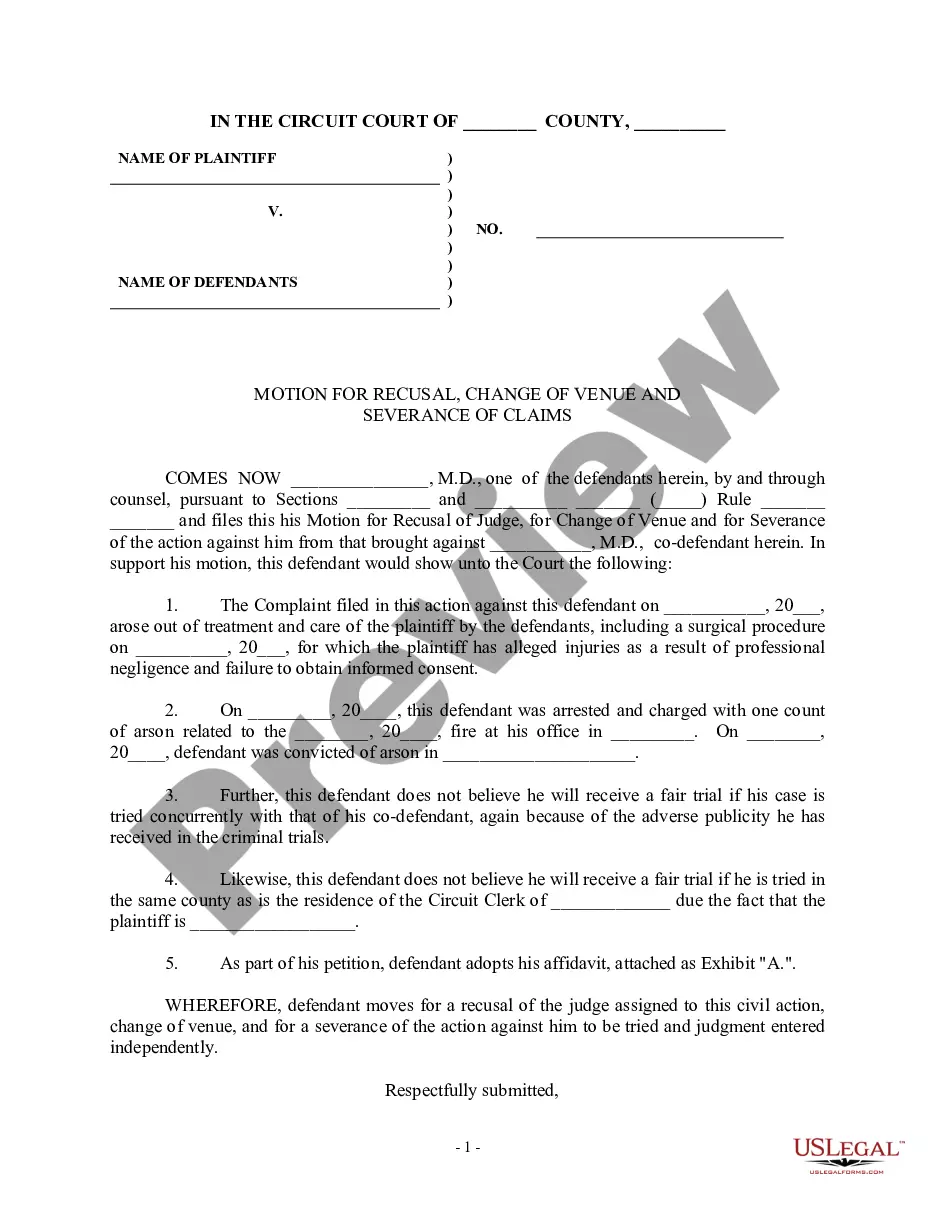
Order For Recusal
Description
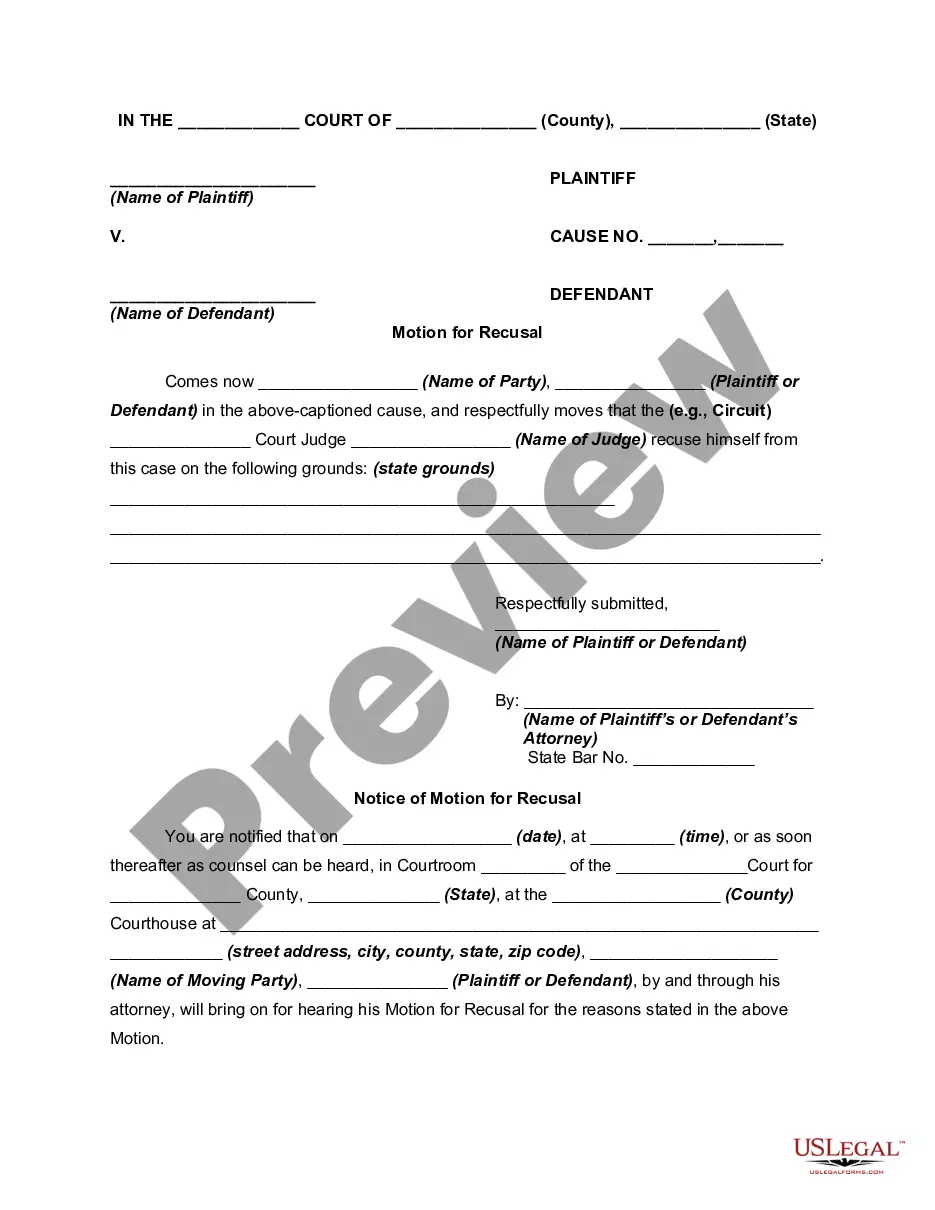
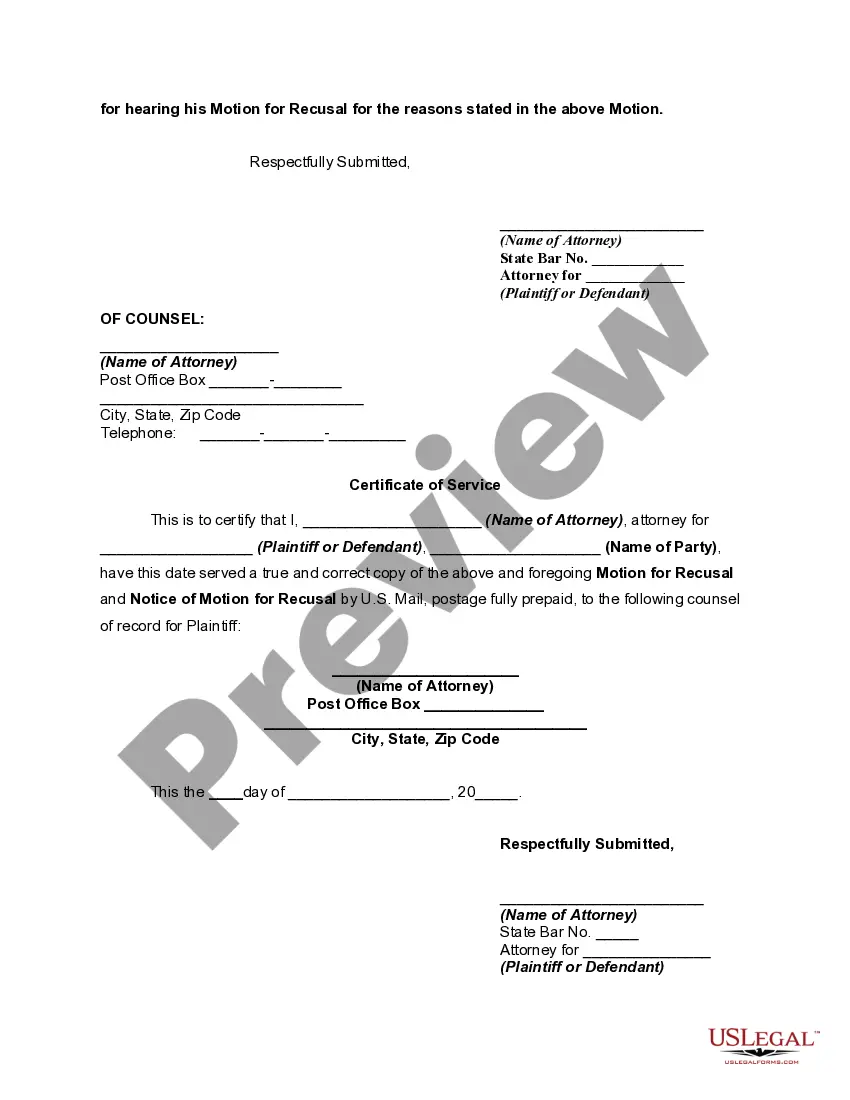

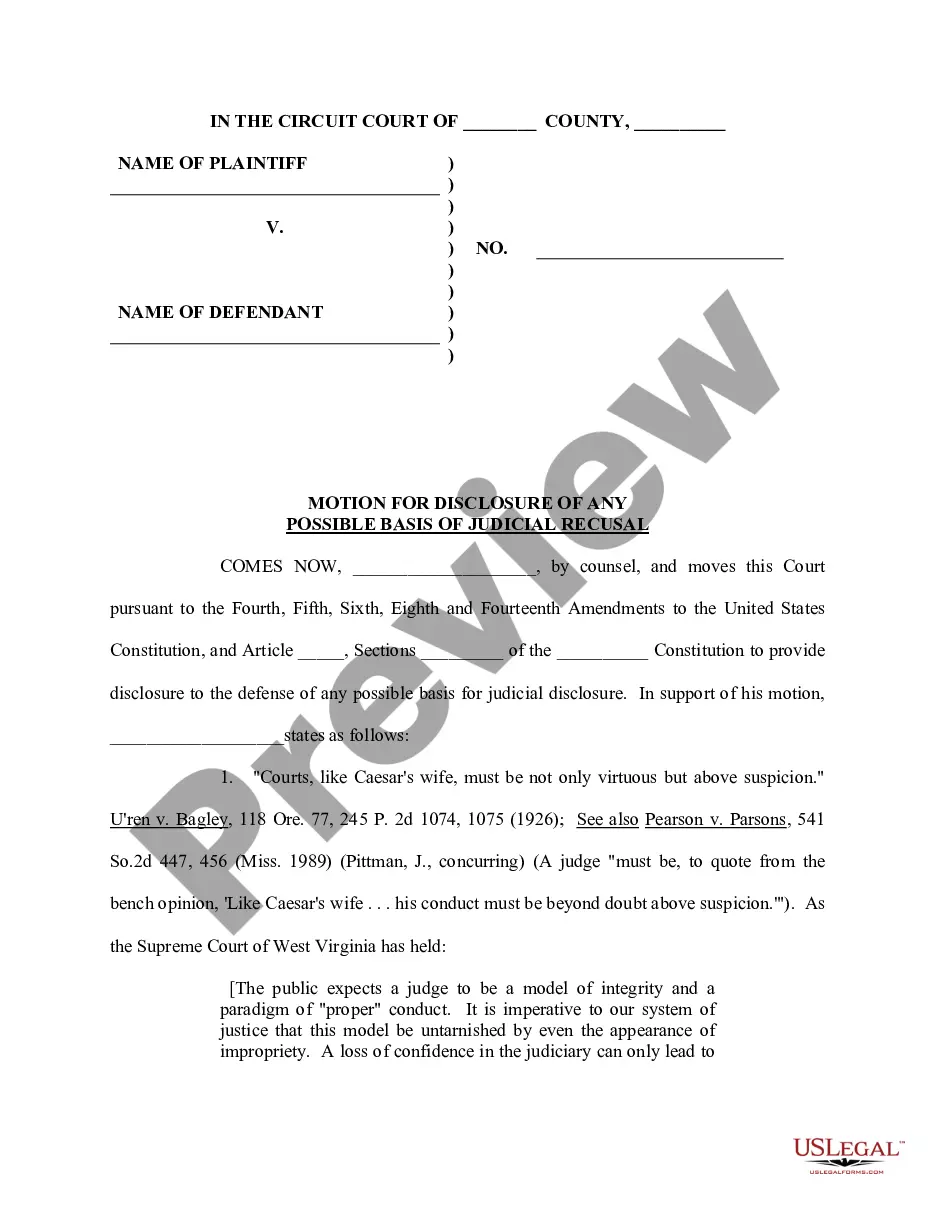
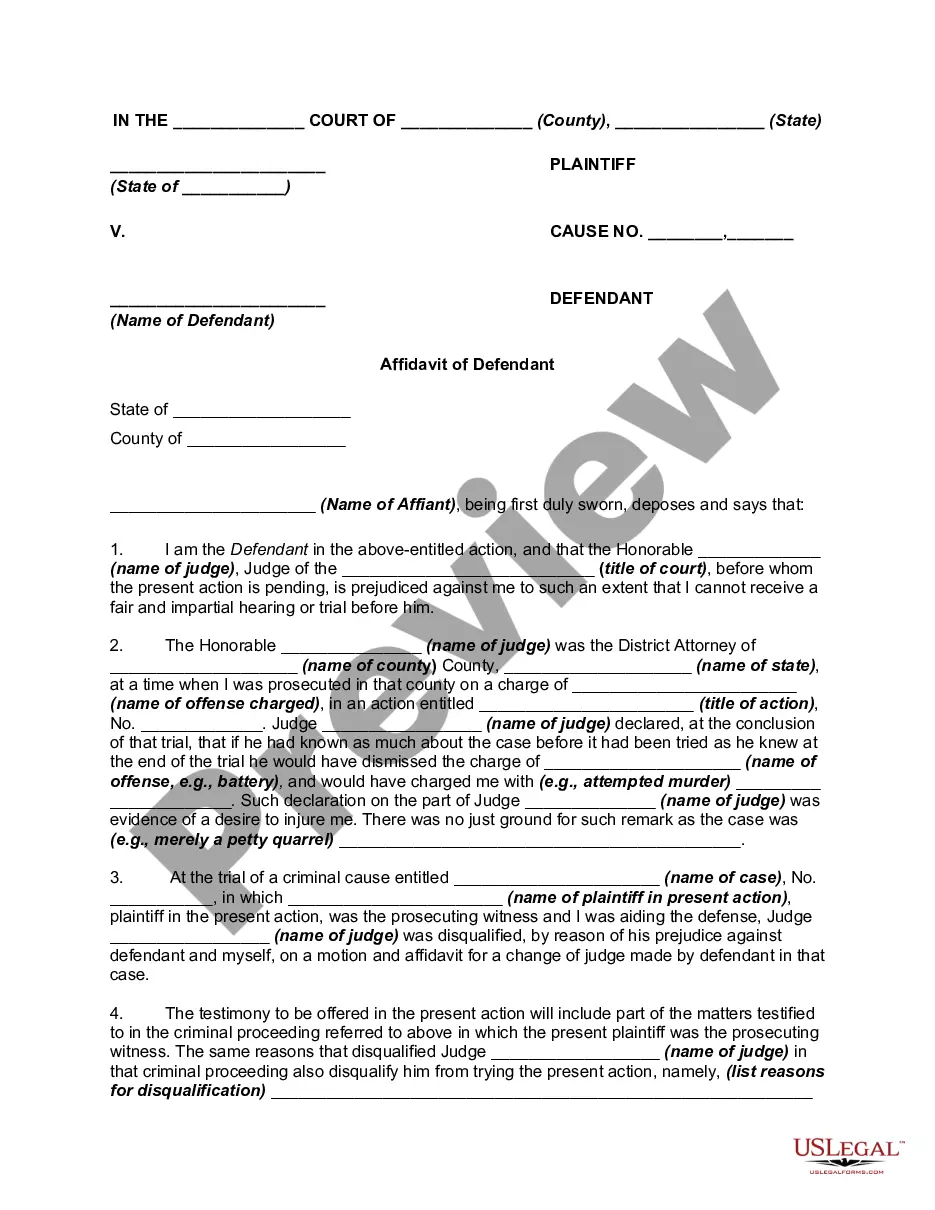
Get your form ready online
Our built-in tools help you complete, sign, share, and store your documents in one place.
Make edits, fill in missing information, and update formatting in US Legal Forms—just like you would in MS Word.
Download a copy, print it, send it by email, or mail it via USPS—whatever works best for your next step.
Sign and collect signatures with our SignNow integration. Send to multiple recipients, set reminders, and more. Go Premium to unlock E-Sign.
If this form requires notarization, complete it online through a secure video call—no need to meet a notary in person or wait for an appointment.
We protect your documents and personal data by following strict security and privacy standards.

Make edits, fill in missing information, and update formatting in US Legal Forms—just like you would in MS Word.

Download a copy, print it, send it by email, or mail it via USPS—whatever works best for your next step.

Sign and collect signatures with our SignNow integration. Send to multiple recipients, set reminders, and more. Go Premium to unlock E-Sign.

If this form requires notarization, complete it online through a secure video call—no need to meet a notary in person or wait for an appointment.

We protect your documents and personal data by following strict security and privacy standards.
Looking for another form?


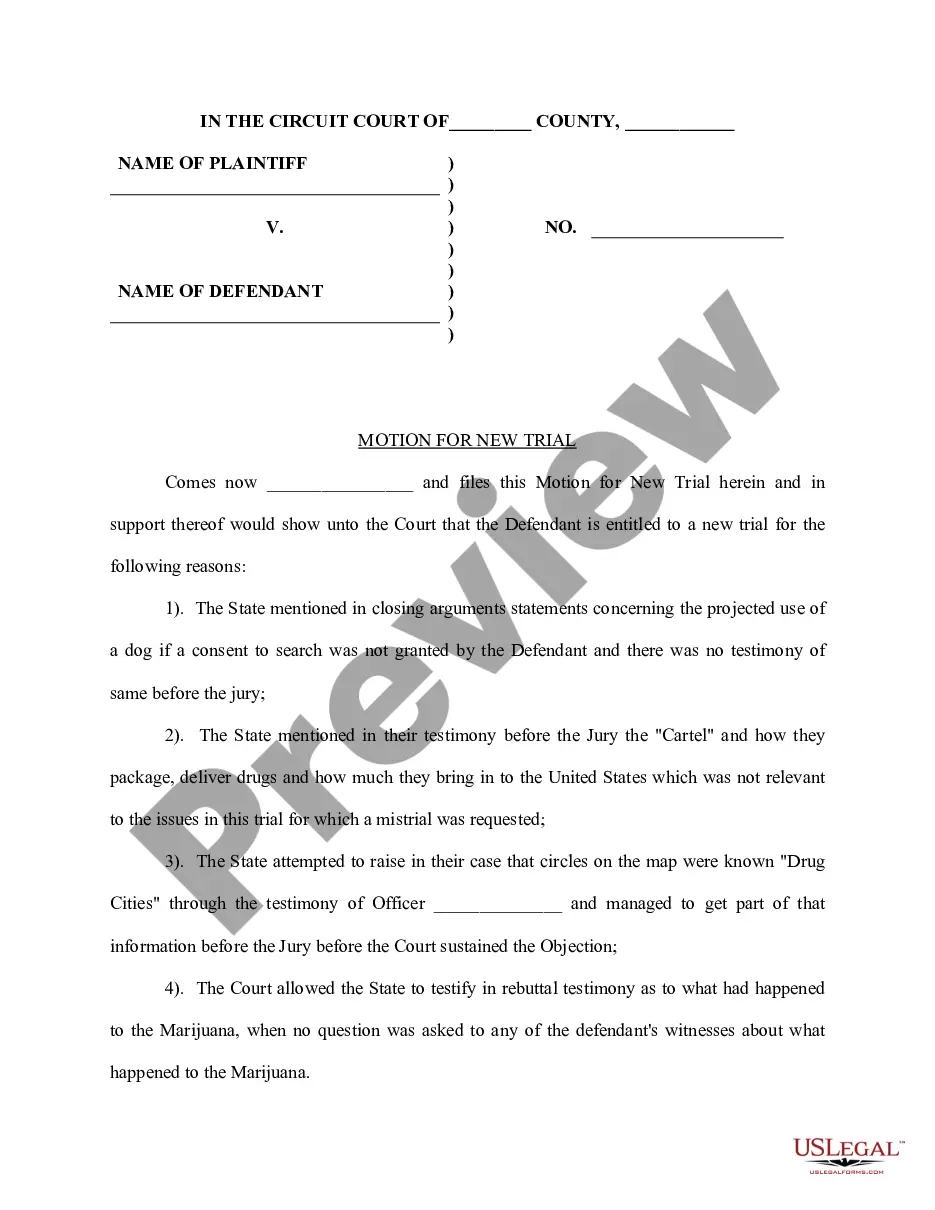




How to fill out Motion For Recusal Of Judge - Removal?
Handling legal documents and processes can be a laborious addition to one's day.
Forms like Order For Recusal typically require you to locate them and comprehend how to fill them out accurately.
Therefore, if you are managing fiscal, legal, or personal issues, having an extensive and uncomplicated online catalog of forms at your disposal will be extremely helpful.
US Legal Forms is the top online platform for legal templates, featuring over 85,000 state-specific forms and numerous resources to help you complete your documentation smoothly.
Simply Log In to your account, locate Order For Recusal, and download it immediately from the My documents section. You can also retrieve previously downloaded forms.
- Explore the catalog of relevant documents available with a single click.
- US Legal Forms provides state- and county-specific forms accessible anytime for downloading.
- Streamline your document management procedures with a premium service that allows you to prepare any form in minutes without any extra or hidden charges.
Form popularity
FAQ
The ruling on recusal typically depends on the circumstances surrounding the case and the valid reasons provided in the motion. If a judge finds sufficient grounds, they may grant the Order for recusal and step aside from the case. This ruling helps prevent any potential bias and protects the integrity of legal proceedings.
The standard for recusal generally involves any situation that might lead a reasonable person to question a judge's impartiality. Factors often include financial interests, personal relationships, or previous involvement with the case. Courts prioritize transparency, so using an Order for recusal helps set clear expectations and build trust in the legal process.
To ask a judge to recuse themselves, you should file a motion that outlines the reasons for the request clearly. This motion can include any conflicts of interest, biases, or past associations that may affect the judge's ability to make an impartial decision. Utilize an Order for recusal to formalize this request, ensuring the court takes it seriously.
To recuse, a judge must formally acknowledge their inability to preside over a case due to a conflict of interest. They typically submit an Order for recusal to the court, which details the reasons for their withdrawal. This process helps maintain integrity and transparency in the legal system, allowing a fair trial to proceed.
A judge should recuse themselves from a case when they have a personal interest that could affect their impartiality. This includes situations where the judge has a financial stake, personal relationships, or prior involvement in the matter. An Order for recusal ensures fairness in legal proceedings and maintains public confidence in the judicial system.
An example of recusal occurs when a judge steps away from a case due to a conflict of interest. For instance, if a judge has a personal relationship with one of the parties involved, they may issue an order for recusal to ensure fairness in the proceedings. This process promotes transparency and trust in the legal system, as it prevents any potential bias. Understanding the order for recusal can help you navigate legal matters with confidence.
To ask a judge to recuse themselves, draft a clear motion outlining the reasons for your request. Include specific instances or relationships that may impact the judge's impartiality. A well-prepared motion may lead to an efficient resolution, possibly resulting in an order for recusal.
A conflict of interest for a judge can arise from personal relationships, financial interests, or prior involvement in the case. Any situation that may influence a judge’s decision-making should be disclosed. If you suspect a conflict, it is possible to request an order for recusal to maintain the case's integrity.
An order of recusal is a formal document issued by a judge declaring their withdrawal from a case. This order indicates that the judge recognizes a conflict of interest or a potential bias. When you receive an order for recusal, it can help move the case forward with a different, impartial judge.
The process of recusal involves a judge voluntarily stepping aside from a case due to potential conflicts of interest or bias. It typically starts with a motion filed by a party involved in the case. If the judge agrees, an order for recusal is issued, ensuring a replacement judge hears the matter.