Judge Civil Draft For The Law
Description

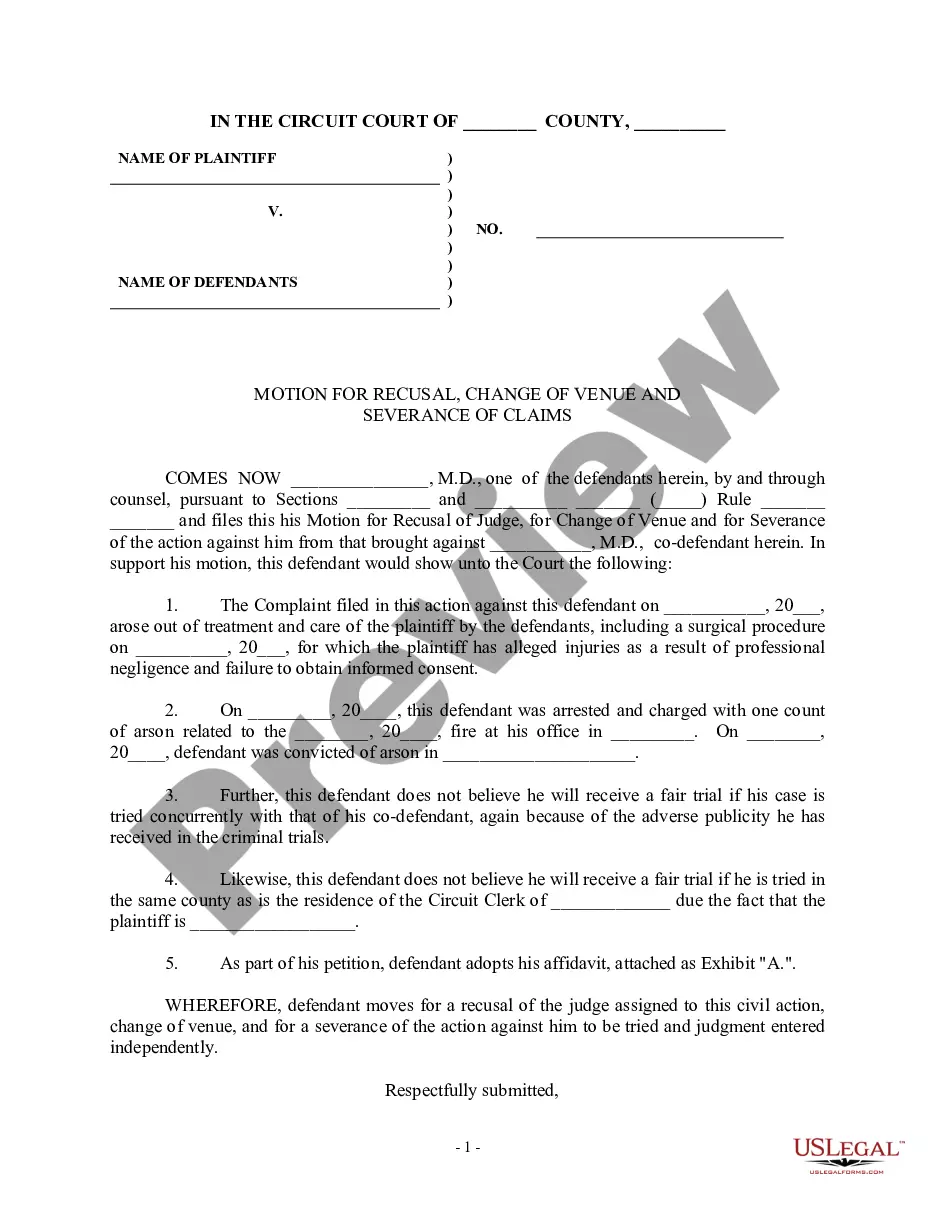
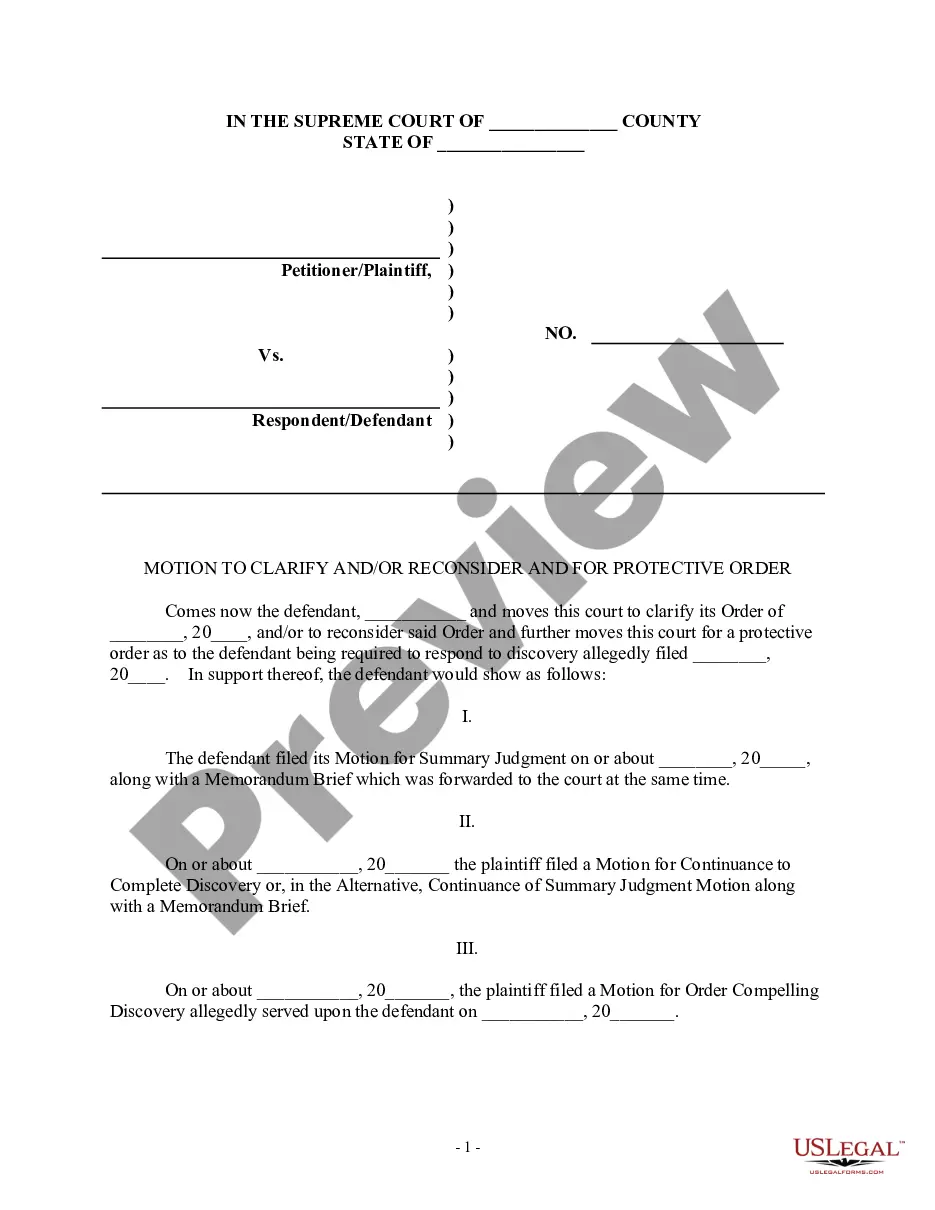
Get your form ready online
Our built-in tools help you complete, sign, share, and store your documents in one place.
Make edits, fill in missing information, and update formatting in US Legal Forms—just like you would in MS Word.
Download a copy, print it, send it by email, or mail it via USPS—whatever works best for your next step.
Sign and collect signatures with our SignNow integration. Send to multiple recipients, set reminders, and more. Go Premium to unlock E-Sign.
If this form requires notarization, complete it online through a secure video call—no need to meet a notary in person or wait for an appointment.
We protect your documents and personal data by following strict security and privacy standards.

Make edits, fill in missing information, and update formatting in US Legal Forms—just like you would in MS Word.

Download a copy, print it, send it by email, or mail it via USPS—whatever works best for your next step.

Sign and collect signatures with our SignNow integration. Send to multiple recipients, set reminders, and more. Go Premium to unlock E-Sign.

If this form requires notarization, complete it online through a secure video call—no need to meet a notary in person or wait for an appointment.

We protect your documents and personal data by following strict security and privacy standards.
Looking for another form?



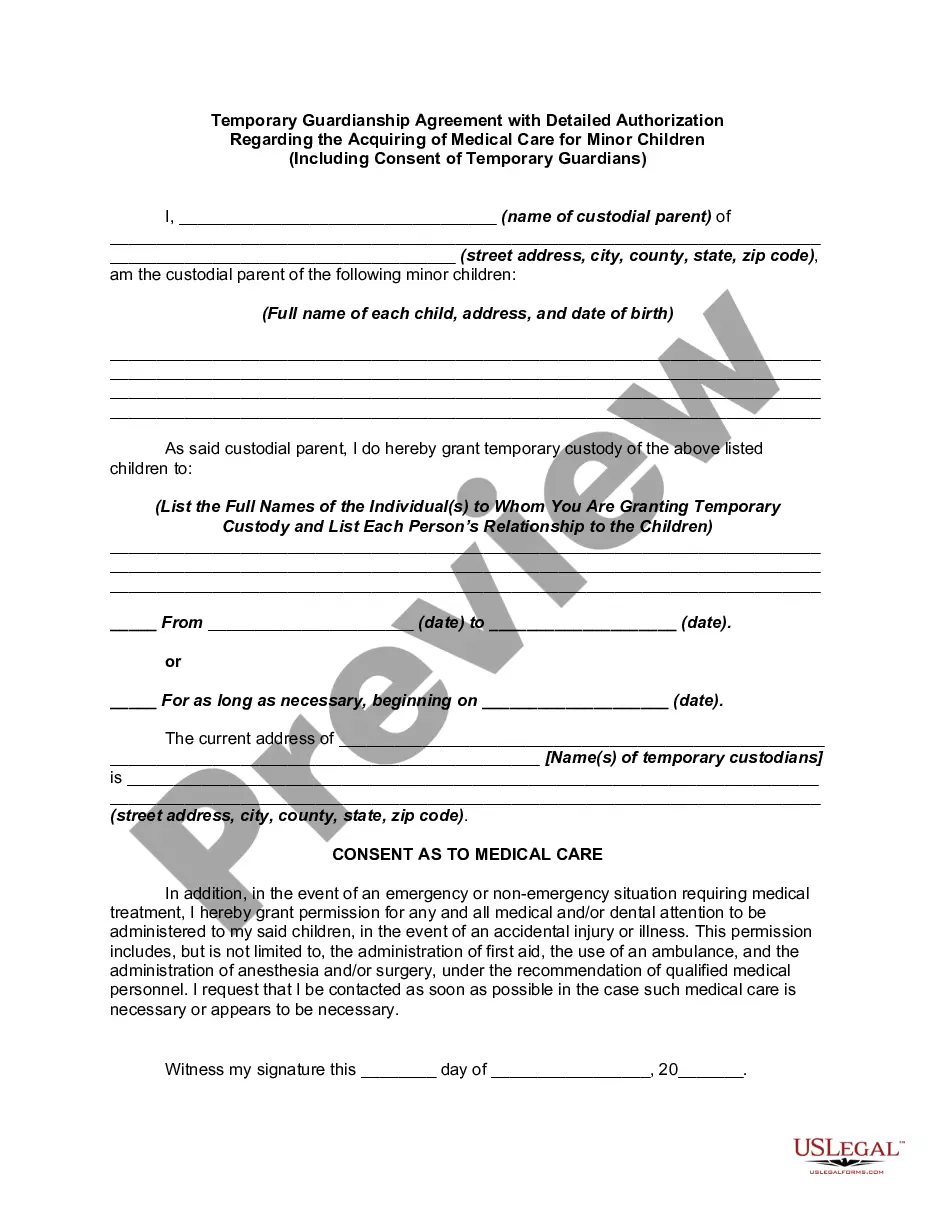




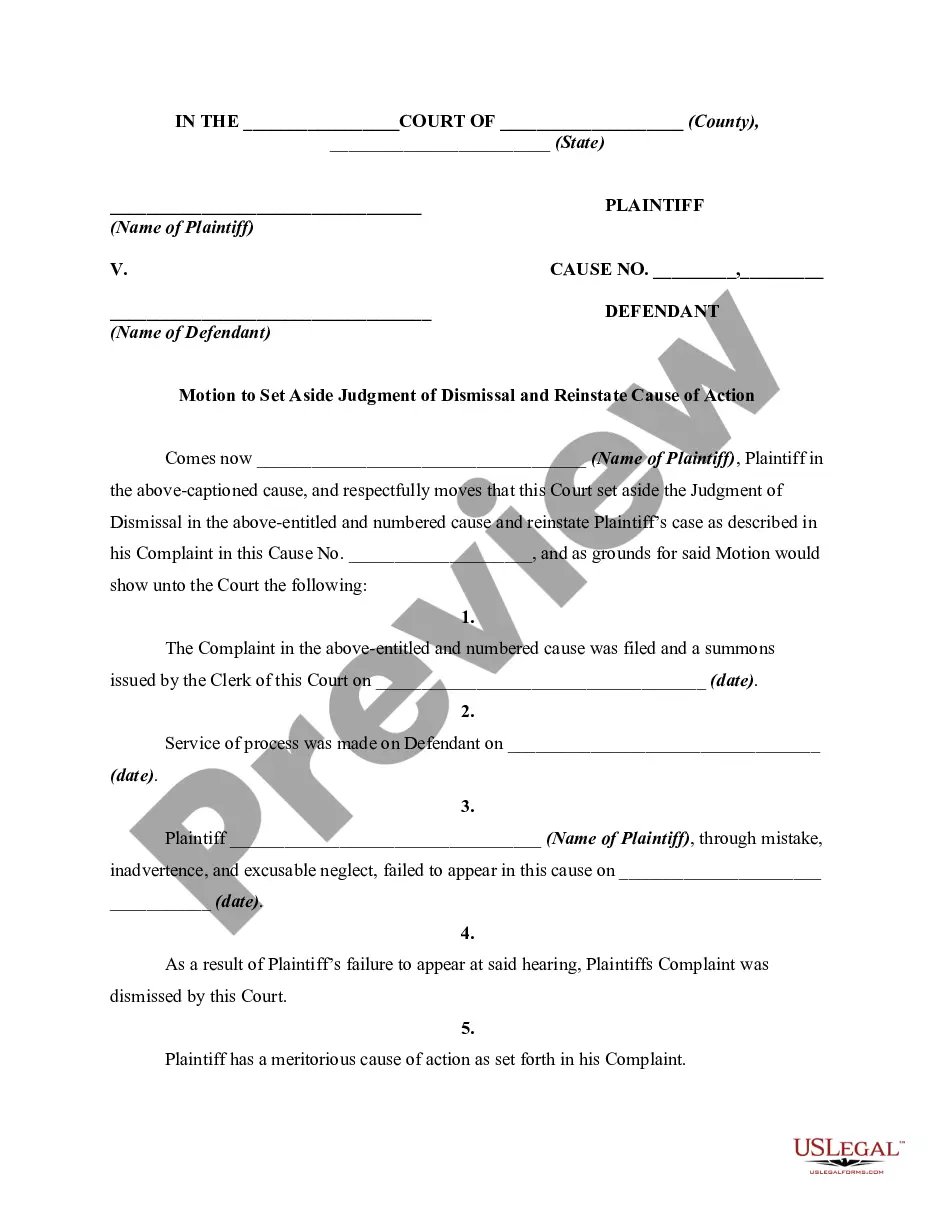
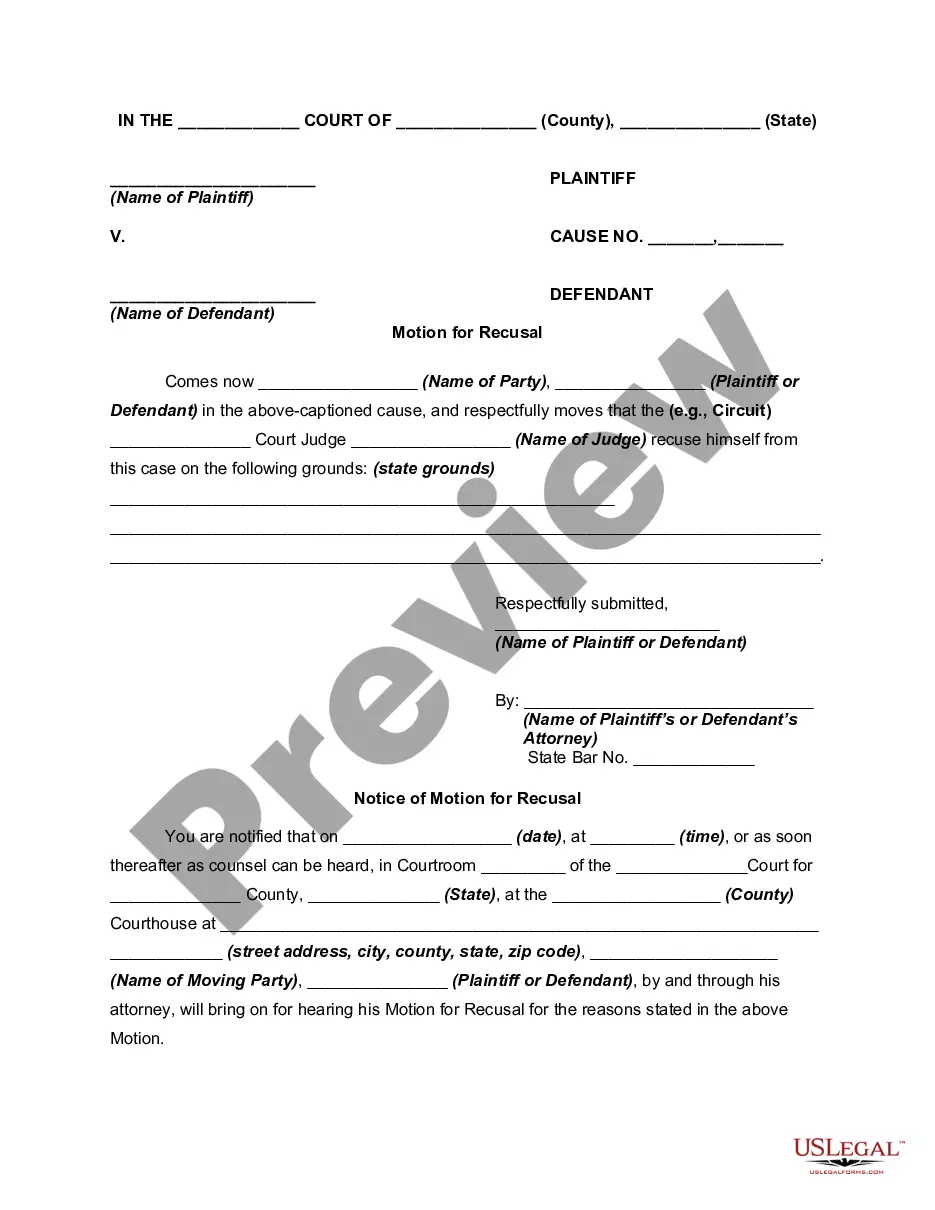
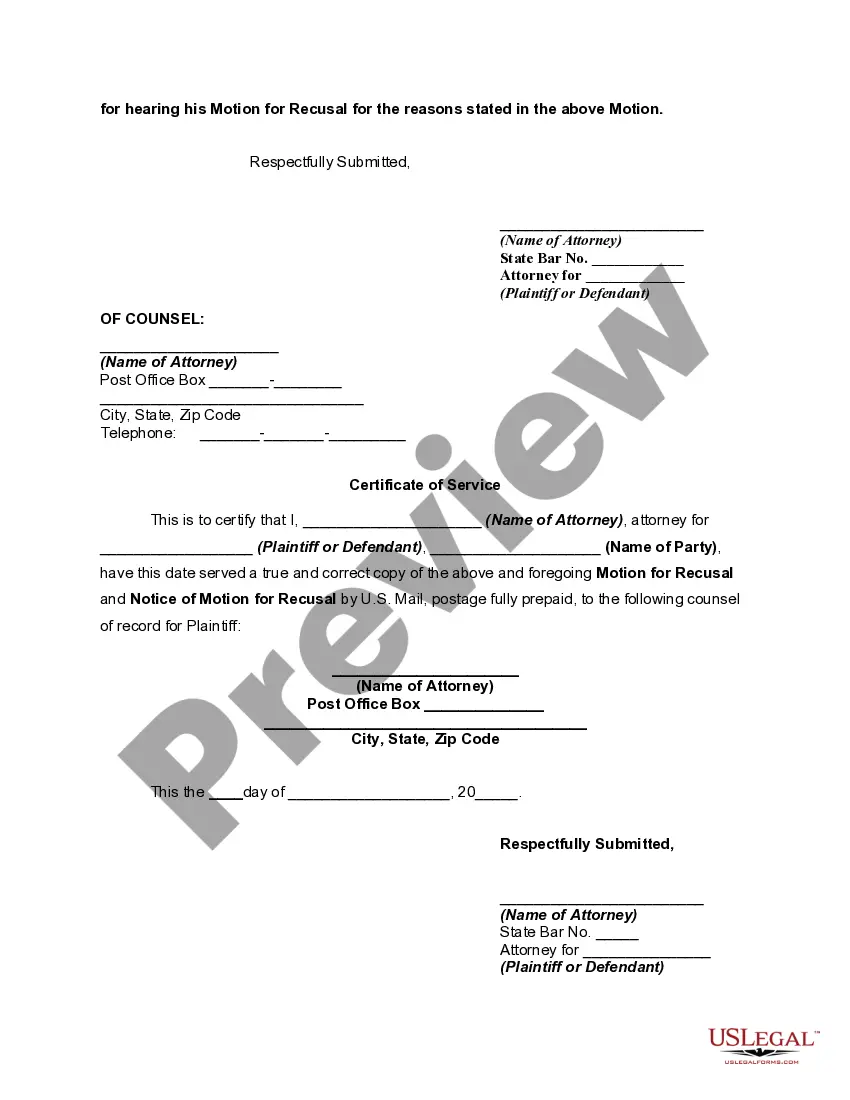
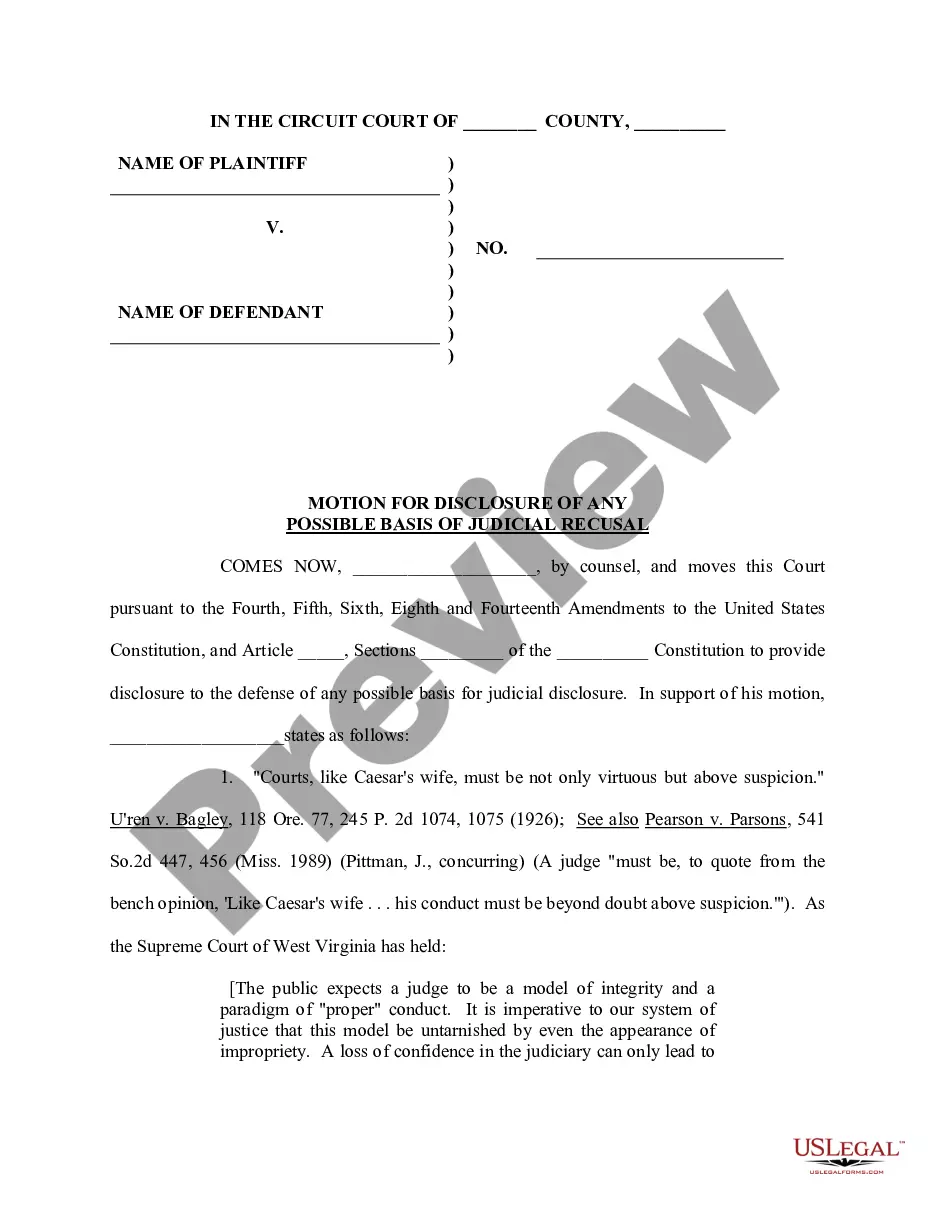
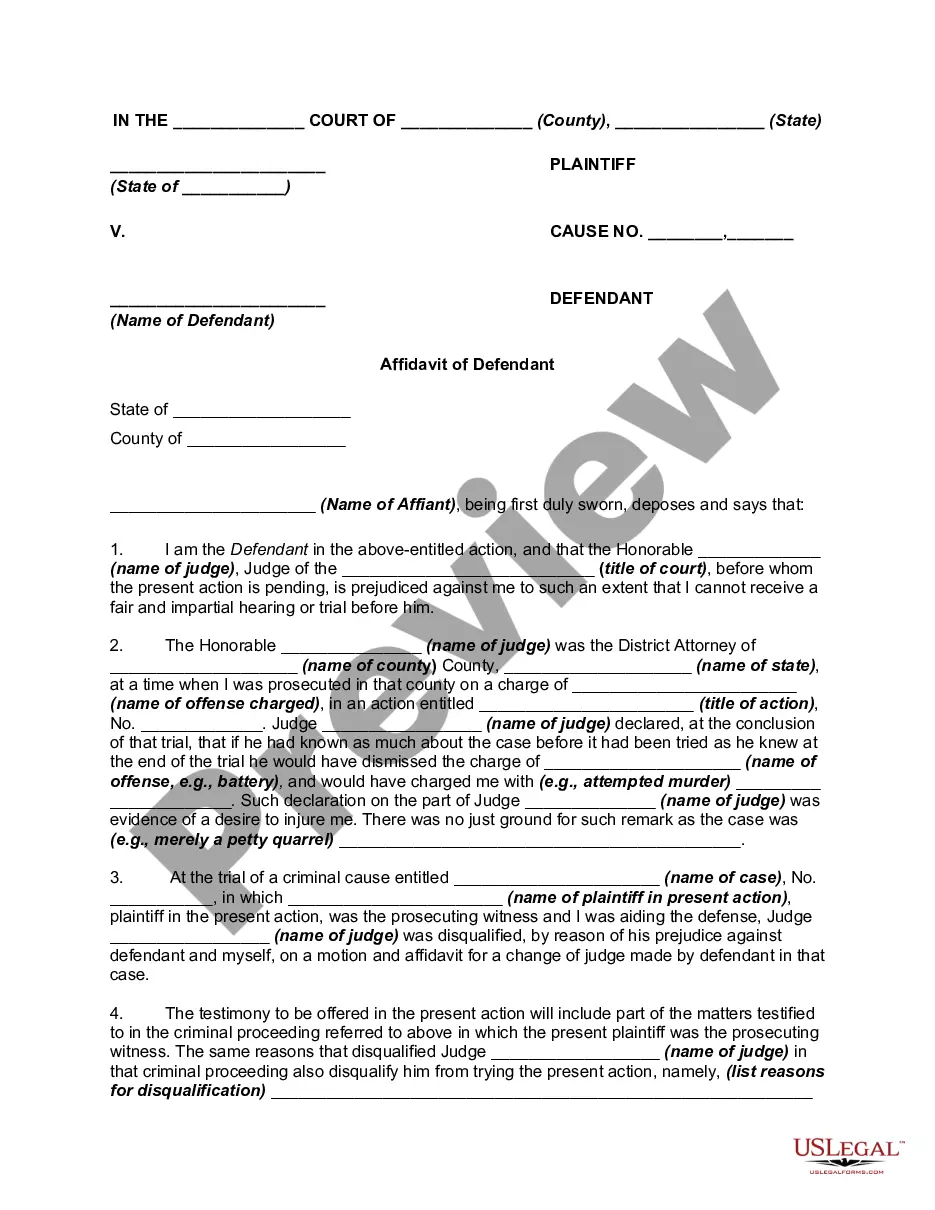
How to fill out Motion For Recusal Of Judge - Removal?
- If you are a returning user, log in to your account and click the Download button to save the needed form. Ensure your subscription is active; renew if necessary.
- For first-time users, begin by reviewing the Preview mode and form description to confirm that you've selected the appropriate document for your jurisdiction.
- If necessary, utilize the Search tab to find a different template that better meets your requirements.
- Once satisfied with your selection, click the Buy Now button, choose a suitable subscription plan, and create an account to access our extensive library.
- Complete the purchase by entering your credit card or PayPal details.
- Now, download your form and save it to your device. You can find it anytime in the My Forms section of your profile.
US Legal Forms offers an extensive collection of over 85,000 fillable and editable legal forms, making it easier for you to find exactly what you need. This, combined with access to premium experts, ensures your documentation is both accurate and compliant with the law.
In conclusion, obtaining legal drafts is a streamlined process with US Legal Forms. Start today to ensure you have the right legal resources at your fingertips!
Form popularity
FAQ
When someone files a motion in court, the procedure initiates a request for a judge to make a decision on a specific issue. The other party is then notified and given an opportunity to respond. The judge will review the motion and any supporting documents, and may hold a hearing to hear arguments. Understanding this process can be aided by a Judge civil draft for the law.
To file a motion to a judge, you should follow your jurisdiction's specific rules. Generally, prepare the motion, include a notice of hearing if required, and file it with the court clerk. Be sure to serve the motion on all parties involved so they can respond appropriately. Using resources like uslegalforms can assist you in drafting effective motions.
A judge may grant a motion if it meets legal standards and is well-supported by facts and law. For instance, if the motion demonstrates compelling reasons why the requested relief should be granted, the judge is more likely to agree. Additionally, ensuring that the other party has an opportunity to respond is crucial. A well-structured Judge civil draft for the law increases your chances of success.
The six steps in trying a civil suit include filing the complaint, serving the defendant, conducting discovery, filing pre-trial motions, going to trial, and finally, appealing if needed. Each of these steps requires careful preparation and knowledge of the law. A Judge civil draft for the law can help you navigate these stages effectively. Make sure to stay organized and clear throughout the process.
To write a motion to a judge, start by clearly stating the relief you are seeking and the legal basis for your request. Include relevant facts and applicable laws that support your position. It's essential to format the motion according to court rules and provide supporting documents if necessary. Utilizing a Judge civil draft for the law can simplify this process.
The procedure for filing a motion involves several key steps. First, you must prepare a written motion that outlines your request and the reasons behind it. Next, you will file the motion with the court and provide copies to the other parties involved. Finally, you may need to attend a hearing where the judge will consider your motion and make a ruling.
To write a legal motion sample, clearly lay out your request, stating the relief you seek from the court. Start with a concise heading and include relevant facts that support your motion. Be sure to follow any specific formatting requirements as dictated by the court rules. Resources like US Legal Forms can provide samples that serve as effective guides for crafting your own motion.
Drafting a court case involves outlining all facts, identifying the legal issues, and stating desired outcomes. Begin by gathering all evidence and relevant documents that support your claim. It's essential to present your case logically and adhere to procedural requirements. To simplify this task, consider using US Legal Forms, which offers templates for various court documents.
A good character letter to a judge provides a detailed account of the individual’s positive traits and contributions to society. Include specific examples of their actions that demonstrate good character. Positioning your letter clearly explains how their character impacts the case at hand. A judge civil draft for the law can help format this letter effectively.
To write a legal letter to a judge, begin with a formal salutation and clearly state the purpose of your letter. Use professional language and present your arguments logically. It’s important to remain respectful and stick to the facts relevant to the case. Resources like US Legal Forms can assist you in finding the right template for your legal communication.