Beneficiary Bank
Description
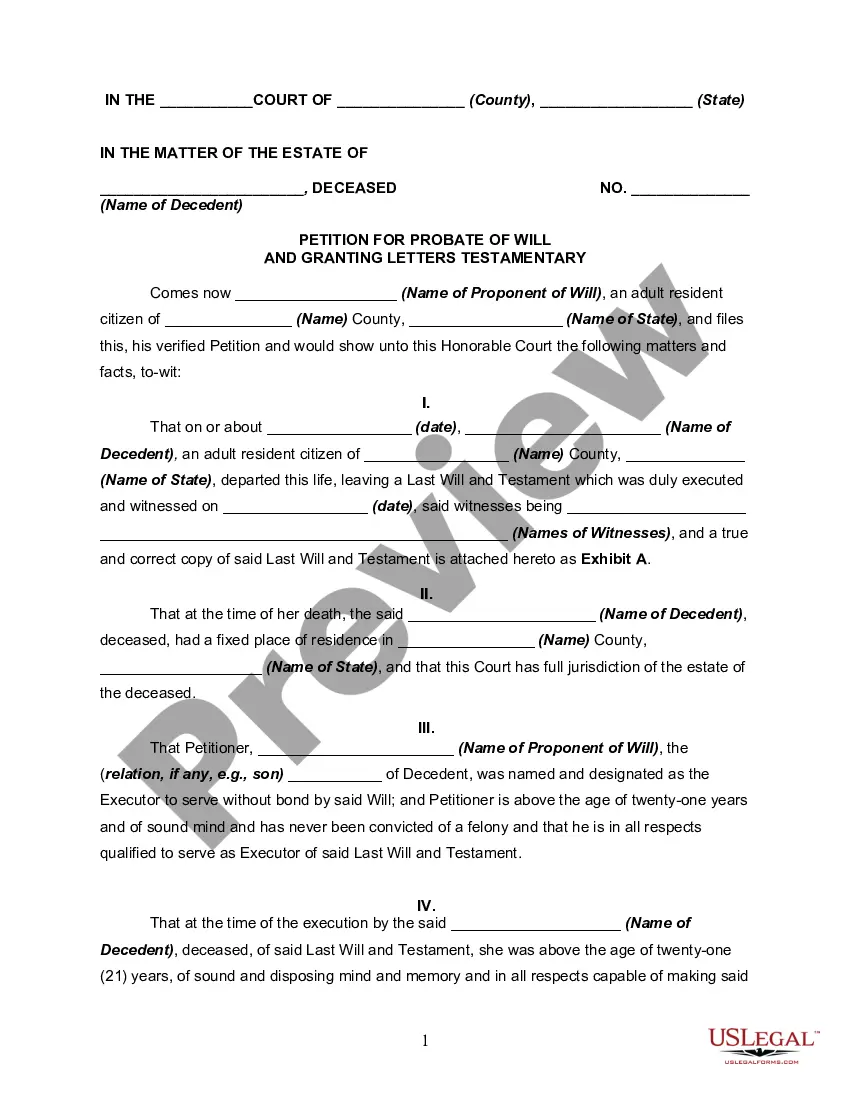

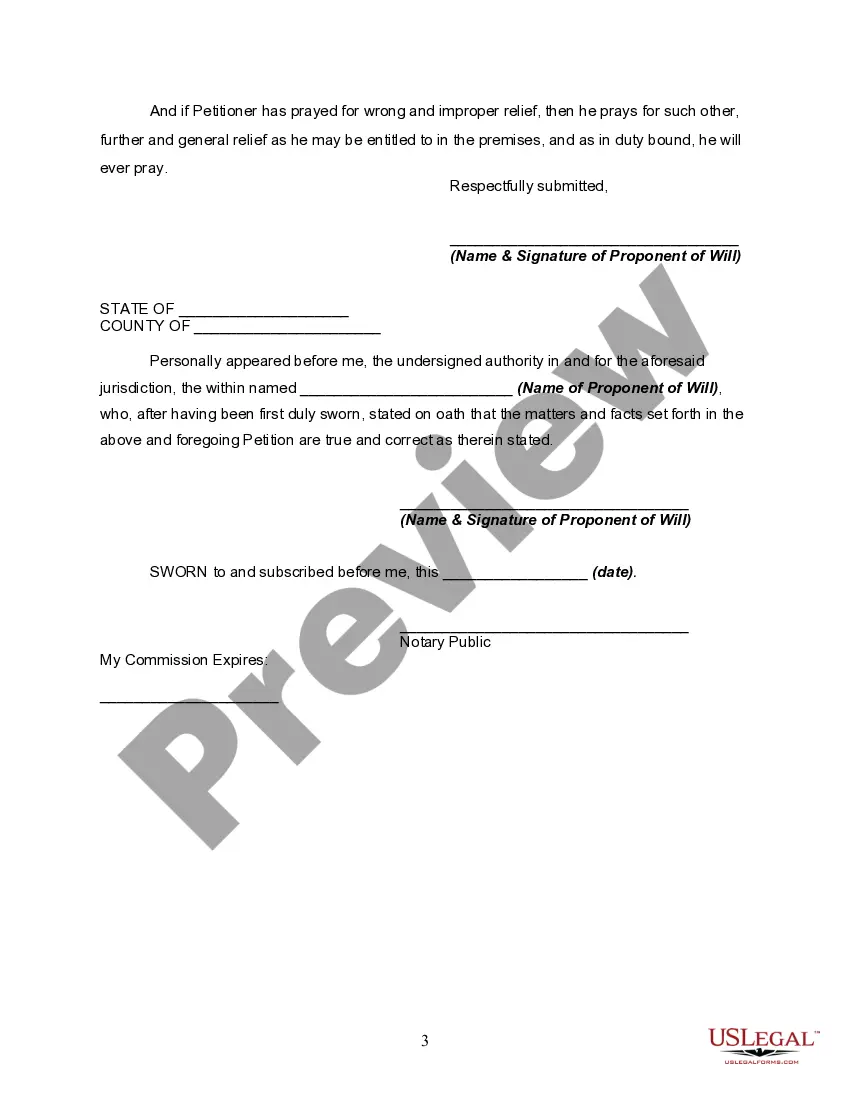
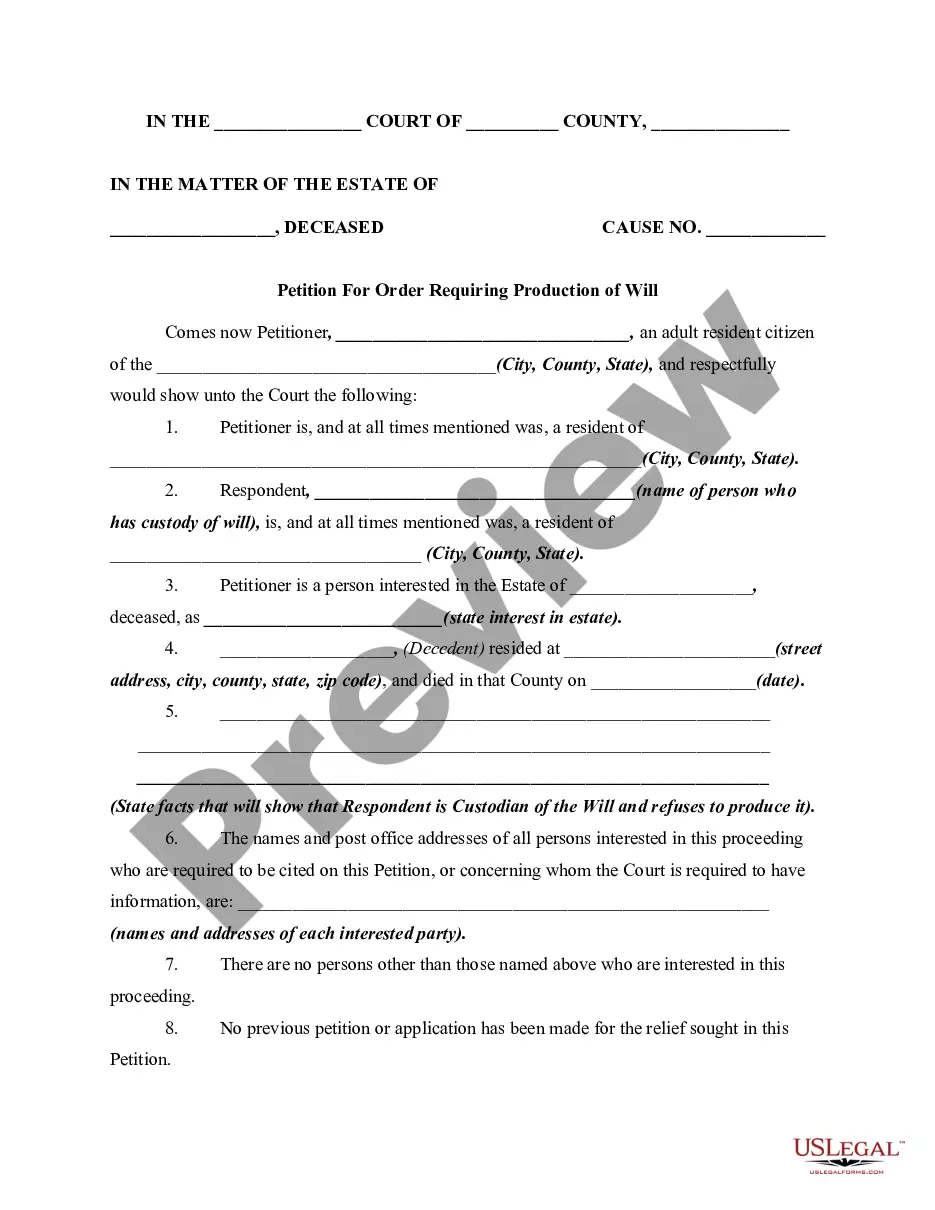

Get your form ready online
Our built-in tools help you complete, sign, share, and store your documents in one place.
Make edits, fill in missing information, and update formatting in US Legal Forms—just like you would in MS Word.
Download a copy, print it, send it by email, or mail it via USPS—whatever works best for your next step.
Sign and collect signatures with our SignNow integration. Send to multiple recipients, set reminders, and more. Go Premium to unlock E-Sign.
If this form requires notarization, complete it online through a secure video call—no need to meet a notary in person or wait for an appointment.
We protect your documents and personal data by following strict security and privacy standards.

Make edits, fill in missing information, and update formatting in US Legal Forms—just like you would in MS Word.

Download a copy, print it, send it by email, or mail it via USPS—whatever works best for your next step.

Sign and collect signatures with our SignNow integration. Send to multiple recipients, set reminders, and more. Go Premium to unlock E-Sign.

If this form requires notarization, complete it online through a secure video call—no need to meet a notary in person or wait for an appointment.

We protect your documents and personal data by following strict security and privacy standards.
Looking for another form?









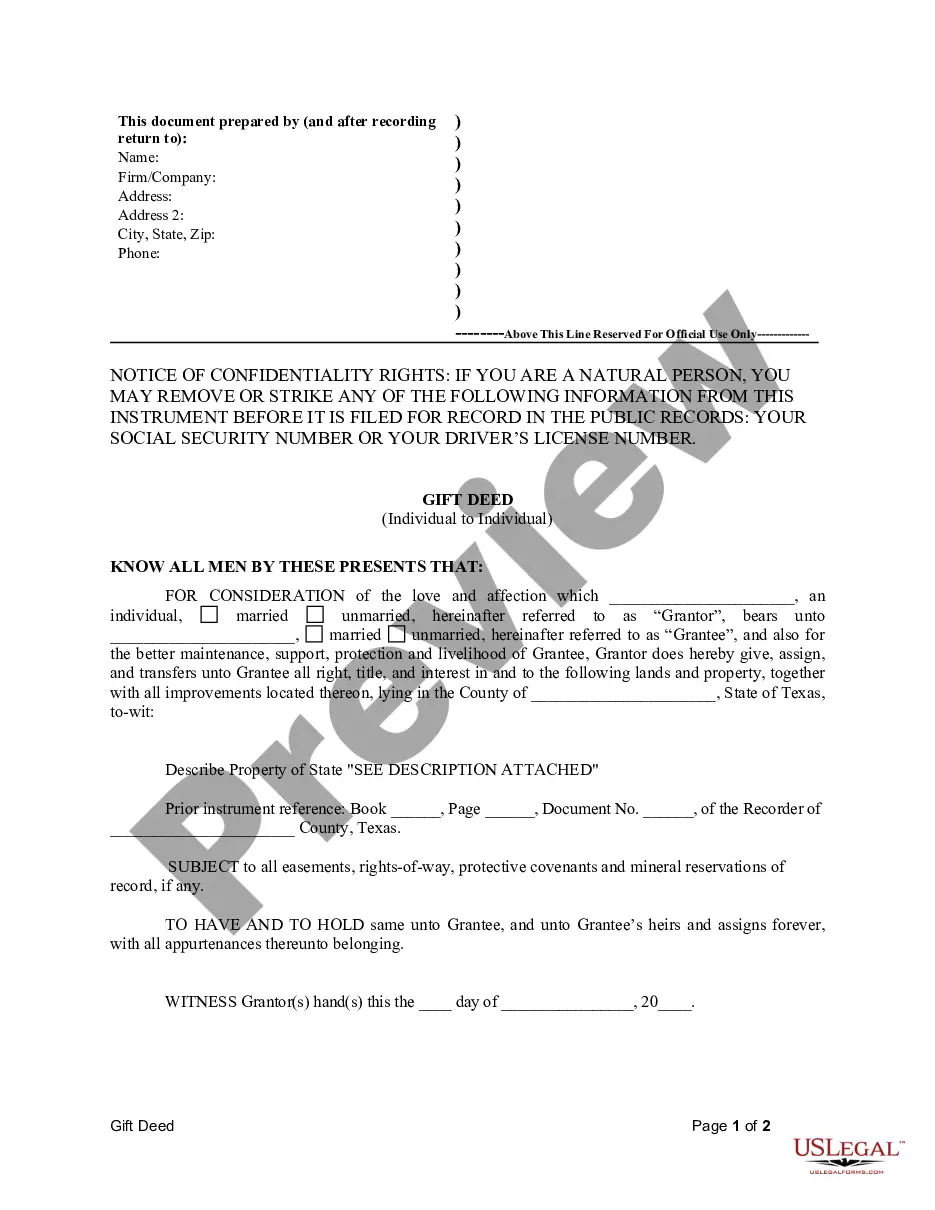
How to fill out Petition To Probate Lost Will?
- Log into your US Legal Forms account or create a new one if you're a first-time user.
- Browse or search the extensive library of over 85,000 legal forms to find the specific template you need for your beneficiary bank.
- Preview the form to ensure it aligns with your local jurisdiction requirements and suits your needs.
- Select the appropriate subscription plan and proceed to purchase the document.
- Provide your payment information and complete the transaction.
- Download the form to your device and access it anytime through the My Forms section of your profile.
By using US Legal Forms, individuals and attorneys can efficiently obtain legal documents with precision. The comprehensive library exceeds competitors' offerings, making it an invaluable resource for anyone needing legal assistance.
Don't wait any longer; start utilizing US Legal Forms today for your beneficiary bank documentation needs and enjoy seamless legal processes.
Form popularity
FAQ
Adding someone as a beneficiary on a bank account involves a straightforward process. Begin by accessing your bank’s website or visit a branch. You may need to fill out a form, specifying the beneficiary's details. By designating a beneficiary bank, you simplify the transition of your funds and help your loved ones manage your estate effectively.
To list beneficiaries on your bank account, start by contacting your bank. Most banks offer a simple process to add beneficiaries, either in-person or online. You will need to provide some basic information about the beneficiary, including their name, address, and possibly their Social Security number. Using a beneficiary bank designation ensures that your assets are transferred smoothly to your chosen individuals upon your passing.
Receiving bank and beneficiary bank often serve the same purpose, but subtle differences exist. The receiving bank processes the funds that arrive, while the beneficiary bank emphasizes the entity that ultimately benefits from the transaction. Recognizing these roles aids in understanding how transactions flow from one institution to another, ensuring accurate tracking of your funds.
While the terms receiving bank and beneficiary bank often refer to the same institution, they can have distinctive roles in specific contexts. The receiving bank typically focuses on the acceptance and processing of incoming funds, while the beneficiary bank specifically highlights the entity benefiting from the funds. Being clear on these definitions aids in better comprehending financial transactions.
The remitter bank is the institution that sends the funds, while the beneficiary bank is where those funds are received. In a transaction, the remitter bank initiates the process, and the beneficiary bank finalizes it. Understanding this difference helps you navigate financial transfers smoothly, ensuring your transactions are processed correctly.
The receiving bank refers to the financial institution that accepts incoming funds for a client or account holder. Essentially, this bank acts as the endpoint for a payment transaction. In many cases, the receiving bank is also the beneficiary bank, ensuring that the funds get credited to the correct account without delay.
A beneficiary bank is the financial institution that receives funds on behalf of a beneficiary. This bank processes the payments and ensures that the funds are transferred efficiently. When you initiate a transaction, your designated beneficiary bank plays a crucial role in facilitating the transfer and making sure your funds reach the right recipient.
To put a beneficiary on your bank account, first contact your bank to understand their specific requirements. You will likely need to fill out a form, providing details about the beneficiary and your account. Ensure to double-check all information for accuracy. Remember, you can also turn to US Legal Forms for assistance in creating the documents needed, making the process smooth and straightforward.
You can easily add a beneficiary to your bank account, typically by visiting your bank or accessing your account online. Most financial institutions have a straightforward process for this. If you're unclear on the specifics, the US Legal Forms platform can guide you through the necessary steps and provide the required documentation. Choosing a beneficiary bank option helps secure your wishes for your financial legacy.
Yes, putting a beneficiary on your bank account is generally a smart decision. It allows your funds to bypass probate and go directly to your chosen individual after your death. This can provide peace of mind, knowing that your loved ones will have timely access to your financial resources. Using the beneficiary bank option can offer a straightforward way to manage your assets.