Criminal Charges For Miscarriage
Description
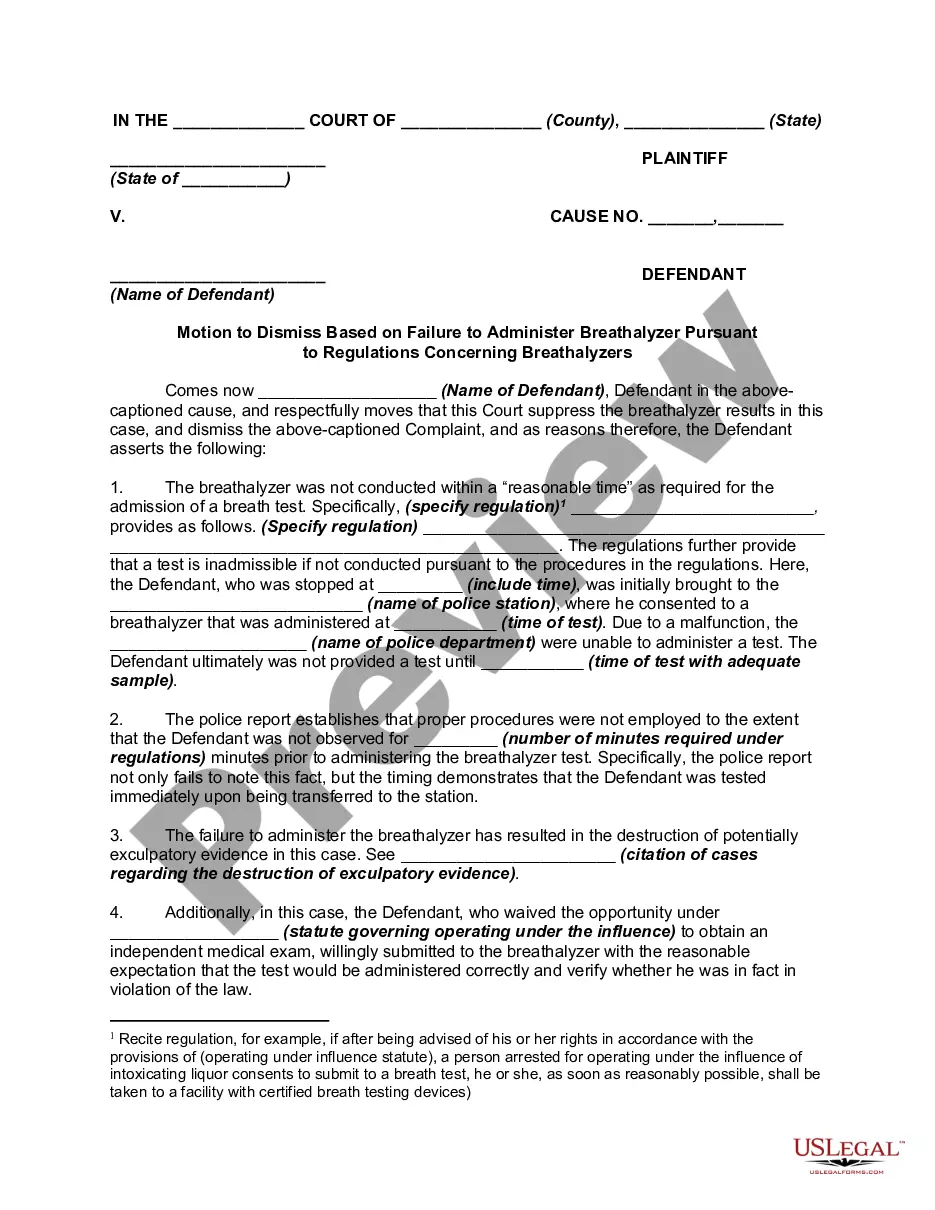
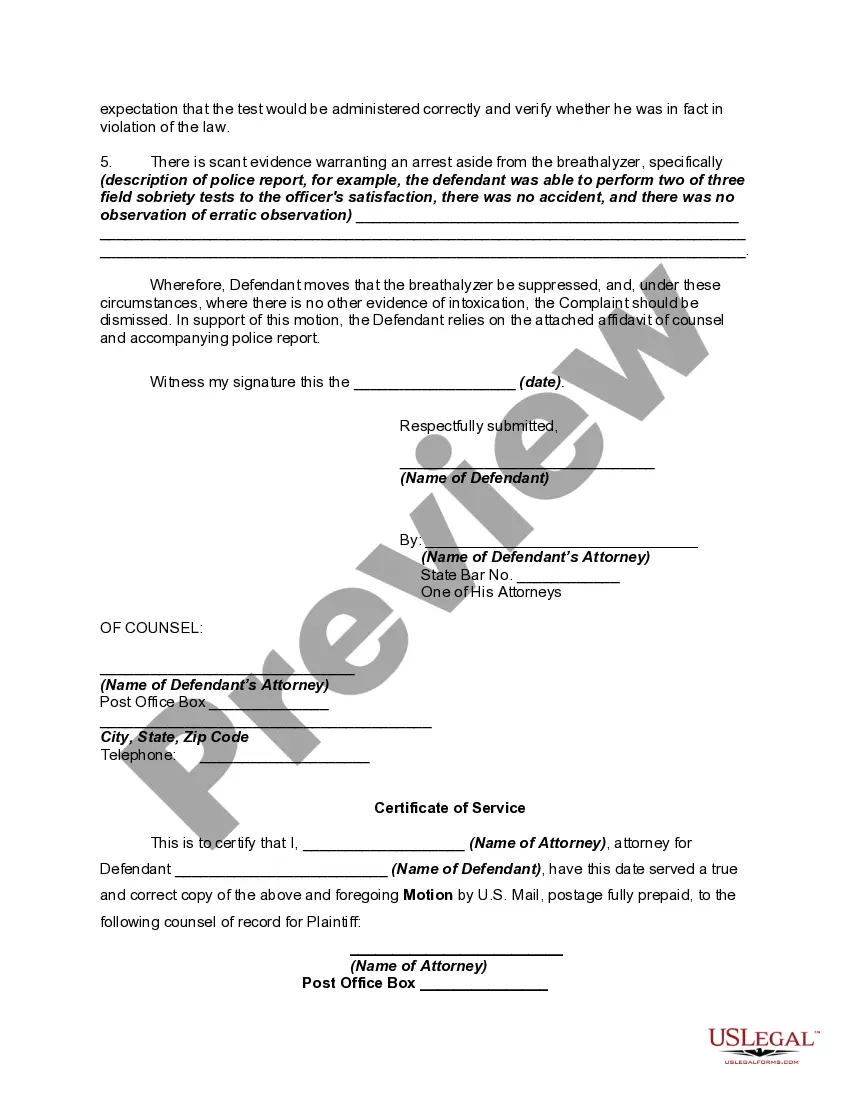
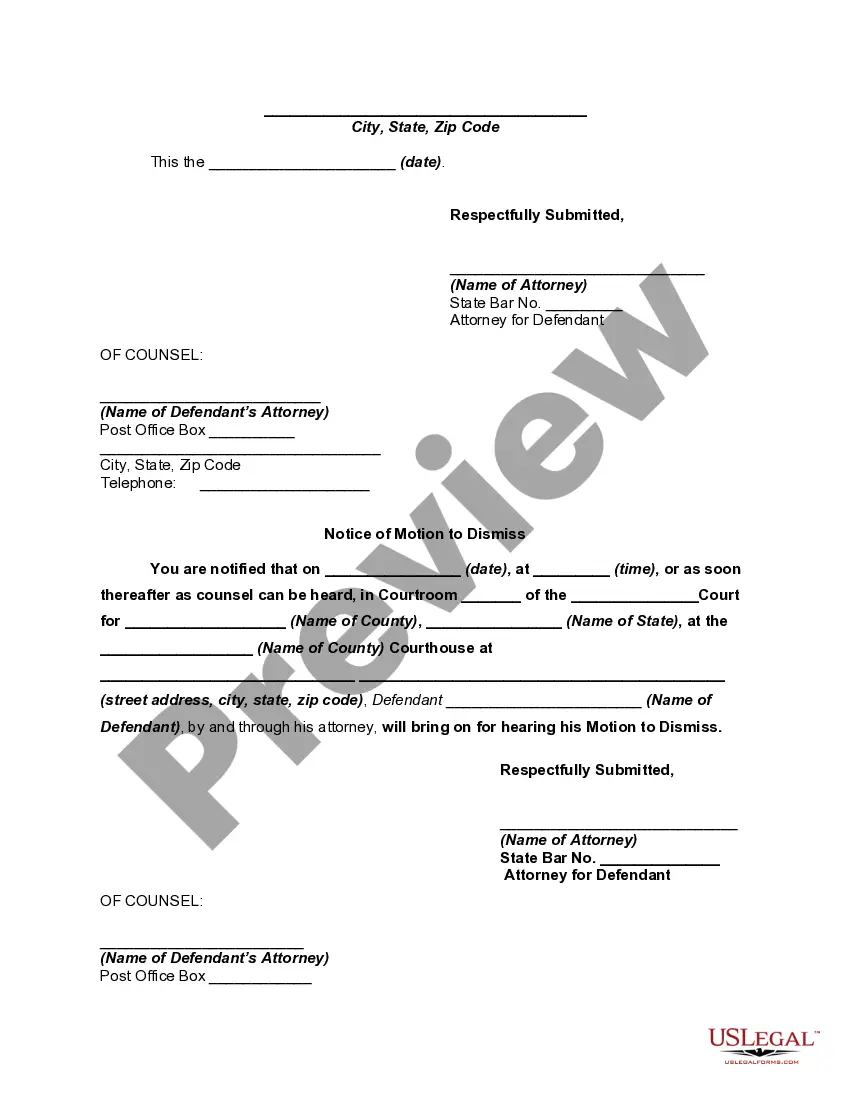

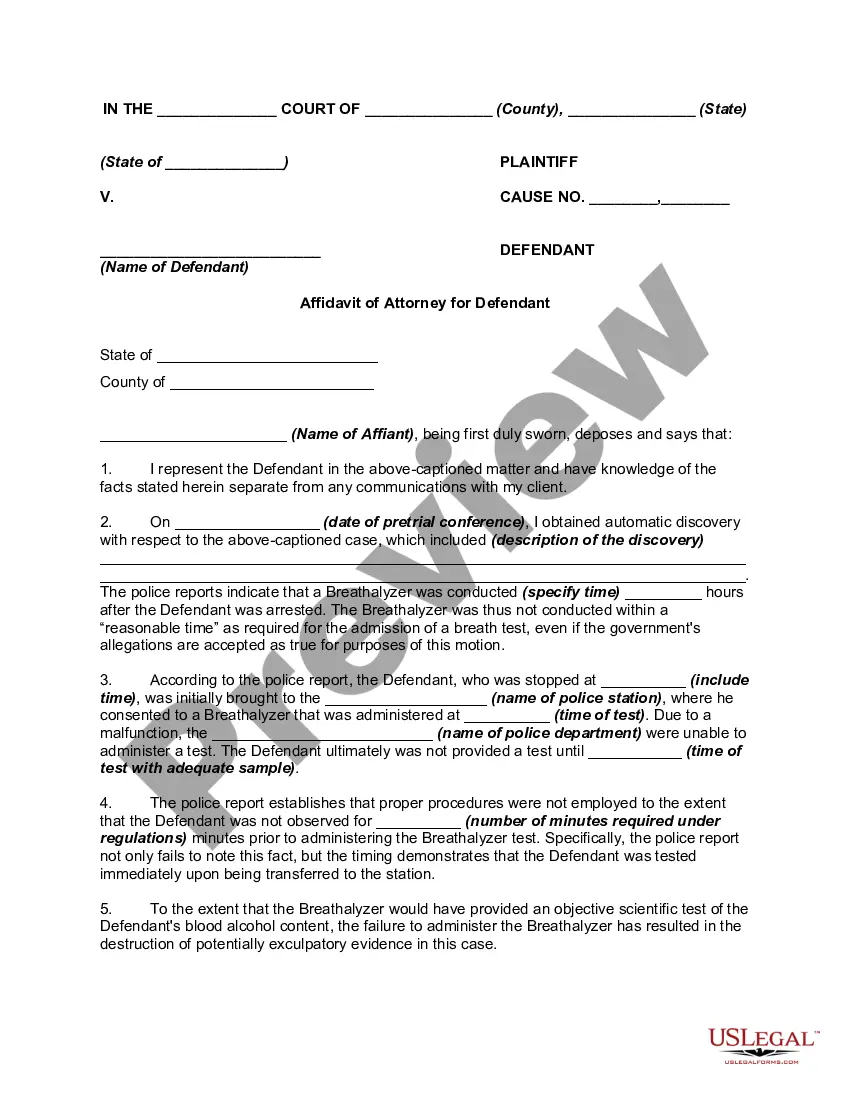
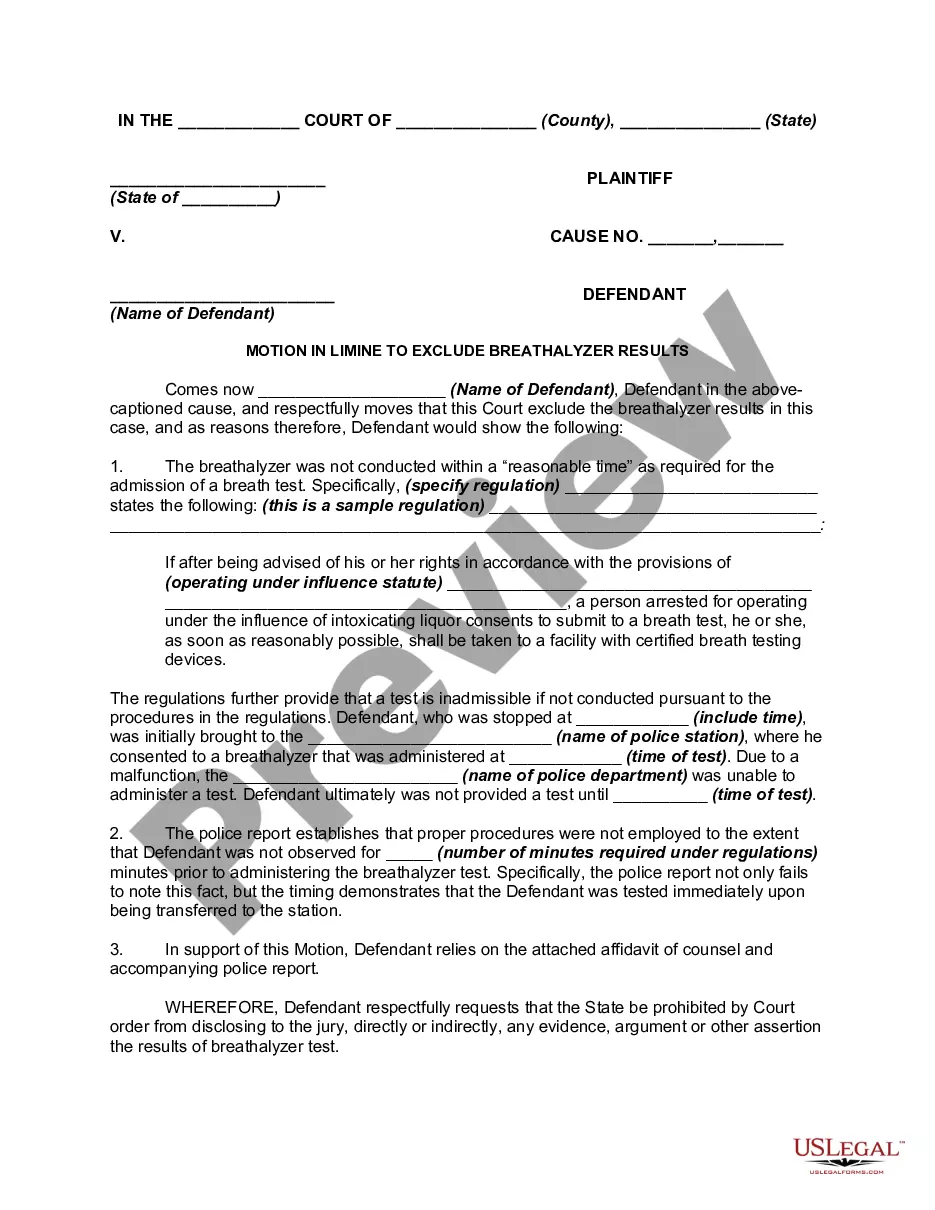
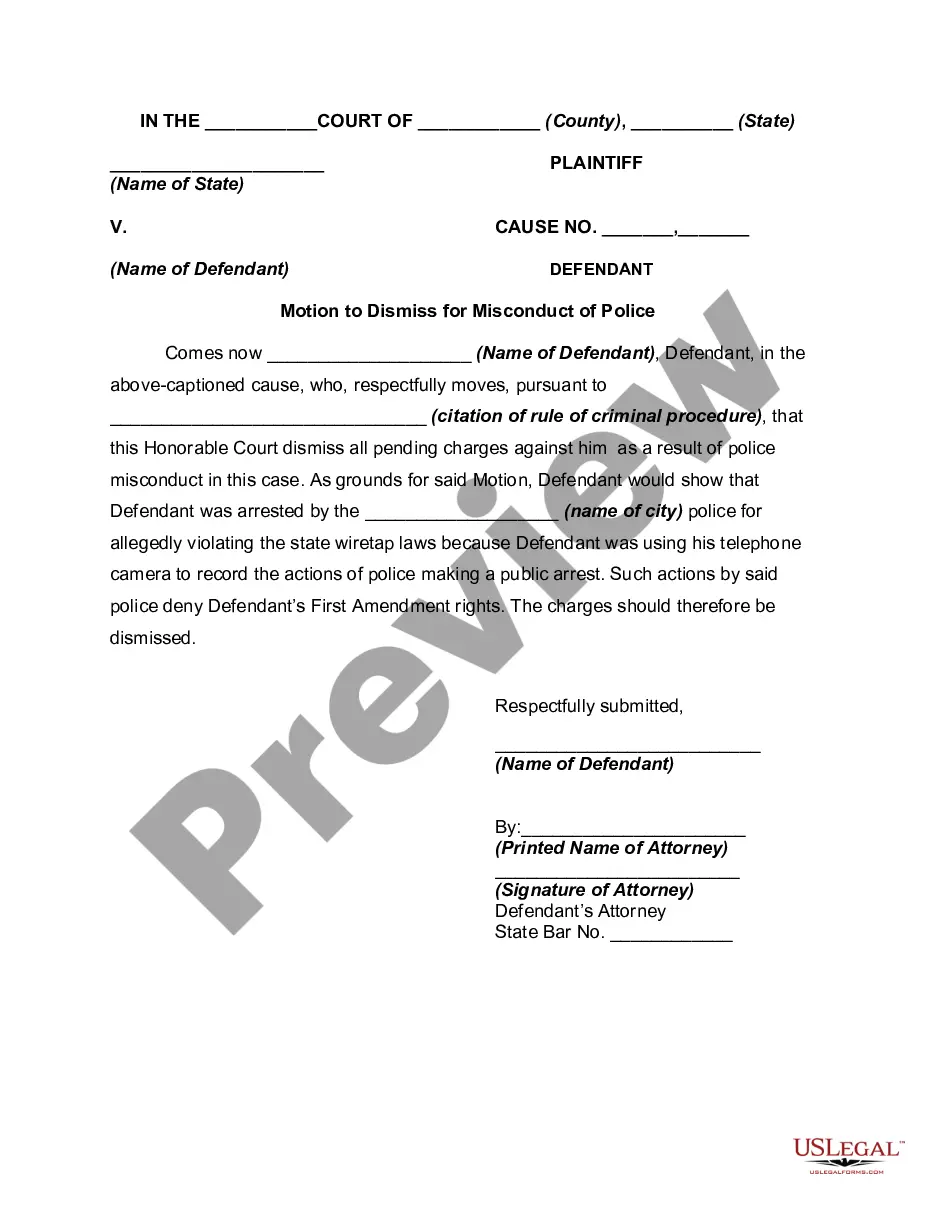





How to fill out Motion To Dismiss Criminal Charges For Failure To Follow Breathalyzer Protocols - DUI?
- Log in to your existing US Legal Forms account by clicking the provided link, ensuring your subscription is active. If you need to, renew it based on your payment plan.
- Review the Preview mode and detailed form descriptions to confirm you've selected the appropriate template aligning with your local jurisdiction.
- If the chosen template does not meet your needs, utilize the Search function to find alternative forms that are more suitable.
- Once you've found the right document, click the Buy Now button and select your preferred subscription plan. You'll need to create an account to access all resources.
- Complete your purchase by entering your credit card information or linking your PayPal account for payment.
- After your transaction is completed, download the form to your device. You can access it anytime via the My Forms section in your profile.
In conclusion, utilizing US Legal Forms simplifies the often complicated process of obtaining important legal documents. By following the steps outlined, you can easily access the necessary forms for handling criminal charges related to miscarriage, ensuring you're equipped to address these challenges effectively.
Don’t wait—start your journey towards obtaining the right legal forms today!
Form popularity
FAQ
Miscarriage itself is not illegal in any state; however, certain laws could impose penalties if negligence is involved. Disturbingly, some jurisdictions may consider criminal charges for miscarriage under specific circumstances. It's crucial to understand local laws and seek legal help if needed for peace of mind.
The consequences of a miscarriage can be both emotional and physical. While many individuals find support during this difficult time, there may be legal implications if misconduct is suspected. Knowing the potential for criminal charges for miscarriage can help you navigate your situation with more clarity and confidence.
A miscarriage and an abortion are different events in legal terms. A miscarriage is an unintentional loss of pregnancy, while an abortion is a deliberate termination. Understanding this distinction is vital, especially in jurisdictions where criminal charges for miscarriage become a topic of discussion.
Recent changes to abortion laws in the U.S. have sparked intense debate and vary by state. New legislation in some areas has introduced strict regulations that could criminalize certain actions related to pregnancy loss. Staying informed about these laws is crucial, especially if you are concerned about potential criminal charges for miscarriage.
In most situations, having a miscarriage does not result in jail time. However, if there are suspicions of foul play, such as drug use or neglect, criminal charges for miscarriage may be pursued in certain states. Always seek legal guidance if facing any accusations to ensure your rights are protected.
The law of miscarriage varies significantly across states in the U.S. Generally, it involves the legal implications surrounding a pregnancy loss. In some cases, criminal charges for miscarriage may arise if negligence or intentional harm is suspected. It is essential to be aware of your state's laws to understand your rights and responsibilities.
Yes, it is possible to sue someone for causing a miscarriage, depending on the circumstances. You need to demonstrate that the individual’s actions directly contributed to your loss. This could stem from intentional harm, negligence, or violation of specific laws. Engaging with legal experts can guide you through the implications of criminal charges for miscarriage and support you in your case.
Medical negligence relating to miscarriage occurs when a healthcare provider fails to meet the expected standard of care, resulting in harm. This can include misdiagnosis, incorrect treatment, or a lack of appropriate support. If you experience a miscarriage due to such negligence, it may warrant a legal claim. Consulting with professionals experienced in criminal charges for miscarriage can clarify your options.
Yes, you can pursue legal action if someone else is responsible for your miscarriage. It is vital to establish that their actions directly led to your loss. Various factors, including negligence or intentional harm, may apply in these situations. Seeking assistance from legal experts familiar with criminal charges for miscarriage can help you navigate this complex process.
Documenting the circumstances surrounding your miscarriage is essential to prove it occurred. This can include medical reports, physician statements, and personal records. If you encounter legal challenges or potential criminal charges for miscarriage, having thorough documentation can support your case and help clarify the situation.