Revocable Trust Agreement With The Owner
Description
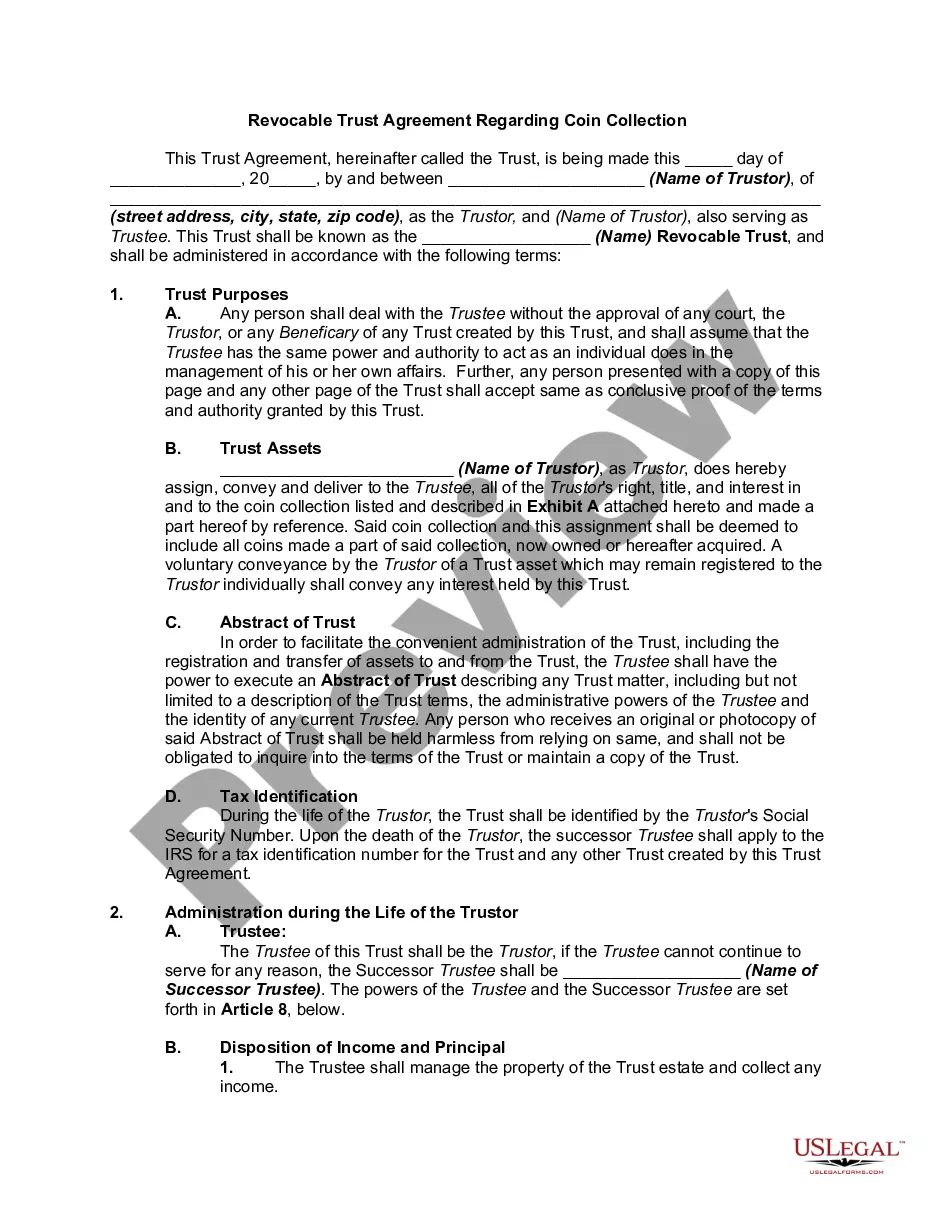
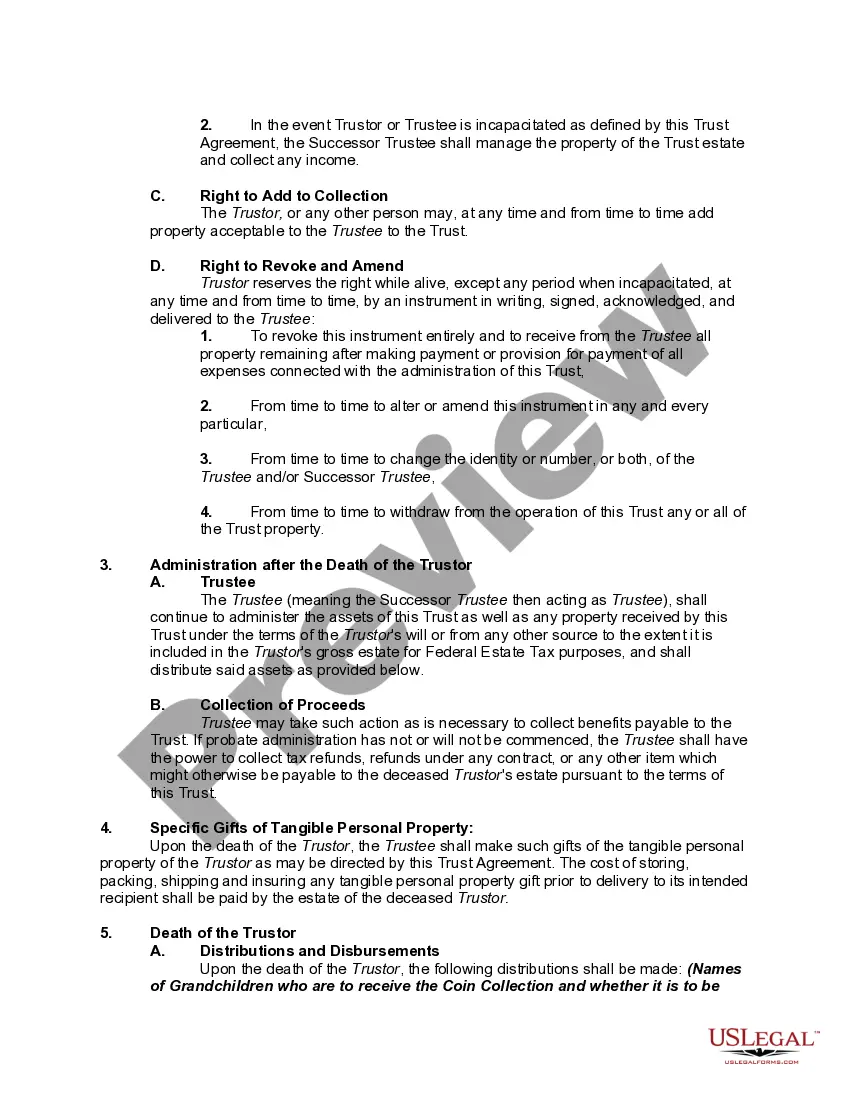
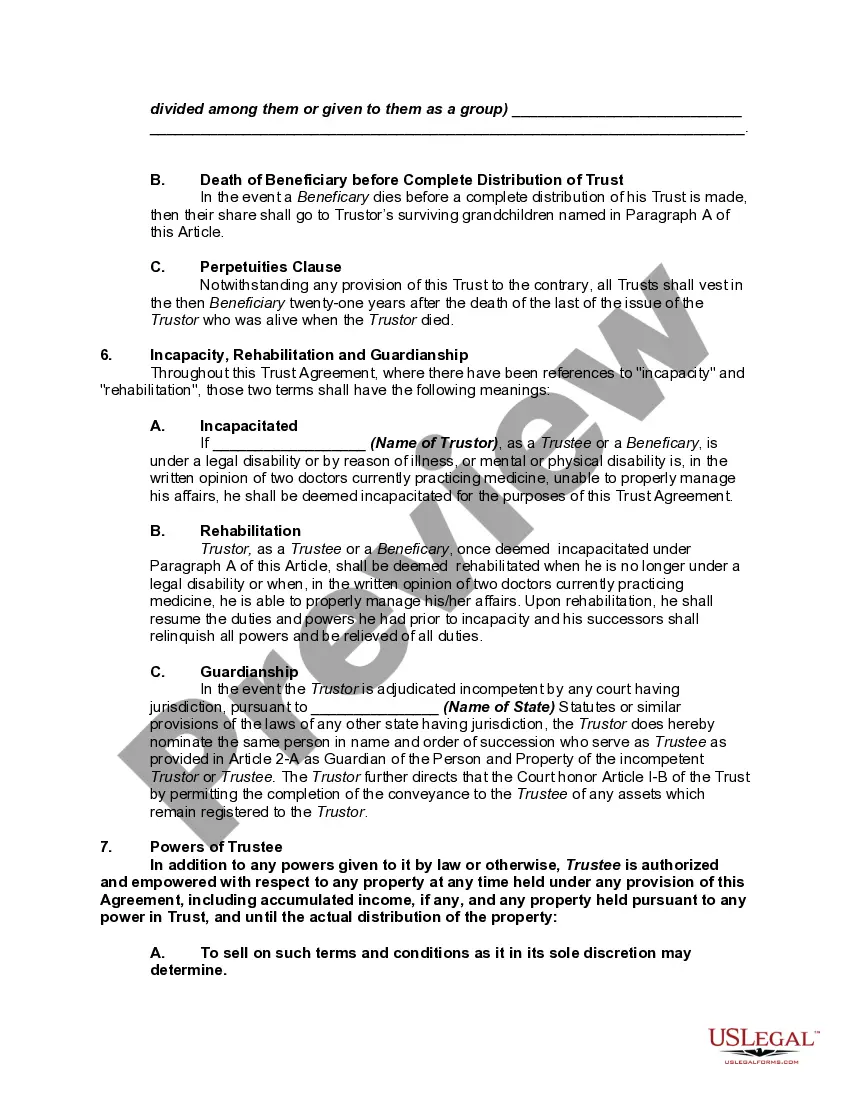
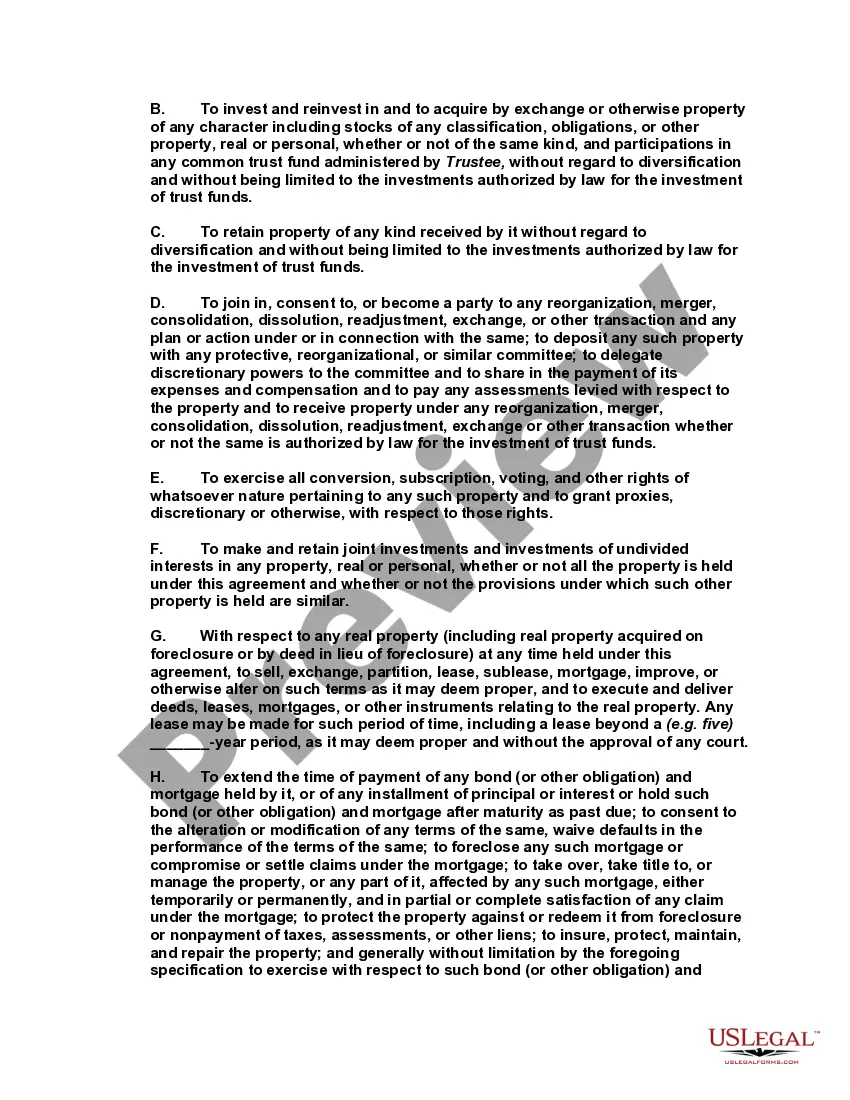
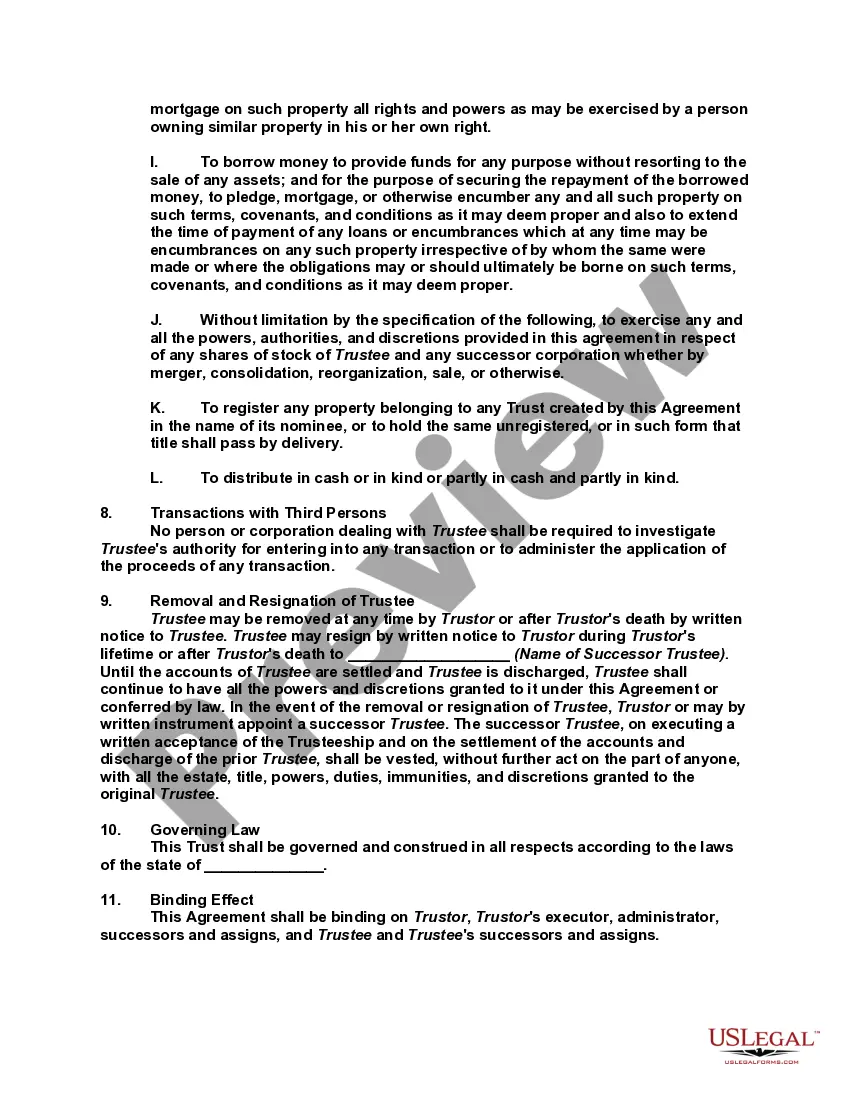
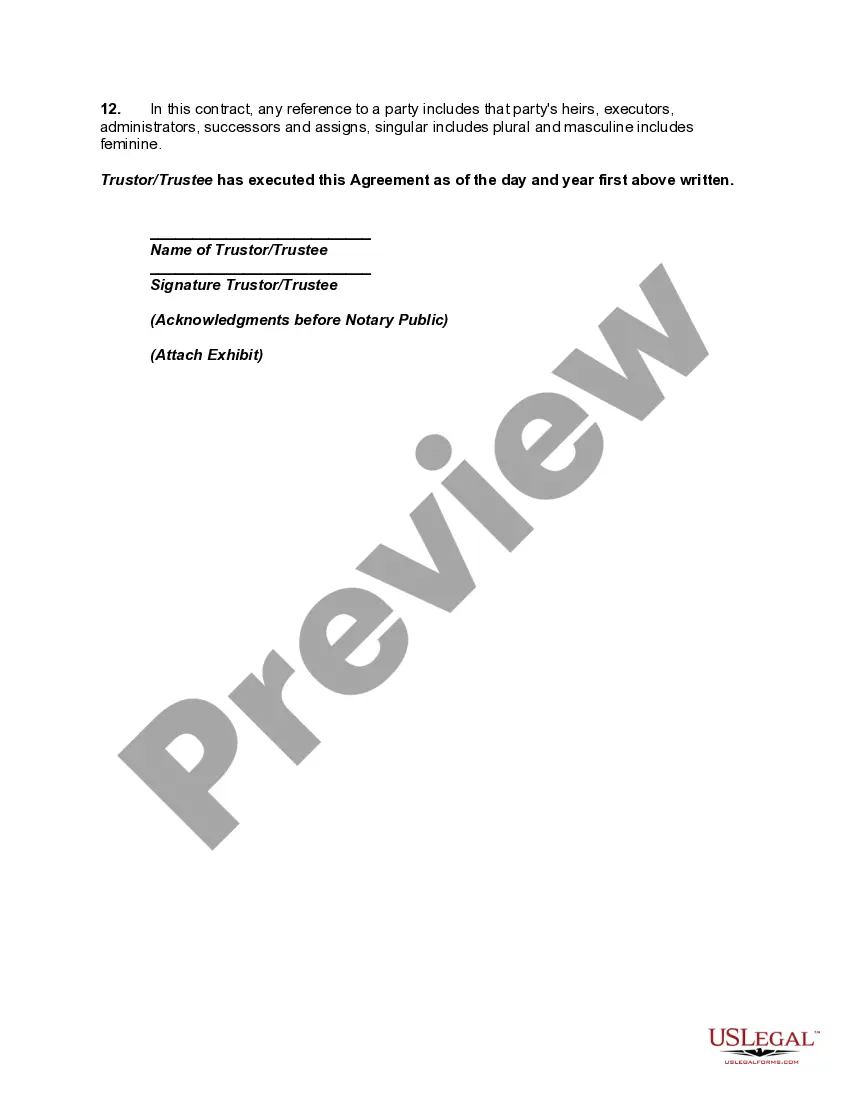
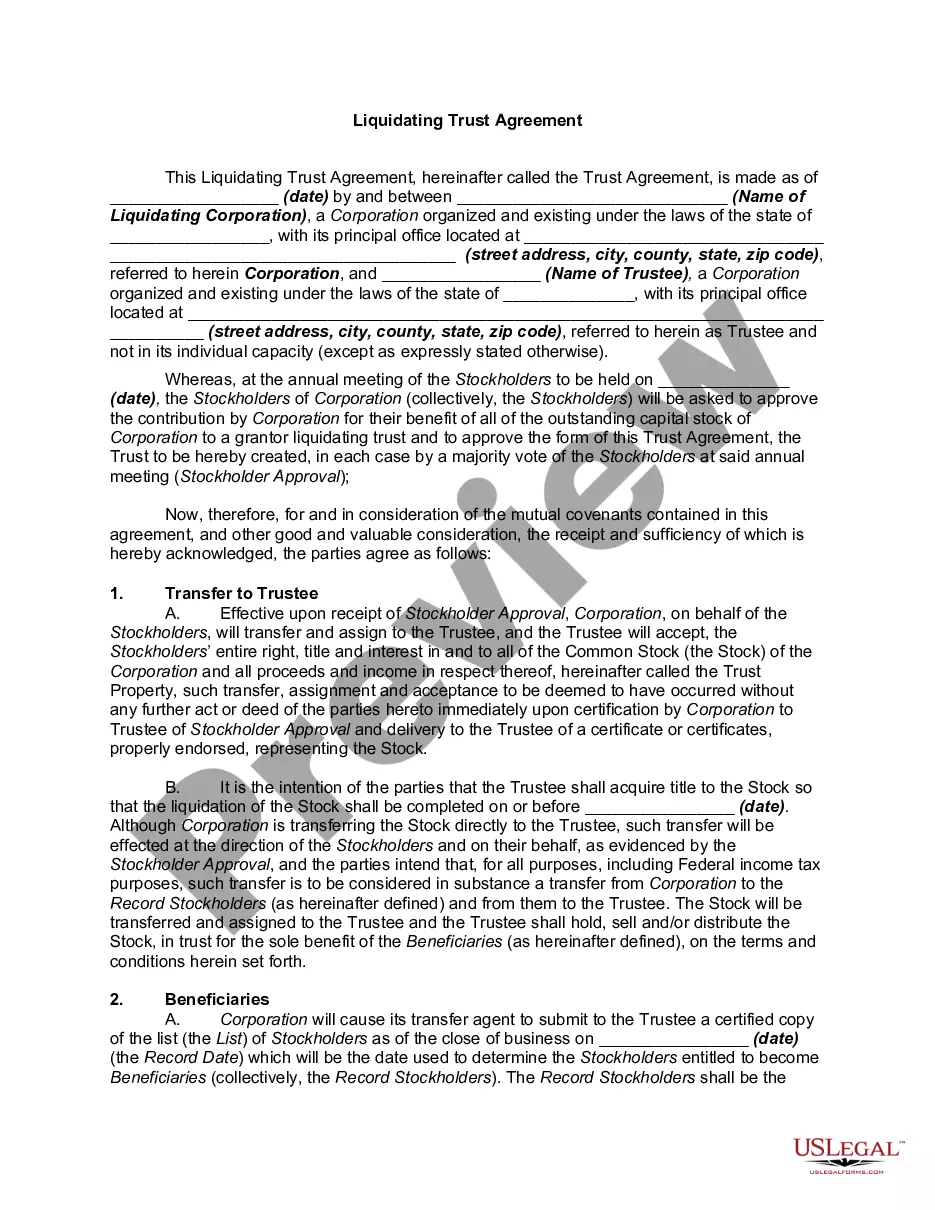
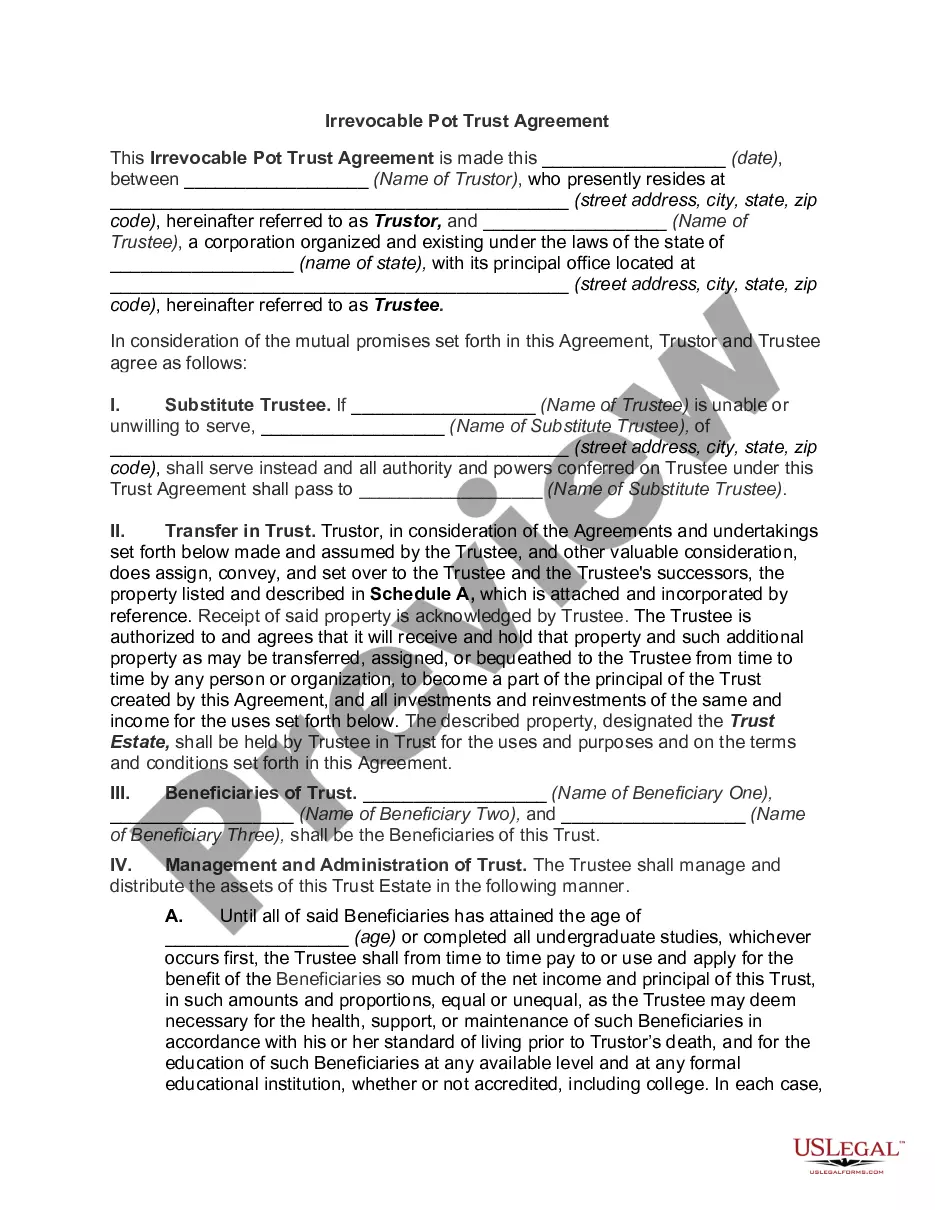
Get your form ready online
Our built-in tools help you complete, sign, share, and store your documents in one place.
Make edits, fill in missing information, and update formatting in US Legal Forms—just like you would in MS Word.
Download a copy, print it, send it by email, or mail it via USPS—whatever works best for your next step.
Sign and collect signatures with our SignNow integration. Send to multiple recipients, set reminders, and more. Go Premium to unlock E-Sign.
If this form requires notarization, complete it online through a secure video call—no need to meet a notary in person or wait for an appointment.
We protect your documents and personal data by following strict security and privacy standards.

Make edits, fill in missing information, and update formatting in US Legal Forms—just like you would in MS Word.

Download a copy, print it, send it by email, or mail it via USPS—whatever works best for your next step.

Sign and collect signatures with our SignNow integration. Send to multiple recipients, set reminders, and more. Go Premium to unlock E-Sign.

If this form requires notarization, complete it online through a secure video call—no need to meet a notary in person or wait for an appointment.

We protect your documents and personal data by following strict security and privacy standards.
Looking for another form?








How to fill out Revocable Trust Agreement Regarding Coin Collection?
- If you're a returning user, log into your account and locate the revocable trust agreement template you need. Ensure your subscription remains active; renew it if necessary.
- For first-time users, start by browsing the preview mode to understand the trust agreement. Check the form description thoroughly to confirm it fits your requirements.
- If you need an alternative template, use the search feature at the top of the page to find the right document that matches your local jurisdiction.
- Click on the 'Buy Now' button for your selected document and choose your desired subscription plan. You will need to create an account for access.
- Proceed with your purchase by entering your payment details or using your PayPal account for a smooth transaction.
- Finally, download the completed template to your device. You can always access it later through the 'My Forms' section of your account.
By following these steps, you can easily create your revocable trust agreement with the owner, ensuring that your estate planning is organized and legally sound.
Don't wait! Start your journey with US Legal Forms today to simplify your legal document needs.
Form popularity
FAQ
One downside of putting assets in a trust is that it may not provide protection against creditors, depending on the type of trust established. A revocable trust agreement with the owner means the assets are still considered part of their estate for most legal purposes. This could expose them to risks, unlike irrevocable trusts, which offer more protection. As such, it’s vital to consult professionals to understand the best strategy for their needs.
The owner of a revocable trust is typically the individual who creates the trust, known as the grantor. This person retains control over the assets and can modify or revoke the trust during their lifetime. Understanding the distinction between ownership and control can clarify how a revocable trust agreement functions. It's crucial to maintain clear documentation to avoid confusion later.
A key downfall of having a trust, particularly a revocable trust, is the complexity involved in setting it up correctly. If it's not done properly, it may lead to unintended consequences, such as assets not being protected or distributed according to their wishes. Furthermore, managing a trust requires time and awareness of legal responsibilities, which may overwhelm some individuals. Seeking advice through platforms like uslegalforms can simplify this process.
Putting assets in a trust can be a beneficial decision for your parents, especially if they want to avoid probate and ensure a smooth transfer of their estate. A revocable trust agreement with the owner allows them to maintain control over their assets while simplifying the eventual distribution process. However, they should carefully weigh the benefits against any potential costs or risks. It can be helpful to consult a financial advisor or attorney for personalized guidance.
One significant disadvantage of a family trust is the potential for ongoing administrative costs, including tax filings and trustee fees. Additionally, if not structured properly, family trusts can lead to conflicts among family members over management or distribution of the assets. Therefore, considering these factors is important when contemplating a revocable trust agreement with the owner. Open dialogue with family members can also mitigate misunderstandings.
When a property is owned by a revocable trust, it means that the trust holds legal title to that property. The owner of the revocable trust agreement has the ability to manage, alter, or revoke the trust during their lifetime. This allows flexibility and control over the asset, while also facilitating a smoother transfer of ownership after death. Enjoying these benefits often means your property can avoid probate.
A nursing home can potentially take your house if it is part of your assets, even if it's placed in a revocable trust. This is because the assets in a revocable trust are still considered yours for purposes like Medicaid eligibility. Therefore, you should evaluate your options carefully before placing your home in a trust to understand the impact on long-term care costs. Consulting with a legal expert can help clarify these concerns.
While a revocable trust agreement with the owner offers many benefits, it also has some disadvantages. One significant drawback is that assets within the trust are not protected from creditors, meaning they can still be reached in the event of a legal judgment. Additionally, establishing a revocable trust can involve upfront costs and administrative work to transfer ownership of your assets into the trust. Lastly, a revocable trust does not provide tax advantages, so it may not be the best choice for minimizing estate taxes.
To create a revocable trust agreement with the owner, start by gathering all relevant information such as asset details and the names of beneficiaries. Next, choose a trustee who will manage the trust according to your wishes. You can either draft the document yourself using templates found on platforms like USLegalForms or consult with an attorney for personalized guidance. Finally, ensure that you sign the agreement in front of a notary to make it legally valid.
Yes, you can amend a revocable trust without an attorney, provided you follow the proper procedures outlined in your revocable trust agreement with the owner. Many individuals choose to do this when they want to make small changes or updates as their circumstances change. However, it is often wise to consult with a legal professional to ensure that the amendments comply with state laws and accurately reflect your intentions.