Revocable Trust Agreement For House
Description
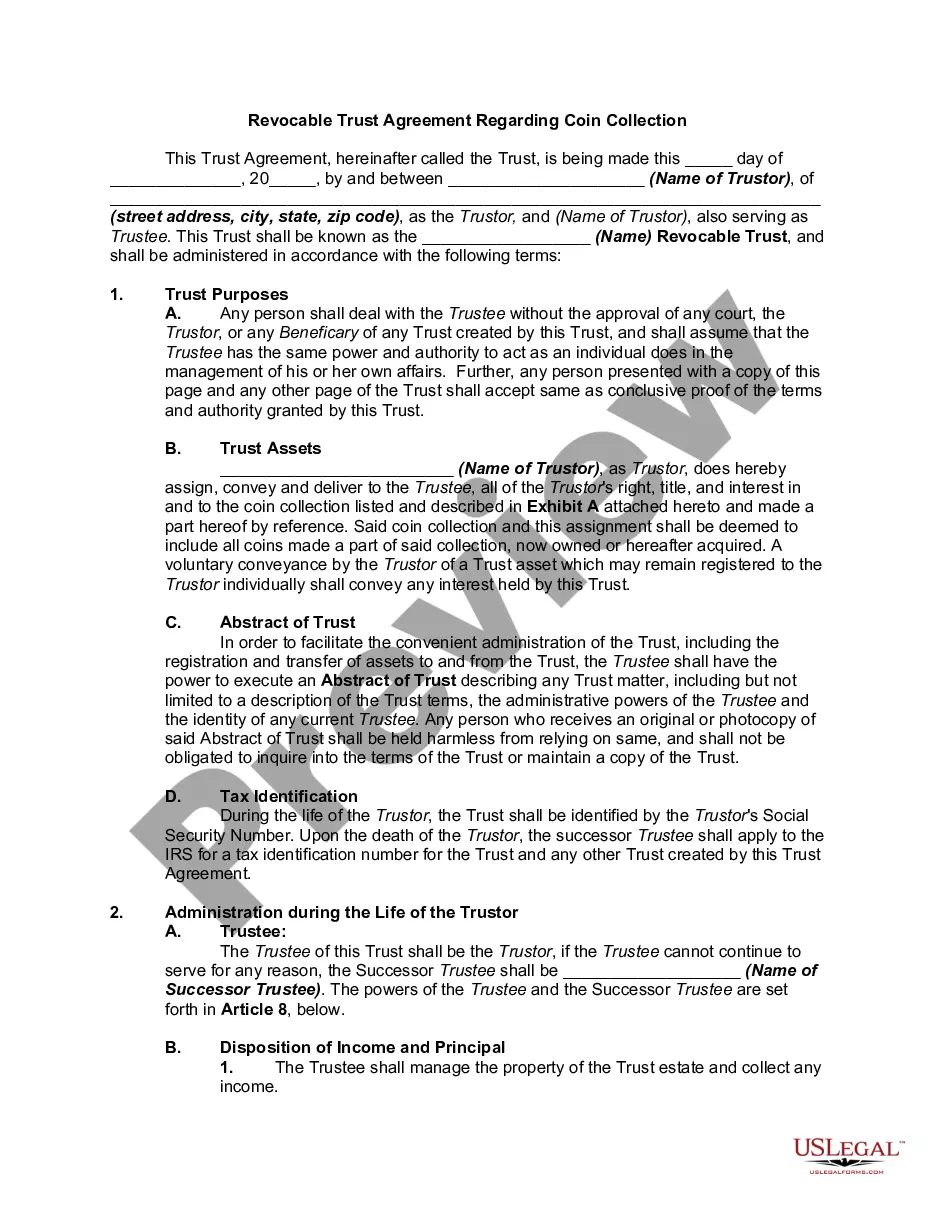
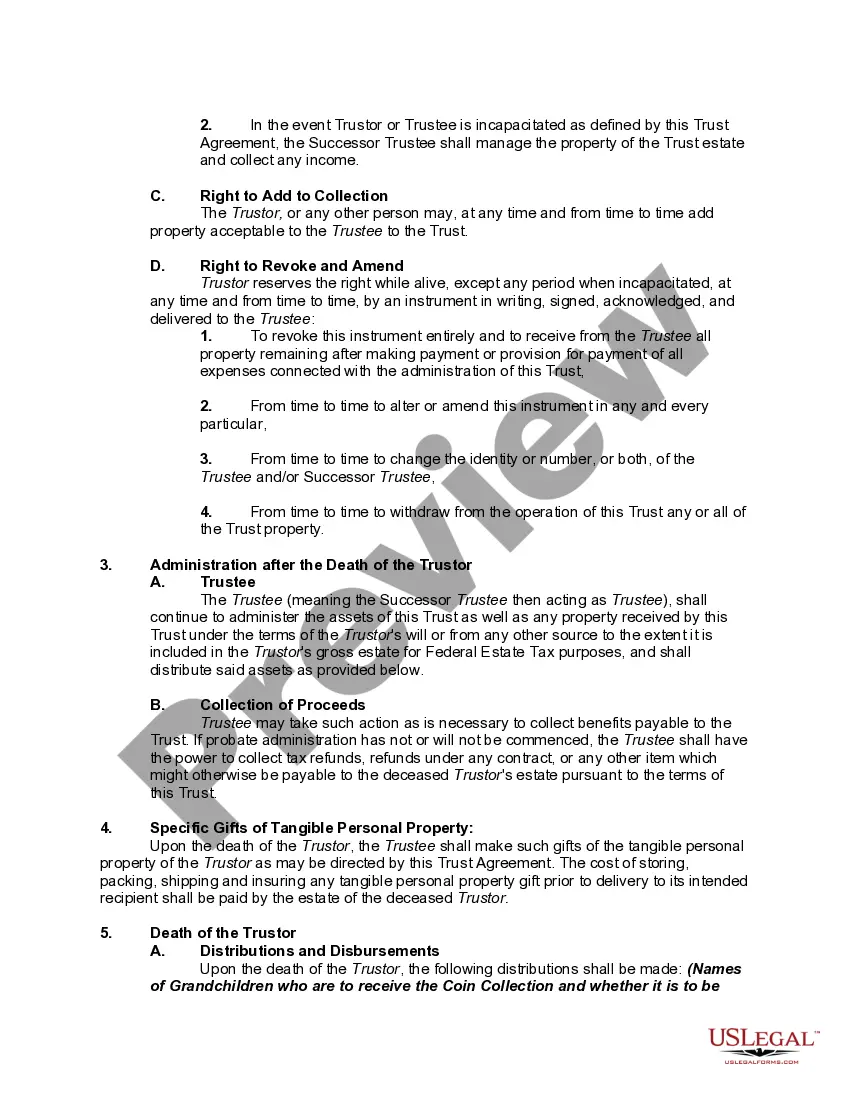
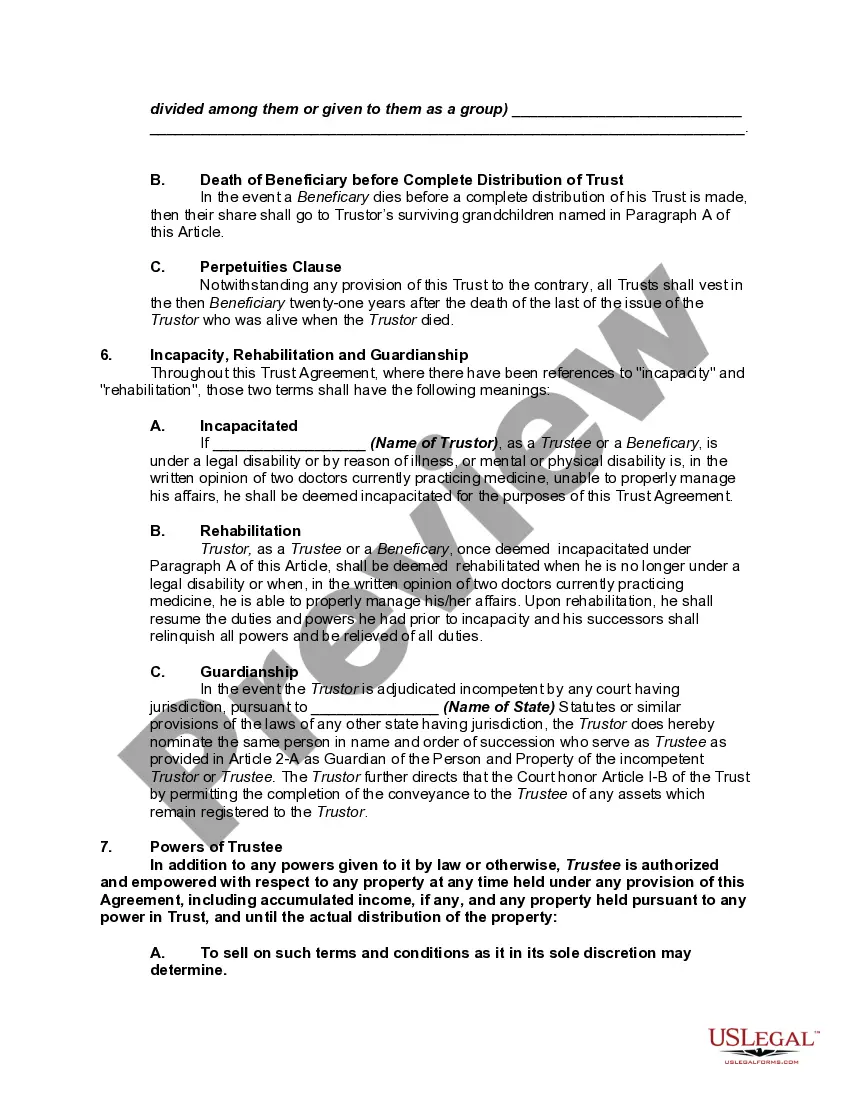
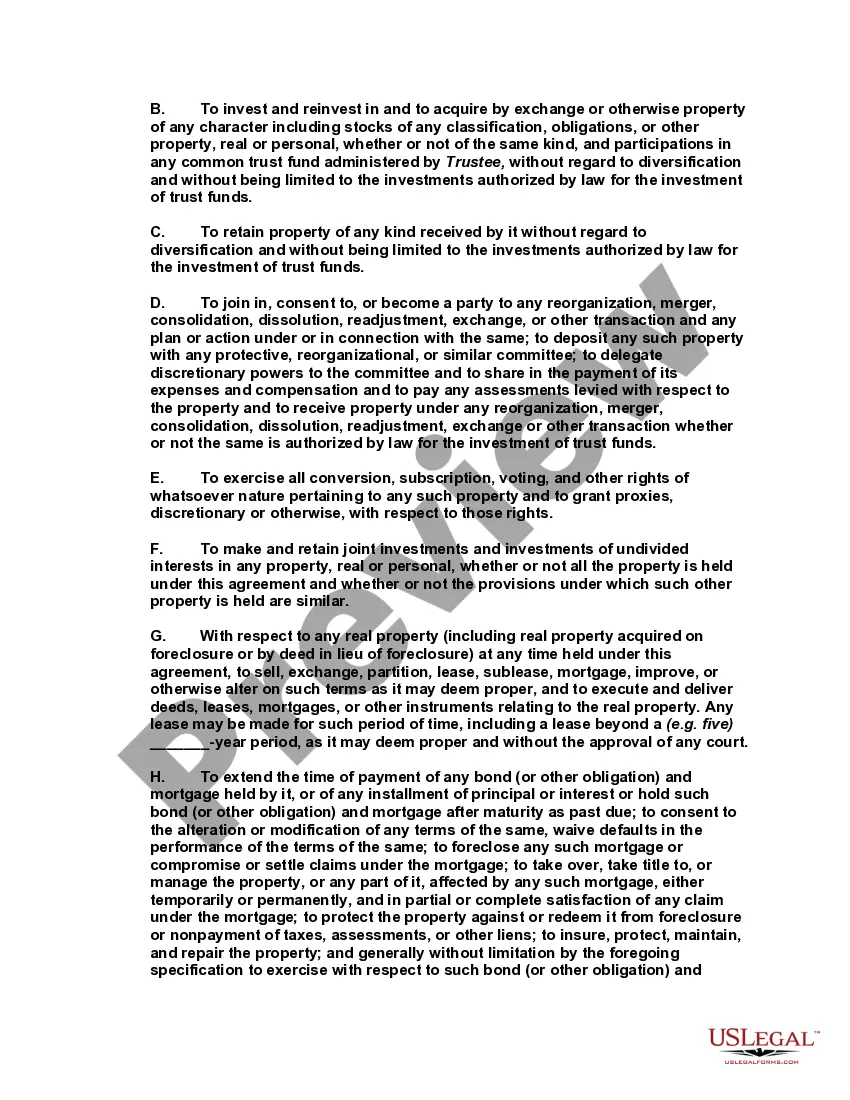
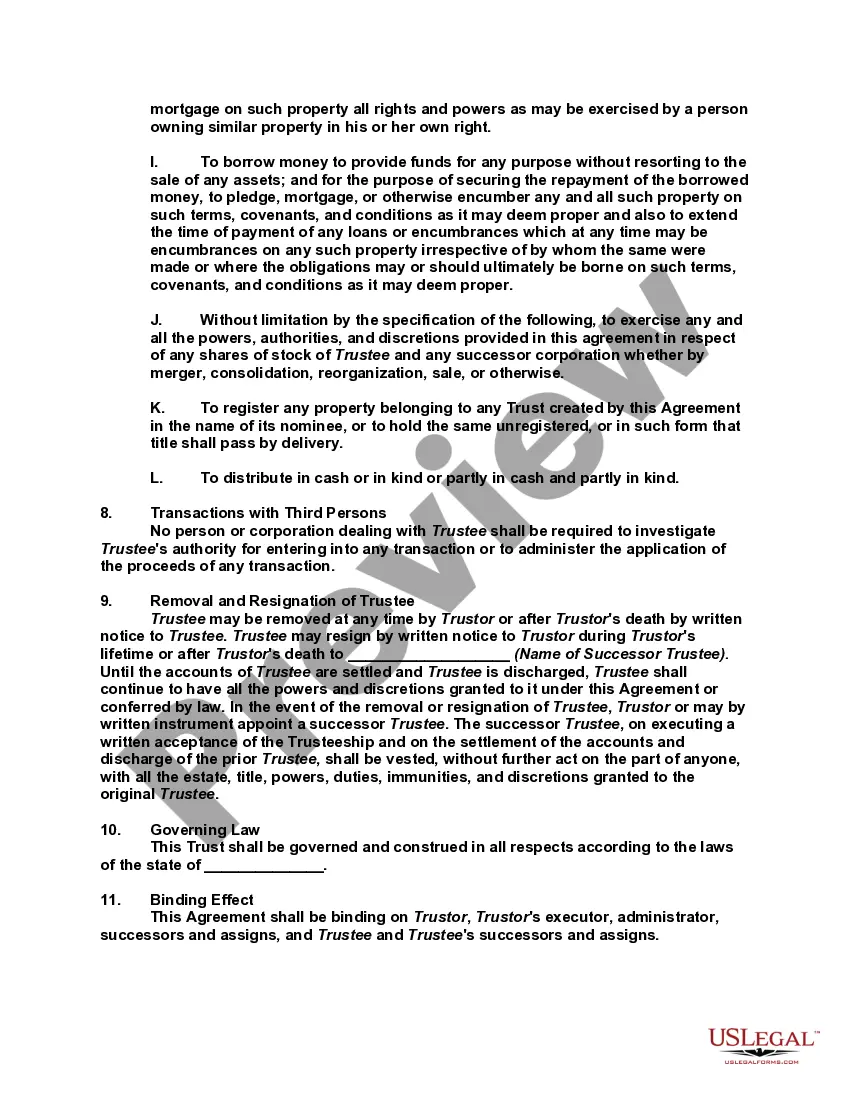
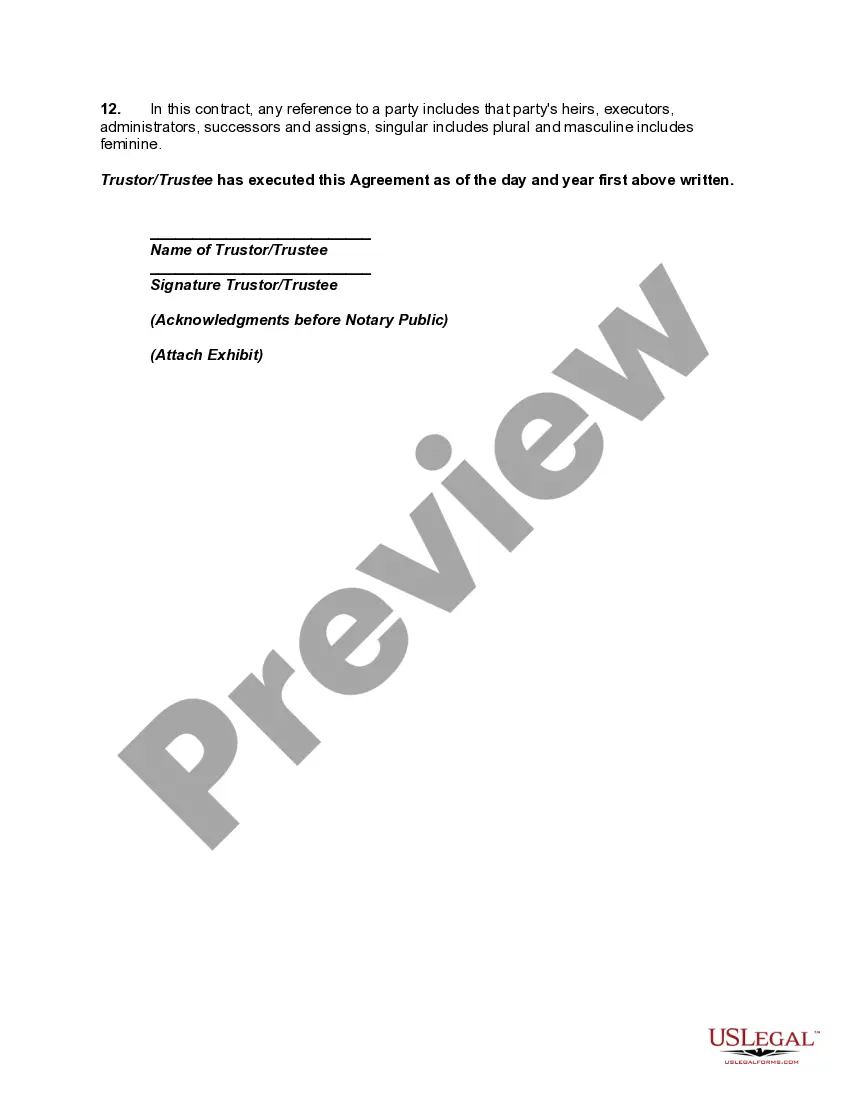
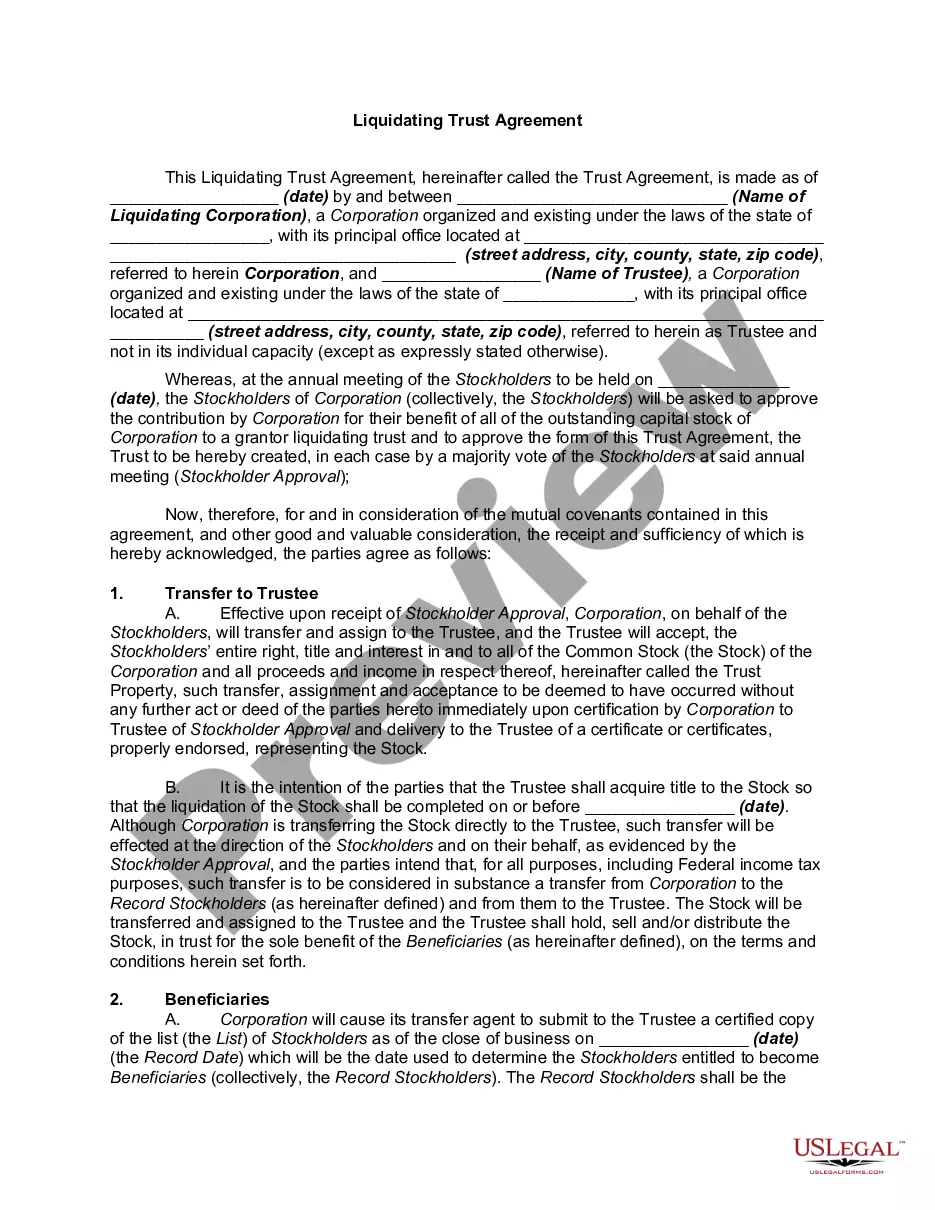
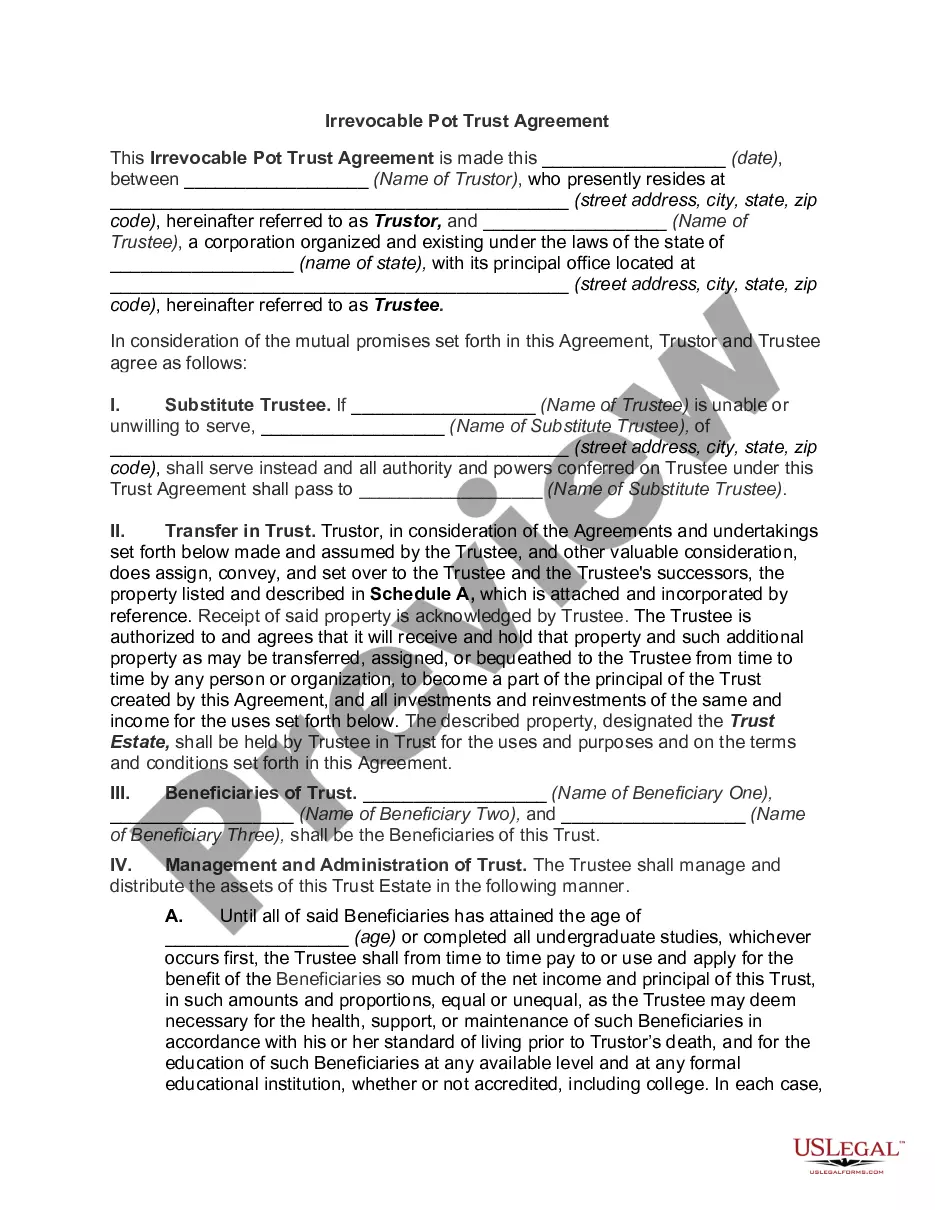
Get your form ready online
Our built-in tools help you complete, sign, share, and store your documents in one place.
Make edits, fill in missing information, and update formatting in US Legal Forms—just like you would in MS Word.
Download a copy, print it, send it by email, or mail it via USPS—whatever works best for your next step.
Sign and collect signatures with our SignNow integration. Send to multiple recipients, set reminders, and more. Go Premium to unlock E-Sign.
If this form requires notarization, complete it online through a secure video call—no need to meet a notary in person or wait for an appointment.
We protect your documents and personal data by following strict security and privacy standards.

Make edits, fill in missing information, and update formatting in US Legal Forms—just like you would in MS Word.

Download a copy, print it, send it by email, or mail it via USPS—whatever works best for your next step.

Sign and collect signatures with our SignNow integration. Send to multiple recipients, set reminders, and more. Go Premium to unlock E-Sign.

If this form requires notarization, complete it online through a secure video call—no need to meet a notary in person or wait for an appointment.

We protect your documents and personal data by following strict security and privacy standards.
Looking for another form?





How to fill out Revocable Trust Agreement Regarding Coin Collection?
- Log in to your US Legal Forms account if you're a returning user. Ensure your subscription is active to proceed.
- For new users, browse the available templates in Preview mode. Make sure you select the revocable trust agreement that fits your local jurisdiction requirements.
- If you find that the document doesn't meet your needs, utilize the Search function to locate a more suitable template.
- Purchase your desired document by clicking on the Buy Now button and selecting the appropriate subscription plan. You’ll need to create an account for access.
- Finalize your purchase by inputting your credit card information or using PayPal for your subscription.
- Download the completed document to your device, and you can also retrieve it later from the My Forms section in your profile.
In conclusion, US Legal Forms simplifies the process of creating a revocable trust agreement for your house with its extensive library of over 85,000 legal forms. With premium expert assistance available, you can ensure your documents are accurate and legally sound.
Ready to take control of your estate planning? Start today with US Legal Forms!
Form popularity
FAQ
The primary purpose of a revocable living trust is to manage your assets efficiently during your lifetime and facilitate the smooth transfer of those assets upon your death. A revocable trust allows you to retain control over your property while also designating how it should be handled after you're gone. It can help you avoid the lengthy probate process, making it a favorable option for many individuals considering a revocable trust agreement for house.
When your house is in a revocable trust, it means you have legally transferred ownership of the property into the trust while retaining full control over it during your lifetime. This setup allows you to manage the house as you see fit, including selling or refinancing it, without any restrictions. Importantly, upon your passing, the house can be distributed according to your wishes outlined in the revocable trust agreement for house, avoiding probate.
A revocable trust agreement for house does not provide complete protection against lawsuits. While your home may avoid probate and streamline the distribution of assets, it remains part of your estate. Creditors can still make claims against your trust assets. To get comprehensive asset protection, consider additional legal strategies, such as combining your revocable trust with liability insurance.
Yes, a house with an existing mortgage can be included in a revocable trust. When doing so, you should ensure that the mortgage does not have any clauses that prohibit this action. Establishing a revocable trust agreement for house can be beneficial, as it allows for easier estate management and can help avoid probate. Platforms such as US Legal Forms offer resources to help you navigate this process smoothly.
Yes, you can place your house in a revocable trust even if it has a mortgage. However, it is important to inform your lender about this decision, as some loans contain clauses that require notification or might restrict ownership changes. A revocable trust agreement for house provides a way to manage your property while retaining control. Using a platform like US Legal Forms can simplify the process by guiding you through the necessary steps.
A common mistake parents make is not adequately funding the trust after its creation. Simply having a trust document is not enough; transferring assets into the trust is crucial for it to work effectively. Be sure to review your trust regularly to ensure it aligns with your family’s financial needs.
The best way to leave a house to your children is often through a revocable trust. This method allows you to maintain control over the property while providing a clear plan for its transfer. Ensure that your trust is well-drafted to avoid confusion and maintain harmony among your heirs.
Some disadvantages include the potential costs involved in establishing a trust and the possible loss of privacy if the trust becomes public. In addition, while you maintain control, any adjustments you wish to make may require more effort than simply owning the property outright. Thorough consideration is essential.
You might choose to place your house in a revocable trust to facilitate smoother estate planning. By doing so, you ensure a seamless transition of ownership after your death, avoiding the complexities of probate. This empowerment allows you to express your wishes clearly regarding your property.
One disadvantage of a revocable trust is that it doesn't provide asset protection against creditors. Additionally, transferring your house into the trust might incur certain costs, such as legal fees. Furthermore, you lose some privacy, as trust documents may become public if challenged.