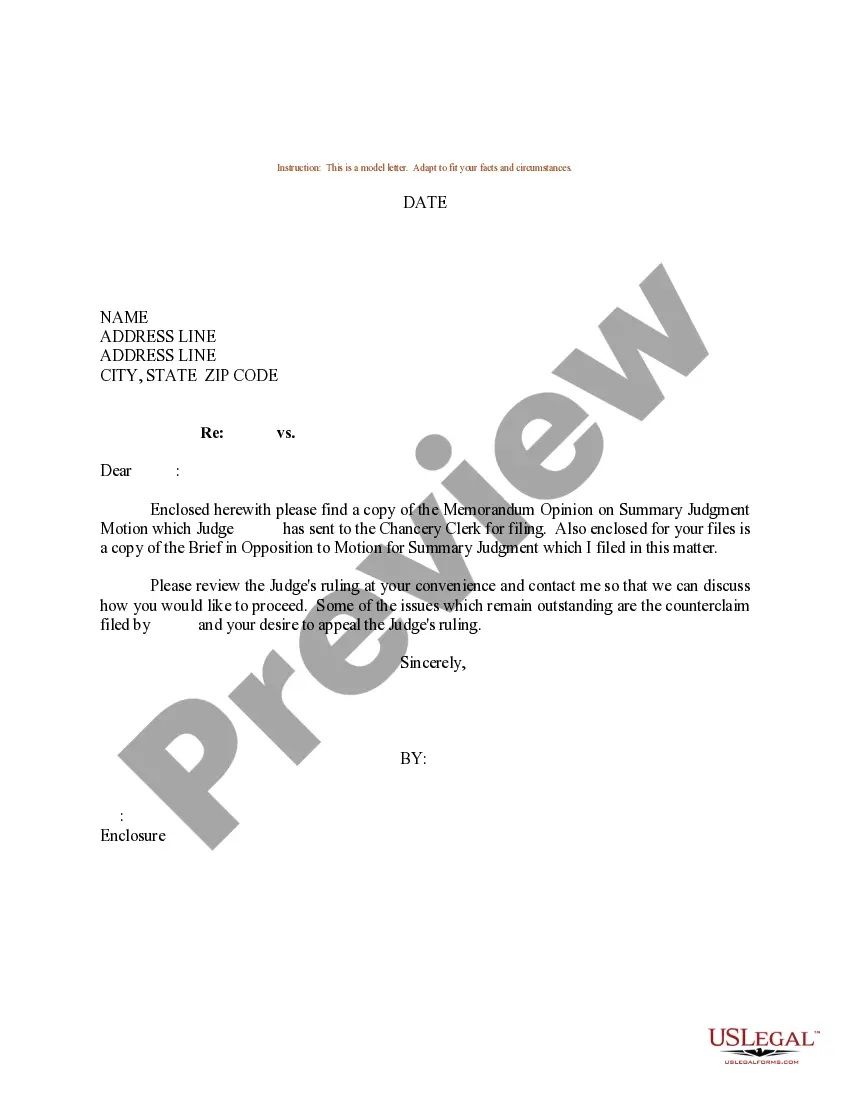
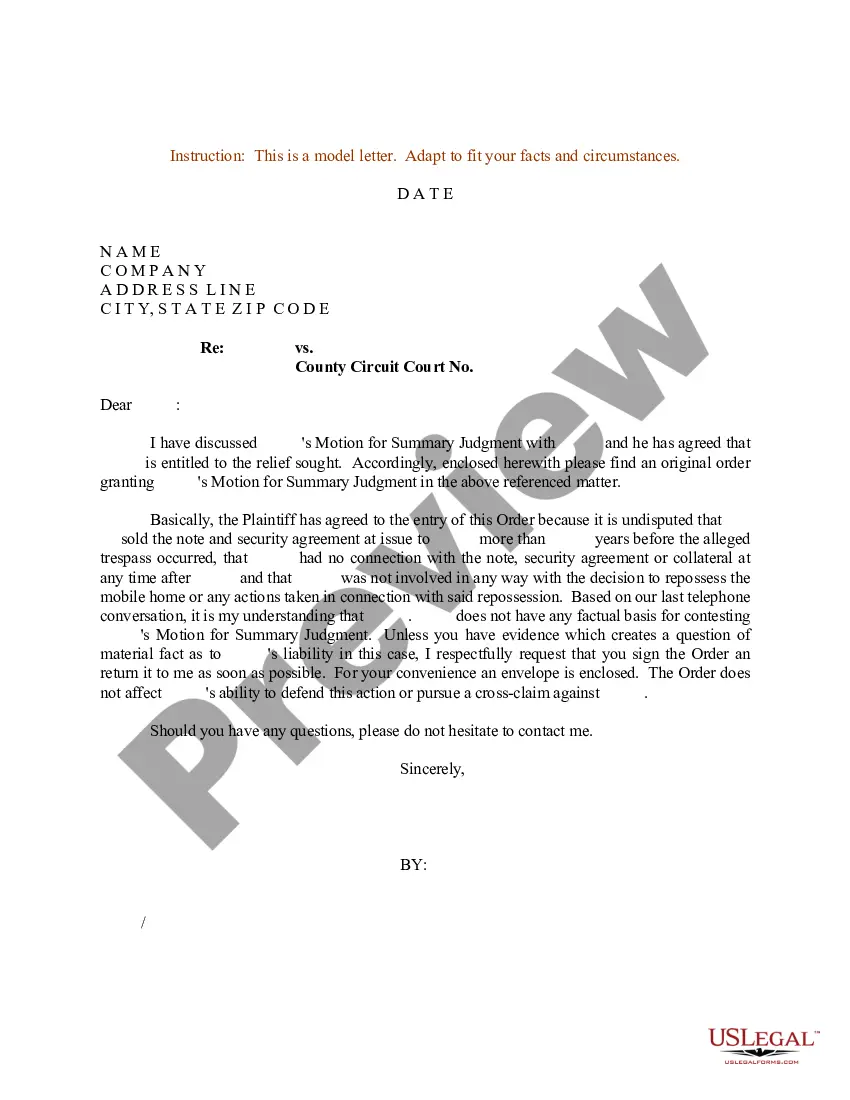
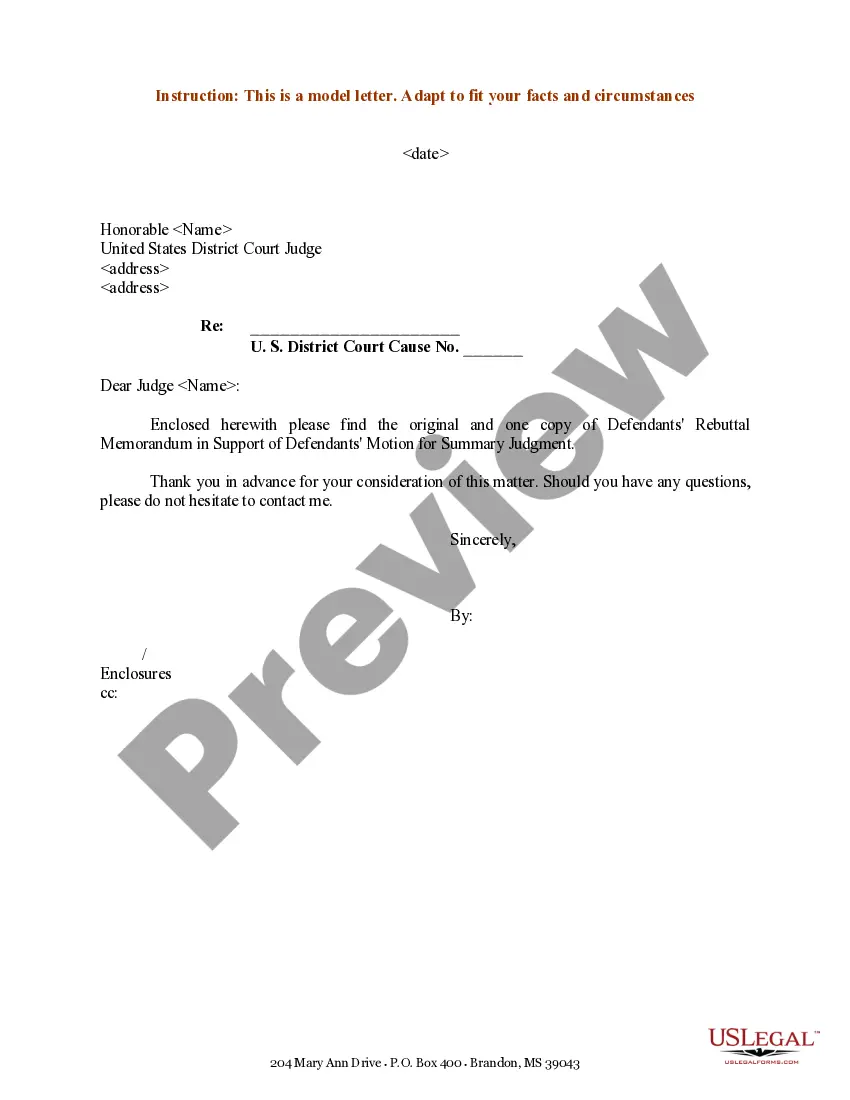
Plaintiff Summary Judgment Motion With Motion To Dismiss
Description
Get your form ready online
Our built-in tools help you complete, sign, share, and store your documents in one place.
Make edits, fill in missing information, and update formatting in US Legal Forms—just like you would in MS Word.
Download a copy, print it, send it by email, or mail it via USPS—whatever works best for your next step.
Sign and collect signatures with our SignNow integration. Send to multiple recipients, set reminders, and more. Go Premium to unlock E-Sign.
If this form requires notarization, complete it online through a secure video call—no need to meet a notary in person or wait for an appointment.
We protect your documents and personal data by following strict security and privacy standards.

Make edits, fill in missing information, and update formatting in US Legal Forms—just like you would in MS Word.

Download a copy, print it, send it by email, or mail it via USPS—whatever works best for your next step.

Sign and collect signatures with our SignNow integration. Send to multiple recipients, set reminders, and more. Go Premium to unlock E-Sign.

If this form requires notarization, complete it online through a secure video call—no need to meet a notary in person or wait for an appointment.

We protect your documents and personal data by following strict security and privacy standards.
Looking for another form?










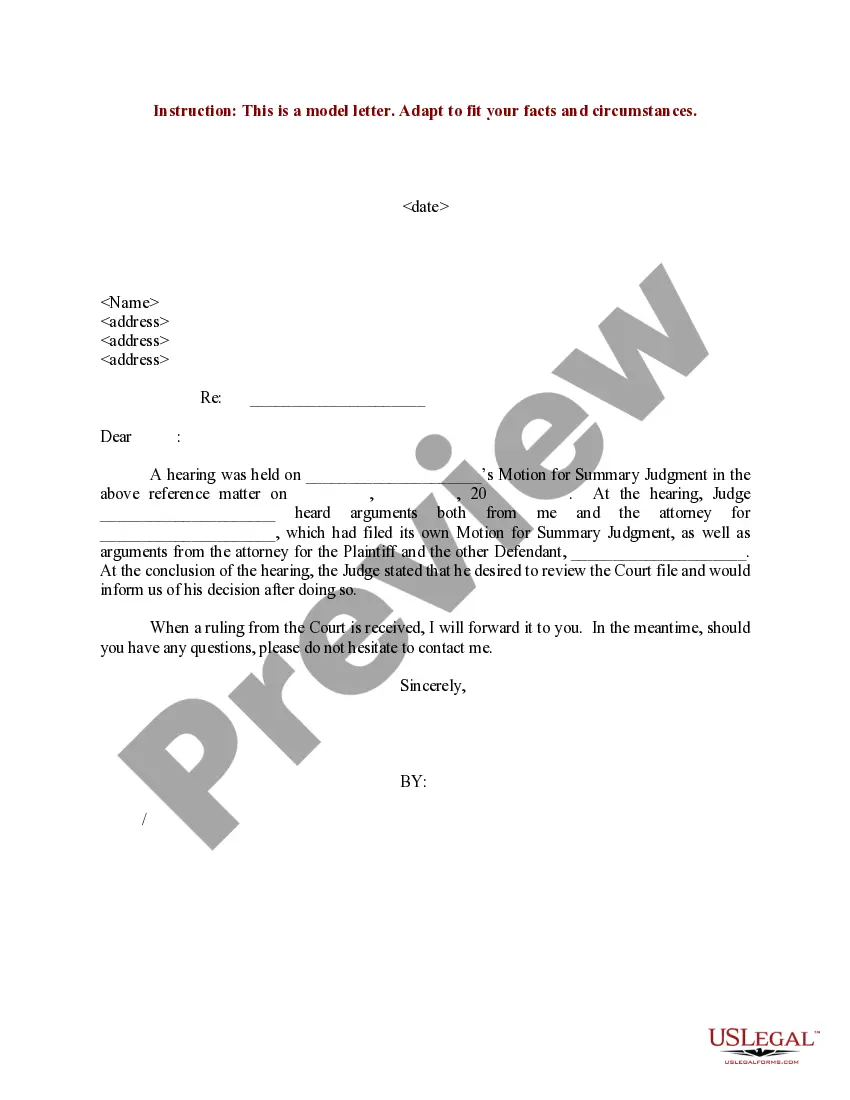
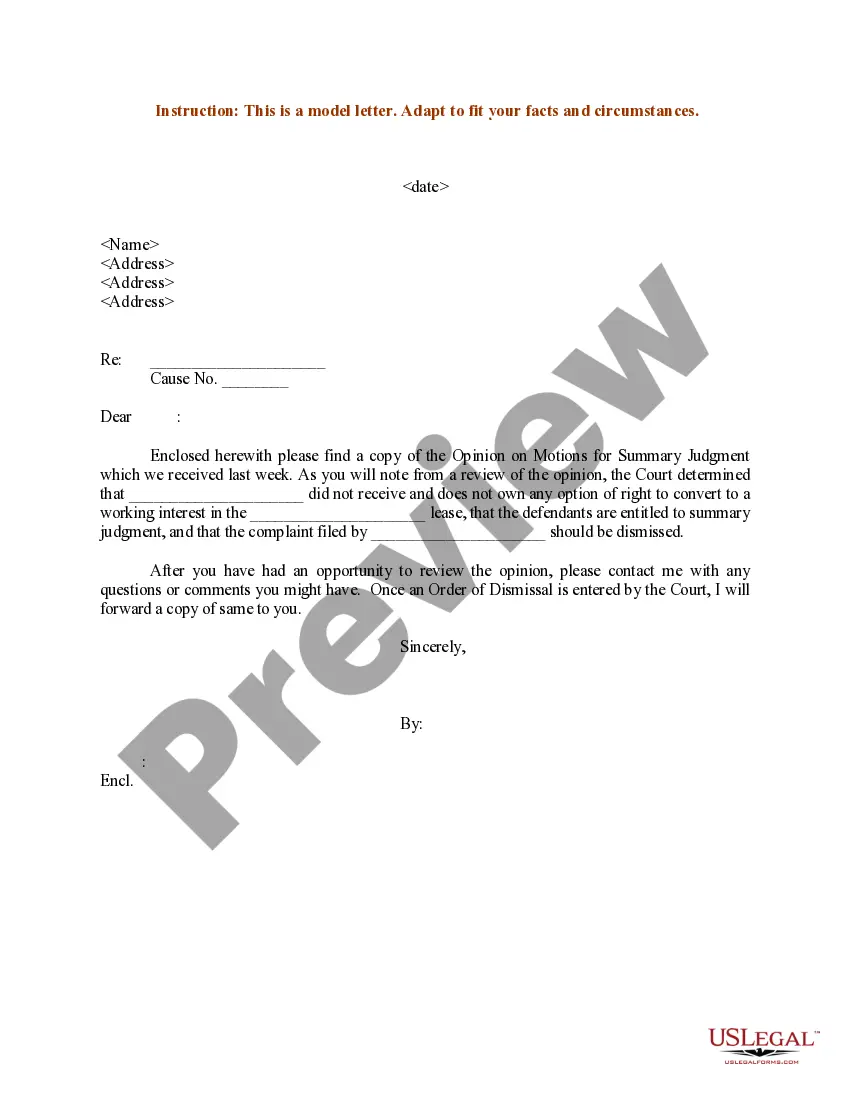
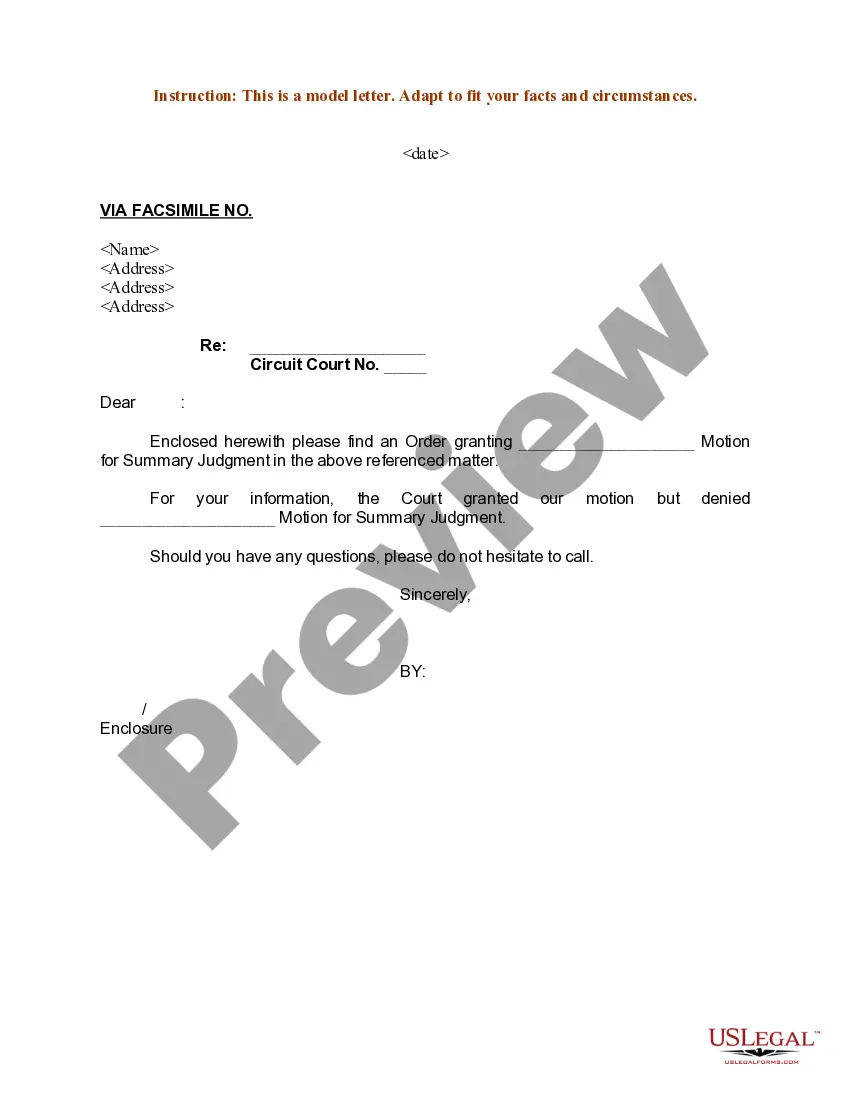
How to fill out Sample Letter Regarding Memorandum Opinion On Summary Judgment Motion?
Managing legal documents can be challenging, even for experienced professionals.
When you are looking for a Plaintiff Summary Judgment Motion With Motion To Dismiss and lack the time to search for the accurate and current version, the experience can be stressful.
US Legal Forms meets all your requirements, from personal to corporate paperwork, all in one place.
Employ cutting-edge tools to complete and manage your Plaintiff Summary Judgment Motion With Motion To Dismiss.
Here are the steps to follow after obtaining the form you need: Verify it is the correct document by previewing it and reviewing its details, ensure that the template is accepted in your state or county, click Buy Now when you are prepared, choose a subscription plan, select your desired format, and Download, complete, sign, print, and submit your documents. Benefit from the US Legal Forms online library, supported by 25 years of expertise and dependability. Transform your daily document management into a straightforward and user-friendly process today.
- Access a valuable database of articles, guides, and manuals related to your case and needs.
- Save time and effort looking for the forms you require, and utilize US Legal Forms’ advanced search and Preview feature to locate and download the Plaintiff Summary Judgment Motion With Motion To Dismiss.
- If you have a membership, Log In to your US Legal Forms account, search for the document, and download it.
- Visit the My documents tab to view the documents you have previously saved and manage your folders as desired.
- If it’s your first time using US Legal Forms, create a free account and gain unlimited access to all the platform’s benefits.
- A robust online form repository could revolutionize the way individuals handle these situations effectively.
- US Legal Forms is a leading provider of online legal forms, offering over 85,000 state-specific legal documents available to you at any time.
- With US Legal Forms, you can access documents tailored to state or county specifications.
Form popularity
FAQ
A motion to dismiss on a summary judgment is a request made to the court to dismiss a case based on the argument that the plaintiff's claims lack merit. This motion can be filed when the defendant believes that even with all the evidence presented by the plaintiff, there is no legal basis for the claims made. Such motions are critical in the litigation process, as they can significantly affect the direction of a case. Utilizing platforms like US Legal Forms can assist you in drafting effective motions.
'Dismissed' on summary judgment means that the court has ruled in favor of one party, typically the defendant, without a trial. This ruling indicates that there are no genuine disputes of material fact, allowing the judge to decide the case based solely on the law. For plaintiffs, this outcome can be discouraging, emphasizing the importance of building a strong case, especially when preparing a plaintiff summary judgment motion with motion to dismiss.
The purpose of a motion to dismiss is to challenge the legal sufficiency of a complaint before it moves forward in court. This motion aims to show that even if all allegations are true, they do not warrant legal relief. By filing a motion to dismiss, defendants can potentially save time and resources by avoiding unnecessary litigation. Understanding these motions is crucial when considering a plaintiff summary judgment motion with motion to dismiss.
To effectively defeat a motion for summary judgment, you should gather substantial evidence that contradicts the claims made in the motion. Focus on presenting factual disputes that require a trial for resolution. Highlight any material issues that demonstrate the case should not be decided without a full examination. Utilizing resources like US Legal Forms can help you prepare a strong counter-argument.
Replies should be succinctly stated. If the response to a fact is ?undisputed,? the reply should also state ?undisputed.? If you contend that despite a response of ?disputed,? the non-moving party has failed to raise a genuine dispute of material fact, you should succinctly state why.
Examples of summary judgement motions John says that Linda ran a red light and caused the crash. John happens to have a video of Linda running the red light and crashing into him. John's attorney files a motion for summary judgment claiming that: There are no material facts that can be reasonably disputed.
The chance of success in these cases is less than 10% [1]. Another study found that summary judgment is mostly granted in Title VII cases, for example, cases involving equal pay or employment discrimination [2]. When it comes to federal cases, summary judgments are filed in 17% of total cases.
Despite the final ruling, the losing party can still ask the court to reconsider the ruling or grant a new trial. If desired, they can appeal the summary judgment to a higher court for review. However, keep in mind that strict time limits apply to these appeals procedures.
In this case, you must be able to prove the amount you are owed. If you are the defendant, you can apply for summary judgment on the ground that there is no merit to all or part of the claim that the plaintiff is making against you.