Trust Form Real Estate For Dummies
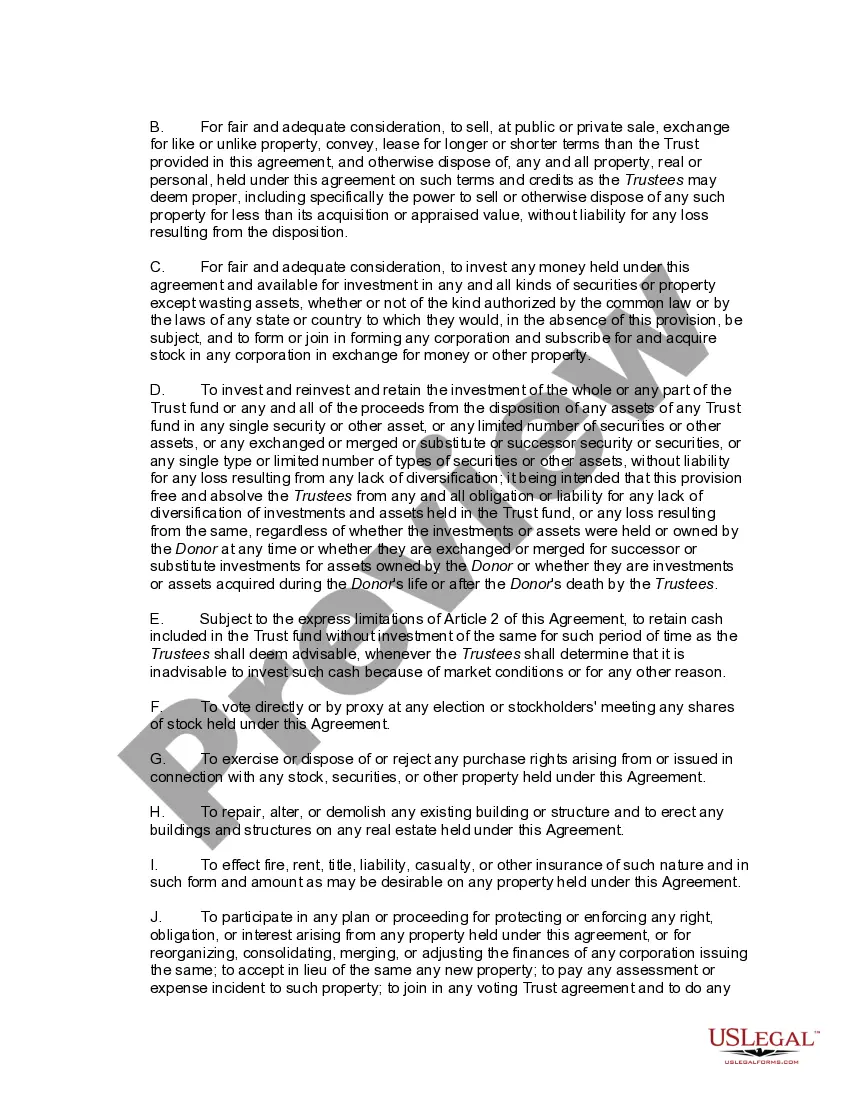
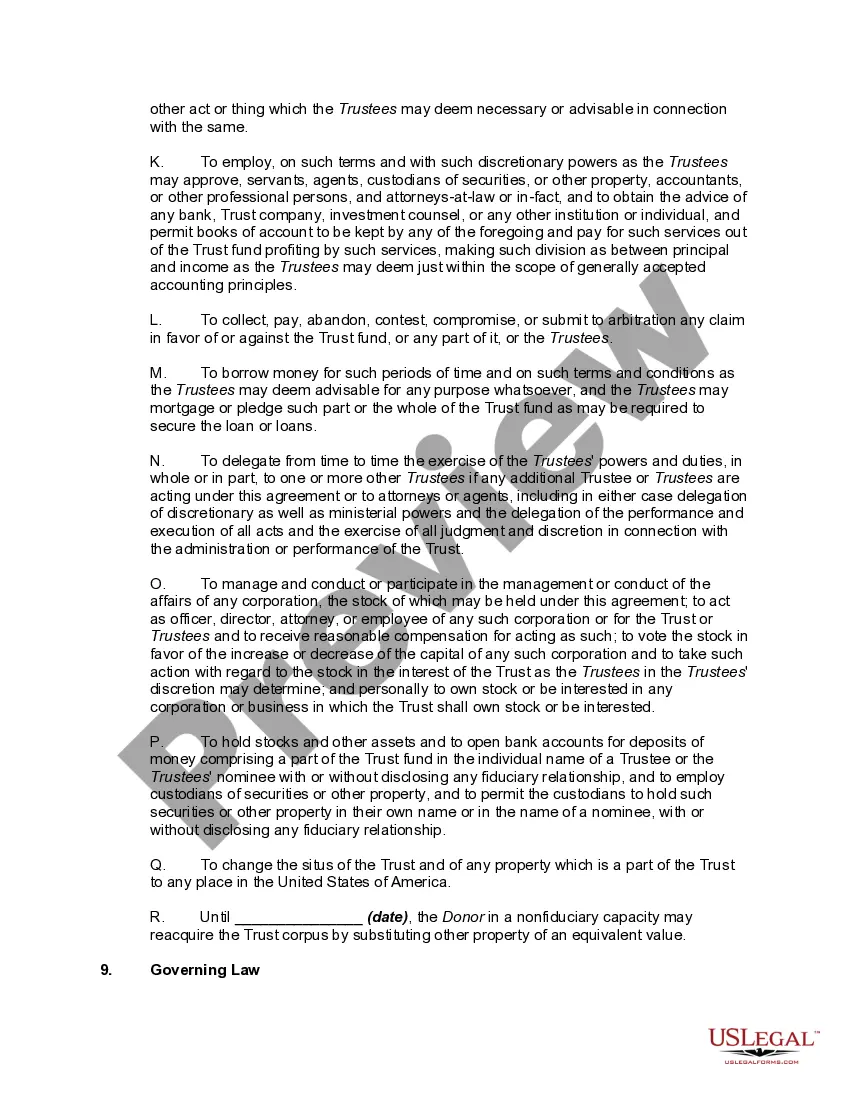
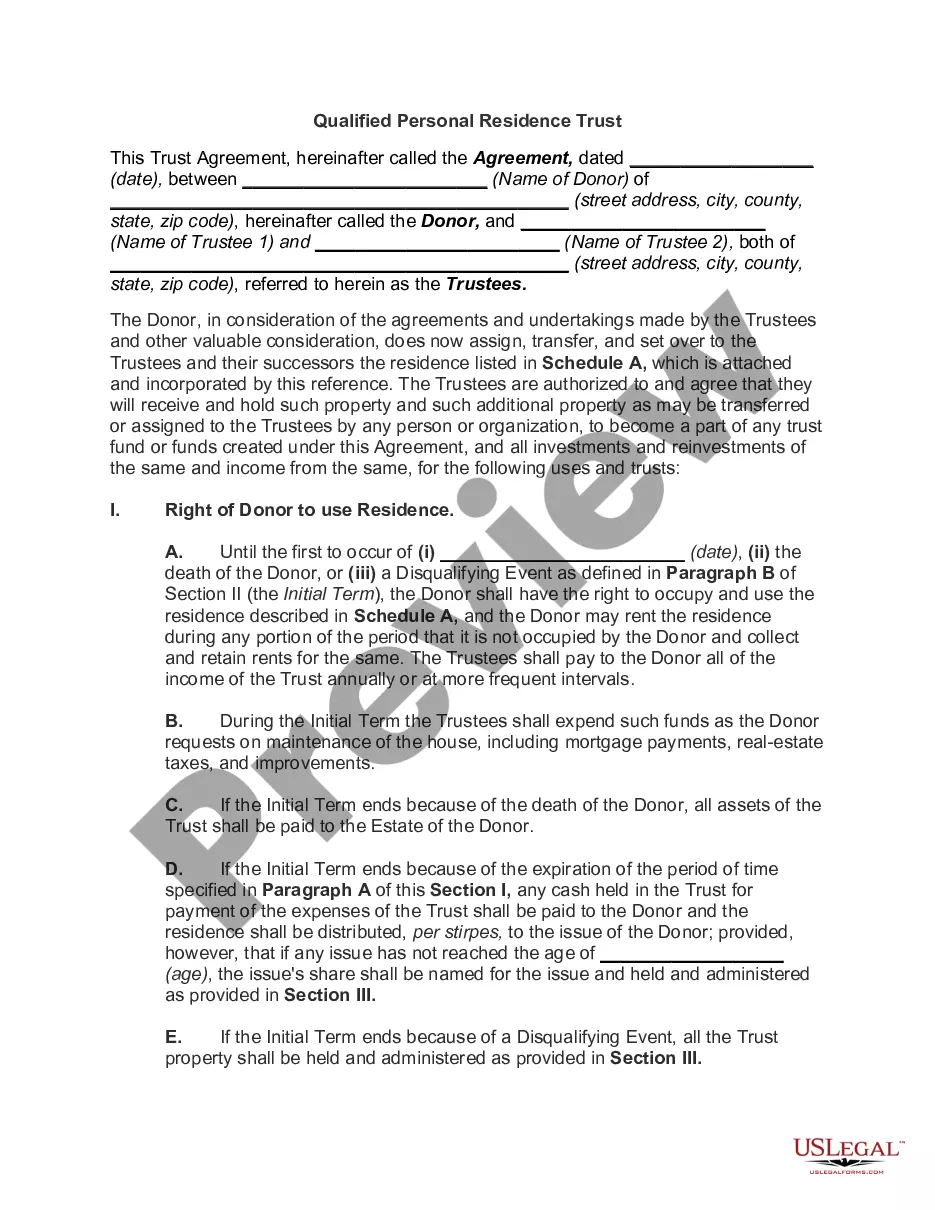
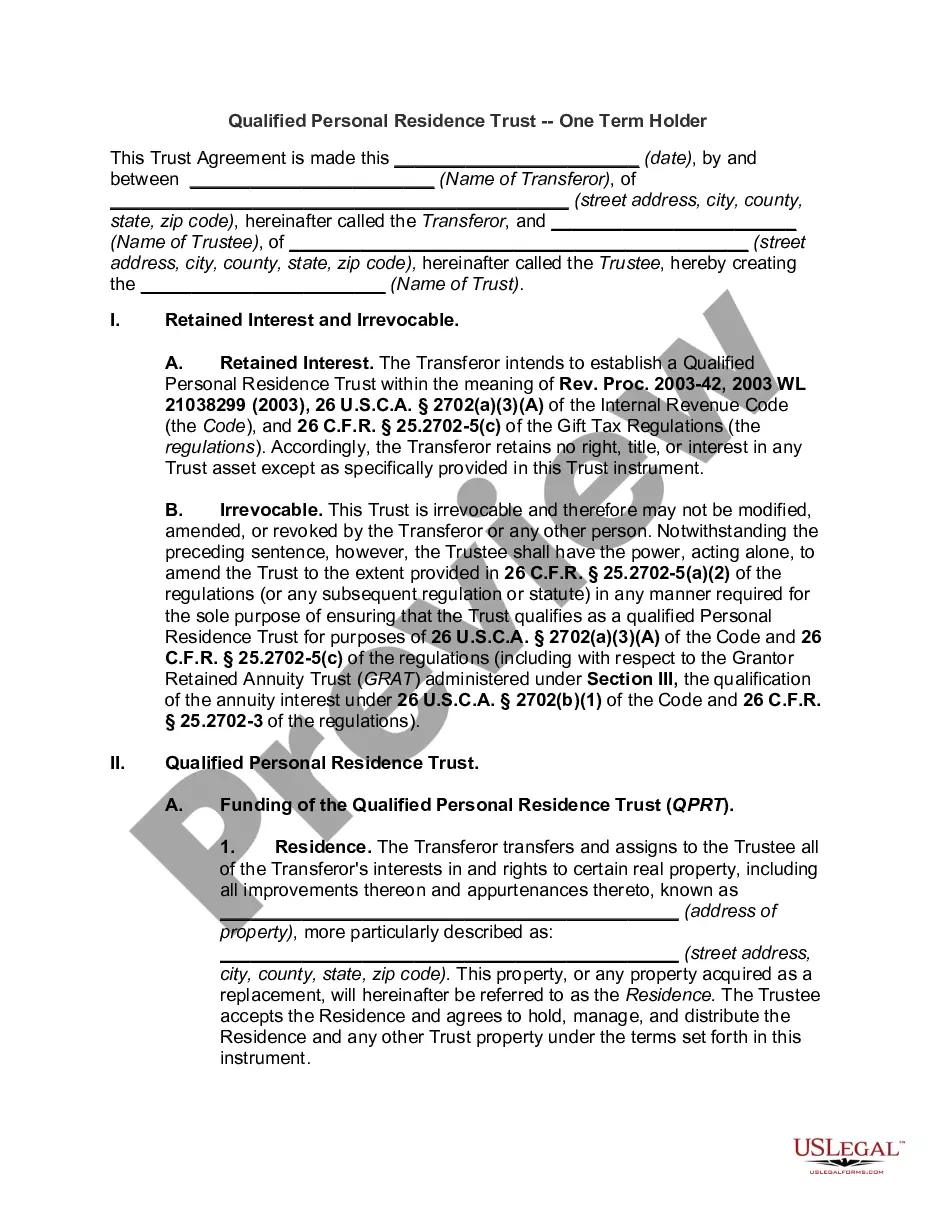
Description

Get your form ready online
Our built-in tools help you complete, sign, share, and store your documents in one place.
Make edits, fill in missing information, and update formatting in US Legal Forms—just like you would in MS Word.
Download a copy, print it, send it by email, or mail it via USPS—whatever works best for your next step.
Sign and collect signatures with our SignNow integration. Send to multiple recipients, set reminders, and more. Go Premium to unlock E-Sign.
If this form requires notarization, complete it online through a secure video call—no need to meet a notary in person or wait for an appointment.
We protect your documents and personal data by following strict security and privacy standards.

Make edits, fill in missing information, and update formatting in US Legal Forms—just like you would in MS Word.

Download a copy, print it, send it by email, or mail it via USPS—whatever works best for your next step.

Sign and collect signatures with our SignNow integration. Send to multiple recipients, set reminders, and more. Go Premium to unlock E-Sign.

If this form requires notarization, complete it online through a secure video call—no need to meet a notary in person or wait for an appointment.

We protect your documents and personal data by following strict security and privacy standards.
Looking for another form?




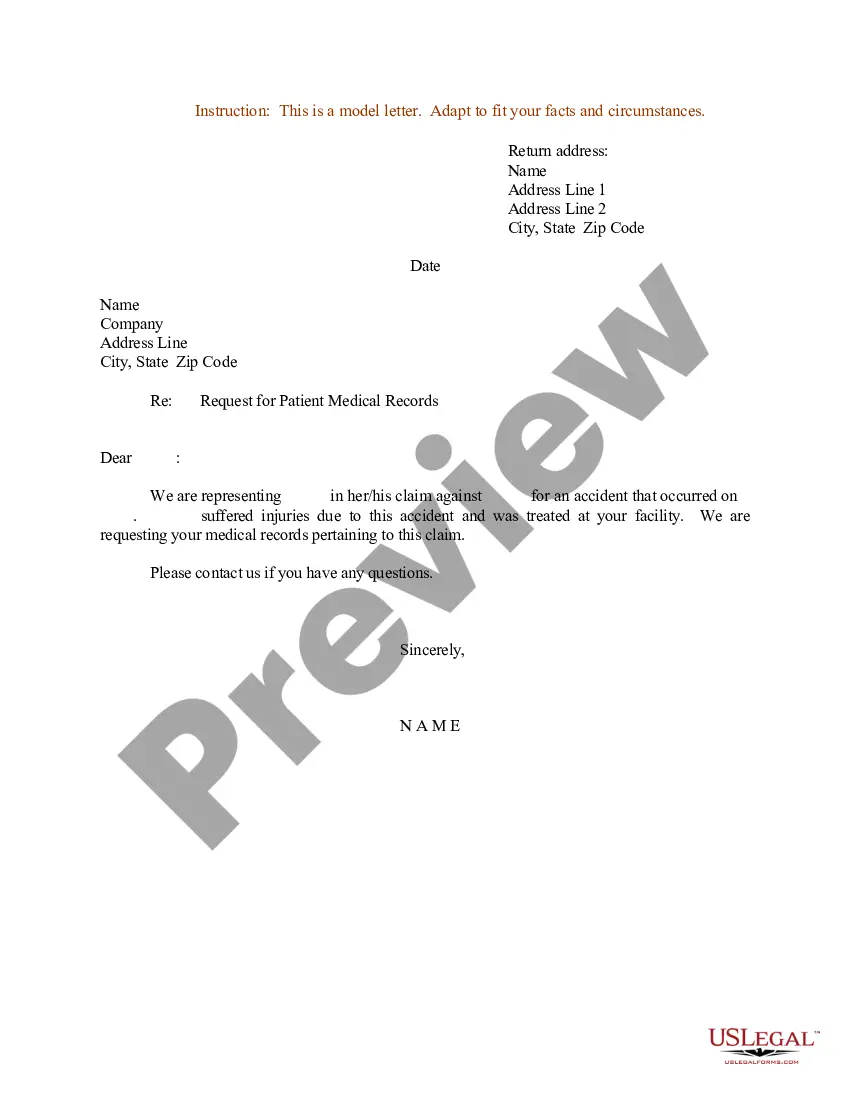
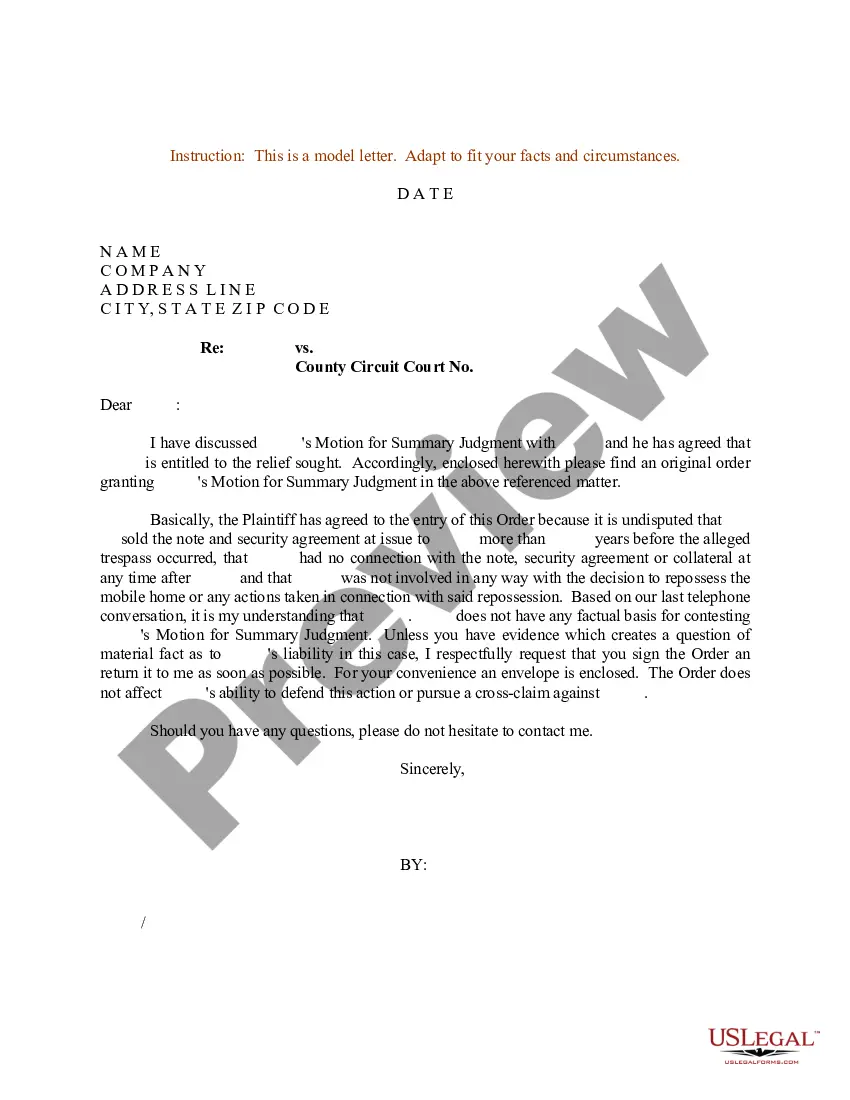
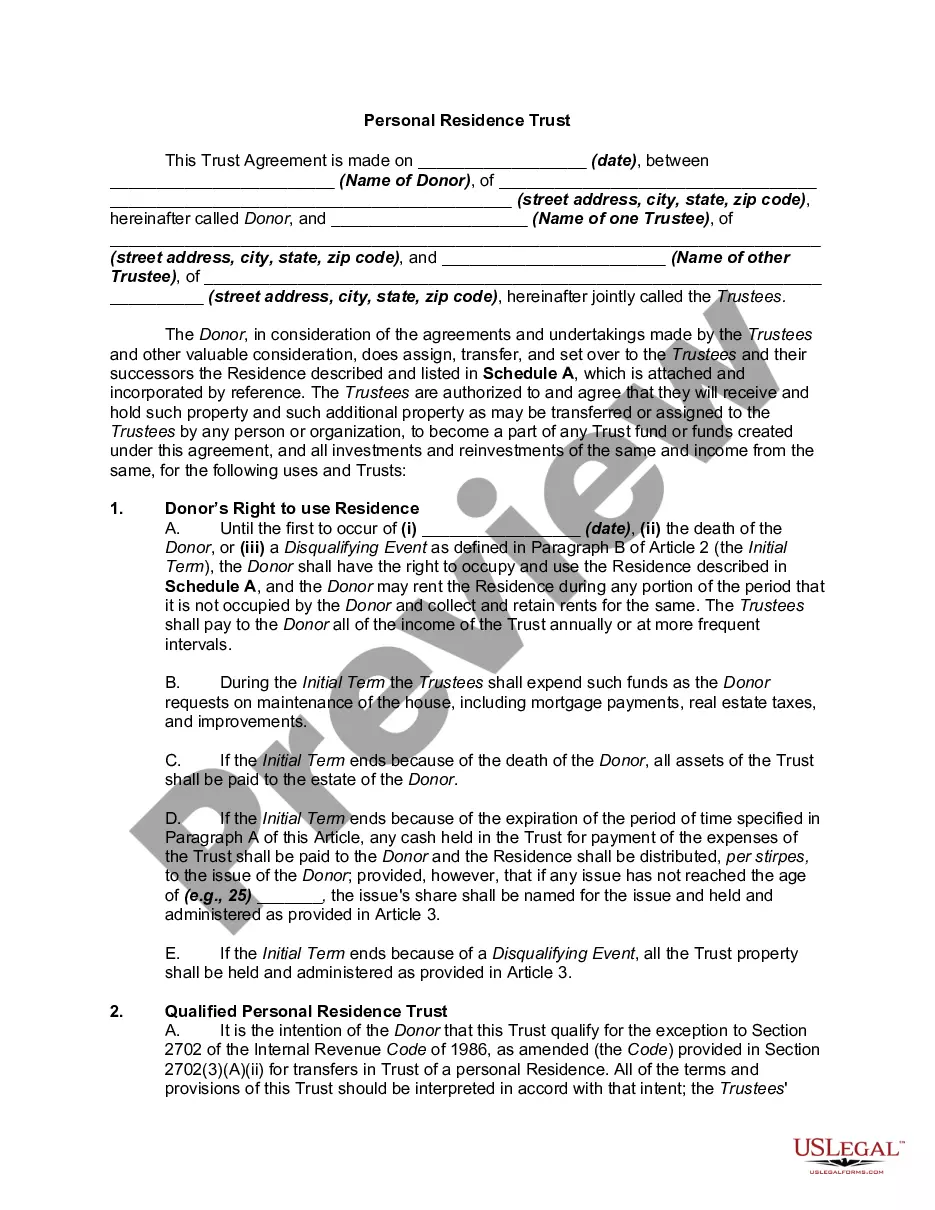
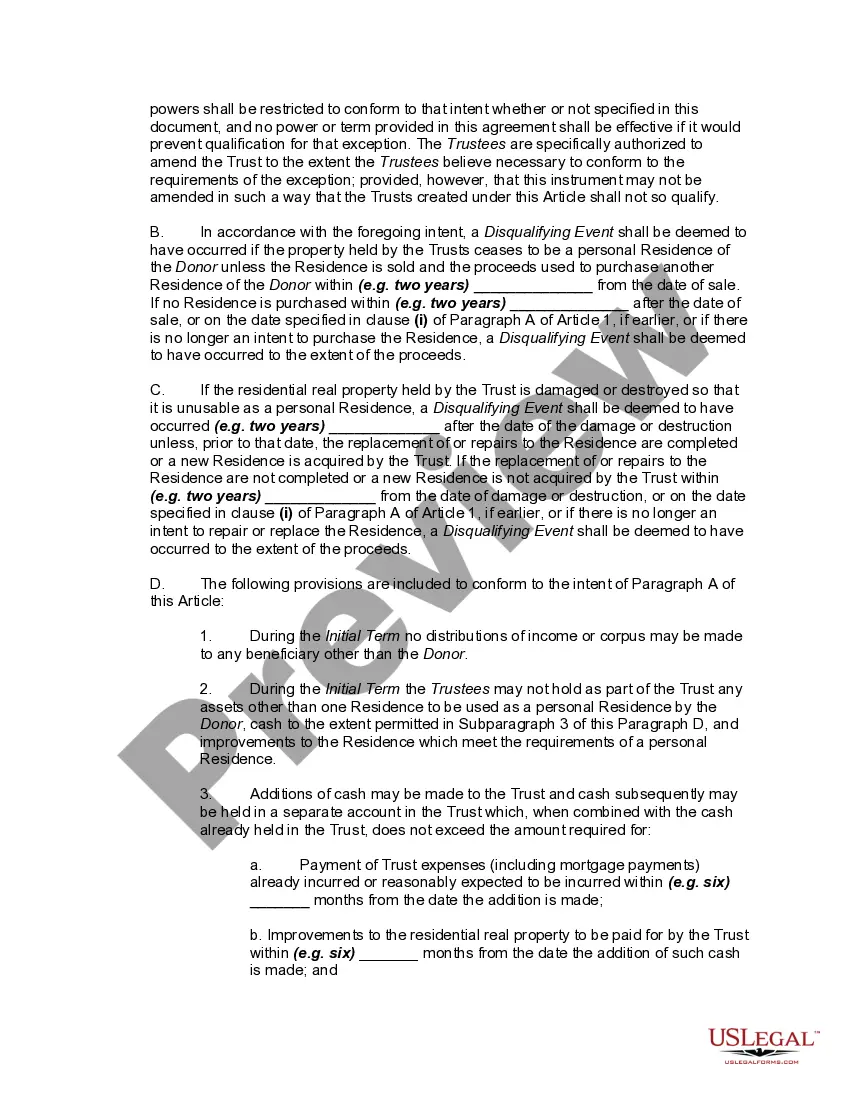
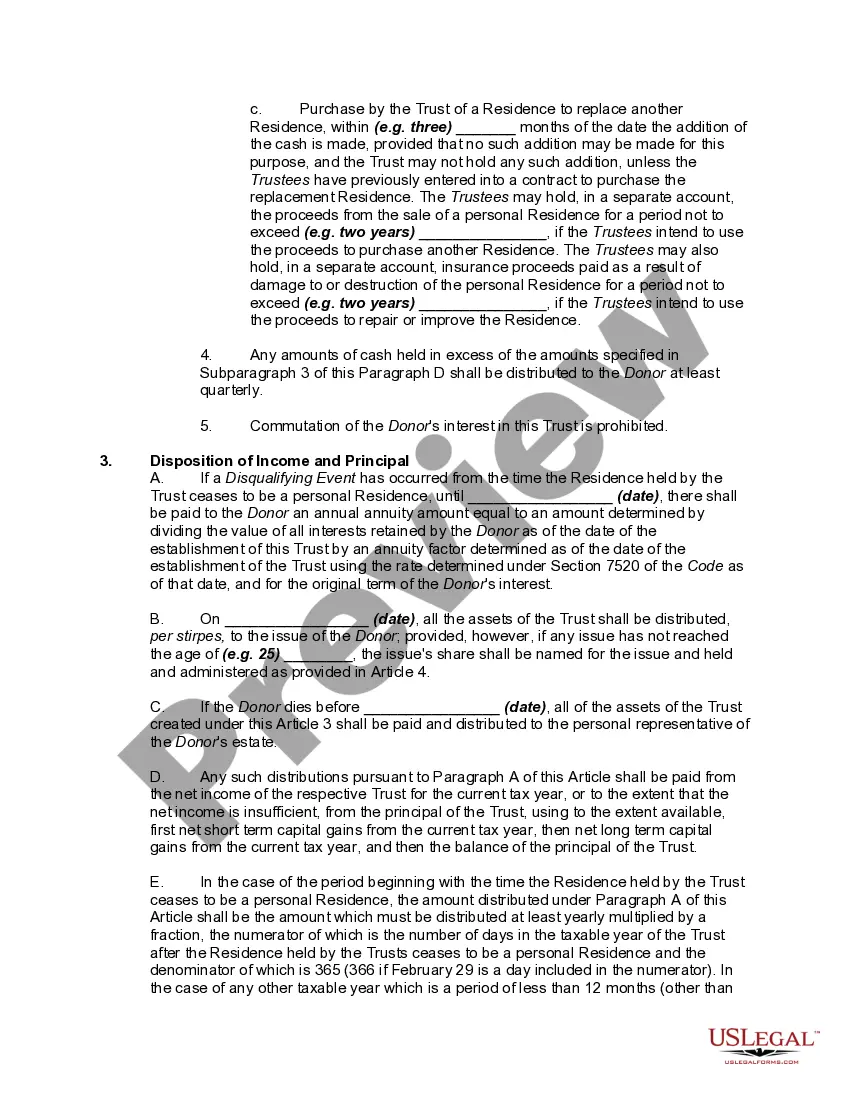
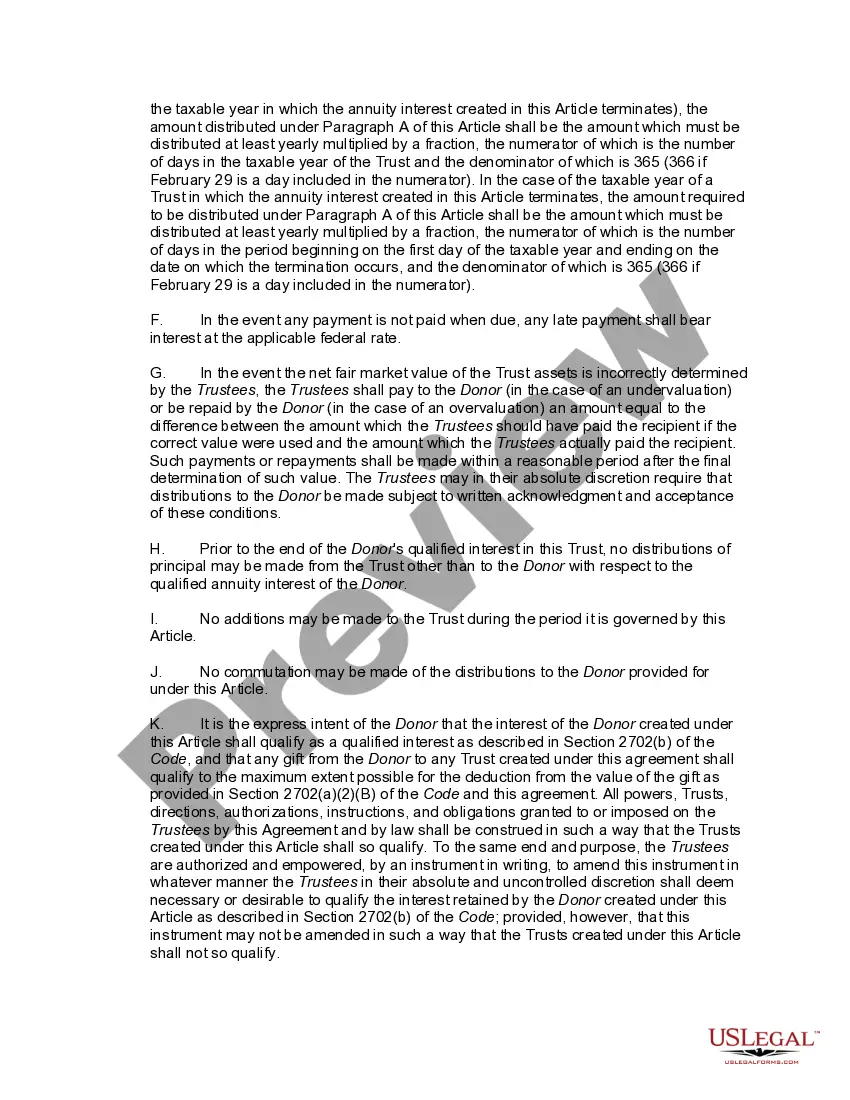
How to fill out Personal Residence Trust?
Regardless of whether it is for corporate needs or personal matters, everyone must confront legal issues at some stage in their lives.
Filling out legal documents requires meticulous consideration, starting from selecting the right template.
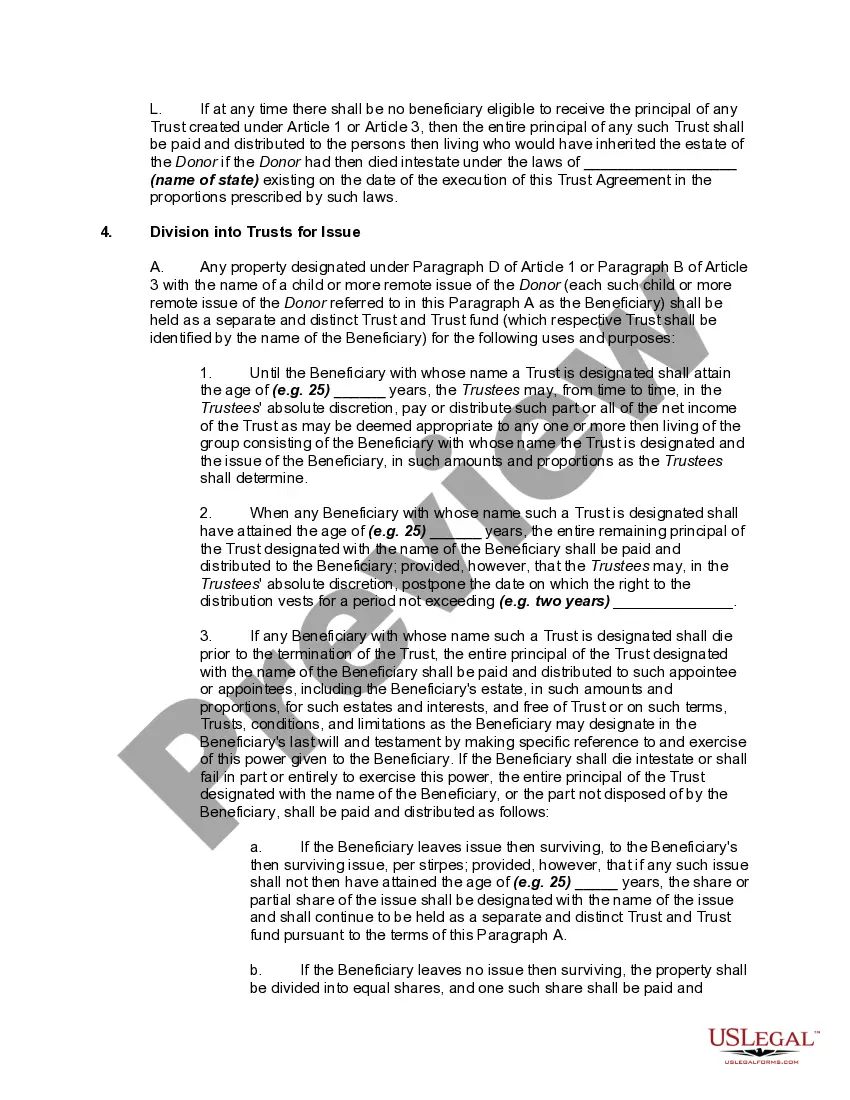
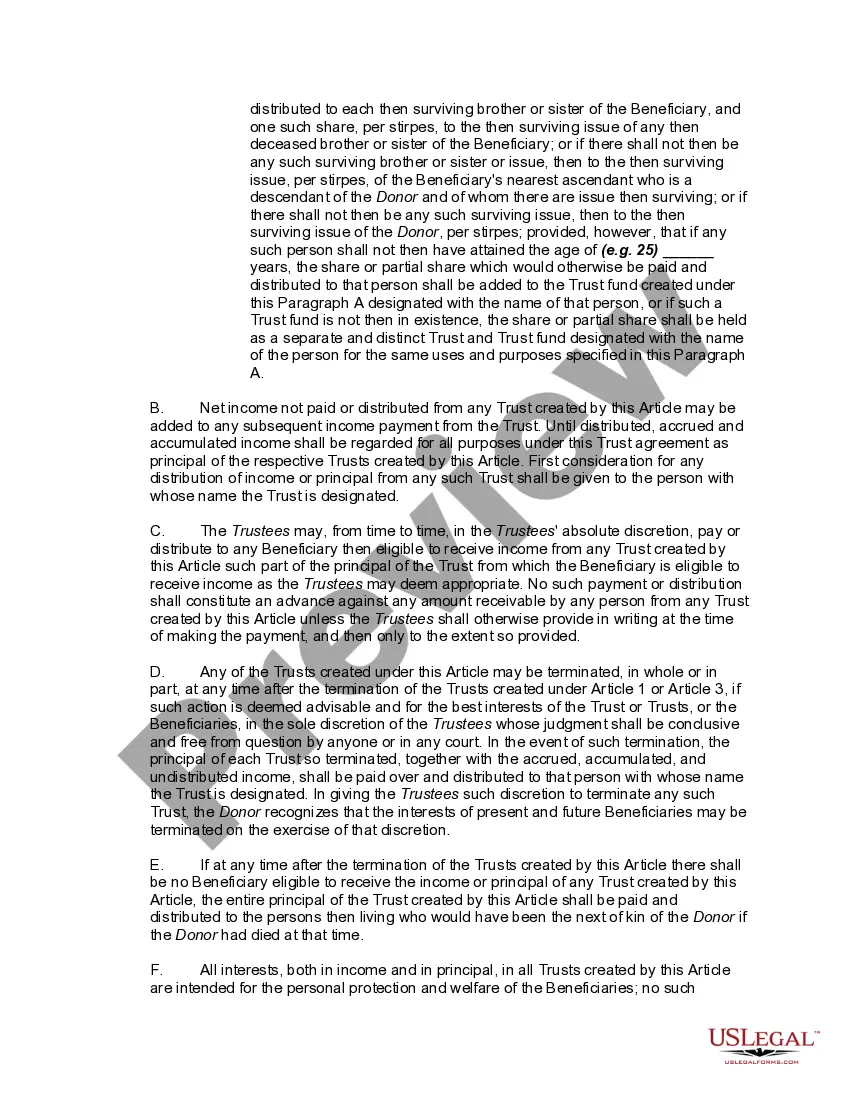
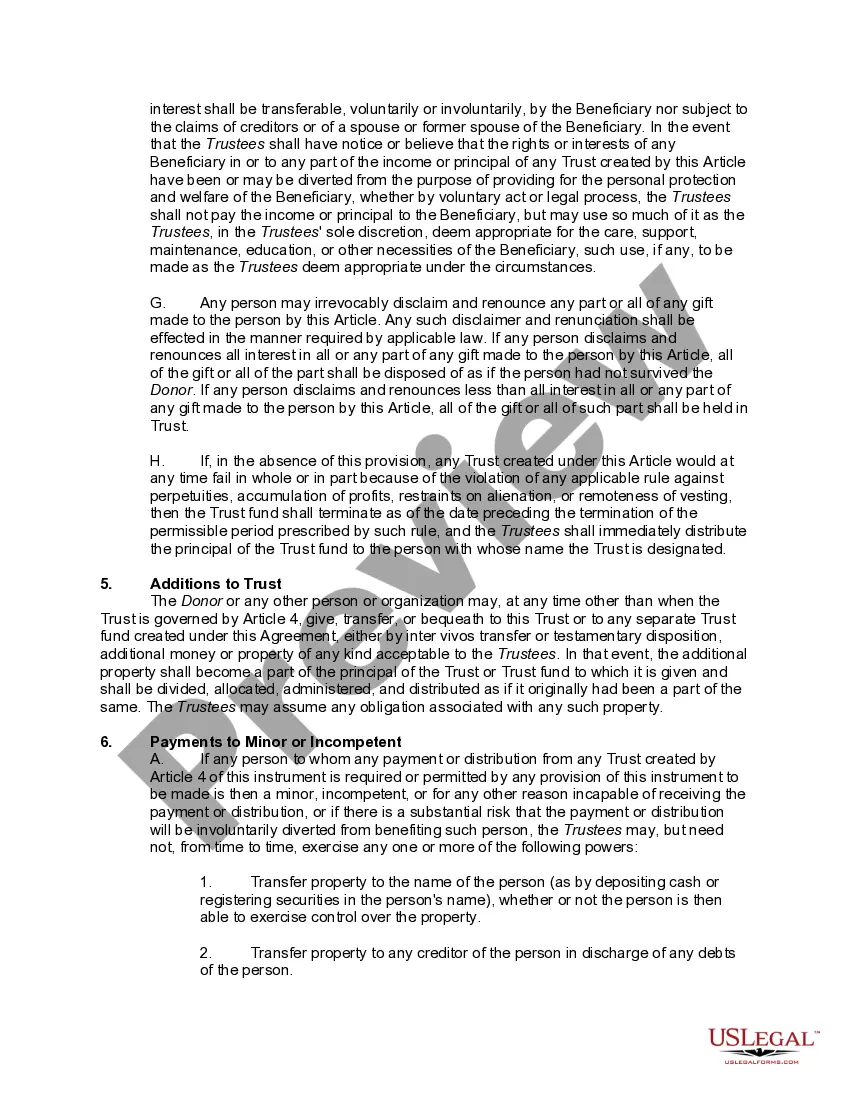
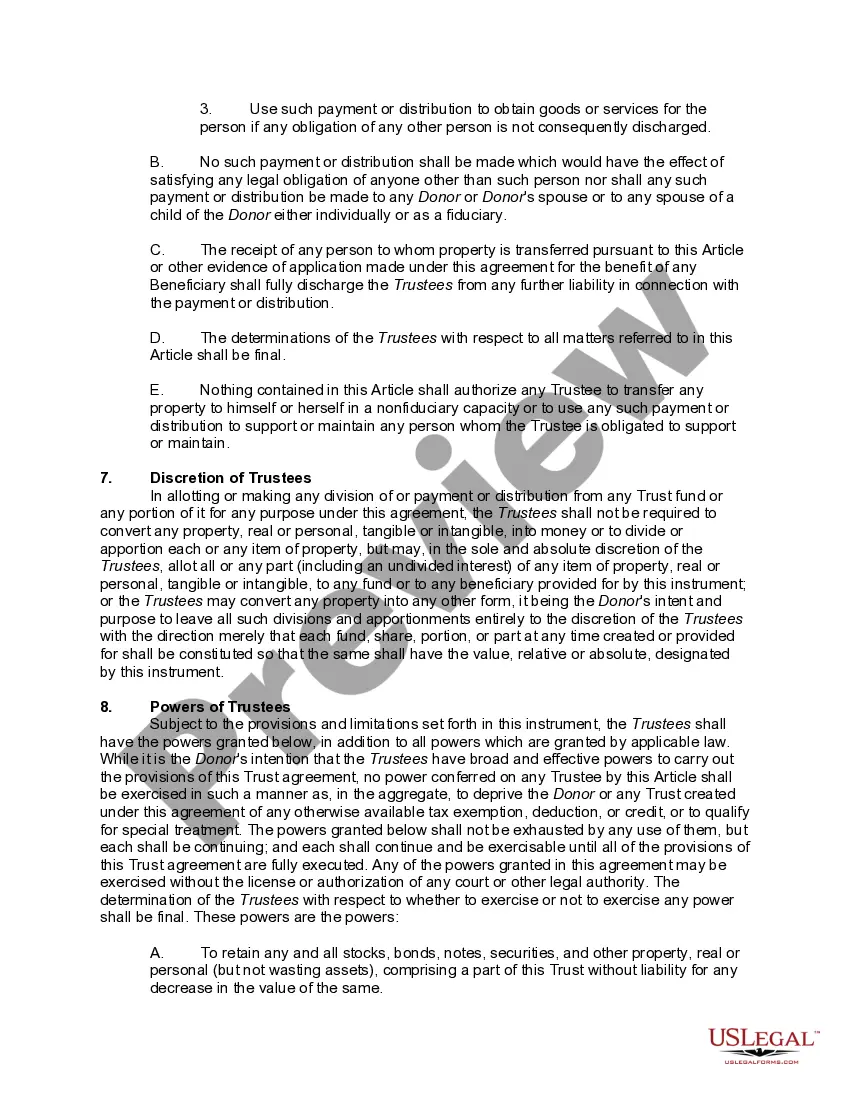
Select the file format you prefer and download the Trust Form Real Estate For Dummies. Once it has been downloaded, you may fill out the form using editing software or print it and complete it by hand. With an extensive collection of US Legal Forms available, you do not need to waste time searching for the correct template online. Utilize the library's user-friendly navigation to locate the suitable template for any event.
- For instance, if you choose an incorrect version of a Trust Form Real Estate For Dummies, it will be rejected when you submit it.
- Thus, it is crucial to obtain a reliable source of legal documents such as US Legal Forms.
- If you are looking to obtain a Trust Form Real Estate For Dummies template, follow these straightforward steps.
- Retrieve the template you need using the search feature or catalog browsing.
- Review the form's details to confirm it corresponds to your circumstances, state, and locality.
- Click on the form's preview to examine it.
- If it is not the correct document, return to the search option to find the Trust Form Real Estate For Dummies template you need.
- Acquire the file when it aligns with your requirements.
- If you already possess a US Legal Forms account, click Log in to access previously saved files in My documents.
- In case you do not have an account yet, you can obtain the form by clicking Buy now.
- Select the appropriate pricing choice.
- Complete the account registration form.
- Choose your payment method: you may use a credit card or PayPal account.
Form popularity
FAQ
The 5 by 5 rule for trusts allows beneficiaries to withdraw up to $5,000 or 5% of the trust's principal each year, whichever is greater. This flexibility helps beneficiaries access funds while still maintaining some level of financial protection for the trust assets. Knowing this rule can help you better manage your assets, especially if you are looking for easy insights on trust form real estate for dummies. At U.S. Legal Forms, we offer resources to help you understand such rules effectively.
When you place your house in a trust, you may face potential drawbacks. First, transferring your property to a trust can be a complex process, often requiring legal assistance, which adds to your costs. Additionally, some tax implications may arise that could affect your finances. Understanding these aspects is vital, especially if you want the best guidance on creating a trust form real estate for dummies.
Putting your property into a trust can be a wise decision for many. It helps avoid probate, provides privacy, and ensures your assets are managed according to your preferences. However, it is essential to evaluate your specific situation. Utilizing tools from US Legal Forms can guide you in making informed choices regarding your real estate and trusts, making the process smoother for dummies.
A trust functions as a legal arrangement where you place your assets, such as real estate, under the control of a trustee. This trustee manages the assets on behalf of the beneficiaries you choose. In simple terms, think of it as a way to safeguard your property and ensure it is distributed according to your wishes. For a detailed understanding, you can explore resources like US Legal Forms that simplify the trust process in a way that even beginners can grasp.
This Deed of Trust (the ?Trust Deed?) sets out the terms and conditions upon which: [Settlor Name] (the ?Settlor?), of [Settlor Address], settles that property set out in Schedule A (the ?Property?) upon [Trustee Name] (the ?Trustee?), being a Company duly registered under the laws of [state] with registered number [ ...
Understanding the 3 Primary Classes of Trusts Revocable Trusts. A revocable trust can be altered?or even terminated?at any time during the trustor's (person establishing the trust) lifetime. ... Irrevocable Trusts. ... Testamentary Trusts.
A simple example would be the situation in which one member of a family advances money to another and asks the second member to hold the money or to invest it for him. A more complicated example of an implied trust would be the situation in which one party provides money to another for the purchase of property.
A trust is a fiduciary1 relationship in which one party (the Grantor) gives a second party2 (the Trustee) the right to hold title to property or assets for the benefit of a third party (the Beneficiary). The trustee, in turn, explains the terms and conditions of the trust to the beneficiary.
With that said, revocable trusts, irrevocable trusts, and asset protection trusts are among some of the most common types to consider. Not only that, but these trusts offer long-term benefits that can strengthen your estate plan and successfully protect your assets.