Trusts And Taxes For Llc
Description
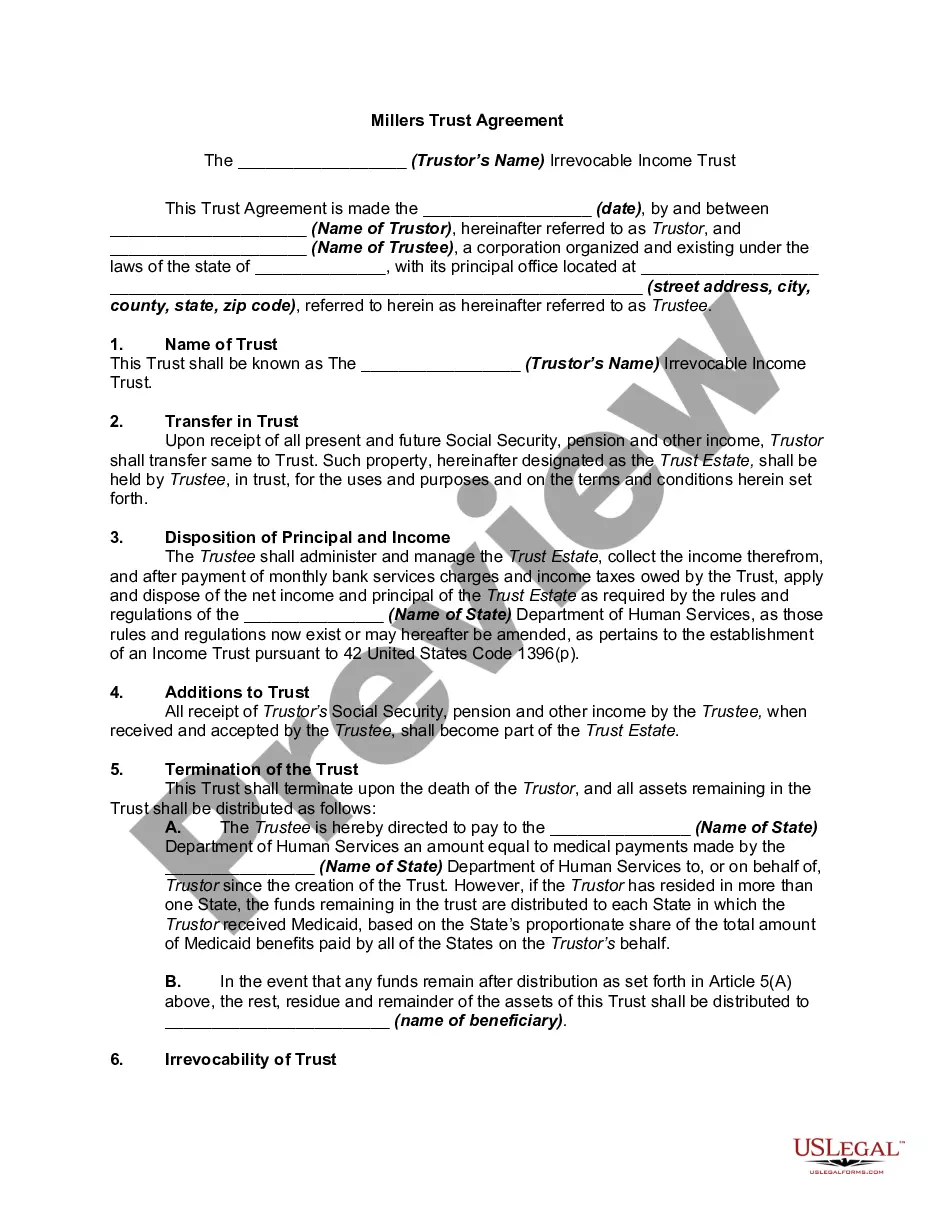
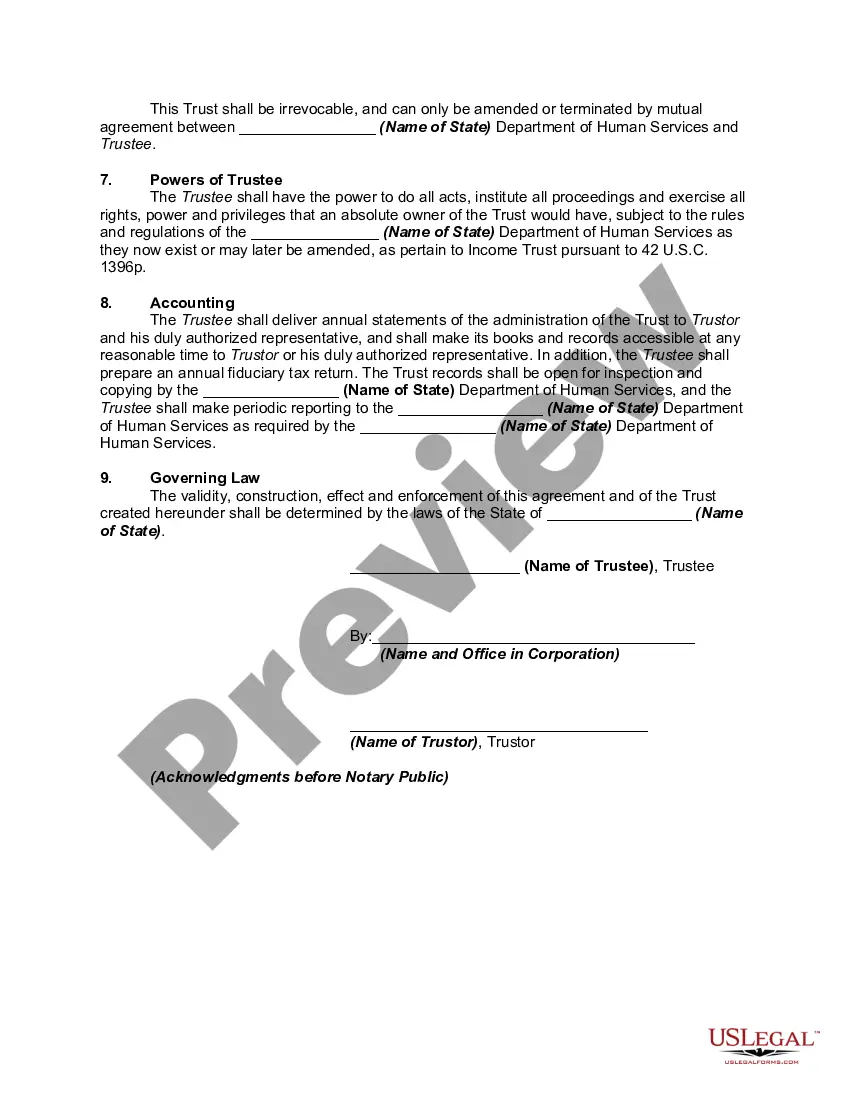
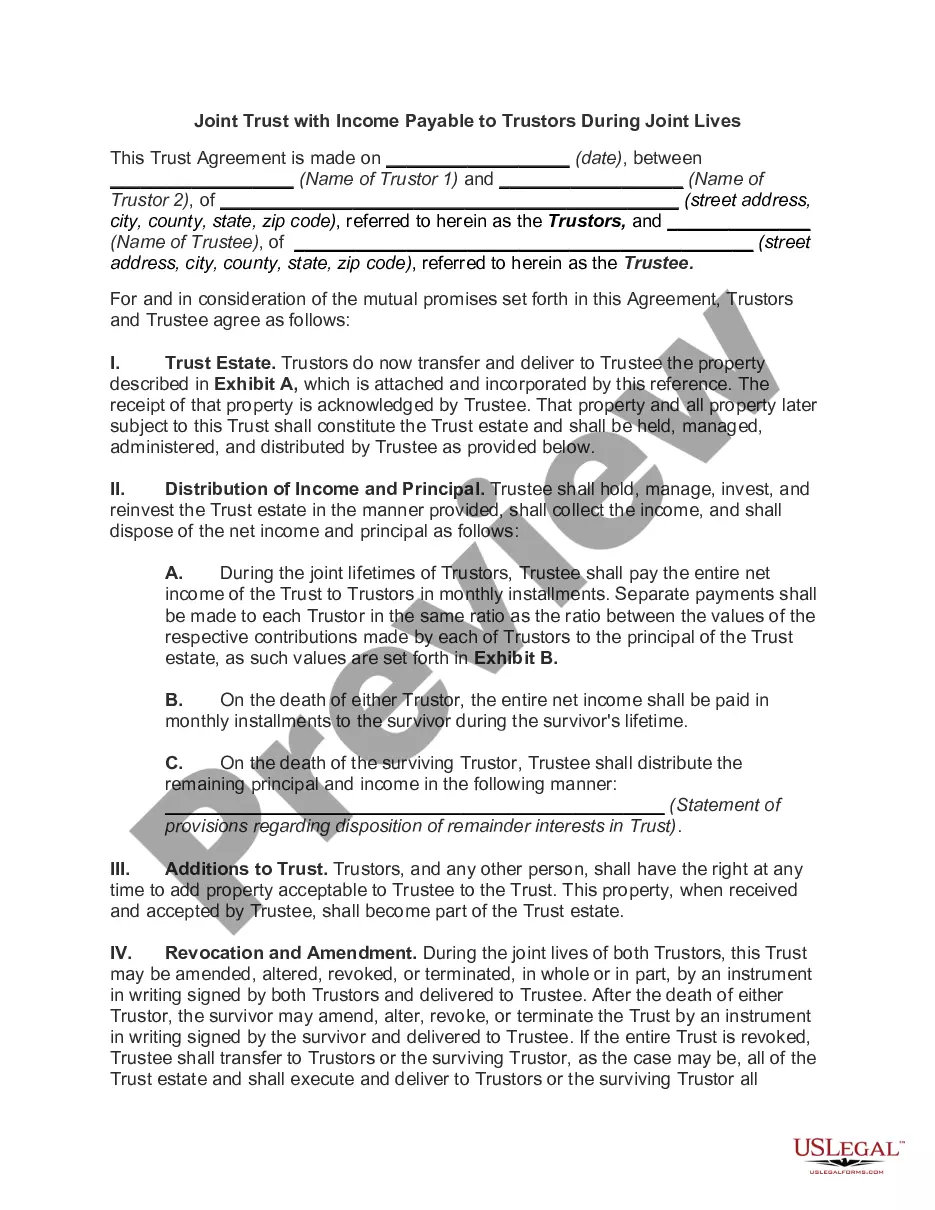
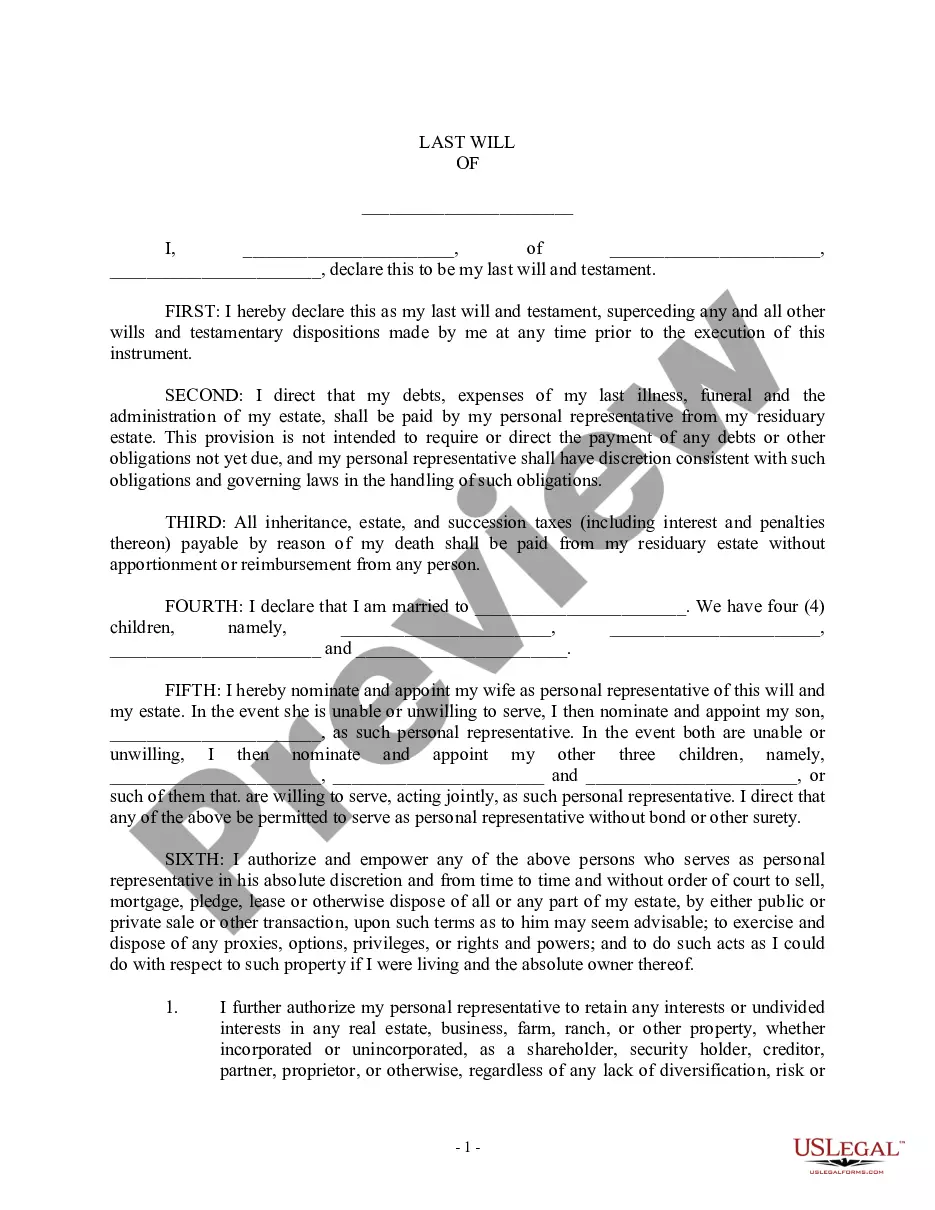
Get your form ready online
Our built-in tools help you complete, sign, share, and store your documents in one place.
Make edits, fill in missing information, and update formatting in US Legal Forms—just like you would in MS Word.
Download a copy, print it, send it by email, or mail it via USPS—whatever works best for your next step.
Sign and collect signatures with our SignNow integration. Send to multiple recipients, set reminders, and more. Go Premium to unlock E-Sign.
If this form requires notarization, complete it online through a secure video call—no need to meet a notary in person or wait for an appointment.
We protect your documents and personal data by following strict security and privacy standards.

Make edits, fill in missing information, and update formatting in US Legal Forms—just like you would in MS Word.

Download a copy, print it, send it by email, or mail it via USPS—whatever works best for your next step.

Sign and collect signatures with our SignNow integration. Send to multiple recipients, set reminders, and more. Go Premium to unlock E-Sign.

If this form requires notarization, complete it online through a secure video call—no need to meet a notary in person or wait for an appointment.

We protect your documents and personal data by following strict security and privacy standards.
Looking for another form?





How to fill out Qualified Income Miller Trust?
Handling legal documents can be exasperating, even for seasoned professionals.
If you are seeking information on Trusts And Taxes For Llc and lack the opportunity to dedicate time to finding the accurate and updated versions, the procedures may become overwhelming.
Utilize a resource center filled with articles, guides, and resources relevant to your situation and requirements.
Conserve time and energy in searching for the documents you require, and take advantage of US Legal Forms’ sophisticated search and Preview feature to procure Trusts And Taxes For Llc.
Enjoy the US Legal Forms online library, supported by 25 years of expertise and reliability. Transform your daily document management into a streamlined and user-friendly process today.
- If you have a subscription, Log In to your US Legal Forms account, search for the form, and download it.
- Check your My documents section to review the documents you have previously downloaded and manage your folders as you wish.
- If it's your first time using US Legal Forms, create an account and enjoy unlimited access to all the library's benefits.
- After obtaining the necessary form, verify that it is the correct document by previewing it and examining its description.
- Ensure that the template is recognized in your specific state or county.
- Select Buy Now when you are prepared.
- Choose a monthly subscription plan.
- Select your desired format, and Download, complete, eSign, print, and submit your documents.
- Access state- or county-specific legal and organizational documents.
- US Legal Forms meets all your needs, from personal to commercial documentation, all in a single location.
- Employ advanced tools to complete and manage your Trusts And Taxes For Llc.
Form popularity
FAQ
As an LLC owner you're able to reduce taxes by: Changing your tax classification. Claiming business tax deductions. Using self directed retirement accounts. Deducting health insurance premiums. Reducing taxable income with your LLC's losses.
Form 1041 is an Internal Revenue Service (IRS) income tax return filed by the trustee or representative of a decedent's estate or trust. The form consists of three pages, requiring basic information about the estate or trust and detailing its income and deductions.
A family LLC is typically costly to form and maintain and requires a legal counsel who has experience with setting up family businesses. Of course, while not necessary, it's always a plus if the attorney is also familiar with the type of business the family owns.
A living trust is a common solution for many people with estate planning needs. However, few people know about its tax-filing requirements. Generally, any trust with at least $600 in annual income must file a federal return.
Single member LLCs are typically treated the same as sole proprietorships. The IRS disregards the LLC entity as being separate and distinct from the owner. Essentially, this means that the LLC typically files the business tax information with your personal tax returns on Schedule C.