Trust Cap
Description
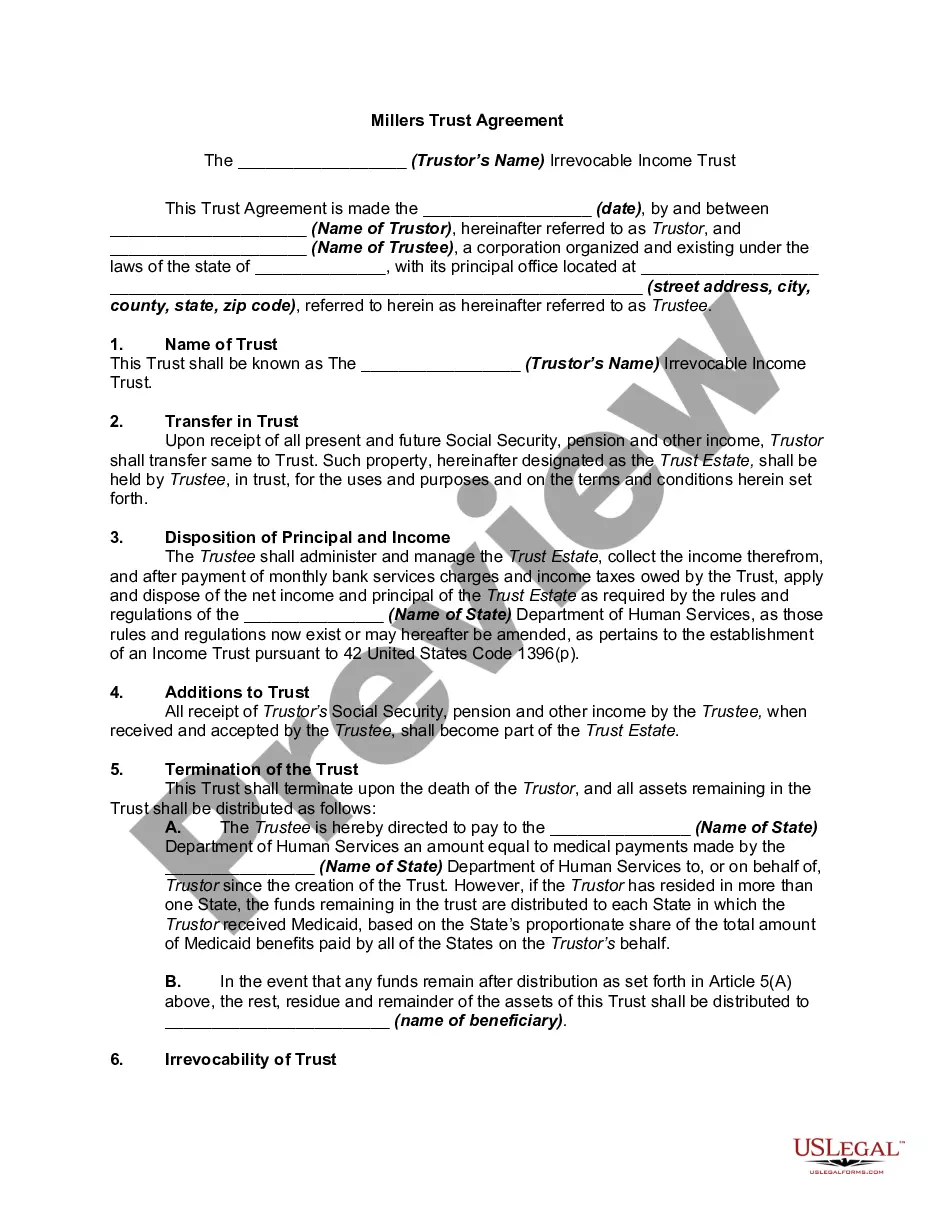
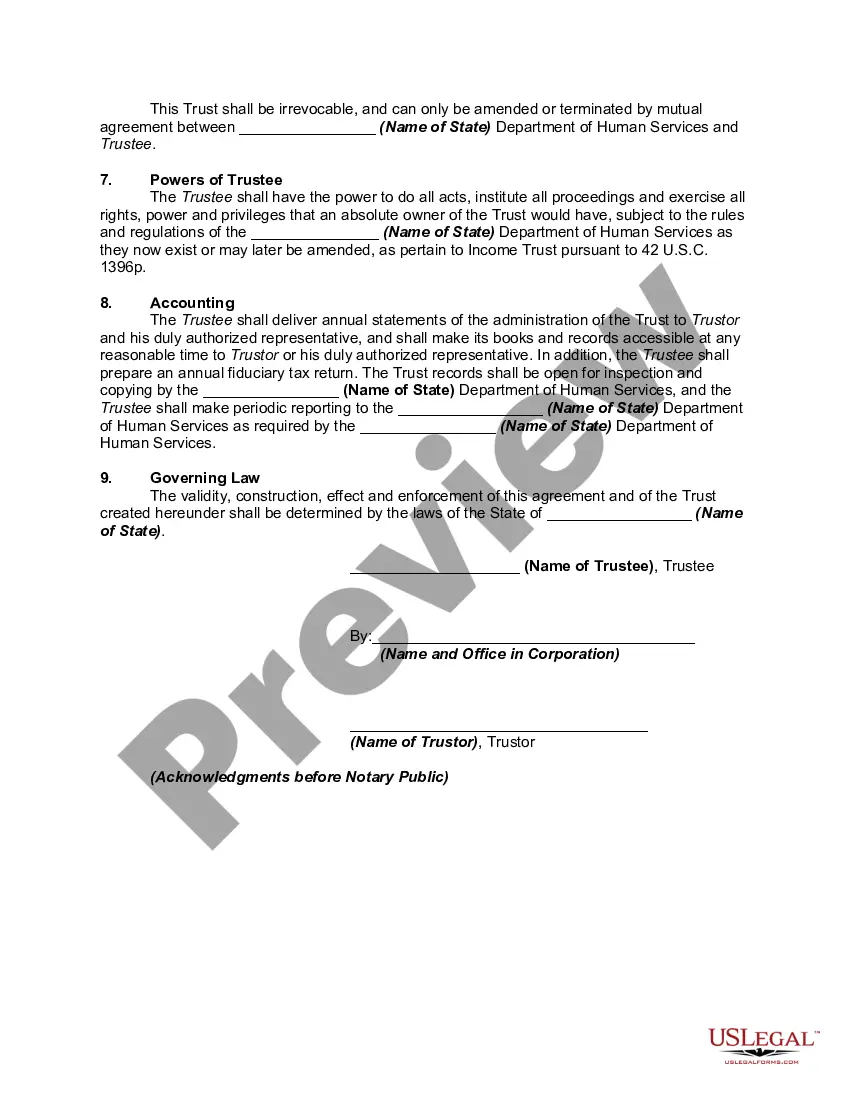
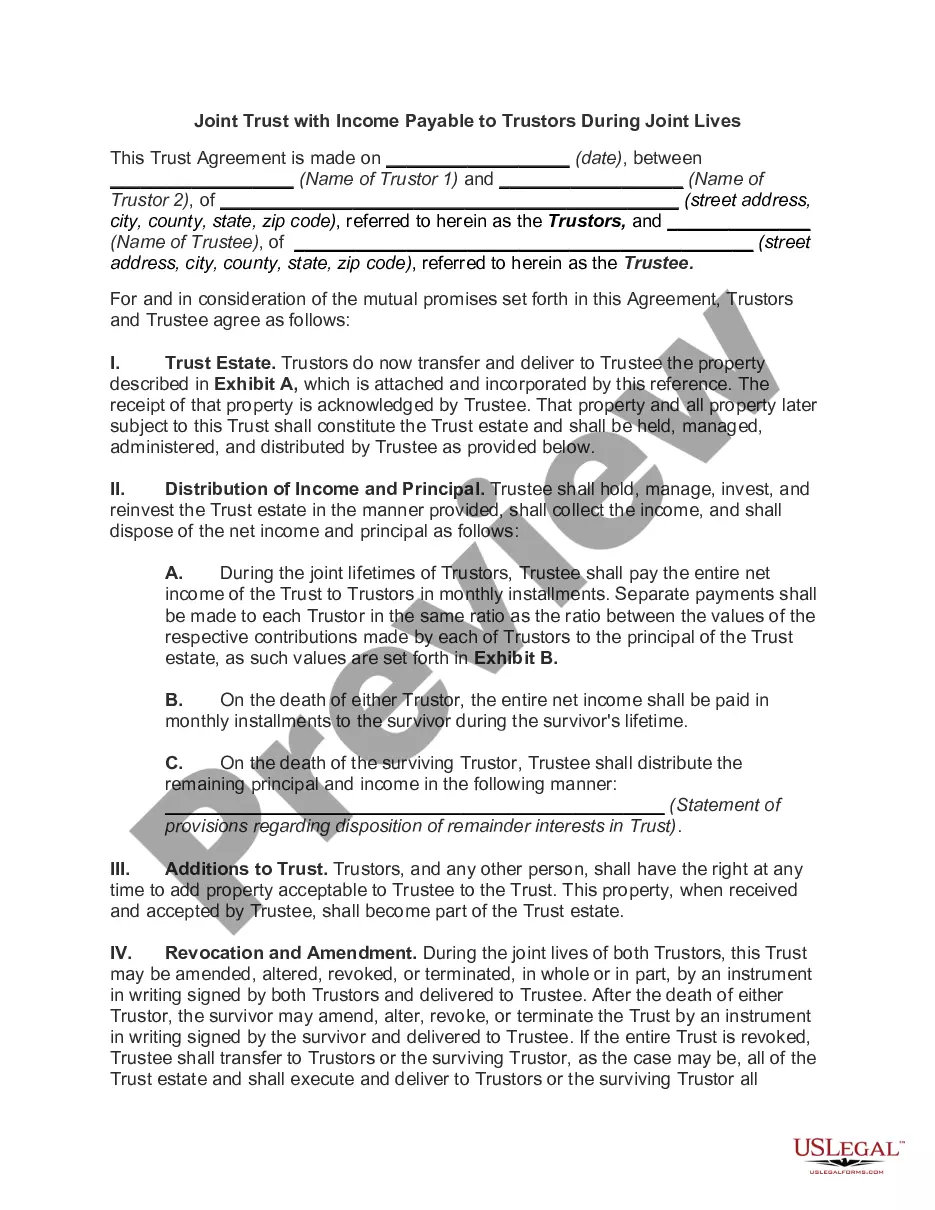

Get your form ready online
Our built-in tools help you complete, sign, share, and store your documents in one place.
Make edits, fill in missing information, and update formatting in US Legal Forms—just like you would in MS Word.
Download a copy, print it, send it by email, or mail it via USPS—whatever works best for your next step.
Sign and collect signatures with our SignNow integration. Send to multiple recipients, set reminders, and more. Go Premium to unlock E-Sign.
If this form requires notarization, complete it online through a secure video call—no need to meet a notary in person or wait for an appointment.
We protect your documents and personal data by following strict security and privacy standards.

Make edits, fill in missing information, and update formatting in US Legal Forms—just like you would in MS Word.

Download a copy, print it, send it by email, or mail it via USPS—whatever works best for your next step.

Sign and collect signatures with our SignNow integration. Send to multiple recipients, set reminders, and more. Go Premium to unlock E-Sign.

If this form requires notarization, complete it online through a secure video call—no need to meet a notary in person or wait for an appointment.

We protect your documents and personal data by following strict security and privacy standards.
Looking for another form?

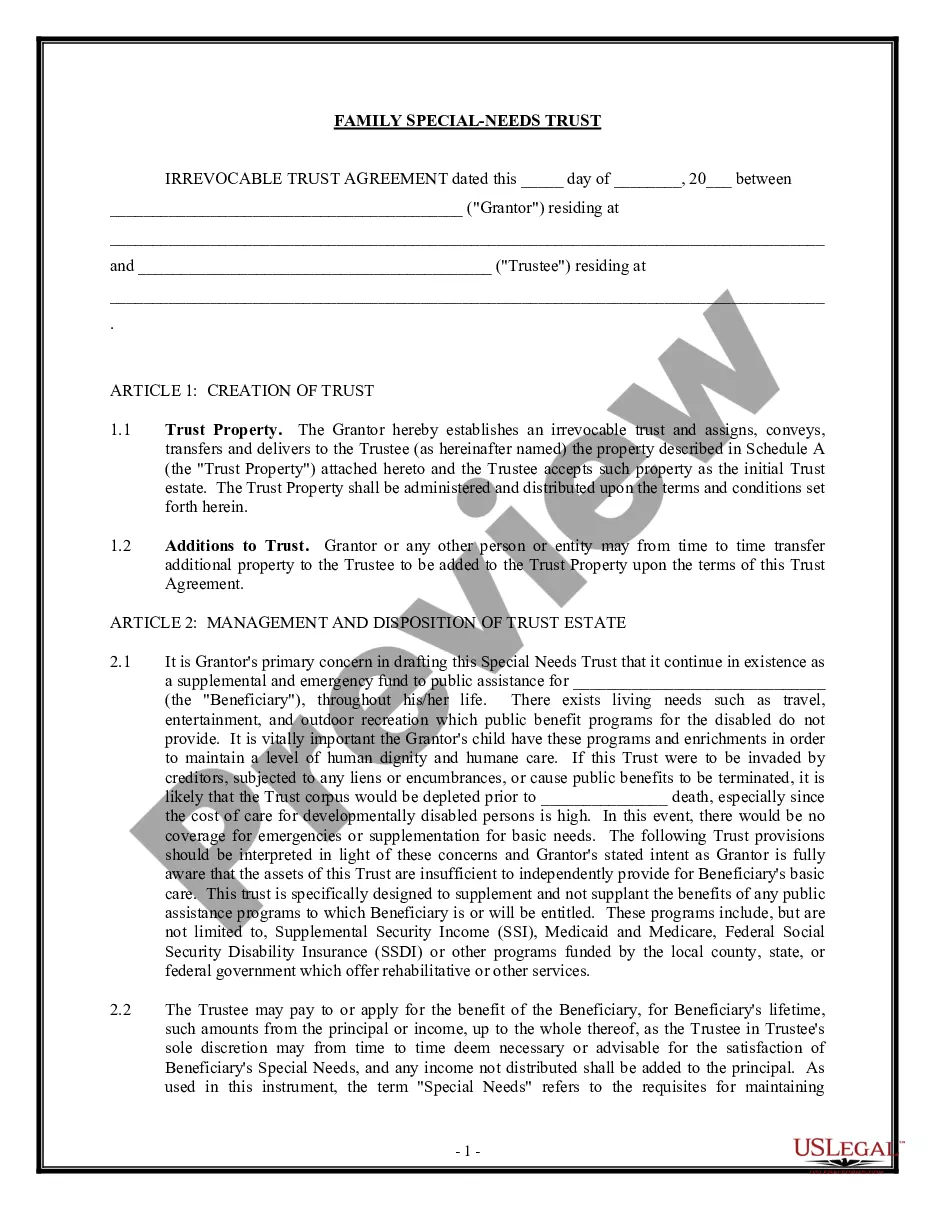

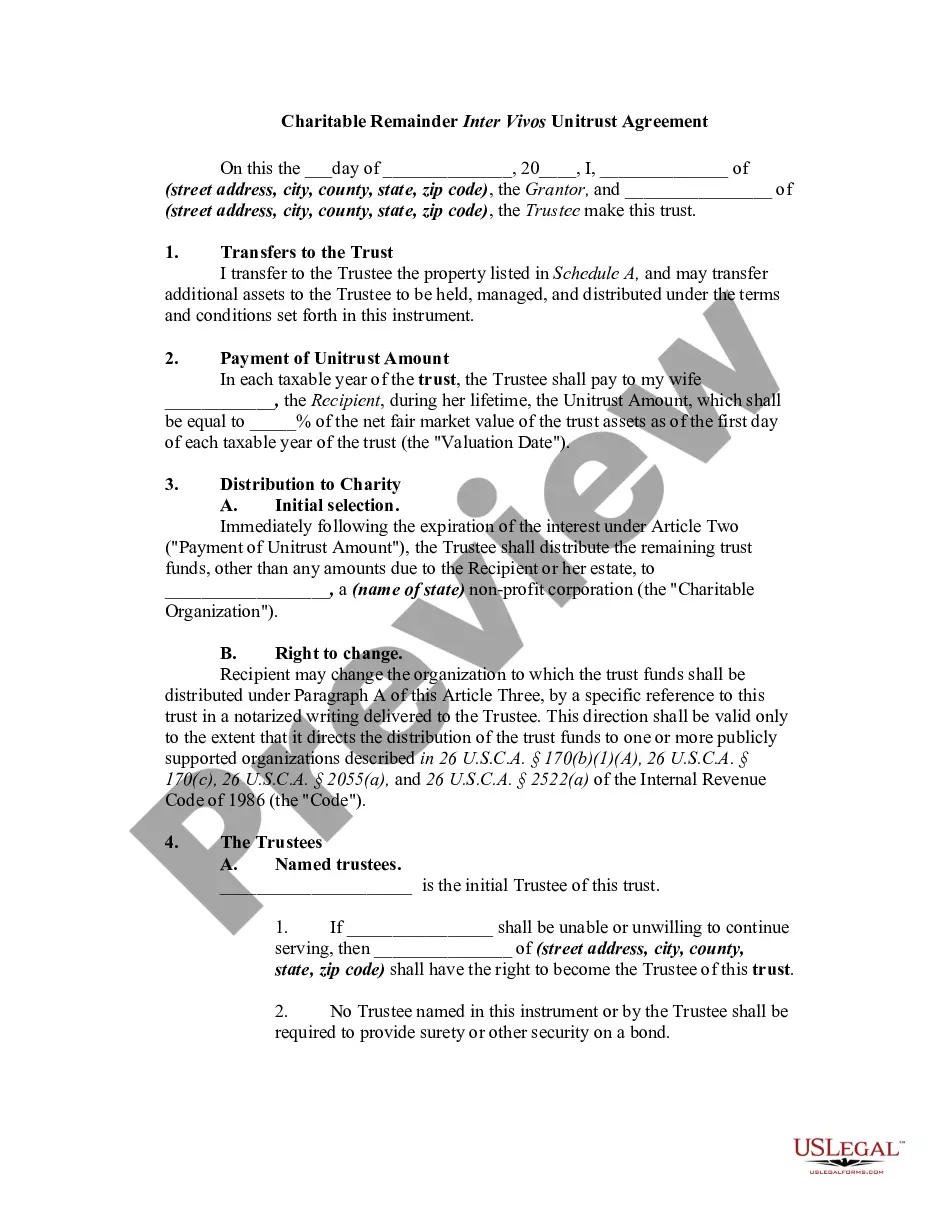
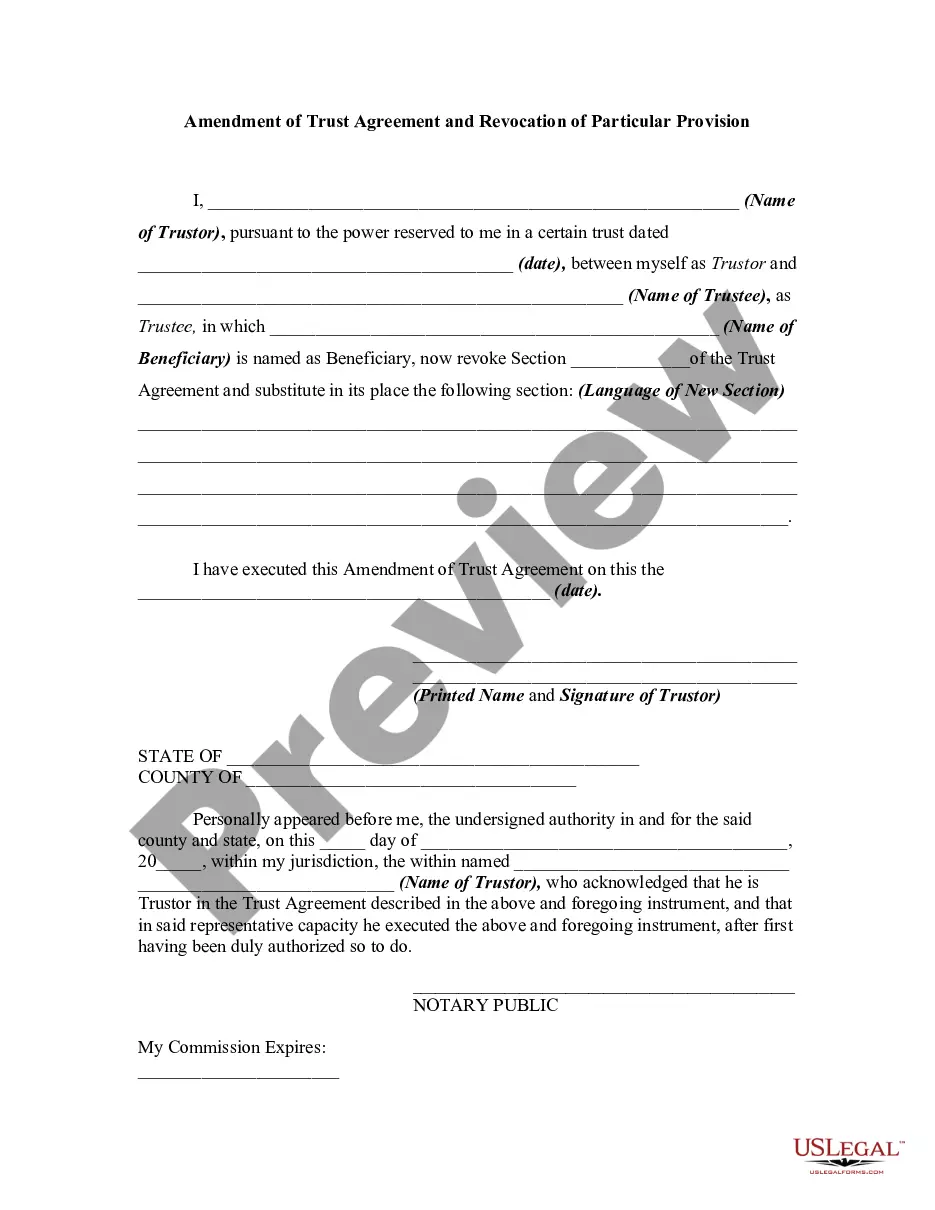
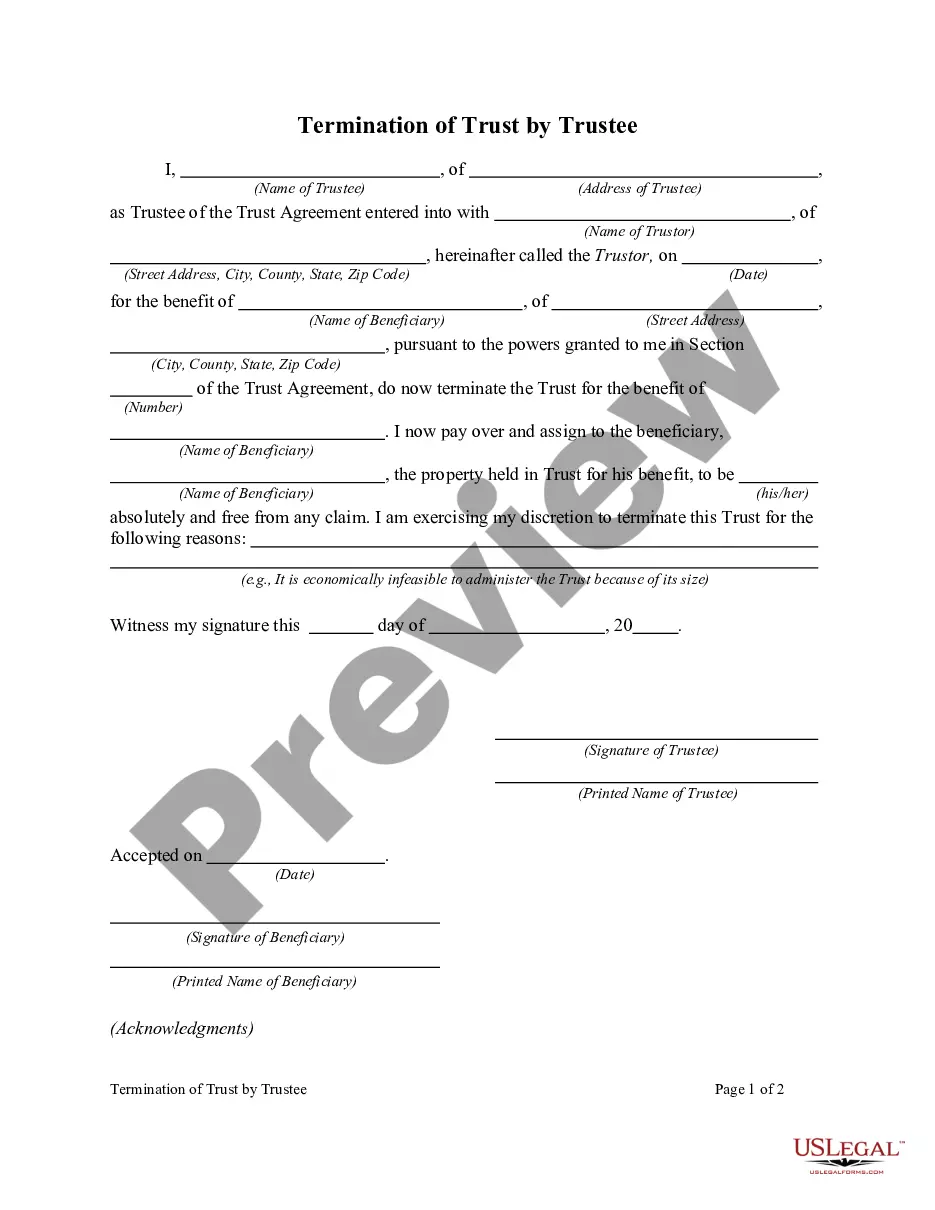
How to fill out Qualified Income Miller Trust?
- If you're a returning user, log into your account and verify your subscription status before downloading your form template.
- Explore the Preview mode and read the form description carefully to ensure it aligns with your requirements and local jurisdiction regulations.
- If you don't find a match, use the Search tab to locate another template that meets your needs.
- Purchase the document by clicking the Buy Now button and selecting your preferred subscription plan; you will need to create an account for full access.
- Complete your purchase using your credit card or PayPal, making sure to secure a subscription for future access.
- Download the form directly to your device. You can also revisit it anytime through the My Forms section of your profile.
By using US Legal Forms, you gain access to a robust library of over 85,000 fillable and editable legal documents, empowering both individuals and attorneys to create legally sound forms efficiently.
Don't let legal complexities overwhelm you! Embrace the ease of US Legal Forms and ensure you have the right documents when you need them.
Form popularity
FAQ
To fill out a 1041 estate tax return, start by reporting the estate's income for the tax year. You'll need to provide details about income sources, deductions, and any distributions made to beneficiaries. Using the US Legal Forms platform can ease the burden of this process, guiding you every step of the way to ensure compliance and accuracy within the trust cap.
As of now, the exemption amount for an estate on a 1041 can vary based on changes in tax law, but currently, it is set at $12.06 million for estates. This means estates valued below this threshold may not need to file a 1041. Maintaining awareness of these limits is crucial for effective estate planning, especially when considering a trust cap.
Setting up an income cap trust involves defining the terms of the trust and designating its beneficiaries. Consult a lawyer to ensure compliance with state laws and tax implications. US Legal Forms can offer valuable resources and templates to help you create an effective strategy that aligns with your financial goals and maintains the integrity of the trust cap.
To fill out a trust fund, start by gathering necessary documents, including the trust agreement and tax identification number. Next, report income generated from assets held in the trust, and detail any distributions to beneficiaries. Making use of a tool like US Legal Forms can simplify this process, ensuring you stay within guidelines while effectively managing the trust cap.
The IRS form 1041 is the income tax return for estates and trusts. When a trust earns income, it must file this form, reporting its income, deductions, and distributions to beneficiaries. Essentially, it helps ensure that the income generated under a trust cap is taxed appropriately, providing transparency and compliance with tax laws.
Some forms cannot be electronically filed, including specific schedules and state-specific forms. It's important to check the IRS guidelines or consult with your tax software for a complete list of forms that require paper filing. Being aware of these forms helps you plan accordingly and align with the trust cap regulations. Always communicate with your tax professional if you have questions about filing.
Indeed, you can file Form 1041 electronically through IRS-approved providers. This method is efficient and reduces the likelihood of errors compared to paper filing. Ensure that your software is up to date and compatible with IRS requirements for electronic submission. Adhering to the trust cap guidelines will also keep your filing compliant.
The filing threshold for a trust is determined by the trust’s gross income. If the trust earns $600 or more in income, or if any beneficiary is a non-resident alien, you are required to file Form 1041. Understanding the trust cap can help you determine your requirements and obligations. Always stay informed about any changes to these thresholds.
Yes, you can file Form 1041 using TurboTax, which provides a user-friendly way to complete your return. The software guides you through necessary questions and ensures that you report all relevant income and deductions related to your trust cap. TurboTax's features make it easier to file accurately and on time, reducing your stress during tax season.
To report a K-1 on your tax return, you must include the information provided on the K-1 form in your personal tax return. This includes income, deductions, and credits allocated to you from the trust. Make sure to maintain clear records of the trust cap and cross-reference them with your K-1 details. If you're unsure, consult a tax professional for help.