Trust Accounting Form For Beneficiaries
Description
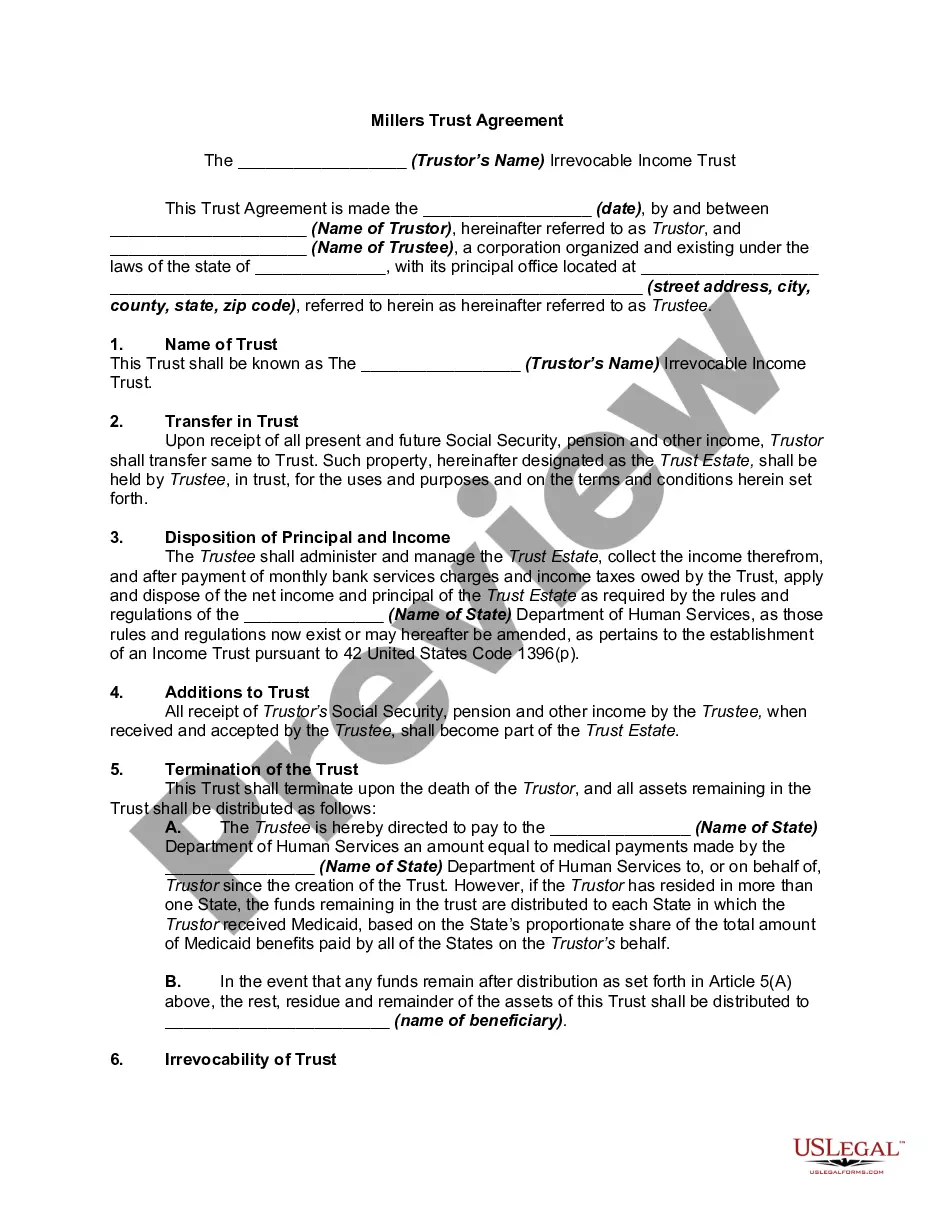
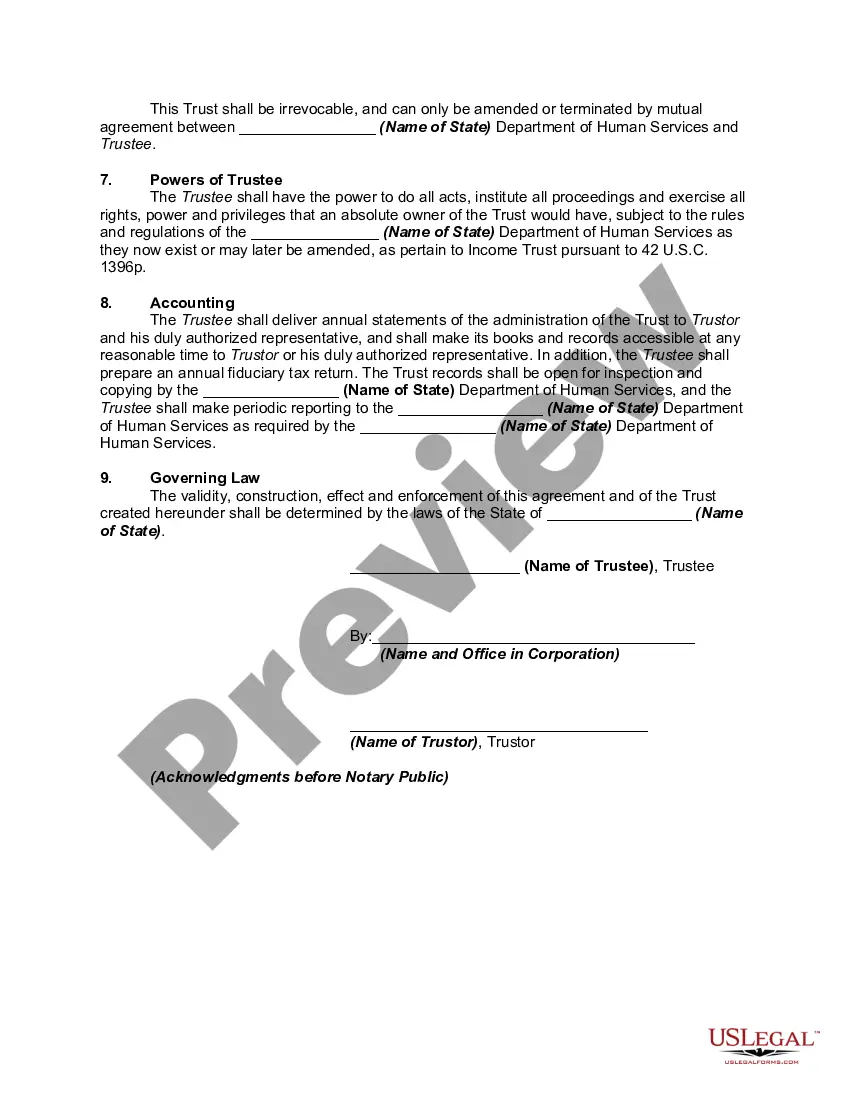
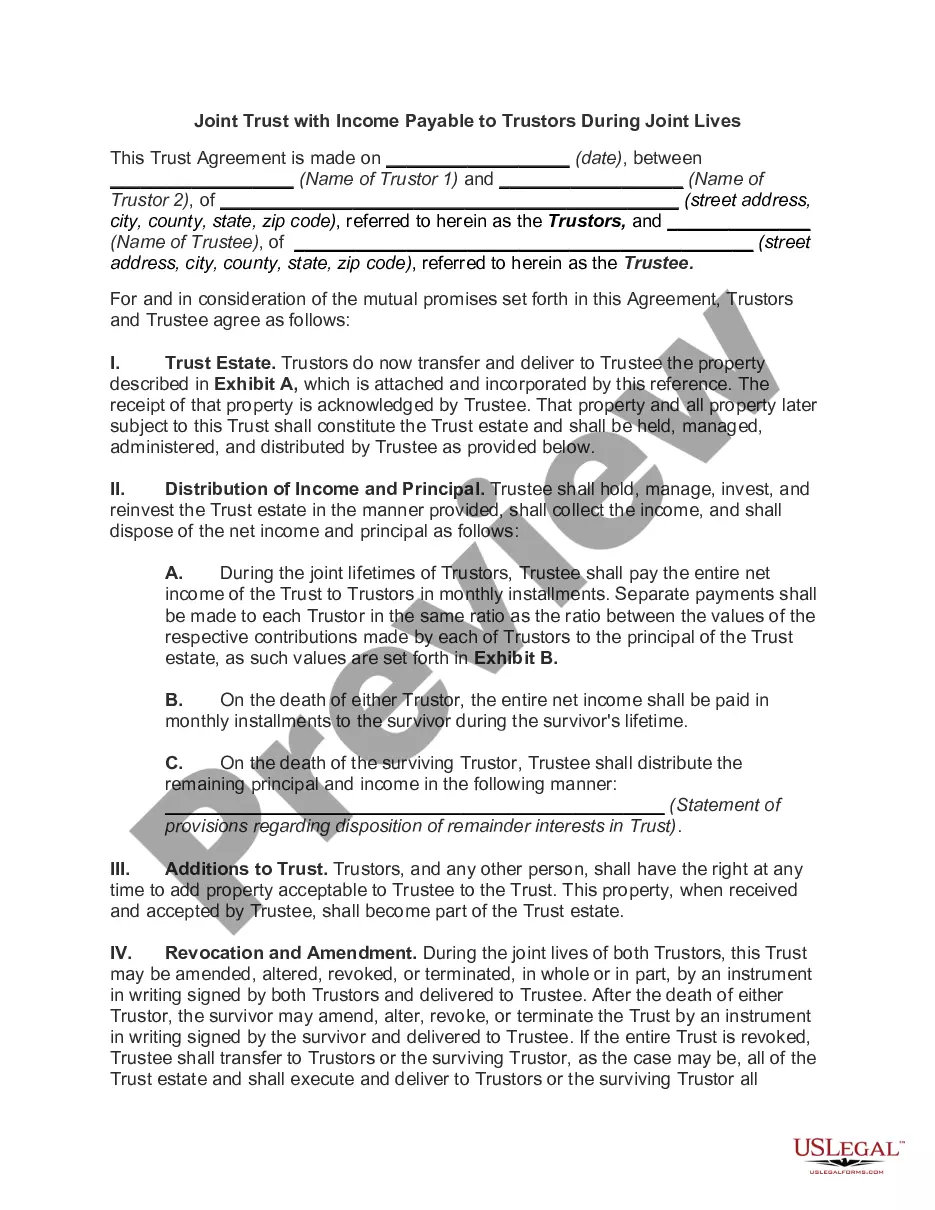

Get your form ready online
Our built-in tools help you complete, sign, share, and store your documents in one place.
Make edits, fill in missing information, and update formatting in US Legal Forms—just like you would in MS Word.
Download a copy, print it, send it by email, or mail it via USPS—whatever works best for your next step.
Sign and collect signatures with our SignNow integration. Send to multiple recipients, set reminders, and more. Go Premium to unlock E-Sign.
If this form requires notarization, complete it online through a secure video call—no need to meet a notary in person or wait for an appointment.
We protect your documents and personal data by following strict security and privacy standards.

Make edits, fill in missing information, and update formatting in US Legal Forms—just like you would in MS Word.

Download a copy, print it, send it by email, or mail it via USPS—whatever works best for your next step.

Sign and collect signatures with our SignNow integration. Send to multiple recipients, set reminders, and more. Go Premium to unlock E-Sign.

If this form requires notarization, complete it online through a secure video call—no need to meet a notary in person or wait for an appointment.

We protect your documents and personal data by following strict security and privacy standards.
Looking for another form?

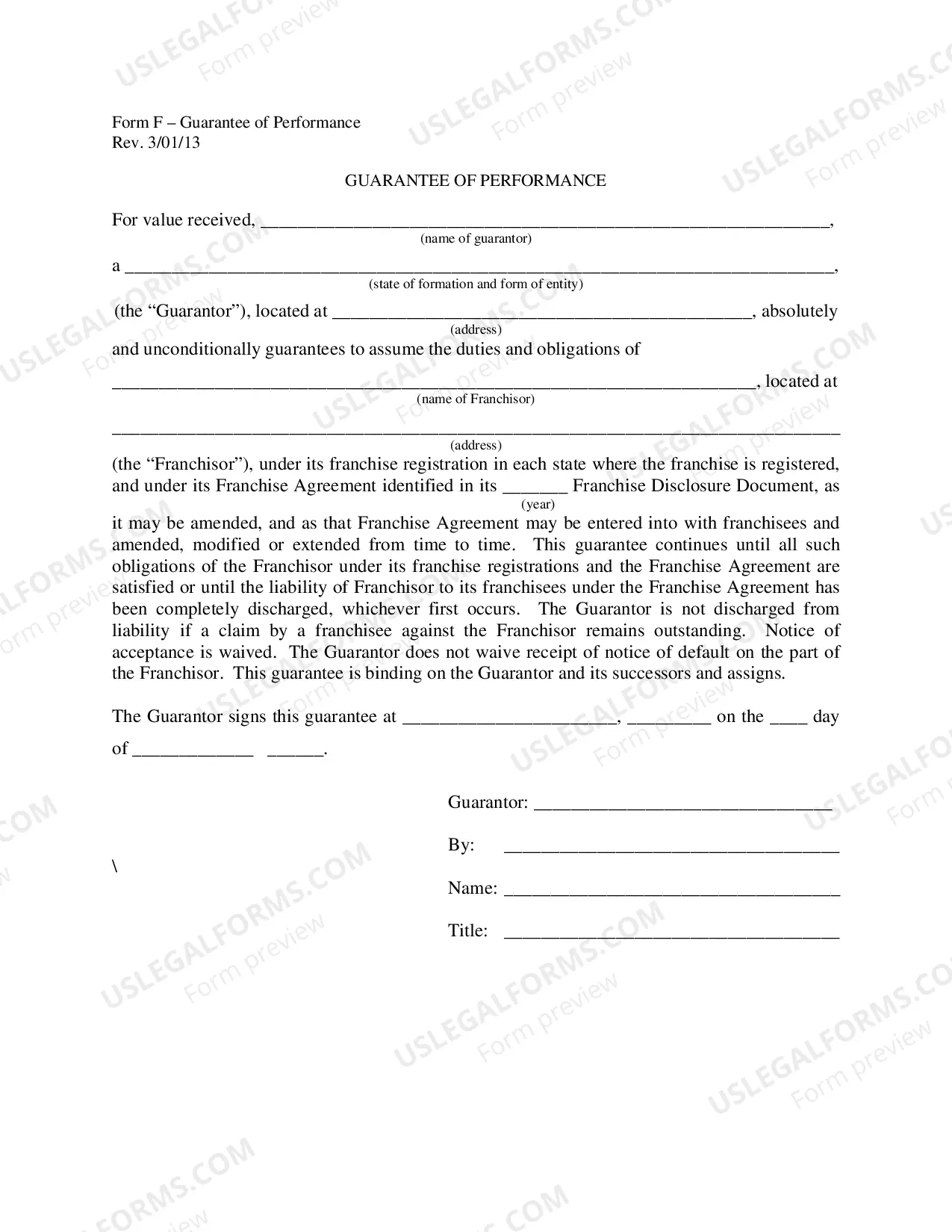







How to fill out Qualified Income Miller Trust?
- Log in to your US Legal Forms account if you're a returning user. Ensure your subscription is active; if not, consider renewing it.
- For first-time users, start by browsing the form library. Check the preview and description to find the trust accounting form that aligns with your needs and local jurisdiction.
- If the right form isn't found, utilize the search feature for alternatives that might fit your criteria.
- Once you've identified the correct document, click the Buy Now button and select your preferred subscription plan. You will need to create an account to gain full access to the resources.
- Proceed to checkout by entering your payment details, either via credit card or PayPal, to complete your purchase.
- Finally, download your trust accounting form and save it on your device. You can also access it anytime through the My Forms section in your account.
By following these steps, you can effortlessly secure the necessary legal documentation. US Legal Forms not only simplifies this process but also guarantees that you're equipped with high-quality and legally sound forms.
Don't hesitate! Begin your journey with US Legal Forms today to ensure your legal documents are handled with precision.
Form popularity
FAQ
To prepare a trust accounting, start by gathering all financial records related to the trust's transactions. Include income generated, expenses incurred, and distributions made to beneficiaries. A well-structured Trust accounting form for beneficiaries can simplify this preparation, ensuring all relevant information is included and easy to understand.
Distributing trust income to beneficiaries involves following the guidelines set forth in the trust document. The trustee must calculate the income generated by the trust's assets and distribute it according to the terms specified. A Trust accounting form for beneficiaries can assist in outlining these distributions clearly and transparently.
Typically, a trustee must provide an accounting within a reasonable time frame, often specified by state law or the trust document. Many jurisdictions require an accounting within 12 months after the end of the trust's fiscal year. Using a Trust accounting form for beneficiaries can help ensure compliance with these timelines.
A trustee has several legal obligations to beneficiaries, including the duty to act in the best interest of the trust. They must provide accurate accountings, manage assets prudently, and communicate any significant decisions affecting the trust. Using a Trust accounting form for beneficiaries can help fulfill these obligations efficiently.
Yes, beneficiaries are generally entitled to receive a clear accounting of the trust's financial activities. This entitlement helps them understand how assets are being managed and distributed. Utilizing a Trust accounting form for beneficiaries ensures that all necessary information is included and organized.
Trustees should generally provide a written accounting to the beneficiaries at least annually. Regular updates can help maintain transparency and trust between the trustee and beneficiaries. An effective Trust accounting form for beneficiaries can streamline this process and ensure all financial activities are documented clearly.
To ask for an accounting of a trust, begin by drafting a clear and polite request addressed to the trustee. In your request, mention the trust accounting form for beneficiaries and the specific information you need. Be sure to include your contact details for any follow-up. Clear communication simplifies the request process and encourages a prompt response.
If a trustee fails to provide accounting, beneficiaries can take steps to enforce their rights. This may involve sending formal requests or seeking legal recourse. Utilizing the trust accounting form for beneficiaries can be crucial in this situation to track documentation and communication. Accessing legal assistance may also be necessary to ensure compliance.
To compel a reluctant trustee to provide an accounting, you may need to remind them of their legal obligations. If necessary, you can seek legal action to enforce your rights as a beneficiary. Submitting a trust accounting form for beneficiaries can be a helpful step in documenting your request. Seeking guidance from a legal professional can also provide additional options.
Yes, beneficiaries can request access to deceased bank statements if they are pertinent to the trust's administration. Such statements can provide insights into the financial history before the trust was established. Using a trust accounting form for beneficiaries will clarify how the funds were managed. Transparency helps build trust among all parties involved.