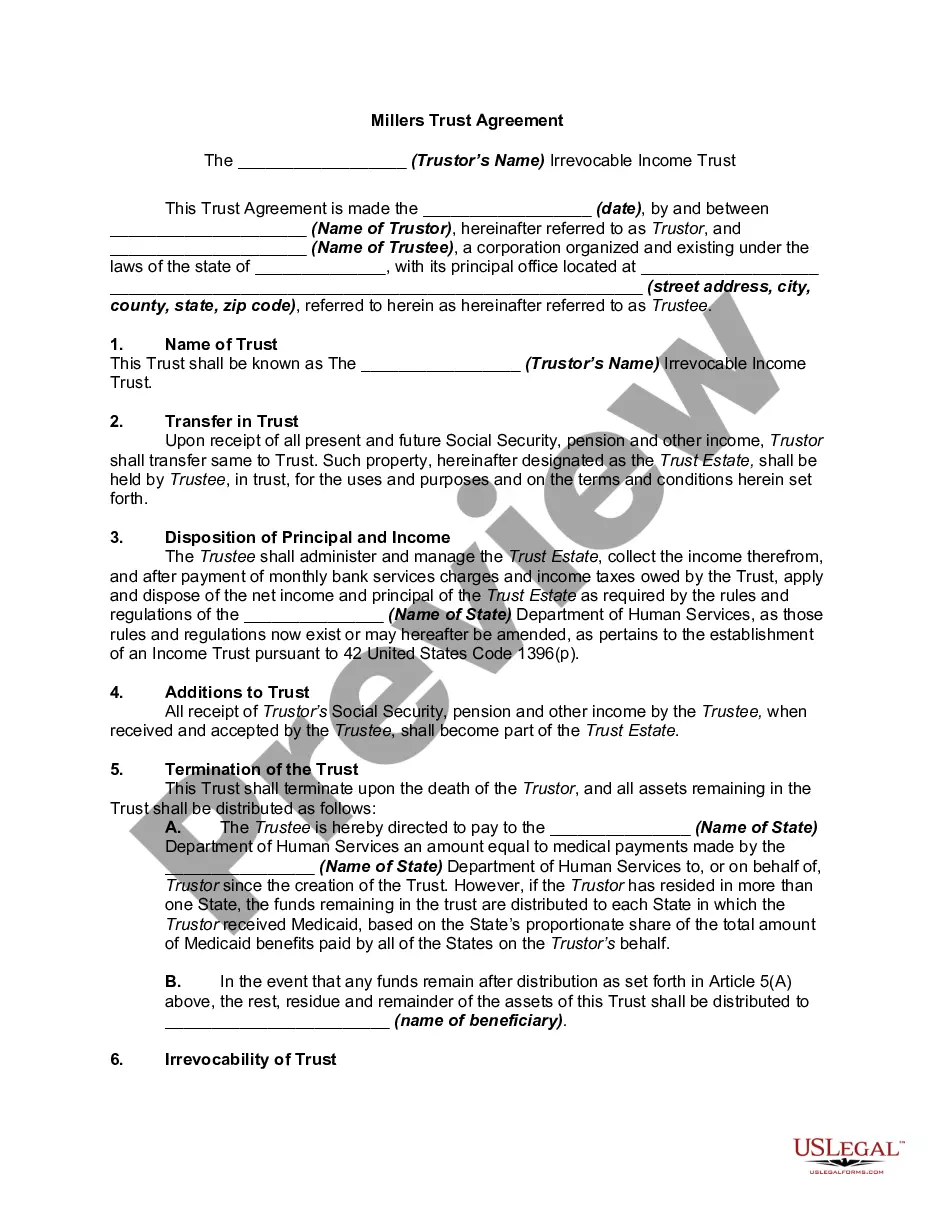
Sample Miller Trust With The Client
Description

Get your form ready online
Our built-in tools help you complete, sign, share, and store your documents in one place.
Make edits, fill in missing information, and update formatting in US Legal Forms—just like you would in MS Word.
Download a copy, print it, send it by email, or mail it via USPS—whatever works best for your next step.
Sign and collect signatures with our SignNow integration. Send to multiple recipients, set reminders, and more. Go Premium to unlock E-Sign.
If this form requires notarization, complete it online through a secure video call—no need to meet a notary in person or wait for an appointment.
We protect your documents and personal data by following strict security and privacy standards.

Make edits, fill in missing information, and update formatting in US Legal Forms—just like you would in MS Word.

Download a copy, print it, send it by email, or mail it via USPS—whatever works best for your next step.

Sign and collect signatures with our SignNow integration. Send to multiple recipients, set reminders, and more. Go Premium to unlock E-Sign.

If this form requires notarization, complete it online through a secure video call—no need to meet a notary in person or wait for an appointment.

We protect your documents and personal data by following strict security and privacy standards.
Looking for another form?
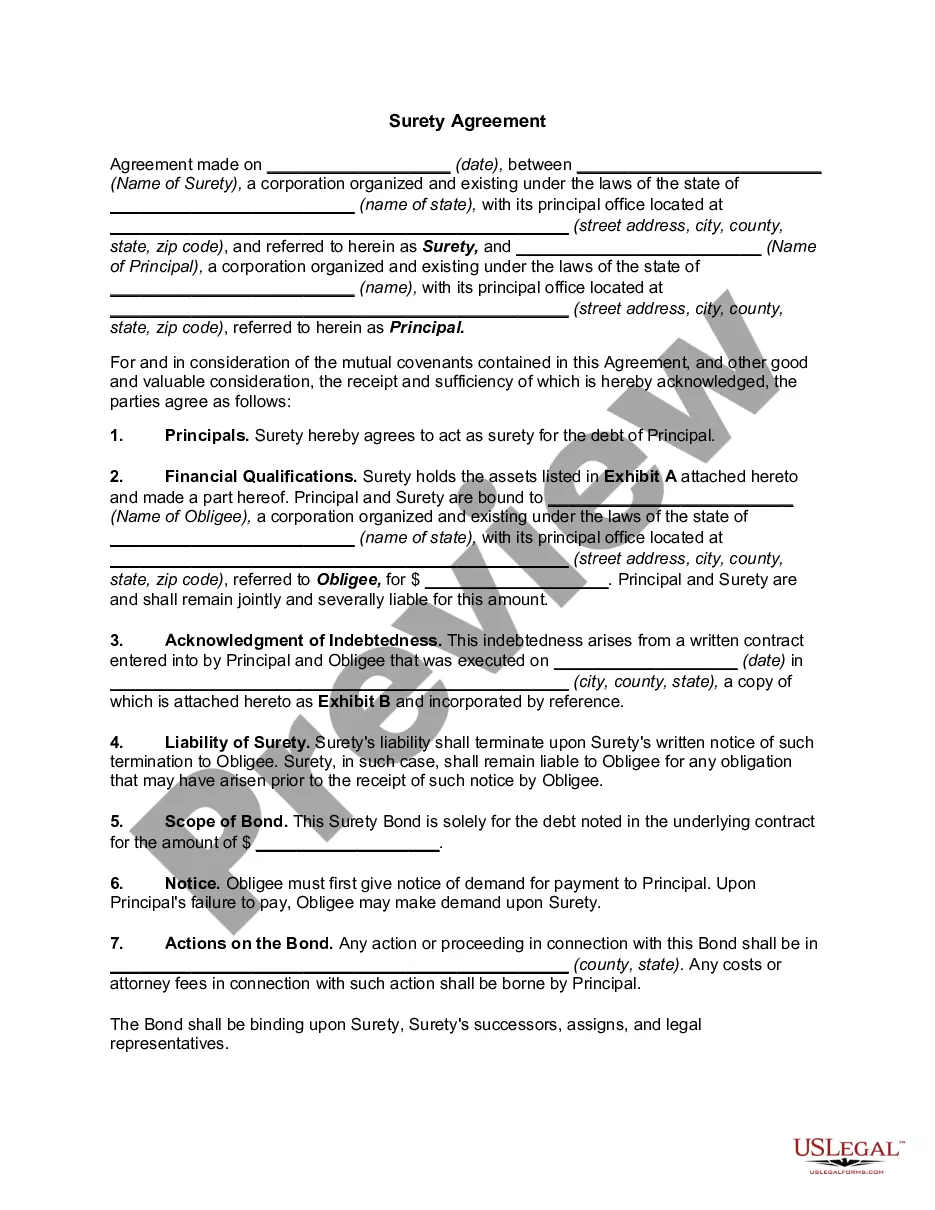




How to fill out Qualified Income Miller Trust?
- If you’re a returning user, log in to your account to download the desired form by clicking the Download button. Ensure your subscription is active; if not, please renew it.
- If this is your first time, begin by reviewing the Preview mode and description of the sample miller trust. Ensure it fits your legal needs and local regulations.
- If the template doesn’t suit your requirements, utilize the Search tab to find an alternative that does.
- Once you’ve located the right form, proceed to purchase it by clicking the Buy Now button. Choose the subscription plan that best meets your needs and create an account to access the form library.
- Complete your transaction by providing your payment details, either via credit card or PayPal.
- Finally, download your completed form and save it for editing. You can access it any time through the My Forms section.
US Legal Forms stands out with a vast array of over 85,000 fillable legal forms, ensuring you have access to more options than competitors at a similar cost.
With expert assistance available for form completion, US Legal Forms guarantees precise and legally sound documents catered to your needs. Start today and simplify your legal journeys!
Form popularity
FAQ
To get a Miller trust, you need to create a trust document that complies with state requirements, ensuring it meets all necessary legal standards. Working with a qualified legal professional is advisable to facilitate the process and customize the sample Miller trust with the client according to specific needs. Once set up, you can fund the trust and use it to manage and allocate income appropriately, ultimately aiding in Medicaid eligibility.
Establishing a Miller trust involves defining the trust's terms, appointing a trustee, and transferring eligible income into the trust. It is beneficial to use a reputable platform like USLegalForms to create a sample Miller trust with the client, as it provides templates and guidance tailored to your specific needs. Following the proper setup ensures compliance with Medicaid regulations and safeguards your financial interests.
You might need a Miller trust to help you qualify for Medicaid when your income exceeds the allowable limits. By establishing a sample Miller trust with the client, you can protect your assets while still receiving crucial healthcare services. This trust serves as a practical tool for individuals seeking to manage their financial resources effectively while gaining access to necessary assistance.
Yes, a Miller trust must file a tax return, similar to other trusts. The income generated within the sample Miller trust with the client typically remains taxable, so proper filing is essential to comply with tax laws. Consulting with a tax professional can help ensure that you fulfill your obligations correctly while still benefiting from the trust structure.
While it is possible to create a Miller trust without a lawyer, seeking legal assistance is highly advisable. A qualified attorney can help you navigate the complexities of Medicaid regulations and ensure that your sample Miller trust with the client meets all necessary legal requirements. Engaging a professional also minimizes errors that could jeopardize your eligibility for Medicaid services.
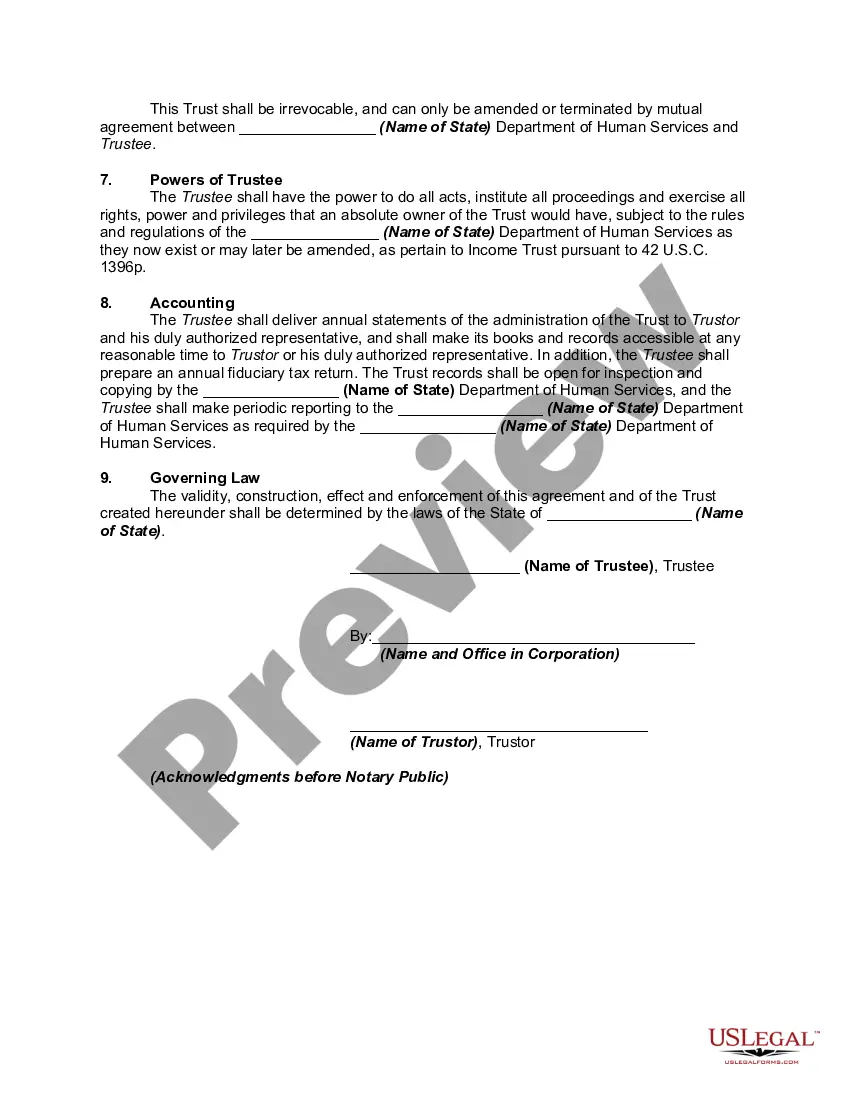
A Medicaid qualifying trust, often referred to as a Miller trust, is a legal arrangement that helps individuals meet Medicaid's income requirements. When clients set up a sample Miller trust, they can divert income into the trust, potentially qualifying them for Medicaid assistance while preserving their assets. This approach provides a way for clients to access necessary medical care while managing their finances effectively.
One major disadvantage of a trust, such as a Sample Miller Trust with the client, is the complexity involved in setting it up and managing it. Trusts require careful documentation and adherence to legal requirements, which can be daunting. Furthermore, there may be ongoing administration costs that can add up over time. It's wise to consider these challenges when deciding on a trust as part of your estate planning.
A Medicaid trust, including a Sample Miller Trust with the client, has some disadvantages to consider. One major downside is the potential loss of control over your assets since the trust becomes the legal owner. Additionally, the income generated from the trust might be subject to taxation. It's vital to weigh these factors against the benefits before establishing a trust.
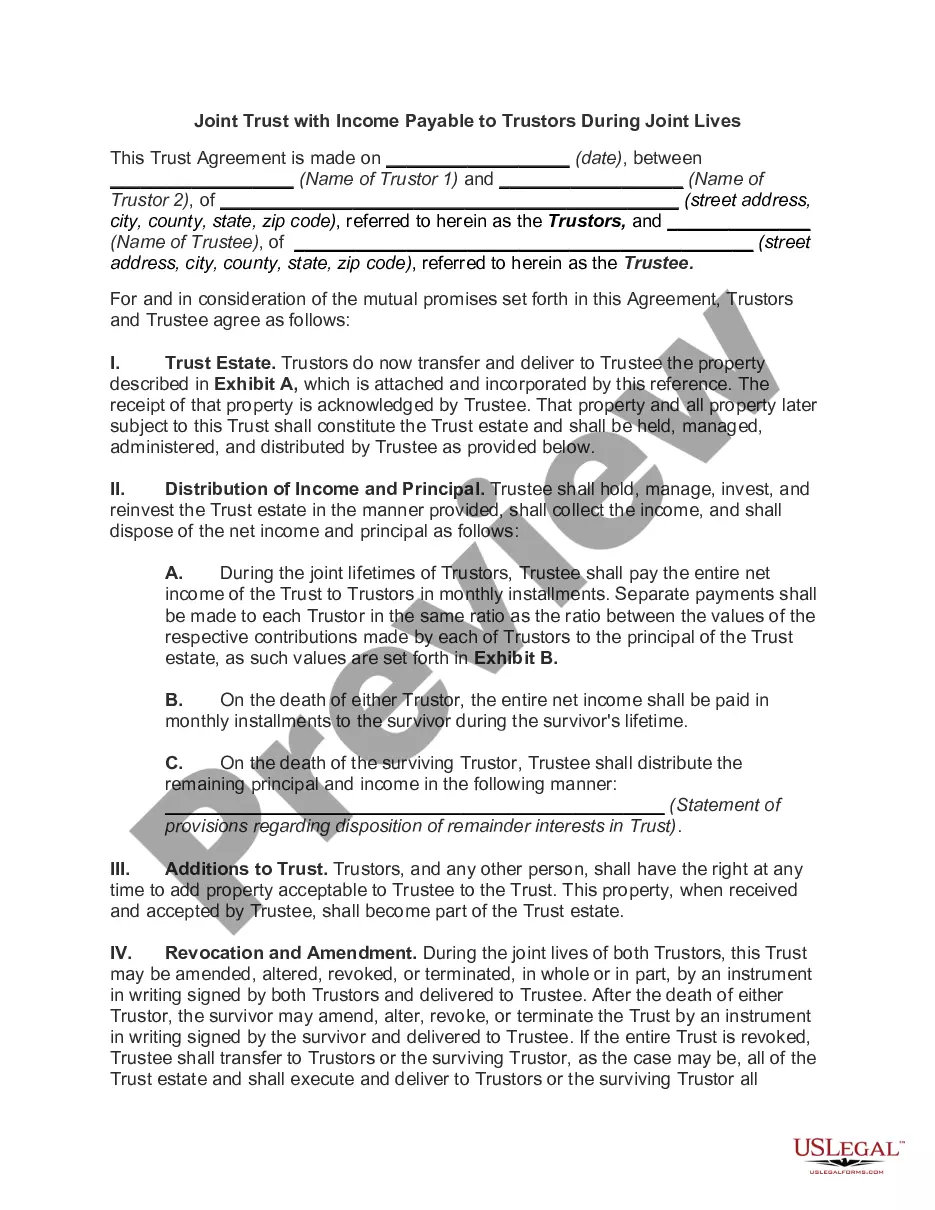
Putting your home in a trust, such as a Sample Miller Trust with the client, may provide some level of protection from Medicaid claims. However, this can be complex, and not all trusts offer the same protection. Depending on the type of trust and state regulations, certain actions may still put your home at risk. Consulting with an expert can help clarify how to safeguard your assets effectively.
The 5 year rule on trusts refers to the timeframe used by Medicaid to assess eligibility for benefits. If you create a Sample Miller Trust with the client, any assets transferred into the trust may be subject to this rule. This means that if you transfer assets to the trust within five years before applying for Medicaid, these assets can affect your eligibility. It's crucial to plan carefully to avoid any complications.