Quality Trust
Description
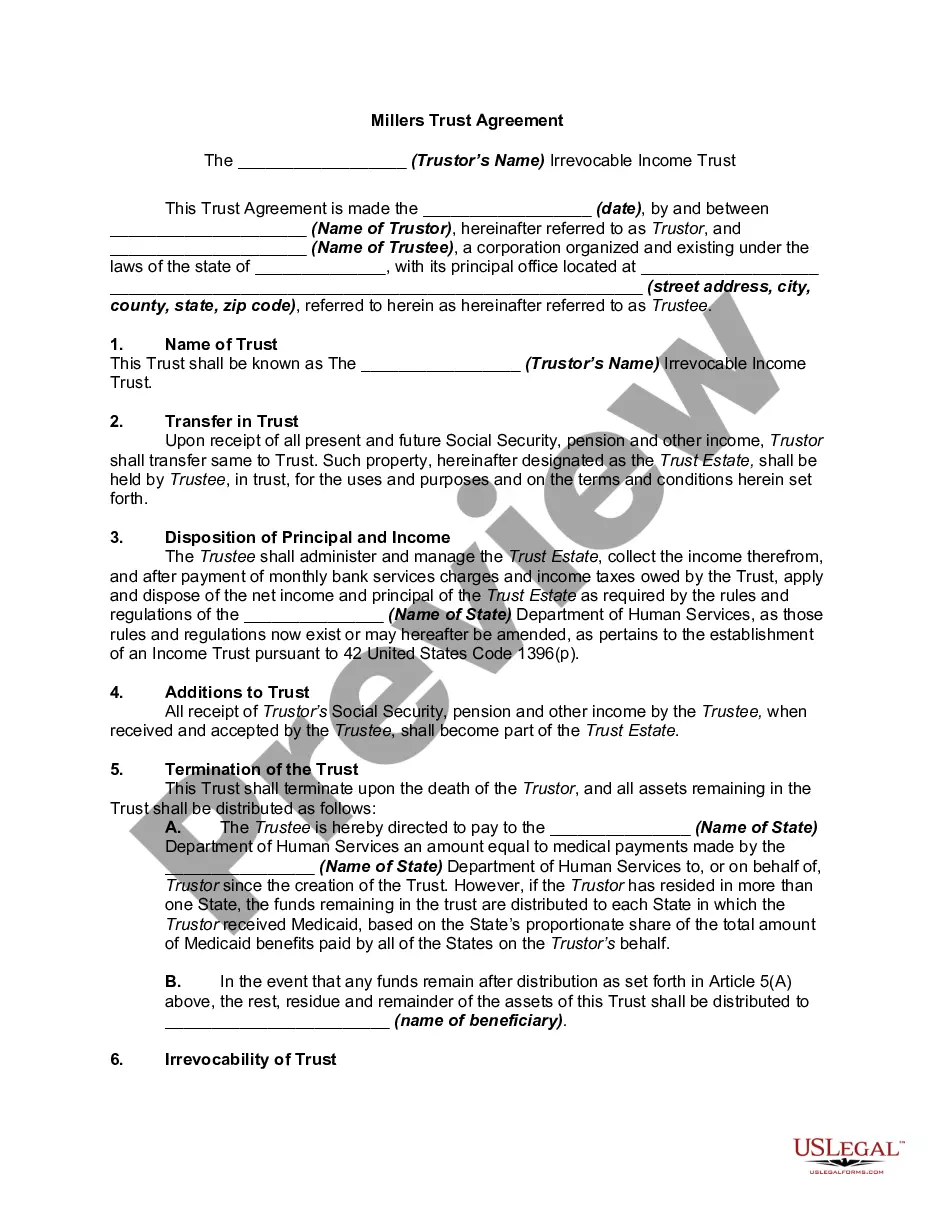
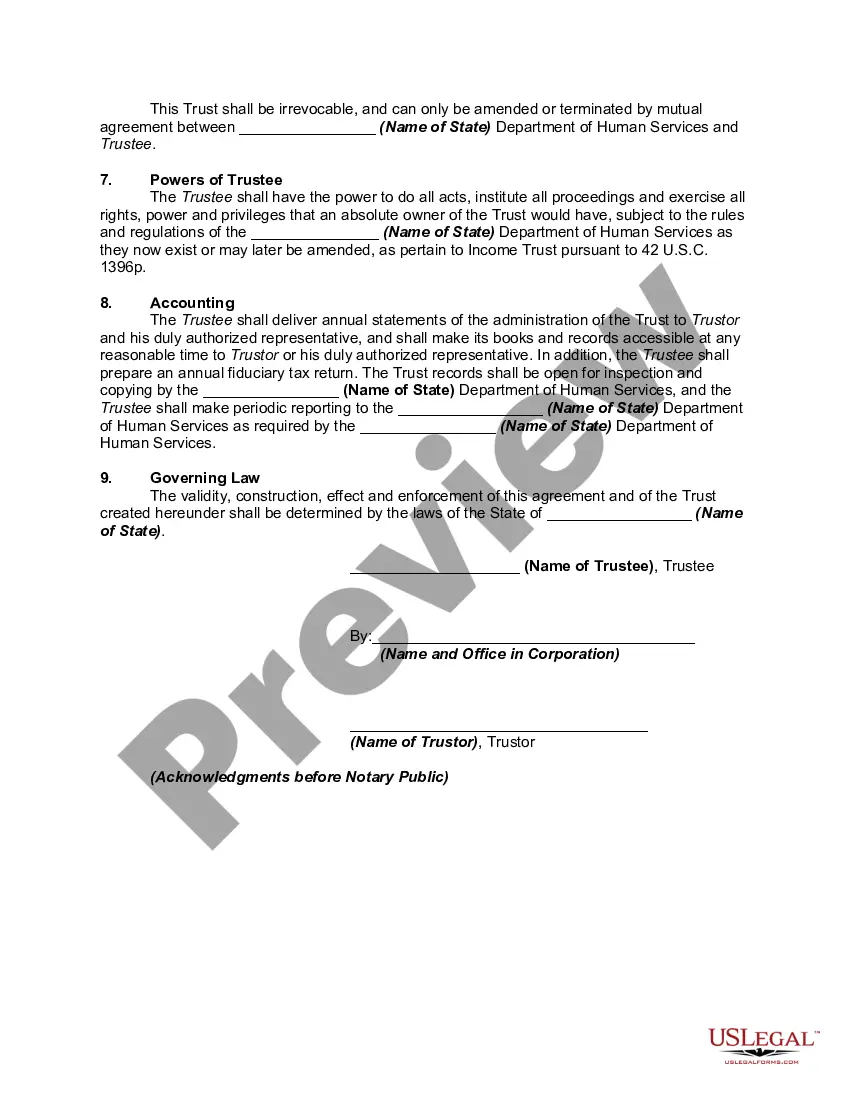
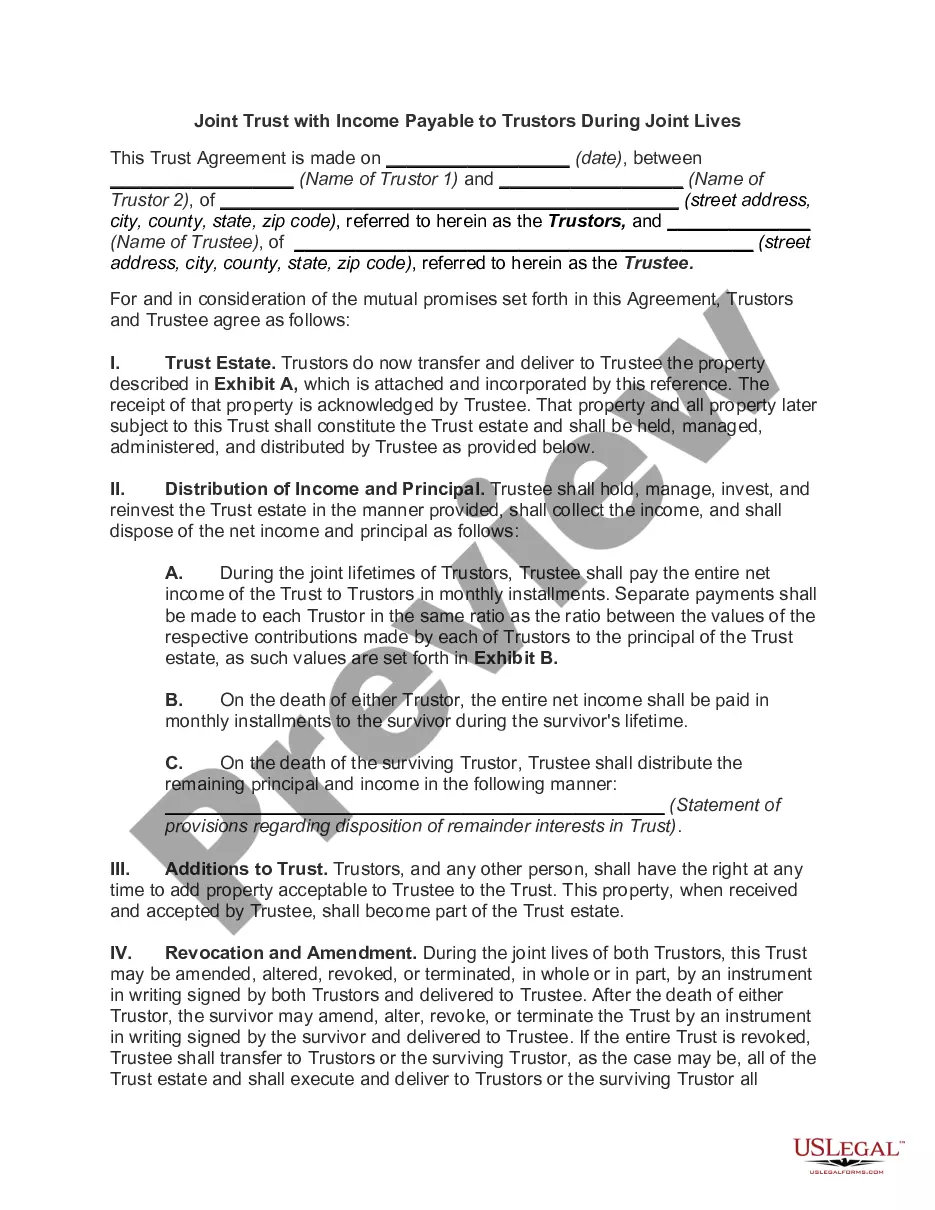

Get your form ready online
Our built-in tools help you complete, sign, share, and store your documents in one place.
Make edits, fill in missing information, and update formatting in US Legal Forms—just like you would in MS Word.
Download a copy, print it, send it by email, or mail it via USPS—whatever works best for your next step.
Sign and collect signatures with our SignNow integration. Send to multiple recipients, set reminders, and more. Go Premium to unlock E-Sign.
If this form requires notarization, complete it online through a secure video call—no need to meet a notary in person or wait for an appointment.
We protect your documents and personal data by following strict security and privacy standards.

Make edits, fill in missing information, and update formatting in US Legal Forms—just like you would in MS Word.

Download a copy, print it, send it by email, or mail it via USPS—whatever works best for your next step.

Sign and collect signatures with our SignNow integration. Send to multiple recipients, set reminders, and more. Go Premium to unlock E-Sign.

If this form requires notarization, complete it online through a secure video call—no need to meet a notary in person or wait for an appointment.

We protect your documents and personal data by following strict security and privacy standards.
Looking for another form?
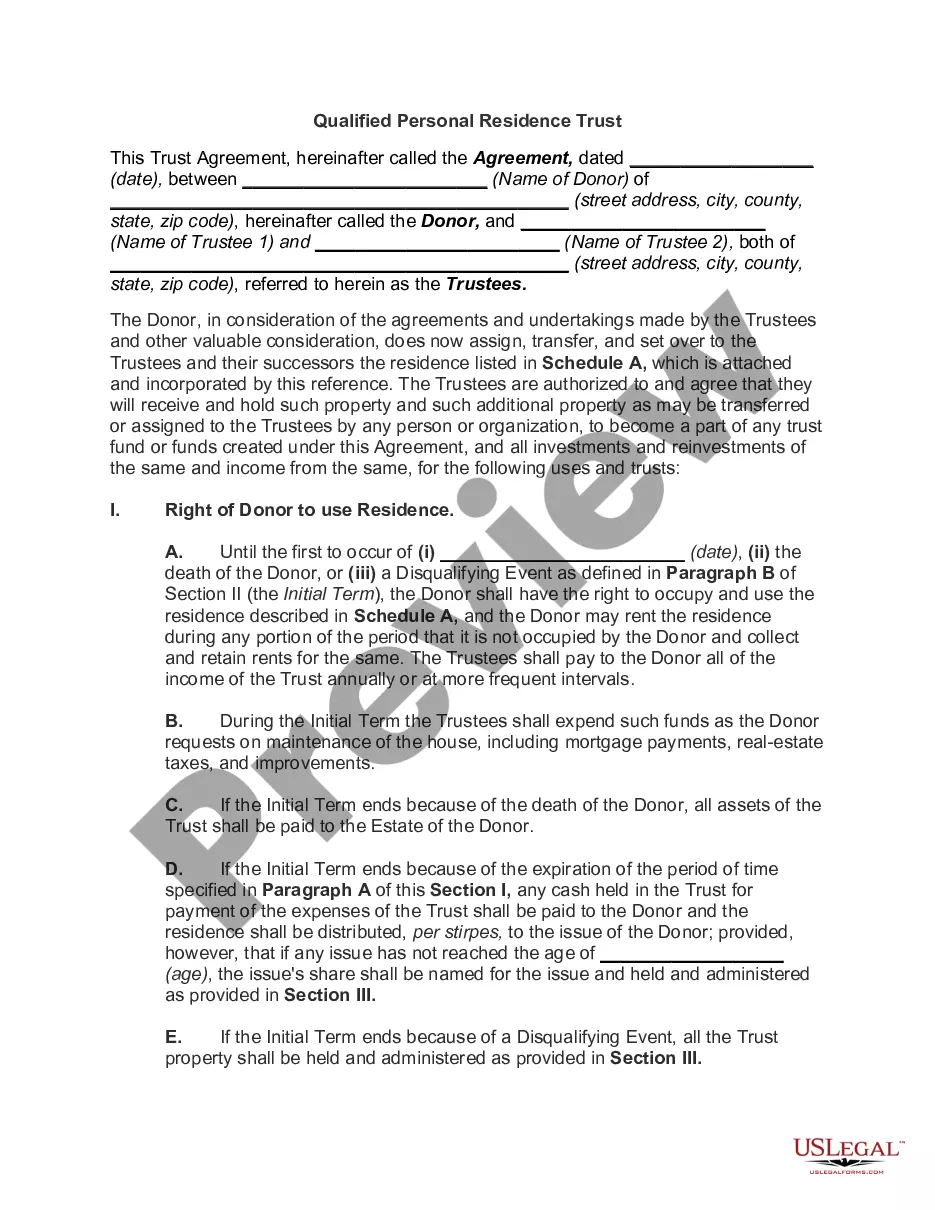


How to fill out Qualified Income Miller Trust?
- If you already have an account, log in to access your documents. Make sure your subscription is active; if it's not, renew it to maintain your access.
- Preview the available forms to ensure they meet your needs. Confirm that the document aligns with local jurisdiction requirements.
- If you encounter any inconsistencies, utilize the Search tab to find the correct template. Keep searching until you find a suitable option.
- Purchase the necessary document by clicking on the Buy Now button and selecting your preferred subscription plan. You’ll need to register an account for library access.
- Complete the payment process by entering your credit card details or using your PayPal account to finalize your subscription.
- Download your chosen form and save it to your device, giving you easy access through the My Forms section.
By following these steps, you can ensure that you obtain the correct legal documents quickly and efficiently, backed by the quality trust inherent in US Legal Forms.
Ready to simplify your legal document needs? Start now and explore the vast library of forms available at US Legal Forms!
Form popularity
FAQ
Filing a private trust involves creating a trust document followed by registering it with the appropriate state authority. You may need to provide specific information, such as the trust name, the trustee, and the beneficiaries. Utilizing a platform like Uslegalforms can simplify this process and help ensure your Quality Trust is accurately prepared and filed.
In 2025, the exemption for a qualified disability trust allows for a higher income threshold before tax liability kicks in. This exemption varies annually, reflecting changes in tax law and economic conditions. It is essential to stay updated on these details to maximize the benefits of your Quality Trust.
To qualify as a trust, it must primarily benefit one or more beneficiaries and serve a valid purpose under state law. The trust document has to clearly define terms and limitations to meet these legal standards. Creating a well-structured Quality Trust helps you avoid complications down the line.
Qualified disability trusts must follow guidelines that allow the income to be taxed only at the beneficiary's tax rates. Additionally, they must only benefit eligible individuals who meet the disability criteria presented by IRS regulations. Ensuring compliance reinforces the functionality of your Quality Trust.
For a special disability trust, there is no strict limit on the total amount of assets; however, the trust must adhere to specific federal guidelines. The trust should aim to support the beneficiary's quality of life without disqualifying them from government benefits. Understanding these nuances is vital to establishing a successful Quality Trust.
Yes, most types of trusts do need to file with the IRS, especially when they have taxable income. For example, irrevocable trusts often require a separate tax identification number and may need to file Form 1041. Maintaining compliance with IRS expectations is vital for your Quality Trust.
A qualified disability trust must be established for the benefit of a disabled individual under certain IRS criteria. It should primarily benefit the person with disabilities and must meet income criteria as specified in the tax code. Proper documentation helps you ensure that your Quality Trust meets all these requirements.
To file a trust, you typically require a trust agreement to clearly outline your intentions. You must use specific forms depending on the type of trust you are establishing. A Quality Trust ensures that you meet state regulations while efficiently managing your assets.
To set up a qualified income trust, start with drafting the trust document that specifies the trust's purpose and management details. You must designate a trustee who will oversee the trust and handle the funds according to regulations. After completing the paperwork, fund the trust with the appropriate income, ensuring it meets state guidelines for Medicaid eligibility. For assistance, the US Legal Forms platform offers helpful resources and templates specifically for QIT setup.
Filling out a trust fund involves several key steps that ensure clarity and legality. You need to provide the trust's name, identify the trustee, and list beneficiaries along with their shares. Moreover, you must detail how the trust's assets will be managed and distributed, maintaining compliance with relevant laws. Make the process easier by utilizing the US Legal Forms platform, where you can find templates to guide you.