Qualified Trust With The Client
Description
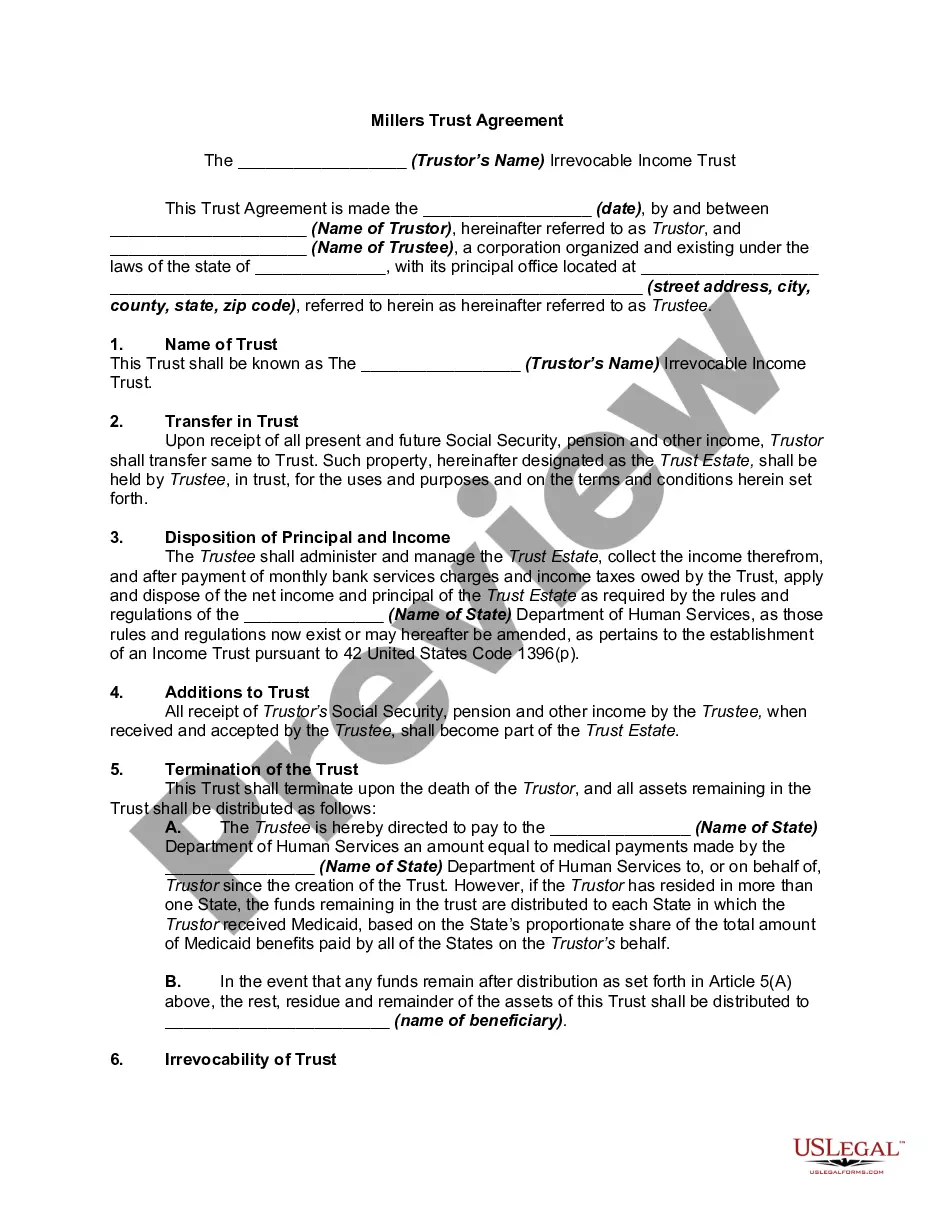
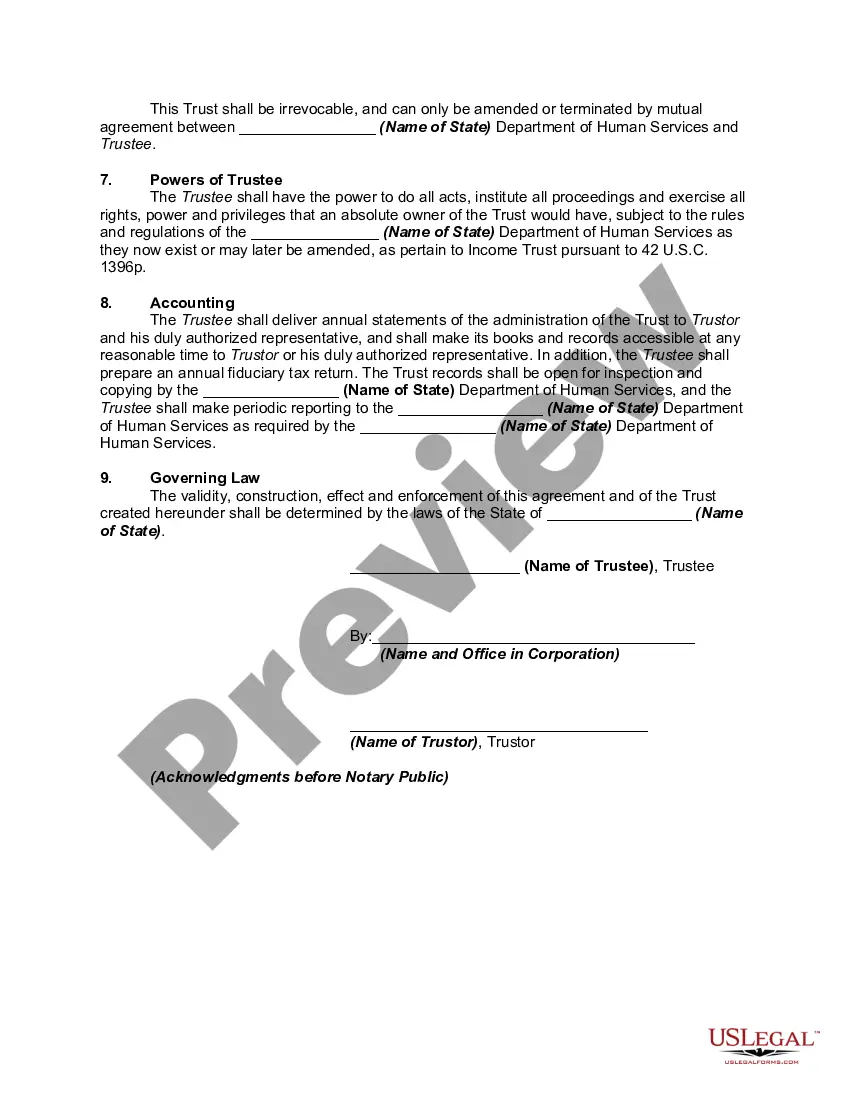
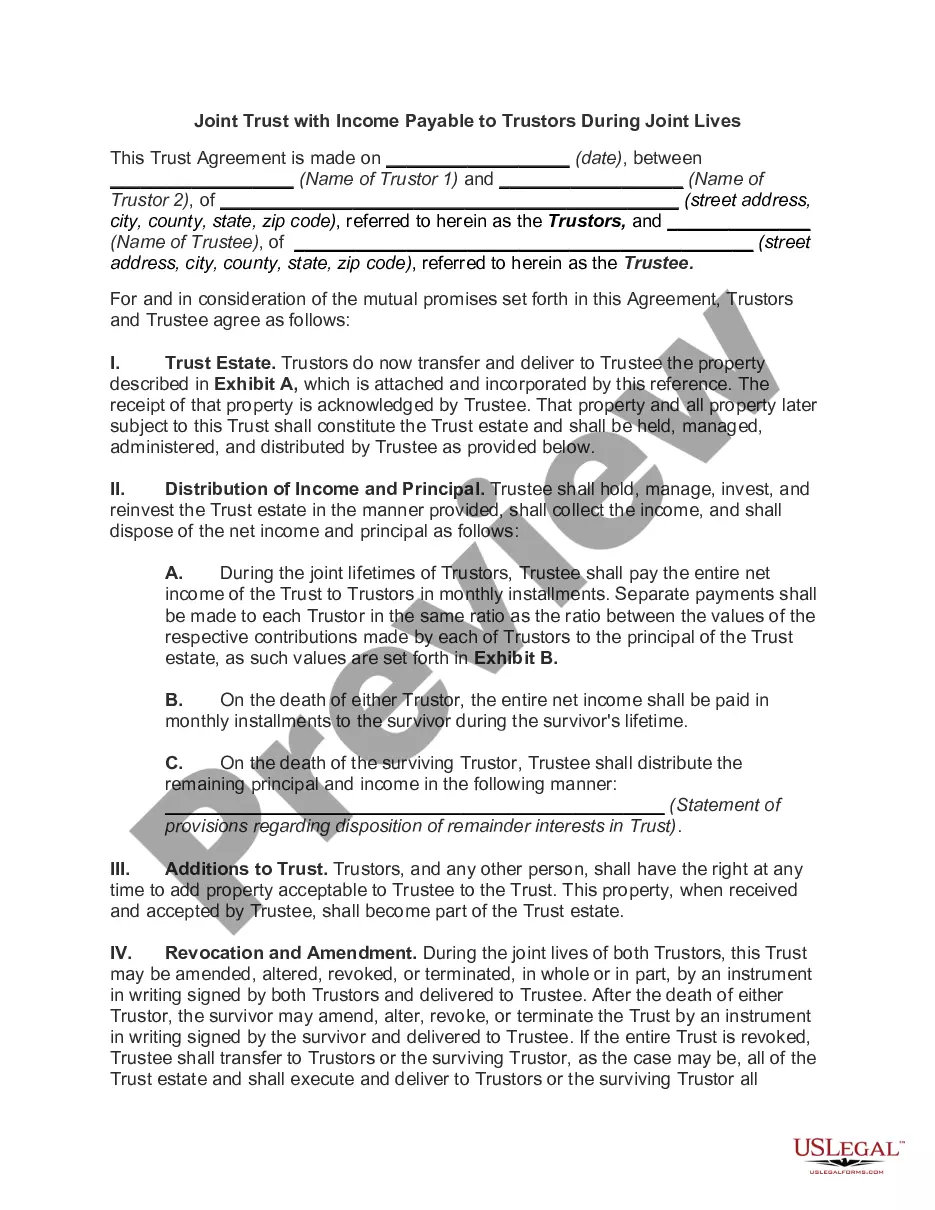

Get your form ready online
Our built-in tools help you complete, sign, share, and store your documents in one place.
Make edits, fill in missing information, and update formatting in US Legal Forms—just like you would in MS Word.
Download a copy, print it, send it by email, or mail it via USPS—whatever works best for your next step.
Sign and collect signatures with our SignNow integration. Send to multiple recipients, set reminders, and more. Go Premium to unlock E-Sign.
If this form requires notarization, complete it online through a secure video call—no need to meet a notary in person or wait for an appointment.
We protect your documents and personal data by following strict security and privacy standards.

Make edits, fill in missing information, and update formatting in US Legal Forms—just like you would in MS Word.

Download a copy, print it, send it by email, or mail it via USPS—whatever works best for your next step.

Sign and collect signatures with our SignNow integration. Send to multiple recipients, set reminders, and more. Go Premium to unlock E-Sign.

If this form requires notarization, complete it online through a secure video call—no need to meet a notary in person or wait for an appointment.

We protect your documents and personal data by following strict security and privacy standards.
Looking for another form?



How to fill out Qualified Income Miller Trust?
- Log in to your account if you're a returning user and ensure your subscription is active.
- If this is your first time, explore the Preview mode and read the form descriptions to select documents that meet your jurisdiction's requirements.
- In case you need a different template, utilize the Search feature to locate the correct form.
- Once you've found the desired document, click on 'Buy Now' and select your preferred subscription plan.
- Proceed to make the payment using your credit card or PayPal account.
- Finally, download your completed form and access it later from the 'My Forms' section of your profile.
US Legal Forms offers a robust collection of over 85,000 legal documents, more than many competitors. This extensive library not only saves time but also empowers users with legal knowledge.
With the added benefit of accessing premium experts for assistance, you can ensure your documents are completed accurately. Start your legal journey with confidence today!
Form popularity
FAQ
Filing a 645 election involves submitting a request to treat a qualified revocable trust as part of an estate for tax purposes. This is beneficial as it allows for more favorable tax treatment during the estate’s administration. When working with a qualified trust with the client, make sure to include all relevant forms and documentation with your application. Professional assistance is recommended to navigate the complexities of this process, and uslegalforms can offer the necessary forms and guidance to help you effectively file.
To set up a qualified income trust, also known as a QIT, you should first consult with a legal or financial expert to ensure you meet your state's requirements. This process involves drafting a trust document that outlines the trust's terms, including how income will be managed and distributed. A qualified trust with the client requires clear understanding of your financial situation to best meet your needs while complying with Medicaid regulations. Utilizing resources from uslegalforms can provide templates and guidance to streamline this process.
Yes, a Qualified Subchapter S Trust (QSST) must file Form 1041, the U.S. Income Tax Return for Estates and Trusts. This form allows the trust to report its income, deductions, and credits. When handling a qualified trust with the client, it's essential to keep in mind that the income is passed through to the beneficiaries, who report it on their individual tax returns. Working with a professional can help ensure compliance and accuracy in this process.
To use a qualified income trust effectively, first create the trust and designate it to hold your income. Next, make regular contributions to the trust, ensuring all funds go toward legitimate expenses. By setting up a qualified trust with the client, individuals can wisely manage their income, protect their assets, and continue to access essential services without losing benefits.
QIT funds can cover a range of expenses, including medical bills, housing costs, and other necessary living expenses. These funds help beneficiaries receive support while maintaining their eligibility for government aid. When clients establish a qualified trust with the client, they can use QIT funds to ensure their basic needs are met without jeopardizing their benefits.
A qualified trust is a legal arrangement that holds assets on behalf of beneficiaries while meeting specific government regulations. This trust type often helps individuals qualify for government assistance programs by managing their assets effectively. By establishing a qualified trust with the client, you can protect assets while ensuring they remain eligible for necessary services.
A qualified income trust is designed to help individuals qualify for Medicaid while maintaining some income. By creating a qualified trust with the client, they can protect their assets and still access necessary health services. This planning strategy allows clients to navigate complex Medicaid rules while ensuring they receive care without financial burden.
The primary difference lies in their tax treatment and regulatory requirements. A qualified trust with the client typically enjoys favorable tax benefits and meets specific legal criteria. In contrast, a nonqualified trust may not offer these advantages, requiring careful consideration when planning for asset distribution.
Yes, a trust can act as a qualified client, provided it meets certain criteria set forth by regulations. A qualified trust with the client helps in managing investments and can provide a structured approach for asset distribution. This setup allows trustees to control and protect assets according to the wishes of the trust's creator.
A qualified trust for an inherited IRA allows beneficiaries to take distributions based on their life expectancy. This structure preserves the tax advantages of the IRA while providing flexibility in managing inherited funds. By establishing a qualified trust with the client, individuals can ensure that their heirs receive financial benefits without incurring excessive tax liabilities.