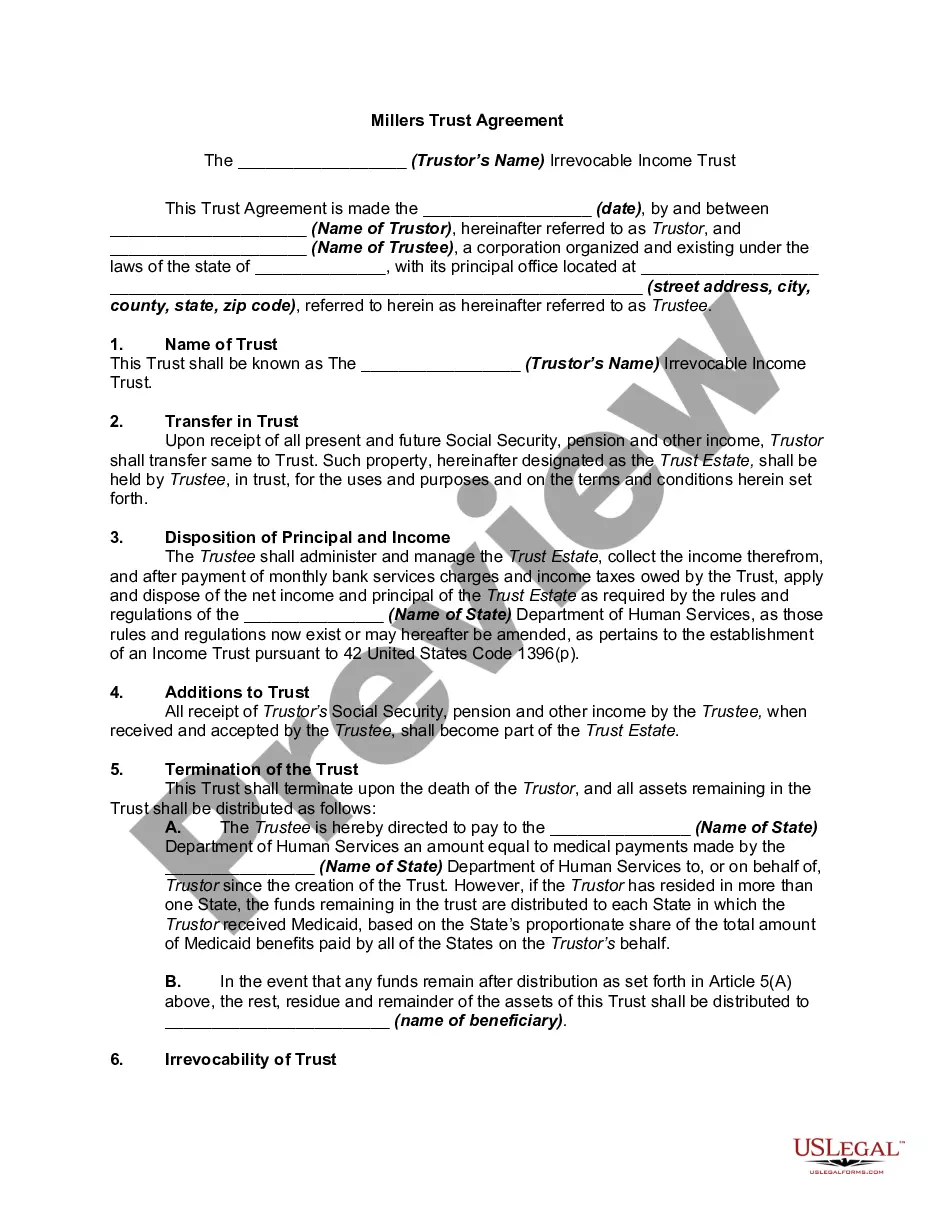
Qualified Trust Form Caps Contract For Deed
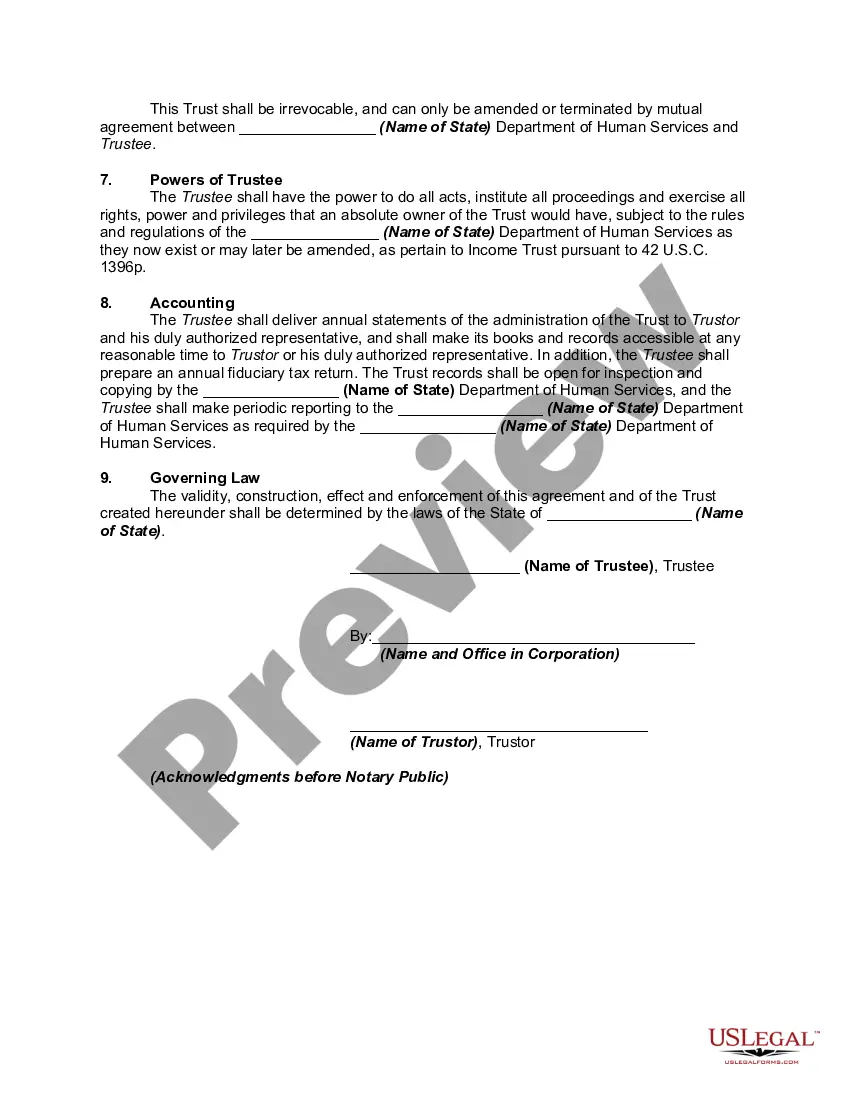
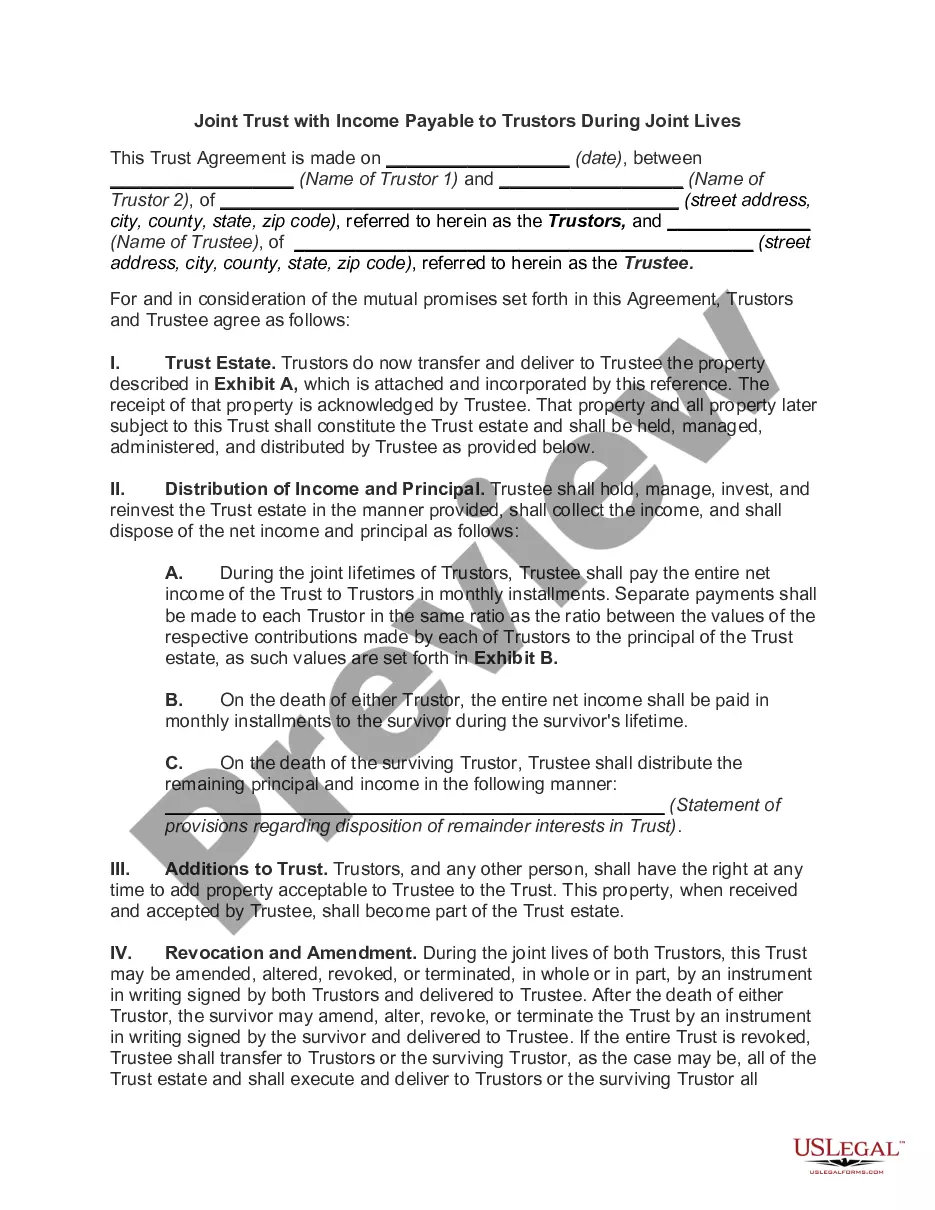
Description

Get your form ready online
Our built-in tools help you complete, sign, share, and store your documents in one place.
Make edits, fill in missing information, and update formatting in US Legal Forms—just like you would in MS Word.
Download a copy, print it, send it by email, or mail it via USPS—whatever works best for your next step.
Sign and collect signatures with our SignNow integration. Send to multiple recipients, set reminders, and more. Go Premium to unlock E-Sign.
If this form requires notarization, complete it online through a secure video call—no need to meet a notary in person or wait for an appointment.
We protect your documents and personal data by following strict security and privacy standards.

Make edits, fill in missing information, and update formatting in US Legal Forms—just like you would in MS Word.

Download a copy, print it, send it by email, or mail it via USPS—whatever works best for your next step.

Sign and collect signatures with our SignNow integration. Send to multiple recipients, set reminders, and more. Go Premium to unlock E-Sign.

If this form requires notarization, complete it online through a secure video call—no need to meet a notary in person or wait for an appointment.

We protect your documents and personal data by following strict security and privacy standards.
Looking for another form?








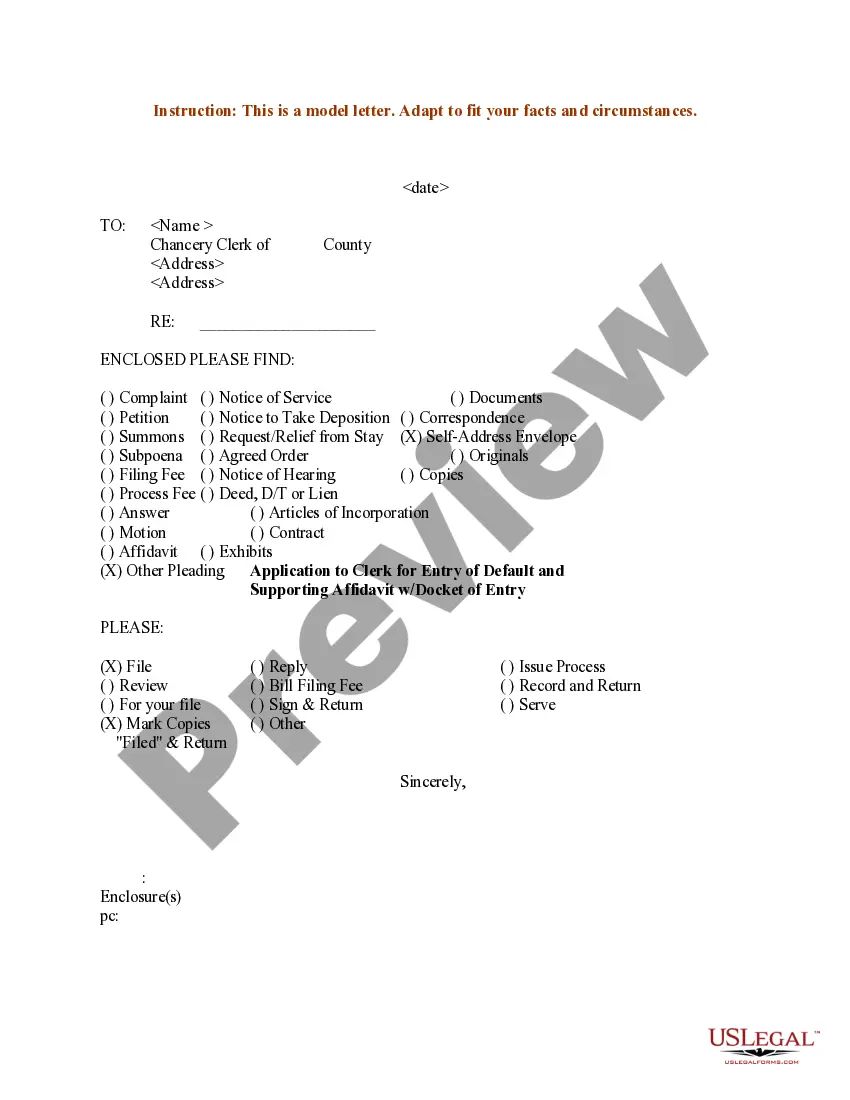
How to fill out Qualified Income Miller Trust?
- If you are an existing user, simply log in to your account and locate your desired form template. Ensure your subscription is active or renew it if necessary.
- For first-time users, begin by exploring the Preview mode and descriptions of the forms to find one that meets your needs and complies with local jurisdiction.
- If you don’t find the right template, utilize the Search tab to search for the appropriate form.
- Once you have found the suitable document, click on the Buy Now button and select your preferred subscription plan. You will need to create an account to access all resources.
- Complete your purchase by entering your credit card details or using PayPal to pay for the selected subscription.
- Finally, download the form to your device. You can access it later from the My Forms section of your profile.
In conclusion, US Legal Forms streamlines the acquisition of legal documents, making it easy for users to find and complete their forms. With a broad and diverse selection available, you are well-equipped to navigate through your legal documentation needs.
Don't wait – visit US Legal Forms today and get started on your qualified trust form caps contract for deed!
Form popularity
FAQ
To establish a Qualified Income Trust, start by gathering necessary financial information and determining the funds to be added. Next, complete the trust document, clearly outlining how the funds will be used and who will manage them. With services from USLegalForms, you can create a tailored solution for your Qualified trust form caps contract for deed, making the setup efficient and straightforward. It's essential to ensure that the trust adheres to relevant regulations to maintain Medicaid eligibility.
Setting up a Qualified Income Trust involves drafting the document and designating a trustee to manage the funds. You need to ensure it meets state-specific requirements, which can vary, so consulting legal assistance is often helpful. You can simplify the process by using platforms like USLegalForms, which offer templates for Qualified trust form caps contract for deed. This ensures that your QIT is compliant and properly established for your needs.
A Qualified Income Trust (QIT) document is a legal instrument used to manage funds for individuals requiring government assistance. It ensures that your income does not exceed the limits set by Medicaid, preserving your eligibility for benefits. By utilizing a QIT, you can safeguard your assets while allowing you to access necessary care. Understanding the QIT can be vital when dealing with a Qualified trust form caps contract for deed.
To set up a Qualified Income Trust (QIT) account, begin by selecting a reliable financial institution that offers trust services. Work with a legal expert to ensure all documentation is correctly prepared, including the Qualified trust form caps contract for deed. After establishing the trust, consistently deposit your excess income into the account to maintain Medicaid eligibility. This proactive approach will help safeguard your financial future.
The grantor of a Qualified Income Trust (QIT) is the individual who creates the trust and deposits their surplus income into it. This person retains control over how the income is used for their benefit while still meeting Medicaid eligibility requirements. The Qualified trust form caps contract for deed clearly defines the terms and conditions, ensuring that the grantor's intentions are honored. It's essential to understand your role as grantor to comprehensively navigate the benefits of the trust.
Form 1041 can seem complex at first glance, as it requires detailed information about the trust's income, deductions, and beneficiaries. However, understanding the form's sections and requirements can simplify the process. By utilizing the Qualified trust form caps contract for deed, you can streamline record-keeping and make filling out Form 1041 much easier. Assistance from a tax advisor can further clarify any uncertainties.
Yes, you can write off certain expenses within a trust, which can serve to reduce the overall taxable income. Specifically, expenses related to the trust's administration or management may qualify for deductions. The Qualified trust form caps contract for deed ensures that your financial obligations are clearly outlined, supporting your ability to manage expenses efficiently. It is vital to consult a tax professional to maximize these benefits.
In New Jersey, a Qualified Income Trust (QIT) serves as a valuable tool for individuals seeking Medicaid assistance. By funneling excess income into the QIT, you can ensure eligibility for Medicaid benefits. Importantly, the Qualified trust form caps contract for deed helps manage these funds effectively. This trust allows certain income to be exempt, thereby facilitating access to necessary long-term care.
A QIT form, or Qualified Income Trust form, is a legal document used to establish a trust that allows individuals to qualify for Medicaid while managing their income. This form helps individuals meet the income limits set by Medicaid, ensuring they can receive necessary medical benefits without losing their assets. By properly completing a QIT form, you can safeguard your financial future. Using resources like USLegalForms can simplify the process of creating or managing a QIT, including integrating aspects of qualified trust forms and contracts for deed.
The grantor of a trust is the individual who creates and funds the trust with their assets. They have the authority to determine how the trust is managed and who benefits from it. This role is crucial in estate planning, as the grantor's decisions impact the distribution of assets to beneficiaries. Knowing who the grantor is helps you understand the implications of qualified trust forms and contracts for deed in estate management.