Qualified Trust Caps Fill For The
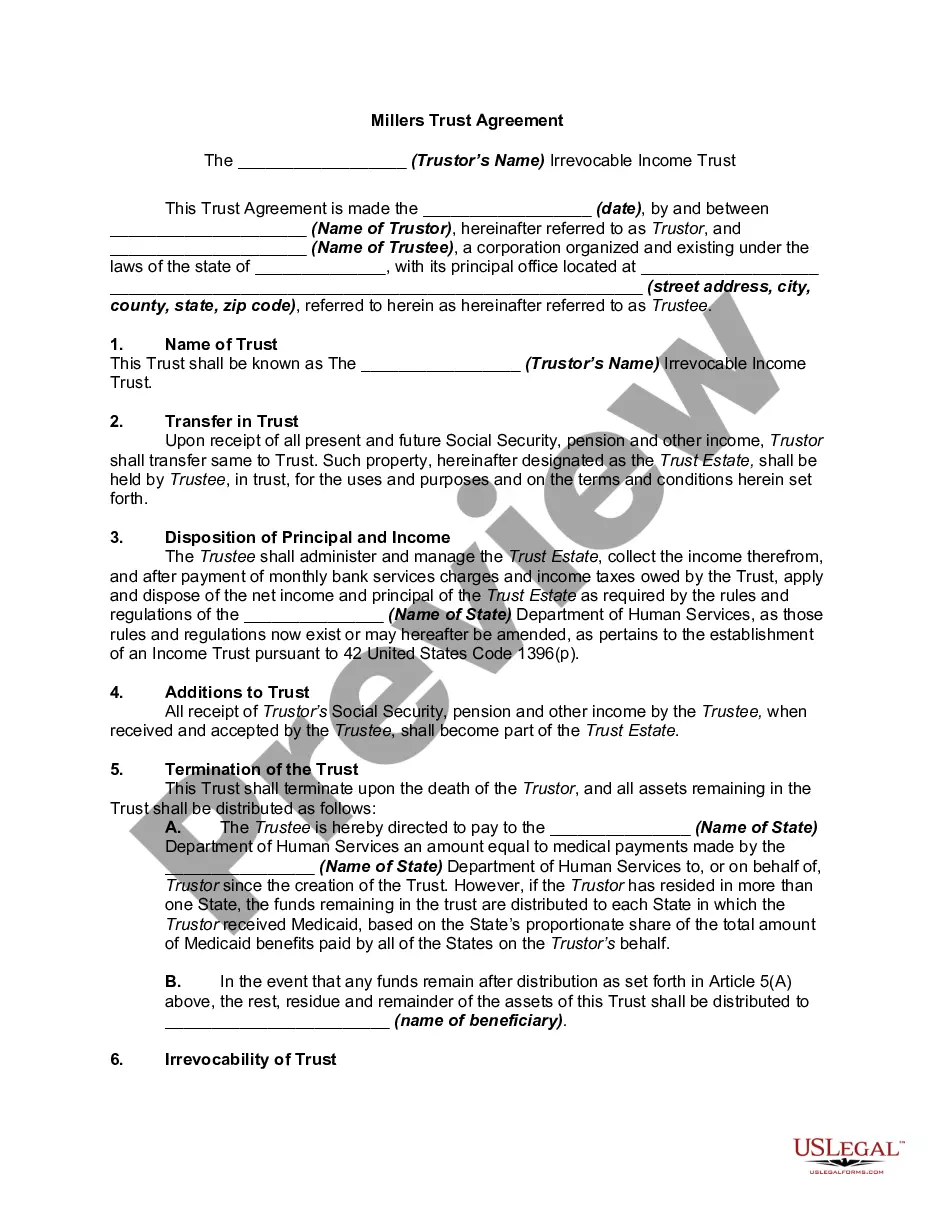
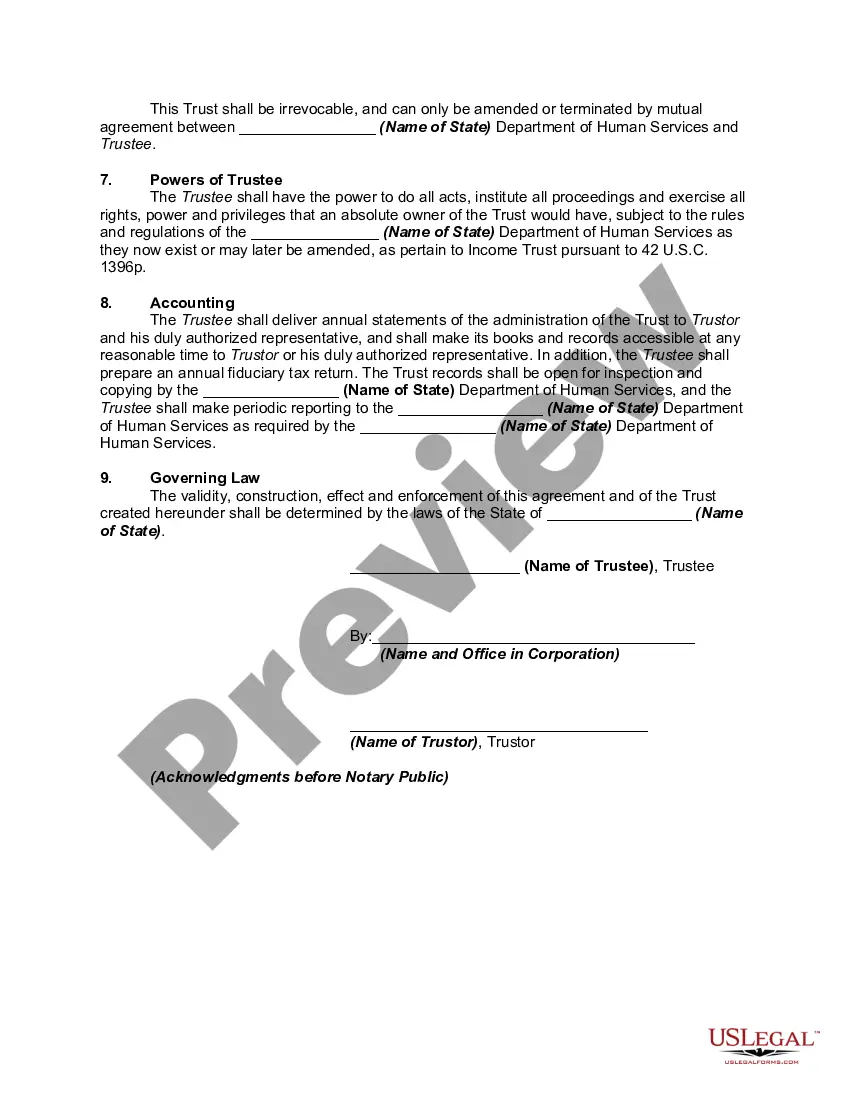
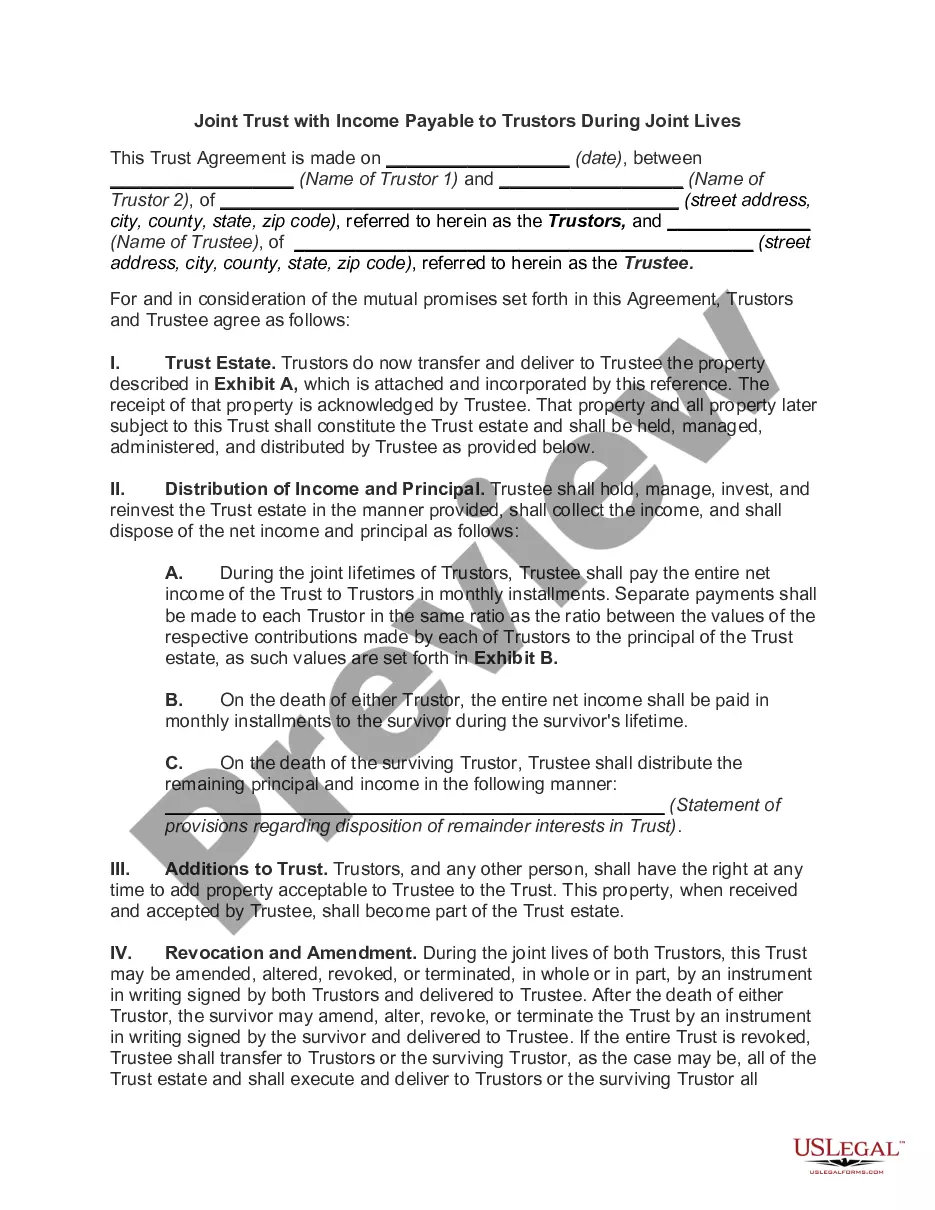
Description

Get your form ready online
Our built-in tools help you complete, sign, share, and store your documents in one place.
Make edits, fill in missing information, and update formatting in US Legal Forms—just like you would in MS Word.
Download a copy, print it, send it by email, or mail it via USPS—whatever works best for your next step.
Sign and collect signatures with our SignNow integration. Send to multiple recipients, set reminders, and more. Go Premium to unlock E-Sign.
If this form requires notarization, complete it online through a secure video call—no need to meet a notary in person or wait for an appointment.
We protect your documents and personal data by following strict security and privacy standards.

Make edits, fill in missing information, and update formatting in US Legal Forms—just like you would in MS Word.

Download a copy, print it, send it by email, or mail it via USPS—whatever works best for your next step.

Sign and collect signatures with our SignNow integration. Send to multiple recipients, set reminders, and more. Go Premium to unlock E-Sign.

If this form requires notarization, complete it online through a secure video call—no need to meet a notary in person or wait for an appointment.

We protect your documents and personal data by following strict security and privacy standards.
Looking for another form?



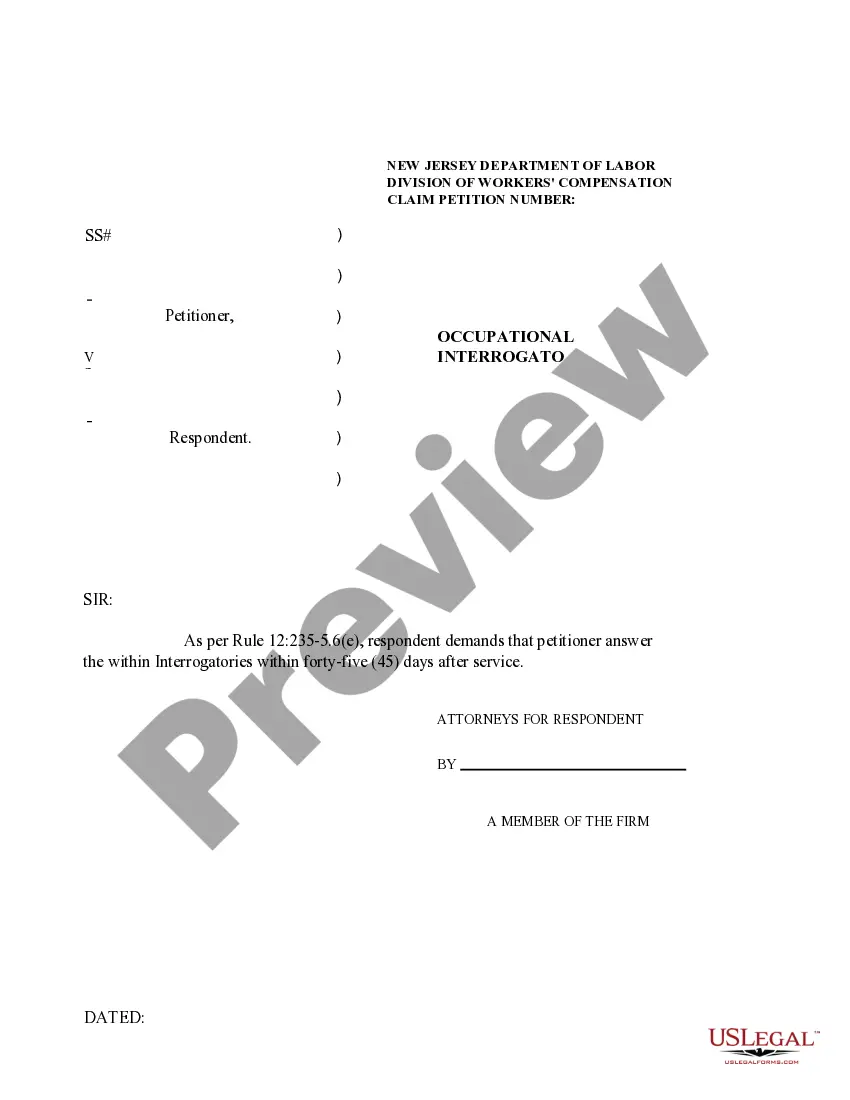




How to fill out Qualified Income Miller Trust?
- If you're a returning user, log in to your account. Check your subscription status to ensure it's active before downloading your desired form.
- For first-time users, start by browsing the legal forms available. Preview your choices and read their descriptions to guarantee they meet your specific needs and legal standards.
- Need a different form? Use the Search feature to find a suitable template that aligns with your requirements.
- Once you've identified your preferred form, click on the Buy Now button, select an appropriate subscription plan, and create an account for full access to the extensive library.
- Complete your purchase by entering your payment details via credit card or PayPal. This activates your subscription.
- Finally, download the form directly to your device. You can revisit it anytime through the My Forms section of your profile.
In conclusion, US Legal Forms provides a robust and user-friendly platform to help individuals and attorneys create legal documents quickly. With thousands of customizable forms at your fingertips, you can efficiently manage your legal needs.
Don't hesitate—start your journey to hassle-free legal documentation today!
Form popularity
FAQ
Filling out a trust fund typically requires specific information about the grantor, trustees, and beneficiaries. To simplify the qualified trust caps fill for the process, use detailed templates that guide you through each section. USLegalForms offers user-friendly forms that help ensure you provide all necessary information accurately. Correctly filling out your trust fund documentation is crucial for avoiding future legal issues.
Setting up an income cap trust involves several key steps. First, you need to determine the purpose of your trust and how it fits into your financial plan. To facilitate qualified trust caps fill for the, consider using resources offered by platforms like USLegalForms, which provide templates and instructions tailored for your needs. Following the steps diligently can help establish a trust that serves your intended beneficiaries effectively.
You can certainly set up a trust fund by yourself. However, to ensure that you meet all legal requirements and correctly implement qualified trust caps fill for the, it's wise to consult legal resources or professionals. Platforms like USLegalForms provide guidance and templates that can simplify the formation of your trust. This way, you can feel confident that your trust fund is set up in accordance with the law.
In Texas, QIT funds can be utilized for a variety of essential expenses such as medical costs, housing, and other basic needs. While maintaining Medicaid eligibility, these funds help cover living expenses that are vital for a person's well-being. It is essential to ensure that all expenditures align with the state guidelines to avoid any compliance issues. Discovering how qualified trust caps fill for the expense management can help ease your financial planning journey.
A qualified trust must meet specific legal requirements to ensure it functions as intended. These rules often include guidelines on beneficiary eligibility, income limits, and how funds can be accessed. Maintaining these standards not only supports compliance with Medicaid but also protects the interests of the beneficiaries. Using qualified trust caps fill for the application process can simplify maintaining these complex rules.
Generally, a trust fund offers flexible options for managing and distributing assets. However, the specific uses depend on the terms set forth in the trust document. While many people use trust funds for education, healthcare, or basic living expenses, certain restrictions may apply. Therefore, it's crucial to understand how qualified trust caps fill for the correct management of these funds.
A Qualified Income Trust (QIT) account is primarily used to manage income for individuals seeking Medicaid benefits. By depositing income into a QIT, individuals can maintain eligibility for these benefits while still covering certain necessary expenses. This financial tool allows for proper planning and management, ensuring compliance with Medicaid regulations. Understanding how qualified trust caps fill for the planning process can provide essential support.
The 5-year rule for trusts refers to the period during which income and assets transferred into a Qualified Trust Caps Fill for the must be held before they are exempt from certain evaluations, especially when applying for Medicaid. This rule is particularly important as it affects eligibility for benefits and can influence financial planning strategies. Essentially, any transfers made within five years of applying for assistance may impact eligibility, necessitating careful estate planning and consultation with qualified professionals.
Setting up a Qualified Income Trust (QIT), often referred to as a Qualified Trust Caps Fill for the, involves several straightforward steps. First, you'll need to draft the trust document, specifying the terms and the income beneficiaries. Next, you must fund the trust with the required income, ensuring that it meets the state-specific needs. Finally, consider consulting with an expert or using resources like US Legal Forms to ensure compliance with legal regulations and proper setup.
Setting up a Qualified Income Trust involves several steps to ensure compliance with Medicaid regulations. First, you need to draft a trust document that clearly outlines the purpose and management of funds, ensuring it meets the qualified trust caps fill for the requirements. Afterward, you can deposit your income into the trust and maintain accurate records of all transactions. With assistance from UsLegalForms, you can navigate the nuances of this process smoothly and effectively.