Qualified Trust Caps Complete For 202
Description
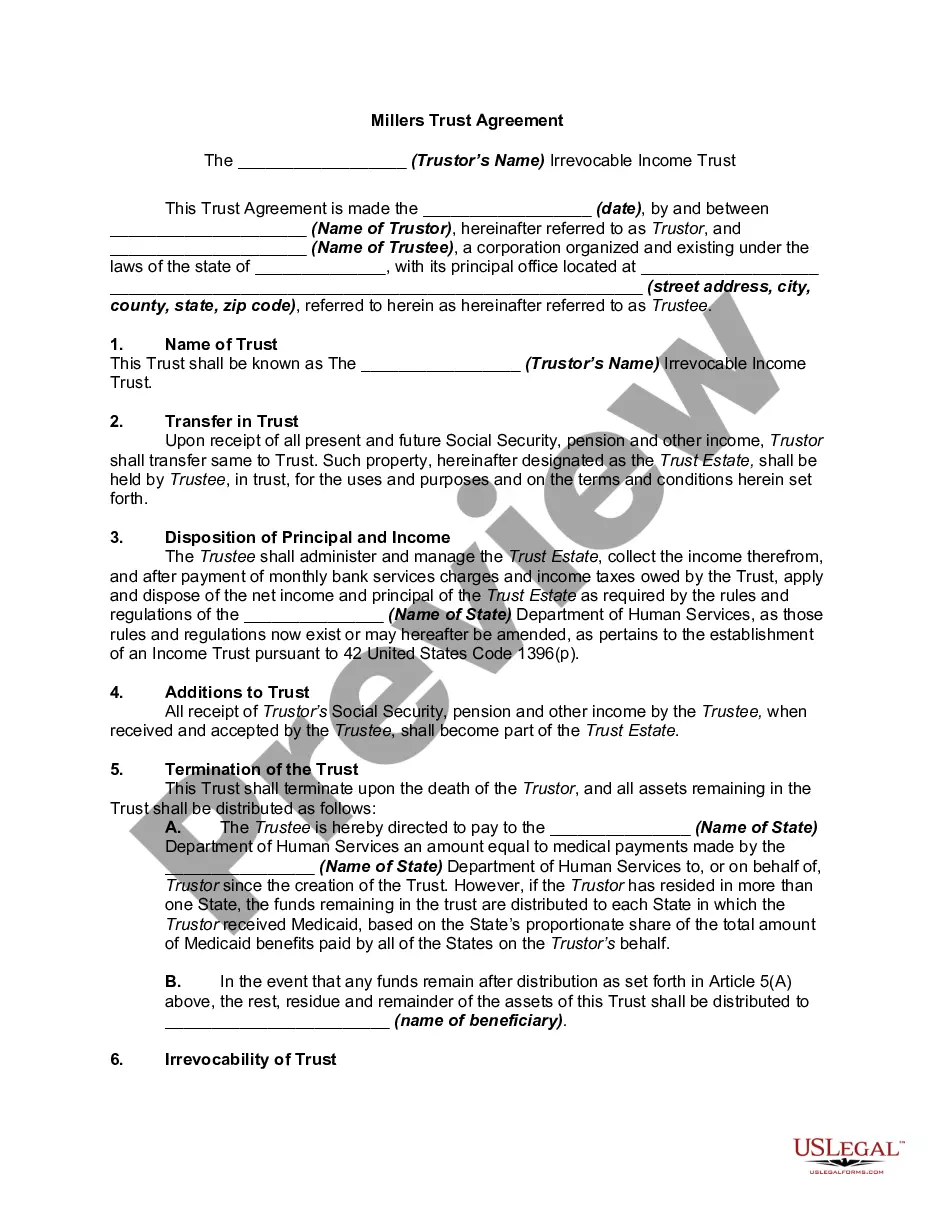
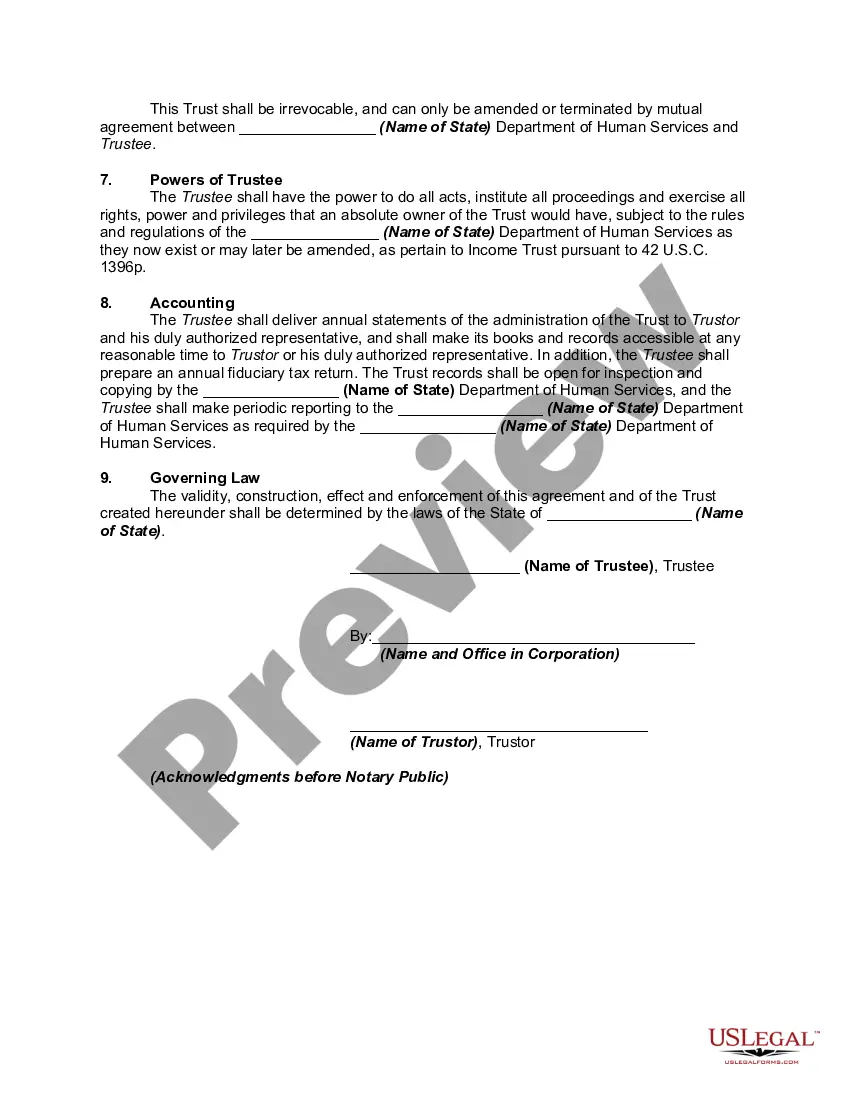
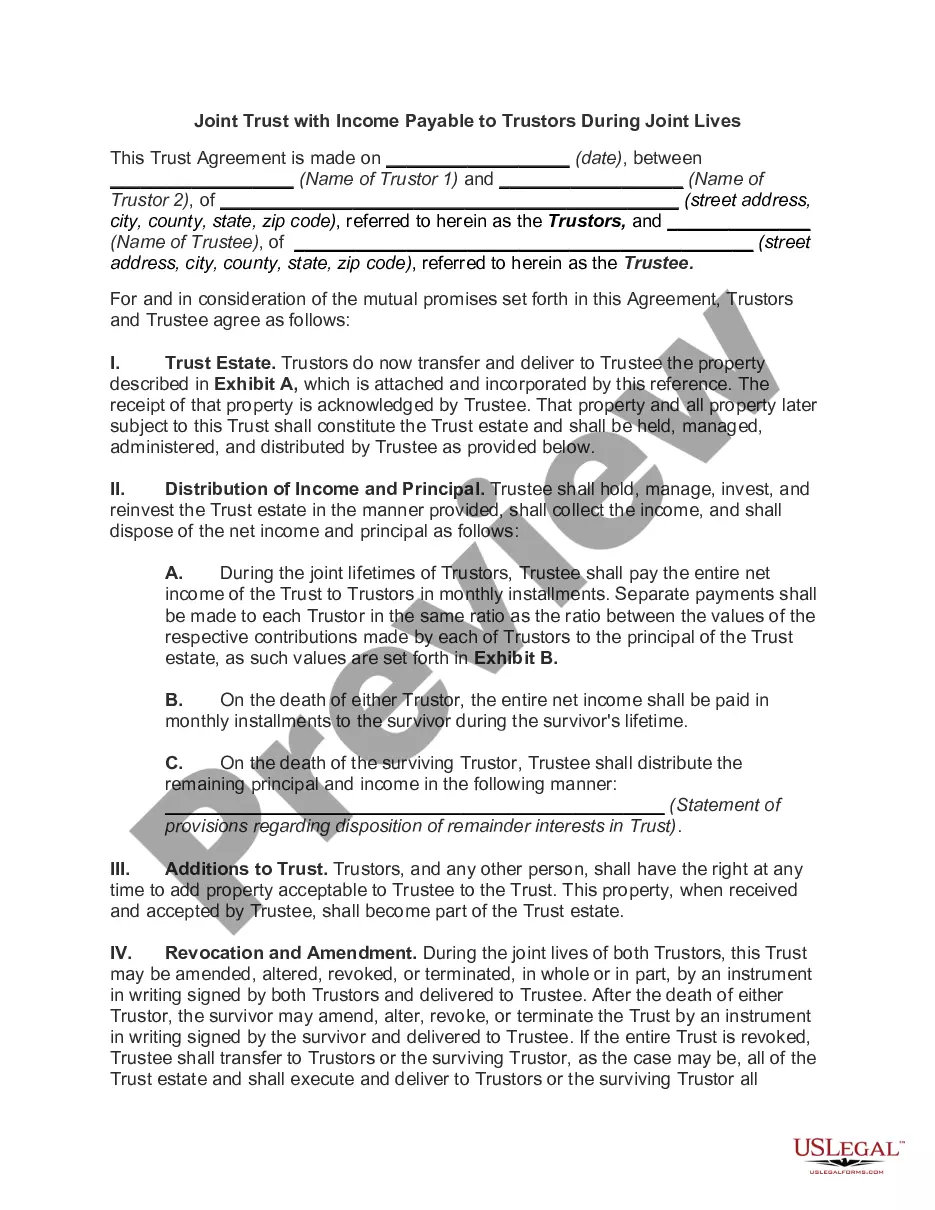

Get your form ready online
Our built-in tools help you complete, sign, share, and store your documents in one place.
Make edits, fill in missing information, and update formatting in US Legal Forms—just like you would in MS Word.
Download a copy, print it, send it by email, or mail it via USPS—whatever works best for your next step.
Sign and collect signatures with our SignNow integration. Send to multiple recipients, set reminders, and more. Go Premium to unlock E-Sign.
If this form requires notarization, complete it online through a secure video call—no need to meet a notary in person or wait for an appointment.
We protect your documents and personal data by following strict security and privacy standards.

Make edits, fill in missing information, and update formatting in US Legal Forms—just like you would in MS Word.

Download a copy, print it, send it by email, or mail it via USPS—whatever works best for your next step.

Sign and collect signatures with our SignNow integration. Send to multiple recipients, set reminders, and more. Go Premium to unlock E-Sign.

If this form requires notarization, complete it online through a secure video call—no need to meet a notary in person or wait for an appointment.

We protect your documents and personal data by following strict security and privacy standards.
Looking for another form?




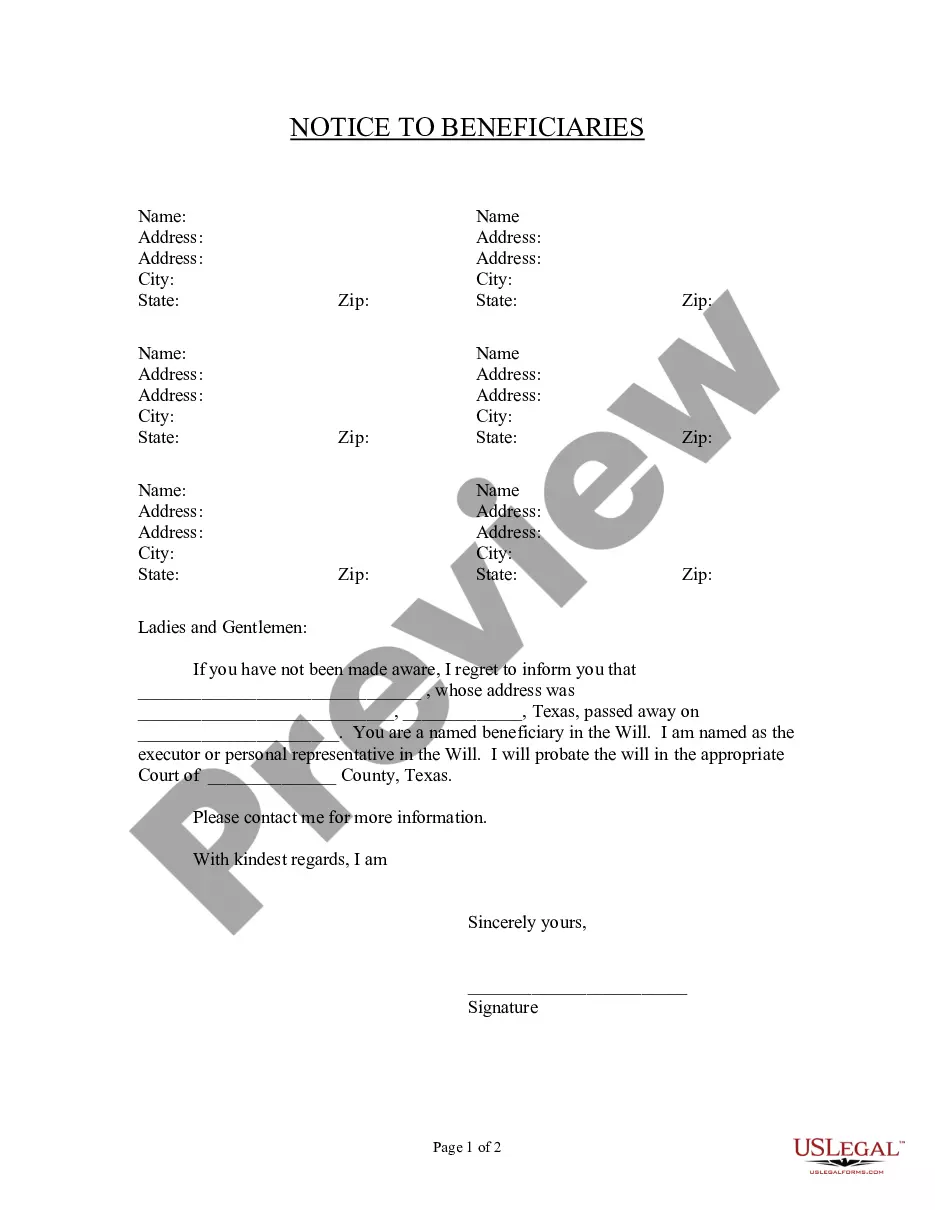




How to fill out Qualified Income Miller Trust?
- Log into your US Legal Forms account if you’re a returning user. Verify that your subscription is active and click 'Download' to save the desired form to your device.
- For new users, begin by reviewing the Preview mode and description of the desired document, ensuring it aligns with your requirements and local laws.
- If the template doesn’t fit your needs, utilize the Search bar to find an alternative form that matches your specifications.
- Once you locate the correct document, click on the 'Buy Now' button and select your preferred subscription plan, creating an account for access.
- Next, finalize your purchase by entering your payment details using a credit card or PayPal.
- After payment, download your completed form and access it anytime via the 'My Forms' section in your profile.
In conclusion, US Legal Forms streamlines the process of acquiring legal documents, ensuring users have the right forms at their fingertips. Take advantage of their robust library and expert assistance to ensure your paperwork is done effectively.
Start your journey with US Legal Forms today and enjoy seamless access to all the legal resources you need!
Form popularity
FAQ
Setting up a QIT involves a series of straightforward steps. Begin by drafting a trust document that specifies the terms of the trust and how income will be handled. Next, ensure that you open a dedicated bank account for the QIT to ensure proper management of funds. For further assistance and to confirm compliance, consider using the services of uslegalforms, as they provide valuable resources related to qualified trust caps complete for 202.
Setting up a Qualified Terminable Interest Property (QTIP) trust requires careful planning and documentation. Start by creating a trust agreement that outlines how income will be distributed to the surviving spouse, while also dictating the eventual distribution to other beneficiaries. Engage a legal professional to ensure compliance with tax laws and to maximize benefits. Qualified trust caps complete for 202 can be beneficial in understanding the nuances of this type of trust.
In New Jersey, establishing a QIT account involves creating a specialized trust that complies with state guidelines. Begin by drafting the trust document, which should clearly define how income is distributed and managed. After that, visit a bank or financial institution to open a trust account under the name of the QIT. Qualified trust caps complete for 202 can guide you in ensuring that your trust remains compliant with New Jersey laws.
One disadvantage of a family trust is the potential for disputes among family members regarding asset distribution. Such disagreements can lead to tension and legal challenges that undermine the trust's intent. Furthermore, family trusts require careful planning and management to avoid complications in tax handling. Using a platform like uslegalforms can streamline the process and help clarify intentions.
A qualified trust generally refers to a trust that meets IRS requirements for tax treatment. This includes certain conditions regarding beneficiaries, distributions, and permissible investments. Knowing the specific criteria can help in planning your estate effectively. Utilizing resources like uslegalforms can ensure your trust meets all the necessary legal guidelines.
While trusts provide many benefits, there can be downsides, such as the potential loss of control over assets. Once assets are placed in a trust, the creator may have limited access to them, depending on the trust's terms. Qualified trust caps complete for 202 highlight that there could be tax implications as well. It's essential to weigh these factors before making a decision.
A qualified trust typically meets specific IRS requirements, which may include restrictions on distributions and qualifications for tax benefits. You can determine the classification by reviewing the trust document and its compliance with tax laws. Working with a financial advisor can provide clarity here, especially when considering qualified trust caps complete for 202. This distinction is crucial for planning and management.
One major mistake parents often make is not funding the trust properly. A trust is only as effective as the assets it holds; neglecting to transfer assets can lead to complications. Additionally, failing to communicate the trust's details with beneficiaries can cause confusion down the line. Ensuring that everything is clear is key to a well-functioning trust.
Creating a trust can be a smart move for your parents to manage their assets. It allows for smoother transfer of wealth and can potentially reduce tax implications. Qualified trust caps complete for 202 suggest that trusts also safeguard assets from probate, which streamlines the process for heirs. Overall, a trust offers control and security over how and when assets are distributed.
To file a return for a trust, you should use TurboTax Premier or TurboTax Self-Employed, as both options provide the necessary features for trust income reporting. These tools simplify the tax filing process for trusts, helping you stay aligned with qualified trust caps complete for 202. Consider utilizing USLegalForms for additional resources and guidance in trust management.