Qualified Income Trust Caps Complete Withholding
Description
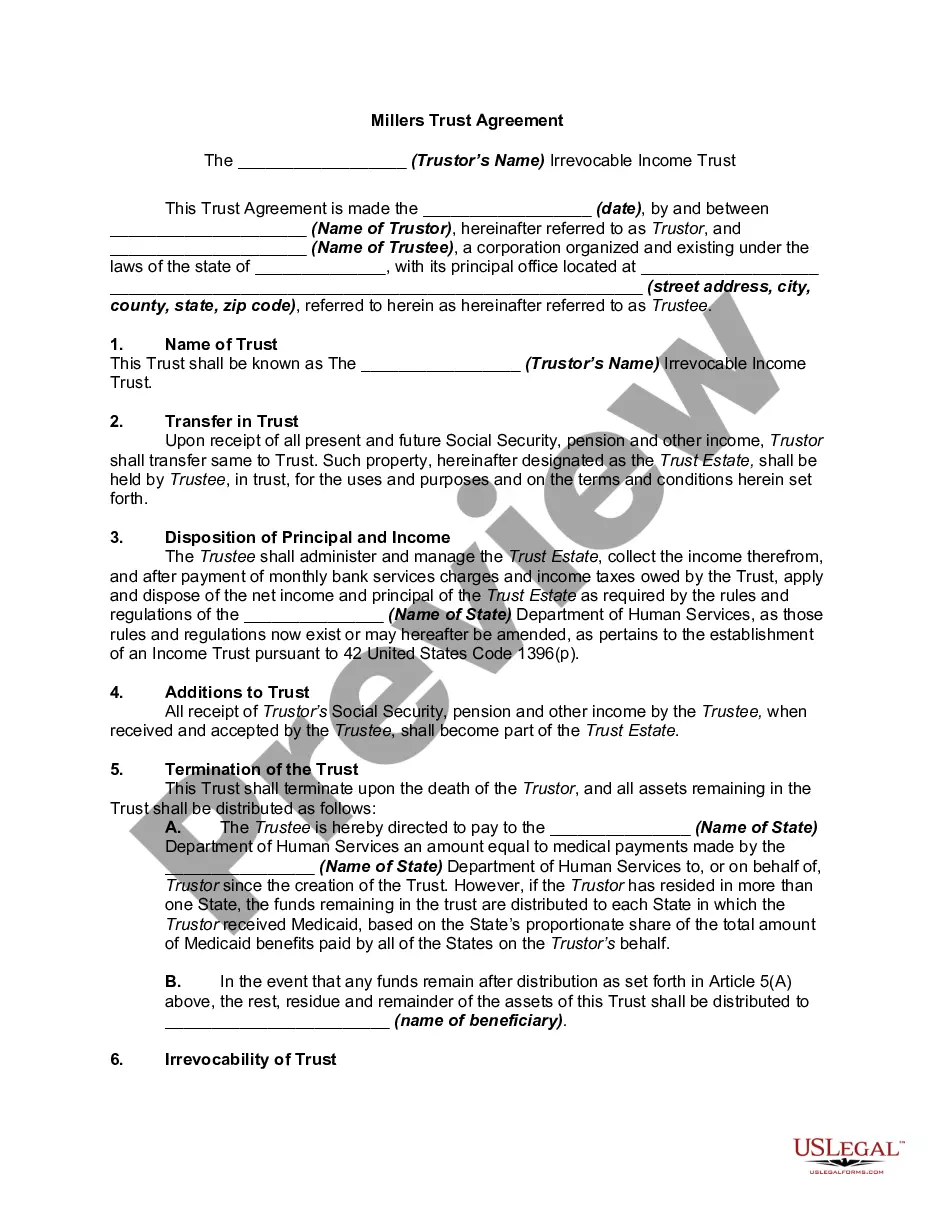
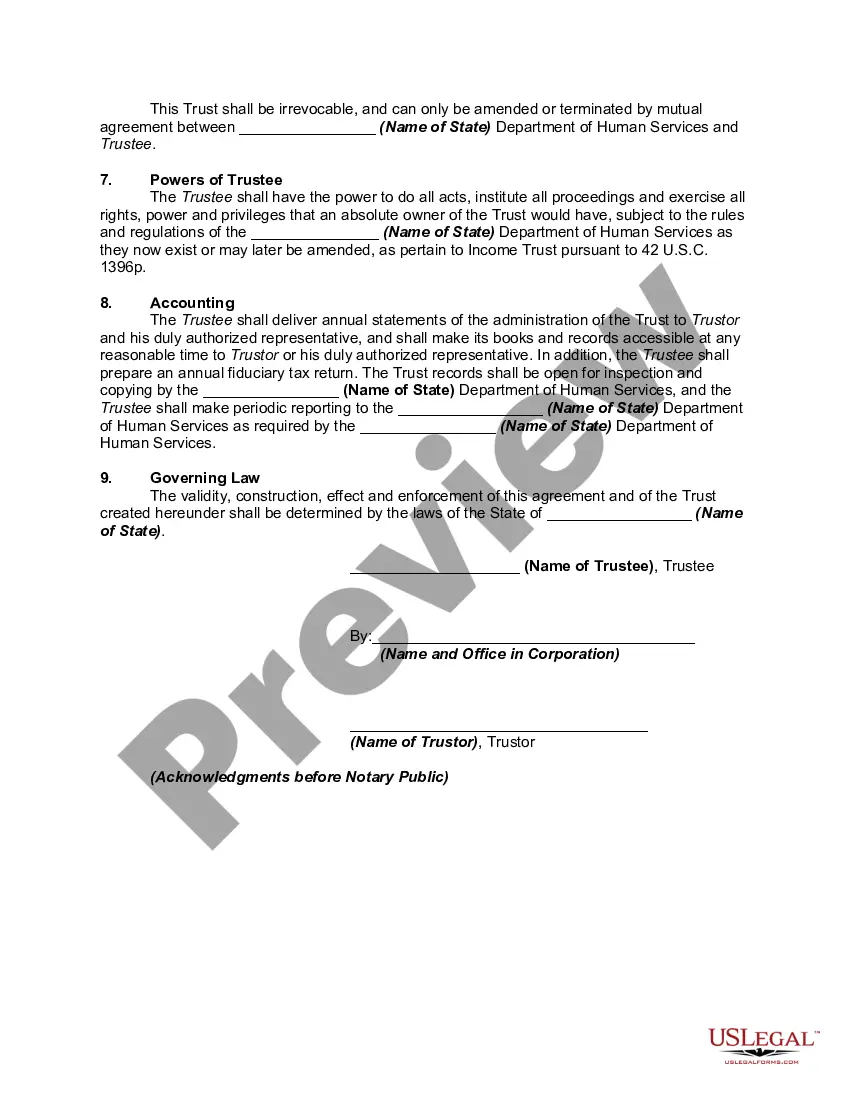
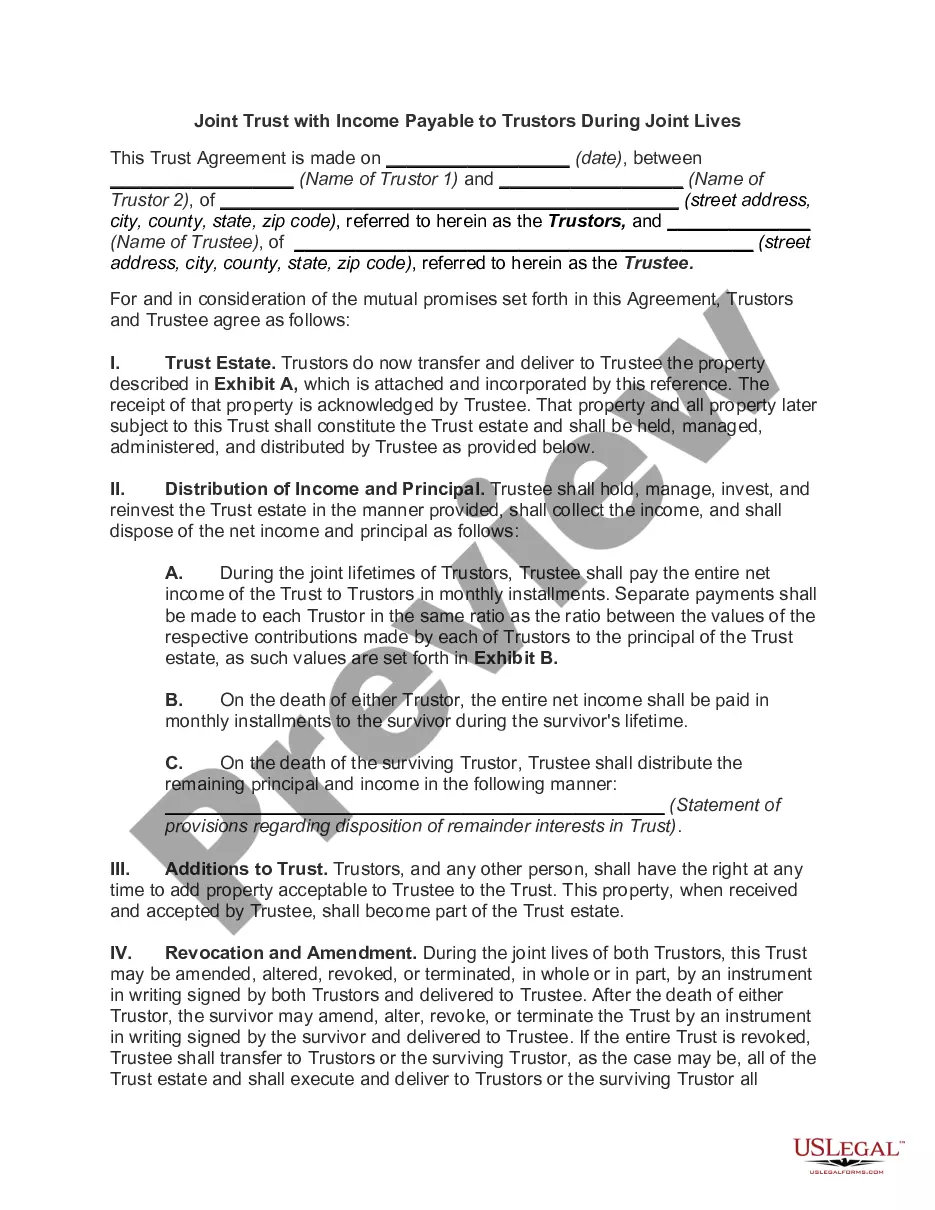

Get your form ready online
Our built-in tools help you complete, sign, share, and store your documents in one place.
Make edits, fill in missing information, and update formatting in US Legal Forms—just like you would in MS Word.
Download a copy, print it, send it by email, or mail it via USPS—whatever works best for your next step.
Sign and collect signatures with our SignNow integration. Send to multiple recipients, set reminders, and more. Go Premium to unlock E-Sign.
If this form requires notarization, complete it online through a secure video call—no need to meet a notary in person or wait for an appointment.
We protect your documents and personal data by following strict security and privacy standards.

Make edits, fill in missing information, and update formatting in US Legal Forms—just like you would in MS Word.

Download a copy, print it, send it by email, or mail it via USPS—whatever works best for your next step.

Sign and collect signatures with our SignNow integration. Send to multiple recipients, set reminders, and more. Go Premium to unlock E-Sign.

If this form requires notarization, complete it online through a secure video call—no need to meet a notary in person or wait for an appointment.

We protect your documents and personal data by following strict security and privacy standards.
Looking for another form?







How to fill out Qualified Income Miller Trust?
- Login to your US Legal Forms account if you have previously registered. Ensure your subscription remains active; renew if necessary.
- Preview your chosen form by checking its description to confirm it addresses your requirements effectively.
- Utilize the search feature to explore additional templates if you need to adjust your selections.
- Select the form you wish to purchase by clicking 'Buy Now' and choose your preferred subscription plan.
- Complete your payment via credit card or PayPal to finalize your subscription.
- Download the document to your device and access it anytime through the 'My Forms' section of your profile.
By following these straightforward steps, you can ensure that your legal documentation is handled efficiently and correctly. US Legal Forms' library and expert assistance make the task simpler than ever, empowering you with reliable resources.
Get started with US Legal Forms today to streamline your legal document needs effortlessly!
Form popularity
FAQ
The rules for a qualified income trust are designed to ensure compliance with Medicaid requirements. The trust must be irrevocable, and income placed in the trust can only be used for specific expenses, such as medical care and housing. Additionally, the trust must be established according to state regulations, and it must properly document its use to ensure that qualified income trust caps complete withholding are adhered to.
While a Medicaid trust provides several advantages, it is essential to be aware of some disadvantages. For instance, funds in a Medicaid trust are irrevocable, meaning you cannot easily access or change the terms once established. Furthermore, transferring assets to a trust may impact your eligibility for Medicaid during the look-back period, so understanding these nuances is crucial.
A Medicaid qualified income trust is a special type of trust designed specifically to support individuals seeking Medicaid assistance. This trust allows individuals to deposit income that exceeds the Medicaid income limit, thus ensuring that essential medical care remains accessible. By utilizing a qualified income trust, you effectively manage your income while staying within the guidelines set forth by Medicaid.
A qualified income trust for Medicaid is a legal tool that helps individuals qualify for Medicaid benefits despite having income that exceeds the program limits. This trust allows you to shelter excess income, thereby ensuring that you still meet the financial requirements for Medicaid eligibility. By using a qualified income trust, you can avoid losing important healthcare benefits while managing your finances effectively.
To obtain a qualified income trust, you typically need to contact a qualified attorney or financial advisor who understands Medicaid planning. They can help you draft the trust document that complies with state requirements, ensuring it meets qualified income trust caps complete withholding regulations. Alternatively, platforms like USLegalForms offer user-friendly tools and documentation to facilitate this process, making it easier for you to create your trust effectively.
In Florida, a qualified income trust functions as a financial tool that allows individuals to qualify for Medicaid while maintaining excess income. The trust receives income, which helps meet the requirement of qualified income trust caps complete withholding. The trustee manages the funds, ensuring they are spent appropriately according to Medicaid guidelines. Understanding these mechanics is crucial, and resources like USLegalForms can provide valuable insights and forms needed.
Setting up a qualified income trust starts with gathering essential documents and determining your eligibility. You need to create the trust in writing, designating a trustee to manage it. This trust must follow specific state regulations to ensure that qualified income trust caps complete withholding. Using the USLegalForms platform can simplify this process, as it provides templates and guidance tailored to your needs.
Funding a Qualified Income Trust involves directing excess income into the trust. Common sources of funding include Social Security benefits, pensions, or other income streams. It's important to transfer the appropriate amount regularly to maintain compliance with Medicaid rules. Using a reliable platform like uslegalforms can simplify the funding process and ensure your trust operates within legal guidelines.
To set up a Qualified Income Trust, you need to draft an agreement that meets Ohio's requirements. You typically require legal assistance to ensure compliance with state regulations. Once established, you'll appoint a trustee who will manage the trust and handle the finances. By doing this correctly, you can ensure that qualified income trust caps complete withholding, aiding in your Medicaid application process.
A QIT fund is the financial resource set up within a Qualified Income Trust. This fund holds income that exceeds Medicaid limits, ensuring that beneficiaries qualify for needed assistance. By using a QIT fund, you can protect your financial resources while still accessing vital healthcare services. Therefore, understanding how a QIT fund operates is crucial for maintaining eligibility and managing expenses.