Medicaid Qualifying Trust Withdrawal
Description
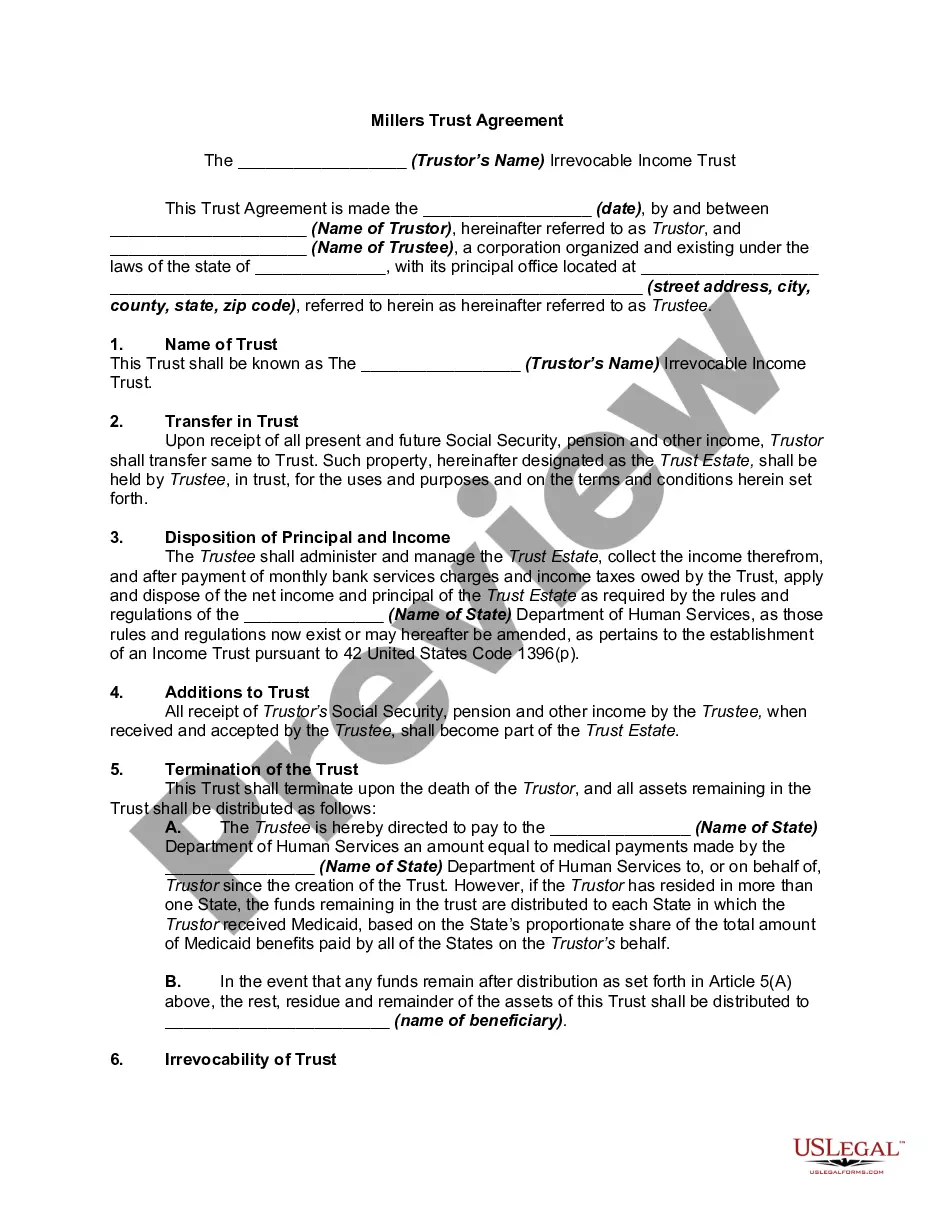
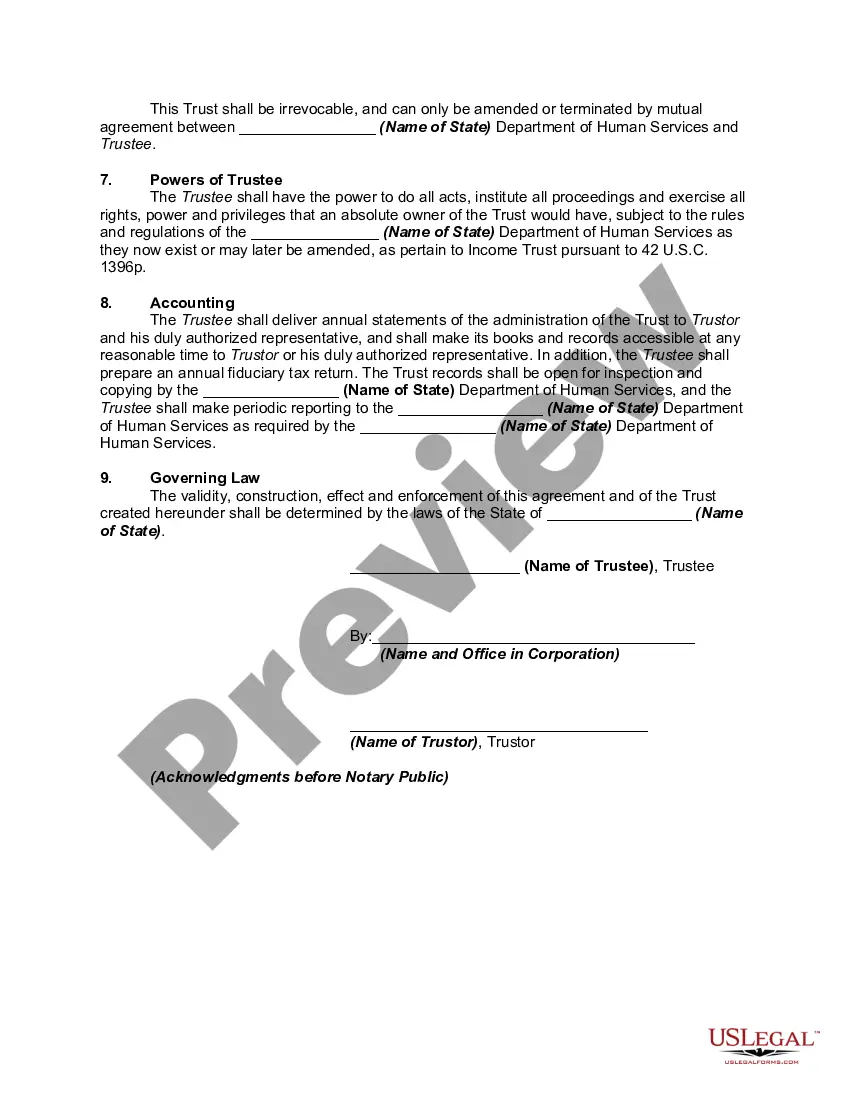
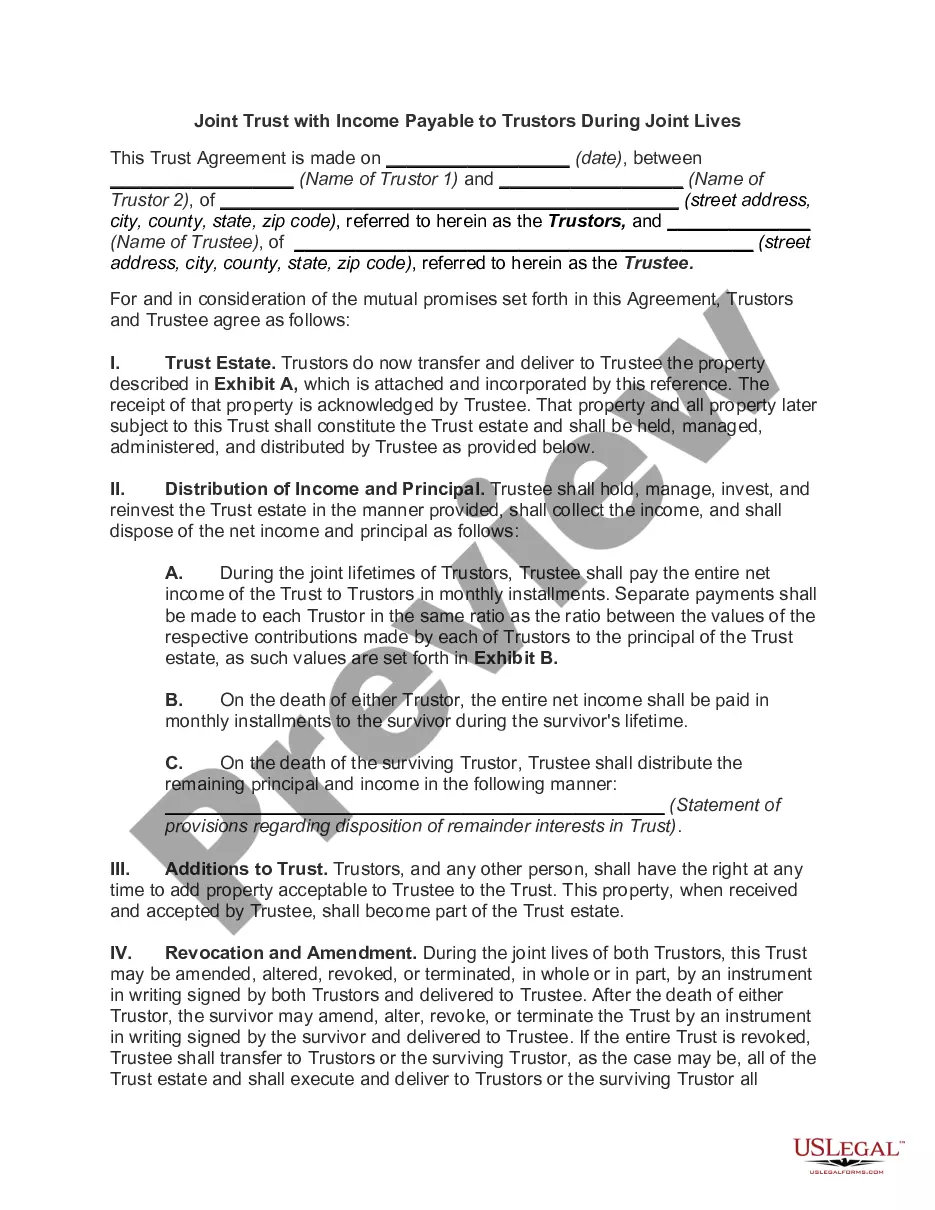

Get your form ready online
Our built-in tools help you complete, sign, share, and store your documents in one place.
Make edits, fill in missing information, and update formatting in US Legal Forms—just like you would in MS Word.
Download a copy, print it, send it by email, or mail it via USPS—whatever works best for your next step.
Sign and collect signatures with our SignNow integration. Send to multiple recipients, set reminders, and more. Go Premium to unlock E-Sign.
If this form requires notarization, complete it online through a secure video call—no need to meet a notary in person or wait for an appointment.
We protect your documents and personal data by following strict security and privacy standards.

Make edits, fill in missing information, and update formatting in US Legal Forms—just like you would in MS Word.

Download a copy, print it, send it by email, or mail it via USPS—whatever works best for your next step.

Sign and collect signatures with our SignNow integration. Send to multiple recipients, set reminders, and more. Go Premium to unlock E-Sign.

If this form requires notarization, complete it online through a secure video call—no need to meet a notary in person or wait for an appointment.

We protect your documents and personal data by following strict security and privacy standards.
Looking for another form?
How to fill out Qualified Income Miller Trust?
Legal administration can be overwhelming, even for the most adept experts.
When seeking a Medicaid Qualifying Trust Withdrawal and lacking the time to locate the correct and up-to-date version, the procedures can be taxing.
Tap into a resource library of articles, guides, and materials highly relevant to your situation and requirements.
Save time and effort searching for the documents you need, and take advantage of US Legal Forms’ advanced search and Preview feature to locate Medicaid Qualifying Trust Withdrawal and download it.
Experience the US Legal Forms web catalog, backed by 25 years of expertise and reliability. Streamline your daily document management with a seamless and user-friendly process today.
- If you have a monthly subscription, Log In to your US Legal Forms account, search for the form, and download it.
- Check your My documents tab to view the documents you have previously saved and manage your folders as desired.
- If this is your first experience with US Legal Forms, create a free account and gain unlimited access to the platform's benefits.
- After downloading the form you need, verify it is the correct one by previewing it and reviewing its details.
- Confirm that the template is sanctioned in your state or county.
- Click Buy Now when you are prepared.
- Select a monthly subscription plan, choose your desired file format, and Download, complete, sign, print, and dispatch your document.
- Access state- or county-specific legal and business documents.
- US Legal Forms addresses any requirements you might have, from personal to corporate paperwork, all in one place.
- Employ sophisticated tools to complete and manage your Medicaid Qualifying Trust Withdrawal.
Form popularity
FAQ
The best way to protect your assets from Medicaid involves careful planning and the creation of a suitable trust. Utilizing a Medicaid qualifying trust withdrawal can effectively safeguard your assets. Engaging with a knowledgeable attorney can help you explore the right options tailored to your needs. Platforms like US Legal Forms offer templates and resources to simplify this process.
The 5-year rule for irrevocable trust specifies that any transfer of assets into the trust may be subject to a lookback period of five years for Medicaid eligibility purposes. This means that if you seek Medicaid benefits after establishing your trust, the state will review transactions back to the date of the trust's establishment. Understanding this rule is vital in planning your Medicaid qualifying trust withdrawal. Consulting with professionals can ensure compliance.
To avoid the Medicaid 5-year lookback, consider proactive asset planning strategies ahead of time. Establishing a Medicaid qualifying trust withdrawal can be part of an effective solution. Engage with a legal expert who specializes in elder law to develop a tailored strategy for your situation. Tools and guidance from US Legal Forms can support you in this planning.
Yes, an irrevocable trust can protect your assets from Medicaid claims. Once you establish this trust, the assets are no longer considered part of your estate. However, it's crucial to understand that the Medicaid qualifying trust withdrawal rules apply and should be carefully observed. Consulting with a legal professional can help you structure your trust appropriately.
To effectively manage the 5-year lookback period for Medicaid qualifying trust withdrawal, consider making strategic property transfers. An experienced attorney can help you navigate the complexities of this process. It's important to document everything meticulously. Resources from US Legal Forms can guide you on the best methods for asset transition.
The 5-year rule for Medicaid determines how far back the state can look at your financial history when evaluating your eligibility. This means any transfers made within five years may affect Medicaid qualifying trust withdrawal and eligibility. If you transferred assets to qualify, these actions could result in penalties or delayed benefits. It's advisable to create a plan early and ensure compliance with these requirements.
To protect your assets from Medicaid lookback, consider establishing a Medicaid qualifying trust well in advance of your application. This allows you to manage your assets effectively while ensuring compliance with Medicaid regulations. Consulting with professionals who specialize in elder law can provide valuable assistance in creating a robust asset protection plan.
Yes, Medicaid typically conducts a 5 year lookback period to assess asset transfers before determining eligibility for benefits. During this time, any significant transfers or withdrawals, including those from a Medicaid qualifying trust, could impact your eligibility. Staying informed about these regulations can help navigate Medicaid's requirements more effectively.
Avoiding the Medicaid 5 year lookback can be challenging but not impossible. One strategy involves effective asset planning and possibly establishing a Medicaid qualifying trust ahead of time. Seeking personalized guidance can help you understand your options and create a plan that aligns with your needs.
A major disadvantage of a trust is that it can limit your access to assets once they are transferred into the trust. This can pose challenges if your financial situation changes and you need to withdraw funds. Therefore, understanding the implications of Medicaid qualifying trust withdrawal is essential before establishing a trust.