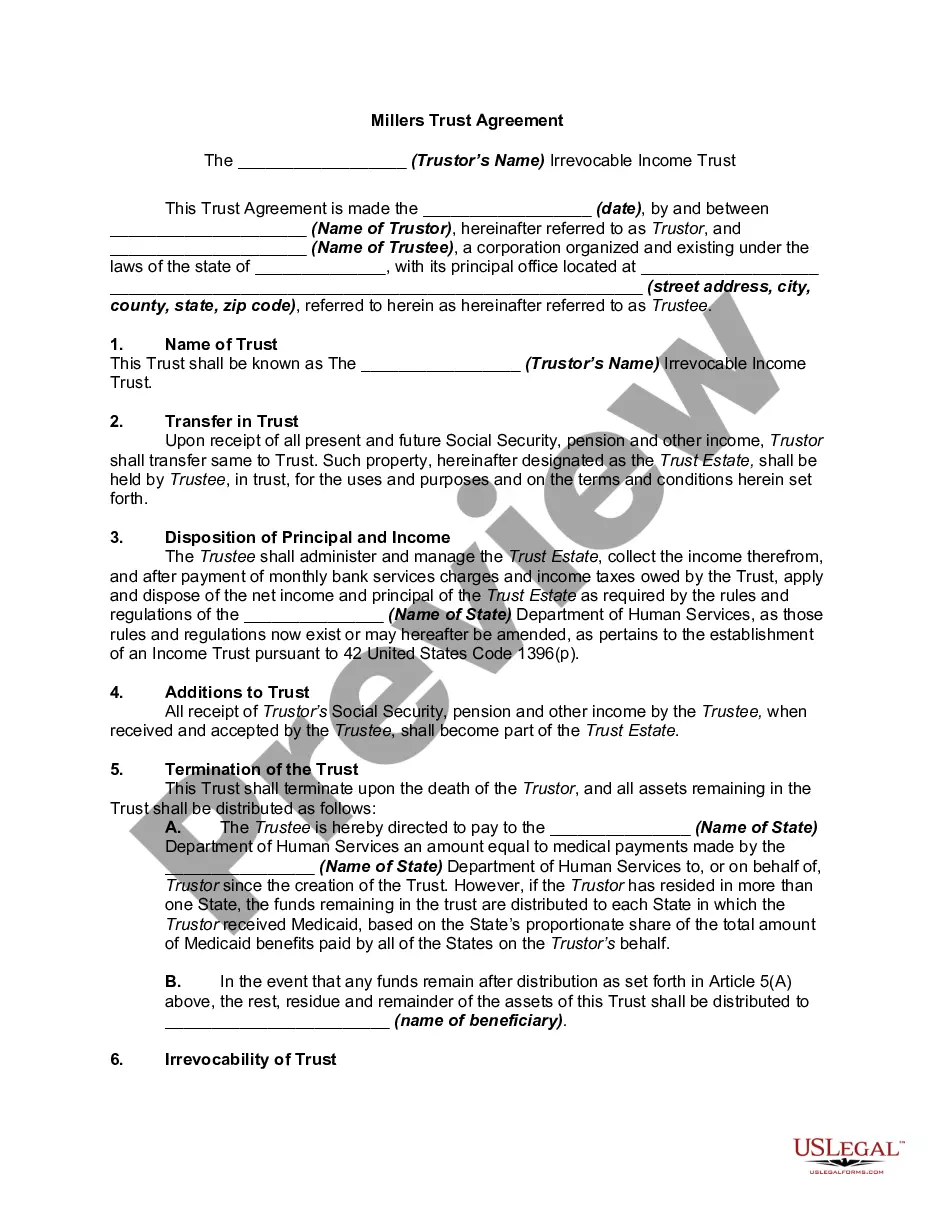
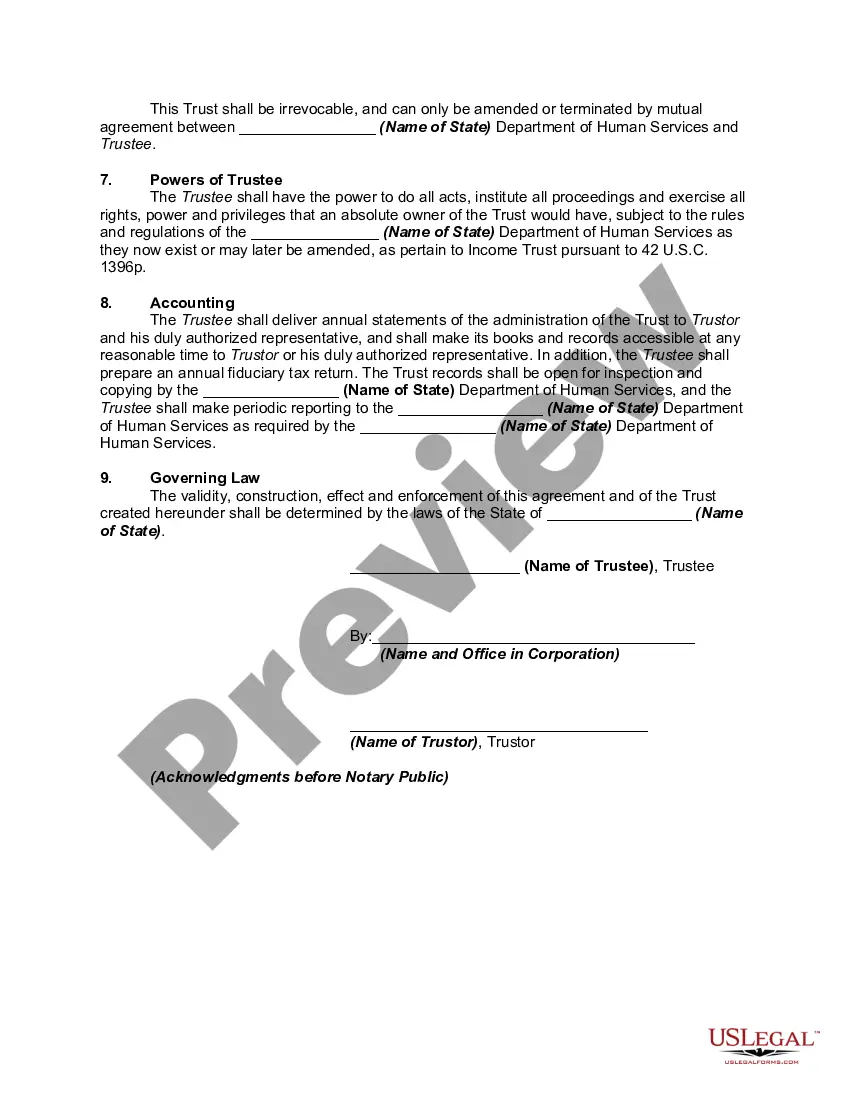
Income Cap Trust Form Oregon Withdrawal
Description

Get your form ready online
Our built-in tools help you complete, sign, share, and store your documents in one place.
Make edits, fill in missing information, and update formatting in US Legal Forms—just like you would in MS Word.
Download a copy, print it, send it by email, or mail it via USPS—whatever works best for your next step.
Sign and collect signatures with our SignNow integration. Send to multiple recipients, set reminders, and more. Go Premium to unlock E-Sign.
If this form requires notarization, complete it online through a secure video call—no need to meet a notary in person or wait for an appointment.
We protect your documents and personal data by following strict security and privacy standards.

Make edits, fill in missing information, and update formatting in US Legal Forms—just like you would in MS Word.

Download a copy, print it, send it by email, or mail it via USPS—whatever works best for your next step.

Sign and collect signatures with our SignNow integration. Send to multiple recipients, set reminders, and more. Go Premium to unlock E-Sign.

If this form requires notarization, complete it online through a secure video call—no need to meet a notary in person or wait for an appointment.

We protect your documents and personal data by following strict security and privacy standards.
Looking for another form?


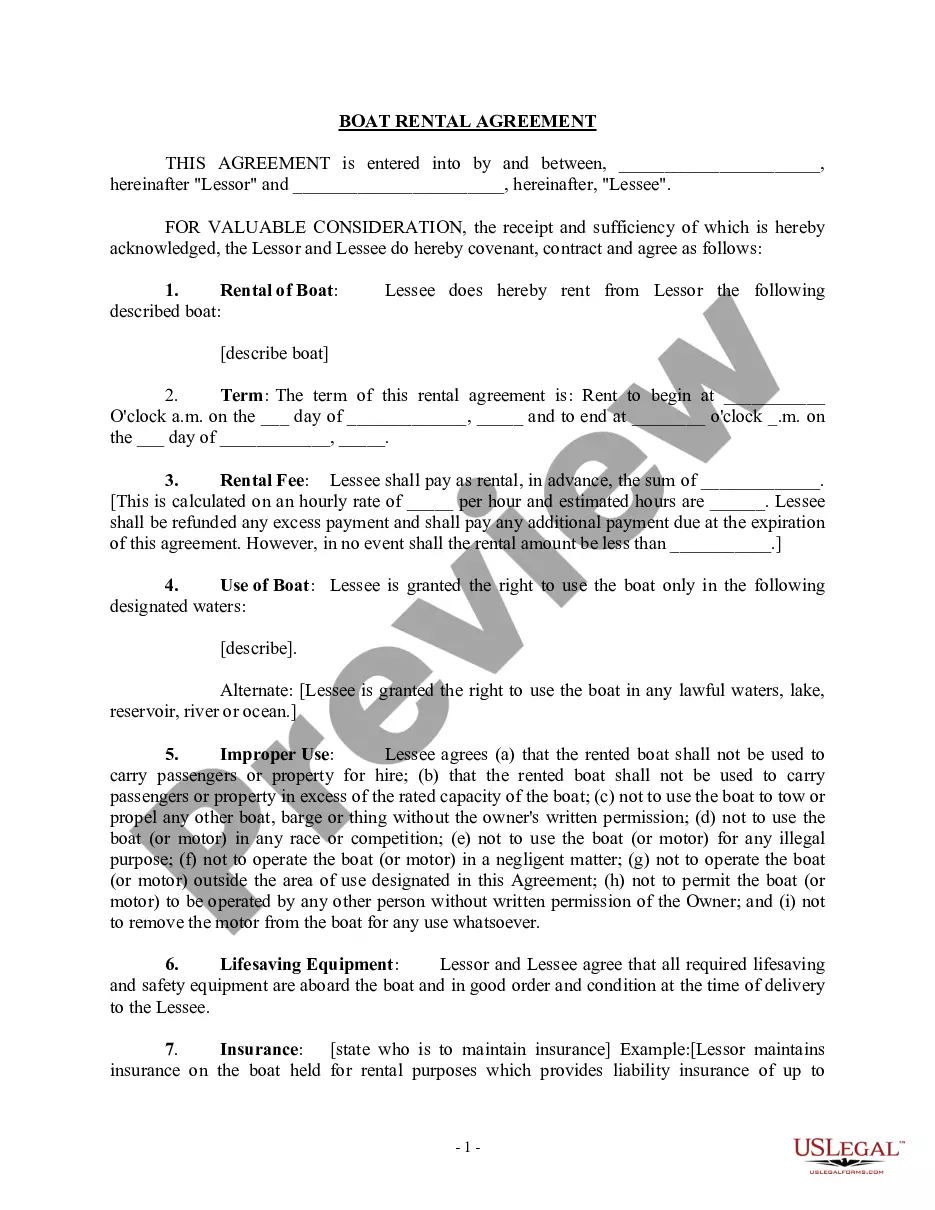

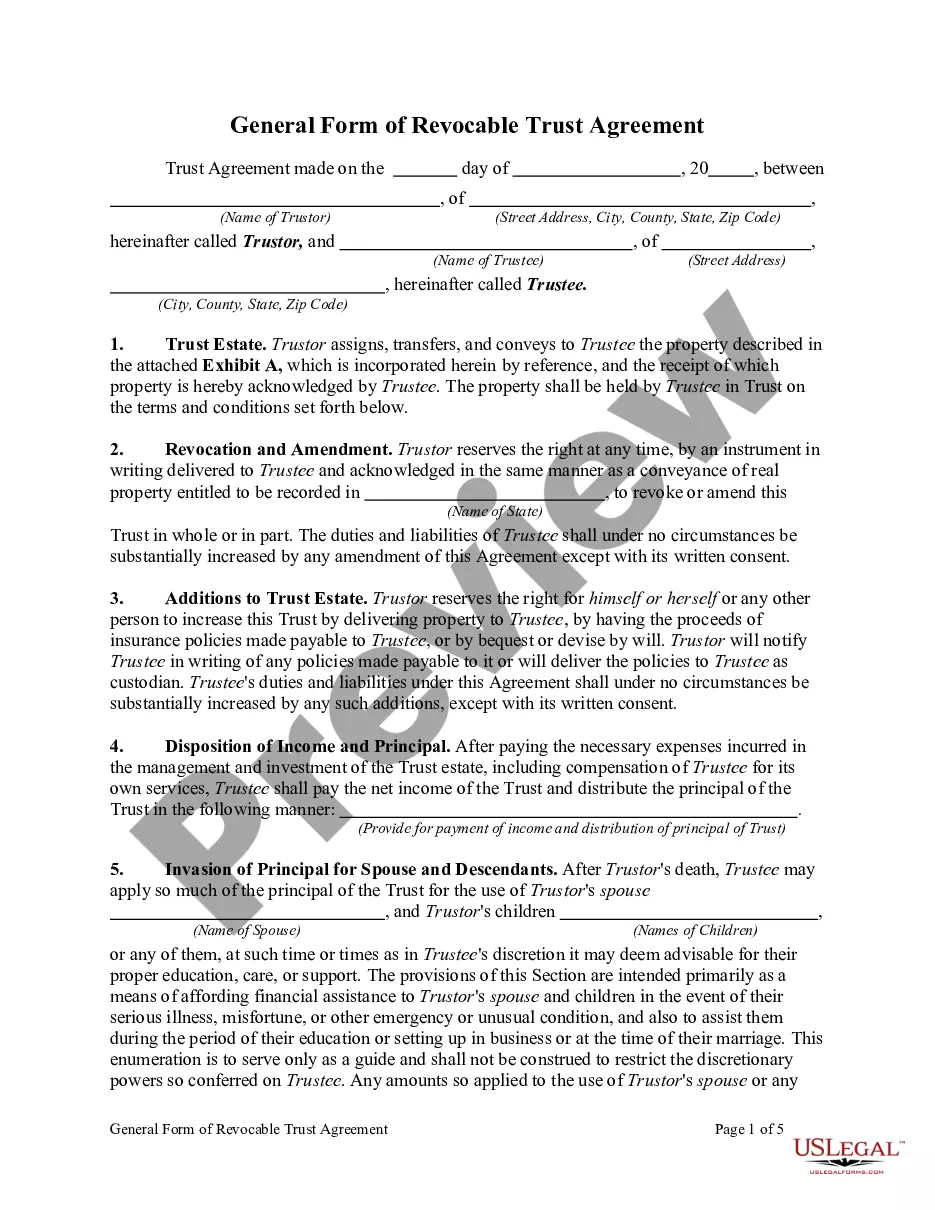
How to fill out Qualified Income Miller Trust?
Handling legal documents and processes can be a lengthy addition to your day.
Income Cap Trust Form Oregon Withdrawal and similar forms usually require you to search for them and figure out how to fill them out correctly.
Therefore, if you are managing financial, legal, or personal issues, having an extensive and accessible online collection of forms at your disposal will greatly assist you.
US Legal Forms is the leading online resource for legal templates, featuring over 85,000 state-specific documents and various tools to help you finalize your paperwork swiftly.
Is this your first experience with US Legal Forms? Register and create a free account in a few minutes, granting you access to the form library and Income Cap Trust Form Oregon Withdrawal. Next, follow the steps outlined below to fill out your form.
- Explore the collection of relevant documents available to you with just one click.
- US Legal Forms offers state- and county-specific documents ready for download at any time.
- Safeguard your document management processes by utilizing a premier service that enables you to complete any form in minutes without additional or hidden charges.
- Simply Log In to your account, locate Income Cap Trust Form Oregon Withdrawal and download it immediately from the My documents section.
- You can also retrieve forms you have downloaded in the past.
Form popularity
FAQ
Both the FCCPA and the FDCPA provide for the same or similar elements of damages for a violation of the statute. Specifically, a successful plaintiff is entitled to recover: 1) actual damages; 2) statutory damages up to $1,000.00; and 3) attorneys' fees and costs.
Write a dispute letter to credit bureaus The Consumer Financial Protection Bureau (CFPB) suggests that you include your contact information, clear identification of each mistake, including account numbers or dates, explanations for why you're disputing the information and a request to remove or correct the error.
If you don't receive a validation notice within 10 days of the first contact, request one from the debt collector the next time you're contacted. Ask for the debt collector's mailing address at this time as well, in case you decide to request a debt verification letter.
Harassment of the debtor by the creditor ? More than 40 percent of all reported FDCPA violations involved incessant phone calls in an attempt to harass the debtor.
If you are struggling with debt and debt collectors, Farmer & Morris Law, PLLC can help. As soon as you use the 11-word phrase ?please cease and desist all calls and contact with me immediately? to stop the harassment, call us for a free consultation about what you can do to resolve your debt problems for good.
Debt collectors engaging in harassment (usually with repeated calls) or using abusive language. Debt collectors threatening to contact a third party about your debt (such as a friend, family member, or employer) or otherwise improperly share information about your debt publicly.
Debt collectors cannot harass or abuse you. They cannot swear, threaten to illegally harm you or your property, threaten you with illegal actions, or falsely threaten you with actions they do not intend to take.
Statute of Limitations in Colorado That time frame is set by each state and varies from 3-10 years. In Colorado, the statute of limitations on debt is three years for written contracts, oral contracts, promissory notes, and open-ended accounts.