A Miller Trust With Iowa
Description
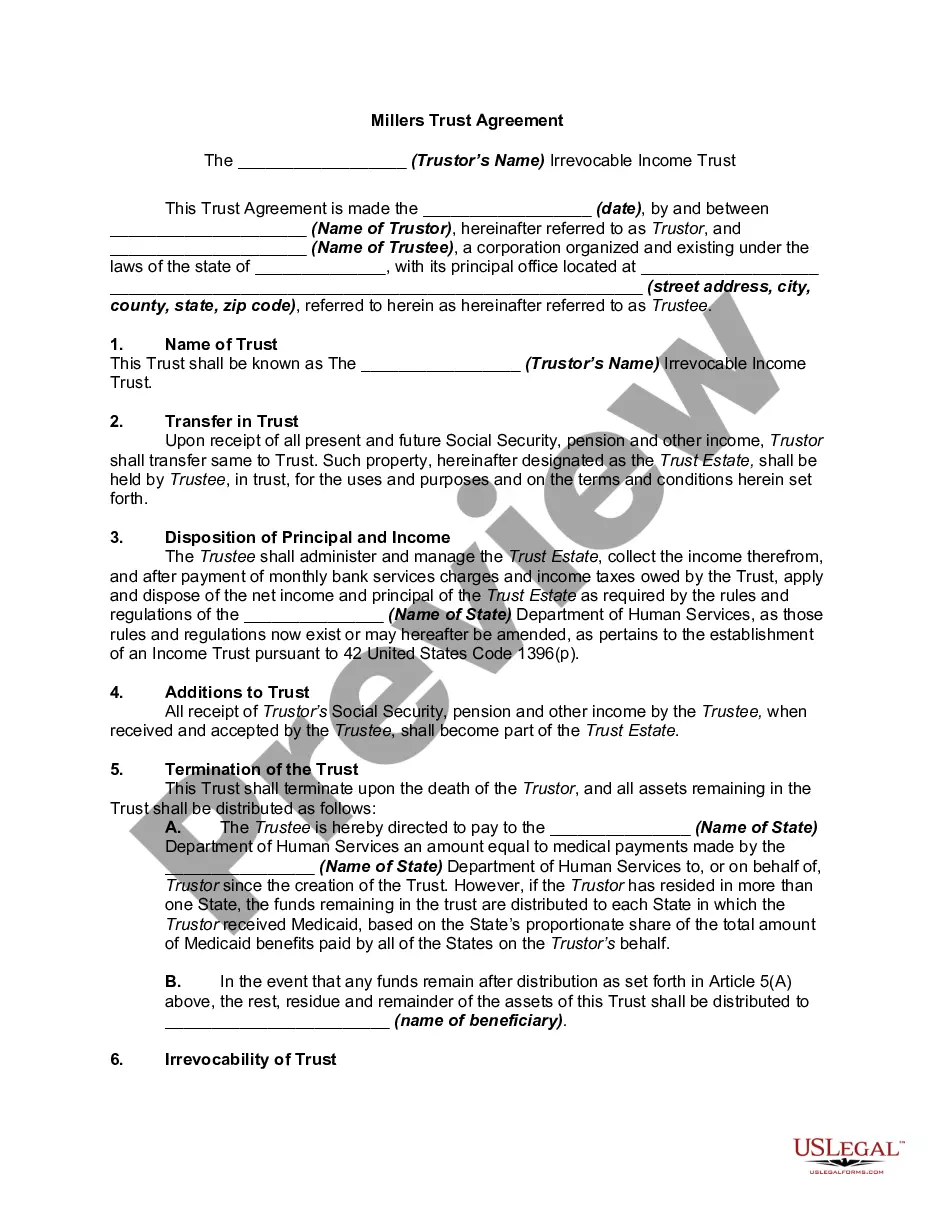
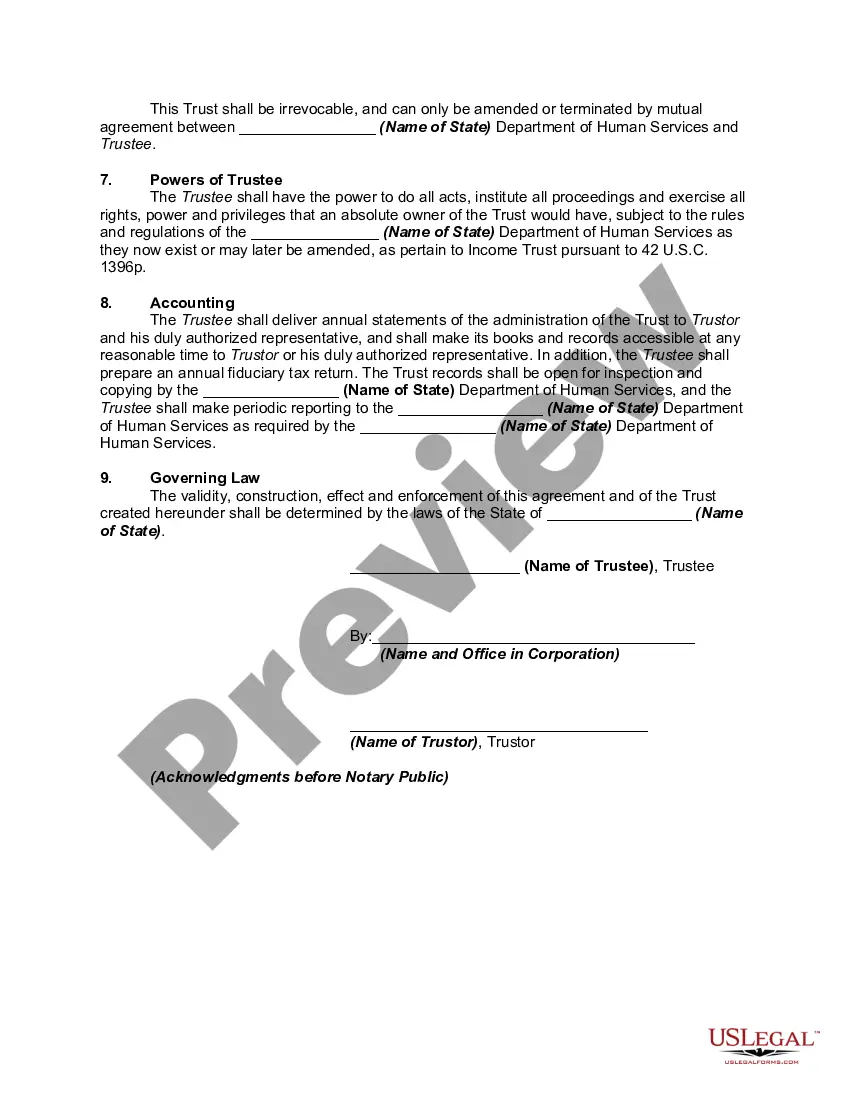
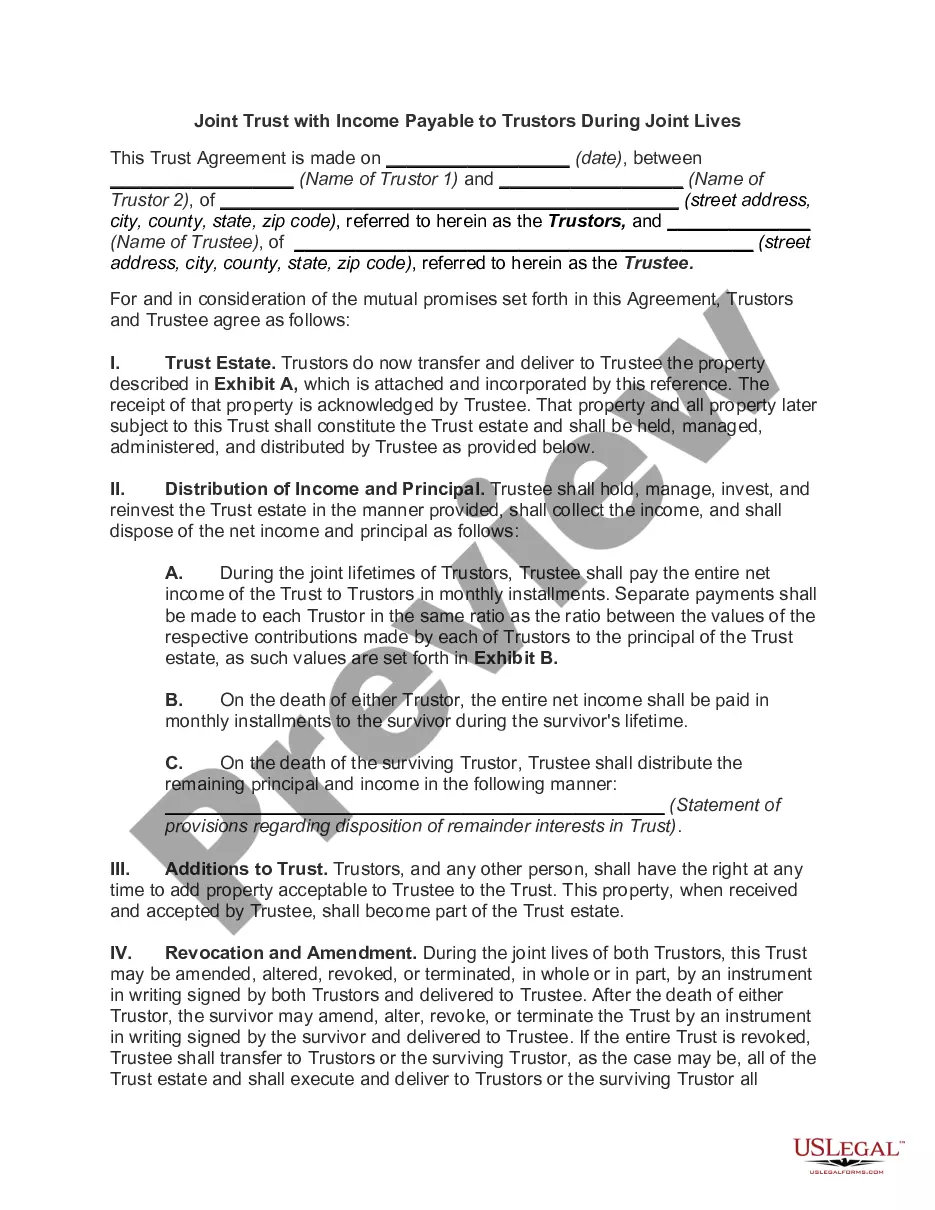

Get your form ready online
Our built-in tools help you complete, sign, share, and store your documents in one place.
Make edits, fill in missing information, and update formatting in US Legal Forms—just like you would in MS Word.
Download a copy, print it, send it by email, or mail it via USPS—whatever works best for your next step.
Sign and collect signatures with our SignNow integration. Send to multiple recipients, set reminders, and more. Go Premium to unlock E-Sign.
If this form requires notarization, complete it online through a secure video call—no need to meet a notary in person or wait for an appointment.
We protect your documents and personal data by following strict security and privacy standards.

Make edits, fill in missing information, and update formatting in US Legal Forms—just like you would in MS Word.

Download a copy, print it, send it by email, or mail it via USPS—whatever works best for your next step.

Sign and collect signatures with our SignNow integration. Send to multiple recipients, set reminders, and more. Go Premium to unlock E-Sign.

If this form requires notarization, complete it online through a secure video call—no need to meet a notary in person or wait for an appointment.

We protect your documents and personal data by following strict security and privacy standards.
Looking for another form?



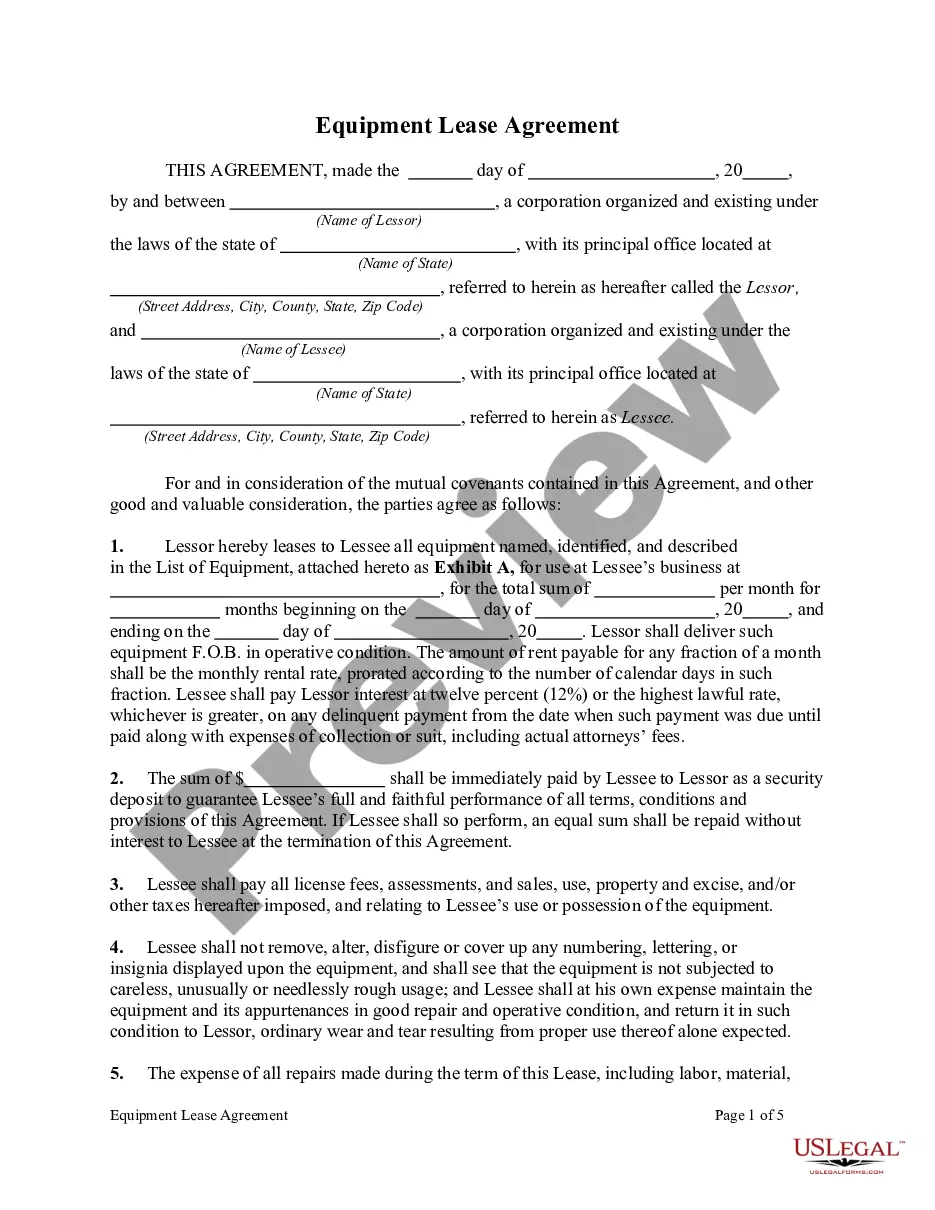
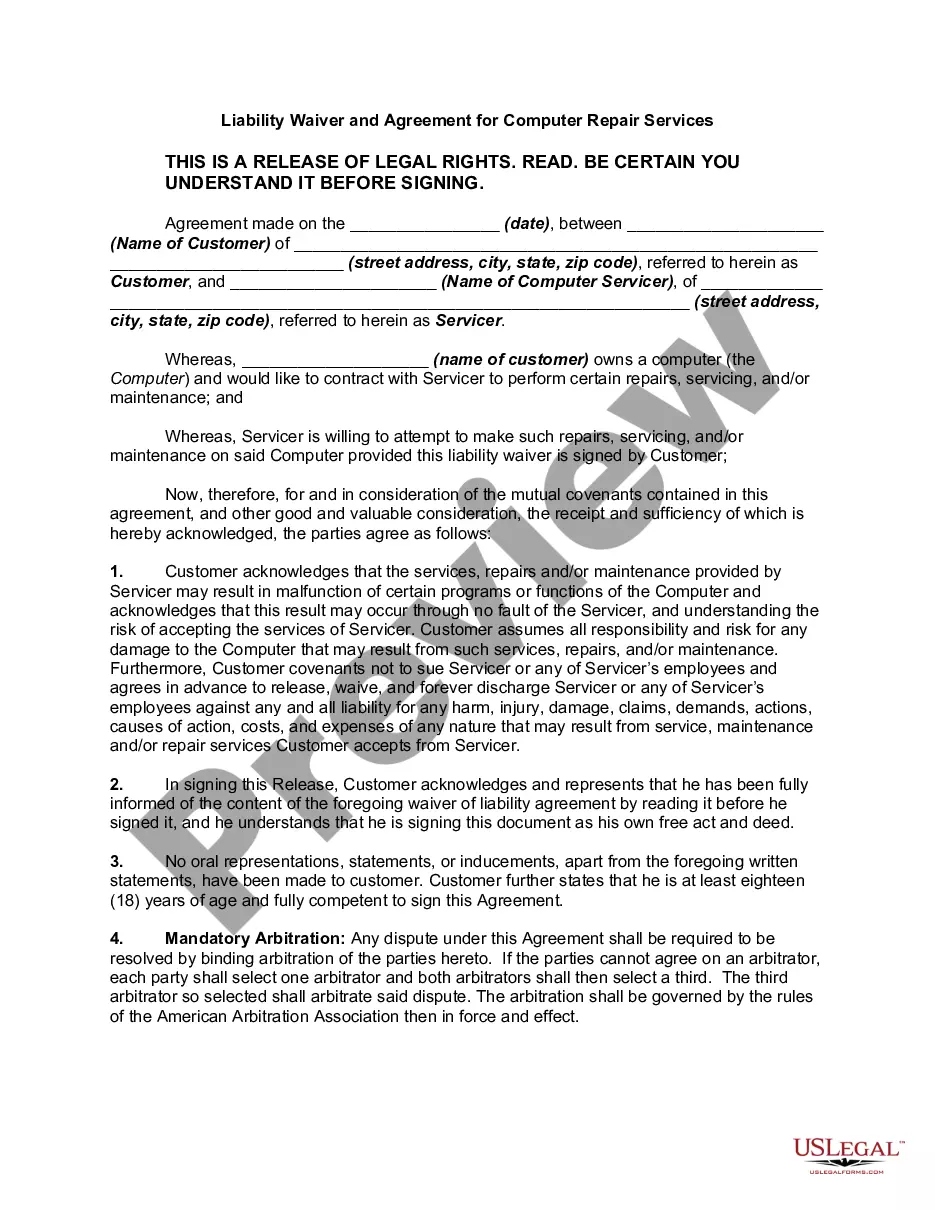




How to fill out Qualified Income Miller Trust?
Creating legal documents from the ground up can occasionally be overwhelming.
Certain situations might require extensive research and substantial financial investment.
If you’re seeking a simpler and more affordable method of generating A Miller Trust With Iowa or other forms without hassle, US Legal Forms is always within reach.
Our online directory of over 85,000 current legal forms covers nearly every aspect of your financial, legal, and personal matters.
Before diving straight into downloading A Miller Trust With Iowa, consider these suggestions: check the form preview and descriptions to ensure you are on the correct form, verify that it meets your state and county requirements, select the appropriate subscription option to purchase the A Miller Trust With Iowa, then download the form. After that, complete, sign, and print it. US Legal Forms boasts an impeccable reputation and more than 25 years of experience. Join us today and make form completion an effortless and streamlined process!
- With just a few clicks, you can immediately obtain forms prepared by our legal experts that comply with state and county regulations.
- Utilize our platform whenever you require a dependable and trustworthy service to conveniently locate and download the A Miller Trust With Iowa.
- If you are a returning user and have already registered with us, just Log In to your account, select the template, and download it or access it later in the My documents section.
- Not registered yet? No worries. Registering only takes a few minutes and lets you browse the catalog.
Form popularity
FAQ
You may need a Miller trust to qualify for Medicaid benefits while maintaining some control over your assets. In Iowa, a Miller trust can help you protect your income when it exceeds the Medicaid limit, allowing you to still receive necessary medical care. This type of trust provides a legal structure for managing excess income, thus enabling you to utilize Medicaid effectively without losing financial stability.
There is no form to file to start a Sole Proprietorship. Simply by engaging in activities with the goal of making money, you are operating as a Sole Proprietor. However, if you'd like to do business under a name besides your first and last name, you'll need to register a DBA (Doing Business As) Name.
You don't need to take any legal steps to form this type of business. If you are the only owner and begin conducting business, you automatically become a sole proprietorship. There is no need to formally file paperwork or submit anything at the federal, state, or local level to be recognized as such.
A sole proprietorship is an unincorporated business that one person owns and manages. As the business and the owner are not legally separate, it is the simplest form of business structure. It is also known as individual entrepreneurship, sole trader, or simply proprietorship.
While there's no mandatory action to create a sole proprietorship, you can follow four straightforward steps to kickstart your business: Choose A Business Name. File A Fictitious Business Name Statement With Your County. Apply For Licenses, Permits, And Zoning Clearance. Obtain An Employer Identification Number (EIN)
Sole Proprietorships and General Partnerships do not have to register their companies. Still, if they use a name that doesn't include the legal names of the business owners, they must first find out if the name is already taken by searching the Michigan Entity Name Database.
In the case of a sole proprietorship, you declare your profit and loss on Schedule C of Form 1040. But, to file Schedule C, you'll have to qualify first. The conditions to qualify are: Your goal is to engage in business activity for income and profit.
You don't have to file a document to ?form? your Sole Proprietorship in California, you're already a business owner. However, there are a few things you may need to (or want to) do in order to operate legally. For example, your business may need a license or permit to operate.
And, as is the case with other types of business entities, sole proprietors are also subject to self-employment taxes. As a sole proprietor, instead of filing a separate tax return for your business, you report your business income on IRS Form 1040, using Schedule C to report your business profit or loss.