Us Citizenship For Immigrants
Description
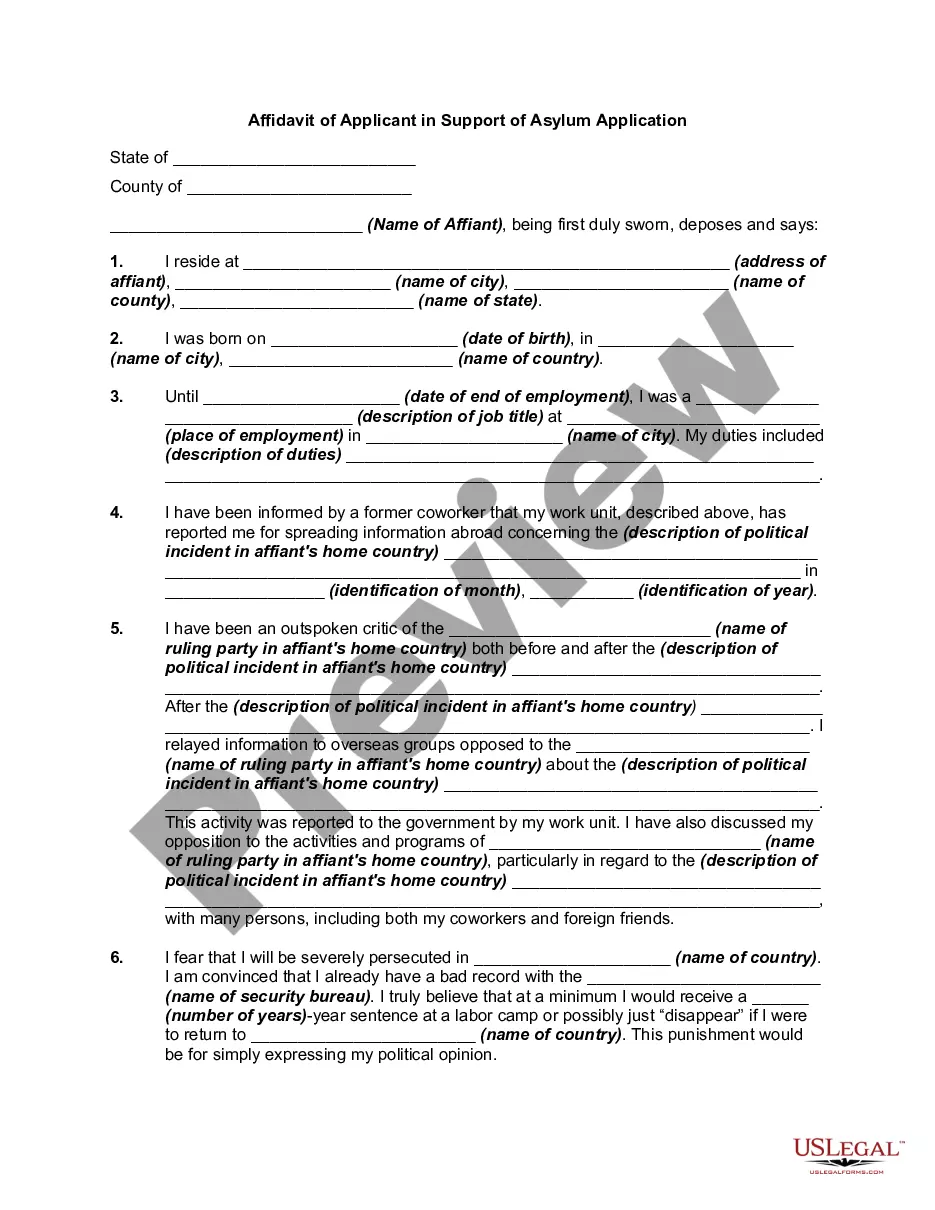
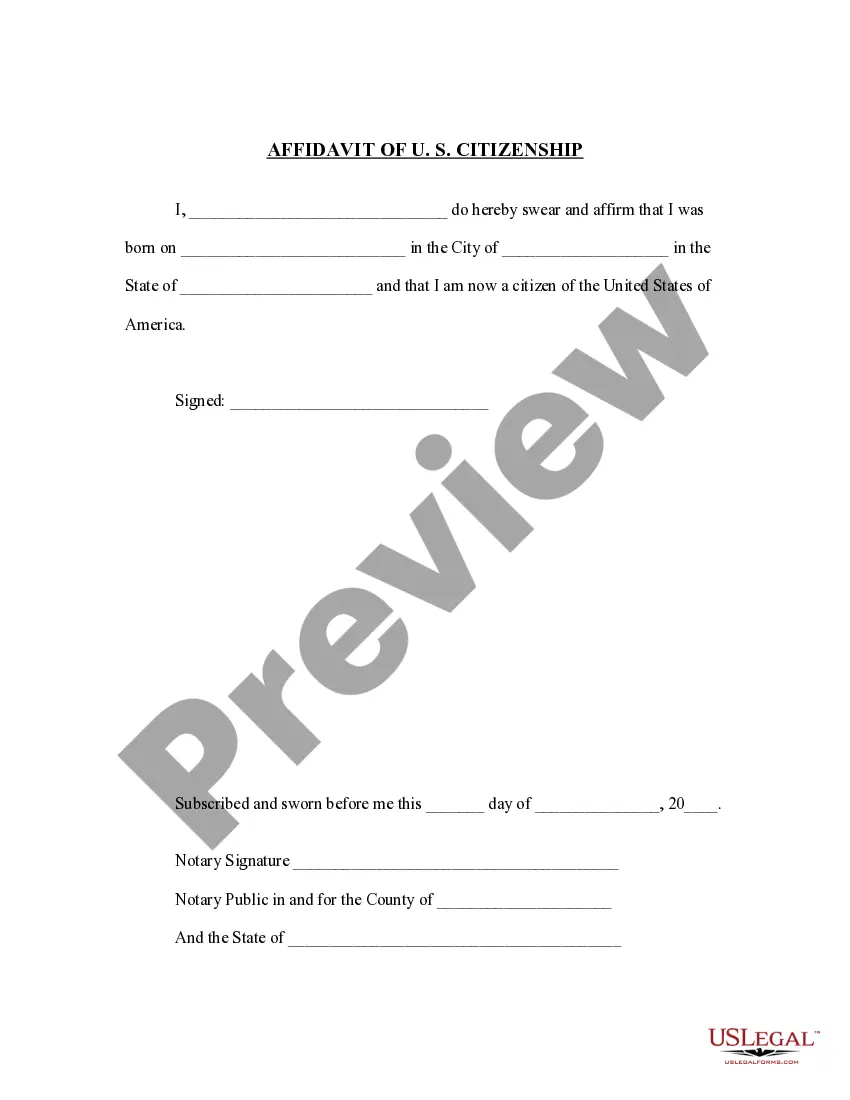
Get your form ready online
Our built-in tools help you complete, sign, share, and store your documents in one place.
Make edits, fill in missing information, and update formatting in US Legal Forms—just like you would in MS Word.
Download a copy, print it, send it by email, or mail it via USPS—whatever works best for your next step.
Sign and collect signatures with our SignNow integration. Send to multiple recipients, set reminders, and more. Go Premium to unlock E-Sign.
If this form requires notarization, complete it online through a secure video call—no need to meet a notary in person or wait for an appointment.
We protect your documents and personal data by following strict security and privacy standards.

Make edits, fill in missing information, and update formatting in US Legal Forms—just like you would in MS Word.

Download a copy, print it, send it by email, or mail it via USPS—whatever works best for your next step.

Sign and collect signatures with our SignNow integration. Send to multiple recipients, set reminders, and more. Go Premium to unlock E-Sign.

If this form requires notarization, complete it online through a secure video call—no need to meet a notary in person or wait for an appointment.

We protect your documents and personal data by following strict security and privacy standards.
Looking for another form?










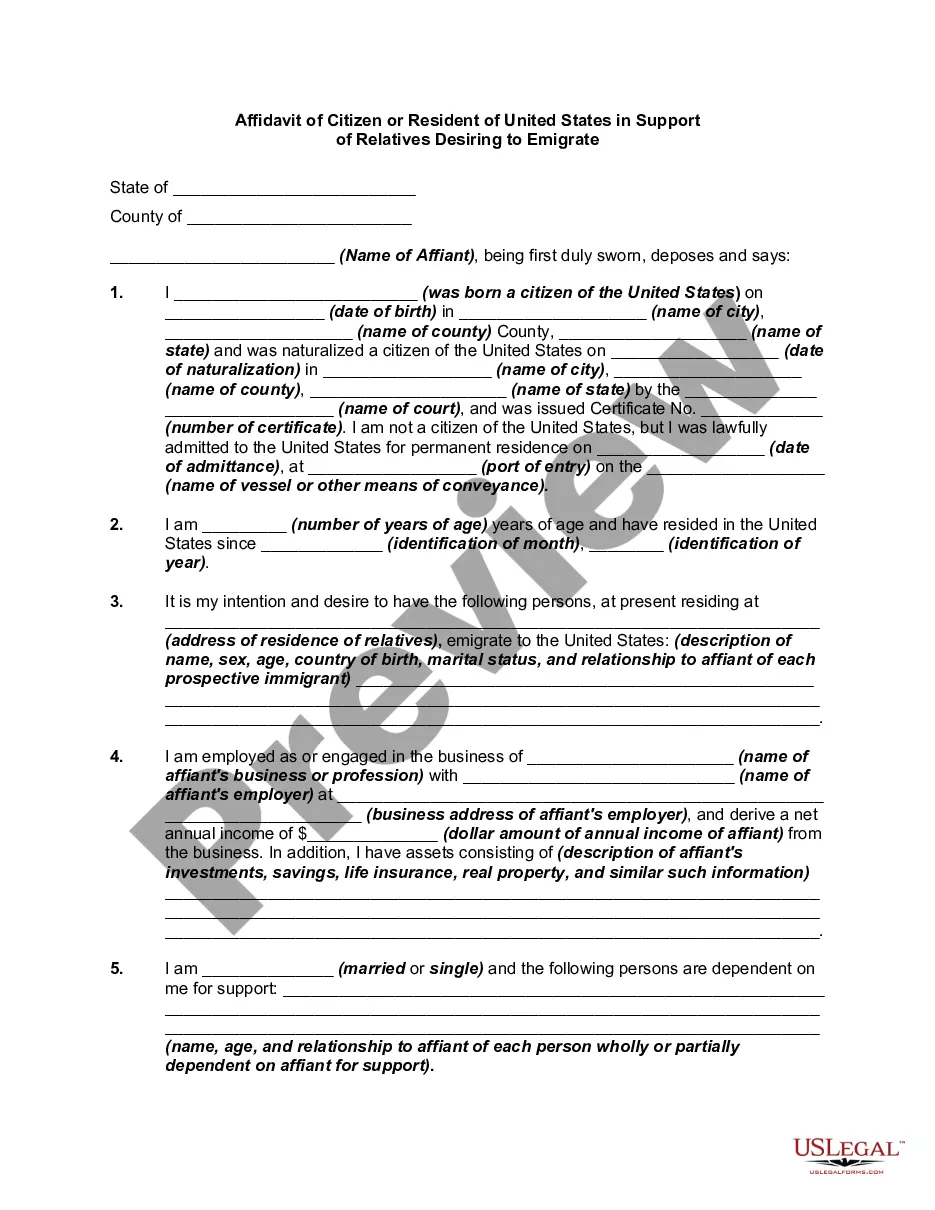
How to fill out Affidavit And Proof Of Citizenship Or Residence Of United States In Support Of Relatives Desiring To Emigrate?
- Log in to your existing US Legal Forms account to download your required document. Ensure your subscription remains active; renew if necessary.
- Examine the Preview mode and the form's description to confirm that it fits your specific requirements, complying with local jurisdiction.
- If discrepancies are found, utilize the Search feature to find the correct template. Once located, proceed to the next step.
- Select your desired document by clicking on the Buy Now button and choosing an appropriate subscription plan. New users will need to create an account for full access.
- Complete your purchase by entering your payment information, either via credit card or PayPal.
- Download the finalized form to your device. You can easily access it later in the My Forms section of your profile for completion.
In conclusion, US Legal Forms simplifies the process of securing essential legal documents for US citizenship, making it accessible and efficient for immigrants. Take the first step towards your legal journey today by visiting US Legal Forms!
Form popularity
FAQ
The process for an immigrant to become a U.S. citizen typically involves several steps. First, you must complete and submit the N-400 form. After your application is processed, you will attend an interview and take a citizenship test. Once you meet all requirements and pass the interview, you will attend a naturalization ceremony, officially granting you citizenship for immigrants. Platforms like USLegalForms can help streamline this journey, providing clear guidance throughout.
Immigrants can apply for U.S. citizenship by submitting Form N-400, along with the required documents and fees. After you submit your application, you will have an interview with a USCIS officer who will review your application and test your knowledge of U.S. history and government. To ease the process, consider using USLegalForms for step-by-step instructions tailored to citizenship for immigrants.
Yes, immigrants can still apply for U.S. citizenship if they meet specific eligibility criteria. Generally, you must be a lawful permanent resident for at least five years and demonstrate good moral character, among other requirements. The process may seem daunting, but resources are available, such as USLegalForms, to simplify your path to citizenship for immigrants.
To apply for U.S. citizenship, you need to complete Form N-400, the Application for Naturalization. This form gathers important information about your background, residency, and eligibility for U.S. citizenship for immigrants. You can find the form on the U.S. Citizenship and Immigration Services (USCIS) website, or you can use platforms like USLegalForms to access user-friendly templates and guidance.
The 3-3-3 rule refers to the residency requirement for immigrants applying for U.S. citizenship. Under this rule, applicants must have lived in the U.S. for three years as a spouse of a U.S. citizen, three years as a lawful permanent resident, and be able to demonstrate continuous residence during that time. It is essential to understand this rule to ensure your eligibility in the naturalization process. Resources like uslegalforms can provide essential information for immigrants regarding their journey to U.S. citizenship.
To gain U.S. citizenship, immigrants must meet five key requirements: be at least 18 years old, have lawful permanent resident status, reside in the U.S. for at least five years, demonstrate good moral character, and possess basic English language skills. Each requirement is essential to ensure you are prepared for the responsibilities of citizenship. For a thorough understanding of these requirements, seek assistance from uslegalforms to streamline your path to U.S. citizenship for immigrants.
Automatic citizenship in the United States can occur through birth in the U.S., birth to U.S. citizen parents, adoption by U.S. citizens, or military service under specific conditions. Each of these situations grants individuals immediate citizenship without requiring the naturalization process. Understanding these pathways helps immigrants recognize their options for U.S. citizenship for immigrants. Always consult resources like uslegalforms for official guidance and documentation.
Yes, immigrants can become U.S. citizens through the naturalization process. This path requires meeting specific eligibility criteria, such as residency duration, language proficiency, and knowledge of U.S. history and government. By fulfilling these requirements, you can successfully transition from an immigrant to a U.S. citizen. Engaging platforms like uslegalforms can support you in this important step toward U.S. citizenship for immigrants.
The timeline for becoming a U.S. citizen through naturalization can vary significantly. Generally, it takes about 6 months to 1 year after you submit your application, depending on your location and circumstances. Factors such as background checks and interview scheduling can influence this timeline. To navigate this process more efficiently, consider using resources like uslegalforms that offer guidance on requirements and timelines for U.S. citizenship for immigrants.
Immigrants can achieve U.S. citizenship through naturalization, being born to U.S. citizen parents, deriving citizenship from a U.S. citizen parent, or by serving in the U.S. military during certain periods. Each method has specific requirements and processes. Among these, naturalization is the most common, allowing immigrants to apply after meeting residency and other criteria. Understanding these pathways can simplify your journey to U.S. citizenship for immigrants.