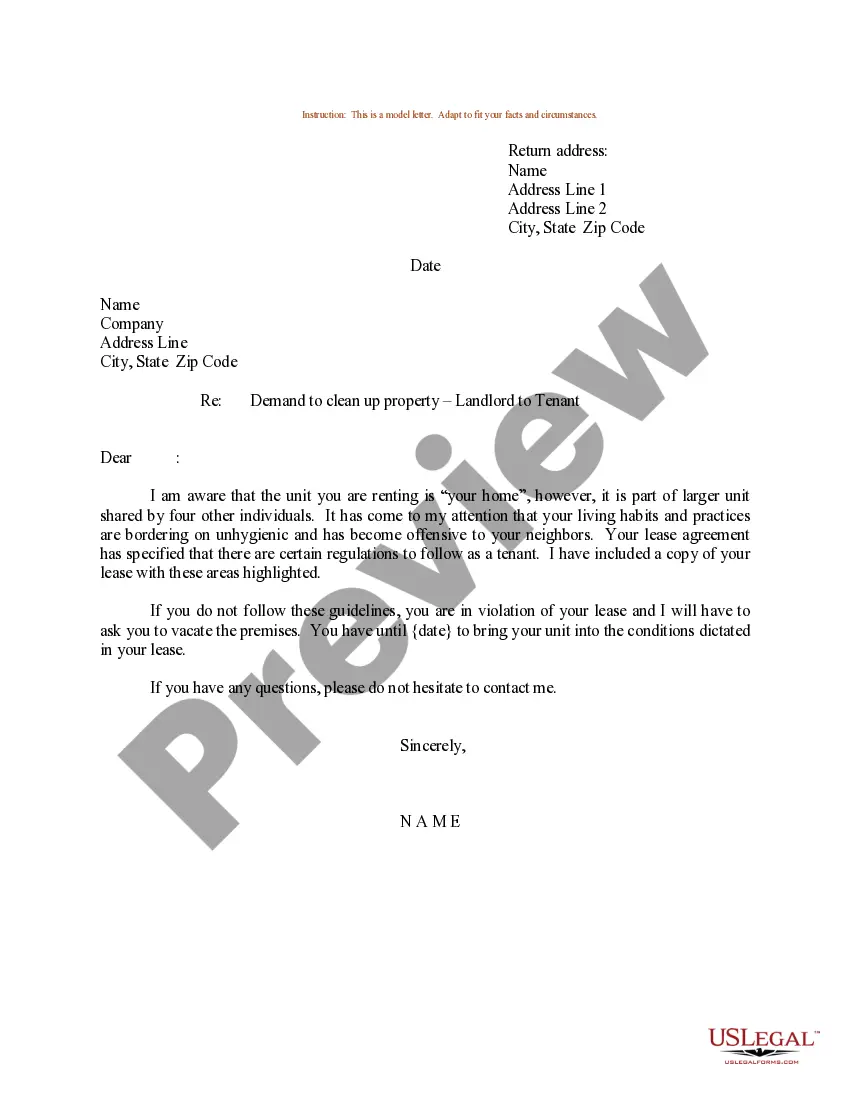
Sample Letter For Property Tax Exemption
Description
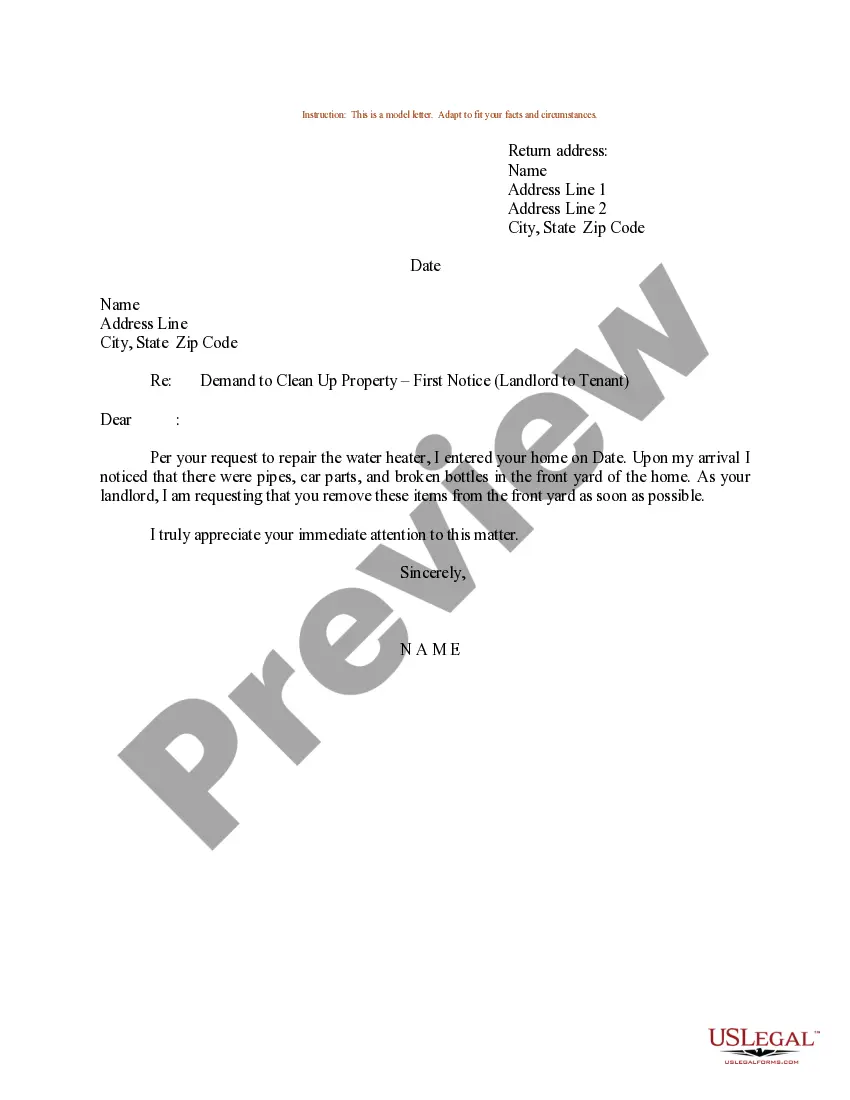
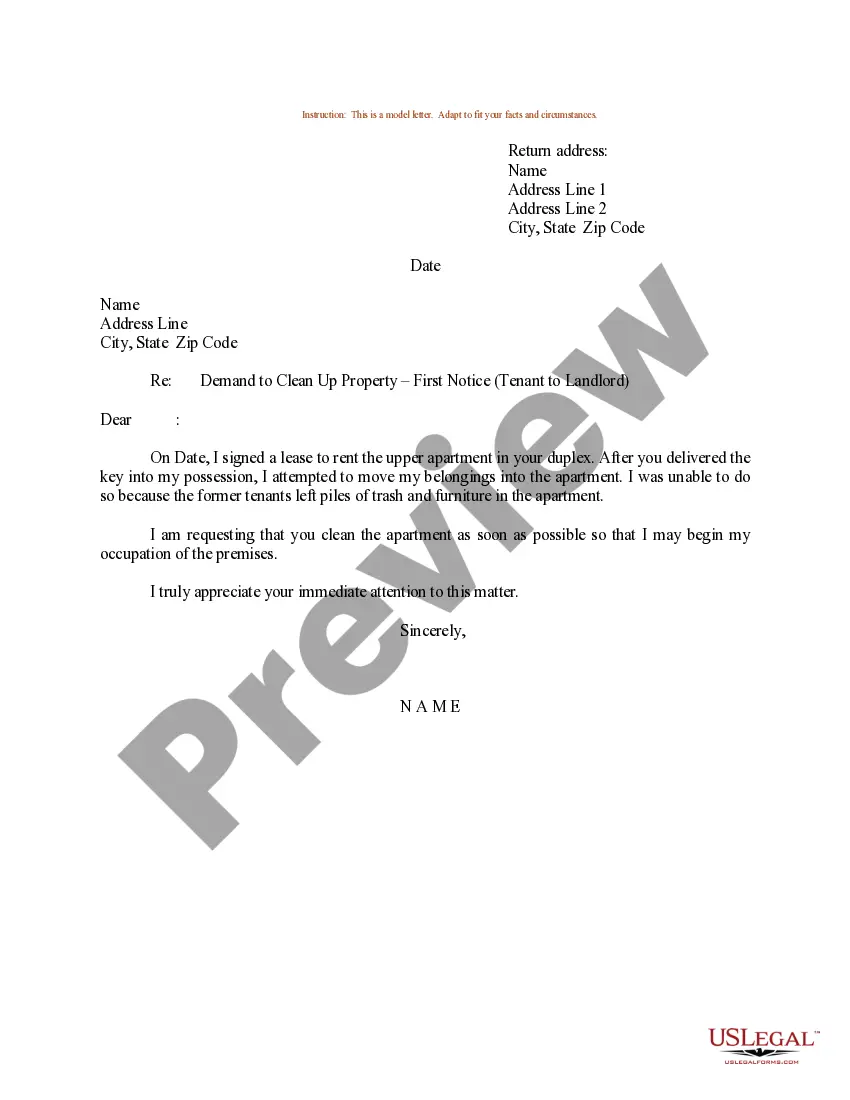
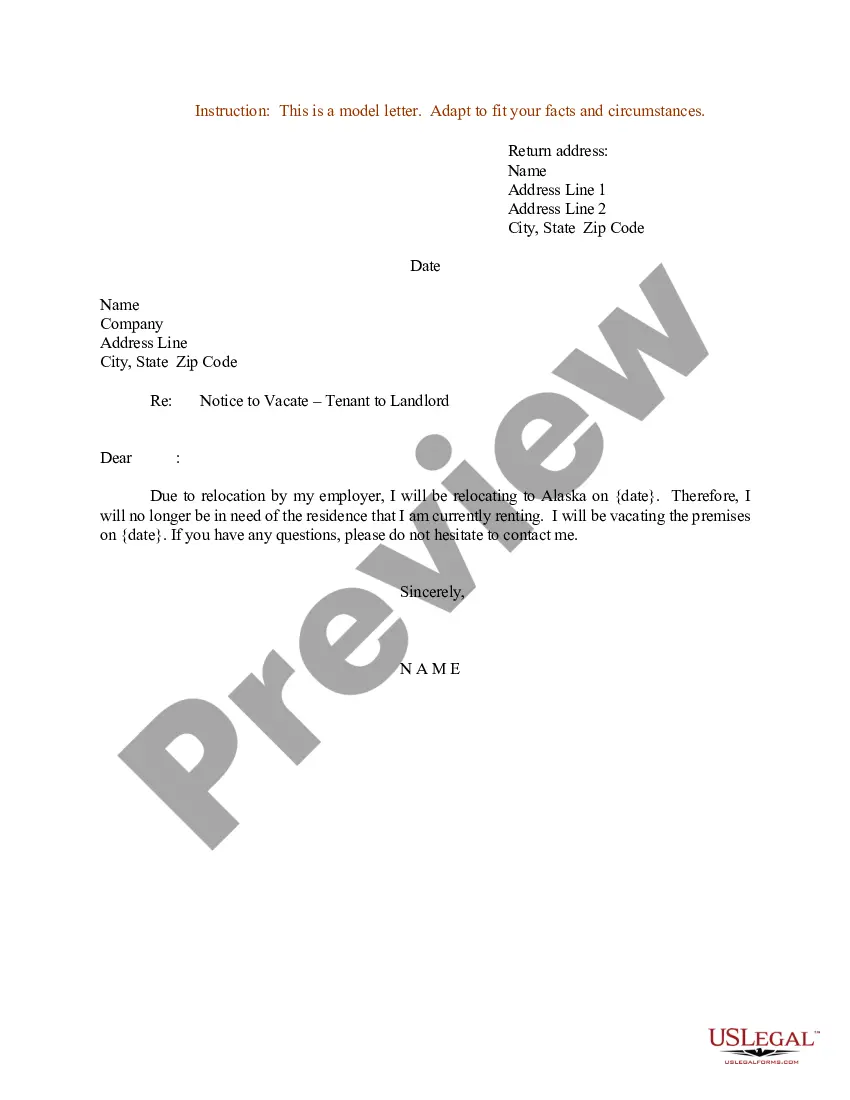
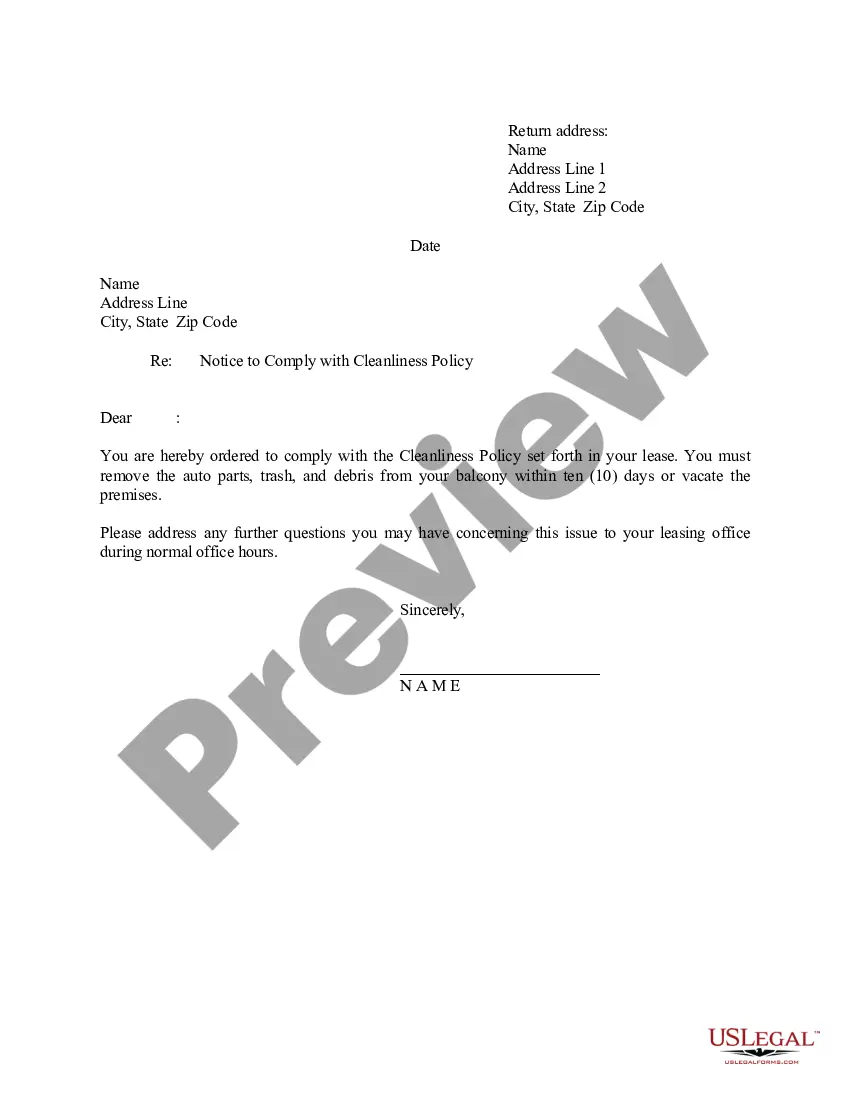
Get your form ready online
Our built-in tools help you complete, sign, share, and store your documents in one place.
Make edits, fill in missing information, and update formatting in US Legal Forms—just like you would in MS Word.
Download a copy, print it, send it by email, or mail it via USPS—whatever works best for your next step.
Sign and collect signatures with our SignNow integration. Send to multiple recipients, set reminders, and more. Go Premium to unlock E-Sign.
If this form requires notarization, complete it online through a secure video call—no need to meet a notary in person or wait for an appointment.
We protect your documents and personal data by following strict security and privacy standards.

Make edits, fill in missing information, and update formatting in US Legal Forms—just like you would in MS Word.

Download a copy, print it, send it by email, or mail it via USPS—whatever works best for your next step.

Sign and collect signatures with our SignNow integration. Send to multiple recipients, set reminders, and more. Go Premium to unlock E-Sign.

If this form requires notarization, complete it online through a secure video call—no need to meet a notary in person or wait for an appointment.

We protect your documents and personal data by following strict security and privacy standards.
Looking for another form?
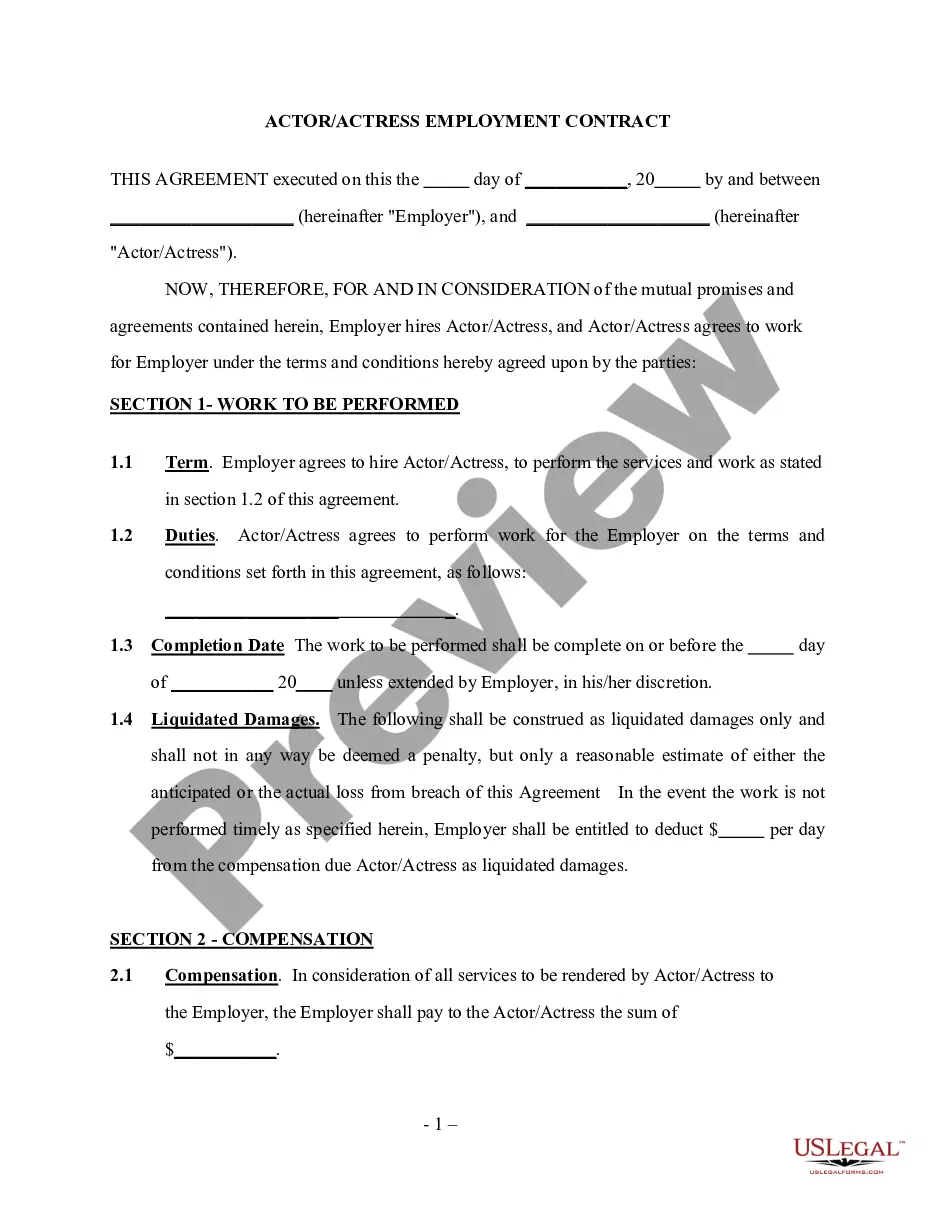
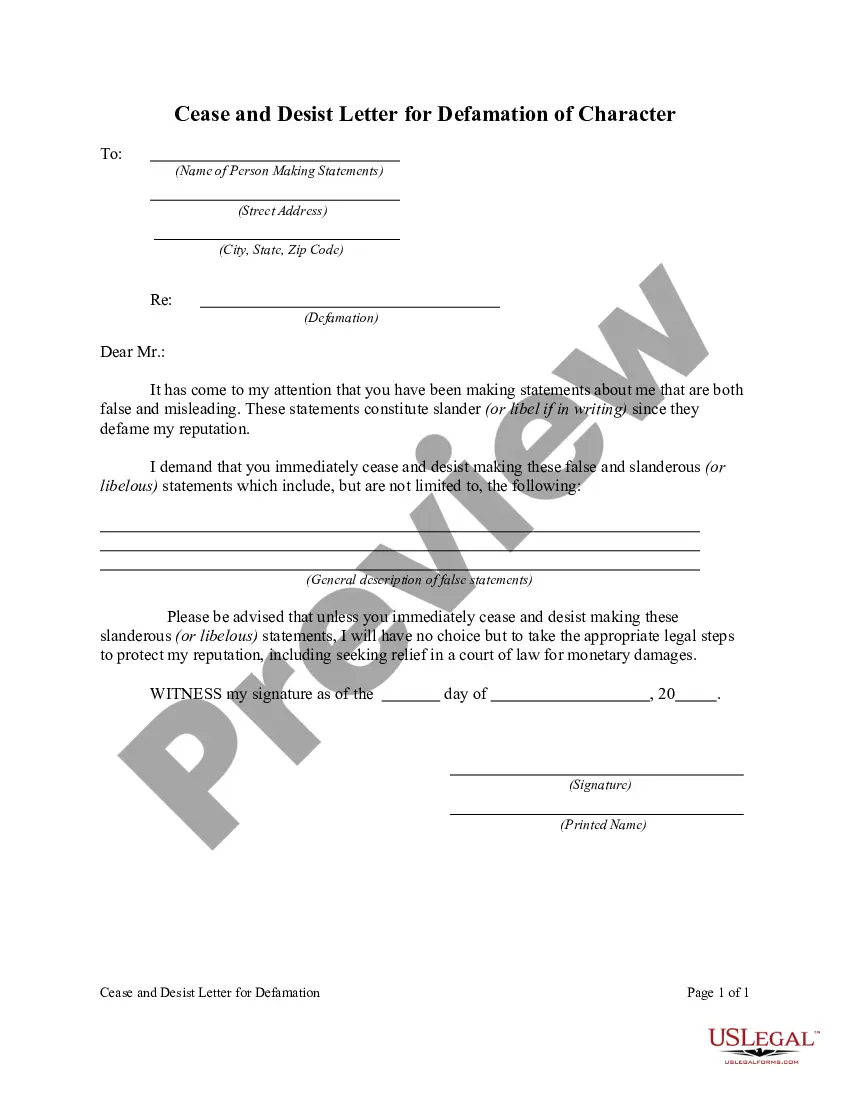
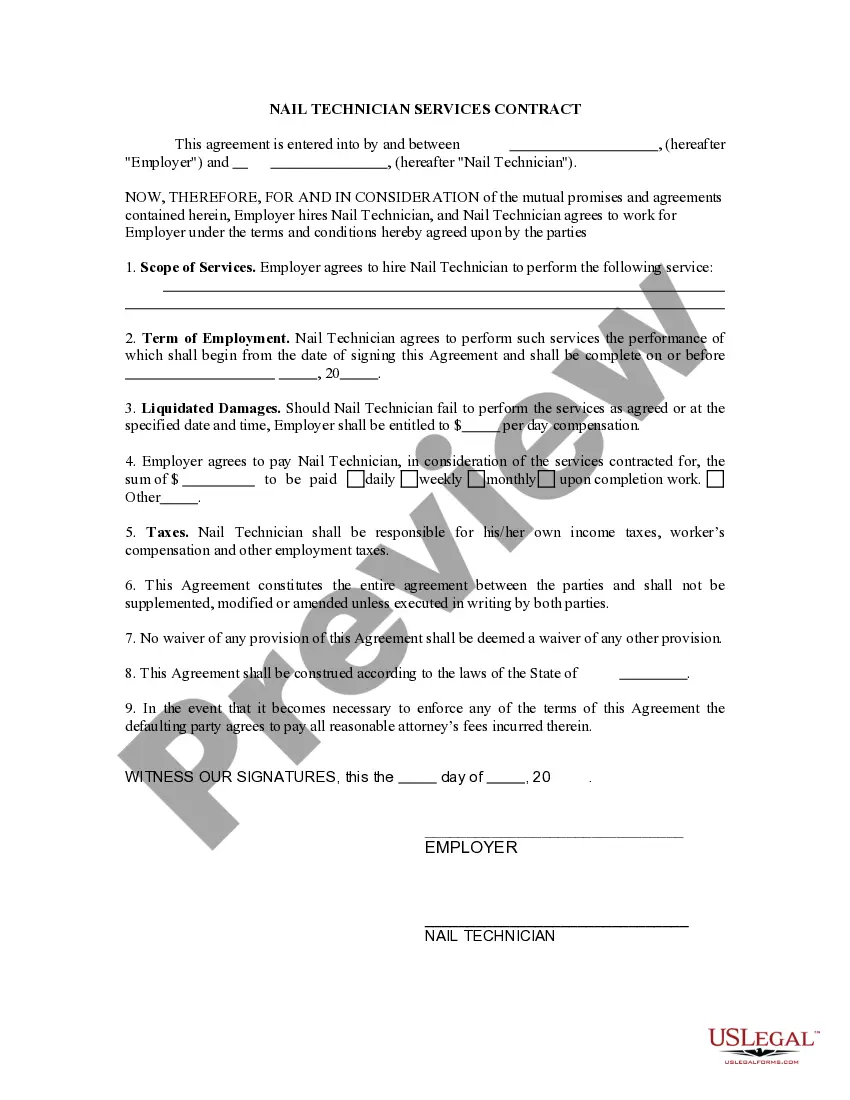
How to fill out Sample Letter For Demand To Clean Property Transmitting Lease From Landlord To Tenant?
Regardless of whether for commercial reasons or personal matters, everyone is bound to encounter legal issues at some point in their lives.
Completing legal documents requires meticulous care, starting with choosing the appropriate form template.
Once downloaded, you can complete the form using editing software or print it out and finish it manually. With an extensive US Legal Forms catalog available, you don’t need to waste time searching for the suitable template online. Utilize the library’s simple navigation to locate the right template for any circumstance.
- Locate the template you require using the search bar or catalog browsing.
- Review the form’s description to ensure it aligns with your situation, state, and county.
- Select the form’s preview to examine it.
- If it is not the correct form, return to the search feature to find the Sample Letter For Property Tax Exemption template you require.
- Acquire the template if it suits your needs.
- If you already possess a US Legal Forms account, simply click Log in to access previously stored templates in My documents.
- If you lack an account, you can obtain the form by clicking Buy now.
- Select the appropriate pricing option.
- Fill out the account registration form.
- Choose your payment method: a credit card or PayPal account can be utilized.
- Select the file format you desire and download the Sample Letter For Property Tax Exemption.
Form popularity
FAQ
Some of the more common types of property that are exempt by law are the following: Property used for abatement of air and water pollution. Household furniture, apparel and motor vehicles. Manufacturing machinery specific processing equipment approved by the Department of Revenue.
When someone owns property and makes it his or her permanent residence or the permanent residence of his or her dependent, the property owner may be eligible to receive a homestead exemption that would decrease the property's taxable value by as much as $50,000.
The Property Tax Exemption Reqeust form (PR-230) must be filed with the local assessor on or before March 1 of the year for which exemption is sought. What if I miss the deadline? March 1 is a statutory deadline that must be met to obtain the benefit of property tax exemption.
To claim the exemption, the homeowner must make a one-time filing with the county assessor where the property is located. The claim form, BOE-266, Claim for Homeowners' Property Tax Exemption, is available from the county assessor.
Qualifying Activity: Own home in Washington for five years; occupy as a primary residence; have combined disposable income of $57,000 or less; and have enough equity to secure the interest of the State of Washington in the property.